
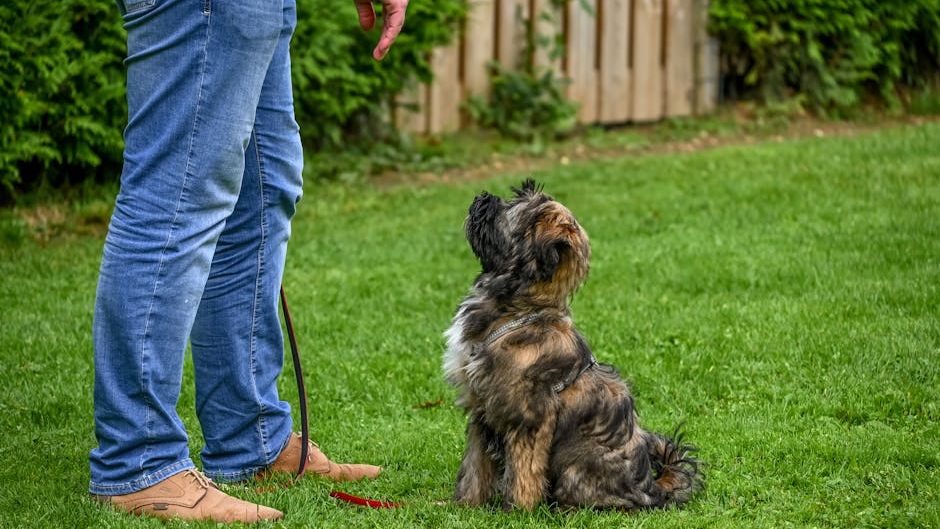
Most dog owners have been there. The doorbell rings, and suddenly your perfectly sweet, well-behaved companion transforms into a four-legged tornado of barking, jumping, and frantic energy. Your guest stands awkwardly in the doorway, unsure whether to step in or retreat. It’s embarrassing, a little chaotic, and if you’re honest with yourself, it happens every single time.
What’s interesting is that this isn’t a character flaw in your dog. Jumping, barking, and dashing toward the door are signs your dog is overwhelmed, not trying to misbehave. The real question is what you do about it, because the solution is far more methodical, and far more achievable, than most people realize. The good news is that with the right approach, genuine change is absolutely possible.
#1. Understand Why Your Dog Reacts That Way in the First Place
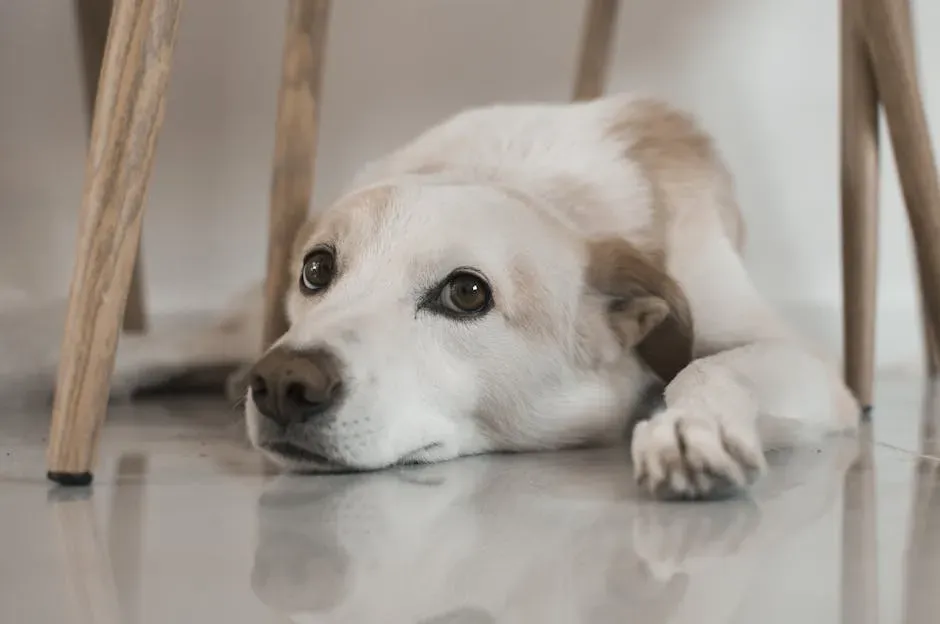
Before you can fix the problem, it helps to understand what’s driving it. Dogs ramp up their reaction to visitors for any number of reasons: excitement, fear, anxiety, or simple overstimulation. Some dogs are genuinely thrilled to see anyone who walks through the door. Others are more guarded, reacting out of a low-level anxiety that visitors disrupt the security of their space.
Just like us, dogs have rich emotional lives, and those emotions can drive their behavior. When your dog is feeling positive, it might lead to overexuberance or distraction. However, when the underlying feelings are negative, like anxiety or fear, that can be downright dangerous. Knowing which camp your dog falls into genuinely changes how you train.
Fear and excitement can both result in vocalizations, barks, and even growls. To tell the difference, watch how your dog is carrying themselves. A wiggly, loose body signals excitement. Stiff, low-to-the-ground posture signals anxiety or fear. These two require different handling, and blurring the line between them is one of the most common training mistakes owners make.
The critical socialization window for puppies is between 3 and 16 weeks of age. If a dog misses out on positive, varied experiences during this time, they are far more likely to develop fear-based behaviors as adults. Rescue dogs, or dogs raised in low-stimulation environments, are especially prone to this. Understanding the root cause takes pressure off both you and your dog, and it sets the foundation for everything else.
#2. Use Desensitization and Counterconditioning to Rewire the Response
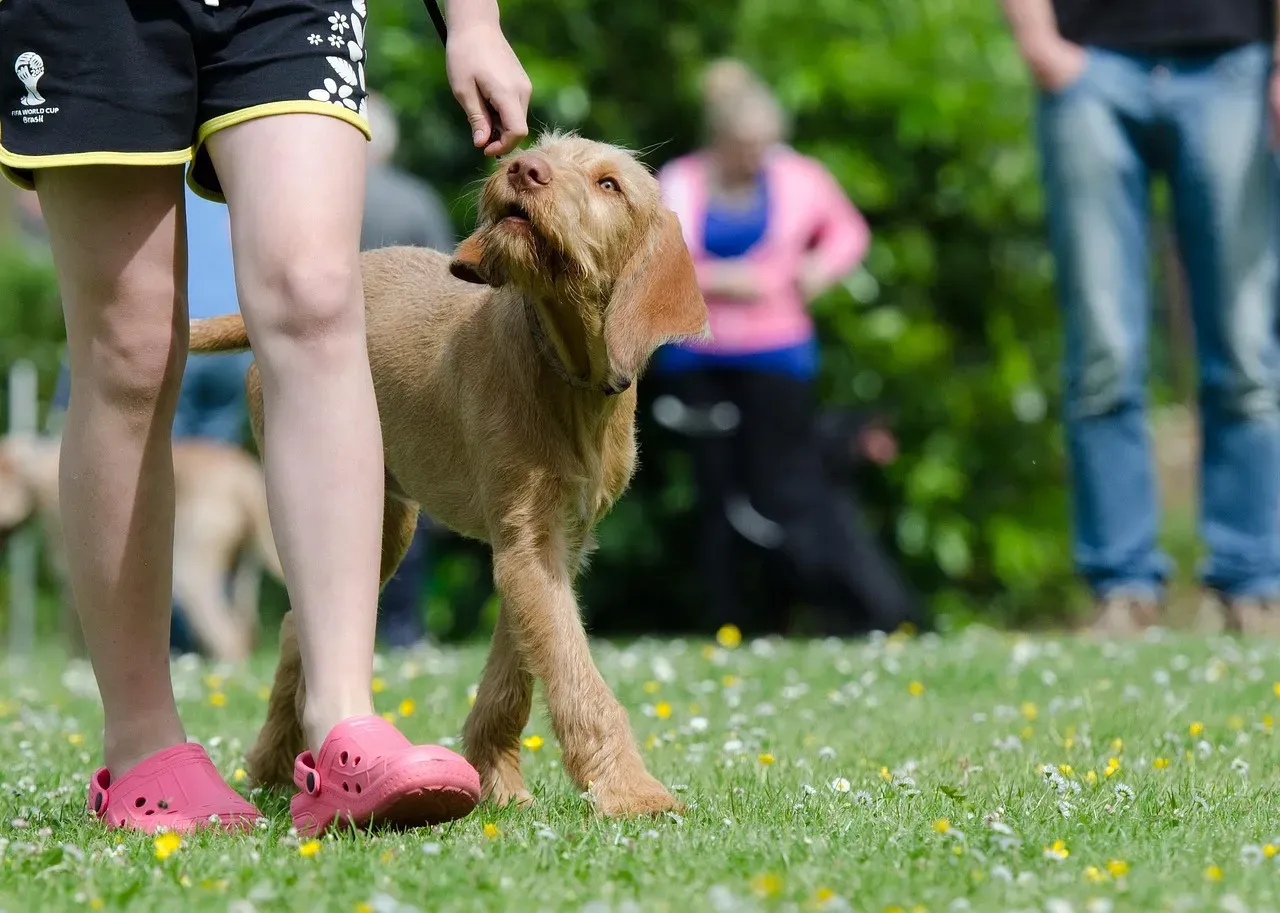
This is where the real training work begins, and it’s more science than guesswork. Behavior modification through counterconditioning and desensitization is all about breaking things down into small, manageable steps your dog can succeed at. The goal is to change your dog’s emotional response to something they perceive as negative by introducing it at a low intensity or distance where your dog can remain calm.
For many dogs, the trigger doesn’t even start with a person walking through the door. For many anxious pups, the ring of the doorbell, heavy footsteps on the front porch, or a knock on the door can all be triggering. These sounds can send them into a state of frenzy before the door even opens. Sound desensitization is a great training tool to help your pup stay calm. Start by recreating those sounds softly and pairing them with high-value treats, then gradually increase the intensity over multiple sessions.
Counterconditioning and desensitization aren’t just widely used techniques, they are supported by science. Numerous studies show this incremental, reward-based approach is not only the most effective way to change behavior, it is also the most efficient in the long term. This is because the process directly addresses the root cause of problematic behaviors: the dog’s emotional response to a trigger.
If your dog is barking, lunging, hiding, or otherwise clearly stressed, they’re over their threshold and no longer in a mental state where learning can happen. In fact, pushing through at that point will only create an association between the dog’s emotional state, the behaviors manifested from it, and the trigger. It’s best to pause, give your dog a break, and try again later with a less intense setup. Think of it as patience, not weakness.
#3. Teach a “Go to Place” Command as Your Secret Weapon

One of the most practical and underused tools in managing guest arrivals is the “place” or “go to mat” command. Before opening the door or letting your dog greet someone, ask them to go to a mat or resting spot. This “go to mat” cue teaches your dog to remain calm and stay in one place, even amid excitement. A rest cue can also be key if you notice any uncomfortable or distressed behaviors from your dog while guests are still present.
Over time, your dog should start running to their bed by themselves when they hear the knock or doorbell. Once you’ve taught your dog to go to their bed and wait when there is a knock at the door or the doorbell rings, you can start to give them a long-lasting treat and close the door for a short period of time. This creates a structured, predictable routine your dog can actually look forward to.
When the dog masters “Place,” you can cue them to stay there while guests enter, minimizing the possibility of an overexcited greeting. It also gives you breathing room to welcome your visitors without simultaneously wrestling a dog. The place command works because it gives the dog a clear job to do, which is far more effective than simply telling them what not to do. Structure is calming, and dogs genuinely respond to it.
#4. Recruit Practice Guests and Train Consistently
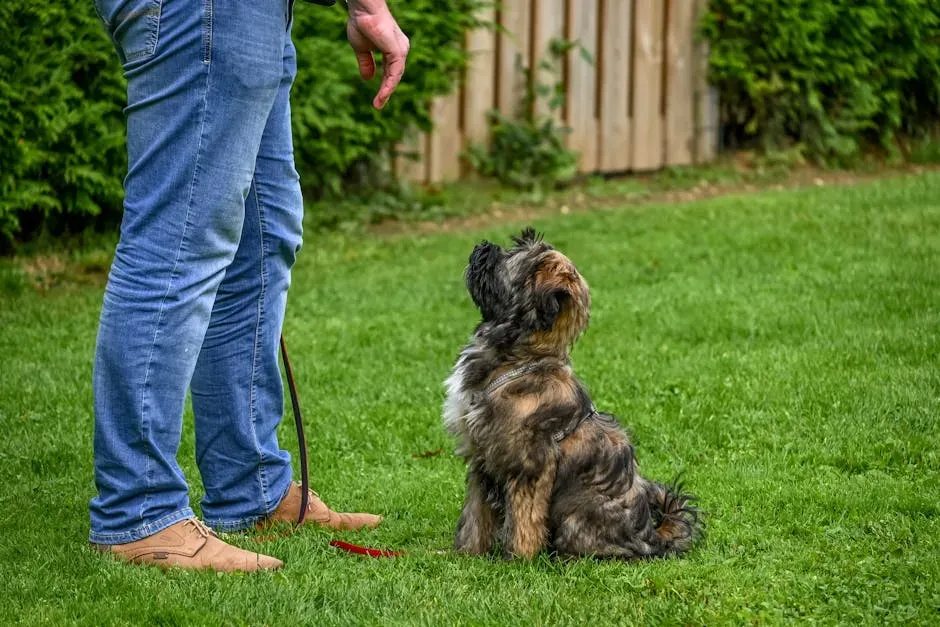
Here’s something most dog owners skip entirely: structured, deliberate practice before real guests ever arrive. Practice is the key to permanent behavior change. Don’t wait for a surprise visitor to start training. Instead, recruit friends or family to help simulate guest arrivals. It sounds simple, but this step alone separates dogs that improve from dogs that don’t.
Guests can unknowingly reinforce hyper behavior by giving attention to your dog when she is jumping or barking. Ask visitors to ignore your dog completely when they enter, no eye contact, petting, or talking, until she is calm and has all four paws on the floor. Once your dog settles, guests can reward calm behavior with a treat or gentle greeting, further reinforcing the desired behavior. Brief your practice guests in advance so everyone is on the same page.
Once your dog is doing well with controlled scenarios, gradually increase the challenge. Practice in new environments, with new people, and at different times of day. The more variety you add to your training, the better your dog will generalize calm behavior no matter who’s at the door. Consistency is the engine of this entire process.
Don’t allow jumping or barking “just this once,” as it sends mixed signals. Stick to your training routine and reward calm behavior every time. Consistent prevention of poor manners and rewarding positive interactions help your dog learn to distinguish wanted and unwanted behaviors. Every exception chips away at your progress, so the bar needs to stay firm even when it feels awkward to enforce it in front of guests.
#5. Use Calming Tools, Exercise, and Owner Energy to Set the Tone

Training alone doesn’t happen in a vacuum. The environment you create around your dog before guests arrive matters more than many owners appreciate. Give your pup plenty of exercise before your guests arrive, then ask your pup to lay down in a familiar, calm space, like their bed or a blanket. You can also distract them with a puzzle or licking toy like a KONG. A tired dog is a calmer dog, and that’s not just a cliche. It’s consistently observed in training practice.
It has been shown that the repetitive action of licking causes the brain to release endorphins, which in turn have a calming effect in dogs. Similarly, the act of chewing is a natural self-soother for dogs. As your pup chews, serotonin and dopamine are released, both neurotransmitters that relieve stress and promote staying calm around triggers like visitors. Try giving your dog a long-lasting chew that will keep your pup contentedly busy and distracted while the biology of chewing works its magic.
Your own energy plays a significant role that owners often underestimate. Dogs feed off your energy. If you’re anxious, frustrated, or high-energy, your dog will mirror that. Stay calm and consistent, even when things get loud. Your tone, posture, and attitude all communicate leadership. If you sprint to the door the moment the bell rings, your dog reads that as a green light to escalate too.
When standard training support isn’t enough, there are supplementary options worth discussing with your vet. While behavior training should be your primary strategy, there are a few supplementary aids you can consider, including pheromone products. Diffusers or collars releasing dog-appeasing pheromones can reduce mild anxiety. Natural supplements containing ingredients like chamomile, tryptophan, or specific amino acids known to promote relaxation are also recommended by some veterinarians. These are supportive tools, not replacements for the real work. However, for highly anxious dogs, they can make the difference between a training session that’s productive and one that goes nowhere.
Conclusion: Calm Greetings Are Built, Not Born
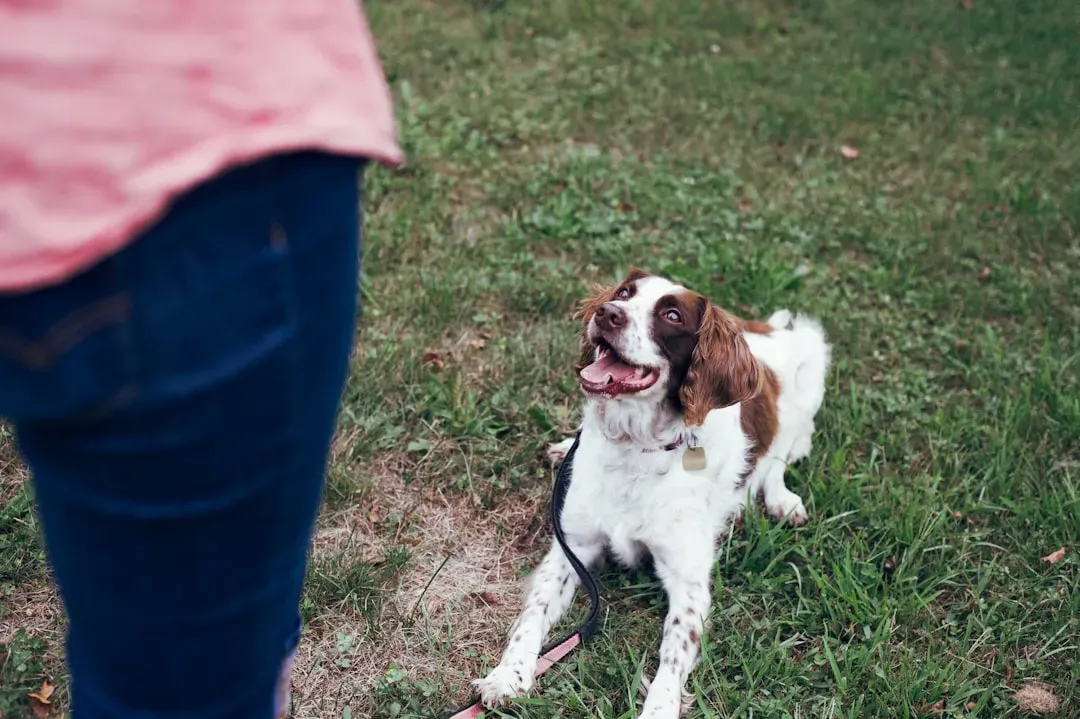
The honest truth is that most dogs don’t naturally know how to behave when someone walks through the door. That social grace is something we teach, session by session, visitor by visitor. Real progress doesn’t happen overnight, but consistent small steps lead to significant improvements. If you’ve been frustrated by your dog’s chaotic behavior around guests, the frustration is understandable, but it isn’t permanent.
What works, reliably and across breeds and temperaments, is a combination of understanding the root cause, exposing your dog incrementally to the trigger, giving them a clear behavioral alternative, practicing with real people, and managing the environment so the dog is set up to succeed. None of these steps are especially complicated, but all of them require follow-through. With regular practice, your dog will learn that being calm when guests arrive is far more rewarding than being hyperactive, and after that, they’re more likely to behave politely.
If progress stalls or if there’s any sign of fear-based aggression, a certified professional dog trainer or veterinary behaviorist who uses humane, reward-based training methods through positive reinforcement and has experience with behavior modification can be a game changer. There’s no shame in getting that support. A well-trained dog isn’t just more pleasant to live with. It’s a dog that feels genuinely safe in its own home, and that matters more than any trick or command you could ever teach.


