
Most dog owners have been there. It’s past midnight, the house is finally quiet, and your dog is pacing, whining, or staring at you like the world is about to end. What looks like a quirky personality trait can actually signal something worth paying attention to. Poor sleep in dogs isn’t just an inconvenience for their humans – it has real consequences for their health, mood, and behavior.
Sleep restores a dog’s energy, supports the immune system, and helps regulate mood and behavior. Well-rested dogs are more focused during training, more relaxed throughout the day, and less likely to act out from stress or fatigue. The question isn’t whether sleep matters for your dog – it clearly does. The question is what you can actually do about it.
#1: Build a Consistent Bedtime Routine
Dogs feel more secure when they know what to expect, and a stable routine helps them wind down. This isn’t just about feeding times or walks – it’s about creating a sequence of predictable events that your dog’s brain begins to recognize as the signal that the day is winding up. Over time, that predictability becomes its own kind of comfort.
Dogs thrive on routine. Try to set a predictable evening schedule that includes walks, dinner, calm playtime, and then winding down. Predictability helps signal to your dog that it’s time to rest. Something as simple as dimming the lights at a consistent hour or always giving a final bathroom break at the same time can make a noticeable difference for a dog who struggles to settle.
#2: Create a Dedicated, Comfortable Sleep Space
One of the easiest ways to calm your dog and help them sleep better is by creating a cozy, stress-free space. Just like humans, dogs sleep best when they feel safe and comfortable. Where that space is located in your home matters just as much as what’s in it. A spot near constant foot traffic, noise from a television, or bright light filtering in from outside will work against even the most exhausted pup.
A peaceful environment helps pups settle faster and sleep more soundly. Choose a room away from household noise and distractions, especially if your dog startles easily. Avoid areas near the kitchen, laundry room, or frequently used hallways. Keep the room temperature consistent, ideally between 68°F and 72°F, and steer clear of drafty windows, heating vents, or cold tile floors.
#3: Invest in the Right Dog Bed
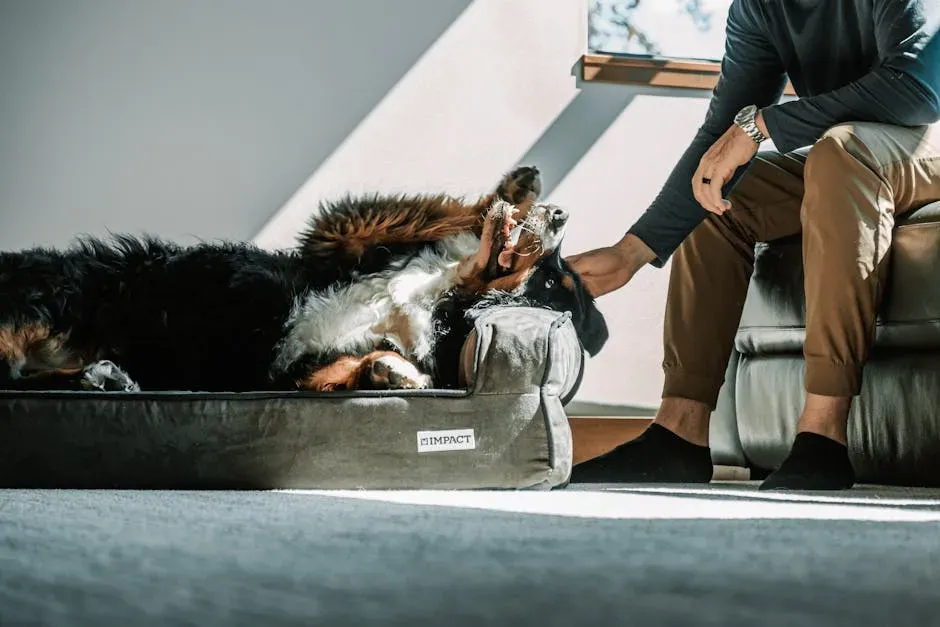
Every pup has a preferred sleeping style, so selecting the right bed makes a big difference. Orthopedic or memory foam beds are ideal for older dogs or large breeds that need extra joint support. These materials cushion pressure points and help prevent stiffness in the morning. For younger or more active pups, lightweight beds made from breathable fabrics work best, keeping them cool and comfortable throughout the night.
Invest in a supportive dog bed that matches their size and sleep style. Curled-up sleepers may love a round, soft bolster bed, while sprawlers need a larger, flatter surface. It sounds straightforward, but plenty of dogs are sleeping on undersized or worn-out beds that simply don’t give them the support they need to stay asleep through the night. Treat the bed as an investment, not an afterthought.
#4: Make Sure They Get Enough Daily Exercise
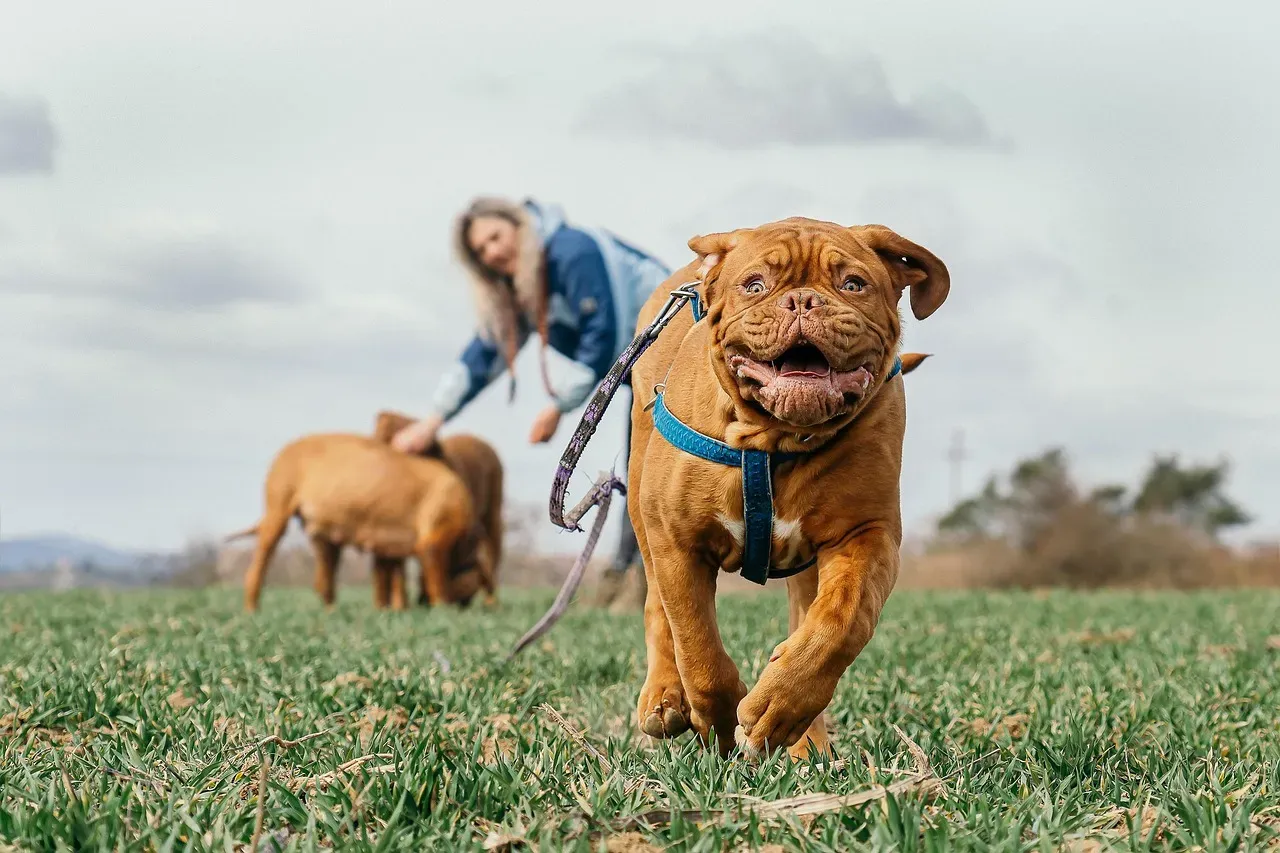
One of the most effective ways to improve your pup’s sleep is through regular exercise. A tired pup is a well-rested pup. Daily walks, playtime, and breed-specific activities help release energy and reduce restlessness. The right kind of exercise doesn’t just tire your dog physically – it also relaxes their mind, helping them settle more easily when it’s time for bed.
Dogs need regular exercise and mental stimulation. Insufficient physical activity or mental engagement during the day might result in excess energy that hinders relaxation at night. That said, timing matters. Be mindful not to overstimulate your dog before bedtime, as this can have the opposite effect and make it difficult for them to calm down. Vigorous play is best finished a couple of hours before lights out.
#5: Use Calming Sounds or White Noise

Soft, soothing music or white noise can create a calming atmosphere for dogs. These gentle sounds can mask environmental noises that might disturb sleep, helping dogs relax and drift into a deeper sleep state. This is especially useful in urban environments where street sounds, traffic, or the noise of neighbors can pull a light-sleeping dog awake repeatedly through the night.
Sound can play a powerful role in helping to calm your dog and help them sleep better. Just like us, dogs respond well to gentle, relaxing background noise. Studies show calming music can reduce stress in dogs and promote better sleep. A white noise machine placed at a low volume near the sleeping area is an inexpensive and surprisingly effective tool that many dog owners overlook entirely.
#6: Try a Bedtime Massage
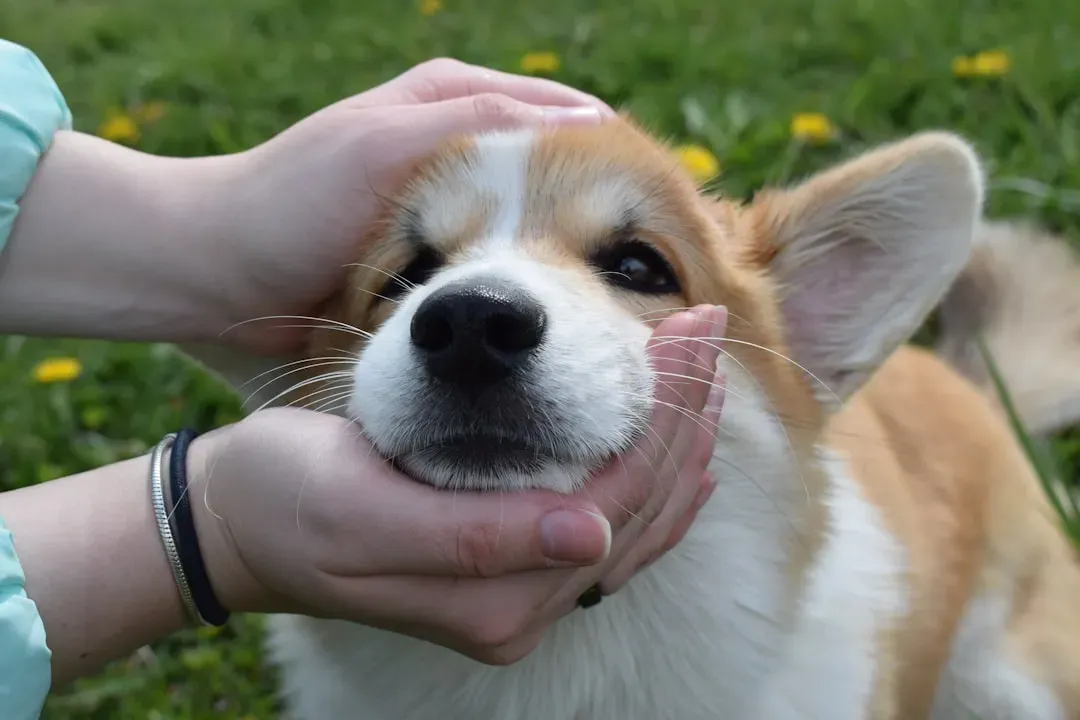
Canine massage helps reduce stress and anxiety in dogs by encouraging the release of endorphins that improve mood and create a sense of calmness. Even long, slow strokes along your dog’s back and neck can bring about a calming effect and deepen the bond between you. This doesn’t need to be a formal technique – gentle, intentional touch at the same time each evening can become part of a ritual your dog genuinely looks forward to.
Techniques like gentle massage or TTouch (Tellington Touch) can help relax dogs, reducing tension and promoting better sleep. Massaging your dog’s muscles in a gentle, rhythmic manner can also help ease stress. For dogs who carry tension in their bodies, particularly those prone to anxiety, this kind of physical connection before sleep can be one of the most immediately soothing things you offer them.
#7: Manage the Light Environment at Bedtime

Dimming the lights and lowering household noise as you wind down for the night can help. Just as humans sleep better in dark, quiet rooms, dogs actually respond to similar signals. A study published in Scientific Reports found that sleep structure in dogs is modified not only by biological characteristics such as age and activity level, but also by environmental conditions, including light and human activity.
Close the blinds or curtains and turn off all the lights. If you like to go to sleep with the television on and your dog is in the same room, set your TV to turn off after a certain time period. If there’s still a bit of light outside in the summer, consider getting blackout curtains. These light-blocking curtains can make the room extra dark and cozy. It’s a small environmental shift with a meaningful impact on how quickly and deeply your dog settles.
#8: Consider Calming Aids – With Veterinary Guidance

For some dogs, especially those experiencing anxiety or general restlessness, calming supplements can be a helpful addition to their nighttime routine. These products often contain natural ingredients known for their sedative properties. With these, your dog can relax more easily and sleep better as a result. Options like dog-specific pheromone diffusers, calming chews, or herbal blends are widely available, though their effectiveness can vary from dog to dog.
When given as a supplement, melatonin can help normalize sleep patterns and reduce anxiety. Dogs may be prescribed melatonin for various reasons, particularly when dealing with sleep disturbances, cognitive dysfunction, phobias, or anxiety-related issues. Before adding any supplement to your dog’s routine, a conversation with your vet is non-negotiable. Speak with your veterinarian before starting any supplements.
#9: Address Anxiety Directly
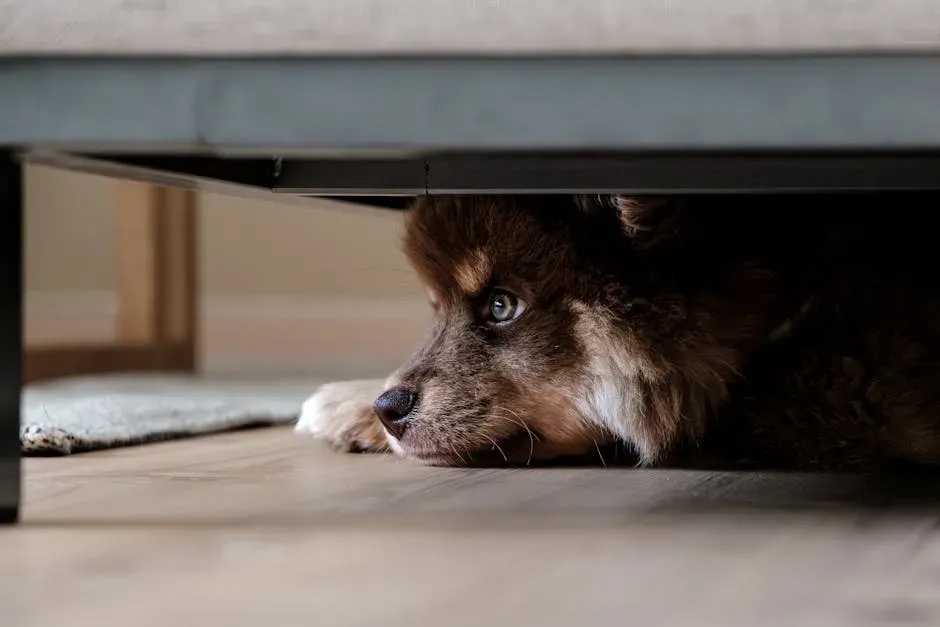
If your dog suffers from anxiety, this can significantly affect their ability to sleep. Separation anxiety, fear of loud noises, or past trauma can lead to sleepless nights. In such cases, consider working with a veterinarian or pet behaviorist to address these issues. Trying to mask anxiety symptoms without understanding what’s driving them tends to produce short-term results at best. Getting to the root is always the more effective path.
In some cases, a ThunderShirt or pressure vest can also help your dog relax, similar to the way you might swaddle a baby. Stress, separation distress, or unresolved behavioral issues can interfere with a dog’s ability to relax and sleep soundly. Dogs experiencing situational stress due to environmental factors may exhibit pacing, whining, or excessive barking, affecting their sleep quality. Simple factors like a break in their usual routine can be a trigger stressor in dogs, affecting their sleep. Even seemingly minor disruptions, like a new work schedule or a house guest, can throw a sensitive dog off completely.
#10: Rule Out Underlying Health Issues

Insomnia in dogs usually has an underlying behavioral or medical cause. Common causes include canine cognitive dysfunction (dementia), anxiety or stress, pain, and excessive itchiness. Dogs with insomnia will often pace, whine, bark, or act confused at night. If you’ve tried every environmental and behavioral strategy and your dog is still restless at night, this is the question worth asking: is something physical going on?
If your dog is anxious at night and showing signs of discomfort, pain, or ongoing restlessness, a veterinary exam is crucial. Hidden conditions such as arthritis, allergies, digestive issues, or urinary tract infections can worsen at night and affect sleep. Veterinary diagnostic care helps pinpoint the cause and guide treatment. Always check in with your vet if your dog’s sleep habits or nighttime behavior suddenly change. Early detection can help your dog feel more comfortable and sleep more soundly.
Final Thoughts

There’s no single fix when it comes to helping a dog sleep better. It’s usually a combination of the right environment, the right routine, and a willingness to pay attention to what your individual dog is actually telling you. Some dogs need more exercise. Some need a quieter room. Some need a vet visit they’ve been overdue for.
What all of these approaches share is respect – for the fact that your dog’s sleep matters, and that a tired, anxious, or restless dog deserves more than a dismissive “he’ll settle eventually.” Research shows that poor sleep in dogs increases anxiety-like behaviors, has the potential to decrease cognitive performance, and is often associated with depressive states. Good sleep is foundational to your dog’s quality of life. Treat it that way, and you might just find that both of you start waking up feeling a whole lot better.


