
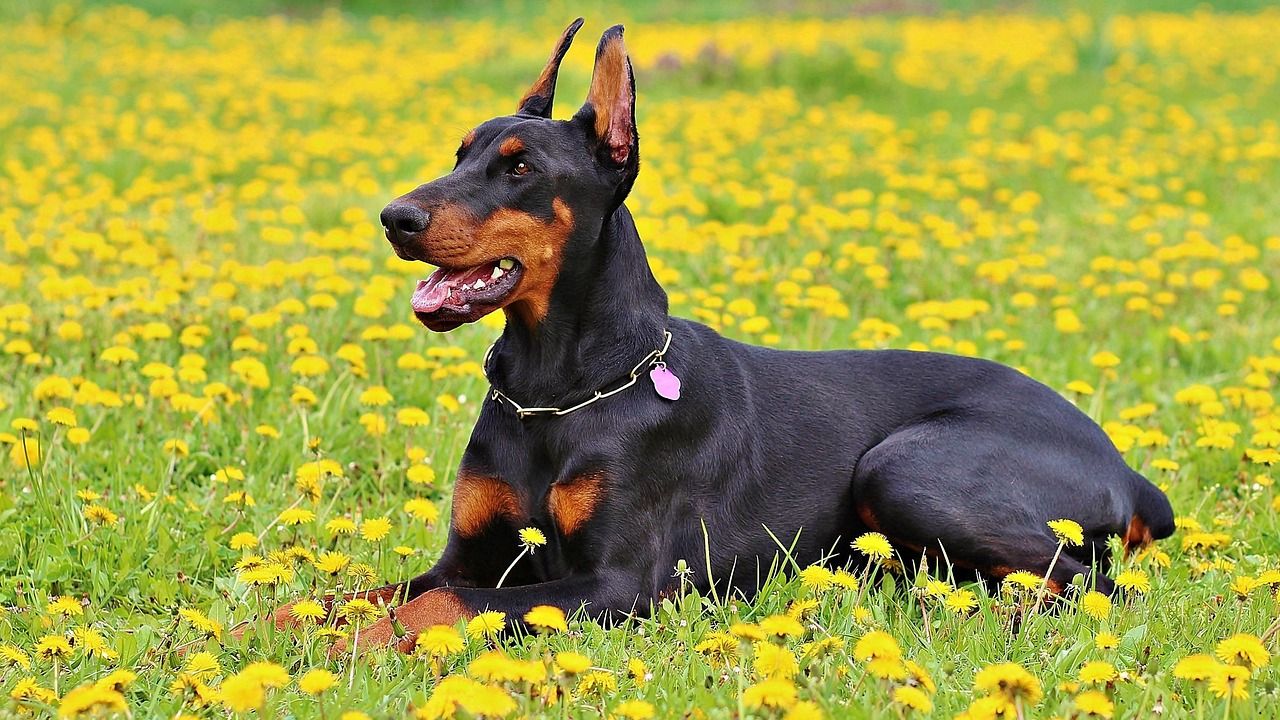
Every dog owner has been there. Your pet seems perfectly fine in the morning, full of energy, nosing around the kitchen for scraps. Then, hours later, something shifts. They’re restless, uncomfortable, struggling to breathe or walk. For most dog owners, that first encounter with a sudden health emergency is terrifying precisely because nothing seemed wrong until everything was.
What most people don’t realize is that certain breeds carry a significantly higher risk of these dramatic, rapid-onset health crises. Some dog breeds are more likely than others to suffer from certain diseases or conditions because of their genetic makeup. The gap between a normal afternoon and an emergency vet visit can be razor thin for some of these dogs. Knowing which breeds carry these elevated risks isn’t about alarm. It’s about being genuinely prepared.
#1. Great Dane – The Gentle Giant With a Ticking Clock
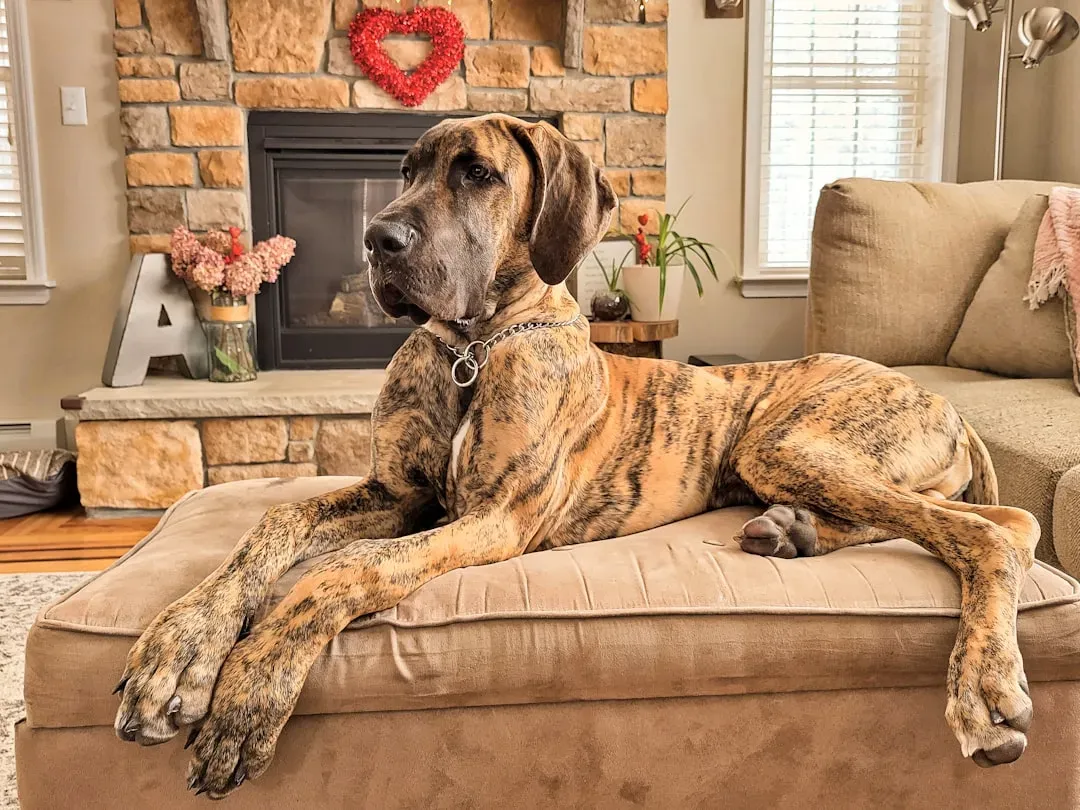
Of all the breeds on this list, the Great Dane may carry the most dramatic emergency risk profile. The Great Dane stands atop nearly every list of dog breeds prone to bloat, and for good reason – with a staggering 39% chance of experiencing bloat in their lifetime, these gentle giants are uniquely susceptible. That’s not a minor statistic. It means roughly four in every ten Great Danes will face this crisis at some point.
Gastric dilation-volvulus (GDV), also known as bloat, occurs when a dog’s stomach becomes blocked, and gas and fluid accumulate, causing the stomach to stretch to many times its normal size. The bloated stomach causes severe pain, and it is prone to twist. When the stomach twists, all of its contents become trapped and the blood supply is cut off. Without blood flow, the stomach quickly deteriorates, and because it is so distended, it can compress the large vessels that return the blood back to the heart and cause a shock to the circulatory system. Beyond bloat, Great Danes are at high risk for dilated cardiomyopathy, an enlarged heart condition, and bloat, which requires emergency care. Combining these two major threats in one large frame makes the Great Dane one of the breeds vets watch most closely.
#2. Cavalier King Charles Spaniel – The Heart Problem Hidden Behind Soft Eyes
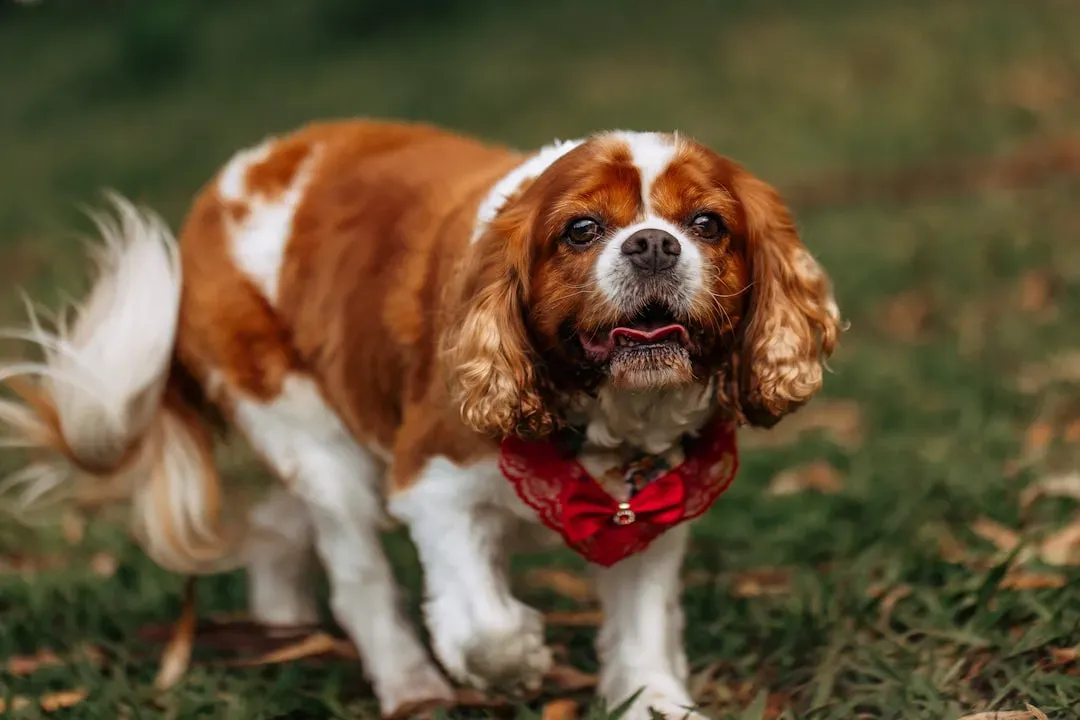
Few breeds are as beloved for their gentle, affectionate nature as the Cavalier King Charles Spaniel. Sadly, that warmth often masks a serious cardiac vulnerability that can turn deadly with almost no warning. Degenerative mitral valve disease (MVD) is the leading cause of death of Cavaliers. It is a highly heritable, polygenetic acquired heart disease which statistics show afflicts over half of all Cavalier King Charles Spaniels by age 5 years and greater than 90% by age 10, should they survive that long.
The incidence of degenerative mitral valve disease occurs more frequently in this breed than any other. Fifty percent of Cavaliers develop a heart murmur, indicating onset of the disease, by age 5, and 100 percent by age 10. The cruel reality is that many owners don’t realize the severity until the dog collapses or goes into acute heart failure. Even without obvious clinical signs, the condition can still cause sudden death. Annual cardiac evaluations by a board-certified veterinary cardiologist are strongly recommended for this breed.
#3. Doberman Pinscher – When the Heart Gives Out Without Warning
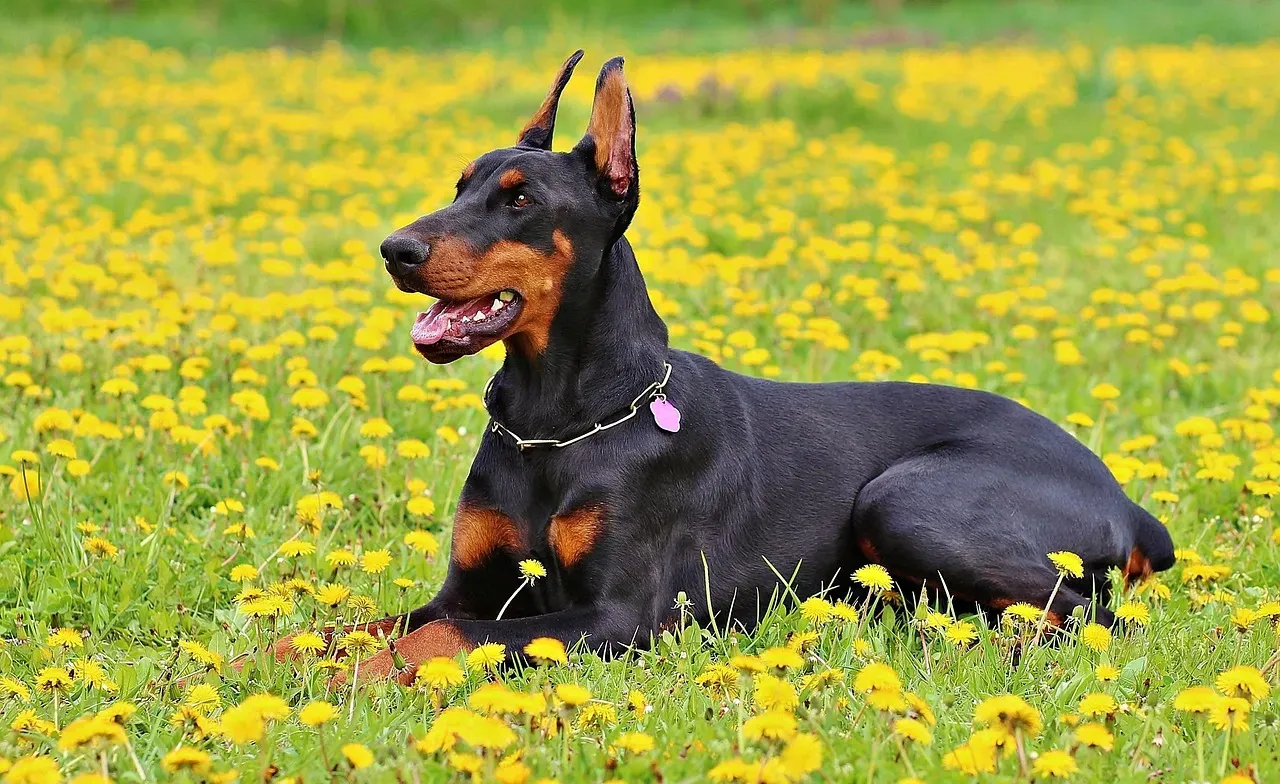
The Doberman Pinscher has a reputation for being a powerful, athletic dog. That image makes it all the more jarring when the condition most likely to kill them is an invisible one. Dobermans are at risk for dilated cardiomyopathy, a disease of the heart muscle that causes the left ventricle to enlarge and cease functioning correctly. In the early or later phase of the disease, bad arrhythmias may develop that can be life threatening. As the disease progresses, an affected dog may faint, lose weight, exhibit shortness of breath, cough, or retain fluid that causes the belly to distend.
Dilated cardiomyopathy is a degenerative disease of the heart muscle, which can lead to heart failure, abnormal heart rhythms, and sudden cardiac death. DCM is known to be inherited in the Doberman, Boxer dog, Great Dane, Newfoundland, Irish Wolfhound, Cocker Spaniel, and the Portuguese Water Dog. What makes the Doberman’s version of this disease particularly alarming is how silently it progresses. Annual exams should be ramped up to twice yearly when the dog reaches 4 years of age. Annual screening by a board-certified cardiologist via electrocardiogram and echocardiogram should also be considered in all Dobermans, especially those with a family history of DCM.
#4. Dachshund – Small Dog, Catastrophic Spinal Risk

The Dachshund’s iconic shape is also their greatest health liability. That long, low-slung body and shortened legs create a spine that is under constant mechanical stress, and when something gives way, it can happen in an instant. IVDD in dogs happens when the discs between vertebrae degenerate over time or rupture suddenly. Certain breeds like Dachshunds, Beagles, and French Bulldogs have a genetic predisposition due to their body structure. These breeds have a condition that causes their discs to age and harden prematurely.
When a dog suddenly loses the ability to walk, IVDD is often the culprit. This spinal condition can progress from mild discomfort to complete paralysis in just hours, making quick recognition of symptoms critical. Maintaining a healthy weight is crucial for Dachshunds, as excess weight strains their delicate spine and joints. Obesity increases the risk of life-threatening emergencies like slipped discs and mobility loss. A dog that was chasing a toy in the backyard at noon can be struggling to stand by dinnertime – and that window matters enormously for recovery outcomes.
#5. Boxer – Arrhythmias, Cancer, and Sudden Collapse
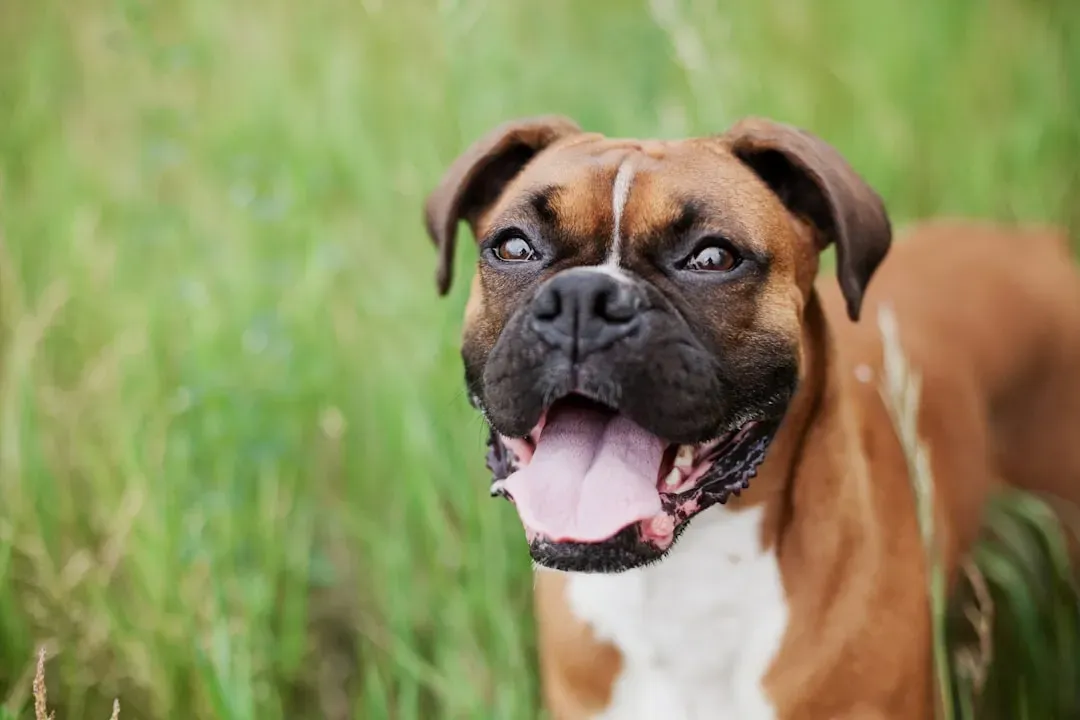
Boxers are famously energetic and fun-loving dogs, which makes their hidden health vulnerabilities feel especially unfair. Boxers are susceptible to arrhythmogenic right ventricular cardiomyopathy (ARVC). ARVC is a genetic heart disease that results from fatty cells being deposited in the right ventricle muscle, crowding out the normal cells. This can result in ventricular arrhythmias, a life-threatening heart rhythm abnormality.
In early stages, dogs may display bad heart arrhythmias which affects their exercise ability and often results in fainting and, sadly, even sudden death. Beyond cardiac emergencies, Boxers are notably prone to lymphoma, mast cell tumors, and heart diseases such as Boxer cardiomyopathy. Cancer is a major issue for this breed, with a high likelihood of developing mast cell tumors which involve white blood cells. These tumors can appear on the skin or internally, affecting vital organs. For a breed that seems so physically robust, the internal threats are considerable.
#6. French Bulldog – When Breathing Itself Becomes the Emergency

French Bulldogs have surged in popularity over recent years, but that popularity has come with a surge in emergency vet visits too. The French Bulldog has a brachycephalic skull that is broad and short, creating a flat appearance with a nearly non-existent muzzle. Unfortunately, these distinctive features have altered the breed’s airway, including the nasal cavity, nostrils, palate, larynx, and trachea. As a result, French Bulldogs can experience a number of airway abnormalities that affect breathing and oxygenation, collectively referred to as brachycephalic obstructive airway syndrome (BOAS).
The French Bulldog’s compact muzzle and narrow airway can hinder their panting, which keeps them cool. Increased respiratory effort and overexcitement can also raise the dog’s internal temperature and further increase the risk for heat distress or life-threatening heatstroke. French Bulldogs and other brachycephalic breeds should be kept indoors during hot weather and never left unattended outdoors or in a parked vehicle. Spinal crises are also a very real threat. French Bulldogs are commonly born with abnormally shaped vertebrae that can predispose them to spinal cord injuries and chronic intervertebral disc disease. Herniated or slipped discs can cause severe pain and sudden weakness or paralysis, and dogs often need surgery to relieve the pressure and preserve spinal function.
#7. Bernese Mountain Dog – A Short Life Filled With Serious Risks
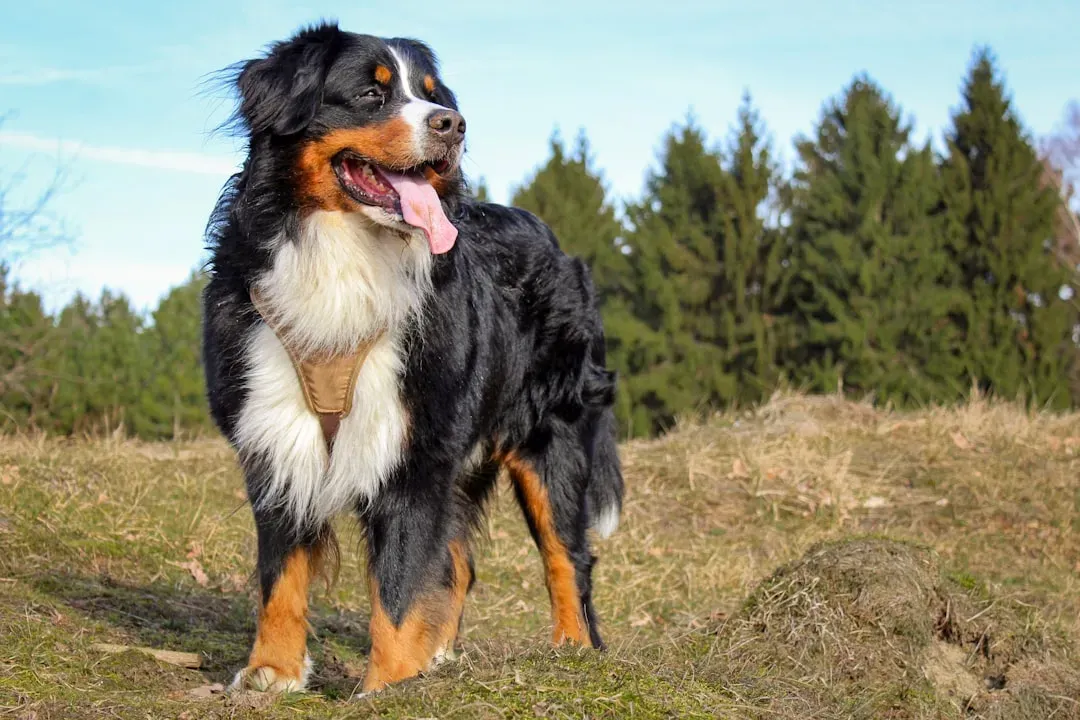
The Bernese Mountain Dog is one of the most affectionate large breeds in existence. They’re devoted, patient, and gentle with children. They’re also, by many measures, one of the most medically vulnerable large breeds alive. They are one of the unhealthiest breeds a family can have due to genetic issues and their large size. On average, a Bernese Mountain dog may live six to eight years, which is shorter than other dogs.
Bernese Mountain Dogs are known for their gentle temperament and striking appearance, but they are also prone to several serious health concerns. Hip dysplasia is common in the breed and can lead to joint pain and reduced mobility, particularly as they age. They are also at risk for gastric dilatation-volvulus or bloat, a life-threatening condition where the stomach twists and requires immediate emergency care. Cancer is perhaps their most devastating risk. Both genetic predisposition and breed bottlenecks increase the risk of cancer in these dogs. A Bernese Mountain Dog may develop one or multiple types of cancers from a compromised immune system from constant inbred overbreeding.
#8. German Shepherd – Spinal Collapse and Cardiac Risk Combined
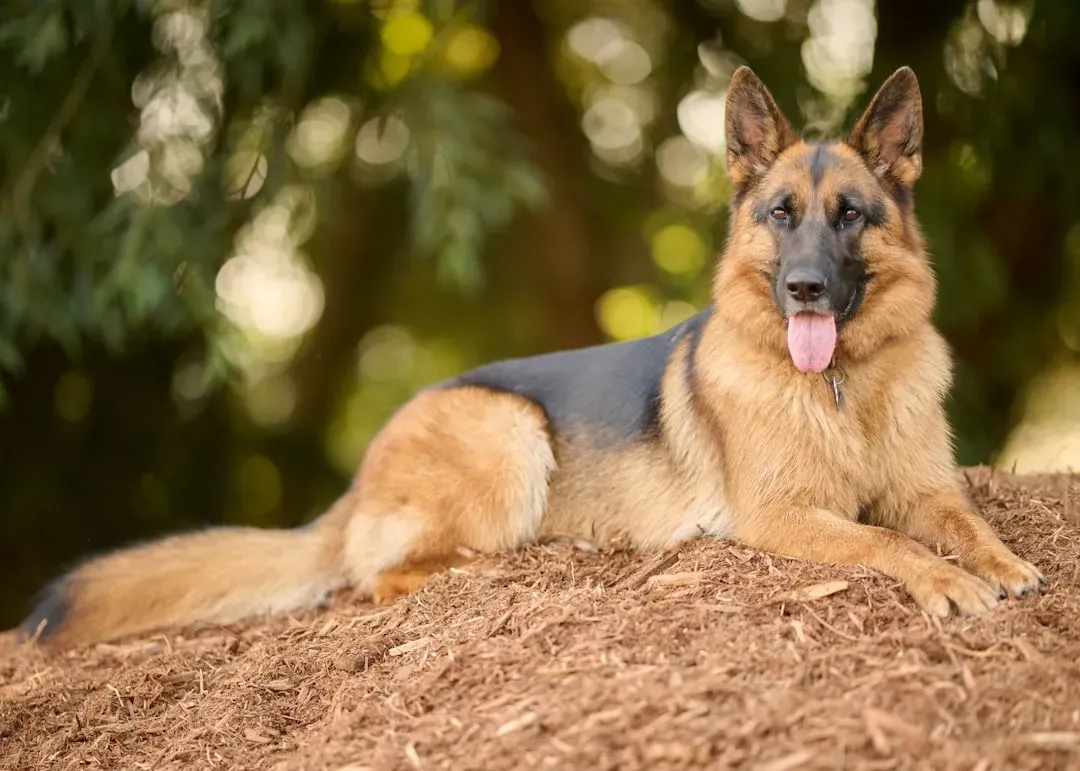
German Shepherds are among the most widely owned dog breeds in the world, trusted as working dogs, service animals, and family companions. That widespread ownership means their health vulnerabilities affect an enormous number of families. Degenerative myelopathy is a progressive spinal cord disease that affects many dog breeds but is most commonly seen in German Shepherds and Boxers. DM leads to hind limb weakness and paralysis around six to twelve months after signs begin.
German Shepherds and Boxers are susceptible to degenerative myelopathy, a progressive spinal cord disease resembling ALS in humans. Golden Retrievers, Rottweilers, and German Shepherds also face higher risk of hip dysplasia. German Shepherds are frequently found with hip dysplasia, degenerative myelopathy, and heart conditions. The intersection of neurological deterioration, joint disease, and cardiac vulnerability makes this breed a high-stakes case for any veterinarian. Catching early signs of hind leg weakness promptly can make a significant difference in slowing the progression of degenerative myelopathy.
#9. Rottweiler – Bone Cancer, Heart Disease, and Joint Failure
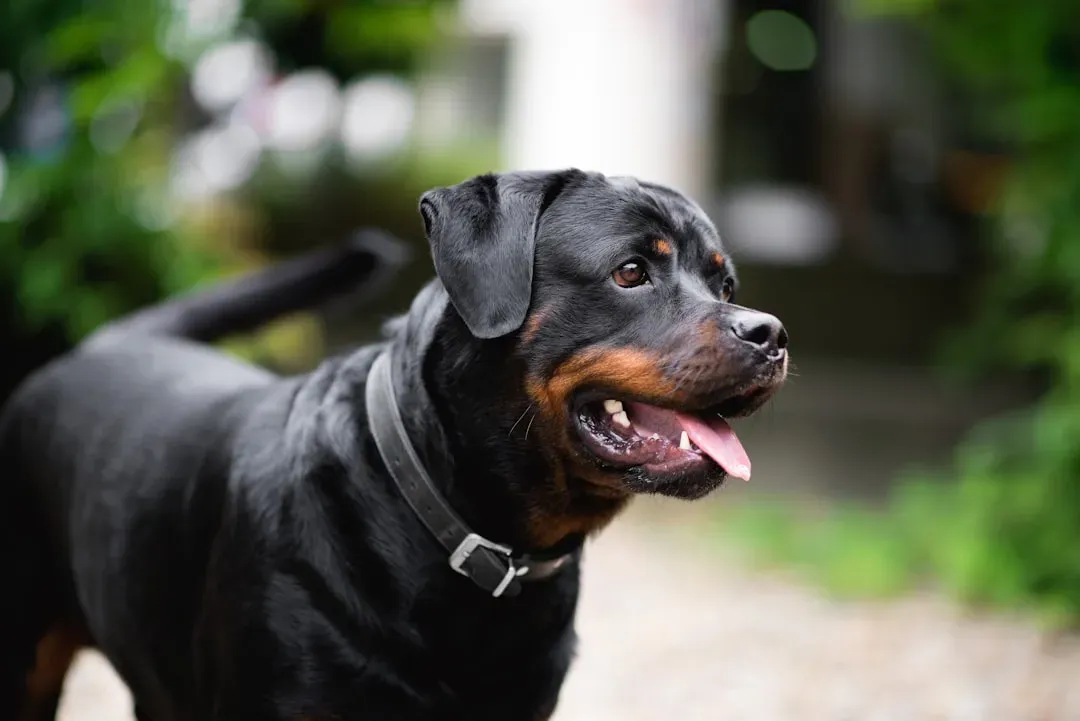
Rottweilers are powerful, confident dogs with strong protective instincts. They’re also a breed that vets watch with particular concern, not for behavioral reasons, but because of a cluster of serious health threats that can surface suddenly. Rottweilers are generally a strong and healthy breed, but they are prone to several orthopedic and cardiac health issues. Hip and elbow dysplasia are fairly common in Rottweilers, often leading to joint pain and reduced mobility as they age. They are also at risk for osteochondritis dissecans, a condition where abnormal cartilage development can cause joint discomfort and lameness, especially in growing puppies.
Another serious concern is dilated cardiomyopathy, a heart disease that weakens the heart muscle and affects its ability to pump blood efficiently. Rottweilers have high susceptibility to bone cancer, obesity-related issues, and heart disease. Bone cancer in particular is devastating in large breeds, often presenting suddenly and progressing rapidly. A Rottweiler that appears healthy and active can go from limping lightly to requiring emergency assessment within days, which is why any persistent lameness should never be dismissed as a minor injury.
#10. English Bulldog – When Beauty Standards Become a Medical Crisis

Nowhere is the tension between selective breeding and animal welfare more visible than in the English Bulldog. Due to extreme selective breeding, the English Bulldog is one of the most unhealthy purebred dogs. Their adorable smashed-in faces and stocky build come at a cost, leading to breathing problems, joint disorders, and chronic skin infections. Flat-faced dogs have a 40% increased risk of an early death, and breathing problems can range from mild issues such as reverse sneezing to severe problems that can lead to collapse and require surgery to correct.
Brachycephalic breeds such as Bulldogs have short noses and large, round eyes. Their face shape means these breeds are prone to brachycephalic obstructive airway syndrome, characterized by snoring, noisy or labored breathing, and heat intolerance. English Bulldogs are prone to BOAS, skin fold infections, hip dysplasia, cherry eye, and obesity. Most require cesarean sections to give birth. For English Bulldog owners, summer heat is not just uncomfortable – it can be genuinely life-threatening within minutes if the dog is not carefully monitored and kept cool.
What Every Owner of a High-Risk Breed Should Actually Do
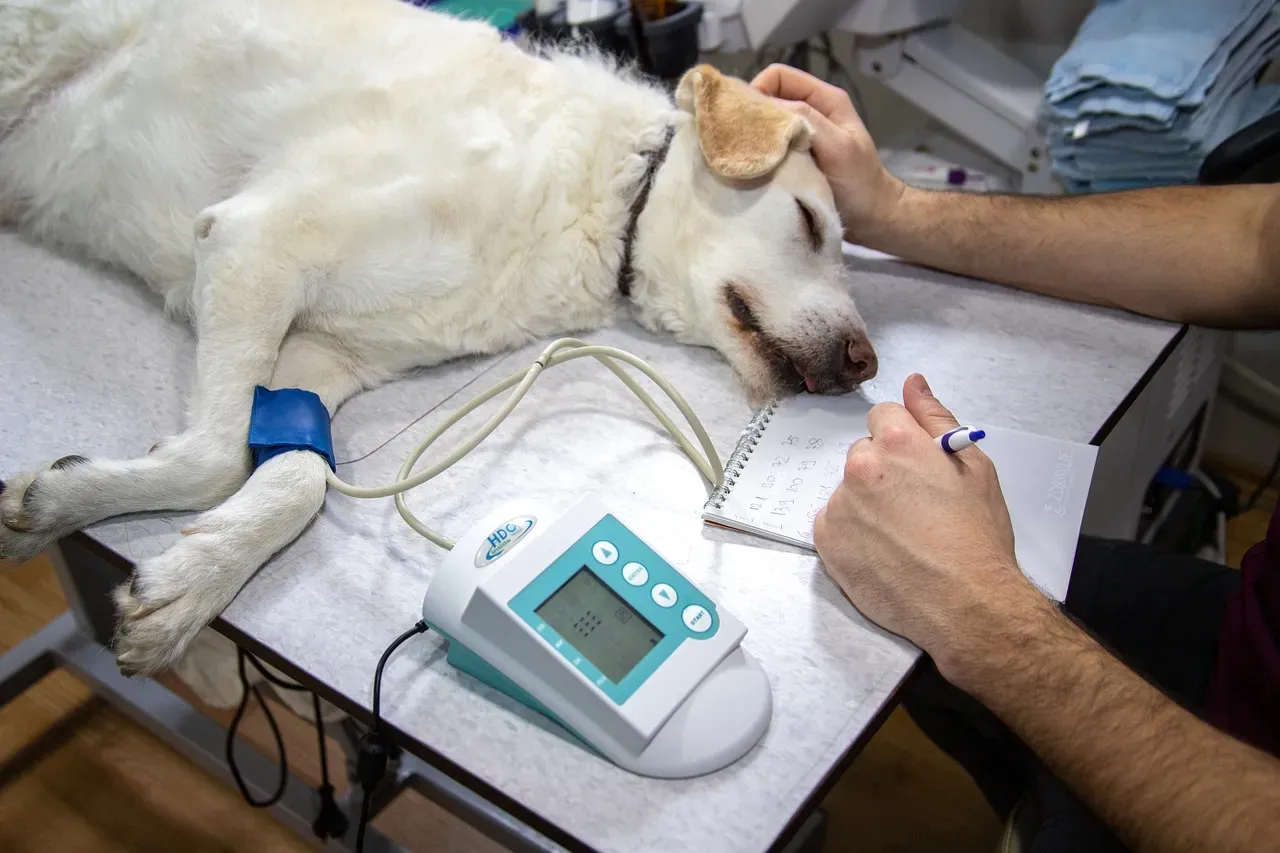
Knowing your dog’s breed-specific risks isn’t a reason to panic. It’s a reason to plan. Recognizing the risk of breed-specific health problems in dogs and cats can help you and your veterinarian detect issues earlier, ensuring your furry companion enjoys the best possible quality of life. That means scheduling more frequent wellness checks, discussing genetic screening options with your vet, and being specific about any behavioral changes you notice – even subtle ones like reduced enthusiasm for exercise or slightly labored breathing after a walk.
Awareness of breed tendencies enables prevention, early diagnosis, and a better quality of life. Regular wellness visits, customized testing, and open communication with your veterinary team keep your pet thriving from puppyhood to senior years. Pet insurance also deserves serious consideration for these breeds. It is a good idea to have pet insurance or an emergency fund on hand in case the worst happens. Treatment for bloat surgery typically costs thousands, but it’s life-saving. The financial and emotional cost of an unplanned emergency visit is one of the primary reasons dogs don’t receive timely care – and it’s a barrier that preparation can largely remove.
A Final, Honest Word

None of this is a reason to avoid these breeds. Many of the dogs on this list are deeply rewarding companions precisely because of – not despite – their unique qualities. The Great Dane’s quiet majesty, the Cavalier’s endless warmth, the Bulldog’s stubborn charm: these are real. So are the risks, and pretending otherwise doesn’t serve the dogs or the people who love them.
What responsible ownership actually looks like, for these breeds in particular, is going in with both eyes open. It means building a relationship with a vet who knows your dog’s history and breed-specific vulnerabilities. It means not dismissing unusual symptoms as quirks. Responsible pet parents should always be on the lookout for any signs of distress or pain in their pets and see a veterinarian immediately to combat diseases before they worsen. The breeds on this list don’t need your pity. They need your attention – and that, genuinely, can save their lives.


