
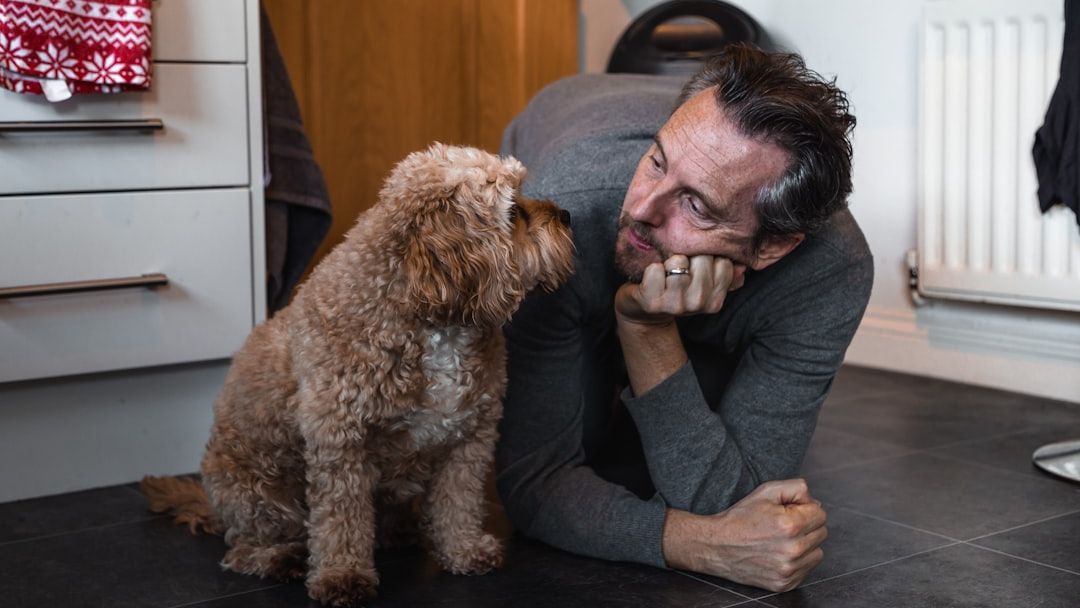
There’s something that happens in the space between you and your dog the moment things start to fall apart. You haven’t said a word. You haven’t called them over. Yet somehow, they’re already there, pressed against your leg or watching you with those slow, steady eyes that seem to understand far more than they should. It’s one of the quiet mysteries of life with a dog.
Most people assume dogs react simply to tone of voice or obvious tears. The reality runs much deeper than that. When you’re sad, your dog may pick up on your body language, tone of voice, and even the scent of stress hormones you release. They’re reading a version of you that you might not even be fully aware of yourself. What follows are fifteen of the most telling, and often overlooked, things dogs do when they sense their human is having a hard time.
#1. They Suddenly Refuse to Leave Your Side

One of the first and most consistent signals is proximity. A dog that normally wanders the house or sleeps in another room will quietly migrate to wherever you are and simply stay. Dogs often stay close to their owners when they sense sadness, showing a protective instinct. It’s not dramatic or demanding. It’s just presence.
If your dog senses that you are sad, sick, or showing signs of stress, it will come near you to help you feel better. Your dog knows that its presence makes you happy and so it will try to lay as close as possible to you if it feels like you’re not feeling well or if you’re sad or stressed. That quiet shadowing is intentional, even if it looks effortless.
#2. They Rest Their Head in Your Lap Without Being Invited
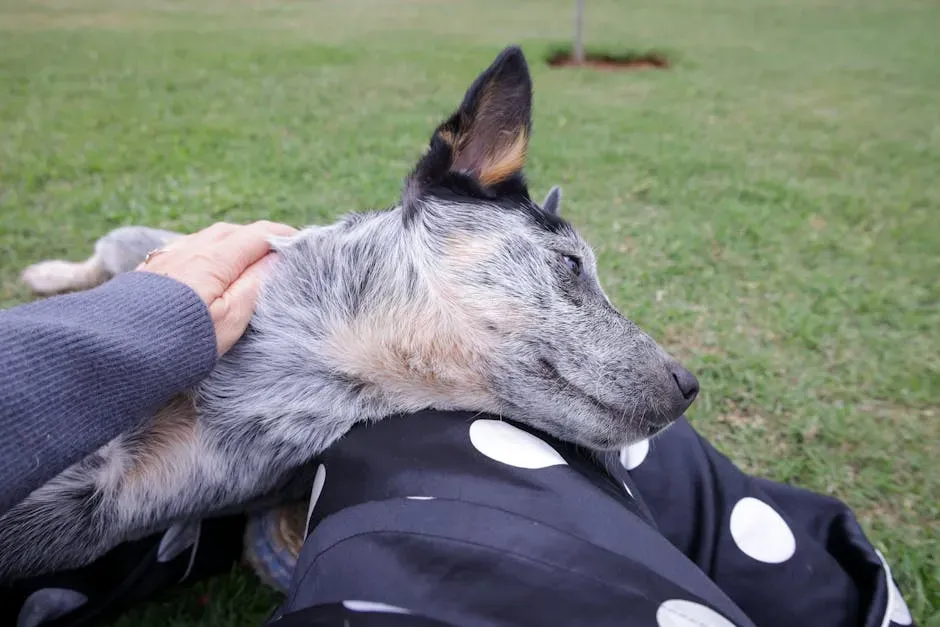
This one is particularly tender. No jumping, no nudging for attention, just a slow, deliberate placement of their chin on your knee or thigh. Dogs often approach and nuzzle. Many lean into their owners or rest their heads on them. Some exhibit calming behaviors like licking or staying unusually close. It’s their version of a hand on the shoulder.
The weight of a dog’s head in your lap carries a kind of wordless reassurance. Dogs use their keen senses to read our moods and emotions, including when we’re sad. They pick up on subtle cues in our body language and tone of voice, allowing them to detect when something’s amiss. By the time they’ve placed their head in your lap, they’ve already done a full emotional assessment of the room.
#3. They Lie Directly on Your Feet

It looks like a quirky habit. It’s actually a deeply rooted behavior. Being attuned to our behaviors and feelings, our dog may also show concern and want to cuddle us or sit, sleep, or lay on our feet when we are feeling down. The physical contact through your feet is a way of maintaining a quiet, grounding connection without overwhelming you.
This also falls in line with a dog’s natural guarding instincts, which allows a dog to protect its pack. Laying on or at your feet can be a dog’s way of putting itself between you and any potential danger. When your dog chooses your feet over their comfortable dog bed, that’s not coincidence. That’s loyalty in its most unannounced form.
#4. They Match Your Energy and Go Quiet

A dog that’s usually bouncing off the walls will sometimes go almost eerily calm when their human is struggling. A dog that’s usually energetic may become more subdued when their owner is sad. They seem to read the emotional temperature of the room and adjust themselves accordingly, as if they understand that playfulness would be unwelcome right now.
This kind of behavioral mirroring goes beyond simple training. Research sheds further light on the concept of “emotional contagion,” the sharing or mirroring of emotional response between animals living in a group. While it’s typically observed within the same species, it can also be observed interspecies, as in the case of dogs and their owners. Your stillness becomes their stillness. Your heaviness becomes something they carry alongside you.
#5. They Make Prolonged, Soft Eye Contact

Not the alert, darting gaze of a dog waiting for a treat or trying to read a command. This is slower, softer, and more sustained. Research describes how dogs view facial expressions systematically, preferring eyes. Specific facial expressions alter their viewing behavior. A Finnish research team showed images of both dogs and humans to dogs and found that the viewers looked first at the eye region and generally examined eyes longer than nose or mouth areas.
That sustained gaze is a form of emotional check-in. Dogs can recognize six basic emotions including anger, fear, happiness, sadness, surprise, and disgust, and process these in similar ways as humans, with changes to heart rate and gaze. When your dog stares at you with that particular softness, they’re not zoning out. They’re reading you, carefully and with something that looks very much like concern.
#6. They Bring You a Toy or Object

It might seem almost comical at first. You’re sitting there with the weight of the world on your shoulders, and your dog drops a squeaky toy at your feet. But this isn’t random. A dog might place a toy at your feet or try to redirect you from a situation. These likely aren’t random antics. They may be attempts to redirect you from a situation they instinctively sense could be difficult.
Dogs that offer objects during emotional moments are essentially doing what they know how to do with the tools they have. It’s an offering. A gesture of goodwill. They may not understand the source of your pain, but they know from experience that this sometimes makes things better, and they try anyway. That’s a kind of generosity that doesn’t require words.
#7. They Lick Your Face, Hands, or Tears

Licking is one of the oldest soothing behaviors in the canine repertoire. Dogs often become more affectionate when their owners are sad. They may nuzzle, cuddle, or request that you show them affection, such as by pawing or nudging. When that affection takes the form of licking your face or wiping away your tears, it’s not accidental. They’re drawn specifically to the scent and sensation of distress.
You may notice when you’re sad your dog starts to lick you. The behavior is part comfort-giving and part investigation. Dogs can detect stress, often before we even realize we’re showing it. When humans experience stress or fear, the body releases hormones such as cortisol and adrenaline. These cause subtle changes in scent. A dog’s sense of smell is powerful enough to detect these chemical shifts. Licking is their way of responding to what they’ve already sensed chemically before you’ve said a single word.
#8. They Position Themselves Between You and the Room
Watch closely the next time you’re having a rough evening. Your dog may quietly reposition themselves so that their body sits between you and the door, the hallway, or whoever else is in the room. In some cases, dogs may see their owner as a valuable resource and display behaviors such as lying on your feet to guard you. This form of resource guarding indicates that they feel responsible for your well-being and see ensuring your safety as a priority.
When humans felt fear, they tensed up; when humans relaxed, they sighed beside them and lay by their feet. This phenomenon is known as emotional contagion and refers to the transfer of emotions from one individual to another. For dogs, this became a survival advantage. By tuning in to human emotions, they could anticipate danger and strengthen the social bond. That quiet repositioning of their body is ancient instinct meeting modern love.
#9. They Follow You from Room to Room
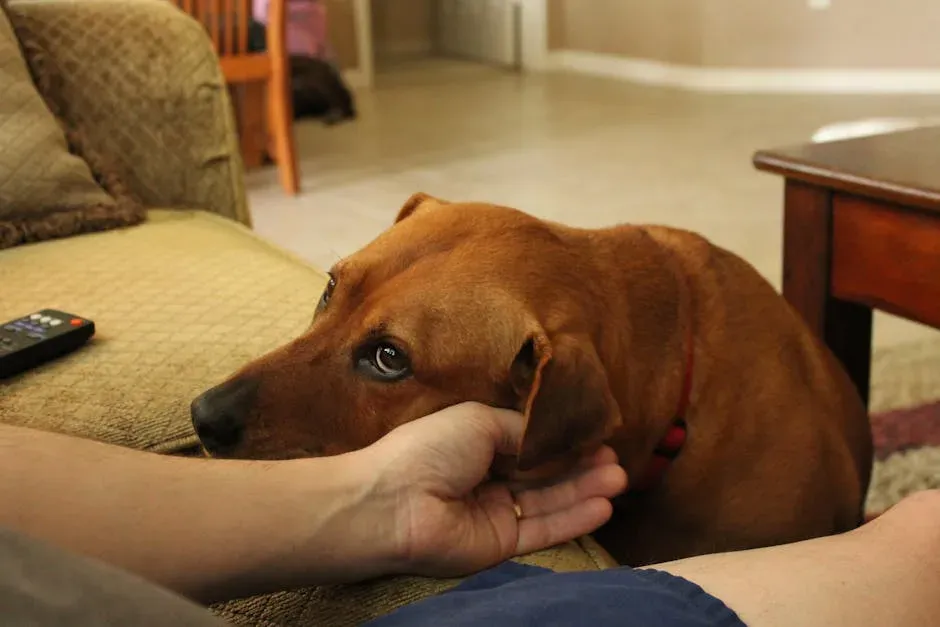
The “velcro dog” behavior often intensifies during emotionally difficult periods. In some cases, dogs may stay physically close to their owner due to protective instincts or strong attachment, especially in unfamiliar situations. If your dog seems suddenly overly protective of you and is laying on you more frequently or for longer intervals, they might be guarding their trusted human.
Every time you get up and move to another space, they follow. Not frantically, not anxiously, but with a calm, deliberate consistency. Dogs generally form strong bonds with their owners, and wherever the owner goes, the dog will follow. When you take a seat and your dog plops down right on your feet, it is an indication of a strong relationship between you and the dog in its eyes. They’re essentially saying: wherever you go right now, I go too.
#10. They Go Unusually Still During a Crying Spell
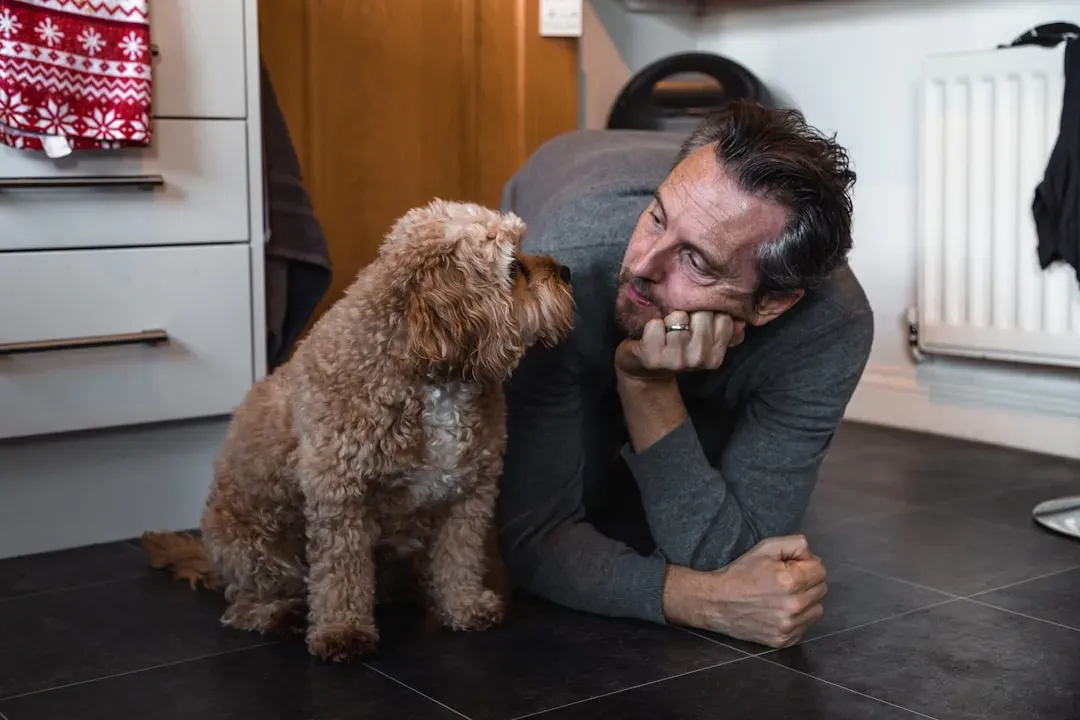
Many dog owners notice that when they cry, their dog doesn’t bark or bounce around. Instead, they go very still and watch with a focused, almost reverent attention. When humans cry, their dogs also feel distress. Dogs not only feel distress when they see that their owners are sad but will also try to do something to help. That stillness isn’t discomfort or confusion. It’s a form of attentiveness.
Dogs who were able to push through barriers to reach their owners showed less stress, meaning they were upset by the crying but not too upset to take action. As for the dogs who didn’t push through, it wasn’t because they didn’t care. Those dogs showed the most stress and were too troubled by the crying to do anything. Even the stillness of a frozen dog is a response to your pain, not an absence of one.
#11. They Rest Their Body Weight Against You
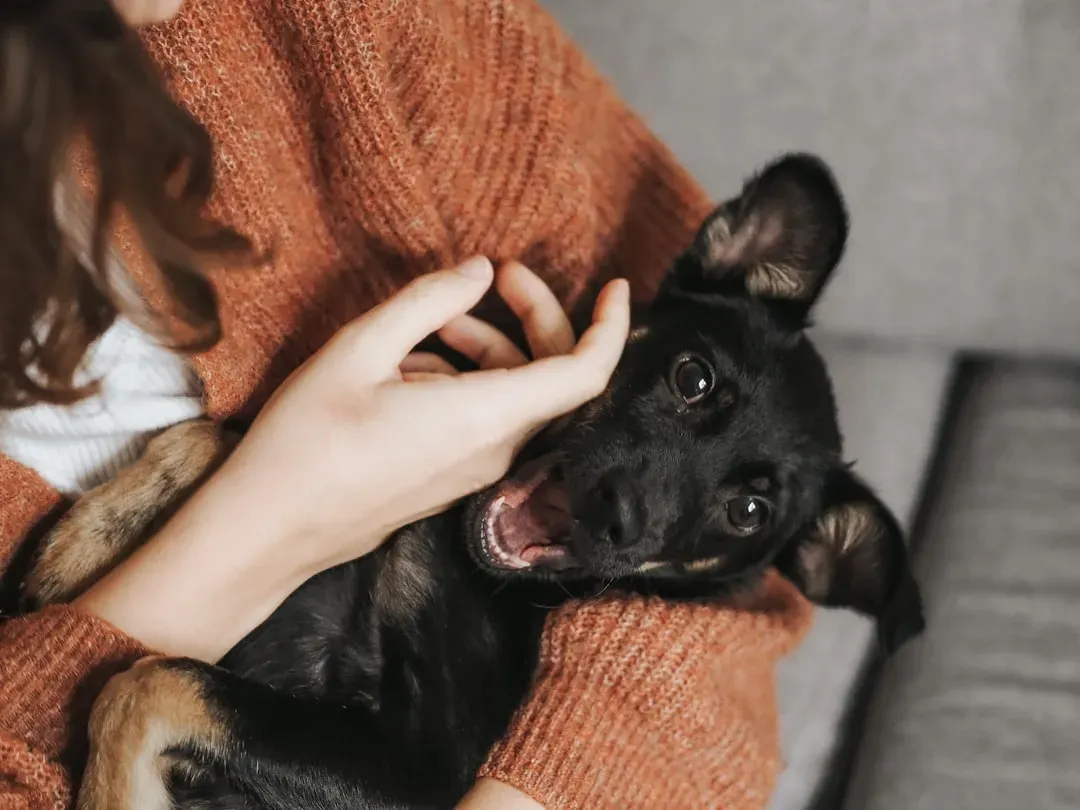
There’s a difference between a dog who leans on you out of habit and a dog who presses their full body weight against your leg or side during a hard moment. The latter is deliberate and grounding. Letting your dog lie down on you can have numerous benefits for both you and your canine companion. Physical touch and closeness can release oxytocin, also known as the “love hormone,” which promotes feelings of affection and attachment.
That warmth and pressure have a measurable calming effect on the human nervous system. Letting your dog lie down on you can also be beneficial for your mental and emotional well-being. Studies have shown that simply petting a dog can reduce stress and anxiety levels, and lying down with your dog can amplify this effect. Your dog may not know the science, but they seem to understand the outcome intuitively.
#12. They Respond to Your Tone Even When Your Words Seem Normal
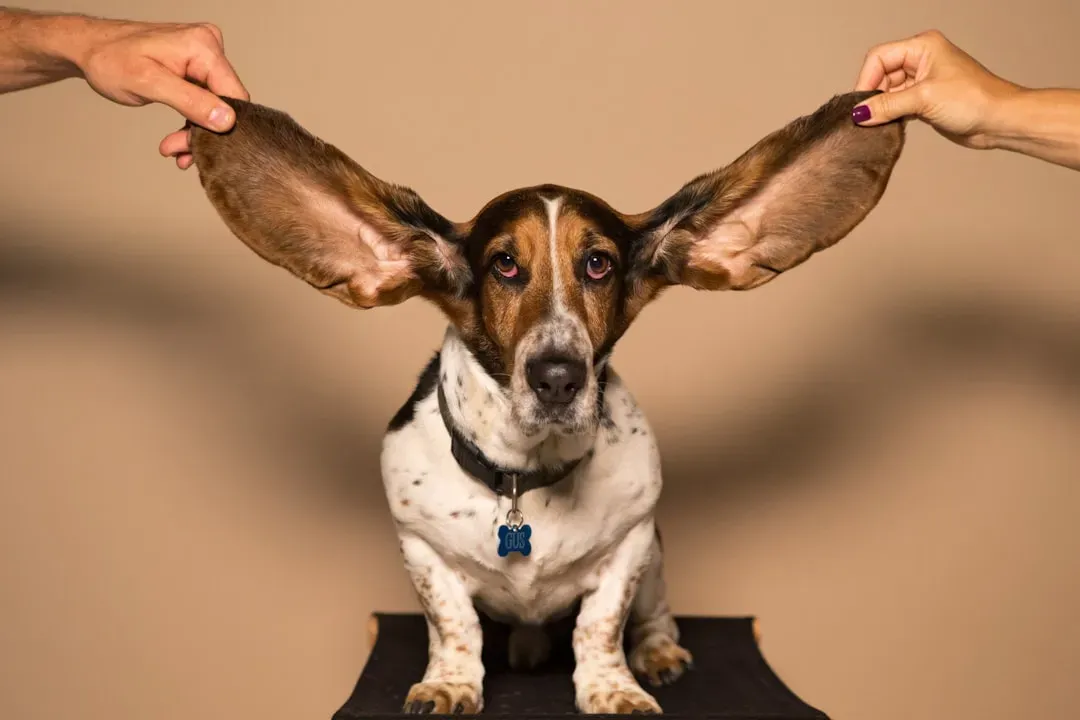
You can say perfectly cheerful things in a flat or strained voice and your dog will respond to the emotional truth beneath the words, not the surface content. Dogs are highly sensitive to vocal tone. Even if you say neutral words, your dog responds to the emotional energy behind them. This is part of why dogs can feel like such honest companions. They bypass the performance entirely.
Brain imaging studies have found that dogs process emotional tone in a way similar to humans. They don’t just hear words; they evaluate emotional context. This is why your dog may comfort you when you cry or get excited when you laugh. When your voice carries grief or exhaustion, they hear exactly that, and they respond accordingly with quiet closeness rather than energetic play.
#13. They Show Submissive, Gentle Body Language
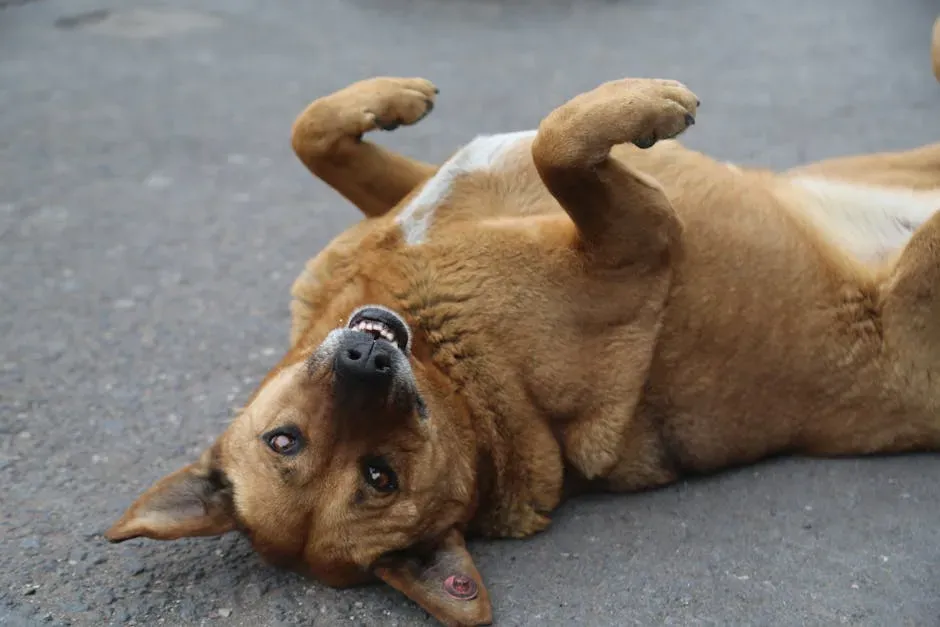
When a dog senses their human is struggling, their own body language often shifts. Ears soften, the tail lowers to a calm mid-position rather than wagging wildly, and their movements become slower and more deliberate. In most of these cases, the dogs showed submissive body language, such as ears and tail down, while some approached their owners with alert or playful behavior. It’s as though they’re consciously making themselves less stimulating and more comforting.
Dogs behave differently depending on the owner’s emotional state: they gazed and jumped less at owners when they were sad, and their compliance with simple commands was also diminished. That reduction in jumping and bouncing around isn’t disobedience. It’s emotional sensitivity expressed through a quieter, softer version of themselves, offered specifically for your benefit in that moment.
#14. They Absorb Your Stress and Mirror It Physically
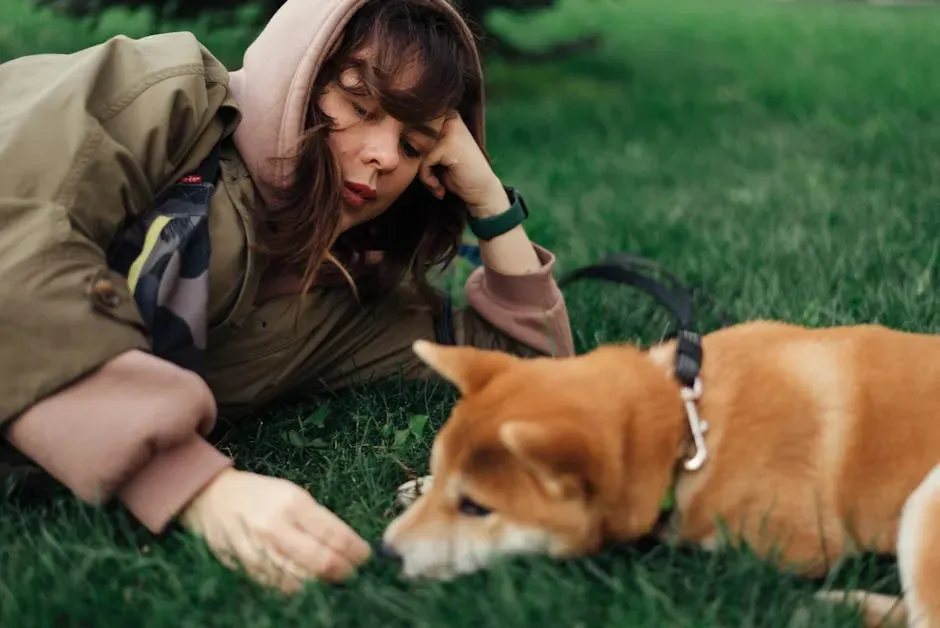
One of the more striking findings from canine research is how deeply a dog’s body chemistry responds to their owner’s emotional state. In a study from Sweden’s Linköping University, researchers found dogs’ stress levels were greatly influenced by their owners and not the other way around. Their findings suggest that dogs, to a great extent, mirror the stress levels of their owners.
Scientists have observed dogs to have similar cortisol levels to their owners. This suggests that our own stress is very much noticed by our dogs and is stressing them out, too. This is worth sitting with. When your dog seems restless or unsettled during your hardest days, they may quite literally be carrying a version of what you’re carrying. The bond goes further than behavior. It goes biological.
#15. They Stay Through the Whole Thing Without Needing Anything in Return
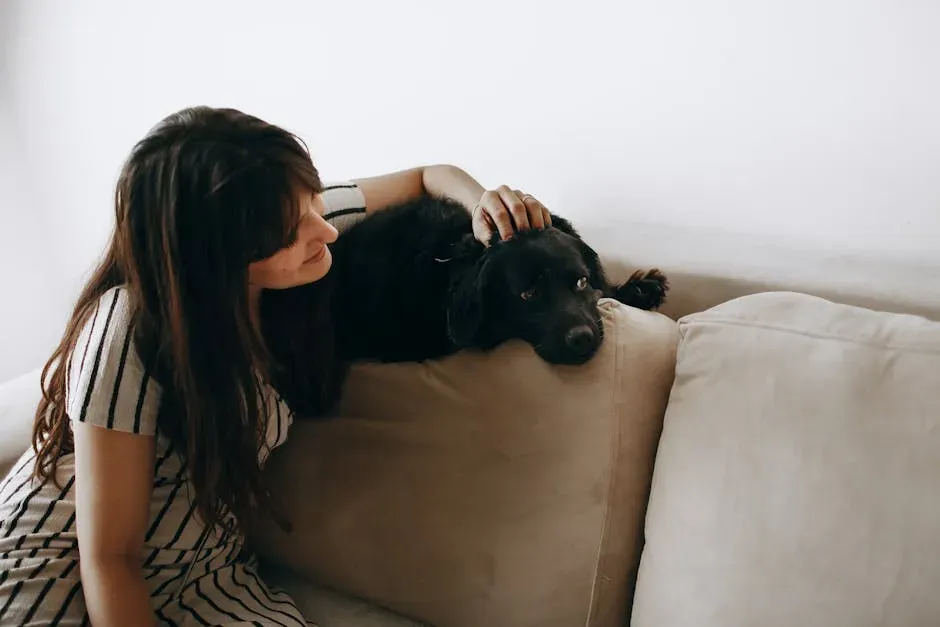
This last one is perhaps the most profound and the easiest to miss precisely because it asks nothing of you. Researchers feel that dogs’ reactions are based on emotional content rather than curiosity, which further suggests that dogs act out of empathy by approaching distressed individuals with comfort-offering behaviors. Furthermore, researchers felt that the dogs were not acting for their own benefit. If the dogs themselves were seeking comfort, they would have been more likely to approach the calm individual.
Dogs are thought to be very aware of people’s emotions, but if a pup’s owner is really upset, it will actually go out of its way to offer help and comfort. Research has found that not only will some dogs comfort their owner, but they’ll also overcome obstacles to do it. They don’t leave when it gets hard. They don’t look away or offer platitudes. They simply stay, fully and without condition, for as long as you need them there.
The Silent Language of Dogs Is Worth Paying Attention To

What makes all of this remarkable is how little credit we tend to give dogs for the emotional labor they quietly perform. We talk about what we do for our dogs, but we rarely reckon honestly with what they do for us, especially in the moments when we haven’t asked for anything at all. They show up anyway, reading us through scent, sound, and body language with a precision that continues to humble researchers who study it.
The science is clear that this isn’t anthropomorphization or wishful thinking. Most pet owners may have already suspected that their dog can sense their emotions and will often act accordingly, and now that suspicion is something backed up by several scientific studies. Dogs can sense sadness, at least to some degree, and may even attempt to help or become stressed themselves when they see their owner displaying negative emotions.
There’s something both humbling and quietly healing about that. Your dog doesn’t understand why you’re struggling, doesn’t know the details, and doesn’t need to. They’ve already decided that wherever you are emotionally, that’s exactly where they want to be. In a world full of noise and conditions, that kind of steady, uncomplicated presence is rarer than most of us acknowledge. Maybe we owe them more credit for the quiet work they do every single day.


