
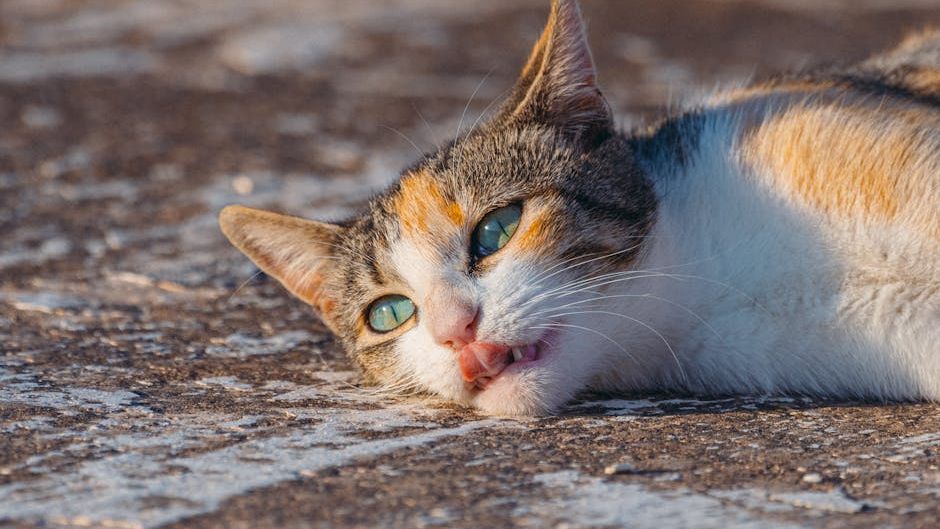
There’s a particular kind of grief that belongs only to cat owners. It doesn’t announce itself loudly. It sneaks in on a quiet afternoon when you notice your cat hasn’t come to greet you, or when their food bowl sits untouched for the second day in a row. Cats are private creatures by nature, and that same quiet independence they’ve carried all their lives tends to follow them right to the very end.
Cats are good at hiding their pain, and the time when things start to turn can take their owners completely by surprise. Understanding what’s actually happening in those final days, what it looks like, what it means, and what you can do, is one of the most important things you can do for a companion who has given you years of loyalty, warmth, and the occasional 3 a.m. wake-up call.
#1. The Quiet Withdrawal: When Your Cat Starts Disappearing
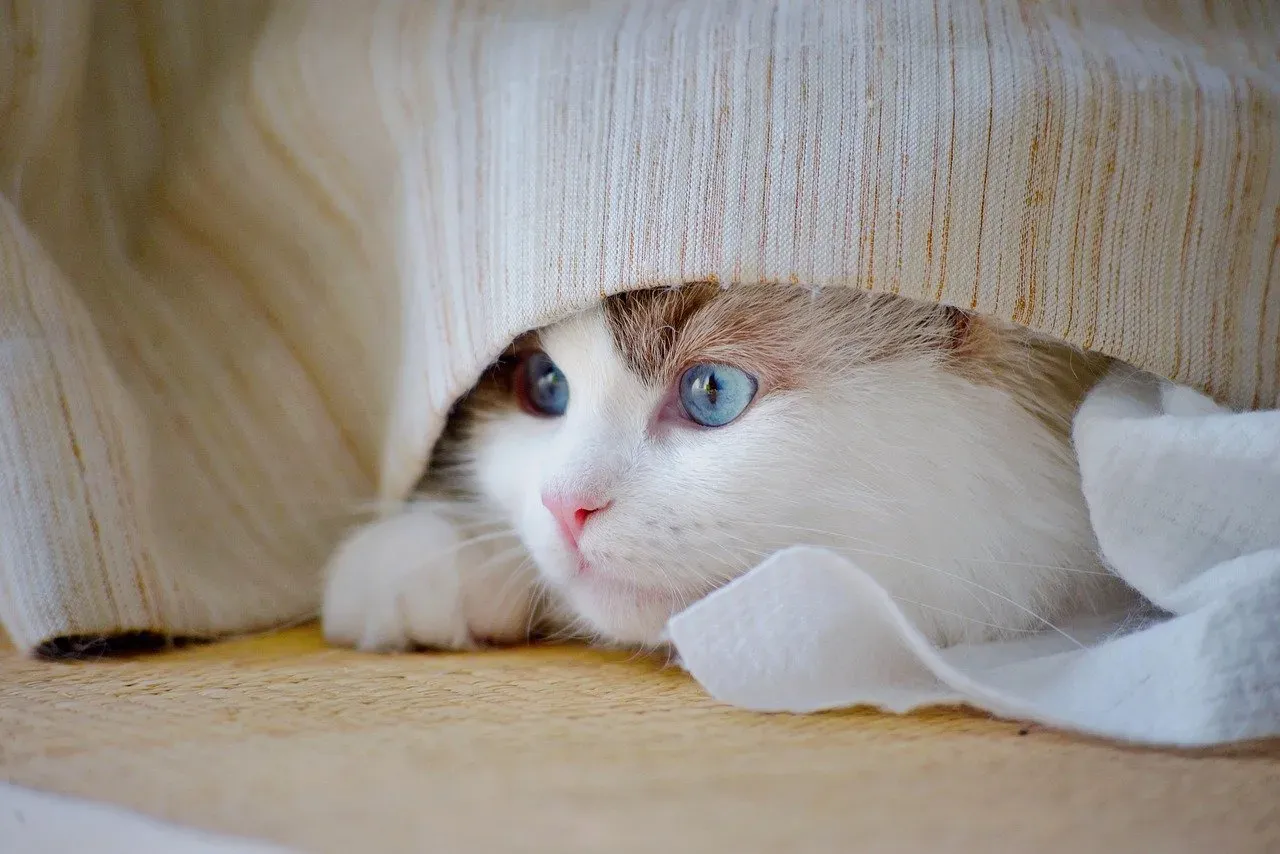
One of the earliest and most telling signs that a cat is nearing the end of their life is a retreat into solitude. Many animals, including cats, will hide away when they are dying. Dying cats often secret themselves away somewhere safe and quiet, as an innate instinct to protect themselves from predators that would target a weak animal. It’s not a sign that they’re upset with you. It’s ancient biology doing what it has always done.
Dying pets may behave differently around people, often becoming more distant or sometimes more clingy. Choosing to hide or isolate themselves may reflect fatigue and a desire for quiet, or an instinct to separate oneself from others when the end is near. Some cats flip this entirely and become unusually attached, following their owners from room to room. A cat that is usually cuddly and loves a purring lap snuggle might suddenly shy away from physical contact, while other cats might become intensely clingy. Neither response is wrong. Both are your cat communicating in the only language they have.
#2. The Body Starts Telling the Truth: Physical Signs You Can’t Miss
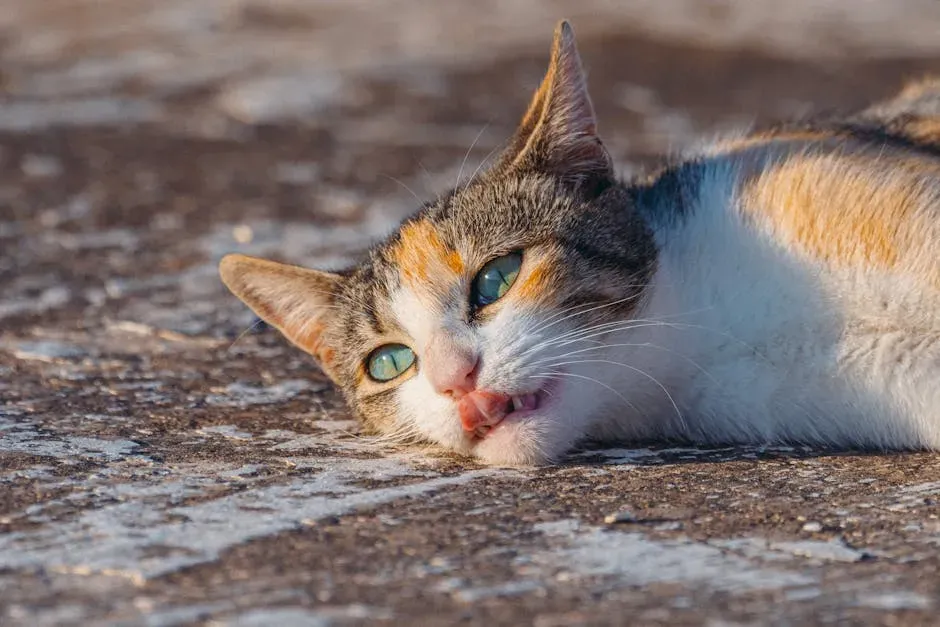
Physical signs that a cat is dying can include lethargy, weakness, incontinence, lack of appetite and weight loss, breathing difficulties, and a drop in body temperature. These changes don’t always arrive all at once. Often, they build slowly over days or weeks, which is part of what makes them so easy to explain away at first glance.
Weight loss is common in senior cats due to muscle loss and less efficient protein digestion. Even if your cat eats well, she may still lose weight. This can become extreme, with ribs, spine, and hip bones protruding. Breathing changes are equally important to watch. A dying cat may have an abnormal breathing pattern, with her respiratory rate speeding up and slowing down at random. She may even stop breathing for short periods of time and then start back up again. Signs of difficulty breathing include open-mouth breathing, stretching her head and neck out straight from her body, and strong abdominal movements as she breathes.
Cats usually have a fairly high resting body temperature, and will often seek out warm spaces. A drop in a cat’s temperature below 100 Fahrenheit is very concerning and can indicate extreme debilitation or serious illness. If your cat suddenly seems cold to the touch, especially in their paws, ears, or tail, take it seriously.
#3. The Mind Starts to Dim: Behavioral and Cognitive Changes

At the end of life, some cats might become confused, dull, or disoriented. They might appear uncoordinated, weak, or have a glazed look to their eyes. Occasionally, cats that are dying may become suddenly, loudly, and unexpectedly vocal. These shifts can be startling, especially in a cat you’ve known for over a decade. What once felt like personality now feels like something slipping.
Similar to dementia in humans, geriatric cats may experience cognitive decline. They may appear confused, get “lost” in corners of the house, or howl aimlessly at night. Previously quiet cats may become increasingly vocal, crying or meowing more frequently, especially at night. Conversely, normally talkative cats might become unusually silent. These vocal changes often indicate discomfort, confusion, or anxiety about their changing physical condition. It’s one of the more heartbreaking shifts to witness, because the cat you knew seems both present and somehow far away at the same time.
#4. Appetite and Grooming Fade Together
Loss of appetite is one of the first signs that a cat may be dying. However, many treatable conditions can also cause appetite loss, so it’s important to see a vet if your cat stops eating. What starts as eating smaller portions can become complete disinterest. Cats often completely stop eating and drinking, have difficulty staying warm, breathe with greater effort, and have abnormal heart rates and gum color.
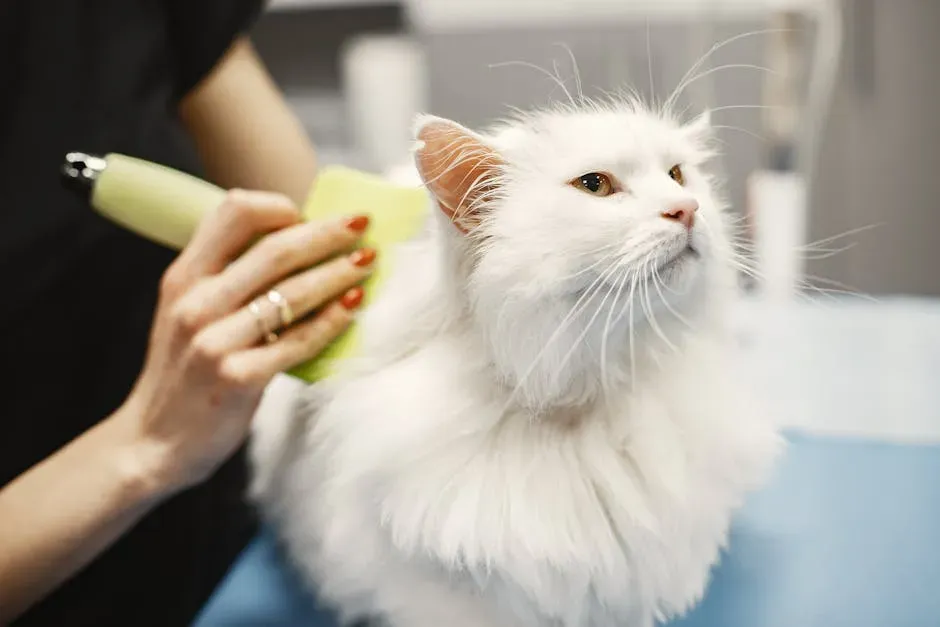
Grooming is another area where decline becomes visible. Often coupled with incontinence, cats toward the end of their life might struggle with their hygiene. This includes toileting outside the litter box, bad body odor, and poor grooming habits. Cats might appear unkempt, in poor condition, or just plain smelly. As a cat nears the end of life, they may develop an abnormal body odor due to the breakdown of tissues and buildup of toxins in the body. It’s not neglect. It’s the body redirecting whatever energy it has left to more essential functions.
#5. The Final Hours and How to Be There for Them
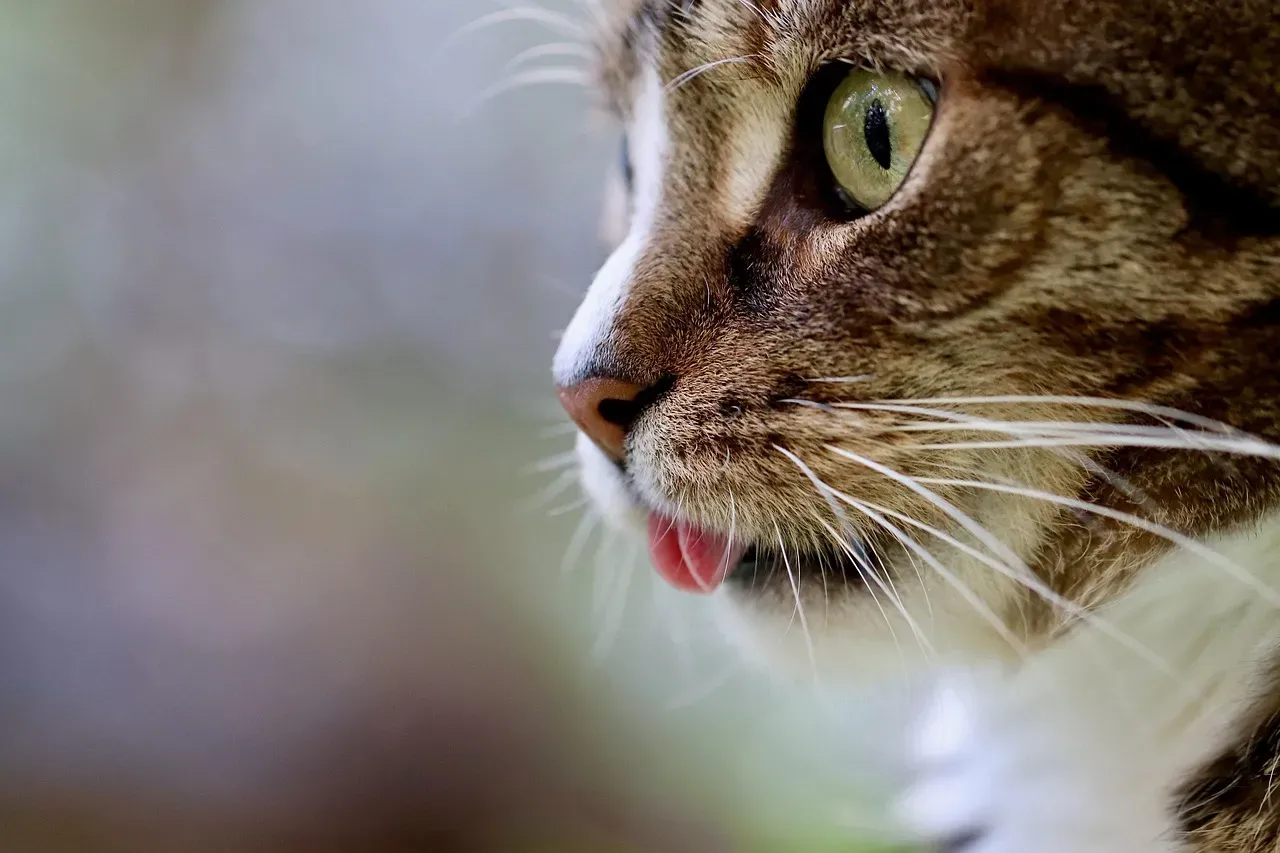
In the hours or days before death, cats typically experience a significant decrease in body temperature, irregular breathing patterns, and lower blood pressure. They may also become very still or unresponsive to stimuli. In the final minutes, a cat’s body begins to shut down completely. Breathing may become shallow or labored, with noticeable gaps between breaths as they slow down. These moments are hard to witness, but they’re not meant to be faced alone.
Some cat owners find it very distressing to be in the room as their cat passes, but if you can, it’s important to be present during their final moments. While it may be confronting and difficult, take comfort knowing that your cat’s final moments were shared with you. You can help your cat pass peacefully by working with your veterinarian to provide hospice care, pain management, or humane euthanasia. If your vet detects a terminal disease, they will help you develop an end-of-life plan, which may include treatment, hospice care, palliative care, or euthanasia.
Keep your cat warm, with easy access to a cozy bed and a warm spot in the sun. Help with maintenance grooming by brushing her hair and cleaning up any messes. Offer foods with a strong odor to encourage eating. If your cat is supposed to be on a prescription diet but hates it, this is the time to let her have whatever she wants. These small acts carry real weight, even if your cat can’t say so.
A Final Thought Worth Sitting With
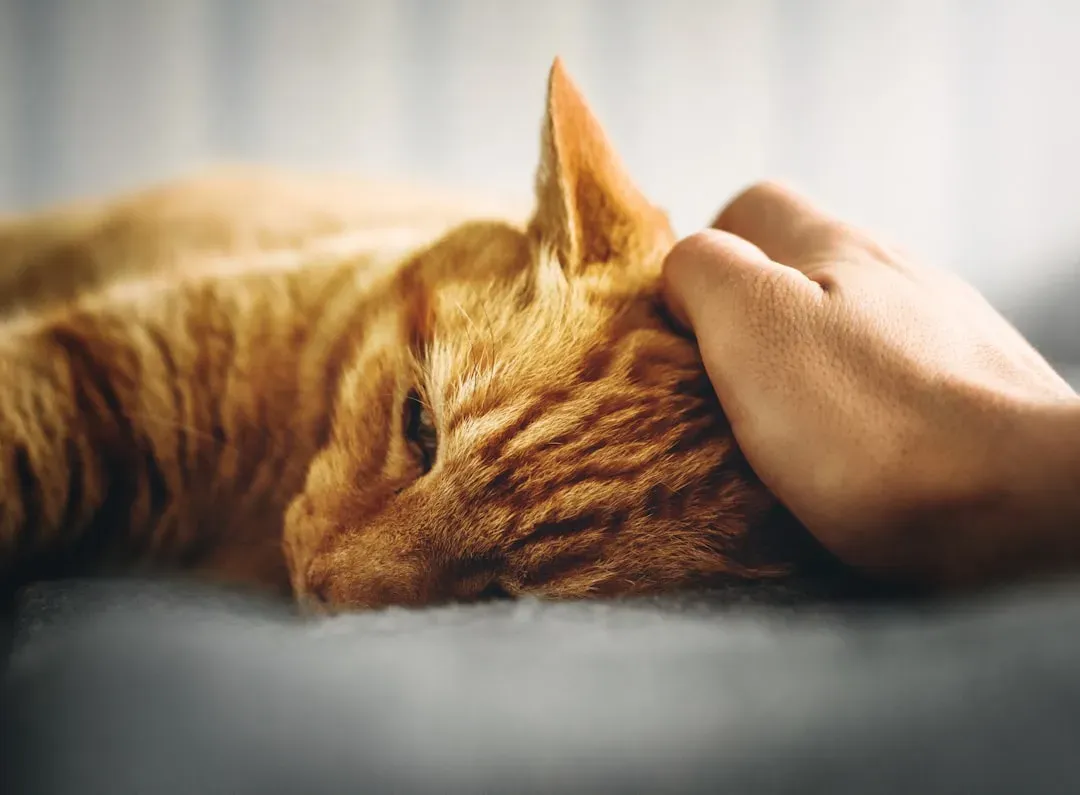
There is an honest, uncomfortable truth about loving a cat for many years: you will almost certainly outlive them, and no amount of preparation makes that feel less significant. What preparation does offer, though, is the chance to be present rather than blindsided, to act out of care rather than panic.
In the early stages of dying, cats are often still capable of having good days and deriving enjoyment from life. But as their health declines, so does their quality of life. When there are too many bad days in a row, or if the cat seems “turned off” to life, quality of life is compromised. Bad days may mean nausea, vomiting, diarrhea, seizures, frustration, pain, or inability to breathe. Knowing the difference between a bad week and the beginning of a final chapter is something your veterinarian can help you navigate.
The opinion that deserves to be stated plainly here is this: watching a cat suffer unnecessarily, out of our own difficulty with letting go, is not kindness. The most loving thing many owners ever do for their cat is the hardest decision they ever make. All you can do is ensure the ending is as painless and peaceful as possible. That, truly, is what a lifetime of love looks like at its very last page.


