
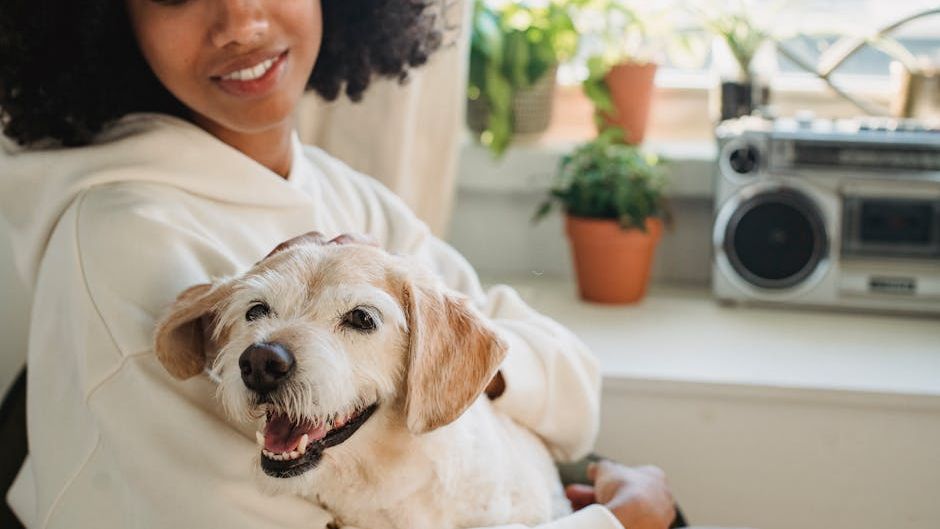
Most dog owners are convinced they know exactly how their dog is feeling. You look at that wagging tail and assume everything is fine. But there’s a lot more going on beneath the surface, and many of us miss the subtler, more telling signals that speak to a dog’s deeper sense of emotional wellbeing. It’s not just about tail wags and excited greetings, though those matter too.
Like many toddlers, your dog lacks the vocabulary to tell you how they feel, so it’s up to you to learn how your dog expresses emotions. That responsibility is actually a profound privilege. Once you start reading your dog accurately, the whole relationship shifts. Here are twelve signs that your dog isn’t just surviving life with you, but genuinely thriving.
#1: Their Whole Body Gets Involved When the Tail Wags
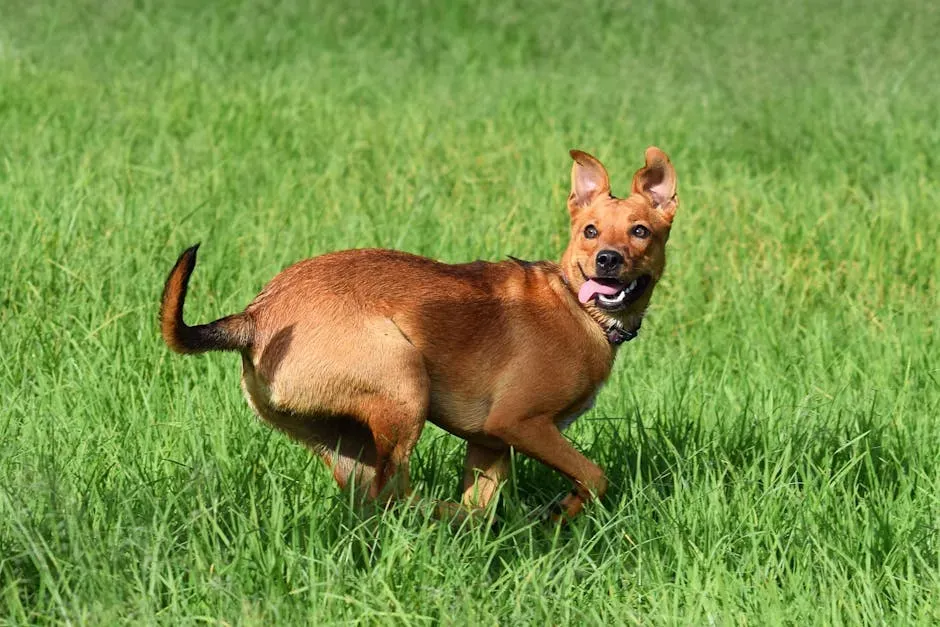
A wagging tail alone doesn’t tell the full story. When a dog is truly happy, their whole body and tail will look relaxed, and they quite often wiggle. A happy dog’s whole body can wag along with their tail. That full-body shimmy is unmistakable and wonderfully hard to fake.
A wagging tail is one of the clearest signs of a happy dog. When your pup’s tail is swaying with enthusiasm, bonus points if their whole body wiggles along, you can be sure they’re feeling great. The distinction matters because a stiff, high-held tail with a rapid wag can actually signal tension or overarousal rather than pure happiness. Look for loose, fluid movement from the shoulders back, and you’ve found the real deal.
#2: They Have Soft, Relaxed Eyes
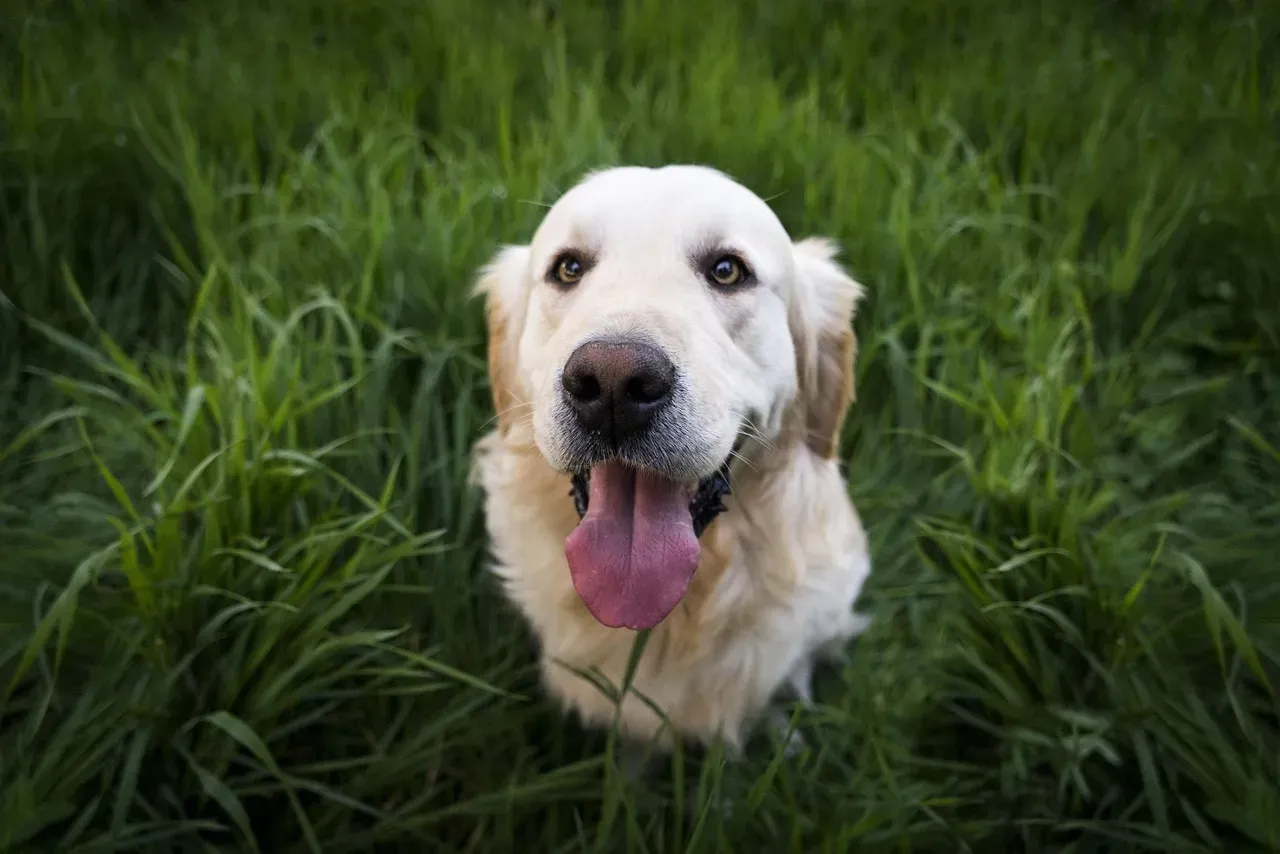
Eye contact is a major sign of trust in dogs, and those loving looks you share while sitting together after a long day are sure signs of a happy dog. When a dog is happy, their eye contact will be relaxed and soft, and they will continue to blink often. There’s something quietly powerful about a dog who simply looks at you without urgency or tension.
Happy dogs look at you with soft, relaxed eyes. It’s not a stare-down, it’s an invitation. They’re comfortable in your presence and want to connect. Hard, unblinking eyes that feel locked on tend to signal stress or guarding behavior. The soft, blinking gaze is your dog’s way of saying they feel completely at ease, and that’s worth paying attention to.
#3: Their Posture Is Loose and Tension-Free

Happy dogs have a loose, soft posture without any signs of tension or stiffness. This body language will usually be paired with a relaxed facial expression, including a slightly opened mouth, and their ears in a natural position. Watching a dog carry their body without rigidity is genuinely reassuring. It tells you they feel safe in the space they’re occupying.
A happy dog is a relaxed dog, and their body language says it all. No stiffness, no tension, just a chill, at-ease posture. Their tail moves naturally, neither tucked nor rigid. They might even have that adorable “doggy smile,” mouth slightly open, tongue peeking out. Compare this to the tight, braced posture of a dog under stress, and the difference is immediately visible. Relaxed is happy. It really is that clear.
#4: They Initiate Play and Do the Play Bow

Playful dogs often initiate play by bringing you toys, nudging you, or engaging in a “play bow” position, lowering their front end while keeping their rear end elevated, to get your attention and encourage you to join in. This is one of the most universally recognized joy signals in canine communication and it’s genuinely contagious.
When dogs feel happy and emotionally secure, they will regularly display these playful behaviors. A dog who invites you into play is a dog who trusts you enough to be silly around you. It means they trust you, feel safe, and genuinely enjoy your company. If your dog still initiates play well into adulthood and old age, that’s a deeply encouraging sign of emotional health.
#5: They Have a Consistently Healthy Appetite
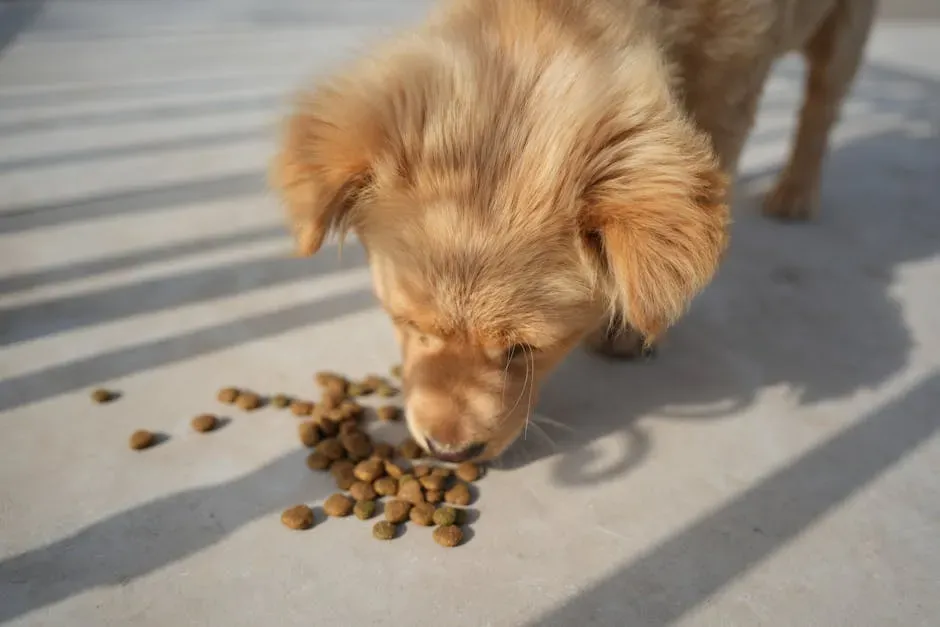
Having a healthy appetite and excitement around mealtimes are some of the sure signs a dog is happy. A dog with a good appetite will show excitement and eagerness when it’s time to eat. They may wag their tail, pace around, or become visibly enthusiastic as you prepare their food. That pre-dinner wiggle is one of the most reliable little daily barometers of your dog’s emotional state.
Regardless of how quickly they eat, dogs that are content and feeling well will have good appetites. A change in their eating behavior is a sign of potential unhappiness or illness. Sudden disinterest in food, or the opposite, frantic anxious eating, are both worth noting. If you notice that your dog is suddenly disinterested in food or is losing weight, it may be a sign of underlying health issues or emotional distress and should be addressed by your veterinarian.
#6: They Sleep Well and Rest Peacefully
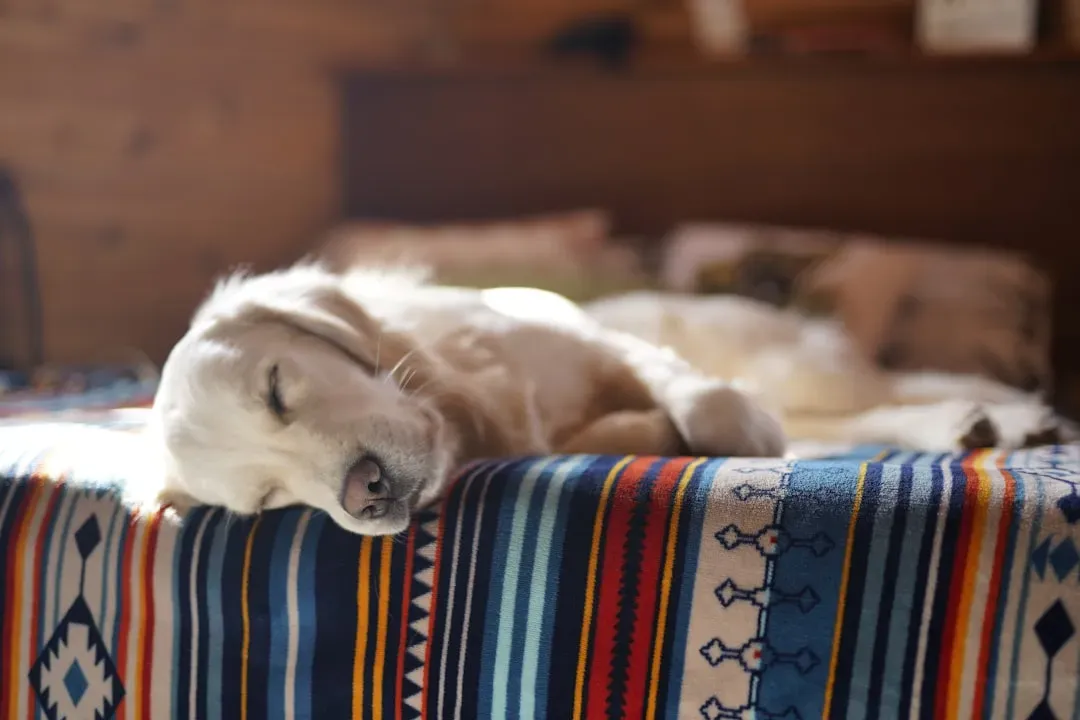
Like humans, dogs benefit from a consistent and restful sleep routine. A healthy dog should have a regular sleep pattern uninterrupted by frequent waking or restlessness. Watching a dog sleep deeply, sprawled out with paws loose and breathing slow, is one of those small moments that quietly tells you everything is well.
Dogs need plenty of rest and a happy dog will sleep peacefully and comfortably. They will find a cozy spot, curl up, and show relaxed body posture: eyes closed and their body in a relaxed and stretched-out position, indicating comfort and deep sleep. If your dog’s sleep schedule shifts or she’s not sleeping that much, it could be a sign of stress or unhappiness. Restful sleep is restorative in dogs just as it is in people, and consistent disruption to that pattern is always worth investigating.
#7: They Welcome Physical Closeness and Touch
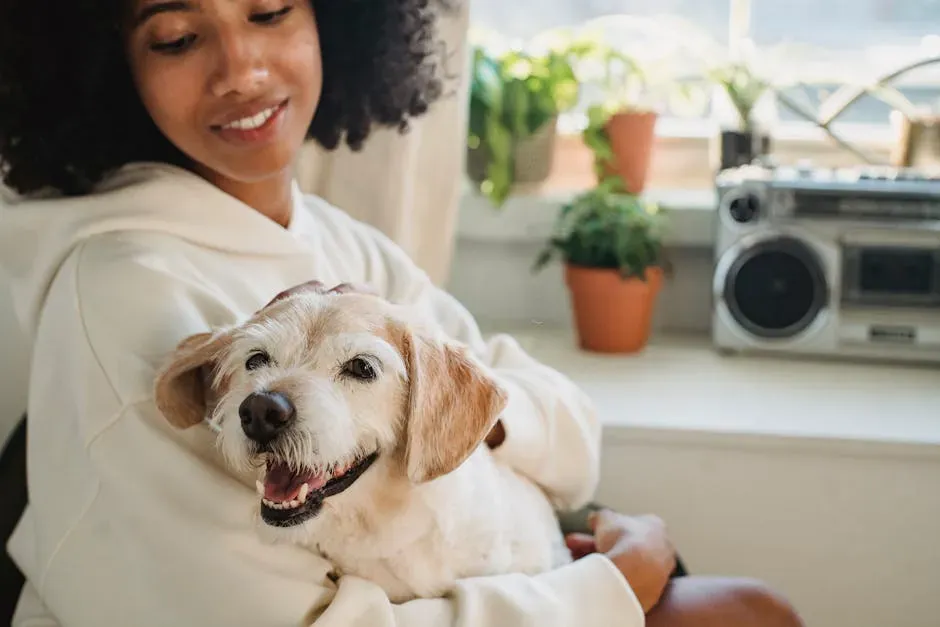
Happy dogs make a lot of body contact. If your dog reacts, stays close, or even leans in toward your hand during petting, they’re enjoying the contact. This kind of voluntary closeness, the lean into your leg, the chin rested on your knee, carries real emotional weight. It’s not just affection, it’s trust made physical.
Happiness isn’t just about wagging tails and zoomies, it’s also about physical closeness. If your dog leans on you, rests their head against you, or simply stays close by, they’re saying: “I trust you. I feel safe with you.” Exposing their stomach is one of the most vulnerable positions for a dog. So, when they do it, it’s a huge sign of comfort and security. A dog who offers their belly isn’t just asking for a rub, they’re telling you the relationship is solid.
#8: They Greet You With Genuine Enthusiasm
A final sign a dog is happy is the way that they greet you. A happy dog will approach you with enthusiasm, wagging their tail, wiggling their body, and bouncing around in anticipation of your attention. They may also bark, yip, whine, or make other joyful sounds and shower you with licks or nuzzle their face against you. Coming home to that is one of life’s better feelings, and it means something specific.
This excitement isn’t just for when you get home. You’ll see the same joyful reaction when you grab the leash for a walk, bring out their food, or invite them to play. A dog that reacts with enthusiasm to these daily moments is healthy, emotionally balanced, and living their best life. Consistent enthusiasm for ordinary daily rituals is a strong signal that your dog associates their world with positive experiences.
#9: They’re Curious and Engaged With Their Environment
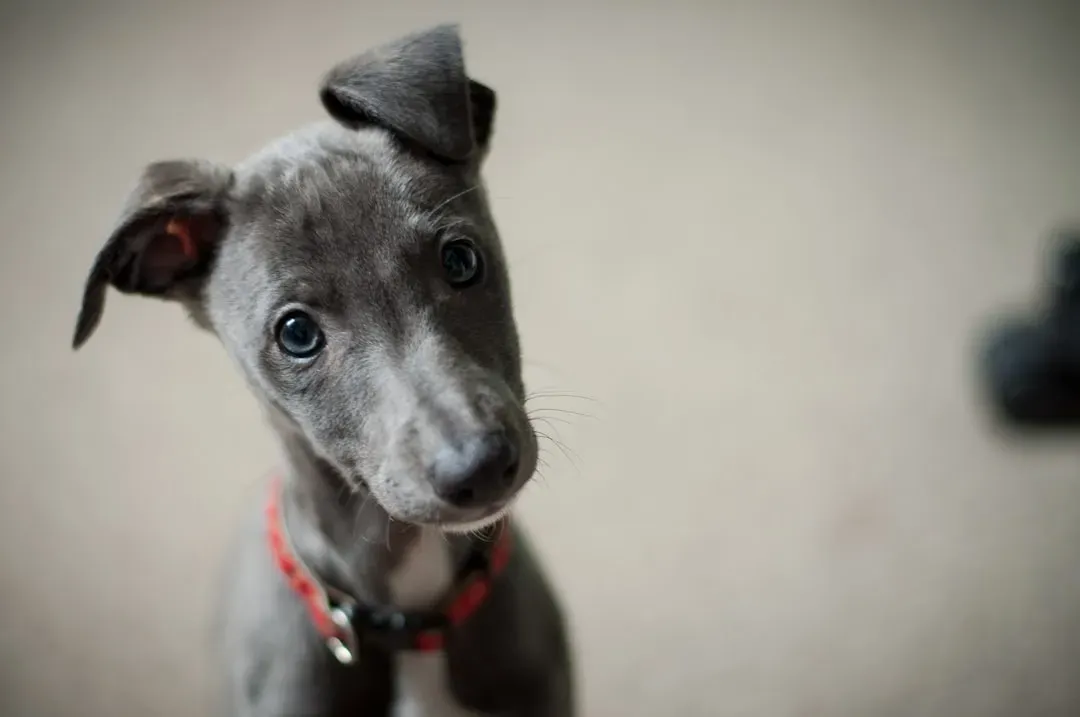
A healthy dog should display a keen interest in their surroundings and respond appropriately to different stimuli. Whether it’s a new object at home, a stranger at the door, or a sudden noise, a curious and alert reaction typically suggests good mental health and cognitive function. Curiosity in a dog isn’t just entertaining to watch, it’s a genuine marker of cognitive aliveness.
Curiosity and alertness outdoors demonstrate a dog’s zest for life. A dog with their nose to the ground, exploring every nook of the garden, illustrates an active and engaged mind eager to learn and discover. Dogs that show interest in their environment are often happy and enriched. A dog who has stopped engaging with the world around them, who used to sniff every corner of the park and now just stands there, is showing you something important. Engagement is vitality.
#10: They Maintain Consistent, Predictable Behavior
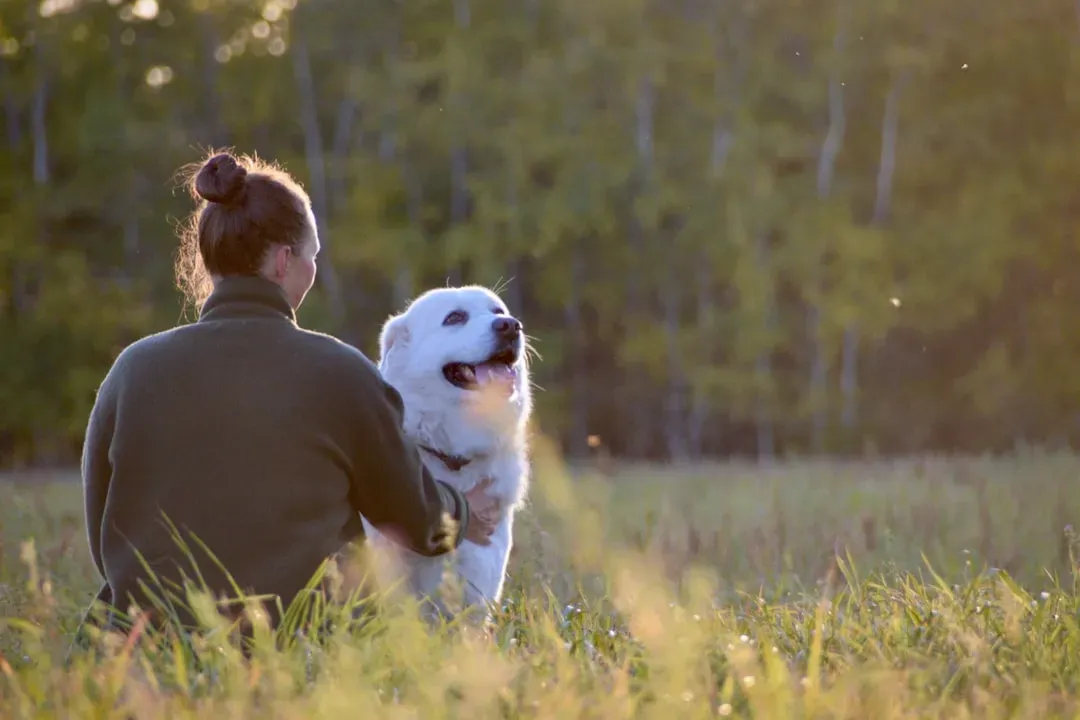
Happy dogs are consistent. If your dog greets guests with a tail wag, hops in the car without hesitation, or calmly handles walks in town, and then suddenly doesn’t, that shift matters. Changes in behavior can signal discomfort, fear, or a negative experience they haven’t shaken off. Predictability in your dog’s behavior isn’t boring, it’s a sign that their inner world is stable.
Another indicator of your dog’s psychological state is the absence of destructive behaviors. Emotionally stable and well-adjusted dogs typically do not exhibit excessive chewing, unnecessary aggression, or other destructive behavior. Excessive chewing or destructive behavior, particularly in an adult dog, could be a sign of stress or boredom. Separation anxiety is another common cause of destructive behavior in dogs. A calm, steady routine in behavior means the dog is not in a state of chronic stress.
#11: They’re Comfortable Around People and Other Animals
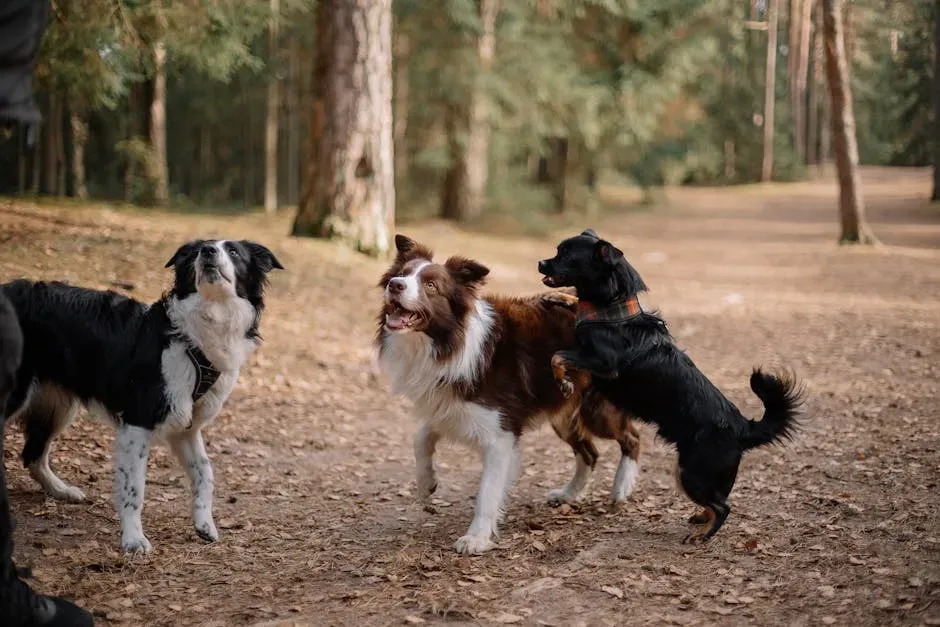
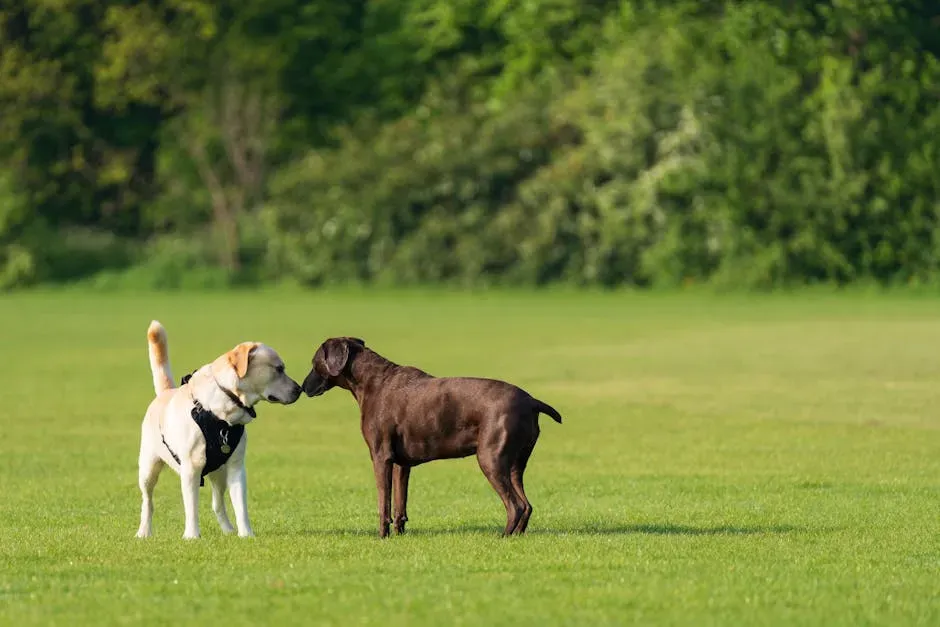
Observing how your dog interacts with people and other animals reveals much about their emotional health and social well-being. Generally, healthy dogs tend to be more comfortable and sociable around familiar faces and even new acquaintances. That ease around others, not frantic or fearful but simply relaxed and present, points to a dog who feels genuinely secure.
If your pup is social at the dog park, friendly with other family pets, and not overly aggressive to new animals, these are all signs they’re in a good mood. It’s important to understand both your dog’s breed tendencies and their individual personality. Still, there are some nearly universal signs of happiness that most pet parents can easily recognize. Some dogs are naturally more reserved than others, and that’s normal. What matters is that their social interactions, wherever on the spectrum, feel comfortable and unforced.
#12: They Choose to Stay Near You
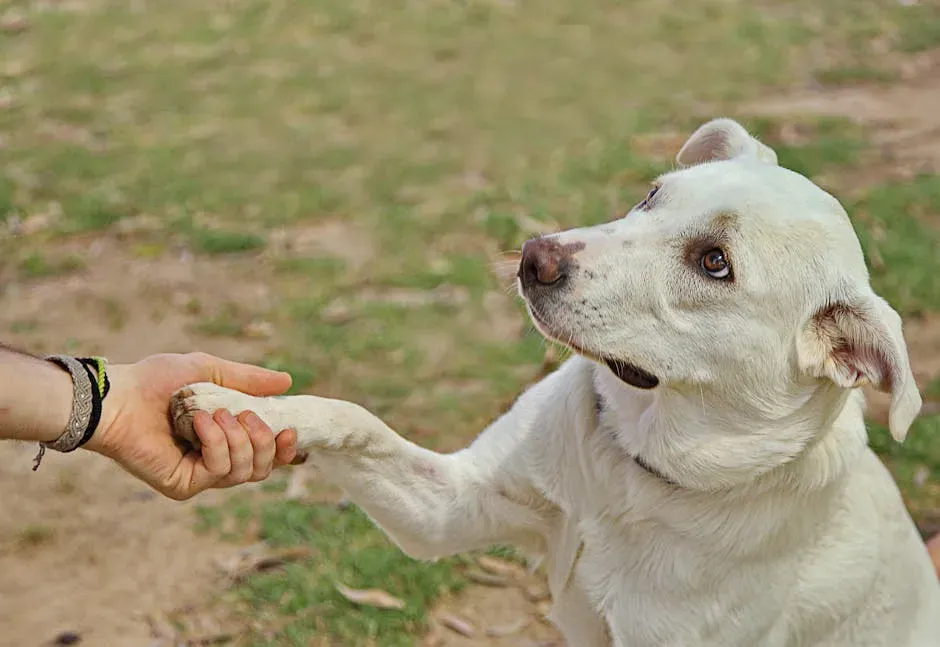
Dogs love cozy, safe spaces, and where they choose to rest tells you a lot. If your dog naps where they can keep you in sight, or rotates between rooms depending on where you are, that’s a beautiful sign of connection. This quiet, understated proximity is easy to overlook, but it’s one of the most honest expressions of love a dog offers.
A dog that follows you calmly is expressing loyalty and affection. An Australian Shepherd trailing you from room to room is acting as a quiet guardian at your side. This behavior indicates that your dog enjoys your presence and feels comfortable around you. It reflects a strong bond and a sense of security, knowing it is part of your pack. A dog who wants to be where you are, not out of anxiety but out of genuine preference, is a dog who has found exactly where they belong.
What It All Adds Up To
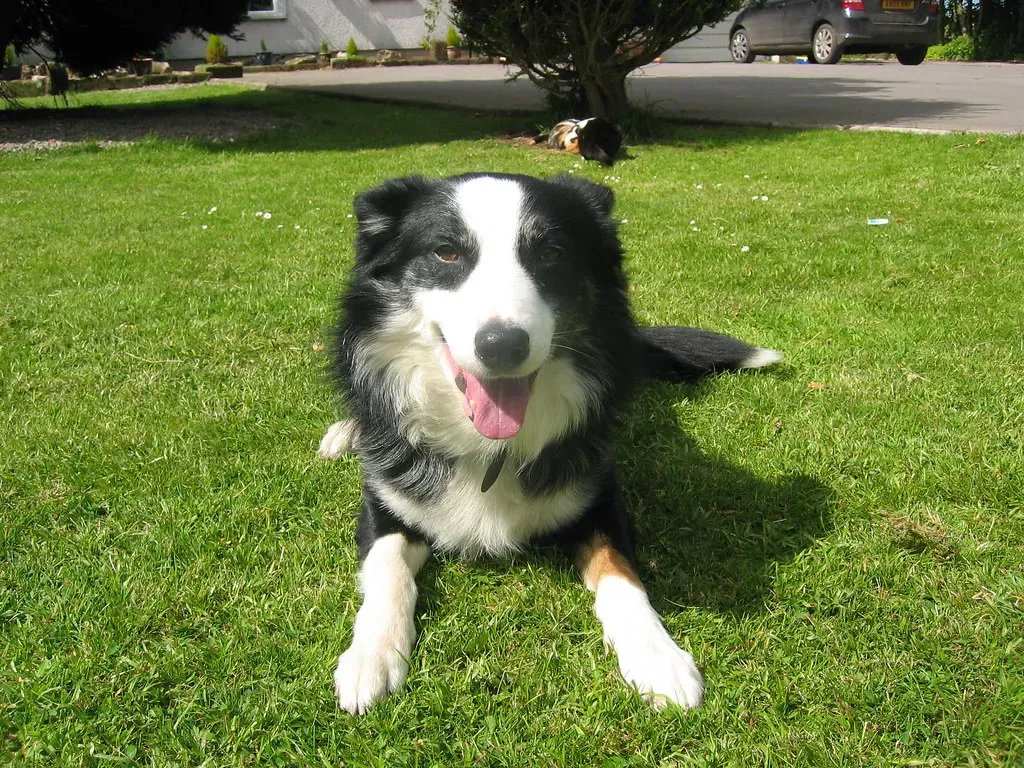
Taken together, these twelve signs form a picture of a dog who is not just physically healthy but emotionally whole. A dog’s happiness is influenced by several factors, including their environment, lifestyle, and relationships with humans. A loving and nurturing environment where they feel safe and secure plays a significant role in their emotional well-being. Consistent interaction, play, and affection from their pet parents greatly contribute to a dog’s sense of happiness.
When dogs learn they can rely on you to meet their needs, it builds a sense of trust that’s essential to their emotional well-being. Dogs adopted later in life, especially from shelters, may need more time to feel safe and show relaxed, happy behavior. Every dog arrives with their own history, and some need more patience before these signs emerge. That’s not failure, that’s the work.
Here’s what I believe after looking at all of this closely: most dogs are far more emotionally intelligent than we give them credit for, and far more forgiving than they need to be. They are not asking for a perfect life. They’re asking for a present, attentive, and consistent person. If you find yourself reading this list and checking off most of the boxes, trust that. Your dog isn’t performing happiness. They’re living it, and they’re living it because of you.


