

One day your dog is bounding to the door when you get home. The next, they’re curled up in the corner, barely lifting their head. It’s one of those moments that stops you cold, and for good reason. Dogs are creatures of habit, deeply expressive in their own ways, and when something shifts in their behavior, it’s rarely without a reason.
The tricky part is that dogs can’t tell you what’s wrong. Your dog can’t tell you something’s wrong – that’s the hard part. They can show you, though, and if you know what to look for, these signals are surprisingly clear. What follows are twelve of the most well-documented causes behind , and understanding even a handful of them could make a meaningful difference for your dog.
#1 Pain and Underlying Physical Illness
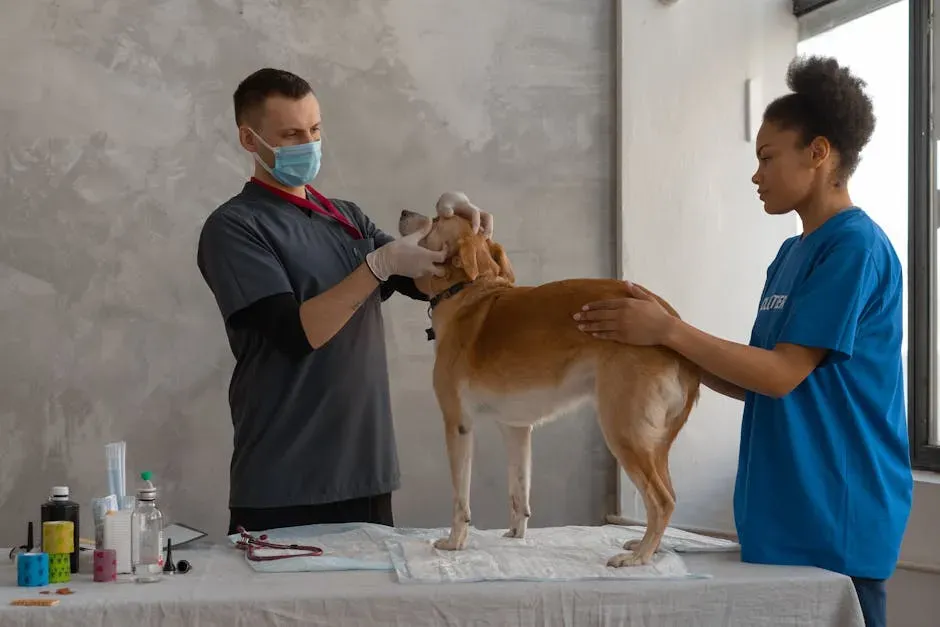
A sudden shift in behavior often has an underlying medical reason. Pain, injury, or illness can make a usually friendly dog irritable or withdrawn. This is frequently the first and most important place to look when a dog’s temperament changes without obvious cause. The body speaks through behavior, and dogs are no exception.
Dogs are stoic by nature, which means they often mask discomfort until it becomes impossible to hide. Small changes in behavior may be the earliest signal you’ll ever get that something is physically wrong. Dogs don’t always show pain in obvious ways, so a shift in behavior might be their way of telling you something’s wrong. A vet visit should always be the first step when changes appear suddenly.
#2 Arthritis and Joint Pain

Older dogs or those with painful joint issues may avoid jumping on furniture, playing, or even walking as much as they used to. They might also become grumpy if someone touches a painful spot. What an owner often interprets as surliness or laziness may be nothing more than a dog trying to protect a part of its body that hurts.
Senior dogs may display irritability due to things like arthritis pain or loss of vision. A sudden change in behavior is more likely due to trauma, severe pain, or possibly even a neurological issue. The distinction matters. Gradual behavioral shifts in an aging dog are often joint-related, while overnight personality changes tend to signal something more acute. Either way, both deserve attention.
#3 Dental Disease and Oral Pain
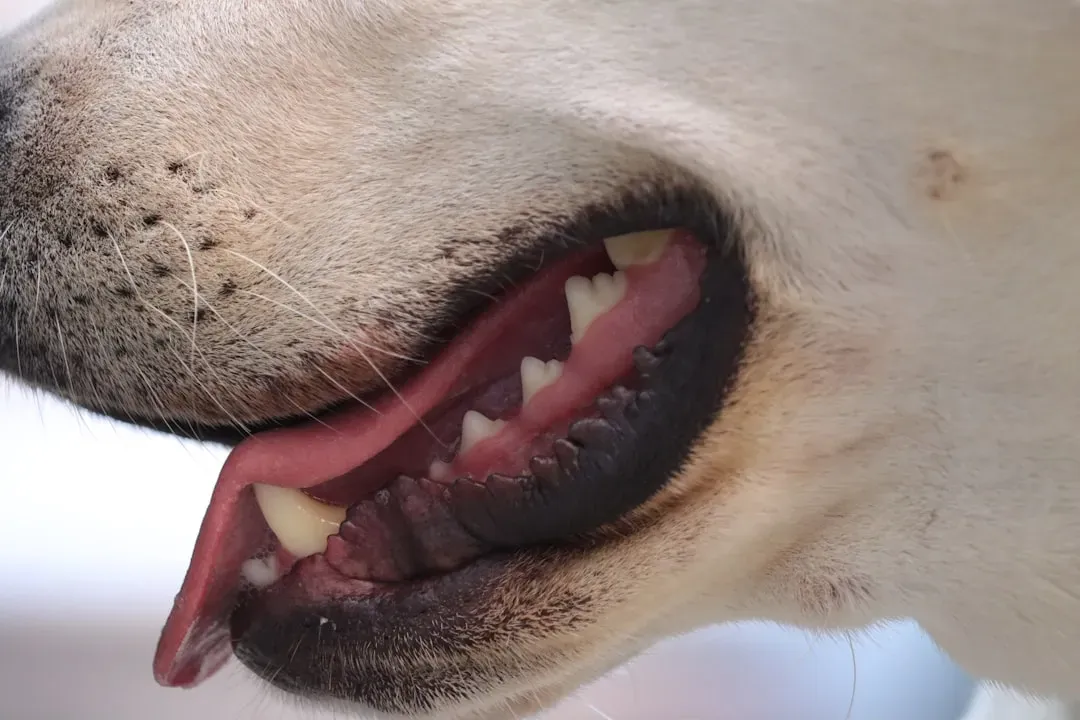
A sore tooth or gum infection can make eating painful, which will lead to a loss of appetite. Some dogs may become snappy if you try to touch their mouth. Owners sometimes misread this as aggression, not realizing there’s a throbbing source of pain behind the reaction. Dental disease is far more common in dogs than many people realize, and it can escalate quietly over months.
Behavioral changes might be your first and only clue that something’s wrong, including dental disease, which causes pawing at the face, dropping food, and avoiding eating. If your dog suddenly seems reluctant at mealtime or starts dropping kibble mid-chew, their mouth deserves a closer look. Regular dental check-ups aren’t just about fresh breath – they’re genuinely tied to a dog’s emotional steadiness.
#4 Hormonal Imbalances and Endocrine Disorders
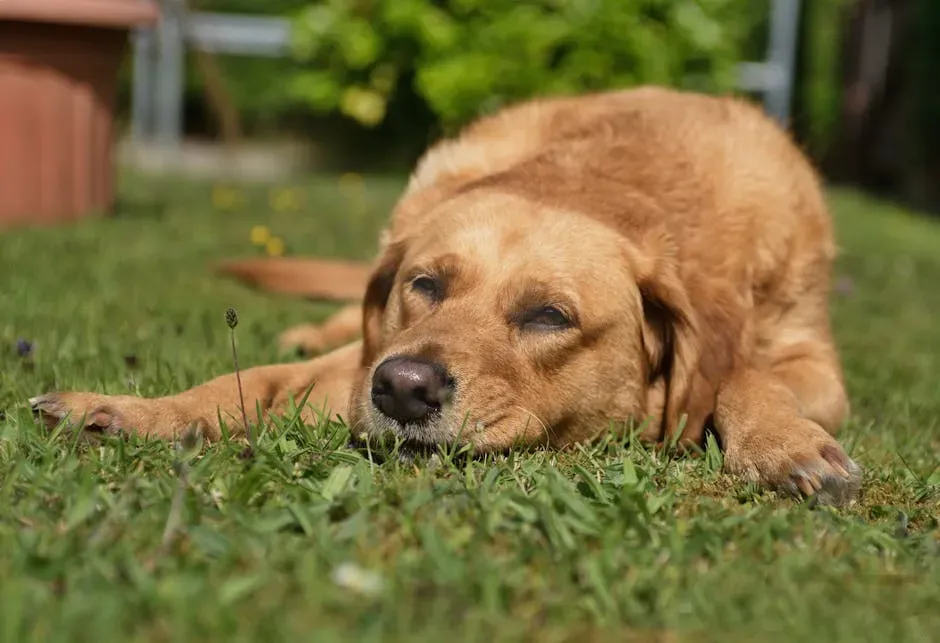
Cushing’s disease happens when a dog’s body produces too much cortisol, a stress hormone. These hormonal changes can cause lethargy, heightened aggression, increased hyperactivity, disrupted sleep and appetite, and other symptoms that show discomfort. These conditions are insidious because their behavioral symptoms look so much like mood or personality problems that owners sometimes never connect them to a medical cause.
Hypothyroidism is a common hormonal disorder in dogs, especially in middle-aged and older breeds like Golden Retrievers, Dobermans, and Labradors. It affects metabolism and energy levels. Thyroid disorders or hormonal imbalances such as Cushing’s syndrome can lead to behavioral changes such as apathy, anxiety, or nervousness. Testing for these conditions is relatively straightforward and can explain behavioral shifts that otherwise make no sense.
#5 Anxiety and Stress
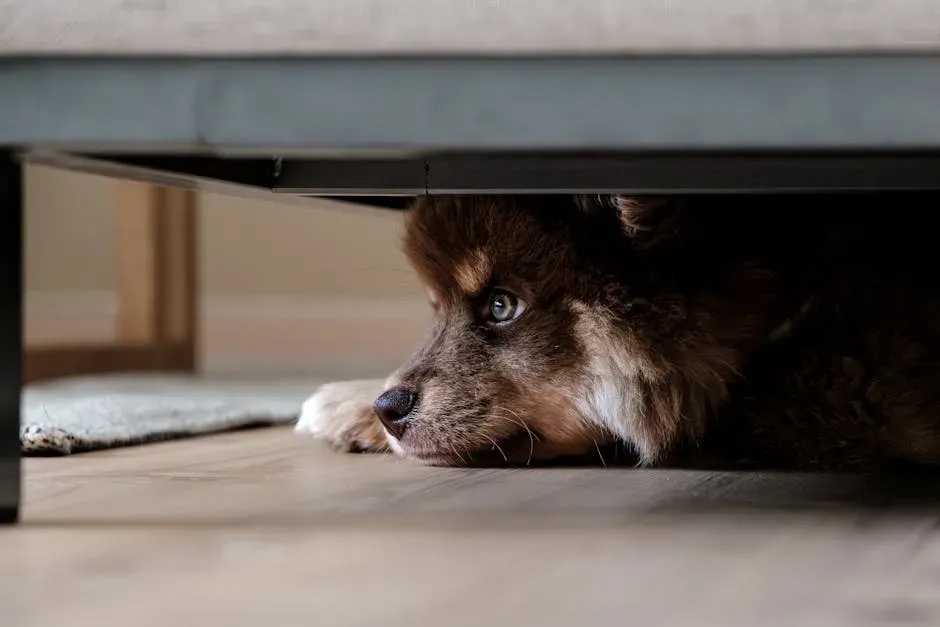
Dogs may react to familiar situations differently if they are overwhelmed by stress or anxiety. Changes in routine, such as a move to a new home or a new family member, can trigger anxiety, causing fear responses and withdrawal. Stress in dogs isn’t always dramatic or obvious. Sometimes it shows up as subtle restlessness, a reluctance to eat, or a dog who just seems “off” without any clear explanation.
A dog suffering from separation anxiety may exhibit destructive behaviors when left alone. This fear can result in increased vocalization, pacing, or even attempts to escape. Anxiety is a common cause of behavioral changes. Dogs may react to environmental changes, loud noises, or separation anxiety. Identifying the specific trigger is the key to addressing it effectively, and there’s usually one if you look closely enough.
#6 Changes in Routine or Environment

Even minor changes in your dog’s daily life can lead to behavior issues. Dogs thrive on routine. Try to keep their schedule as consistent as possible and introduce new changes gradually. This sounds simple, but the scope of what counts as a disruption for a dog is genuinely wider than most people expect. A shift in your own work schedule can throw a dog off for days.
Dogs are sensitive creatures that respond to stress and trauma much like humans. Sudden environmental changes, such as moving to a new home, loud noises, or the loss of a family member, can trigger anxiety or fear-based behaviors. Sometimes it’s easy to discern the cause of your dog’s stress: a big move, a new pet, unfamiliar friends or family in your home during holidays. Consistent surroundings give dogs a sense of safety that directly supports stable behavior.
#7 Puberty, Sexual Maturity, and Reproductive Hormones
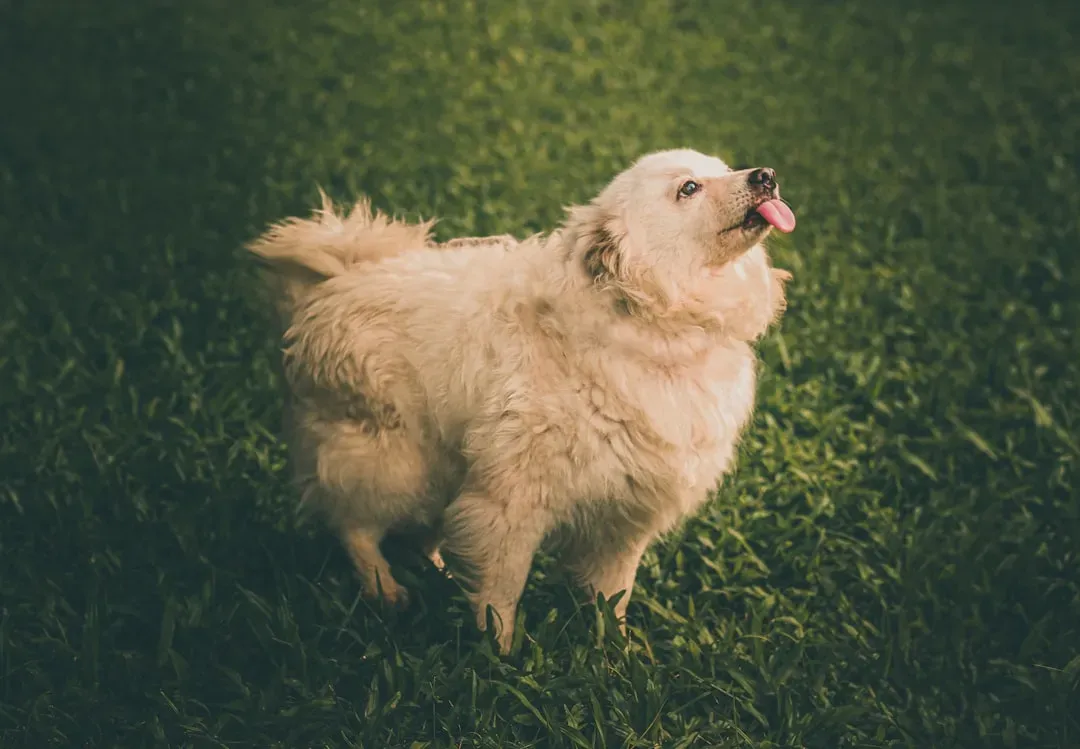
Dogs typically reach adolescence between six months and two years of age. As they transition into adulthood, they may experience behavioral shifts, such as increased selectivity about play and a reduced inclination towards hyperactive behaviors. This stage catches a lot of new dog owners off guard. The calm, eager-to-please puppy who followed every command suddenly seems defiant, distracted, or easily aroused.
For female dogs, hormonal shifts during heat cycles or pregnancy can cause behavior changes. Unneutered male dogs can experience hormonal changes that manifest themselves in sudden aggressive behavior. Hormonal changes, particularly in unneutered or unspayed dogs, can cause mood swings and aggression. These changes are biologically driven and often resolve or stabilize with maturity or with spaying and neutering.
#8 Cognitive Decline in Senior Dogs
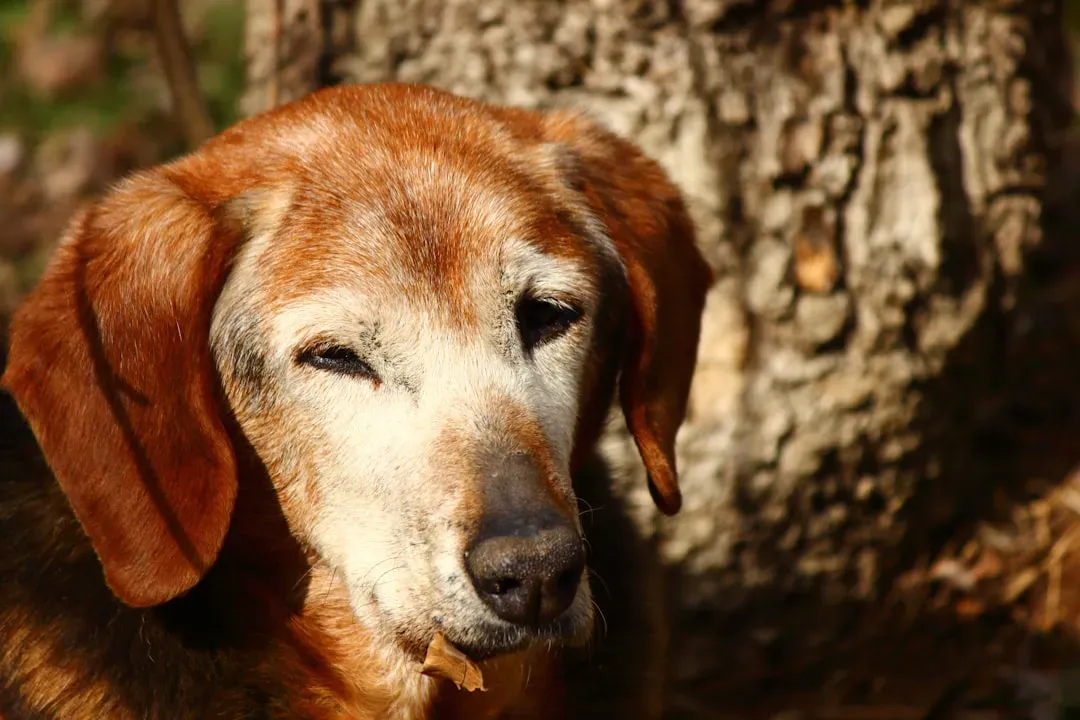
Like humans, dogs undergo cognitive and behavioral changes as they age. Senior dogs may develop Canine Cognitive Dysfunction (CCD), which is similar to dementia. It’s a gradual process, but the behavioral changes it produces can be jarring. A dog that was reliably house-trained for years may begin having accidents. A formerly social dog may start wandering the home at night, disoriented and confused.
Older dogs may experience cognitive dysfunction syndrome, which is similar to dementia in humans. Symptoms include disorientation, confusion, and altered sleep patterns. These changes can lead to increased anxiety in the dog. Veterinarians can suggest medications and lifestyle adjustments to manage age-related changes. Catching it early gives owners more tools to slow the progression and keep aging dogs comfortable.
#9 Neurological Conditions

Change in behavior is a common symptom of a neurological problem in a dog. Neurological disorders include brain inflammation, which in dogs is usually autoimmune rather than infectious. It can occur in the membranes surrounding the brain (meningitis), the brain itself (encephalitis), or a combination of both. These conditions don’t always announce themselves with dramatic physical symptoms first. A personality shift may come before anything else.
Neurological causes are rarer but serious. Brain tumors and conditions that affect the brain like heartworm-related inflammation can alter a dog’s personality and impulse control. Seizure activity, even when not visible as a full convulsive episode, can cause aggression before or after a seizure event. A veterinary neurologist is needed to diagnose the exact condition and pinpoint the specific cause. This is not an area to wait on.
#10 Poor Nutrition and Dietary Issues

Poor nutrition, food allergies, or sudden dietary changes can all lead to a dog’s behavioral changes. Additionally, overfeeding or underfeeding can also be bad, as these can cause sluggishness, weight problems, and low energy. Diet is one of the more underappreciated levers in canine behavior. What a dog eats directly fuels brain chemistry, gut health, and overall energy balance – all of which feed into mood and temperament.
Signs of dietary issues include hyperactivity or restlessness, lethargy or depression, increased irritability or aggression, difficulty focusing or following commands, and digestive discomfort that leads to anxious behaviors. While less common, extreme dietary deficiencies or sensitivities could potentially affect behavior. If a dog’s behavior changed around the time of a food switch, the connection is worth investigating.
#11 Past Trauma and Emotional History
Just like people, cats and dogs can experience fearful events that can have a traumatic impact on them. They’re sentient beings, using the power of their senses and consciousness to observe and interpret the world around them. And just like people, any traumatic event can cause fear, anxiety, and stress, which can have an impact on their overall mental health and wellbeing. A dog’s history matters enormously, and with rescue dogs in particular, much of that history is simply unknown.
It is difficult to determine whether the trigger is the direct source of the dog’s negative reaction or if the dog is associating another apparently innocuous stimulus with the original trauma and reacting as if they are anticipating danger. This is an exaggerated form of a normal self-protective response, which becomes maladaptive when it prevents the dog from having normal or healthy interactions with their environment. Veterinarians and behavior experts are effectively treating animals who suffer from trauma-driven fear and anxiety. Help is available – it just takes patience and the right approach.
#12 Grief and Loss

Anecdotal evidence suggests that in multiple dog households, when one dog dies, the survivor shows grief-related behavior. In a recent study, the vast majority of surviving dogs showed negative behavior changes following the passing of a canine housemate. The depth of connection dogs form with their companions – human or animal – is real, and the disruption of that bond leaves a mark. Grief in dogs isn’t something owners often anticipate, but it’s well worth taking seriously.
When subjects were asked to describe the behavioral changes observed, the majority reported that the surviving dog became more attention seeking. A significant share reported that the dogs played less and were generally less active. Roughly one in three dogs showed signs of increased anxiety and fearfulness, and nearly a third of dogs ate less, while a notable portion showed an increase in whining or barking. Giving a grieving dog extra patience, consistent routine, and gentle engagement goes a long way.
A Final Word: Your Dog’s Behavior Is Communication
Here’s the honest truth: most aren’t random, and they’re certainly not something your dog is doing to frustrate you. A dog’s behavioral changes don’t happen without a reason. In some cases, it could be something simple like a change of feeding routine. Other times, it could be a sign of something that is bothering their health. Whatever the cause, understanding these changes can help you respond in the best way possible.
The twelve causes covered here range from the straightforwardly medical to the deeply emotional. are often their way of telling you that something is wrong. Your dog needs your attention and care, whether due to pain, stress, or confusion. Understanding the cause is the first step toward helping them feel safe and happy again. A vet should always be your first call when something changes noticeably.
What dogs ask of us isn’t complicated. They need to be seen and heard, even if their language looks nothing like ours. Pay attention to the shifts. Trust your instincts as an owner. The dog who changed overnight is almost certainly trying to tell you something – and that conversation is worth having.


