
There’s a moment, early in the morning, when everything is quiet. You haven’t moved yet. Your coffee hasn’t brewed. The sun is barely up. Then you hear it: the soft thud of paws hitting the floor, the slow padding down the hall, the warm weight settling at the foot of your bed. Your dog is already awake, already watching. Already waiting.
That kind of devotion doesn’t really need an explanation. Most dog owners simply feel it, that sense that their dog has organized their entire inner world around the small, ordinary things you do each day. It’s not performance. It’s not neediness. Dogs don’t understand time in hours and minutes. Instead, they experience time as a sequence of predictable events, relying heavily on interval timing to estimate the durations between repeated moments in the day. Which means, in a very real sense, you are their clock. Here are the ten small things your dog holds onto, every single day, without fail.
#1. The Morning Wake-Up Ritual
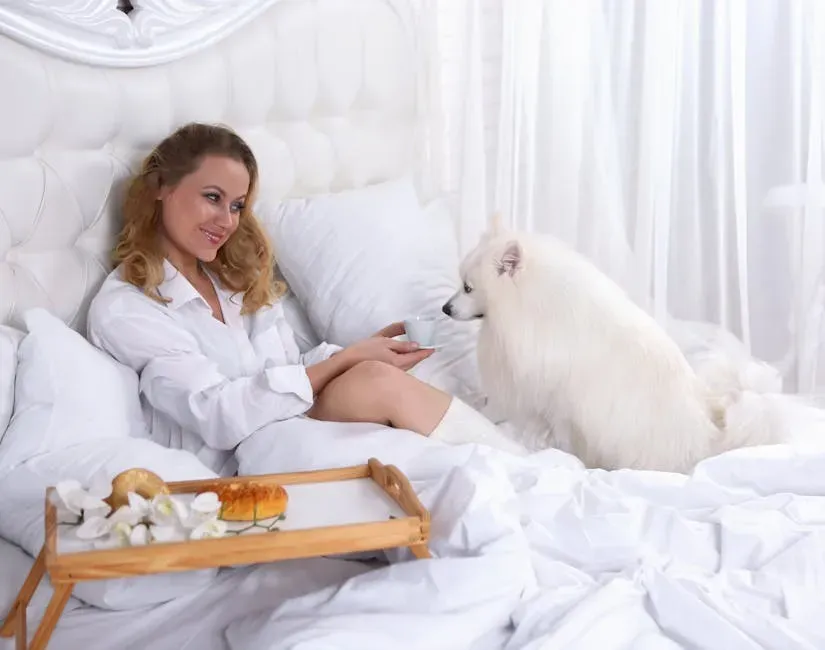
Before your alarm even registers, your dog already knows. Your behavior and routines clue them into the time of day. When you get up in the morning, put on your shoes, and grab the leash, they know exactly what comes next. It’s less about magic and more about extraordinary attention to detail. They’ve memorized your morning pattern down to the sound of sheets shifting.
A solid morning routine sets the tone for the entire day, and your dog feels that deeply. The moment you swing your feet off the mattress, they’re already at the door, spinning, tail going, ready for whatever version of “morning” you bring them. That unbridled joy at simply seeing your face first thing is, if you think about it, pretty extraordinary.
#2. The Jingle of the Leash
Dogs use sensory cues, like the sound of their food being opened or the jingle of a leash, to pick up on the activity that follows. That small metal sound carries enormous emotional weight in your dog’s day. It’s not just a noise. It’s a promise.
The leash is one of the most loaded objects in your home from your dog’s point of view. Dogs notice exactly when walks begin, and their keen sense of timing and habit-driven behavior make them highly reliable companions for owners who value structure. Touch that leash with zero intention of going out and watch what happens. The reaction will tell you everything you need to know about how much they live for that daily walk.
#3. Their Mealtime
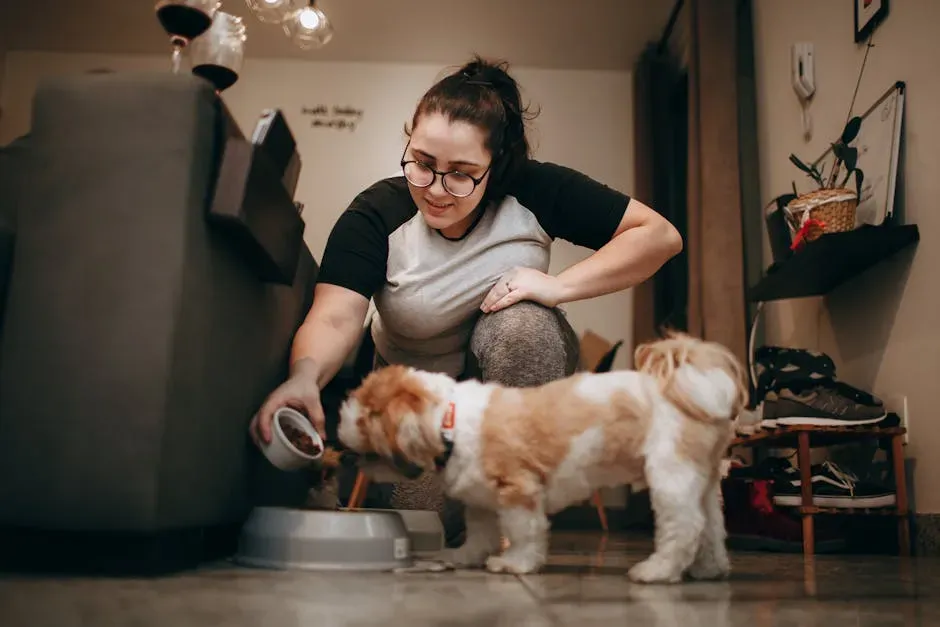
You can tell your dog knows time has passed by a few key behaviors. They perk up, move around, or get a little vocal at their scheduled feeding time. It happens reliably, day after day, often before you’ve consciously registered that it’s time to fill the bowl. Their internal rhythm is almost unsettling in its accuracy.
Dogs thrive when their nutritional needs are met consistently. Pairing a feeding schedule with proper portion control ensures they remain healthy and happy. Mealtimes are also deeply tied to trust. The act of you showing up, bowl in hand, at the expected hour reinforces something basic and important: you are dependable. That matters more to a dog than most people realize.
#4. Your Return Home
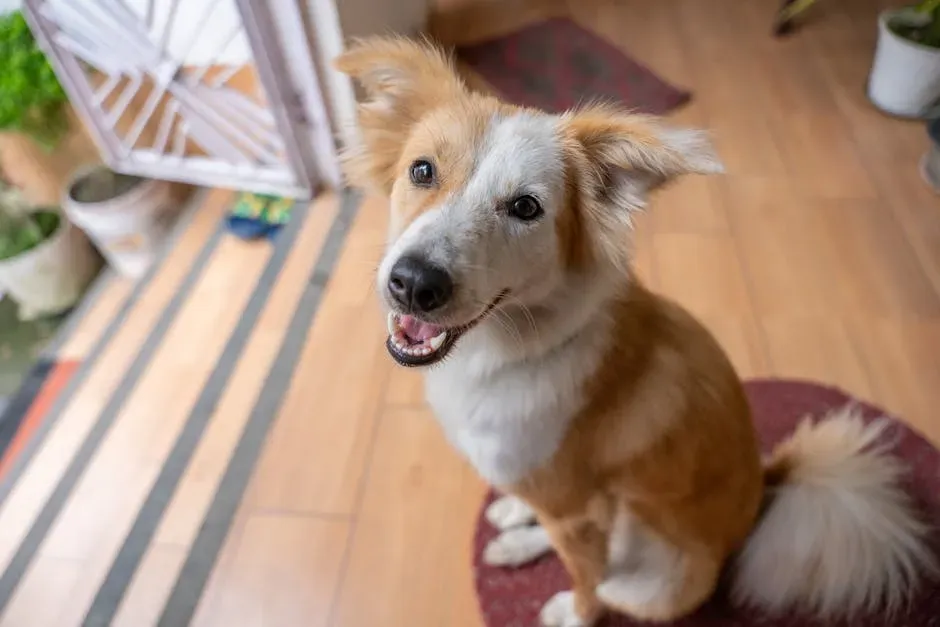
Few moments in a dog’s day compare to the one where you walk back through the door. This enthusiastic greeting is rooted in their deep emotional bond with their owners. Dogs form a solid bond with their human families. They see their owners as more than just providers; they are part of their pack, their family. That reunion, even after a few hours, is genuinely meaningful to them.
If you always arrive home from work at around the same time, your dog’s internal day timer will cue them to start watching the door at that time. If you regularly leave for work and come home at a consistent hour, your dog will start to recognize these patterns and may begin to expect your arrival, often reacting by pacing, sitting by the door, or waiting by the window in anticipation. It’s a form of loyalty that’s hard to overstate.
#5. The Belly Rub
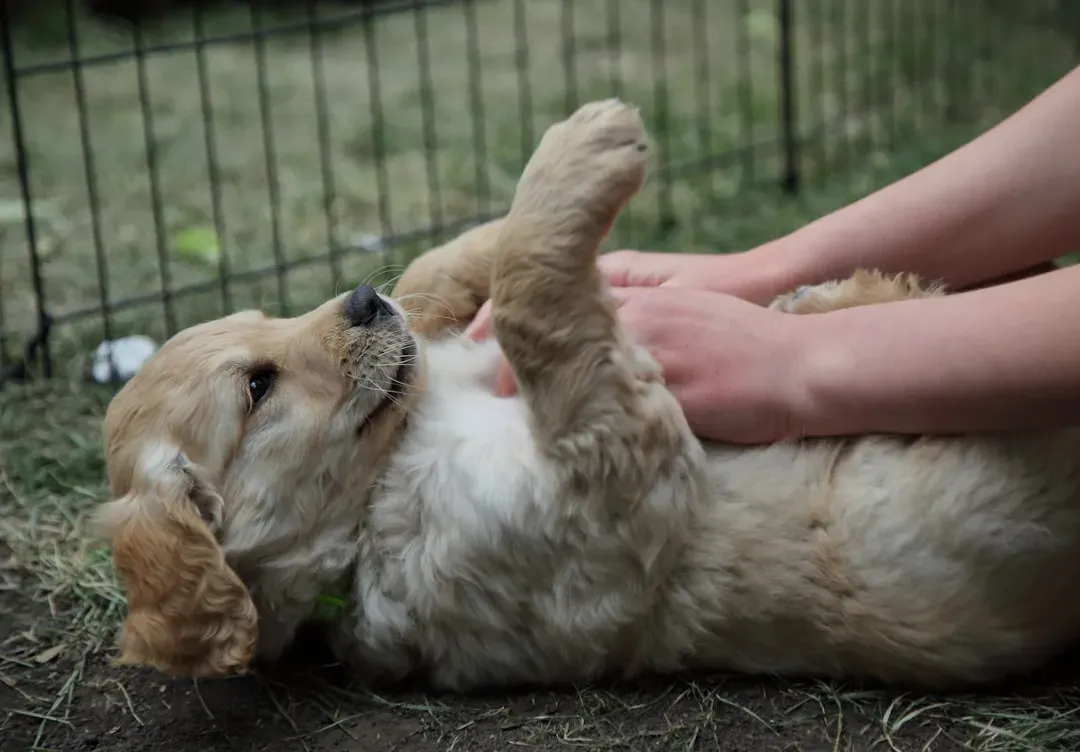
When your dog rolls onto their back and goes still, that’s not a casual move. The belly is a sensitive area for most dogs. It’s vulnerable and unprotected, so a dog that exposes its stomach is demonstrating significant trust. They’re not just asking for physical contact. They’re telling you something about how safe they feel around you.
Belly rubs release oxytocin in both parties, building trust and emotional connection. When delivered with consent and attention, they become powerful touchpoints in your relationship. Belly rubs are more than a sweet gesture – they’re intimate, stress-reducing, bonding experiences grounded in science and canine trust. That brief daily ritual, as small as it seems, is doing real emotional work for both of you.
#6. Couch or Cuddle Time
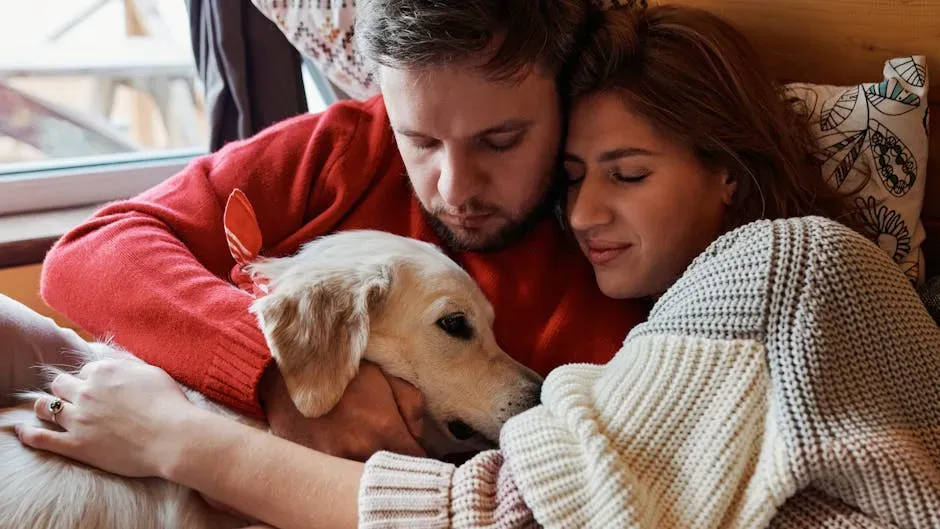
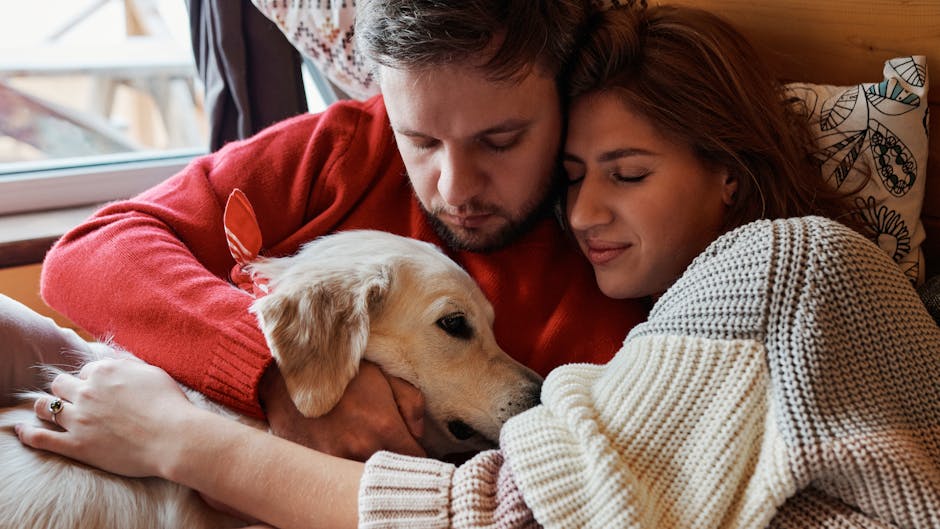
Snuggling is a way dogs show love. They may curl up next to you on the couch or bed. This close contact provides warmth and a sense of security. It’s not just about physical closeness, but emotional as well. Whether they sprawl across your lap or simply lean their body against your leg, they’re doing the same thing: anchoring themselves to you.
Snuggling on the couch or meeting your best friend on the floor for some belly rubs is a relaxing way to bond with your dog. This intentional physical contact can create a sense of safety and comfort that lets them know they are an important part of your pack. Dogs who get this kind of intentional downtime with their owners tend to be calmer, more settled, and better behaved. The couch isn’t just comfortable. It’s where they feel like they belong.
#7. Playtime
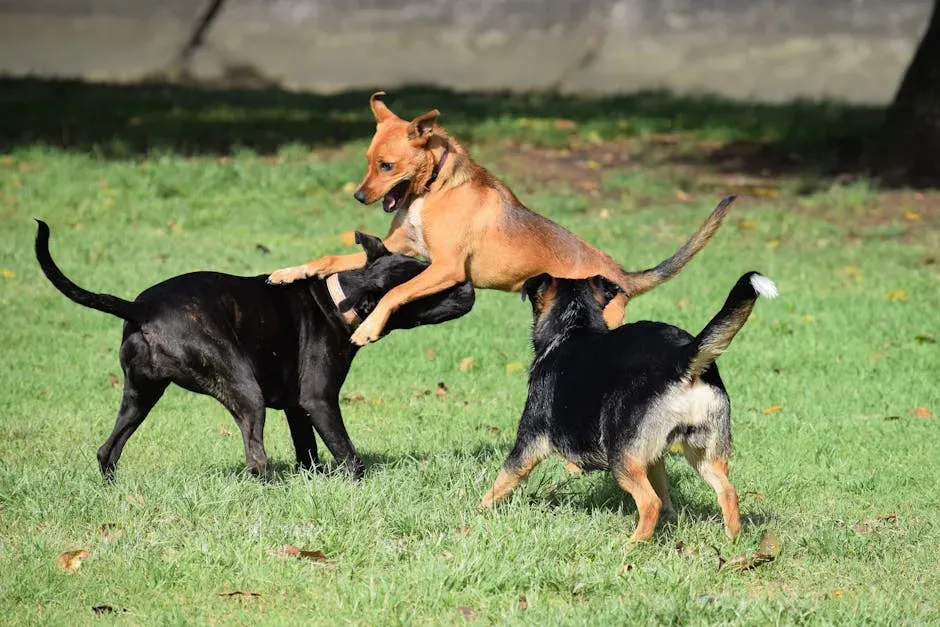
Dogs enjoy knowing when it’s time for fetch in the yard or snuggles on the couch, and this balance keeps them happy and well-adjusted. Playtime isn’t just fun. It’s a daily signal that you see them, that you’re willing to meet them in their world for a few minutes, no distractions, no half-attention.
A structured day keeps your dog engaged and less likely to develop destructive habits. Dogs that don’t get regular play often channel that unspent energy somewhere else, usually somewhere you’d rather they didn’t. A dog’s mental health is just as important as their physical health. Mental stimulation paired with physical exercise reduces excess energy and prevents frustration from building up. Without a daily rhythm, dogs often try to self-regulate, and that’s where behavioral issues show up.
#8. A Quiet Moment of Eye Contact
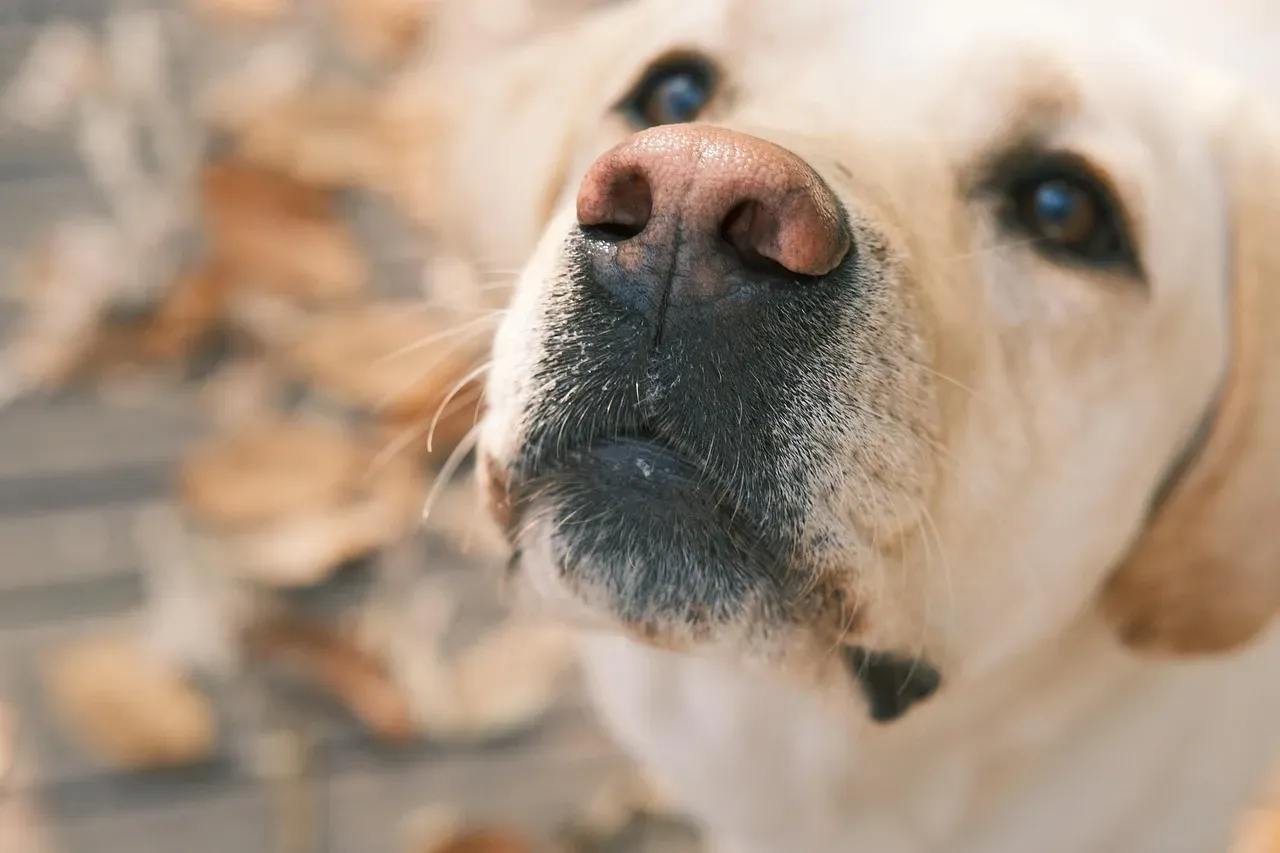
Eye contact between dogs and their owners is a powerful form of communication. When your dog looks into your eyes, it’s sharing a moment of connection. This gaze releases oxytocin, the “love hormone,” in both humans and dogs. It sounds small, almost too small to mention. A look across the room. A shared glance while you’re both doing nothing in particular. For your dog, it’s everything.
A soft, lingering gaze often indicates contentment and love. A quick glance might be seeking cues or approval. Dogs are watching your face constantly throughout the day. They read your mood, your posture, your energy. Every time you pause and meet their gaze with warmth, you’re quietly telling them they’re still safe. They wait for that reassurance more than most owners ever notice.
#9. The Bedtime Wind-Down

Dogs can tell the difference between day and night and when to wake up and go to sleep. You may have noticed they might head off to bed at your usual bedtime, even if you stay up later than usual. Their bodies sync to yours. The shift in household energy as lights dim and screens go quiet is a cue they’ve absorbed deeply over time.
Offering a chew toy or cuddle time before bed signals that it’s time to relax and prepare for sleep. The bedtime ritual, whatever form yours takes, is one of the most anticipated parts of your dog’s day. Establishing a bedtime routine is one of the simplest ways to improve behavior. It closes out the day with certainty, and for a dog, that certainty is deeply comforting. They don’t want to be left guessing where they stand as night falls.
#10. Your Voice, Saying Their Name
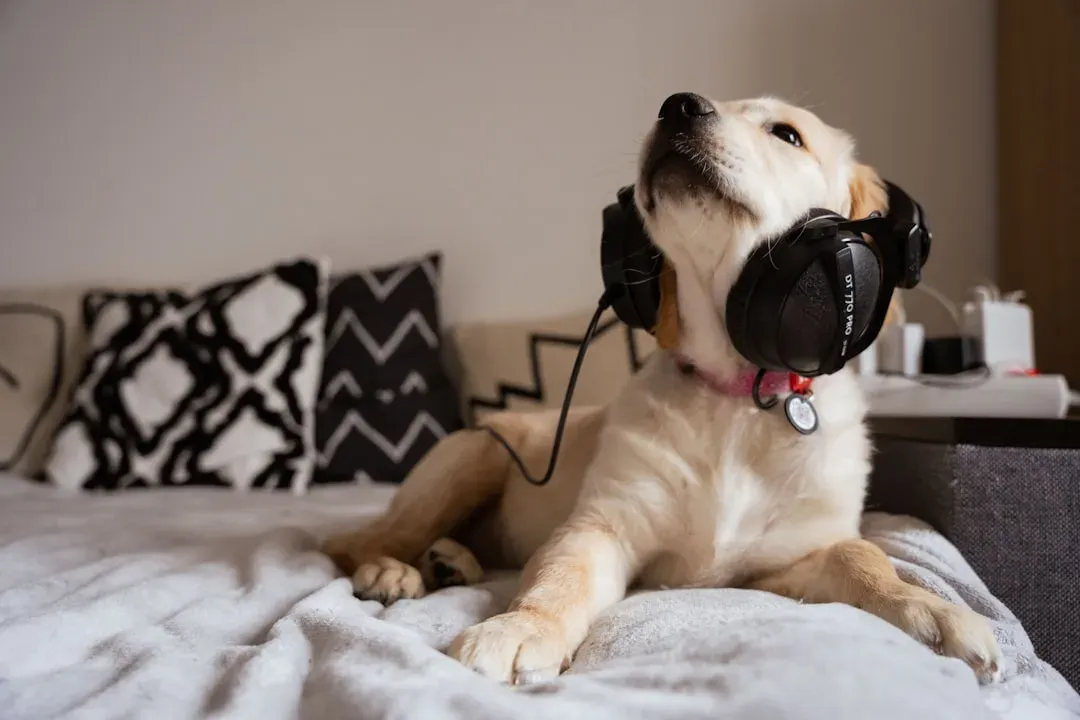
There’s something that happens when you say your dog’s name. Not a command, not a correction, just their name. Watch their ears. Watch their eyes come alive. Dogs observe daily cues, like your body language and household activity patterns, to anticipate what’s coming next. Your voice is the most consistent cue in their entire world, and the sound of their name in a warm tone is one they never get tired of hearing.
Consistent communication builds profound trust between you and your dog. When interaction happens at predictable times with predictable expectations, your dog feels secure and confident. This emotional stability creates an ideal environment where your dog can focus rather than worry about what comes next. Simply calling their name, offering a word of praise, or talking to them during the day contributes to that steady, quiet security they carry around with them.
What These Small Moments Actually Add Up To
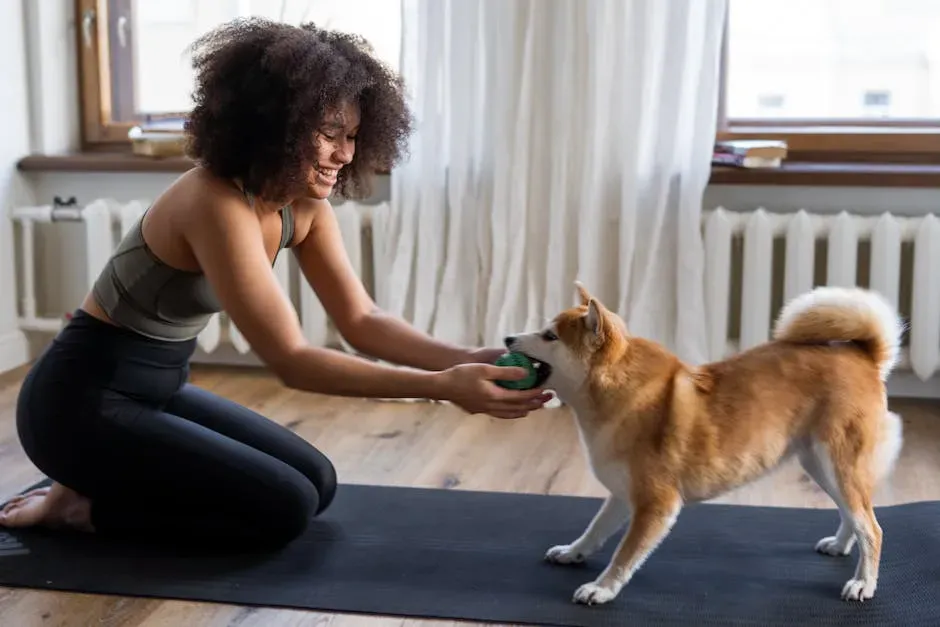
It’s worth stepping back and recognizing what you’re actually holding. Just like people feel calmer and more balanced when life is predictable, dogs find comfort and security in knowing what comes next. Routine isn’t just about keeping a schedule – it’s about building trust and helping your pup feel safe. The leash jingle, the belly rub, the familiar nightly ritual. None of these things are grand gestures. They’re just the fabric of your life together.
Daily dog routines are one of the most powerful tools dog owners can use to support their dog’s behavior, mental health, and overall well-being. A consistent daily routine isn’t about control or rigidity. It’s about giving your canine companion clarity, predictability, and emotional security. Your dog doesn’t ask for much. They want to know you’re coming home, that dinner will arrive, that there’ll be a moment on the couch tonight. Honestly, the fact that ten small, ordinary things are enough to make a whole life feel complete for them says something rather beautiful. It might even say something useful to the rest of us.


