
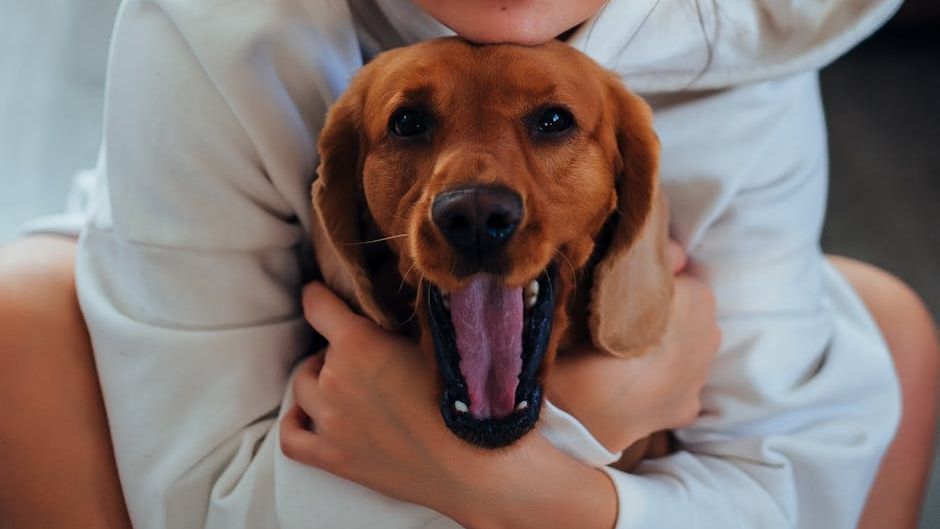
There’s something quietly remarkable about watching your dog fall asleep. The way they choose to position themselves, where in the room they settle, and whether they press close to you or drift to the far corner of the bed all carry meaning that most people never stop to read. Sleep is one of the most honest and unguarded moments in a dog’s day.
Their bodies reveal stories that run deeper than simple habits, and sleep is one of the most honest places to read those stories. A dog resting with ease shows you a window into their comfort, wellbeing, and emotional world. That’s worth paying attention to, especially if you’ve ever wondered just how deeply your dog actually trusts you.
#1: The Belly-Up Position – The Ultimate Gesture of Trust
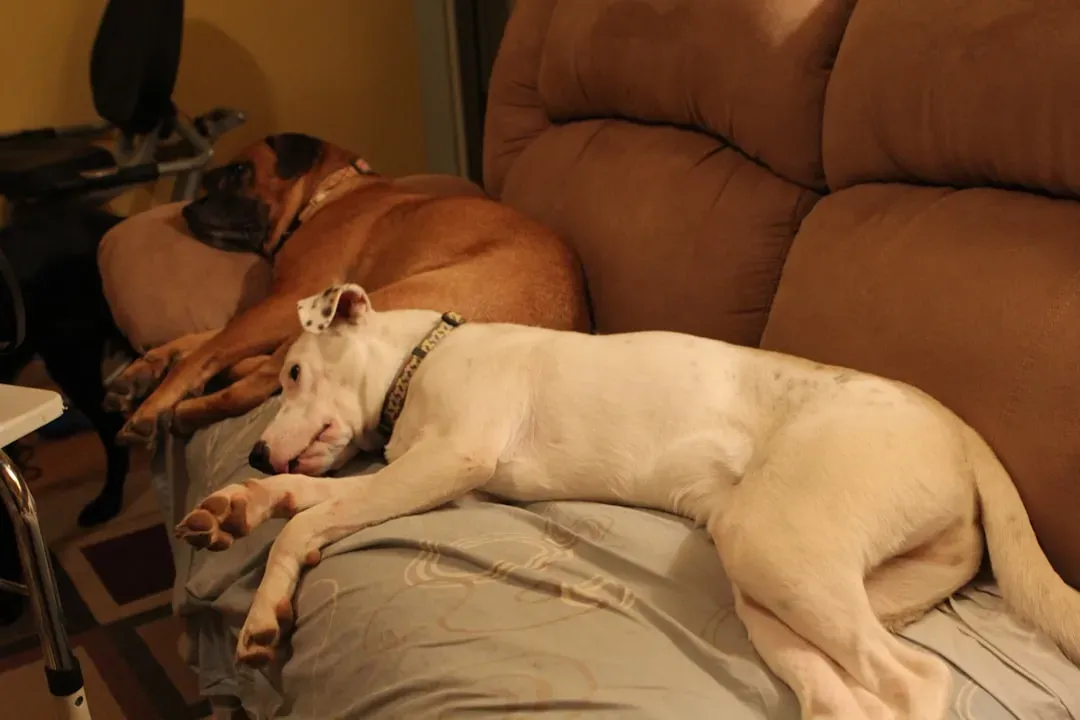
Dogs sleeping belly up, legs in the air, are truly trusting. This position exposes their most vulnerable areas, and when dogs sleep like this, it signals they feel safe and secure. It’s not an overstatement to call this the gold standard of canine comfort.
The fur is thinner on a dog’s stomach, and their paws are where their sweat glands are located, so when they expose these areas, they can cool down more easily. But it also means they are extremely trusting of where they’ve chosen to rest, exposing the most vulnerable areas of their body in this position.
Not all belly-up positions indicate relaxation. If a dog flips over suddenly or appears tense, the stretch might be an attempt to relieve discomfort. Context always matters. A relaxed, floppy belly-up snooze is one thing; a stiff or restless version of the same pose is worth watching more carefully.
As dogs grow older and become less nimble, they may opt for other sleeping configurations. If that happens, it doesn’t mean they feel any less trust. So don’t read too much into a senior dog who’s stopped flopping upside down. Their joints are just talking louder than their emotions.
#2: The Curled-Up Ball – Warmth, Instinct, and a Touch of Caution
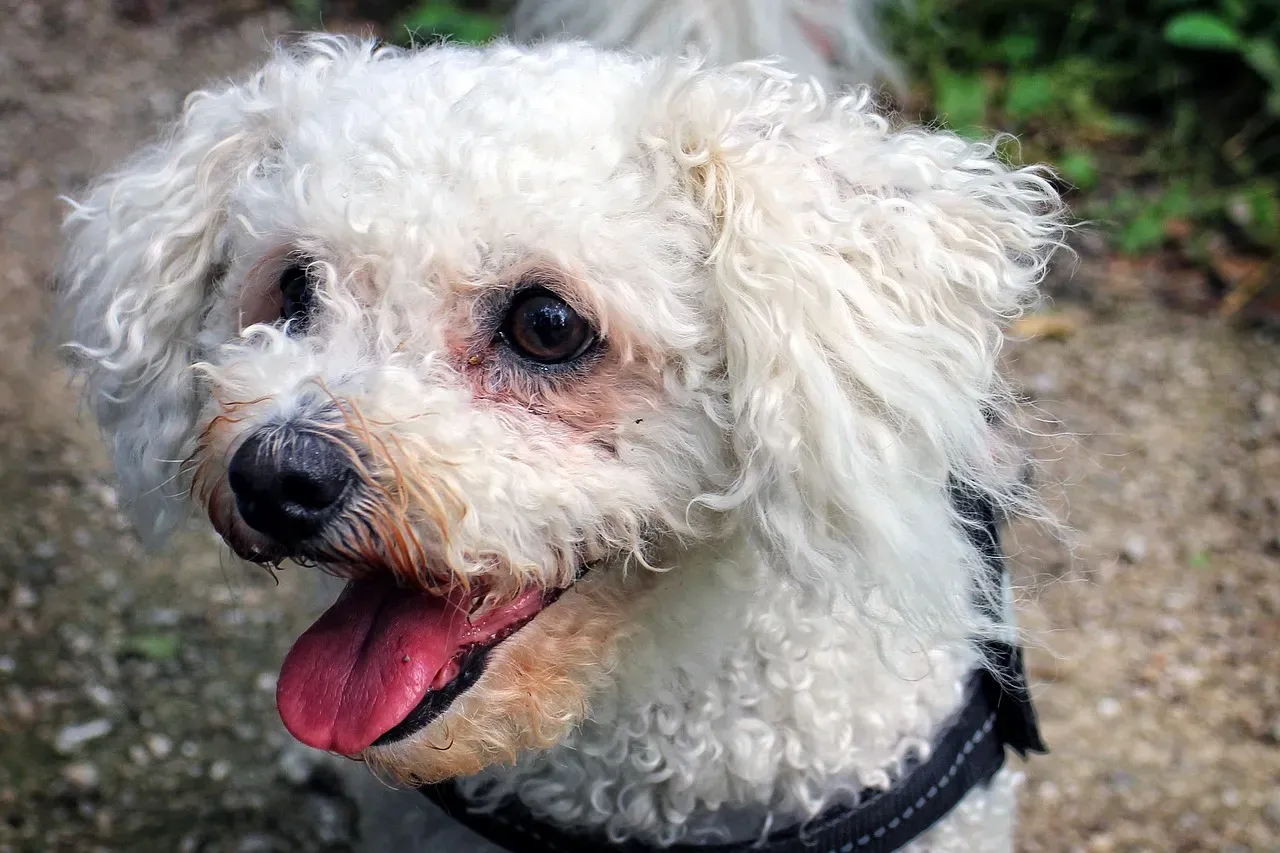
This position is all about conserving warmth and protecting vital organs, a throwback to their wild ancestors. Dogs who snooze like this may be cautious, shy, or just trying to stay cozy. They likely feel safe but prefer a little “me-time” during naps.
Instincts from their wild ancestors might also drive certain positions, such as curling up to protect their vital organs. A dog’s chosen sleeping pose can be influenced by its current mood, health, and trust level in its environment. Curling up isn’t a sign that something is wrong. It’s more of a neutral resting state.
If a dog curls up into a ball, it may indicate that they are feeling anxious or cold. Temperature and emotional state often combine here, so it helps to notice whether your dog curls up only on cold nights or does so regularly regardless of the weather. That difference matters.
Dogs choose sleeping positions based on comfort, instinct, and emotional security. By observing these positions, pet owners can better understand their dog’s mood, trust level, and physical well-being. A dog that curls tightly every single time, even in a warm house, may simply be signaling they’d benefit from a snugger, more sheltered sleeping space.
#3: Sleeping Pressed Against You – Pack Instinct Meets Personal Bond
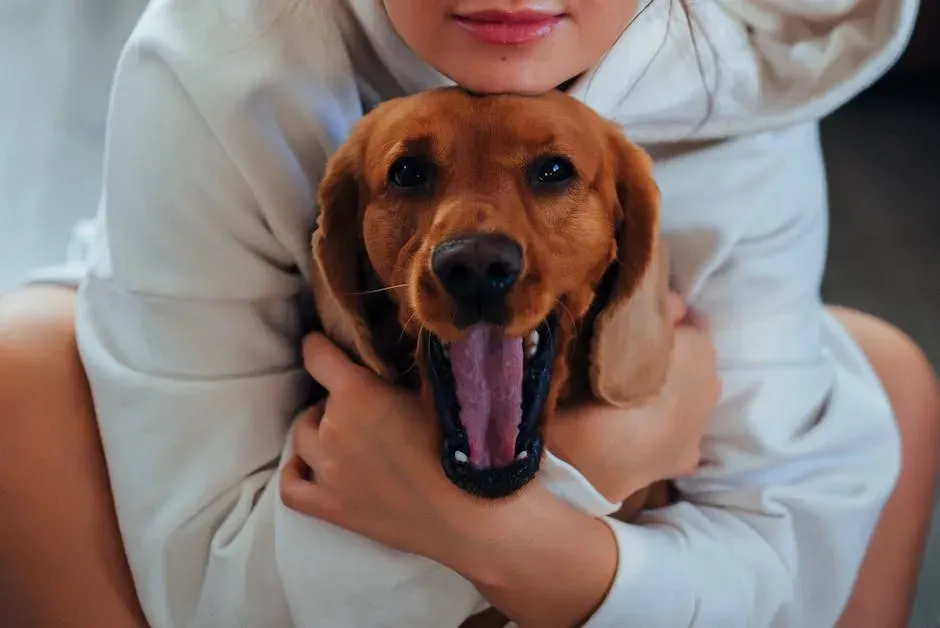
Dogs often choose to sleep close to their owners, a testament to the deep bond they share. This behaviour is rooted in pack instincts, where closeness offered safety and warmth. Your pup sees you as part of their pack, and proximity provides comfort and security.
Sleeping pressed against another dog or a person reflects bonding instincts. It expresses closeness and shared safety. There’s a simplicity to this that’s easy to miss. Your dog isn’t just seeking warmth. They’re making a choice about who in the world they feel protected by.
Resting directly on a person or leaning against them reveals attachment and affection. Some dogs with separation sensitivities cling more during sleep. This position is an emotional gesture that strengthens the bond between dog and owner.
It’s important to keep in mind that all dogs have different personalities and preferences. If your dog is not a “cuddler,” they may just be a pup who enjoys their independence and personal space. It doesn’t mean that you don’t share a strong bond with your dog. Not every deeply attached dog needs to physically merge with their human to prove it.
#4: The Side Sleeper – Calm, Content, and Fully at Ease
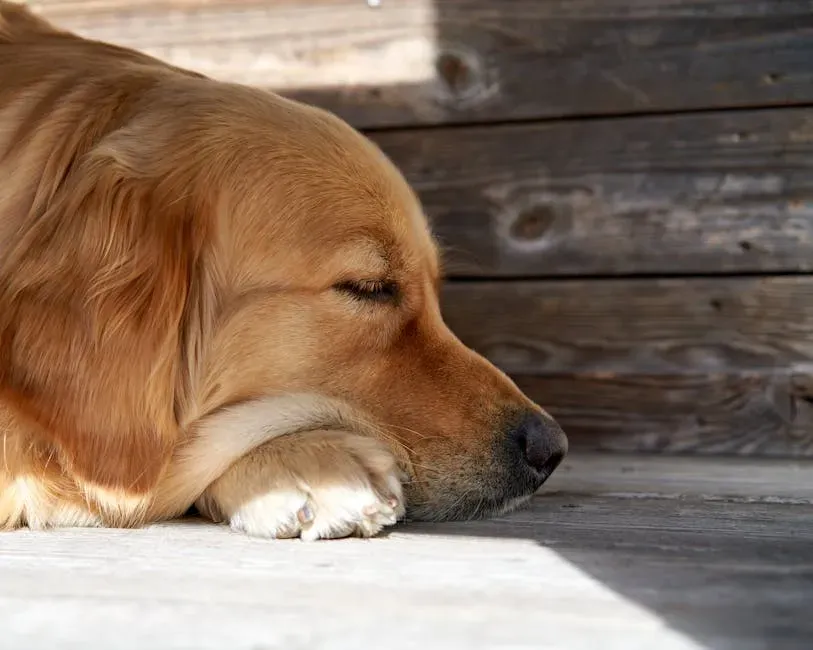
This side position strikes a balance between vulnerability and relaxation, showing that your dog is both at ease and still alert to their surroundings. Dogs who sleep on their side are typically calm and well-rested. It’s a relaxed position that suggests they feel comfortable and secure in their environment.
If your dog prefers sleeping on their side, it indicates that they have a trusting relationship with you and feel emotionally stable. They may not feel the need to be on guard, and they are in a peaceful, content state. It’s one of the most telling positions precisely because it’s so ordinary. There’s no drama in it.
The side sleeper position, where a dog lies on its side with legs extended, is commonly recognized as a sign of relaxation and contentment. You’ll often notice dogs twitching, kicking, or paddling their paws while in this position. That’s REM sleep, and it’s a sign they’re comfortable enough to reach deep rest.
In the experience of researchers, there exists a correlation between dogs diagnosed with anxiety disorders and those achieving a low duration of sleep and poor sleep quality. Characteristics defining poor sleep quality include vigilance during sleep and lack of cycling through REM and Non-REM sleep. A dog that consistently sleeps on their side and moves through full sleep cycles is, in a quiet way, telling you that home feels genuinely safe.
#5: Burrowing and Back-to-Back – Security Seeking in Its Many Forms
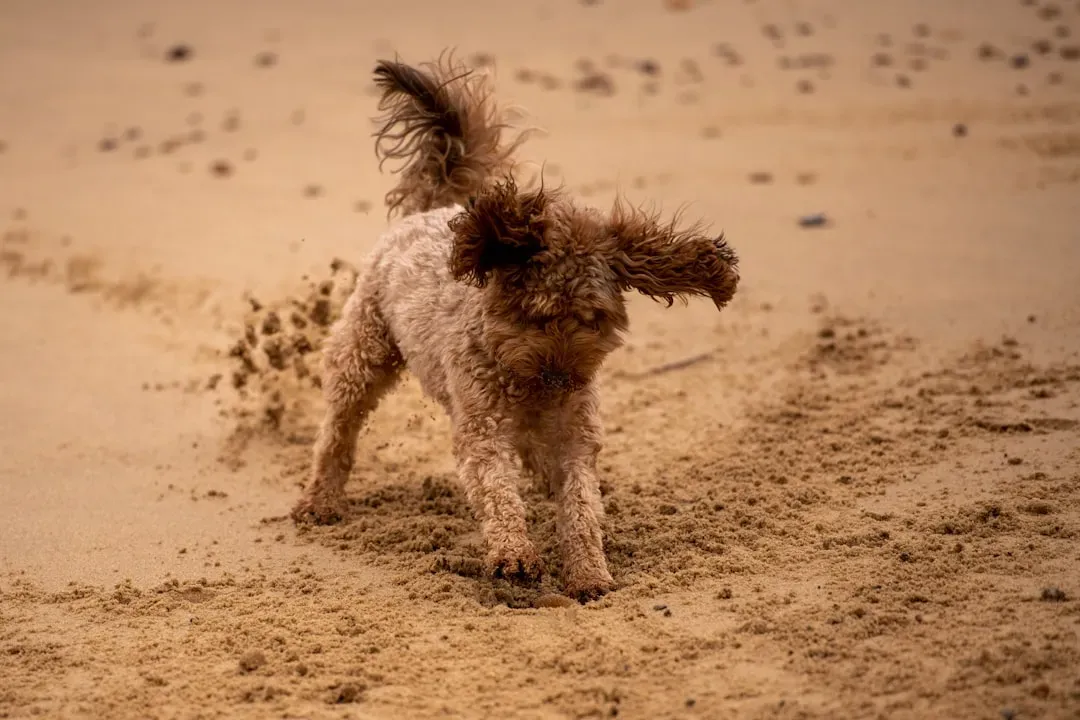
Some dogs love to snuggle under blankets, pillows, or into tight spaces. This burrowing behaviour is common in certain breeds. Burrowing offers a sense of safety and comfort. It mimics the den-like environments of the wild, providing warmth and security.
Puppies will often burrow and snuggle amid their littermates to find a sense of safety, to develop community with the “pack,” to lessen anxiety, and to help control their body temperatures. Some dogs will continue to do this throughout their lives. It’s a deeply wired behaviour, not a quirk or a phase.
If your dog has just recently taken to burrowing, consider whether a new bed or bedding has inspired this behavior, or if they may be feeling more anxious than usual. Sometimes, if something has changed about their environment, they may seek security through their instinctual desire to burrow for safety, comfort, or community. A sudden change in sleeping patterns is always worth noting.
When a dog decides to sleep back-to-back with their owner, it shows that they trust that their human has their back, figuratively and literally. They desire to feel close to their person and show affection but also feel safer knowing that there’s a set of eyes and ears facing a direction theirs aren’t. It’s one of the most quietly intimate things a dog can do, and most people sleep right through it without ever knowing what it means.
What Sudden Changes in Sleeping Position Actually Signal
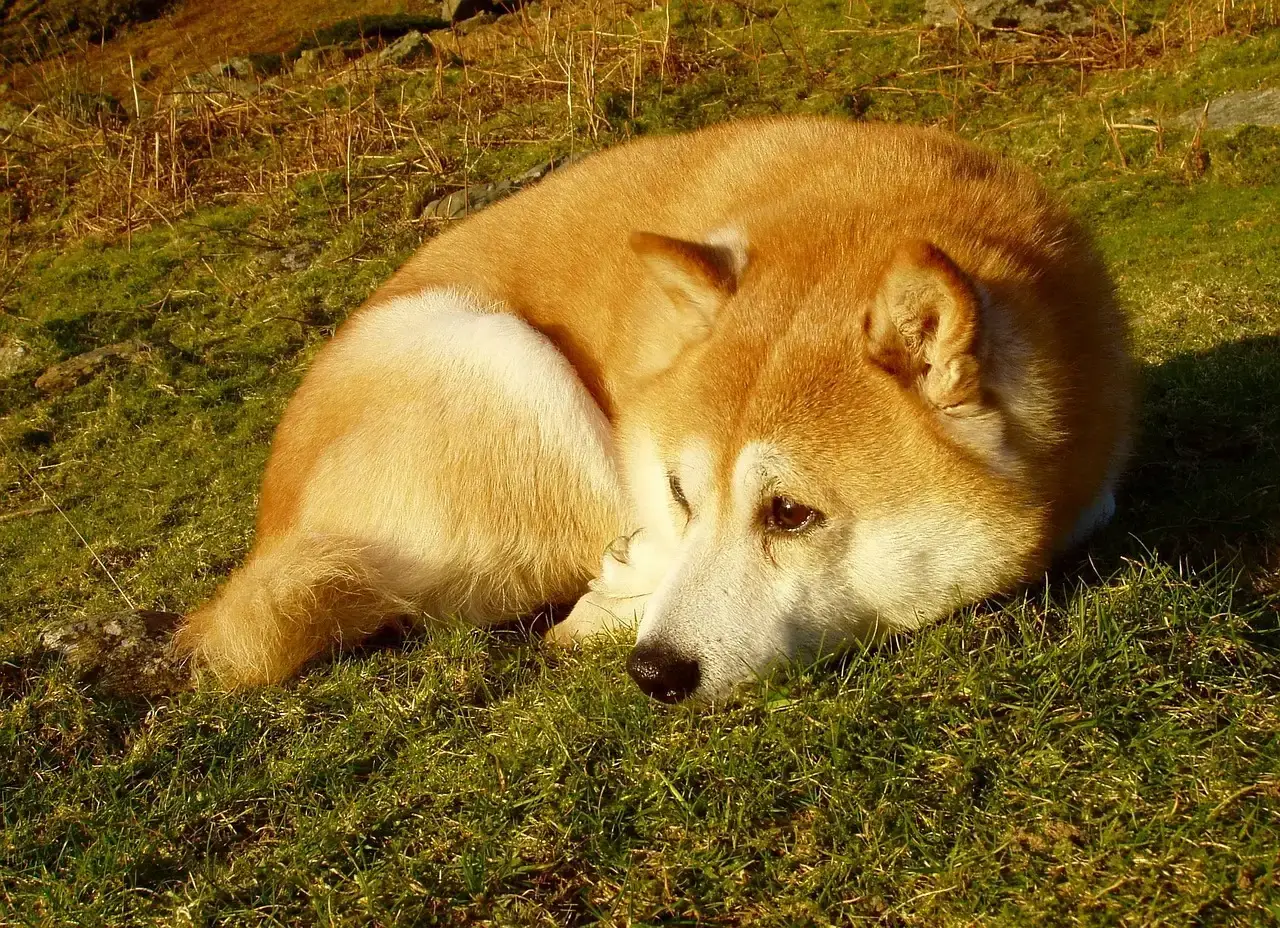
Dogs have limited ways to communicate feelings but often do use body language. Sleeping position is one form of body language dogs tend to use subconsciously. Because each position tells a story, it’s crucial to pay attention if your pet has a sudden change in consistent sleeping positions.
If your dog suddenly stops sleeping near you, it could indicate discomfort or a shift in their emotional state. When a dog is in pain, their sleeping habits change to avoid discomfort. A dog in pain may choose to sleep in a curled or hunched position, trying to protect the affected area. They might favor one side over the other, avoiding pressure on a sore leg, hip, or joint.
Changes in sleeping habits may signal stress, discomfort, or health issues. This is easy to dismiss or explain away, but if a dog that normally sprawls confidently near your feet suddenly retreats to a corner and curls tight, that shift is communicating something real.
Noticing your dog’s sleeping positions opens a window into their emotional and physical wellbeing. Every shift and stretch tells a story about how secure, relaxed, or alert they feel in your home. The value isn’t in obsessing over every nap. It’s in building the kind of awareness that lets you notice when something feels different.
Conclusion
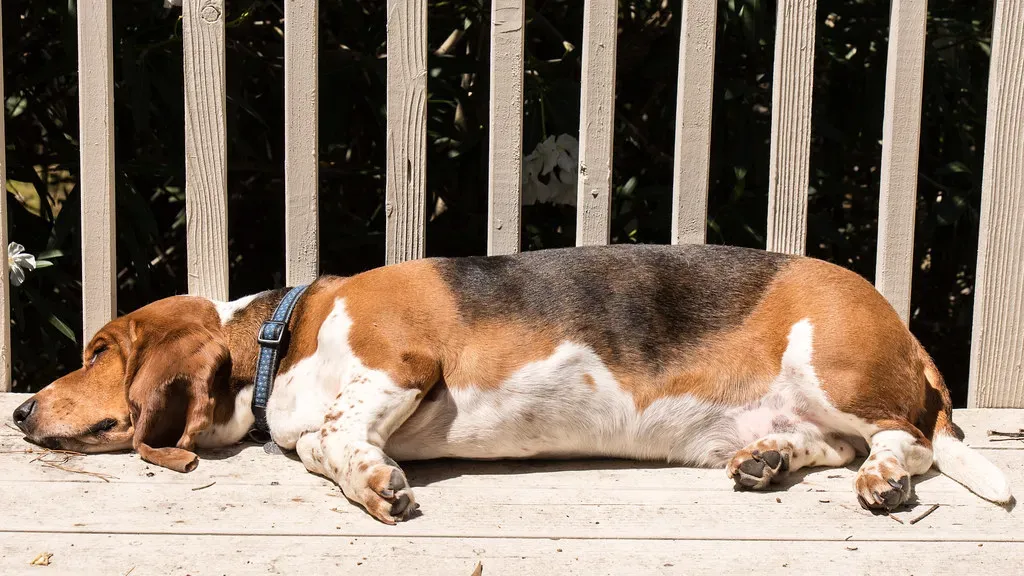
Your dog can’t tell you in words that they feel safe. They can’t describe what trust feels like for them, or explain why some nights they press close and others they drift to the other end of the sofa. What they can do is show you, quietly, through the shape they take when the world goes quiet and their guard fully drops.
The belly exposed to the ceiling, the back pressed warmly against your legs, the small burrowed lump under a blanket at the foot of the bed. These aren’t random choices. Every posture carries meaning, and every shift can help you better support the dog who trusts you enough to sleep by your side.
That’s something worth sitting with. The most honest thing your dog does all day might just happen while their eyes are closed. Pay attention to it, because the safety they feel with you didn’t come from nothing. You built that, one ordinary day at a time.


