
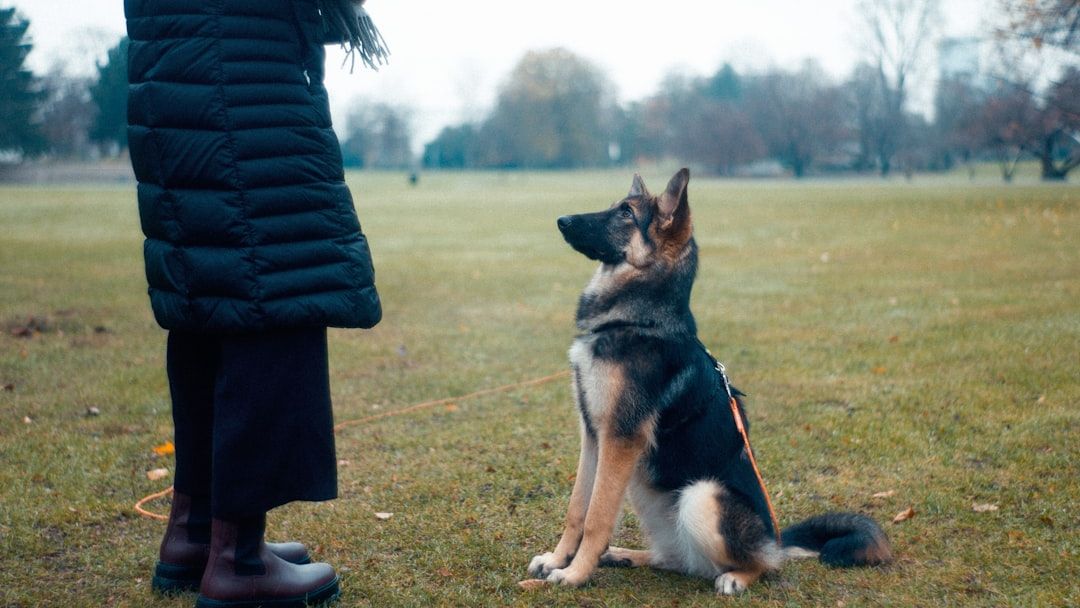
Dog Training Tips for First-Time Owners – Image for illustrative purposes only (Image credits: Unsplash)
Bringing a new dog into the home often starts with high hopes and quick lessons about what works and what does not. Without clear patterns in place, puppies quickly test boundaries through chewing, barking, or ignoring basic requests. Owners who build steady habits from the first days find that both they and their pets settle into a smoother rhythm much sooner.
Why a Fixed Schedule Matters Most
Puppies learn expectations fastest when meals, walks, and bathroom breaks follow the same times each day. This predictability reduces confusion and cuts down on accidents around the house. New owners who stick to one feeding window in the morning and another in the evening notice their dogs begin to signal needs more clearly within a week or two.
Exercise slots built into the same routine also help burn off energy that might otherwise turn into unwanted chewing or loud barking. A short morning walk followed by playtime after meals gives the dog a reliable outlet. The result is fewer surprises and more calm moments for everyone in the household.
Positive Reinforcement That Actually Works
Treats and praise delivered right after a dog performs a desired action create stronger connections than corrections ever do. When a puppy sits on command and receives a small reward immediately, the behavior repeats more often. The same approach applies to staying in place or coming when called, turning everyday moments into quick training wins.
Owners who keep rewards small and consistent avoid the common mistake of overfeeding during sessions. Verbal praise paired with a treat reinforces the lesson without extra calories. Over time this method builds trust and makes the dog eager to try new commands rather than fearful of mistakes.
Key Commands to Practice First
Three simple words form the foundation most trainers recommend for beginners. Teaching “sit” at mealtimes, “stay” before doors open, and “come” during short indoor games gives the dog clear tools for daily life. Each command practiced in short bursts of two or three minutes keeps attention high and prevents boredom.
Repeating these requests in different rooms and at different times of day helps the lessons stick outside the original training spot. A dog that responds reliably to these basics gains freedom to explore safely while owners gain peace of mind. Progress shows up fastest when sessions stay positive and end before the puppy loses focus.
Socialization and Exercise to Prevent Problems
Early exposure to new people, sounds, and places reduces fear-driven barking later on. Short, controlled visits to quiet parks or calm neighborhoods let a young dog practice good behavior without overwhelm. Pairing these outings with enough physical activity keeps destructive chewing from becoming a habit born of pent-up energy.
Owners who combine daily walks with brief play sessions indoors often see fewer behavior issues overall. The combination satisfies both the need for movement and the need for mental stimulation. Dogs that receive this balanced approach tend to greet new situations with curiosity instead of anxiety.
- Choose one consistent feeding time each morning and evening.
- Schedule bathroom breaks right after meals and before bedtime.
- Keep training sessions under five minutes at first.
- Carry small treats during walks for quick rewards.
- Introduce one new person or sound each week in a calm setting.
These steady steps turn the early weeks of dog ownership into a period of shared progress rather than constant correction. Over months the routines become second nature, strengthening the bond between owner and pet in quiet, lasting ways.


