
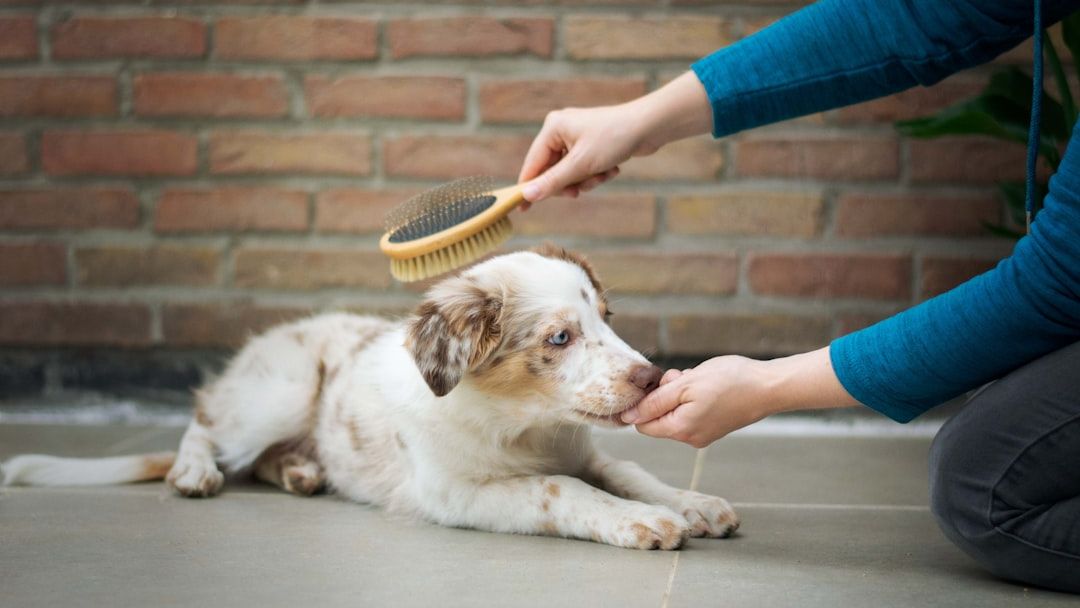
New Puppy Training Tips Every Beginner Should Know – Image for illustrative purposes only (Image credits: Unsplash)
Bringing a new puppy home marks the start of an important phase for both the animal and its owner. The choices made in those first weeks shape behavior that lasts for years. A steady approach to daily life helps the puppy feel secure while learning what is expected.
Why a Steady Schedule Matters Most
Puppies thrive when they know what comes next. Setting fixed times for meals, outdoor breaks, and play creates a predictable pattern that reduces confusion and anxiety. Owners who follow this pattern often notice fewer accidents and quicker adjustment to the household.
Feeding at the same hours each day supports digestion and makes potty timing easier to predict. Regular play sessions burn energy in a positive way and strengthen the bond between puppy and family. Over time these small consistencies add up to a calmer, more confident dog.
Positive Reinforcement Drives Real Progress
Rewarding desired actions works far better than punishment for young dogs. Treats, praise, and gentle petting show the puppy exactly which behaviors earn attention. This method builds trust and encourages the animal to repeat the right choices.
Timing is critical. The reward must arrive within seconds of the good action so the puppy connects the two events. Many owners find that short, frequent training moments throughout the day produce faster results than long sessions. Patience remains essential because every puppy learns at its own pace.
House Training Steps That Stick
Successful house training begins with frequent trips outside, especially after meals and naps. Watching for signs such as circling or sniffing helps owners act before an accident occurs. Clean-up with an enzyme solution removes lingering scents that might otherwise attract repeat visits to the same spot.
Consistency in location and command words speeds learning. Taking the puppy to the same outdoor area each time and using the same phrase reinforces the connection. Most puppies need several weeks of steady effort before they reliably signal their needs.
Core Commands That Open the Door to More
Basic commands give owners tools to guide behavior in everyday situations. Sit, stay, and come form the foundation for safety and control. Teaching these early prevents many common problems later on.
- Start with sit during calm moments and reward immediately.
- Practice come in short indoor games before trying it outdoors.
- Keep sessions brief so the puppy stays focused and eager.
Once these commands are reliable, owners can add more advanced skills with greater ease. The early investment pays off in a dog that listens and responds quickly.
Looking Ahead to a Well-Adjusted Companion
The habits formed in the first months influence how the puppy interacts with people and other animals for life. Owners who invest time now often enjoy smoother years ahead. Small daily efforts create lasting results that benefit both the dog and the household.


