
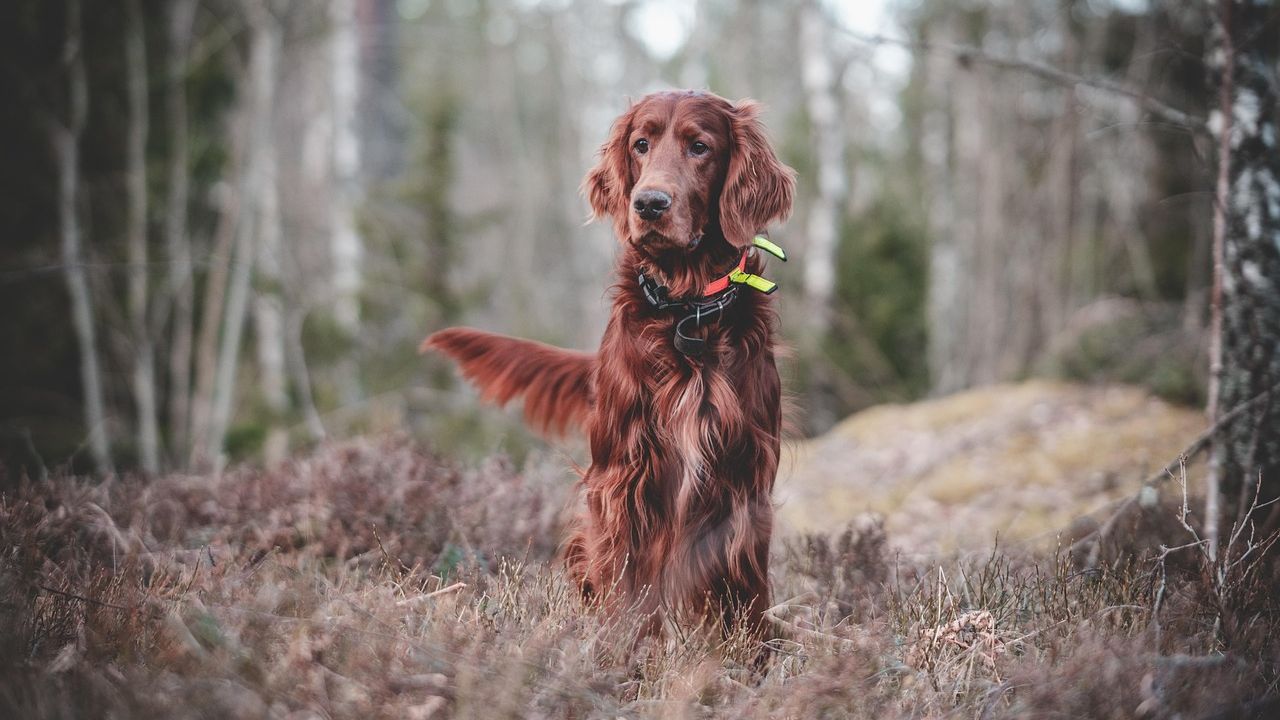
Simple and Effective Dog Training Essentials – Image for illustrative purposes only (Image credits: Pixabay)
Pet owners often notice that daily interactions with their dogs improve once training becomes a consistent part of the routine. Simple adjustments in how commands are given and how successes are acknowledged can reduce confusion and strengthen the connection between human and animal. Over time these small changes lead to calmer households and dogs that respond more reliably in everyday situations.
Starting with Clear Signals
Dogs respond best when they understand exactly what is expected of them. Using the same word or hand signal each time for a particular action helps eliminate mixed messages that can slow learning. Short, consistent phrases delivered in a calm tone work more effectively than lengthy explanations or varying commands.
Body language also plays a key role. Standing tall or leaning forward can unintentionally signal tension, while relaxed posture encourages a dog to stay attentive without becoming anxious. Owners who practice these signals during calm moments at home find that the same cues transfer more smoothly to busier environments later.
The Role of Rewards in Daily Practice
Positive reinforcement remains one of the most reliable methods for shaping behavior. Offering a treat, toy, or verbal praise immediately after a desired action helps the dog associate the behavior with something pleasant. Timing matters: the reward should arrive within a second or two so the connection stays clear.
Many trainers recommend keeping rewards varied to maintain interest. Alternating between food treats, brief play sessions, and enthusiastic praise prevents the dog from losing motivation. Over weeks of steady use, this approach often reduces the need for constant treats as the dog begins to respond to praise alone.
Adding Enrichment Toys for Mental Engagement
Training sessions gain extra value when paired with toys that challenge a dog’s mind. Puzzle feeders and treat-dispensing toys encourage problem-solving while reinforcing the idea that good things come from focused effort. These items can be introduced during short breaks between practice rounds to keep energy levels balanced.
Regular use of enrichment toys also helps channel natural instincts into constructive outlets. A dog that spends part of the day working for food or solving simple tasks tends to settle more easily during quiet periods. Owners report fewer instances of destructive chewing or excessive barking when these toys become part of the weekly schedule.
Leash Work That Builds Confidence
Leash training serves as more than basic control; it becomes an opportunity to practice focus amid distractions. Starting in low-traffic areas allows the dog to master loose-leash walking before moving to busier streets. Short, frequent sessions prevent fatigue and keep the experience positive for both parties.
Handlers who maintain a steady pace and avoid pulling on the leash themselves set a calmer example. When the dog pulls, stopping and waiting for slack before continuing teaches that forward movement only happens with relaxed behavior. Over repeated outings this method leads to walks that feel cooperative rather than stressful.
Key points to remember: consistent signals, immediate rewards, mental enrichment, and patient leash practice together create lasting improvements in behavior and trust.
With these fundamentals in place, training shifts from a chore into a shared activity that strengthens the bond between owner and dog. Regular attention to these areas often produces noticeable changes within a few weeks, turning everyday moments into opportunities for connection and mutual understanding.


