
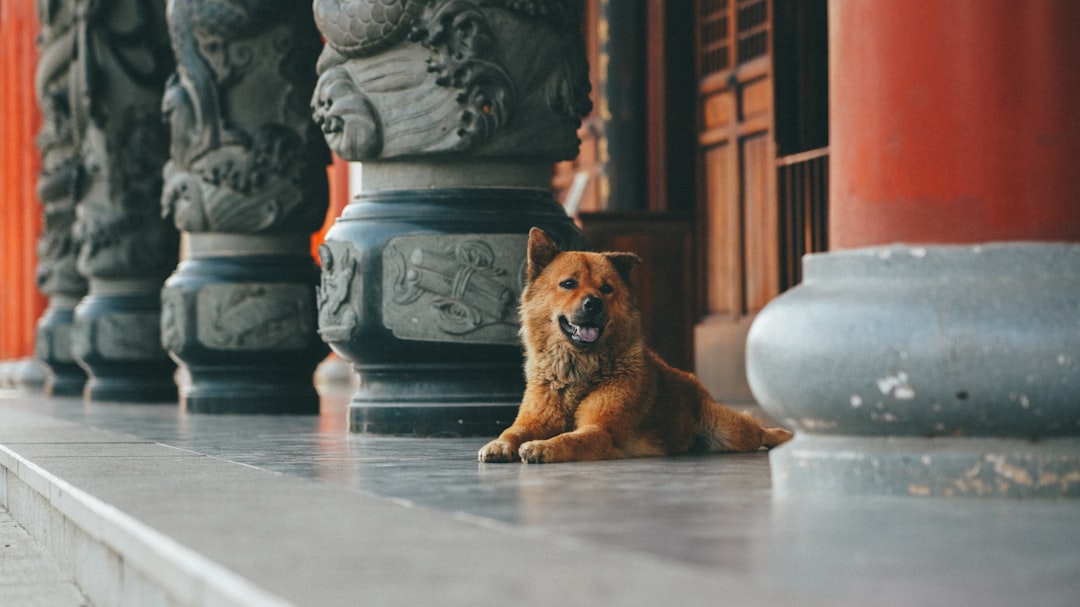
Feng Shui And Your Dog: Ancient Wisdom For The Home, The Kennel And The Show Ring – Image for illustrative purposes only (Image credits: Unsplash)
Chinese astrology places the dog in a distinctive position within its twelve-sign cycle. As the eleventh sign, it connects to the earthly branch Xu and carries longstanding associations with vigilance and protection during the dark hours. This placement continues to shape how many people view the breed’s natural instincts and temperament today.
Position Within the Zodiac Cycle
The Chinese zodiac follows a repeating twelve-year pattern rooted in ancient observations of the heavens and earthly branches. Each sign occupies a fixed spot in that sequence, and the dog’s spot as the eleventh reflects its place after the rooster and before the pig. This ordering has remained consistent across centuries of cultural transmission.
Because the cycle ties each animal to specific hours and seasons, the dog’s slot aligns with the period traditionally linked to late evening. Observers have long noted how this timing matches the breed’s tendency to stay alert when most of the household rests.
The Earthly Branch Xu and Its Core Traits
The earthly branch Xu serves as the direct link for the dog sign. In traditional interpretations, Xu emphasizes steadiness and a protective outlook that extends beyond daylight. These qualities appear in descriptions of the sign’s influence on both people born in dog years and the dogs themselves.
Modern readers often connect the branch’s attributes to everyday canine behavior. A dog that patrols the yard after sunset or remains watchful near the family home illustrates the same principles once recorded in classical texts. The symbolism therefore bridges ancient records with observable traits still seen in homes and kennels.
Practical Resonance for Dog Owners
Owners who follow Chinese astrological traditions sometimes arrange living spaces or training routines to honor the dog’s protective nature. Simple adjustments, such as ensuring a clear view of entry points or maintaining consistent evening walks, echo the vigilance tied to the Xu branch.
Trainers and breeders occasionally reference these ideas when selecting dogs for roles that require nighttime reliability. The emphasis remains on the animal’s inherent alertness rather than any forced application of astrology. In this way, the ancient framework offers a lens for appreciating qualities that many families already value.
The dog’s link to the earthly branch Xu continues to highlight its role as a guardian when daylight fades.
Interest in these connections persists because they align with real-world observations rather than abstract theory. Whether in a suburban backyard or a professional show ring, the dog’s reputation for steady watchfulness stands as one of the more enduring elements of the zodiac tradition.


