
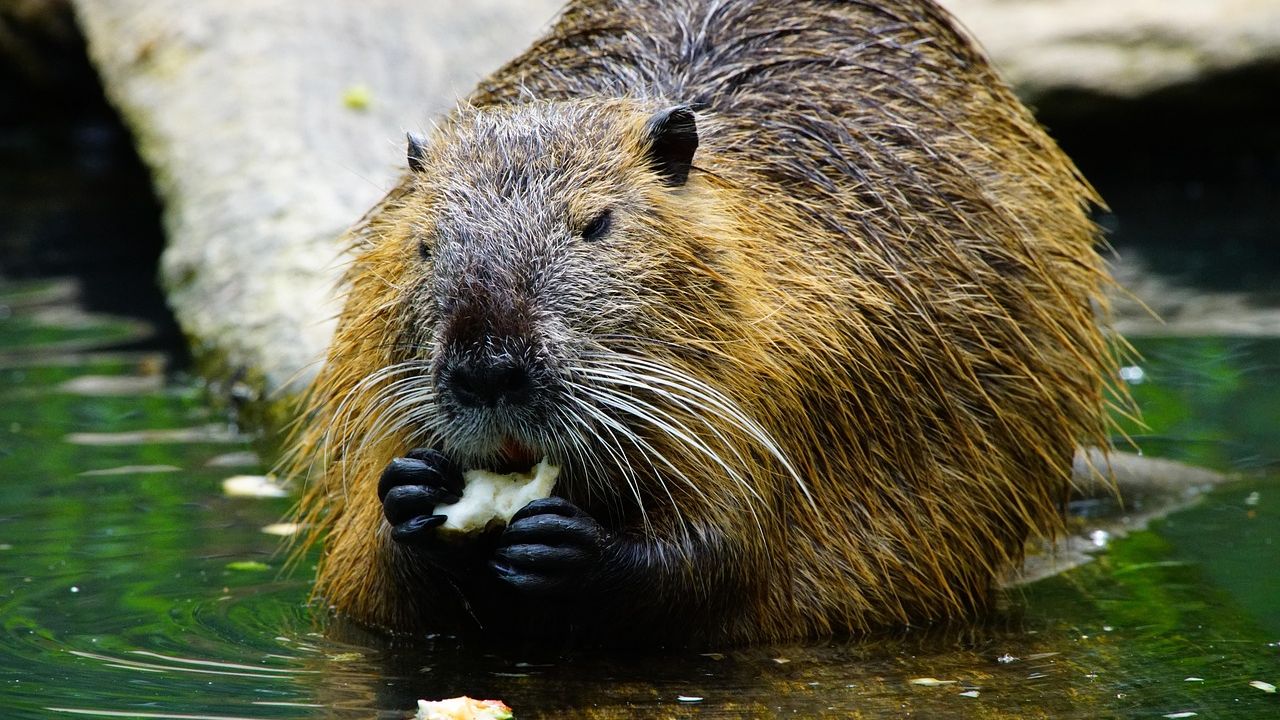
#1: Beavers Are Nature’s Original Ecosystem Engineers
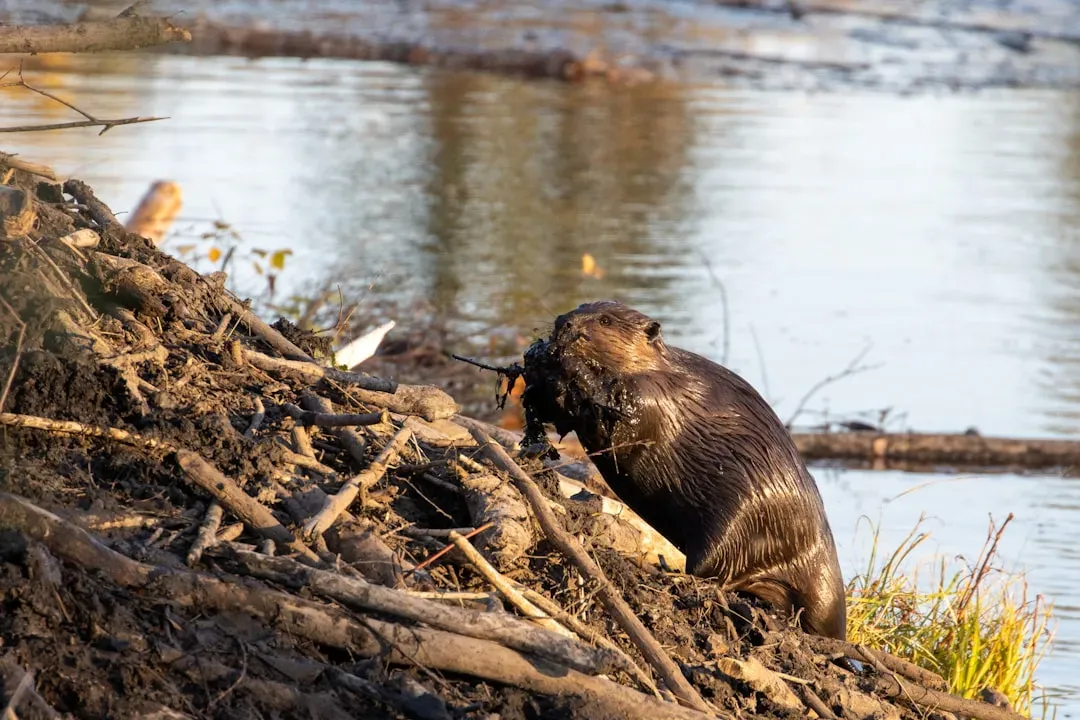
Ecosystem engineers are organisms that, through their biological traits, can modify, maintain, and even create ecosystems. Beavers sit at the very top of that category. Like humans, they shape their ecosystems not just by eating or excreting, but also by building and tearing down. That puts them in remarkably rare company in the animal kingdom.
Both beaver species have very specific and essential niches, and despite being relatively small, entire ecosystems depend on them. Beavers have the ability to modify ecosystems profoundly to meet their ecological needs, with significant associated hydrological, geomorphological, ecological, and societal impacts. The scale of their influence is, frankly, disproportionate to their size.
#2: Their Dam-Building Creates Entire New Wetland Worlds
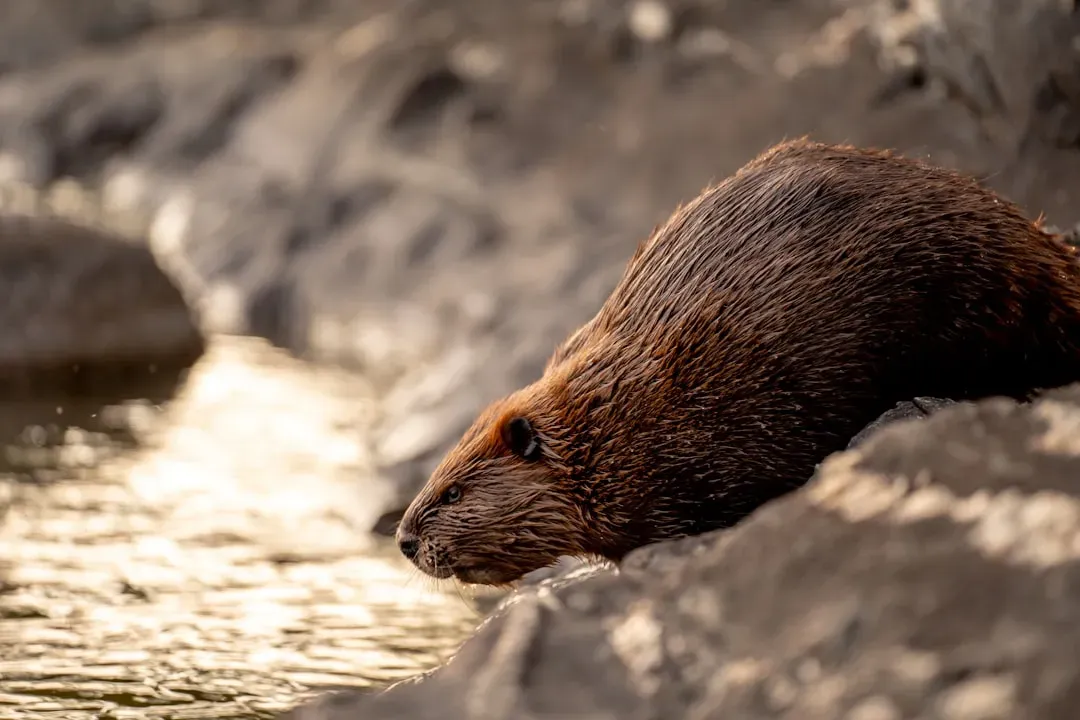
Beavers build dams that submerge meadows, broaden streams, and act as wetland engineers by raising water tables. What looks like a pile of sticks and mud is actually a precision structure calibrated to the specific flow and gradient of the stream it occupies. By constructing dams from mud and timber, they transform eroded, single-channel streams into vibrant, complex riverscapes.
Dams physically store water on land where it soaks into the soil and initiates plant growth, able to turn bone-dry areas into bountiful wetlands. Beavers, as ecosystem engineers, have the ability and skill to restore and create native woodlands and new wetlands. The process can take just a few seasons, which is extraordinarily fast on any ecological timescale.
#3: Beaver-Made Wetlands Contain Dramatically More Species
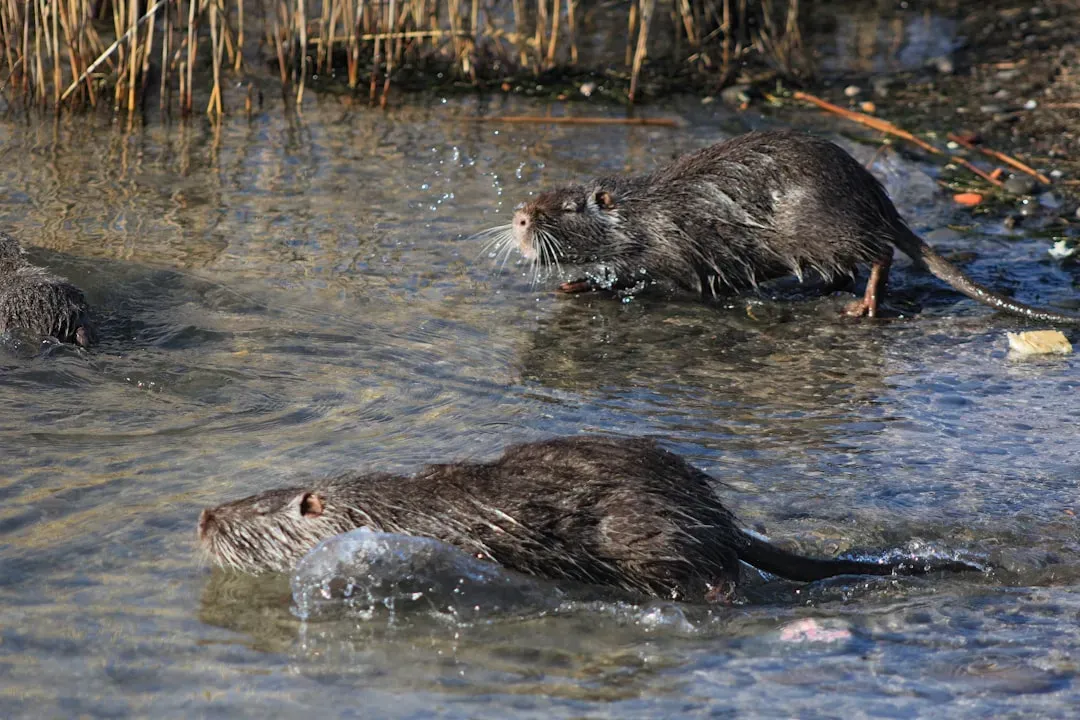
A study led by Dr. Alan Law of the University of Stirling’s Faculty of Natural Sciences showed that, on average, beaver-created wetlands had 19% more species than other types of wetland. That’s not a marginal difference. It’s a measurable, repeatable boost in biodiversity that researchers confirmed in a peer-reviewed study published in 2026.
Beavers physically reshape landscapes by selectively felling trees, digging canals, grazing plants, and building dams on small streams. The unique combination of shallow water, dead or fallen trees, woody dams, and grazing or digging by beavers themselves makes their wetlands ultra-biodiverse, but also impossible to mimic. No conservation program, however well-funded, has yet replicated what a family of beavers can do in a few productive seasons.
#4: They Retain Enormous Amounts of Water During Droughts
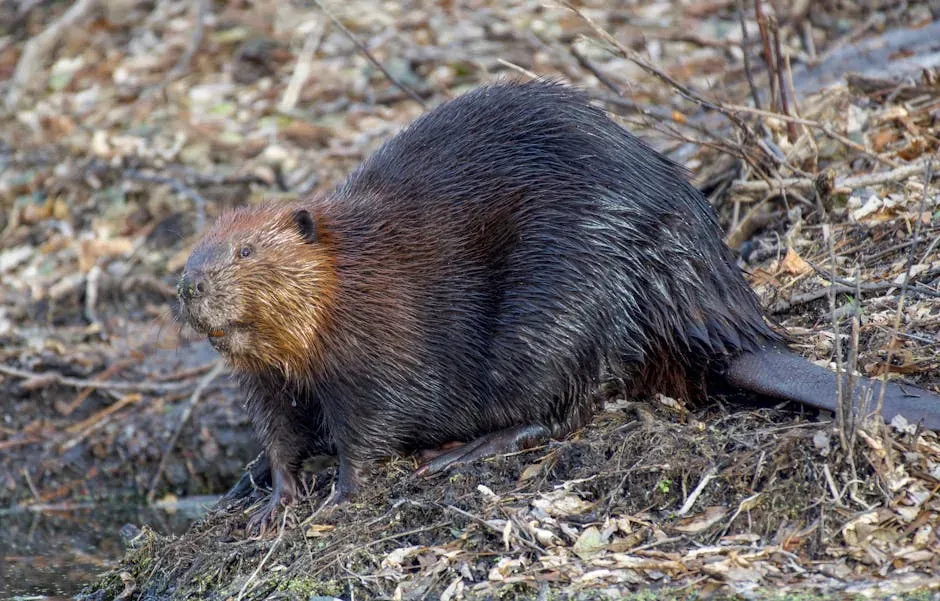
Research in Canada and the U.S. showed that areas with beavers retained nine times more water during droughts, proving their role as ecosystem engineers. That is a remarkable figure. In landscapes where water management is increasingly a matter of human survival, the beaver quietly outperforms most engineered solutions at a fraction of the cost.
These dams slow the flow of water, reducing peak flows downstream, storing and gently releasing water in times of drought. Beavers also play a crucial role in drought and wildfire resilience. The structures they build slow stream flow and create pools, allowing water to permeate the soil and replenish underground water levels. During droughts, that underground reservoir can be the difference between a living landscape and a dead one.
#5: Beavers Are Quiet but Powerful Flood Controllers
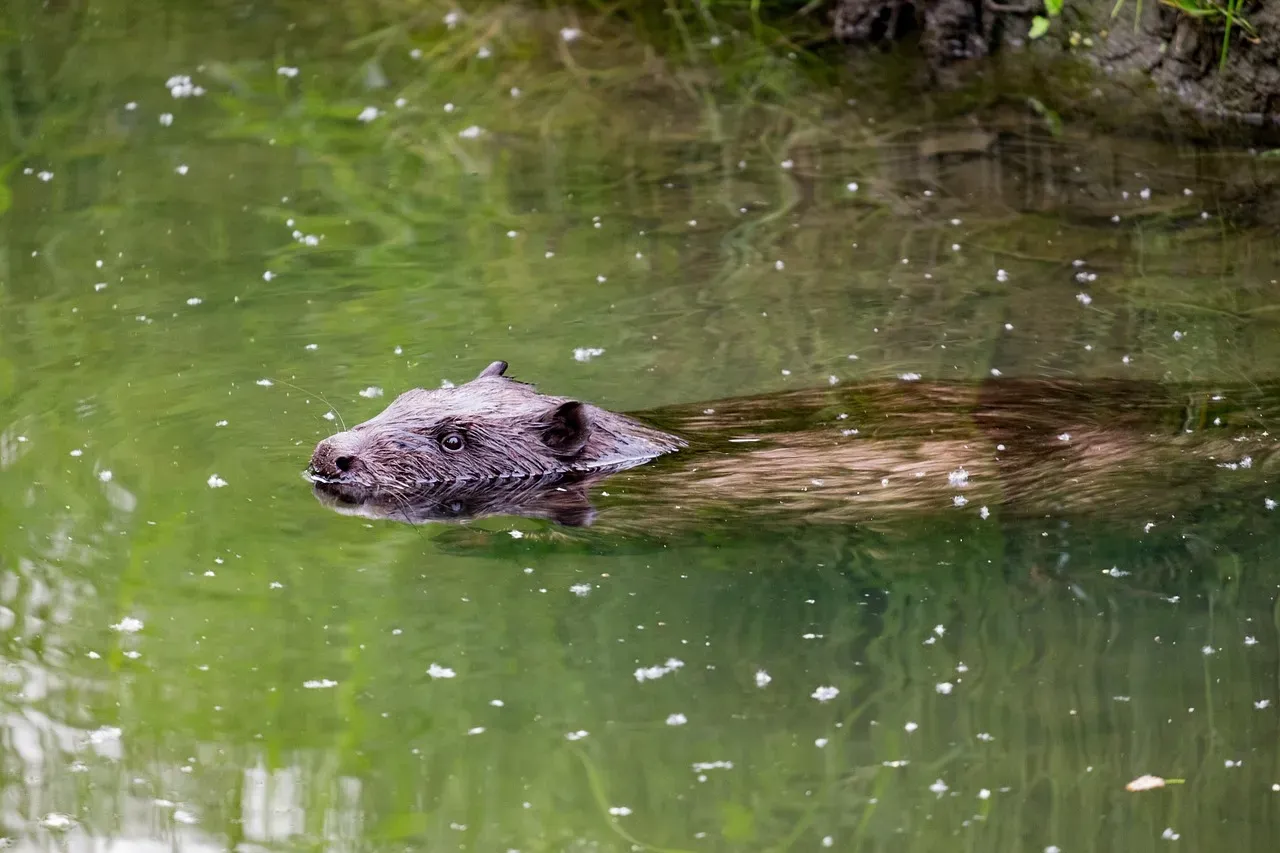
During a heavy rainstorm, some streams and rivers overflow their banks, but a beaver-engineered stream system handles floodwaters with ease. Their dams work like aquatic speed bumps, creating winding paths that slow rushing water. The effect isn’t incidental. It’s structural, and it accumulates across entire watersheds.
These dams mitigate flooding by storing excess water during heavy rainfall to reduce peak discharge, while ensuring steady downstream flow that benefits plants, animals, and human communities. This prevents soil from washing away and allows rich nutrients to settle to the bottom. Downstream communities have long benefited from this natural buffering without ever knowing a beaver was responsible.
#6: Their Canals Reshape the Physical Geography of River Systems
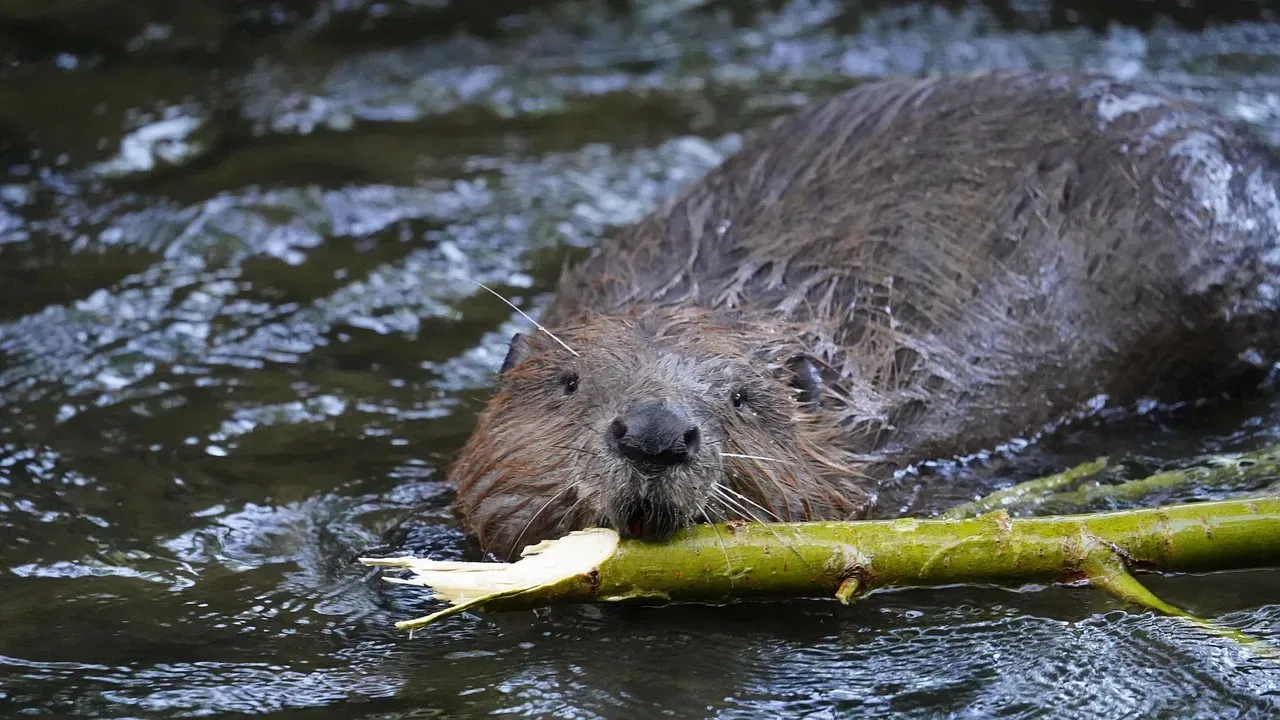
Beavers excavate canals, laterally across floodplains, to access and transport food and building resources, enhancing floodplain connectivity and geomorphic dynamics. These channels aren’t random. They follow logical routes that maximize access to food while minimizing the time beavers spend exposed to predators on land.
To a remarkable extent, beavers are capable of transforming the streams they inhabit by creating a heterogeneous mosaic of habitats consisting of a system of newly-formed, mature, and abandoned ponds, extending up to several kilometres along a watercourse. Over generations, a single family of beavers can rewire the entire hydrology of a valley. That’s not metaphor. That’s documented geomorphological change.
#7: Beaver Ponds Serve as Nurseries for Fish Including Salmon and Trout
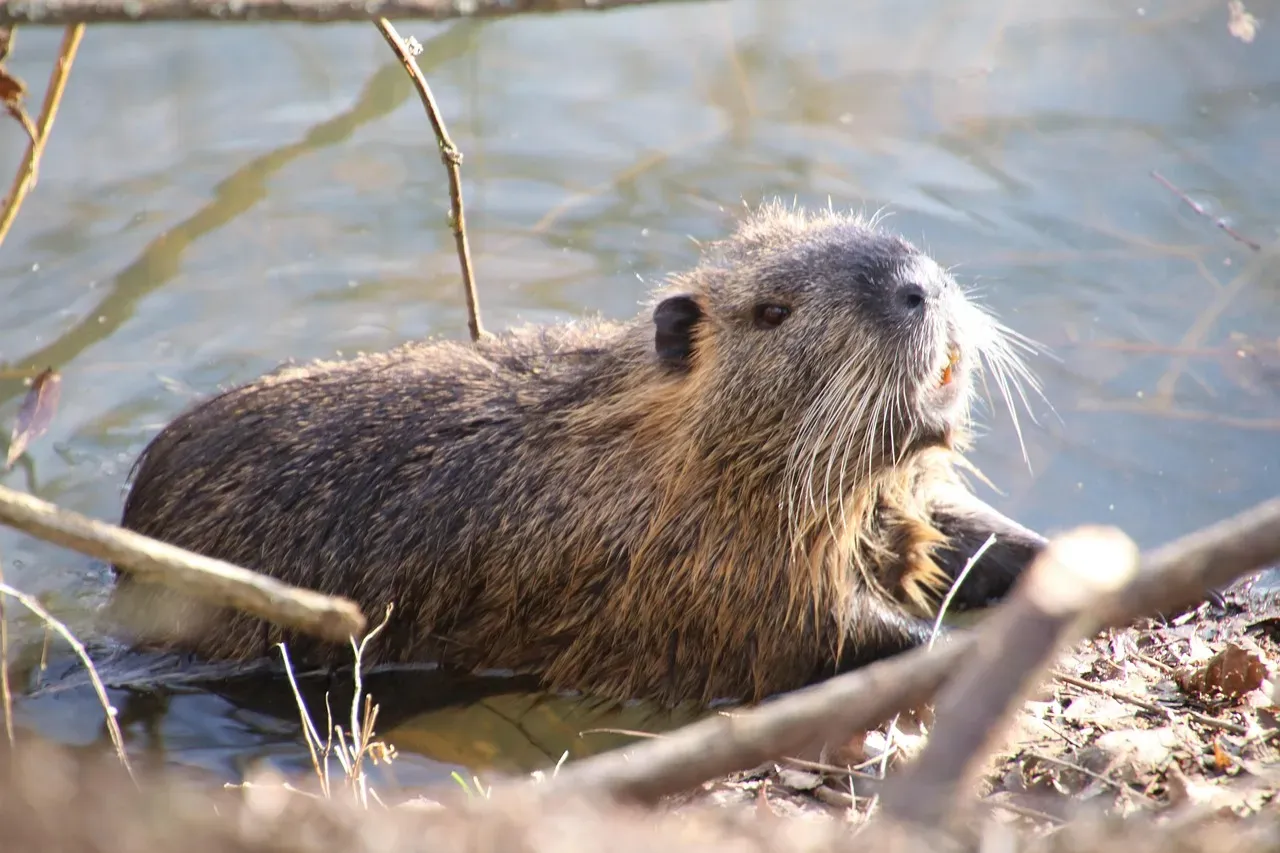
By increasing the large woody debris in streams and slowing the movement of water, beaver ponds are refuges for young fish such as salmon parr. The plant material and other debris captured in the pond also promotes insect abundance, so there’s plenty to eat in this stable, protective environment. This results in increased growth and survival, which consequently promotes population recovery for the fish.
Contrary to what some biologists used to believe, beaver dams do not impede the passage of most fish. In fact, salmon and other native fish that have co-evolved with beavers have no problem traversing streams and rivers packed with natural dams, and the benefits of the dams to the fish far outweigh any possible barriers. The dam’s natural porosity makes them semi-permeable, and it’s easy for the salmon to go around, through, or over them. It’s a relationship that evolved over millions of years, and it shows.
#8: They Filter Pollution From Waterways in Ways That Benefit All Life Downstream
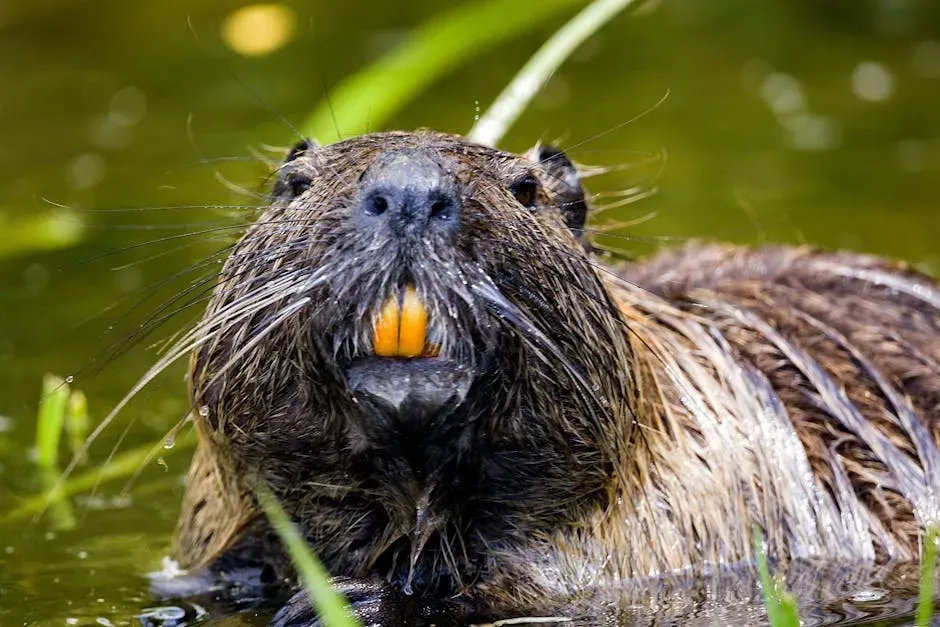
Beaver dams act as natural filters, trapping sediment and diffusing pollutants like nitrogen and phosphorus to improve water quality. From the source, beavers’ damming activities trap runoff and encourage bacteria which converts nitrate to harmless gas. In agricultural landscapes especially, where fertilizer runoff is a serious environmental problem, that filtration function is quietly invaluable.
Water laden with sediment, nitrates, or carbon slows down in beaver ponds, allowing particles in it to settle or get consumed by microbes, unlike in a fast-moving stream. For scientists, beavers are marvelous engineers: their dam systems lengthen the amount of time minerals and water stay in an area, which improves water quality, increases carbon storage capacity, and nurtures lush vegetation that remains green, even in times of drought.
#9: Beaver Wetlands Act as Natural Firebreaks
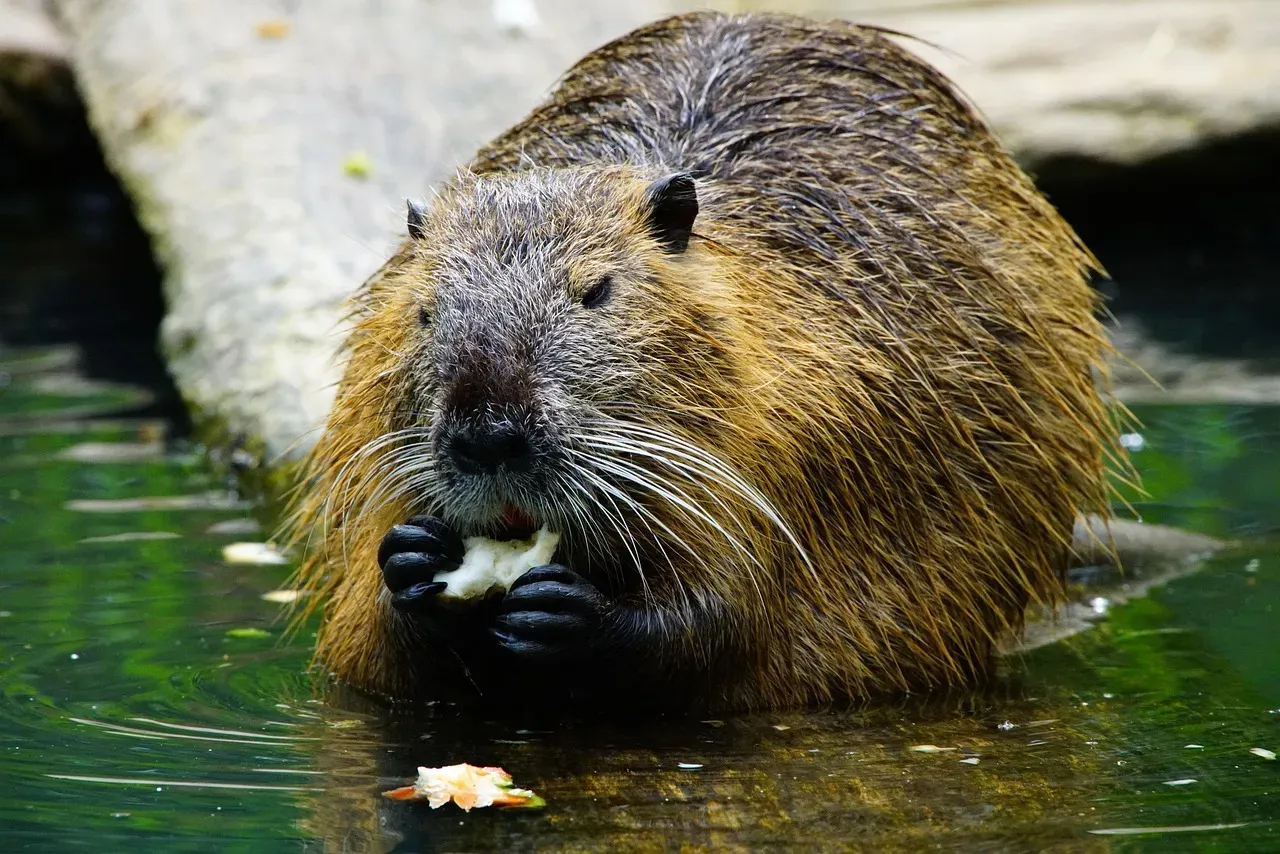
Recent research has shown how beaver ponds support wet soils and green vegetation, even during periods of drought, that are less likely to burn during a wildfire and more capable of bouncing back afterward. Fire takes the path of least resistance: while it will jump over a stream, it won’t burn through wetlands. These create natural firebreaks within forests, which mitigate the spread and lessen the overall severity of wildfires.
A study concluded that, by building dams, forming ponds, and digging canals, beavers irrigate vast stream corridors and create fireproof refuges in which plants and animals can shelter. In some cases, the rodents’ engineering can even stop fire in its tracks. As wildfires grow more frequent and more intense across the western United States and other fire-prone regions, the value of that function continues to rise sharply.
#10: They Sequester Significant Amounts of Carbon
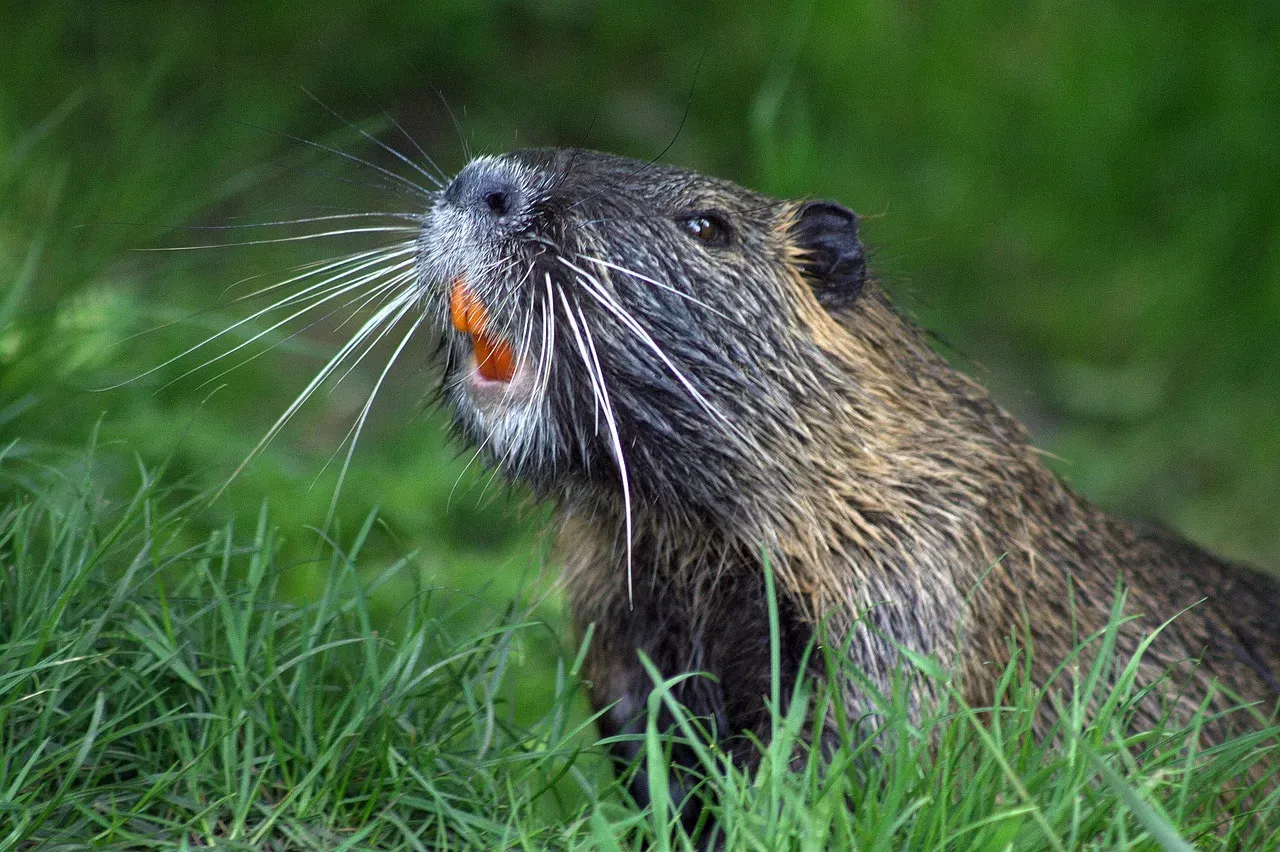
Some research suggests that beaver-induced peat formation, which is partially decayed plant matter accumulated in water-saturated environments, also helps with sequestration by keeping the carbon absorbed by these plants within peat soils as they decay. That’s a slow but persistent process that continues long after the beavers have moved on.
Some research suggests that beaver landscapes may sequester up to 470,000 tons of carbon annually, and it has been estimated that the ecosystem services beavers provide in the US are worth hundreds of millions of dollars. One study estimates that beavers save the US around $133 million in habitat and biodiversity protection and approximately $75 million in greenhouse gas sequestration. For an animal that asks for nothing in return, that’s an extraordinary return on investment.
#11: Their Near-Extinction Left Lasting Damage on Landscapes Across Two Continents
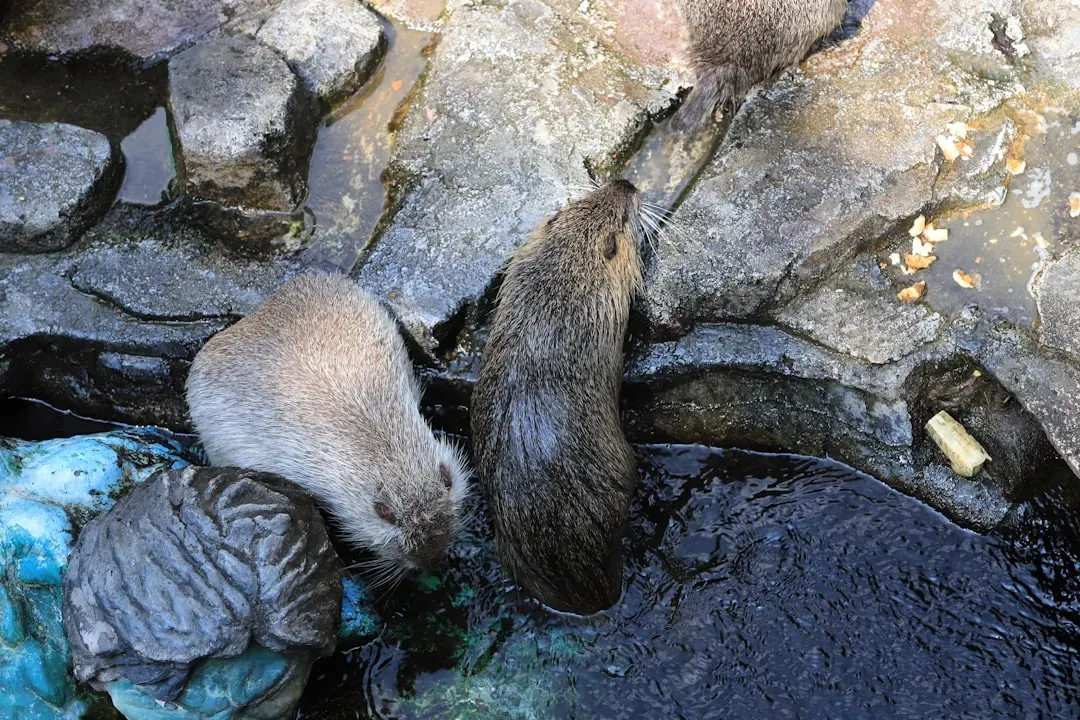
Their population was once robust, with estimates of 100 to 200 million individuals throughout much of North America. Despite beavers’ critical role, they were hunted to near extinction for food, pelts, and medicine in the early 20th century. Thanks to government officials, scientists, and conservationists, the species is making a comeback, with estimates of 10 to 15 million beavers in North America today.
By removing beavers, humans unintentionally degraded landscapes, making them less resilient to drought, flooding, and biodiversity loss. Eurasian beavers recovered from a total of about 1,200 animals at the beginning of the 20th century to more than a million individuals by 2010. The recovery of those populations has given scientists a rare and powerful window into what a landscape looks like both with and without them, and the contrast is stark.
#12: Reintroducing Beavers Is Now a Frontline Conservation Strategy
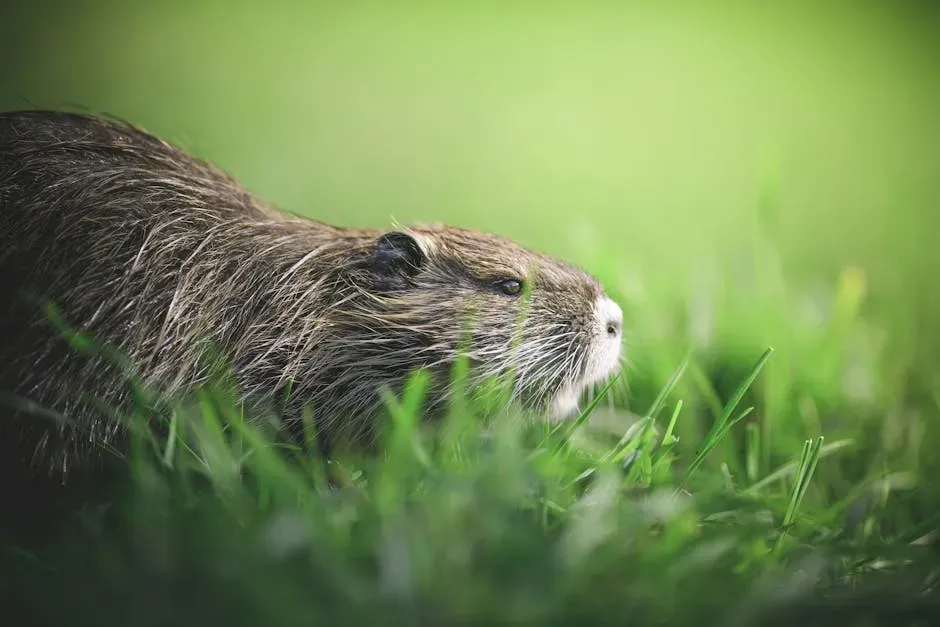
Beavers are well-known for transforming ecosystems through dam building and are therefore increasingly being used for habitat restoration, adaptation to climate extremes, and in long-term rewilding. Across Britain, the species is being reintroduced because of its positive impact on biodiversity and its role in managing river flows. Governments and conservation organizations on both sides of the Atlantic are now treating beaver reintroduction not as an experiment but as policy.
With just a few families of beavers constructing dams and lodges, entire ecosystems began to heal themselves naturally. In fact, the effectiveness of beaver structures is so remarkable that humans have begun to imitate them. Engineers now build artificial beaver dam analogs in streams where the animals haven’t yet returned, which is perhaps the clearest possible testimony to how effective the real thing is.
Conclusion: Give the Beaver Its Due
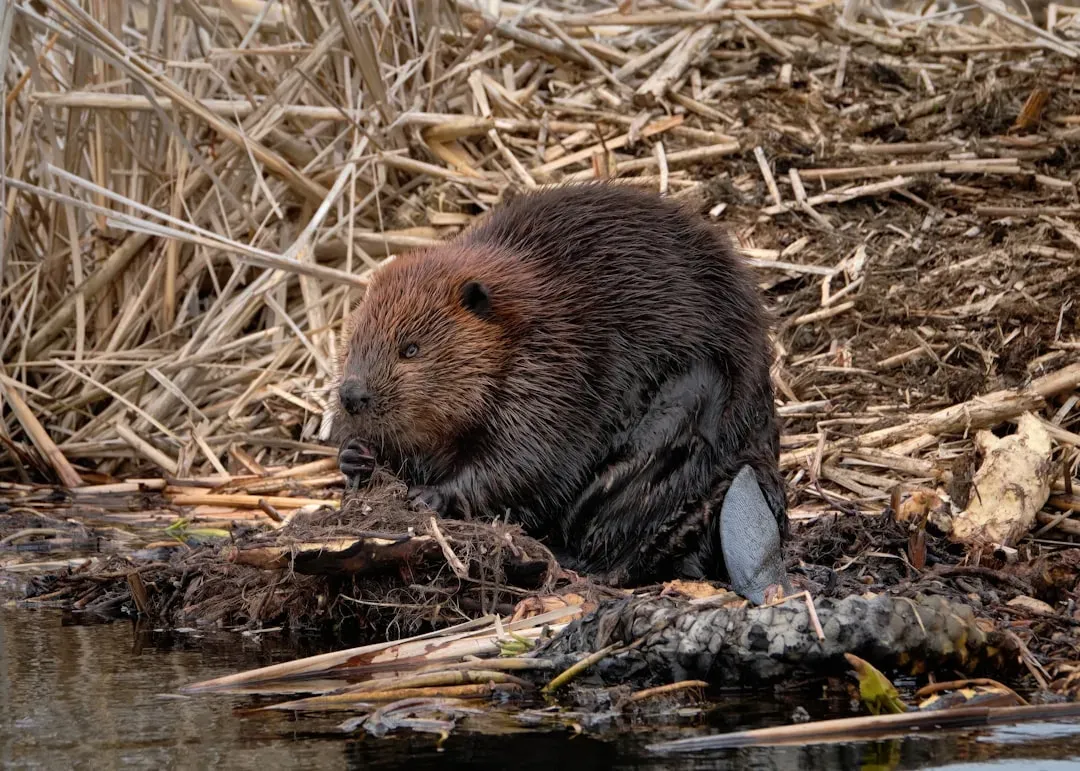
It’s a bit humbling, honestly. We spend billions on water infrastructure, flood management, wildfire suppression, and carbon offset programs, and in the meantime, a thirty-pound rodent with iron-reinforced teeth has been doing the same work, quietly and free of charge, for millions of years. The case for beavers isn’t just ecological sentiment. It’s backed by a growing body of peer-reviewed science that shows, clearly and repeatedly, that landscapes with beavers perform better across almost every measurable dimension.
The real question isn’t whether beavers matter. The science settled that long ago. The question is how quickly we’re willing to let them back in and how much of what they’re capable of we’ve already irreversibly lost. Their comeback, in North America and across Europe, is one of the more quietly hopeful conservation stories of our time. It deserves far more attention than it gets.


