
#1. Following You From Room to Room
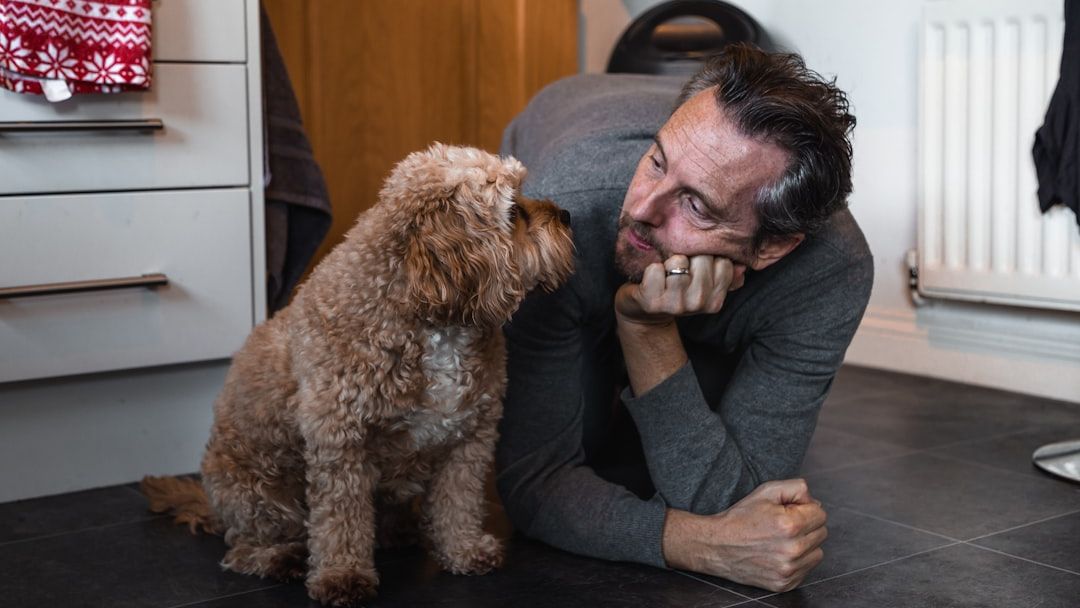
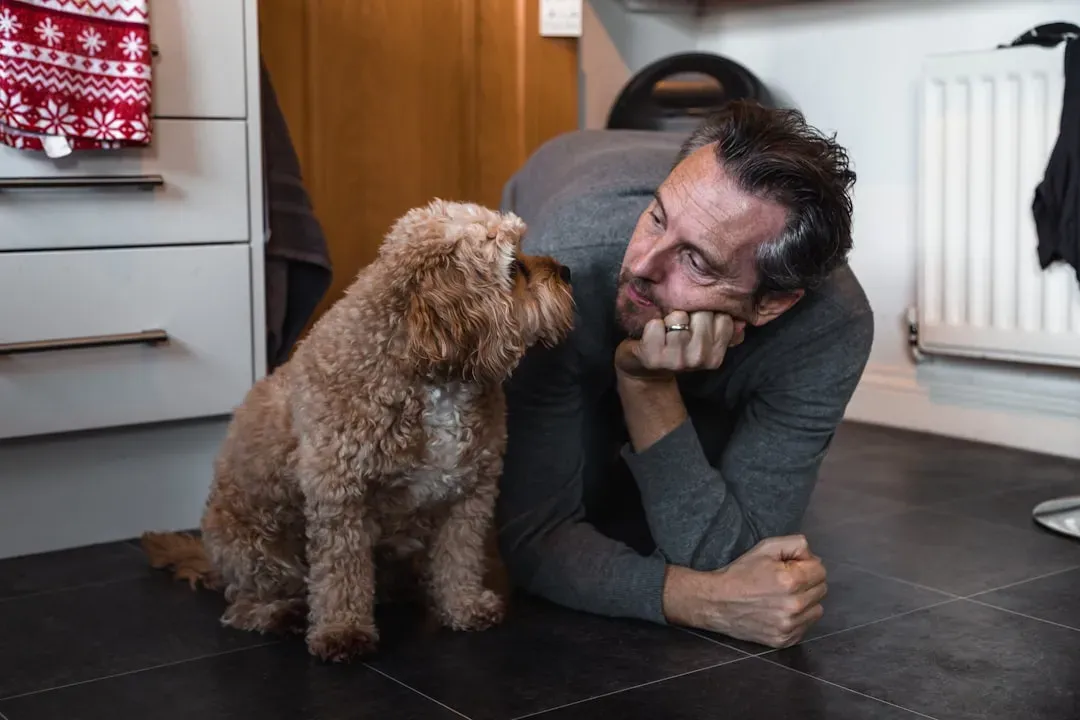
You get up from the couch, and they get up too. You walk to the kitchen, and within seconds, there they are, settling onto the cool tile just to keep you in sight. It’s a behavior so common in devoted dogs that many owners barely notice it anymore. In a dog’s final season, though, it takes on an entirely different weight.
This behavior isn’t just a sign of curiosity; it’s a demonstration of loyalty and a desire to be in their owner’s company. By staying close, dogs show they prioritize the presence of their human companions over comfort or convenience, indicating a deep-seated loyalty that compels them to keep their loved ones within sight. When a sick or aging dog makes the effort to follow you despite aching joints or low energy, they’re not just being clingy. They’re spending their remaining reserves of strength on you, deliberately.
#2. The Long, Slow Stare
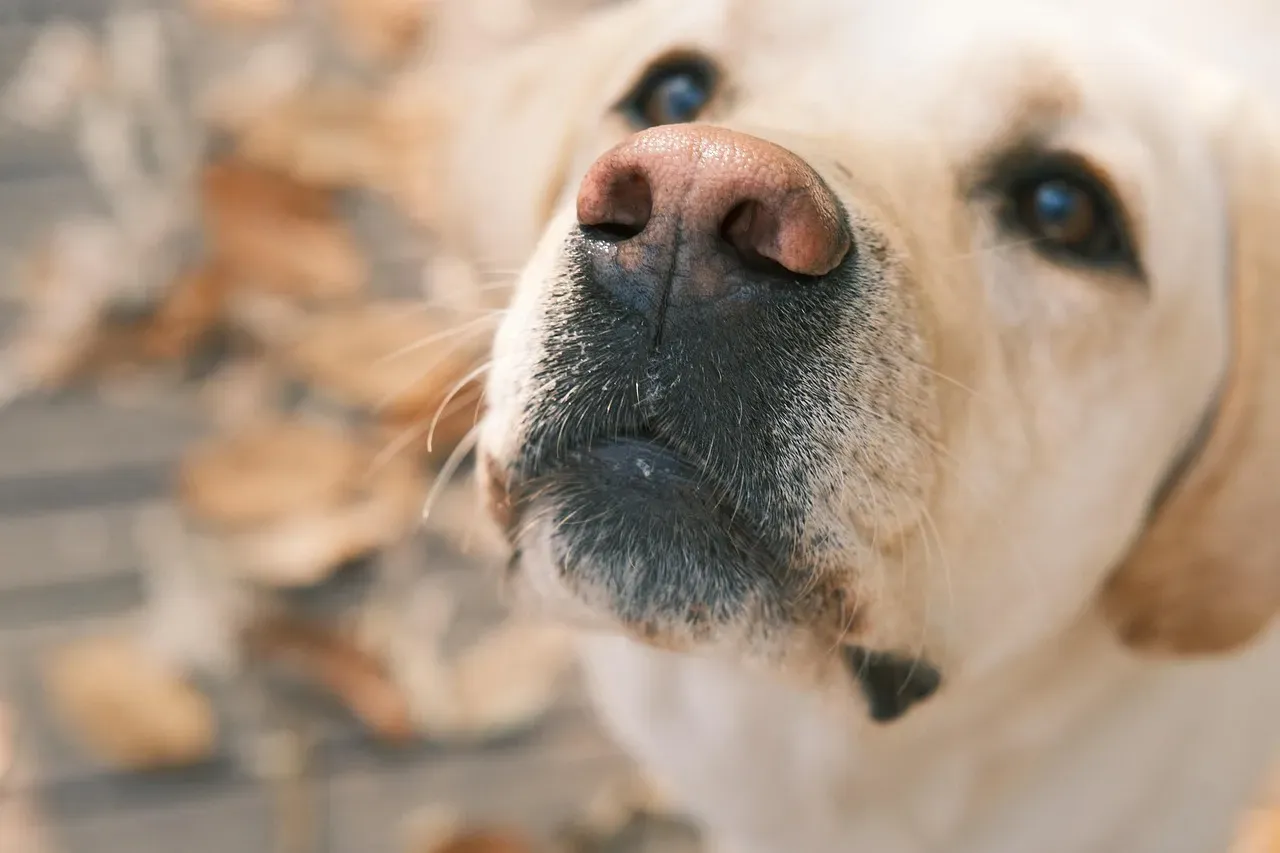
It happens when you least expect it. You glance over and find them watching you, unblinking and utterly still, with an expression that somehow carries more than a look should. It’s not the alert gaze of a dog waiting for a treat. It’s softer than that. Steadier.
Meaningful, deep eye contact is a powerful form of communication between dogs and their human companions. When your dog looks deeply into your eyes, it releases oxytocin, the “love hormone,” in our brains, fostering a sense of connection and trust. During an elderly dog’s final moments, a profound and unique form of emotional communication becomes particularly evident – silent staring, with a gaze no longer filled with lively curiosity but with deep affection. That long look is a conversation. It just doesn’t use words.
#3. Suddenly Becoming Your Shadow at Night
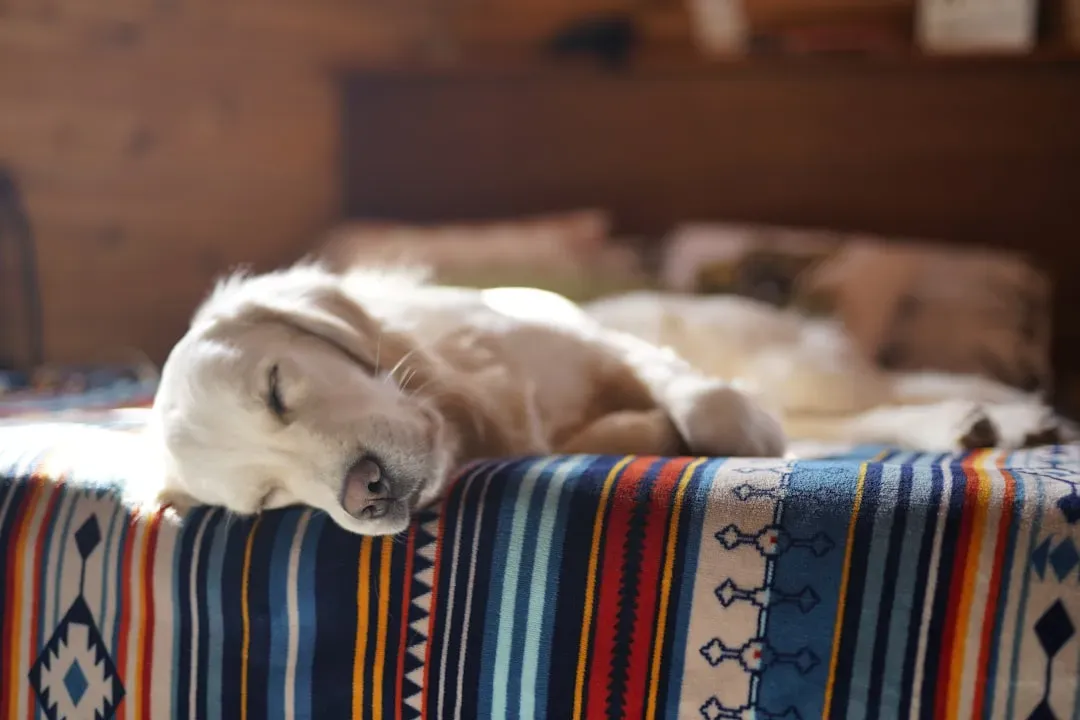
Dogs who once slept at the foot of the bed or in a separate room may, near the end, start pressing close to their owner through the night. They want to feel the warmth and rhythm of your breathing. There’s something instinctive and tender about it.
Dogs are pack animals, and sleeping close to their pack members is a way to reinforce their sense of belonging and safety. Whether it’s curling up at the foot of your bed or snuggling against you, a dog’s choice of sleeping location is symbolic of their love and trust. When a dog begins doing this more urgently than usual, especially if they’ve never been a particularly clingy sleeper, it often signals that they’re seeking reassurance as their world feels less stable than it once did.
#4. Resting a Head on Your Lap Without Being Invited
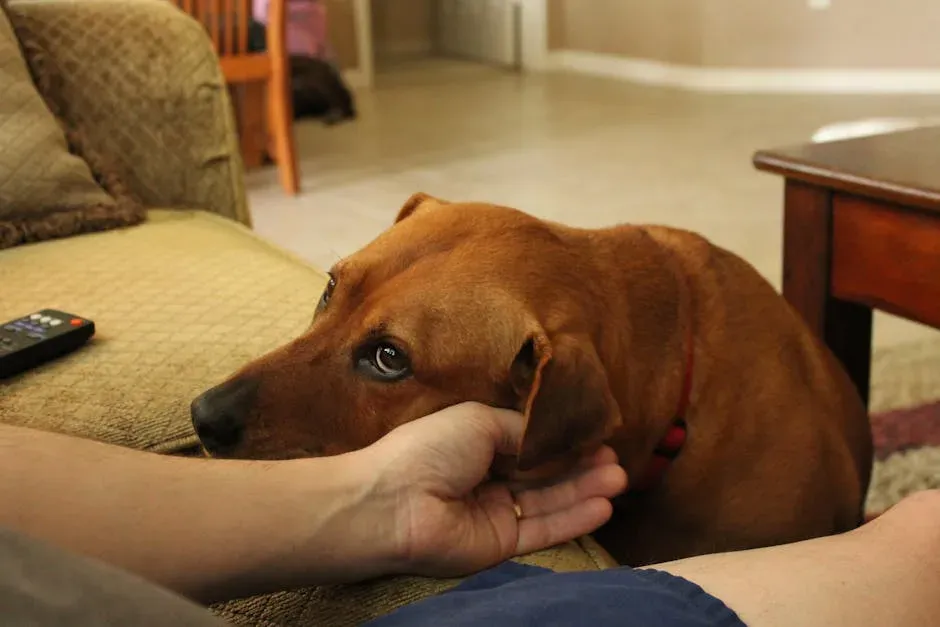
There’s no nudging for pets, no whining for attention. They simply walk over, lay their head in your lap, and stay there, breathing slowly. It’s one of the most gentle and quietly heartbreaking gestures a dog can offer.
Dogs can sense changes in your scent, energy, and behavior, and many will instinctively stay close when they detect something is off. Some will lie next to you, gently rest their head on your lap, or simply stay within reach. This is their way of offering silent support, ensuring you’re not alone during a tough time. The comfort, in truth, flows both ways. They’re not just seeking your warmth – they’re offering it back to you, in the only language they’ve ever known.
#5. Seeking Out Your Smell
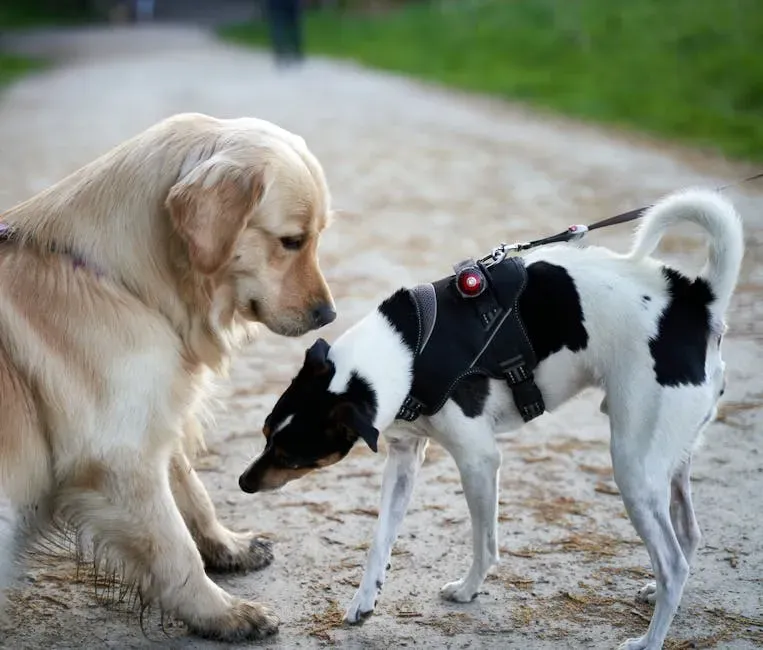
You might notice your dog burying their nose into your worn clothing, pressing into your pillow, or circling the spot on the couch where you typically sit. This isn’t random. It’s deeply purposeful. Scientific studies indicate dogs’ keen noses and even their ears can sense changes in human emotion. People’s smells change based on their mood, and canine noses can detect these changes.
Your scent is your dog’s most fundamental anchor. It’s the sensory equivalent of home. When a dog is unwell or disoriented, returning to that familiar smell is a form of self-soothing. It’s safer to say that dogs are most likely aware of the discomfort of illness or old age, and they exhibit behaviors that support situational awareness. Behaviors that may indicate this include reclusiveness, lack of interest in activities, lack of appetite, and seeking attention from their owners. Leaning into your smell is one of the quietest ways they stay tethered to you.
#6. Leaning Their Body Weight Into You
When a dog leans their full body weight against your leg, it’s not just about balance. There’s an intimacy to it, an unspoken request to be steady. In aging or ill dogs, that lean often becomes more frequent, more deliberate, more lingering.
Leaning into you is one of the subtle signs your dog is showing you affection, and it means your dog cares about you. Many people miss this love signal, and it’s significant. When your dog is choosing to lean into you, it is an ultimate display of trust. When a dog leans on you, it’s a sign of affection and trust. By leaning on you, your dog is saying, “I feel safe and secure with you.” In those final weeks, trust and safety may be the only things they still feel entirely certain of.
#7. Unusual Calmness Around You
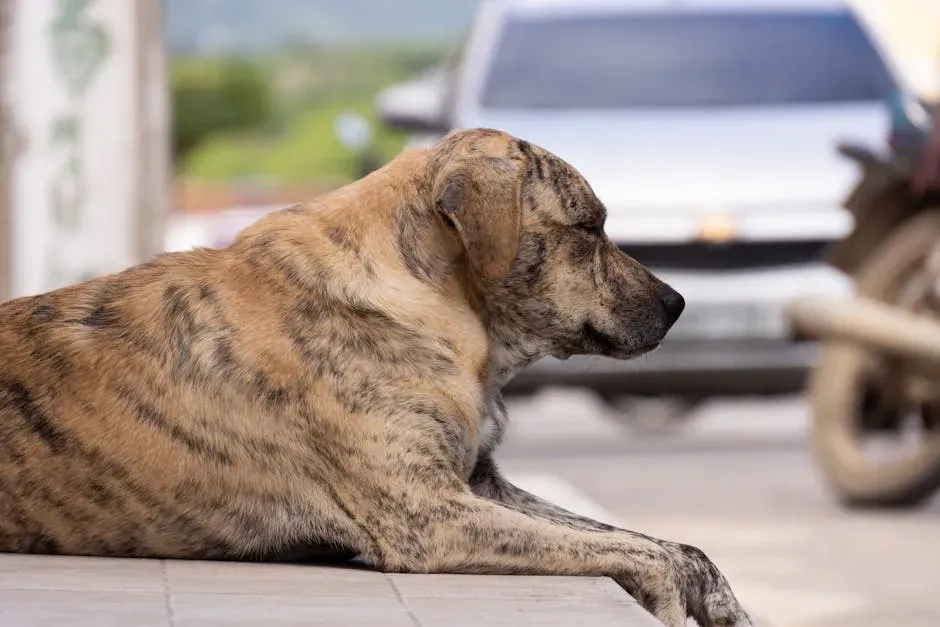
A dog who once bounded at doors and barked at every passing squirrel may begin to settle into a new, almost meditative stillness. Not lethargic exactly – just quieter. More present. There’s a difference, and owners who know their dogs well can feel it.
You may notice behavior changes toward the end of your dog’s life, things like lack of interest, lethargy, or even clinginess. This can be due to a lot of reasons, from chemical to emotional, and varies from dog to dog. When this calmness appears specifically in your company, when they settle more deeply just because you’re in the room, it’s worth reading as something more than exhaustion. It reads as peace. A dog at peace because they’re with their person.
#8. Bringing You Their Favorite Toy
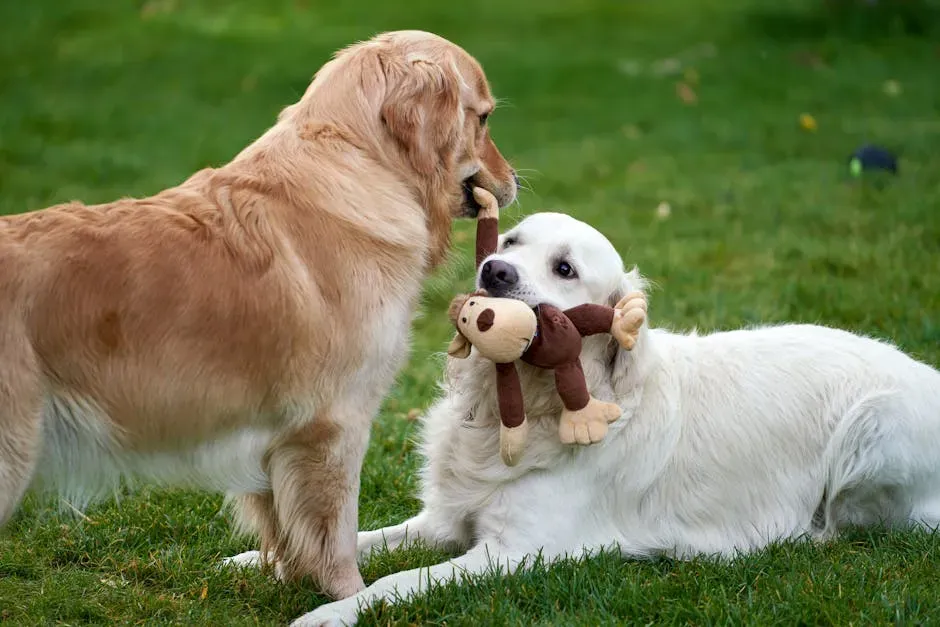
It might seem like normal dog behavior. They trot over with a worn tennis ball or their most prized chew toy and set it at your feet. No invitation to play, really. Just a quiet offering. In an aging or ill dog, making that effort carries particular meaning.
Dogs don’t just drop their favorite toy in your lap for fun – this is their way of offering something valuable to someone they trust. In a pack, dogs share prized possessions as a sign of respect and affection. By sharing their prized possessions, they’re offering a piece of their world. It’s equivalent to a child handing over their beloved teddy. This act of sharing signifies trust and affection. It’s one of the most earnest gifts they know how to give.
#9. Staying Close When You’re Upset
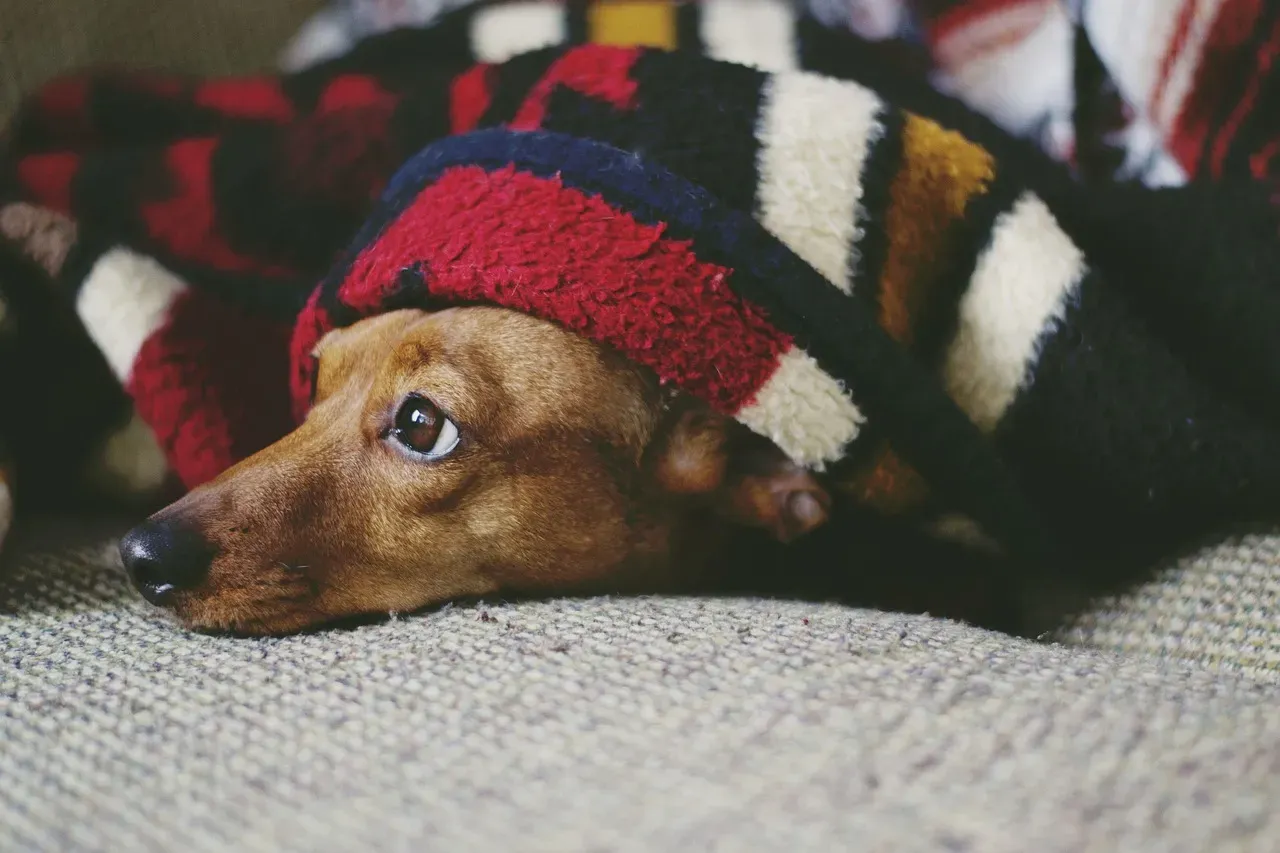
Dogs read the room better than most people do. When your voice tightens with stress or your posture slumps with sadness, they notice. A dog holding on will often close the distance between you in those moments, quietly and without fuss, and simply be there.
Regardless of whether that person was their owner or a stranger, dogs more often oriented themselves towards people pretending to cry, nuzzling and licking the individual. It’s possible this behavior is a sign of empathic-type behavior from the dog. Whether it’s lying beside their owner when they’re sad or offering a friendly lick to cheer them up, dogs seem to intuitively understand when their humans need emotional support. Their empathetic nature strengthens the bond, as their loyalty often means they’re present in moments of joy and sorrow alike.
#10. Watching the Door When You Leave
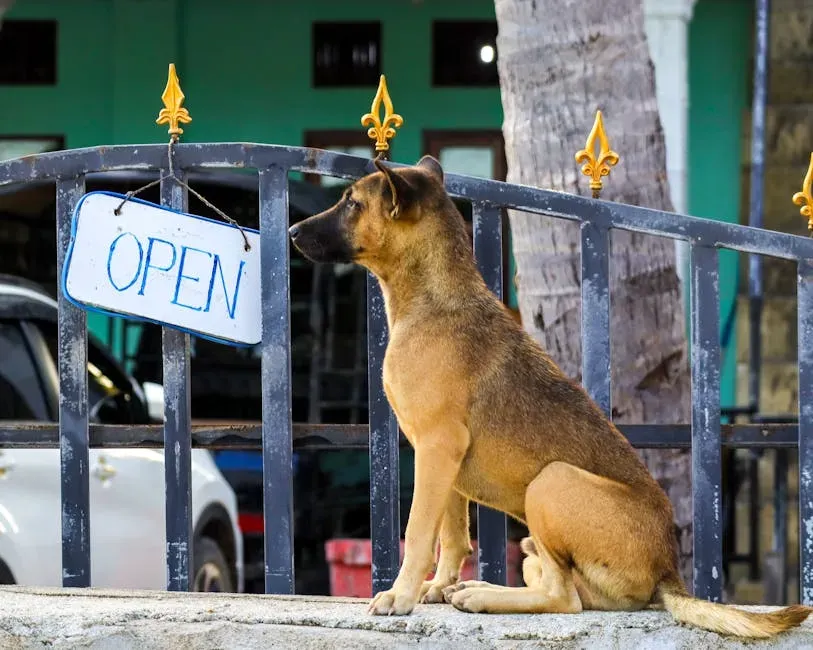
Even when it takes considerable effort, an aging dog will pull themselves to the door as you leave, watching the spot where you disappeared. They wait. Sometimes for hours. That waiting is one of the oldest, most enduring expressions of love in the animal world.
Dogs exhibit incredible patience when waiting for their owners, whether during a workday or after a short trip to the grocery store. This patient waiting, often accompanied by eager anticipation of their owner’s return, is a silent yet powerful display of loyalty, highlighting their deep bond and trust. It’s a loyalty that is not easily broken, as many stories of dogs waiting for their deceased or missing owners demonstrate. The story of Hachiko, the Japanese Akita who waited at the train station for his deceased owner for nine years, is perhaps the most famous testament to this truth. Even after his owner passed away, Hachiko continued to wait at the station, becoming a symbol of unwavering loyalty.
#11. Making Eye Contact During Difficult Moments
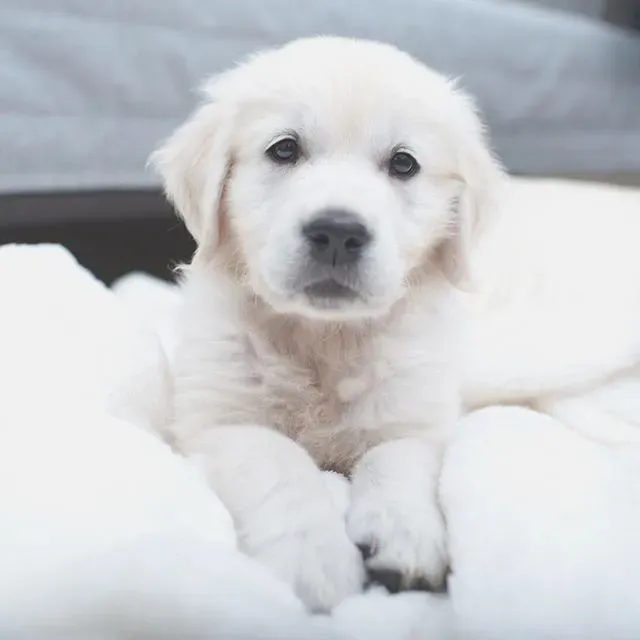
If you’ve ever cried in front of your dog, you may have noticed something striking: they don’t look away. They hold your gaze with a focused, unblinking steadiness that feels remarkably intentional. In those moments, the connection is undeniable.
Some dogs may show a final look that lets them communicate with their owners, which could be a loving, tired, sad, or confused look. Either way, the final look communicates their feelings to their owners. The mutual gaze can be something that only the two of you understand. A dog that holds your eyes during a hard moment is doing something profoundly loyal. They’re choosing to witness your pain rather than withdraw from it, and that choice says everything.
#12. Gentle Nudging With Their Nose
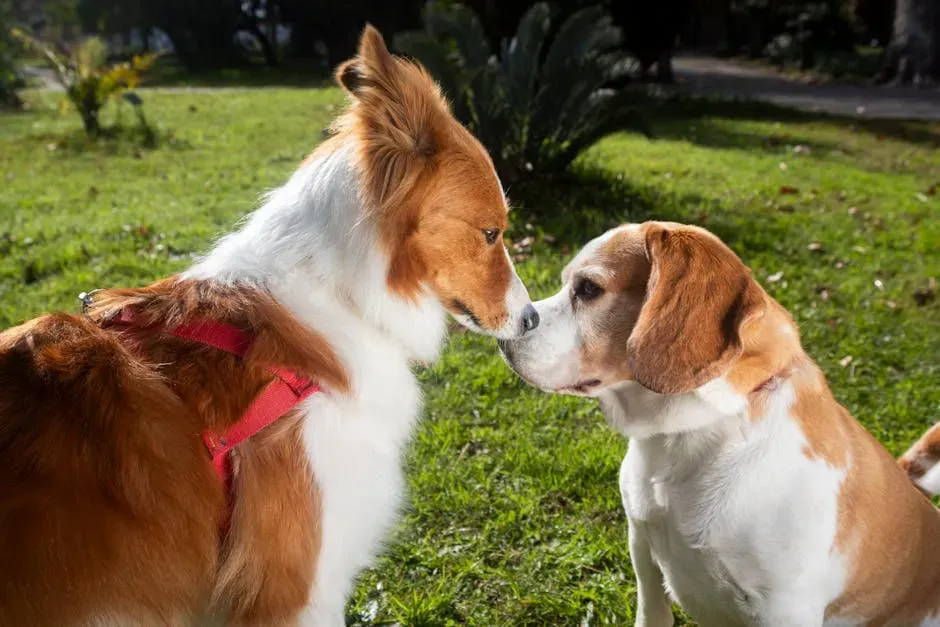
A cold nose pressed gently against your hand. A soft, persistent push against your arm when you’re distracted. These little nudges are easy to overlook, especially when they happen a dozen times a day. They’re worth paying attention to.
Gentle nudges and nuzzling are affectionate behaviors that demonstrate a dog’s desire for closeness. This physical contact is a way for your dog to show they feel safe and secure in your presence. This behavior is particularly common when your dog senses your stress or anxiety, offering comfort in their own silent way. When done quietly, it is more of a sign that they are connected to you and want you to know you are not alone. That small, cool nose is saying a great deal.
#13. A Burst of Energy Just to Be Near You

This one can be the most disarming of all. A dog who has been listless and low-energy suddenly rallies, seeking you out with what feels like borrowed strength. They walk over. They settle against you. They seem, for a brief window, almost like themselves again.
Experts say these dogs may be seeking out their owners to say goodbye before they go. They may come with renewed energy they haven’t been demonstrating for a few days, but their eyes are sad. Their behavior may seem almost desperate, like they have to do this right now because they know that soon they won’t be able to. Try to be with your dog at the end, especially if their death is planned. Vets indicate that when people choose to leave the room, the dog seems more anxious and is looking around, as though they were looking for their owners. When the pet owner is present, dogs don’t tend to exhibit this same behavior. As hard as it is for you, your presence at the end is one last gift you can give to your best friend.
What These Behaviors Are Really Telling You
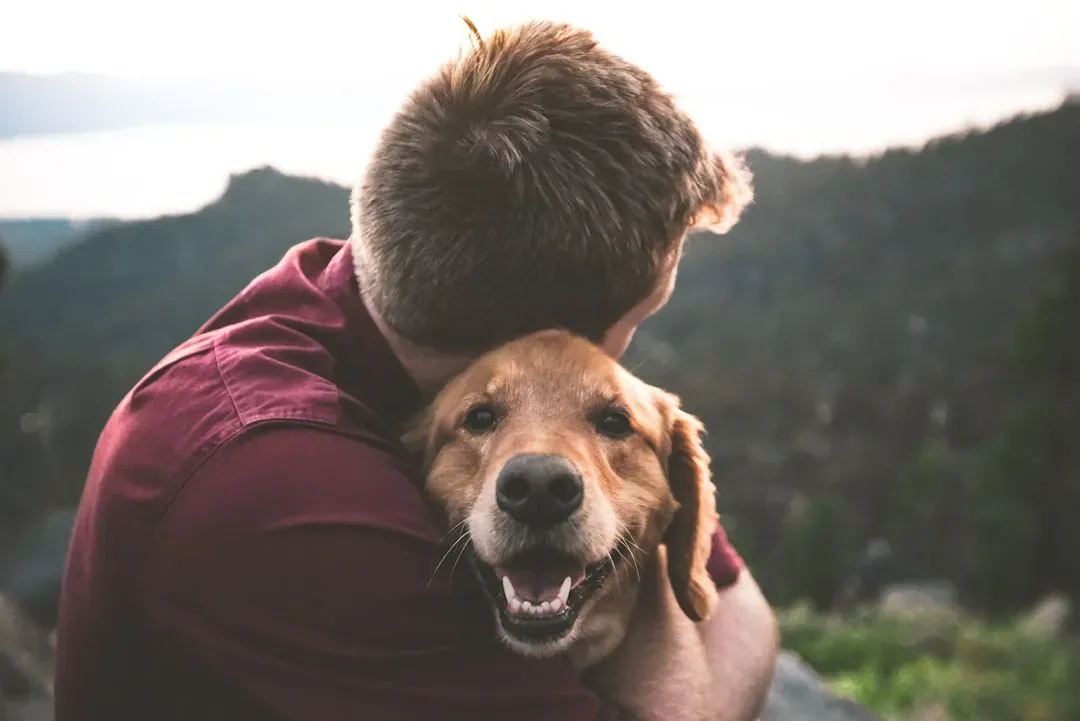
Taken individually, any one of these behaviors might be easy to brush aside. Taken together, they form a portrait of a dog who is fully, utterly committed to the person they love most, even as their body makes that commitment harder to sustain. The loyalty of dogs is one of the most remarkable traits in the animal kingdom. It’s a loyalty that transcends words, manifesting in silent gestures of love, protection, and companionship.
Those final moments together are about presence. The most important thing you can offer is the peace of knowing they are not alone. Your dog has spent years learning the shape of your moods, the sound of your footsteps, the particular weight of your presence in a room. That knowledge doesn’t fade. It deepens, right to the end.
There is a quiet opinion worth holding here: we often speak of dogs being loyal to us as though it’s simply their nature, something reflexive and automatic. It isn’t. Loyalty, even in dogs, is chosen. Every time a sick, tired, hurting dog pulls themselves to their feet just to be where you are, that is a decision. It is an act of devotion so plain and unadorned that it embarrasses the more complicated versions of love we try to build in its image. When , the least you can do is hold on right back, and be fully, quietly present for every moment you still have together.


