

#1. They’ve Lost Interest in Things They Once Loved

If your usually energetic pup suddenly becomes disinterested in activities they once loved, like walks, playtime, or even chasing their favorite ball, it may be a sign they’re physically or emotionally drained. This isn’t a one-off bad day. When disengagement becomes a pattern that spans days or weeks, something deeper is going on.
Depressed or emotionally depleted dogs may show symptoms such as a lack of interest in activities, loss of appetite, increased irritability, and unusually clingy or needy behavior. The dog that once bolted to the door at the sound of a leash now barely lifts their head. That shift deserves serious attention, not dismissal.
#2. They’re Sleeping Far More Than Usual

While dogs naturally sleep 12 to 14 hours daily, emotional exhaustion pushes this number significantly higher. Your dog might appear almost impossible to rouse or seems groggy even after sleeping. It’s not laziness. It’s their body doing damage control.
Pay special attention if this change happens suddenly or coincides with stressful events like moving homes, new family members, or holiday chaos. Their body is essentially forcing a shutdown to recover from emotional overload. Sleep becomes their only escape, and watching it happen can feel unsettling if you don’t understand what’s behind it.
#3. They’re Hiding or Retreating to Unusual Spots
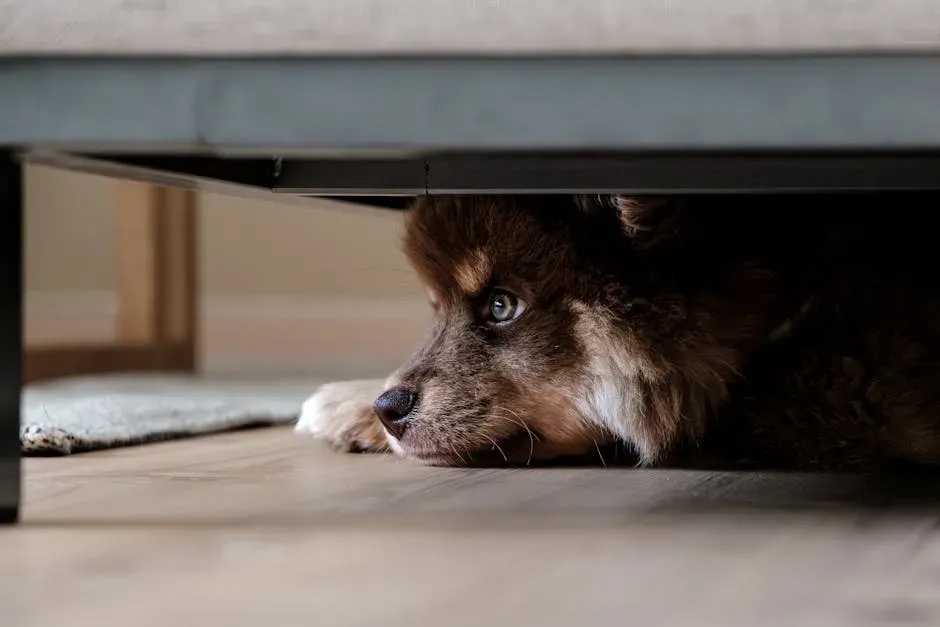
Your sociable companion has transformed into a recluse, seeking out dark corners, closets, or under furniture. They’re actively avoiding interaction, even with their favorite people. This is one of the clearest distress signals a dog can give, and it’s often misread as the dog simply being “in a mood.”
Look for patterns in their hiding behavior. Does it happen after loud gatherings, trips to busy places, or when certain visitors arrive? These retreats aren’t random but strategic escapes from overwhelming situations. It is important to provide your dog with a safe place in the home where they can escape stimuli that trigger a stress response. Respect the need for that space rather than dragging them back into the fray.
#4. They Become Irritable or Snap Without Warning

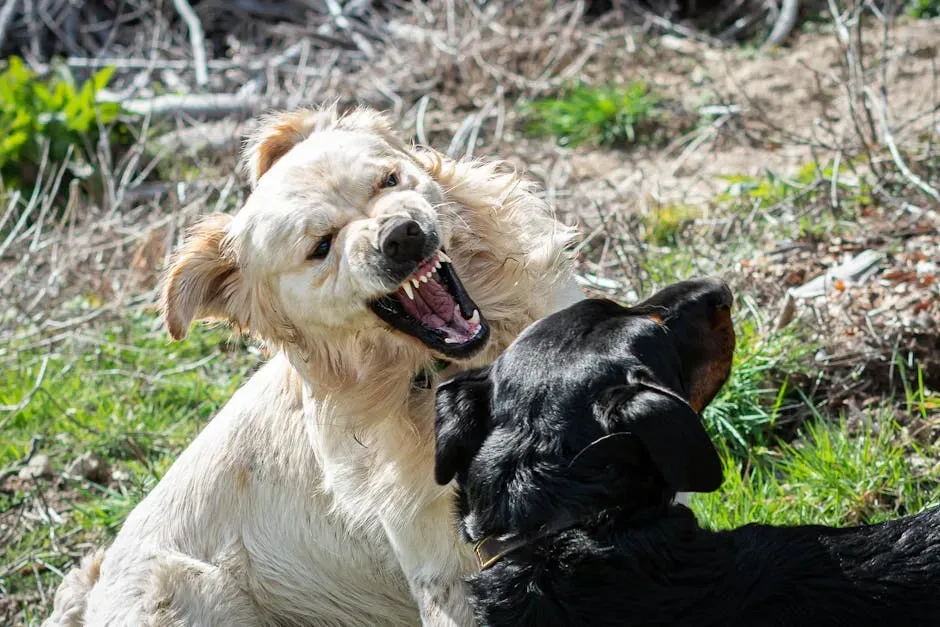
Dogs experiencing burnout may become unusually irritable or reactive. They might growl, snap, or show aggression when approached or when asked to engage in activities. If a dog who has never shown a hint of aggression suddenly growls when you reach for their collar, emotional exhaustion is a very credible explanation.
Aggressive behavior such as growling, snapping, or biting is another common symptom of stress that is often misunderstood and mistreated. Punishing this response makes things worse, not better. The growl is a signal, not a character flaw. A dog at their emotional limit is communicating the only way they know how.
#5. Their Appetite Has Changed Dramatically

The kibble that disappeared in seconds now sits untouched for hours. Alternatively, your normally polite eater might frantically devour food like it’s their last meal. Both extremes signal emotional turbulence. Changes in eating behavior are one of the more reliable windows into a dog’s inner state.
Stress hormones directly impact appetite regulation. When emotionally exhausted, some dogs lose interest in food entirely as survival mechanisms redirect energy away from digestion. Others stress-eat to self-soothe, much like humans reaching for comfort food during difficult times. Either pattern warrants attention, especially when it persists beyond a day or two.
#6. They Can’t Seem to Rest Properly at Night
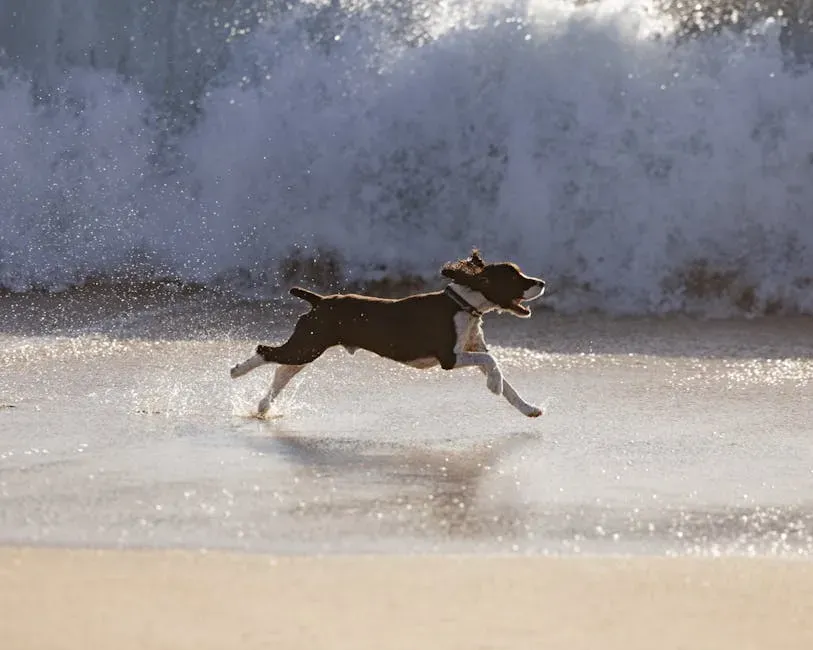
Dogs experiencing burnout may either sleep excessively or have trouble resting. You might notice them pacing at night, being restless, or showing signs of discomfort. It’s a strange paradox: the more exhausted they are, the harder it becomes to actually get quality sleep.
Watch for subtle signs like frequent position changes, half-opened eyes during “sleep,” or startling awake at minor sounds. Creating a consistent bedtime routine with gradually decreasing stimulation helps signal to their nervous system that it’s safe to fully relax and process the day’s emotional experiences. Without that deep, restorative sleep, emotional recovery stalls and the cycle continues.
#7. They Withdraw from Social Interaction

Your once-social pup no longer greets family members at the door or joins movie night on the couch. Instead, they choose isolated spots away from household activity, even during previously favorite family rituals. This withdrawal differs from simple rest. It’s active avoidance of social interaction.
When emotionally overextended, dogs lack the energy for social niceties, much like humans becoming withdrawn during burnout. This behavior is often a sign that social processing is mentally exhausting. A dog that once craved your company and now seems indifferent to your presence isn’t rejecting you. They’re simply running on empty.
#8. They Pant Heavily Without Physical Cause
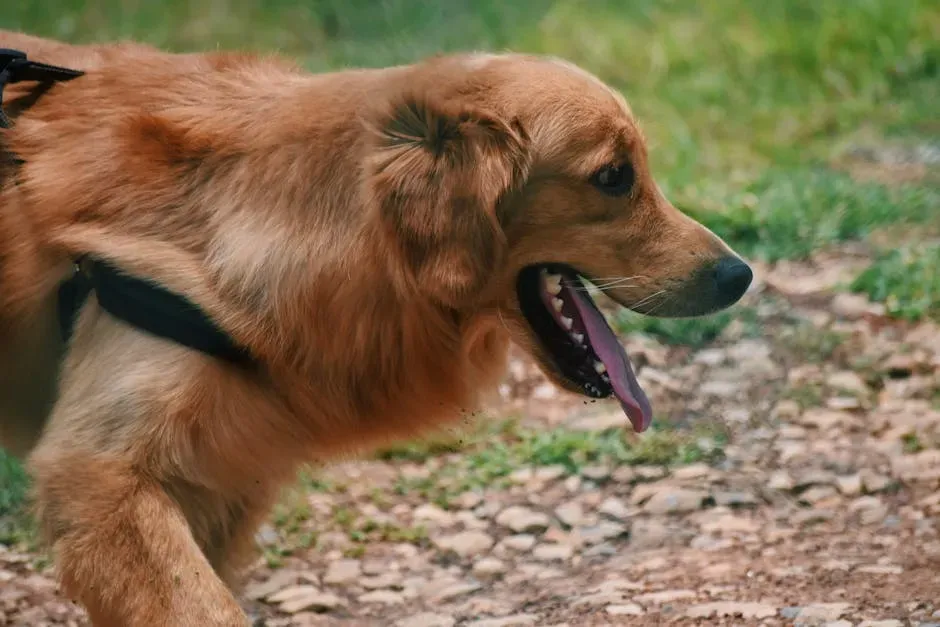
Dogs pant when hot, excited, or stressed. If your dog is panting even though they have not exercised, they may be experiencing stress. Panting at rest, especially in a cool room with no excitement in sight, is the kind of detail that’s easy to dismiss but shouldn’t be.
This respiratory response signals emotional rather than physical distress. Panting serves as a physical manifestation of mental overload. The autonomic nervous system triggers the same physiological stress responses whether threats are real or perceived. Your dog’s body is literally preparing for emotional threats as though they were physical dangers. It’s exhausting to live in that state, and it shows.
#9. They Develop Repetitive or Compulsive Behaviors
Other manifestations of stress include yawning, sneezing, lip licking, or intense displacement behavior such as sniffing, licking, excessive grooming, spinning, or self-mutilation. These behaviors can look quirky or even amusing at first, but when they become persistent and hard to interrupt, they signal something more serious.
A dog without a job or purpose can lead to them coming up with their own “work,” which often includes destructive habits or compulsive behaviors, like excessive chewing or digging. Emotional exhaustion strips away a dog’s ability to self-regulate, and repetitive behaviors become a kind of self-medication. Addressing the emotional root is far more effective than trying to stop the behavior in isolation.
#10. They Show Sudden Fearfulness Toward Familiar Things

A dog that’s emotionally exhausted may become anxious or skittish in situations where they were once comfortable. They may start to avoid social interactions or become fearful of things that didn’t bother them before. The dog who used to trot happily past the neighbor’s gate now freezes or pulls back. The threshold for what feels manageable has dropped significantly.
Severe stress in dogs can become long-term, intense anxiety or fear that affects their quality of life. Chronic stress in a dog damages their ability to cope and learn. What you’re witnessing is the residue of a nervous system that has been pushed past its limits and hasn’t had the space to recover. New fears in a previously confident dog are never something to wait out.
#11. They Absorb and Mirror Your Own Emotional State

Dogs are sensitive emotional barometers. If you’ve noticed your dog becoming restless or withdrawn during your anxious moments, it’s not your imagination. The connection between a dog’s emotional state and their owner’s runs deeper than many people realize.
Dogs are sensitive to their handler’s emotions and can absorb that tension. Studies show that dogs not only empathize with us but physically and behaviorally reflect our emotional states, forming a unique bond of mutual emotional resonance. This means that a prolonged stressful period in the household, whether it’s a difficult move, a family conflict, or a period of grief, can quietly exhaust your dog just as much as it exhausts you. They carry it too.
#12. They Shut Down Completely and Stop Responding

Some dogs may display symptoms that look very like human depression, including the inability to sleep, low energy, lack of appetite, and a limited desire for human or dog interaction. In the most advanced cases of emotional depletion, a dog may simply stop engaging with almost everything. Calls go unanswered. Play invitations are ignored. The light in their eyes dims noticeably.
Learned helplessness, where the dog shuts down and ceases to learn, often misread as a dog becoming calm, is yet another symptom of stress and can occur if a dog is severely punished or suffers abuse. The concerning aspect isn’t just the behavior itself but its intensity and inability to be interrupted. When gentle redirection fails to break the cycle, it signals your dog has moved beyond momentary stress into a state of emotional exhaustion requiring intervention. At this stage, a conversation with a veterinarian or a certified animal behaviorist isn’t optional. It’s necessary.
What You Can Do, and Why It Matters

Dogs don’t manufacture drama. They don’t act out for attention, malinger, or fake emotional distress. Paying attention to your dog’s stress signals can help avoid bigger issues, both medical and behavioral, down the line. While short-term stress can be normal, ongoing stress can affect a pet’s immune system, behavior, and overall quality of life. Every behavior listed here is a form of communication.
A treatment plan may include behavior modification, a change in the daily routine, medications to relieve physical discomfort, and medications to reduce the emotional response to the triggers. Often, though, the most powerful interventions are simpler: more predictable routines, quieter environments, and space to just be a dog without constant demands or stimulation.
Here’s the honest truth: most emotionally exhausted dogs got that way because their people were too busy, too stressed, or too unaware to catch the early signals. That’s not a judgment. It’s a reality of modern life. The good news is that dogs are remarkably resilient when given the right conditions to heal. Research shows that dogs became less stressed as they became familiar with their surroundings and their handler. Consistency, calm, and genuine attentiveness go further than almost any intervention. Your dog has been watching you closely all along. Now it’s your turn to watch them back.


