
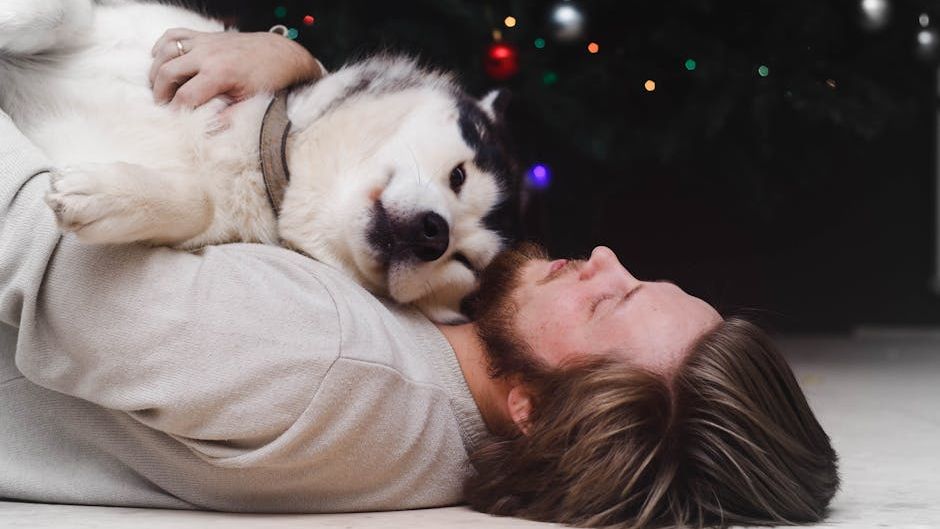
#1: They Follow You From Room to Room Without Exception
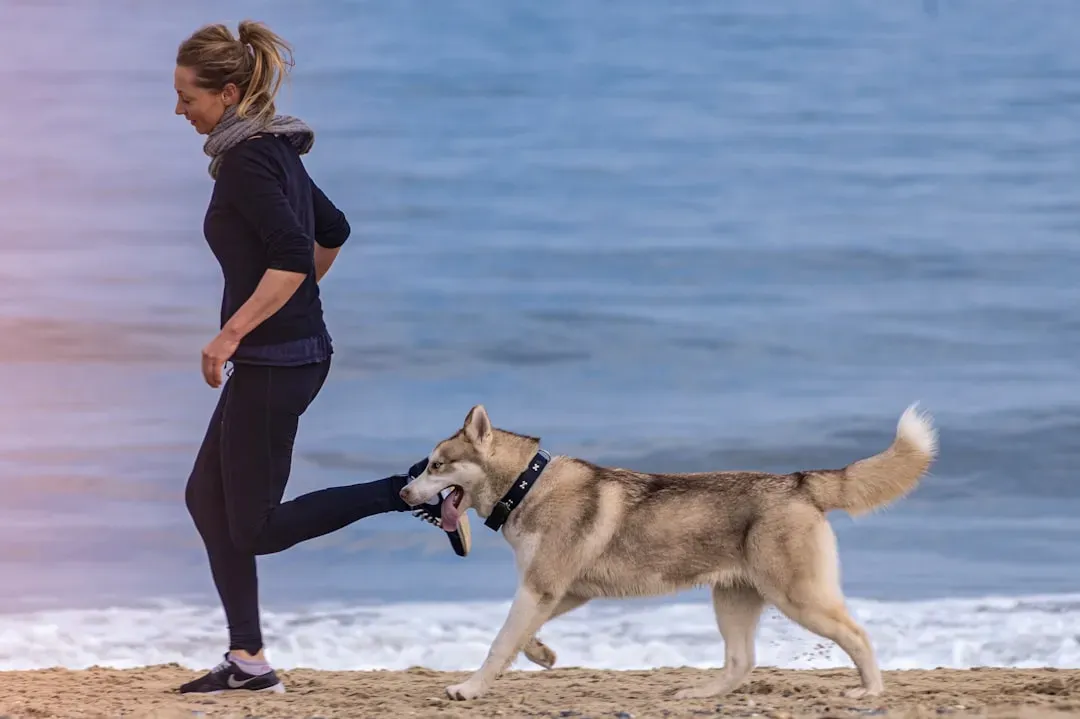
If your dog follows you from room to room, it’s one of the clearest signs of attachment. This behavior, often called “velcro dogging,” reflects your dog’s desire to be near you at all times. It goes well beyond simple curiosity or boredom. They want proximity the way we sometimes want background noise in an empty apartment.
An emotionally attached dog will follow their human around the house from the moment they wake up, making sure that they are always within sight. This shadowing can include bathroom breaks, trips to the laundry room, and even standing outside the shower door. It might seem amusing or occasionally inconvenient, but what your dog is actually doing is keeping tabs on the most important thing in their world: you.
#2: Their Whole Body Celebrates When You Come Home
One of the most obvious signs of attachment is the enthusiastic, full-body greeting you receive whenever you return home. The jumping, spinning, whining, and barely contained joy that erupts the moment you walk in is hard to miss. Other people might get a casual sniff or polite tail wag. You get the full production.
Their entire emotional world revolves around that individual’s presence. The intensity isn’t just affection; it’s relief and reassurance that their person has returned. Think about that for a second. Your dog wasn’t just waiting. They were holding their breath, emotionally speaking, until you walked back through the door.
#3: They Stare at You With Soft, Deliberate Eyes
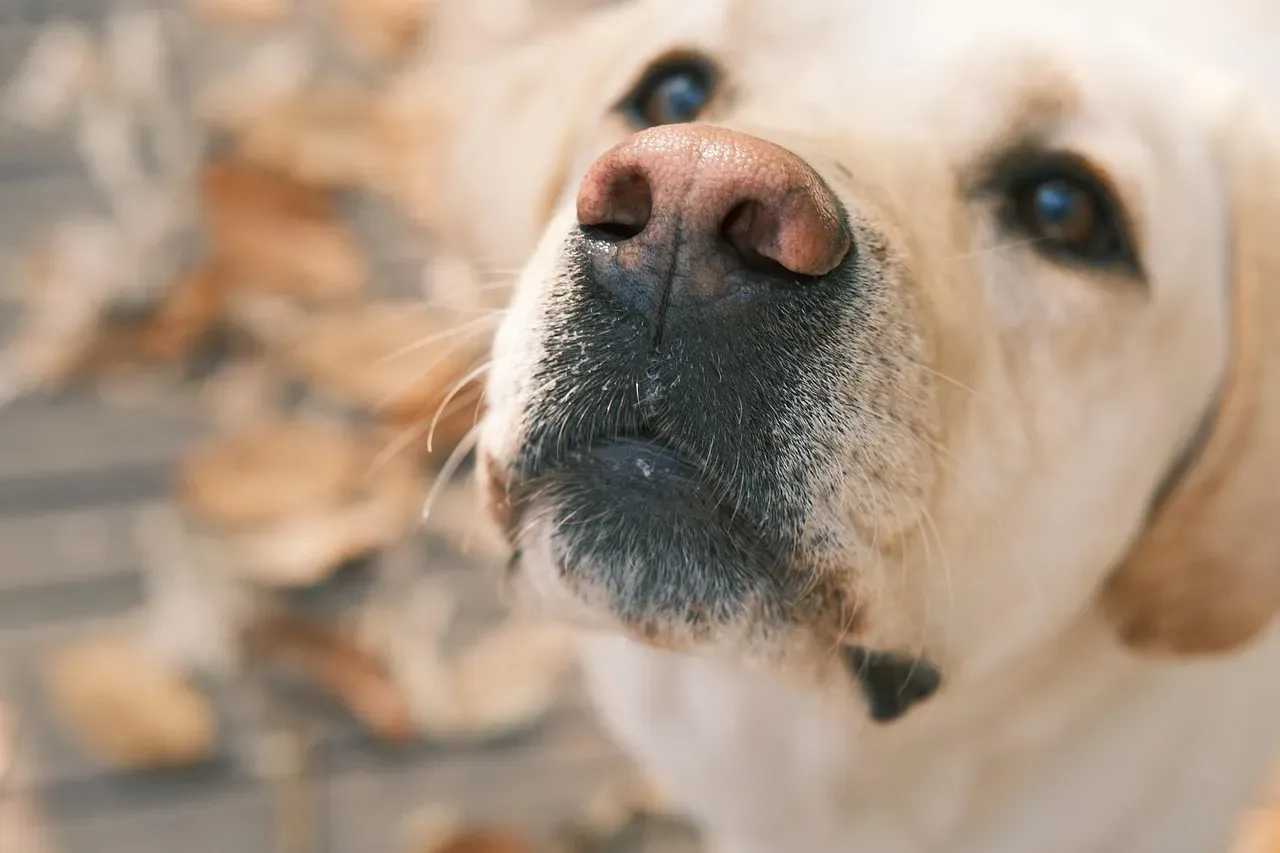
In dog language, direct eye contact with a soft gaze is a sign of trust and affection. It’s how they bond with you emotionally, the same way human babies do with their caregivers. When your dog looks into your eyes, it’s more than a glance – it’s connection. The quality of that gaze matters as much as the act itself. Relaxed, unhurried eye contact is something dogs reserve for those they genuinely trust.
According to Japanese researchers, dogs who gaze at their owners show elevated levels of oxytocin, commonly called the love hormone, and the owners experience raised oxytocin levels as well. Gazing at each other starts a feedback cycle of love and attachment. So when your dog holds your gaze a little longer than feels necessary, they’re not just being sweet. You’re both, quite literally, chemically deepening your bond.
#4: They Sleep as Close to You as Physically Possible
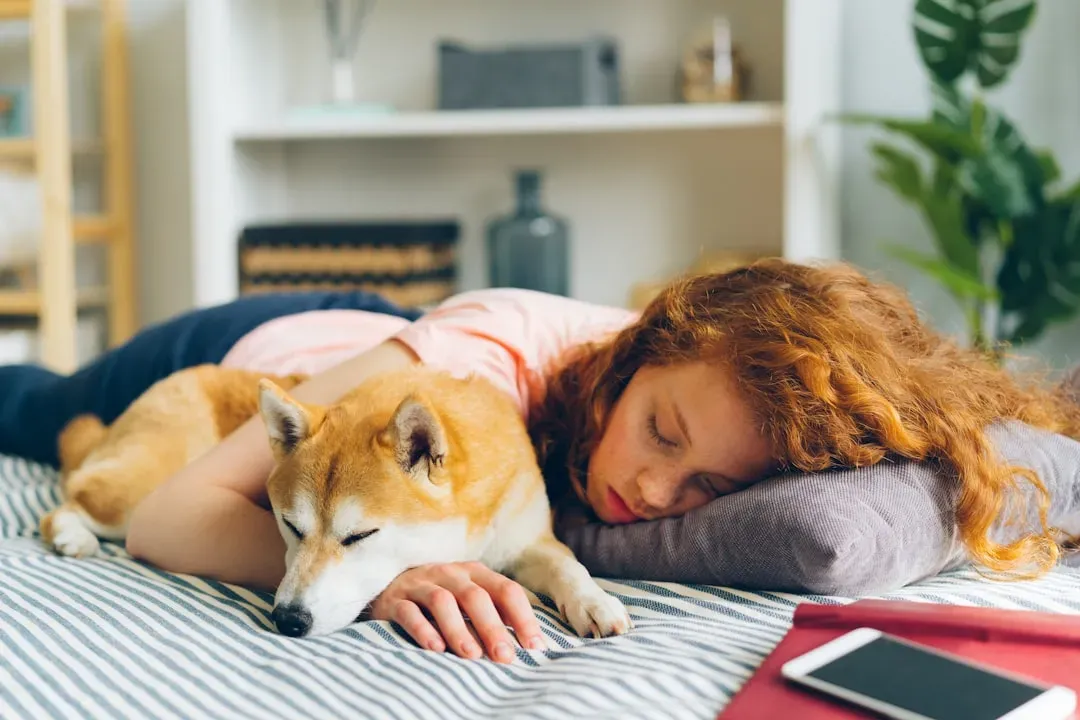
Sleep is a vulnerable state for dogs. Choosing to sleep close to you is a powerful sign of trust and emotional attachment. In the wild, an animal that sleeps near another is making a significant statement about who they feel genuinely safe with. Your dog hasn’t forgotten that instinct. They’ve just directed it entirely at you.
Dogs are most vulnerable when they sleep, so their choice of sleeping close to you means they trust you deeply. It’s a sign of safety, belonging, and emotional warmth. Whether at your feet or snuggled by your side, they’re saying, “I feel safe here.” There’s a quiet kind of honor in that, if you let yourself think about it.
#5: They Sense Your Mood Before You’ve Said a Word
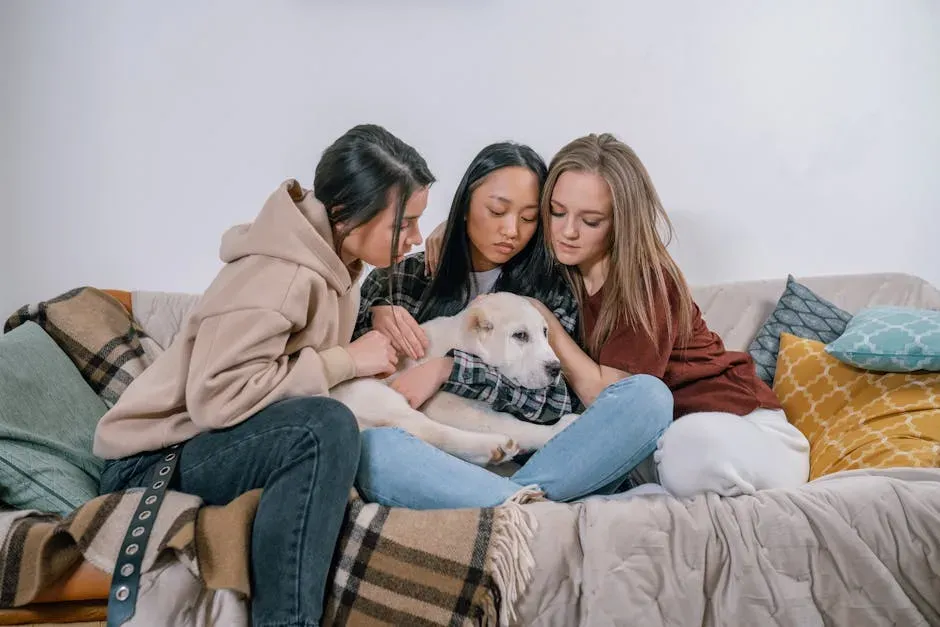
Emotionally attached dogs are highly intuitive and can often sense when you’re feeling joyous, stressed, or upset. They may respond by staying closer to you or trying to comfort you. This ability to empathize with your emotions demonstrates a deep bond and understanding. You don’t need to explain your bad day. They already know.
Dogs are emotional mirrors. If you’re sad, they may become quieter or seek to comfort you. If you’re happy, they get the zoomies. They read your emotional state and respond in kind – it’s empathy in fur-covered form. Research has also confirmed that dogs can recognize human emotions on faces. When pictures of happy and sad human faces were placed before dogs alongside matching or mismatched vocal tones, the dogs consistently looked at the face that matched the emotional tone of the voice. They’re paying attention. All the time.
#6: They Bring You Their Most Prized Possessions
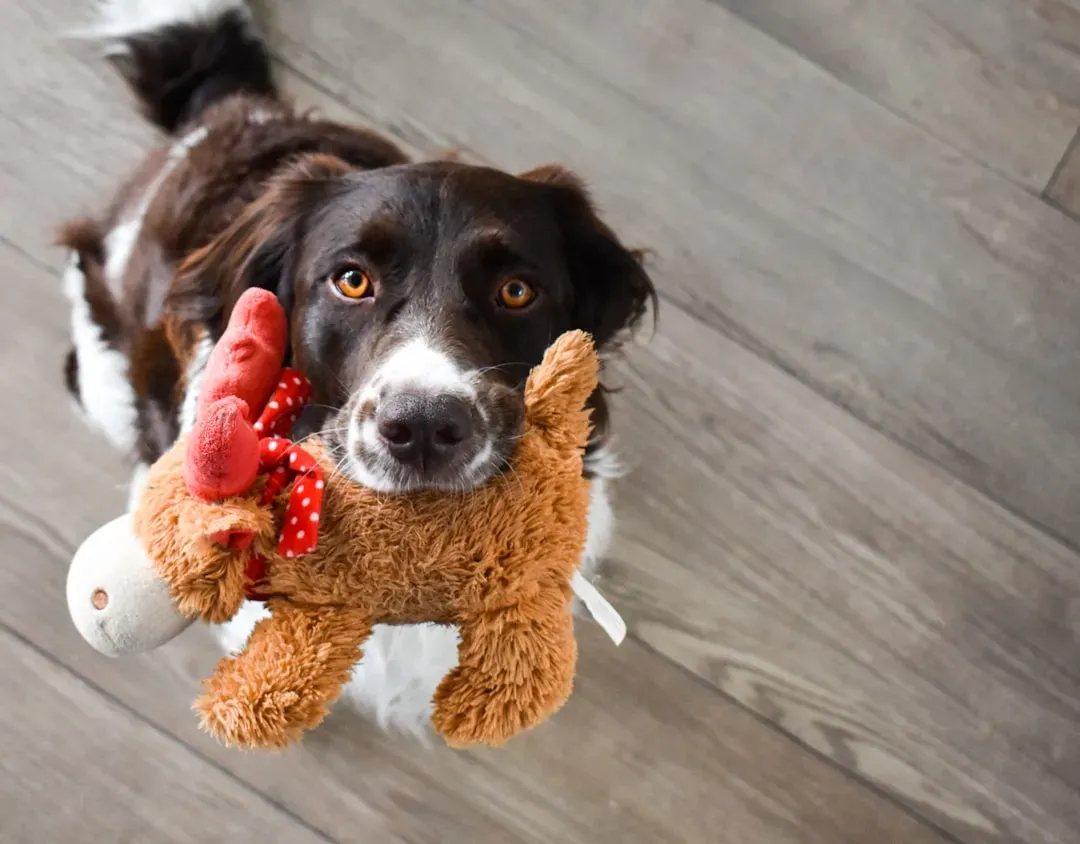
Some dogs express their attachment by bringing you toys or other items as gifts throughout the day. This behavior is similar to how a mother dog might bring food to her puppies. If your dog regularly delivers toys, socks, or random treasures to one person’s lap, it’s a display of affection rooted in deep emotional attachment. It’s their version of a love letter, delivered in the form of a slightly chewed tennis ball.
Coming to you with their prized possessions is a sign of trust. Your dog sees you as a leader, willing to share what they most treasure. It can also be an invitation to play, showing they enjoy and value your companionship. Either way, when your dog drops something precious in your lap, they’re inviting you deeper into their world.
#7: They Lean Their Body Weight Against You
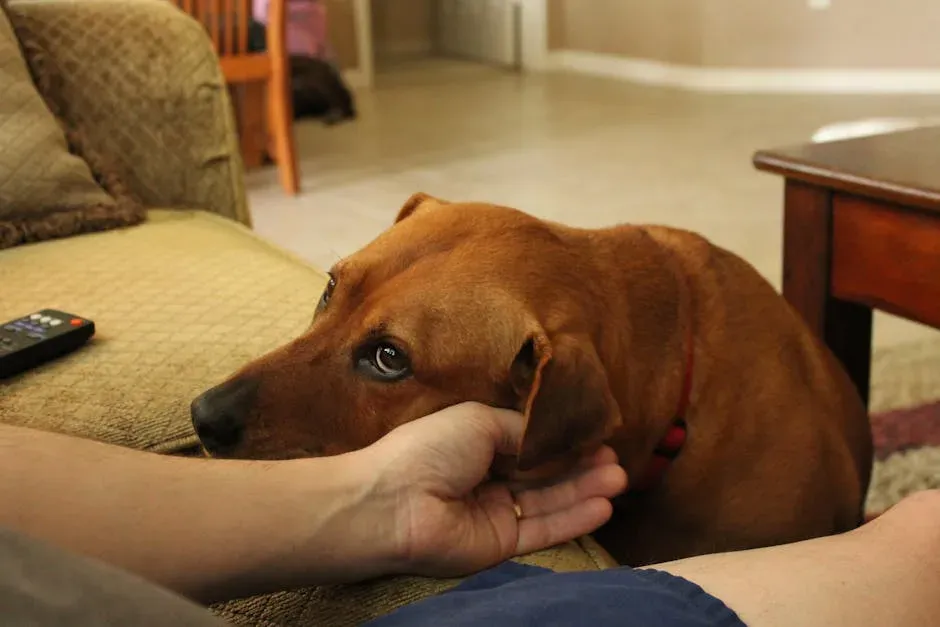
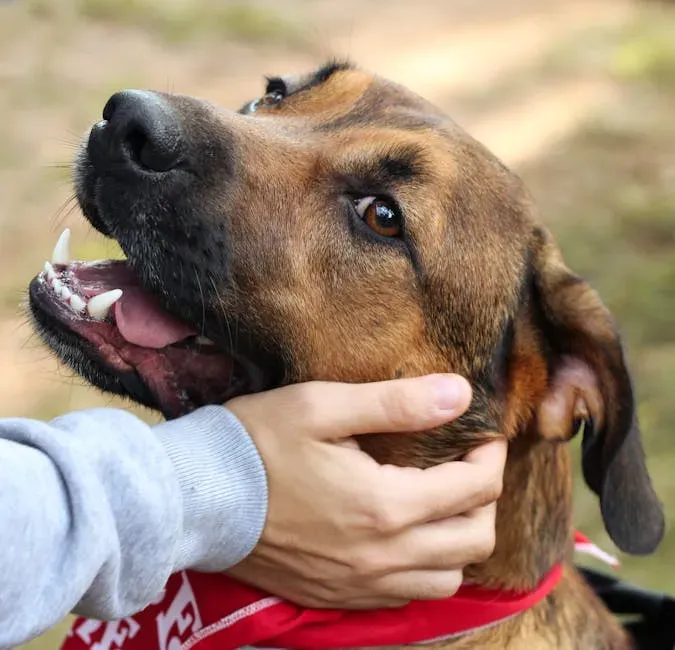
If your dog leans their body weight against you or rests their head on your lap, it’s a sign of trust and attachment. They only do this with people they feel comfortable and secure around. It’s a deceptively small gesture that carries real emotional weight. Dogs don’t lean on strangers. They lean on people who have earned a permanent place in their sense of safety.
From laying their head on your lap to leaning against your side, dogs who crave physical closeness are showing emotional closeness too. It’s their way of saying, “You’re my safe place.” Touch becomes their silent reassurance that love is present and near. Physical contact, for a deeply attached dog, is less about comfort and more about confirmation. You’re still here. Everything is fine.
#8: They Show Distress When You Leave
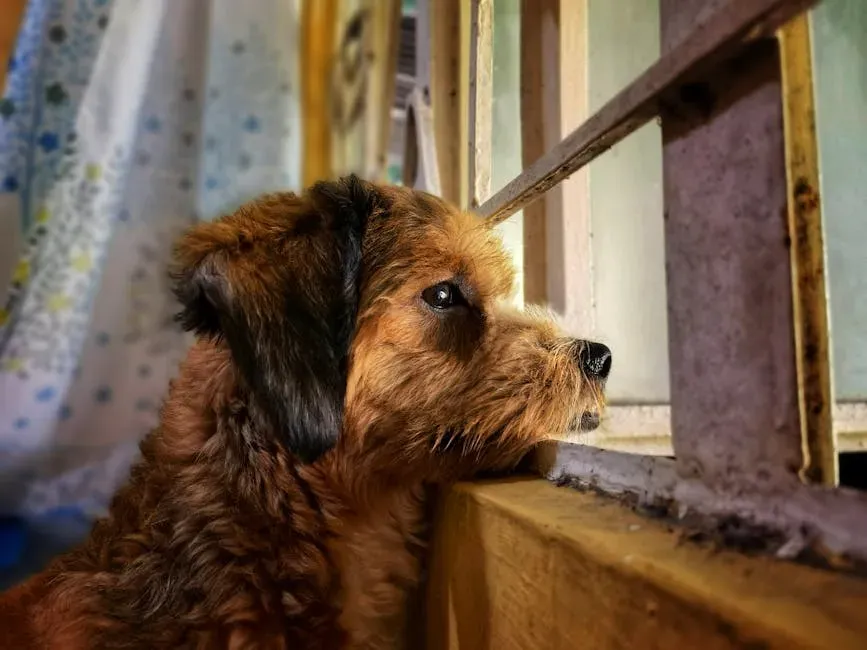
Dogs that are emotionally attached or rely on their owners for support often show signs of distress when separated. This can include barking, whining, howling, or pacing. It would be easy to label this as bad behavior, but that framing misses the point entirely. What you’re witnessing is a dog who genuinely doesn’t know what to do with the world when their anchor is gone.
While mild separation anxiety can be a normal aspect of attachment, excessive anxiety indicates a strong dependence. Signs include whining or barking when you leave, waiting by the door or window for your return, and even ignoring food or play until you come back. When a dog skips meals waiting for you, that’s not drama. That’s devotion in its most unfiltered form. It’s worth addressing gently, but it’s also worth recognizing for what it is.
#9: They Monitor Your Every Movement, Even From Across the Room
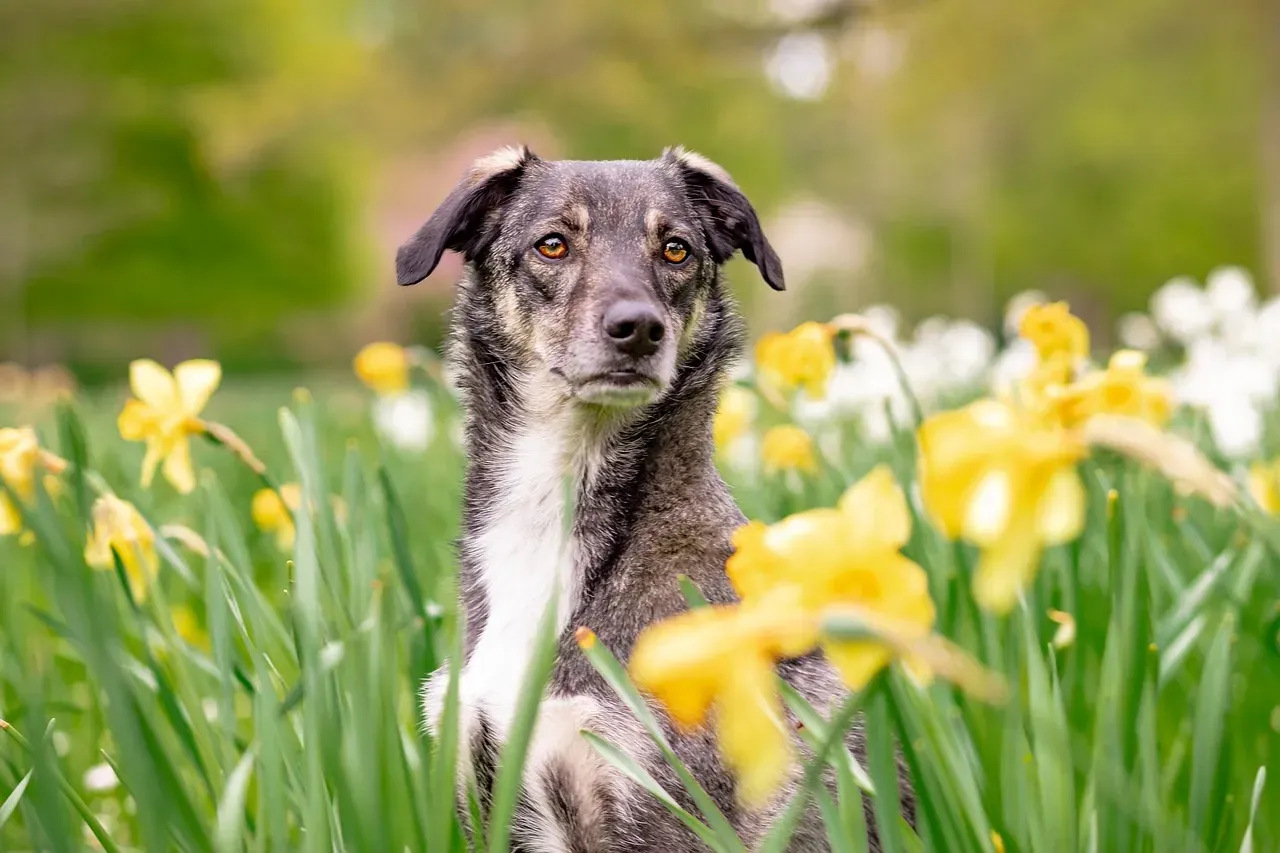
Dogs that are emotionally reliant on their owners will often monitor your location and track your movements throughout the day. They may follow you from room to room or shadow you around the house. Interestingly, this tracking behavior isn’t always physical. Sometimes they don’t move a muscle. They just watch.
Even when not physically glued to you, emotionally bonded dogs often monitor you. This behavior signals emotional awareness. Your dog is keeping track of their most important person. It’s not clinginess – it’s connection. There’s a real difference between a dog who needs to be on top of you and a dog who simply needs to know where you are. Both are signs of attachment. The quiet observer might actually be the deeper communicator.
#10: They Check In With You During Uncertain Situations
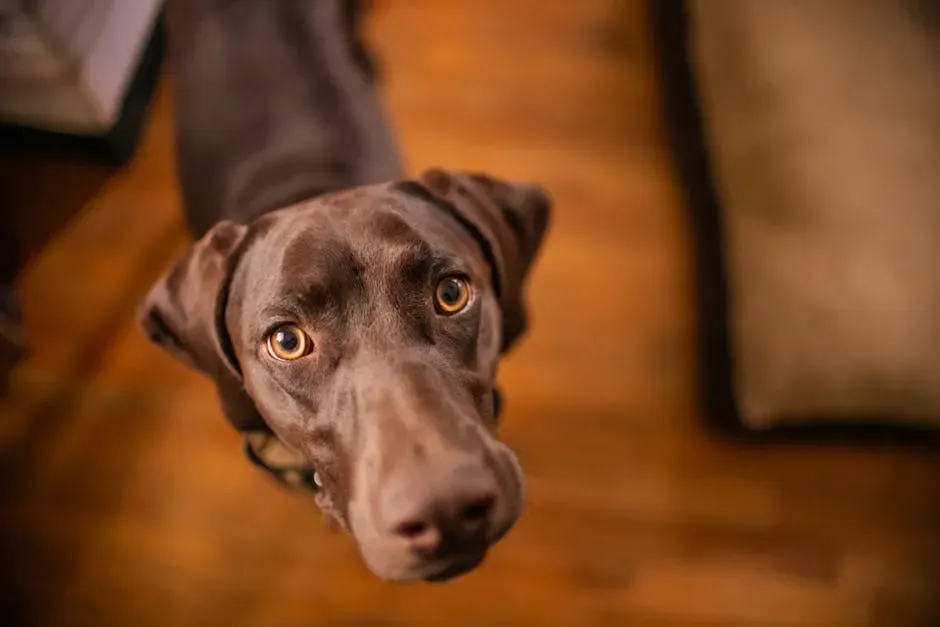
Attached dogs often check your reactions in uncertain situations. You become their emotional compass. Watch your dog the next time something unfamiliar happens, a loud noise, a new person, an unusual smell. Before they react, there’s a very good chance they look at you first. That glance is everything.
When frightened, anxious, or uncomfortable, emotionally attached dogs instinctively turn to their human. Dogs seek safety where they feel most secure, and for attached dogs, that safe place is you. The fact that your dog looks to you before forming their own reaction is a remarkable sign of trust. They haven’t just made you their comfort source. They’ve made you their interpreter of the world.
#11: They Respond to Your Voice With Immediate Alertness
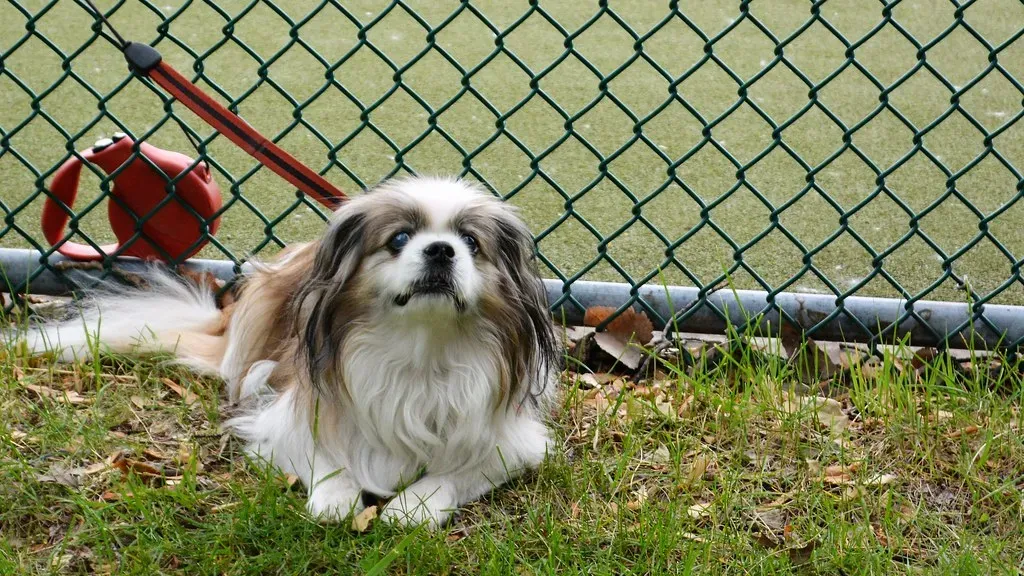
Dogs can sense emotions through tone of voice. If your dog responds with excitement, wagging their tail and becoming more alert when they hear you, it indicates they are emotionally connected to you. Your voice is a source of comfort and security for them. It doesn’t even matter what you’re saying. The sound of you talking to someone in the other room is enough to make them lift their head.
Their ears perk when you talk, not just because they know their name, but because your voice matters to them. Tone, rhythm, even laughter – it’s all part of the bond. You’re not just background noise, you’re the main soundtrack. Research has also found a similarity between the part of a dog’s brain that lights up when they hear their owner’s voice and the same area in human brains that activates around someone we love. Your voice, to your dog, is the sound of home.
#12: They Curl Up With Your Belongings When You’re Gone
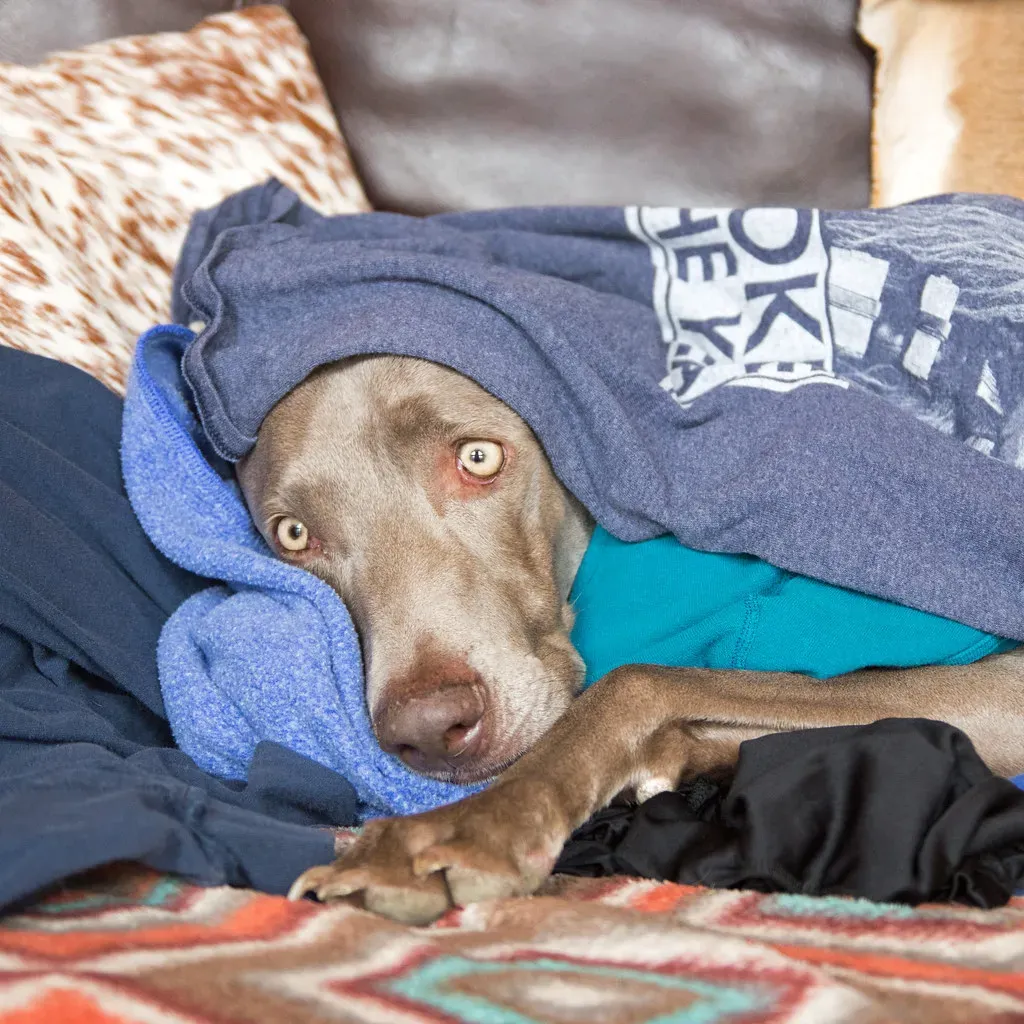
Dogs who are attached to their owners are also very attached to their scent, and may snuggle up with their belongings, particularly extra-stinky ones like clothing and shoes. From a dog’s perspective, scent is one of their primary means of communication, and your belongings communicate home, attachment, and love. It’s their version of holding onto something familiar when the person they love isn’t there.
Research has shown that the canine brain lights up differently when a dog sniffs its owner. Scientists trained dogs to sit still in an fMRI machine to monitor the caudate nucleus, which helps coordinate the brain’s reward system. When the dogs sniffed their owner’s scent, the caudate nucleus lit up. So when you come home to find your dog buried in your laundry, they weren’t being mischievous. They were self-medicating with the closest thing they had to you.
#13: They Position Themselves Between You and Perceived Threats
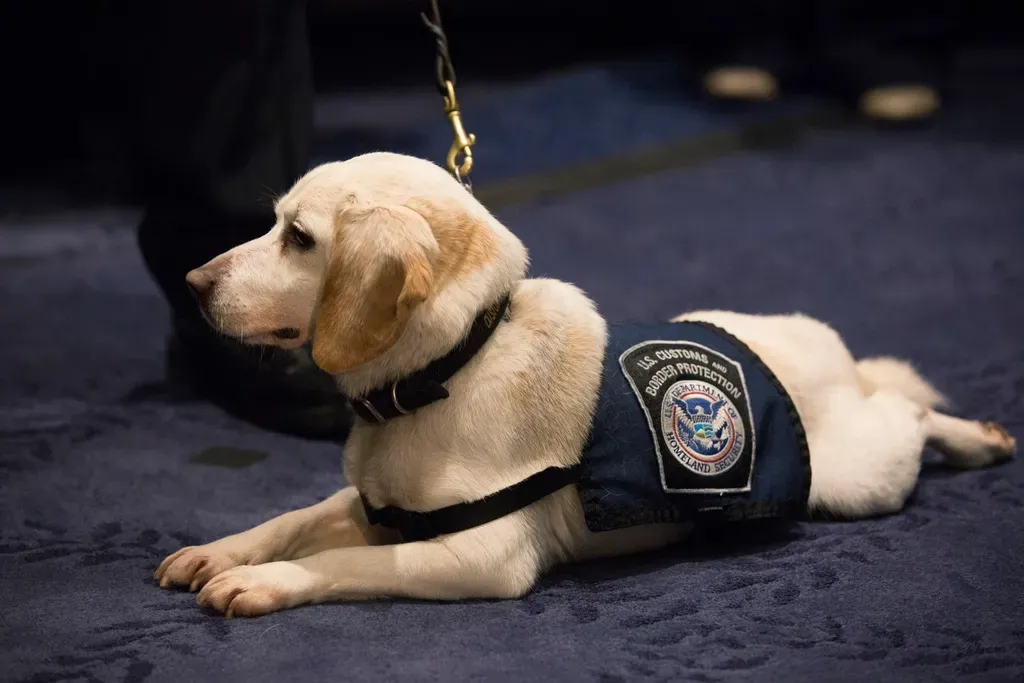
When dogs feel a strong bond with their human companions, they may display guarding behaviors. This could include positioning themselves between you and potential threats or getting defensive when strangers approach. This protective behavior stems from their loyalty and attachment to you. It’s not always dramatic. Sometimes it’s just a subtle shift in posture, a quiet placement of their body between yours and someone they haven’t decided to trust yet.
They don’t need to bark or growl to show loyalty. Sometimes it’s just a quiet stance between you and a stranger, or the way they stay alert when someone new enters your space. Protection isn’t always loud – it’s presence. When your dog plants themselves beside you without being called, they’re not following instinct blindly. They’re following their emotional world, which begins and ends with you.
#14: They Can’t Fully Relax Unless You’re Nearby
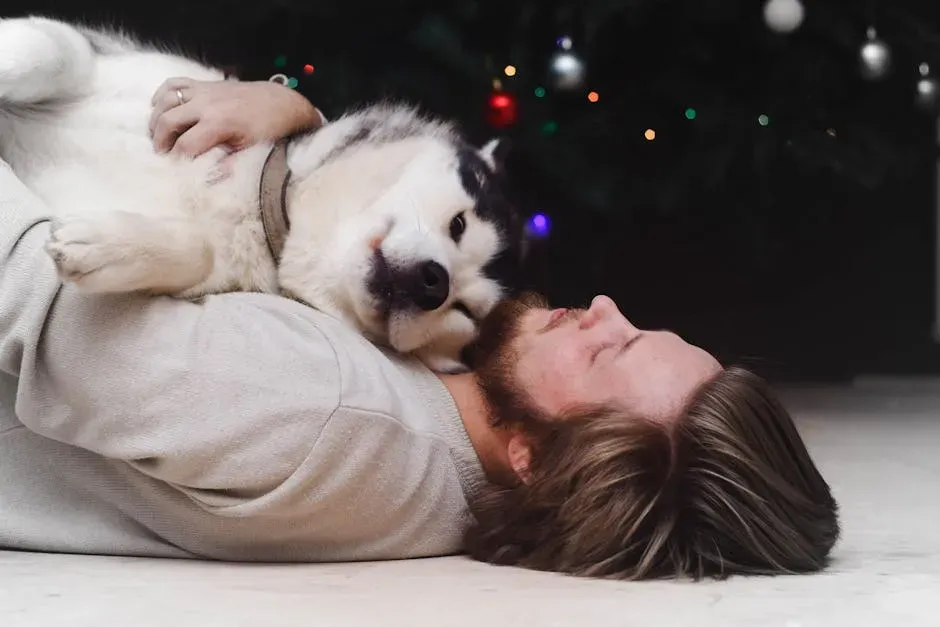
Dogs that are emotionally attached to their owners often struggle to calm down when you’re not nearby. Conversely, they relax only when touching you or lying beside you. Watch a deeply attached dog move through a day. They might nap on and off. They might pace a little. The moment you sit down and they can press against your leg, something visibly releases in them.
Close emotional bond with the owner appeared to decrease the arousal of dogs. A study from the University of Jyväskylä found that dogs and their owners share synchronized heart rate variability, reflecting a deep emotional connection. The clearest connection was observed during relaxed, free-form resting, suggesting that owners and dogs naturally respond to each other’s states, underscoring an emotional synchrony that deepens their bond. You aren’t just calming your dog by being near them. You are, quite literally, regulating each other.
What It All Means
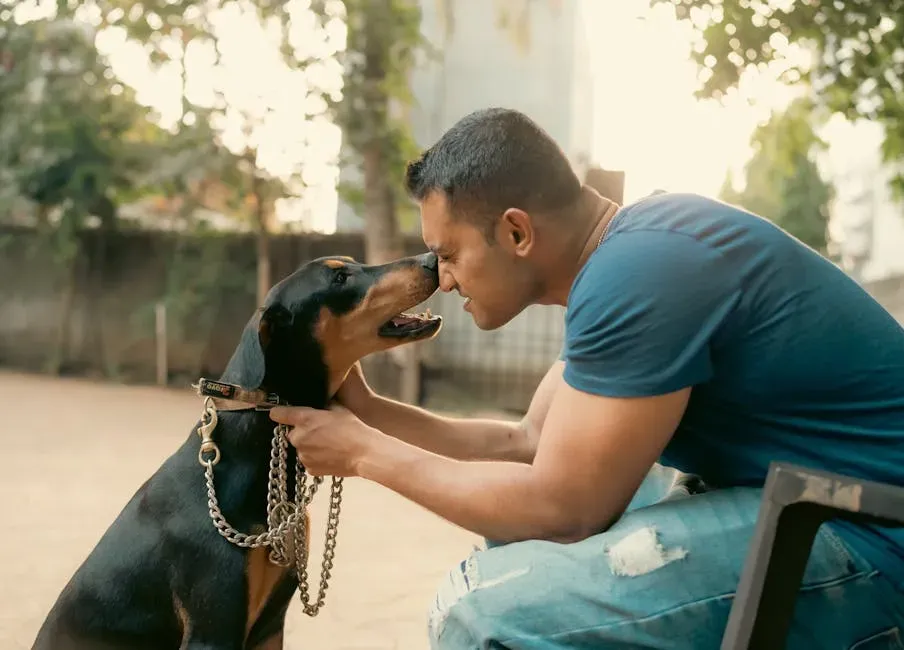
Let’s be honest: there’s something genuinely moving about the idea that another living creature has organized their emotional life around yours. Not because you demanded it, not because you trained it into them, but because somewhere along the way you became the thing that makes the world feel manageable to them.
Research has revealed that the human-dog bond functions as a stable emotional anchor, promoting non-judgmental connection and emotional security. People with strongly bonded dogs report experiencing greater emotional expression and improved psychological balance. That’s a two-way street. They’ve made you their emotional world, and quietly, steadily, they’ve become a significant part of yours too.
The signs in this article aren’t meant to make you anxious about whether your dog is too dependent. Most of them describe a bond that is healthy, reciprocal, and genuinely beautiful. What they should do is help you see your dog a little more clearly. That shadow at your heel, that gaze from across the room, that warm weight pressed against your leg at the end of a long day – none of it is accidental. They chose you. Every single day, they keep choosing you. The least we can do is notice.


