
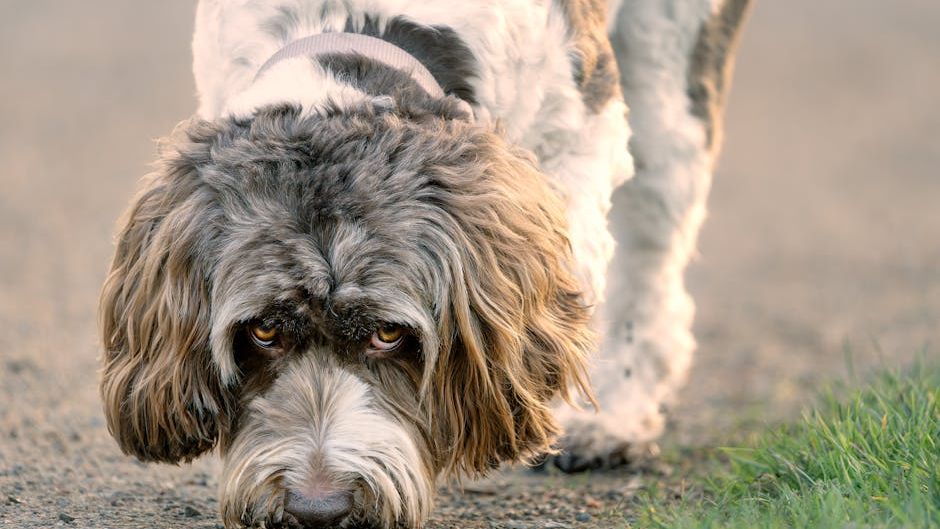
Dogs are, in many ways, experts at keeping their feelings to themselves. They’ll greet you at the door with a wagging tail even when something isn’t quite right. They’ll curl up beside you on the couch, looking perfectly content, while quietly masking discomfort, anxiety, or low-level stress that’s been building for days.
In the wild, showing fear or weakness could make an animal a target, and even after thousands of years of domestication, this instinct remains. Dogs tend to mask their discomfort through subtle cues, which can make it difficult for owners to recognize when something is wrong. The problem is, most of us interpret these quiet signals as personality quirks, tiredness, or just “having an off day.” What follows are 14 small but meaningful signs that your dog might be trying not to worry you – and what to do when you spot them.
#1. They Yawn Repeatedly When They’re Not Tired
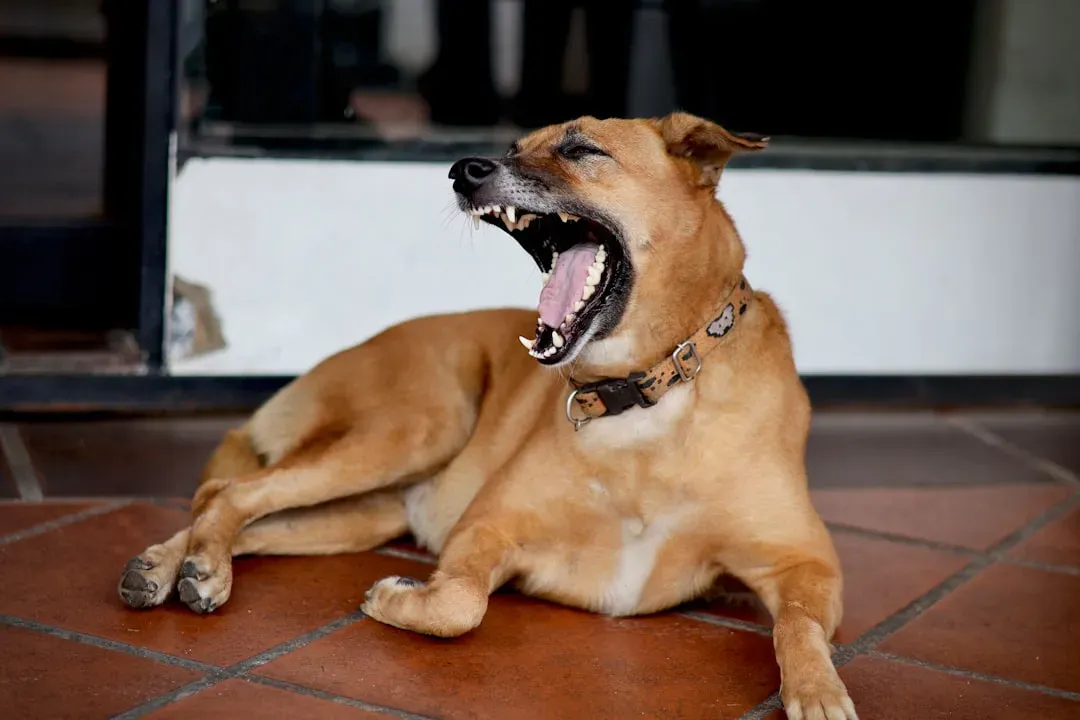
A yawn from your dog right before bedtime seems perfectly normal. A yawn during a car ride, a visit to the vet, or when strangers come over is a very different story. Yawning is one of the behaviors owners are least likely to recognize as a stress or pain signal – it overlaps significantly with other calming behaviors in dogs, which often leads to owner confusion.
Frequent yawning when a dog is not tired is a subtle but important sign, often paired with lip-licking and avoiding eye contact, that something is unsettling them. When you notice this pattern in a context that doesn’t call for sleepiness, pause and take stock of the environment. Your dog isn’t bored. They’re communicating something they can’t put into words.
#2. They Lick Their Lips for No Obvious Reason
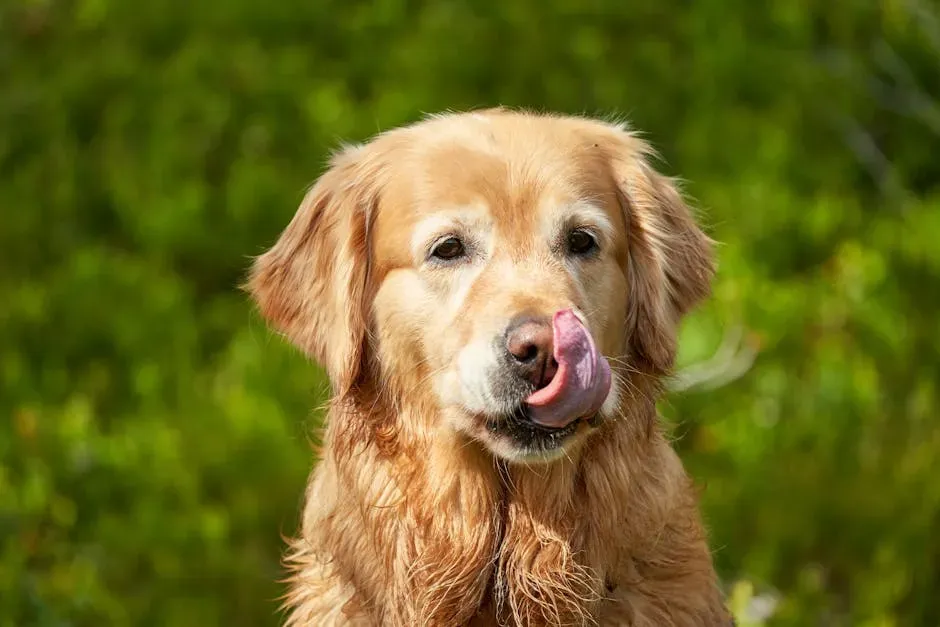
To differentiate stress signs from normal behavior, you must be familiar with your dog’s regular demeanor and pay attention to context. That way, you can tell if they are licking their lips because they are anxious or because they want a treat. Lip-licking that happens in the absence of food is one of the most commonly overlooked appeasement signals dogs use.
Dogs often rely on low-level appeasement and displacement behaviors, like looking away, lip-licking, and making slow movements, to avoid conflict while still coping with stress. It’s a polite, almost invisible way of saying “I’m uncomfortable here.” If you see it consistently in certain situations, your dog is likely trying to self-soothe rather than cause any fuss for you.
#3. They Look Away or Avoid Eye Contact
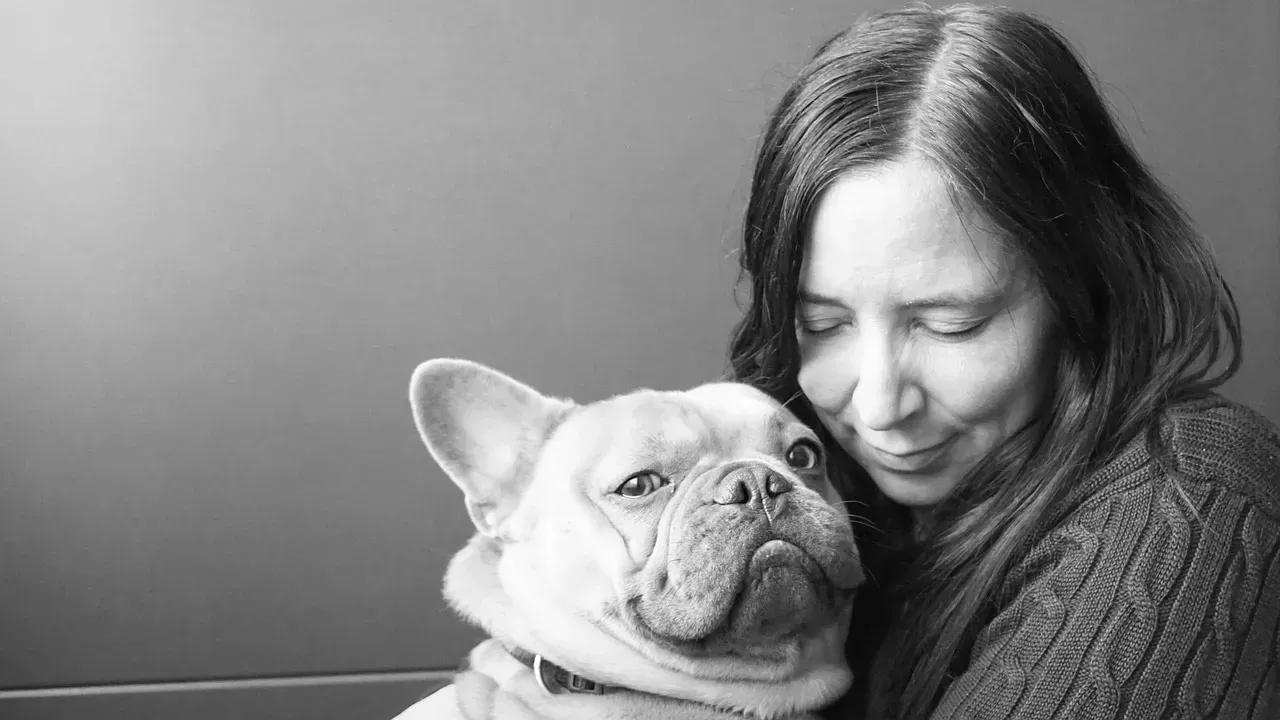
Avoidance behaviors can be subtle. Your dog may look away from what is making them nervous or avoid making eye contact with you when they’re anxious. This can be easily mistaken for aloofness or independence, when in reality your dog is doing everything they can to signal that they’re struggling with a situation.
More nuanced indicators, such as yawning, nose licking, or air sniffing, are consistently rated as unlikely to be associated with pain or stress by owners. Even more striking, behaviors like “turning away” or “freezing” were less often interpreted as pain by dog owners than by non-owners. The dogs doing this aren’t indifferent. They’re being gentle about it – choosing quiet deflection over outright distress.
#4. They Become Unusually Clingy
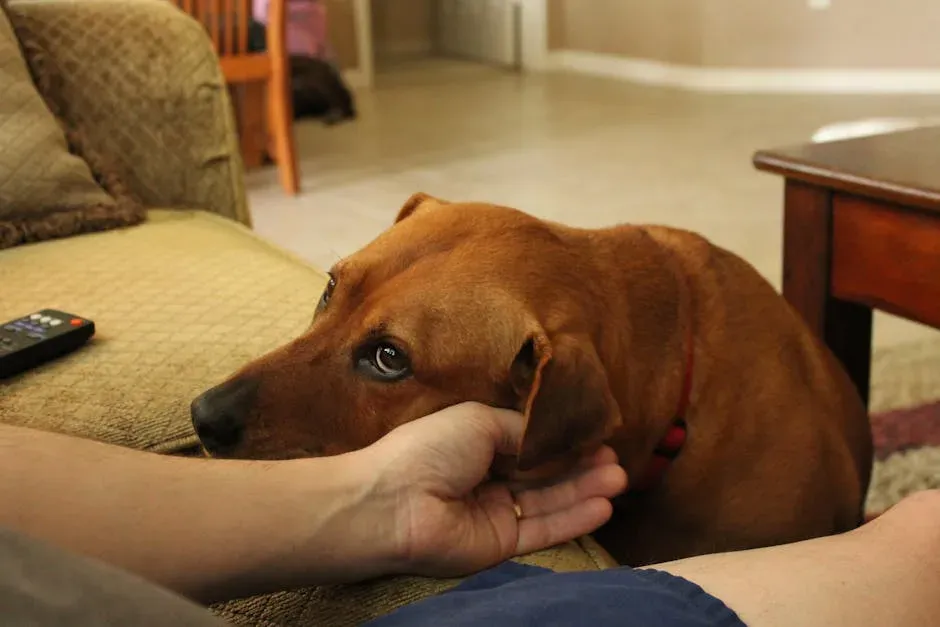
Increased clinginess and shadowing family members are recognized signs of underlying discomfort, though fewer than half of dog owners correctly identify these behaviors as likely indicators of pain or stress. It can feel flattering when your dog suddenly wants to follow you from room to room, but a sudden shift in attachment behavior deserves a closer look.
A dog that becomes clingy, restless at night, or less enthusiastic about walks may not trigger concern, yet these are precisely the patients we need to identify sooner. When your dog starts gluing themselves to your side in a way that feels new or out of character, treat it as a quiet ask for reassurance rather than just a phase. Their world might feel uncertain in ways they can’t express.
#5. They Freeze or Go Very Still

Freezing is one of those behaviors that looks calm on the surface but is actually the opposite. Soreness and stress can manifest as subtle signs such as altered blinking, momentary pauses, or freezing – all easy to miss. A dog that goes rigid or simply stops moving in a charged situation is often processing something overwhelming.
When soreness makes touch or movement harder to tolerate, avoidance, freezing, or snapping can follow. Notably, freezing and turning away were among the behaviors owners most frequently discounted. The stillness your dog offers in those moments isn’t calm confidence. It’s often a last line of restraint before something harder to manage surfaces.
#6. They Slow Down Their Movements Deliberately
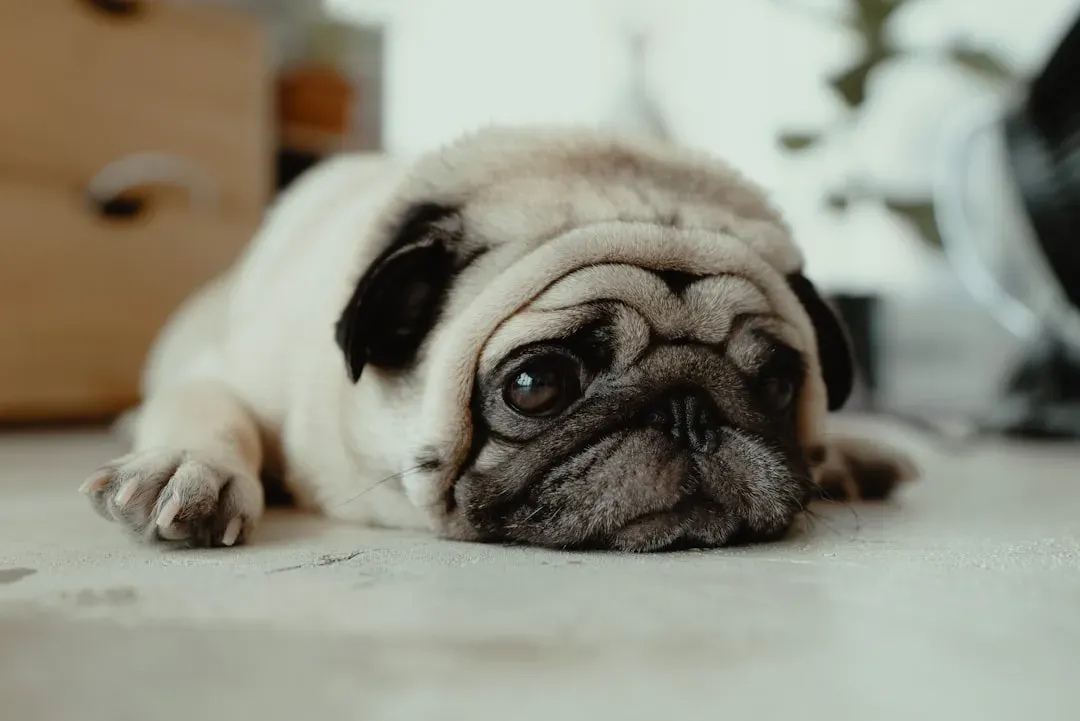
Dogs that are in pain will often become less active, not out of laziness, but to avoid making the pain worse. You might notice shorter walks, skipping playtime, or avoiding other pets or humans in the house. It’s a gradual shift, the kind that blends into everyday life so smoothly that weeks can pass before you notice anything has changed.
Dogs have spent thousands of years evolving alongside humans, but their instinct to hide weakness runs deeper than domestication. In the wild, showing pain means vulnerability to predators or loss of pack status. Your couch-dwelling golden retriever still carries these survival instincts, masking discomfort until it becomes unbearable. Slowing down is often one of the first, most honest things they’ll allow themselves to show you.
#7. They Stop Playing the Way They Used To
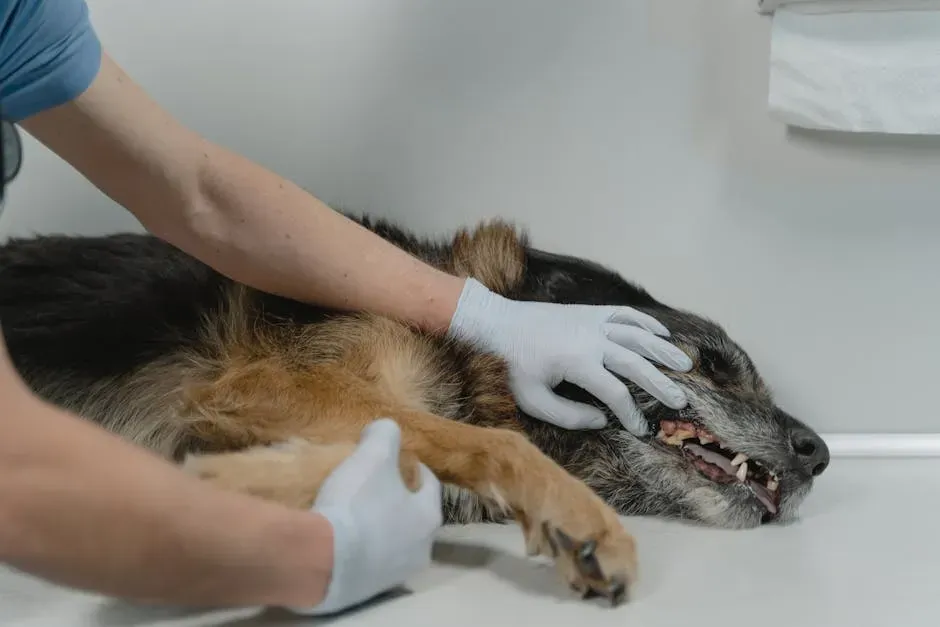
Reduced play and mood changes are among the behaviors more likely to be recognized by owners as pain-related, though in practice, many people chalk it up to their dog simply “growing out of” playfulness or becoming more mature. The truth is that a sudden or gradual disinterest in fetch, tug, or chasing is worth taking seriously.
A large review found that pain can reduce play, alter activity, raise irritability, and fuel aggression. Dogs that are anxious or uncomfortable may sleep more, and lose interest in food, training, play, and social interaction. If the dog that used to sprint to the door at the sight of a leash now just thumps their tail weakly from the mat, something has shifted in how they’re feeling.
#8. Their Sleep Patterns Change Quietly
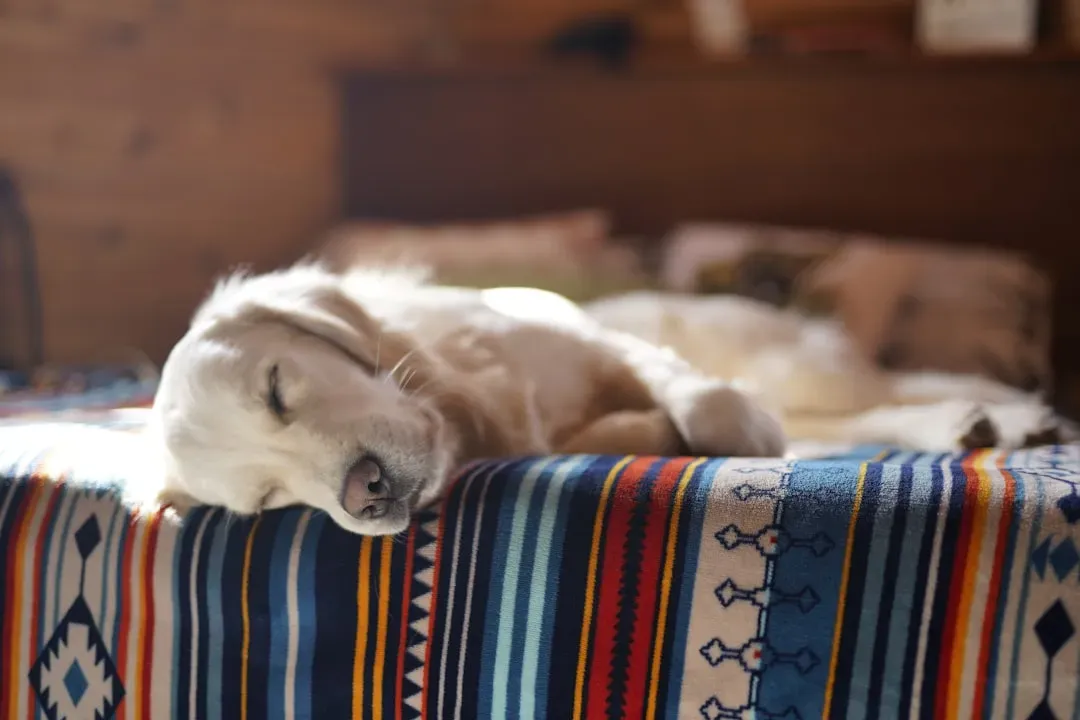
If your dog is pacing at night, changing positions frequently, or can’t seem to settle, they may be dealing with pain or discomfort that makes it hard to get comfortable. Owners who share a bedroom with their dog often notice this first, but it’s surprisingly easy to dismiss as restlessness or dreaming.
Sleep position changes can be telling. A dog who always slept curled up but suddenly prefers stretched-out positions might have abdominal discomfort. Conversely, a dog who stops lying on their side and only sleeps sitting up could have chest or breathing issues. Dogs can share some of the same stress signals as humans, including getting too much sleep. Dogs can get depressed, and sleeping more is a method of coping.
#9. They Sniff the Ground Excessively in Tense Situations
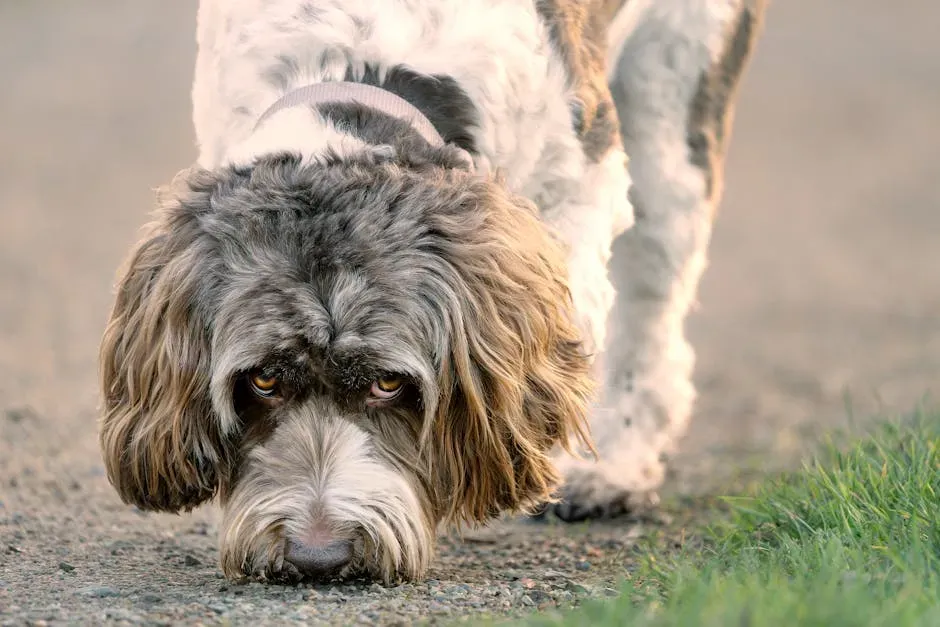
When faced with an unwelcome situation, dogs may “escape” by focusing on something else. They may sniff or dig the ground, lick their genitals, or simply turn away. Excessive ground-sniffing in social or stressful situations is what behaviorists call a displacement behavior – a way of redirecting nervous energy into something neutral and harmless.
Anxious dogs may demonstrate displacement behaviors, which are normal behaviors that occur out of context when a dog is stressed. So the next time your dog becomes intensely interested in the sidewalk during a busy encounter with strangers or other dogs, they’re not distracted. They’re managing. It’s a coping tool they’ve developed to get through situations they find overwhelming – without making a scene.
#10. Their Posture Changes Subtly
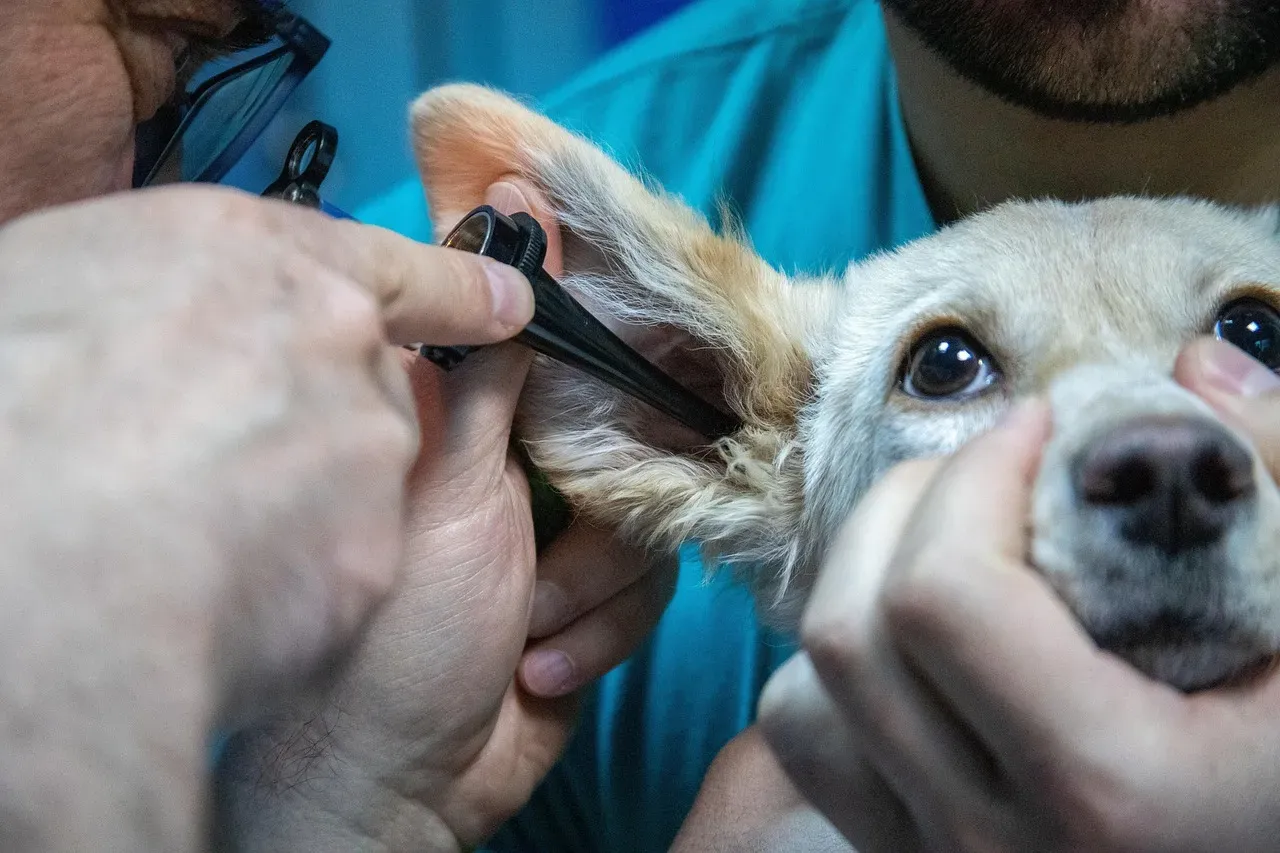
A dog’s posture can be a clue to how they’re feeling. Their muscles will change their tone in response to physical trauma as a way to protect the structures around them. A dog with hip pain might sit with a hind leg sticking out, or lower its head if it has neck pain. An arched back can be a sign of a spine injury.
The dog’s tail may be low or tucked, ears back, eyes dilated or showing lots of white around them. Their body carriage may be low and their manner hesitant or avoidant. These physical shifts are the body’s quiet attempt to protect tender spots or reduce discomfort. They’re not dramatic, which is exactly why they so often go unnoticed until the underlying issue has grown more serious.
#11. They Become Reluctant to Be Touched in Certain Spots
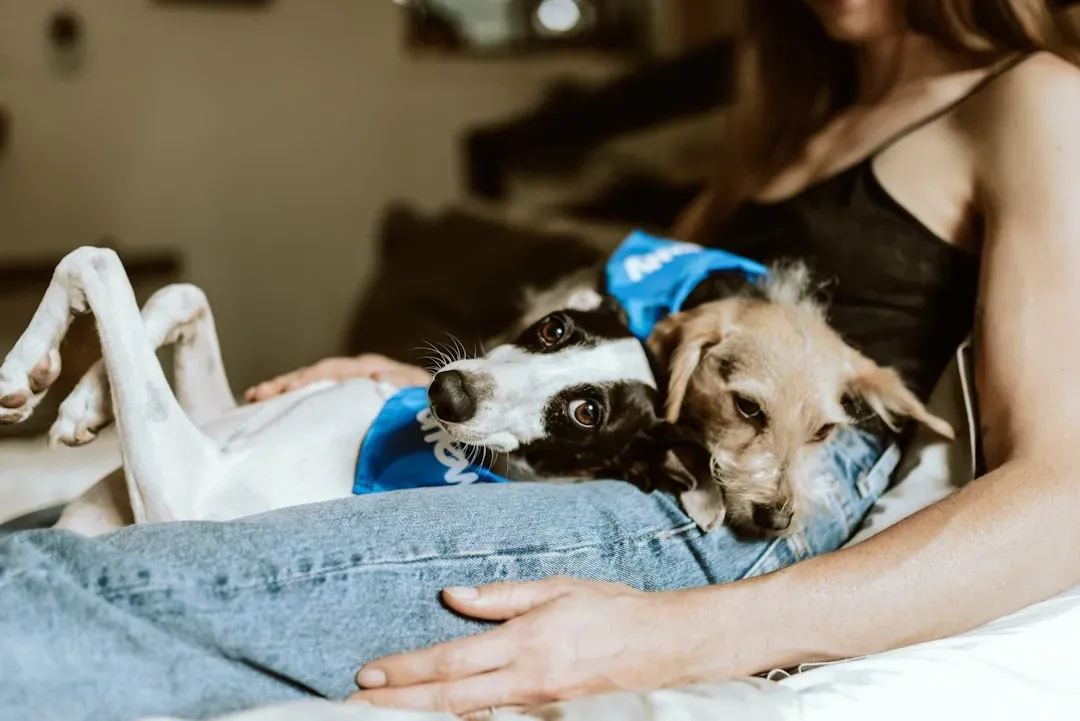
Reluctance to being touched in specific areas of a dog’s body might be a sign of discomfort that needs veterinary investigation. You might notice your dog flinching slightly when you scratch a particular spot, stepping away when you reach for their back end, or stiffening when you pick them up in the usual way.
Dogs are naturally inclined to mask discomfort. This instinct stems from survival behavior – showing vulnerability could make them a target in the wild. As a result, many dogs eat, walk, and interact normally, even while experiencing low-level pain. The small pull-away or the brief tensing of the body when you touch a sore spot might be the only honest signal they’ll give you. It’s worth listening to it.
#12. They Show a Strained or Tight “Smile”
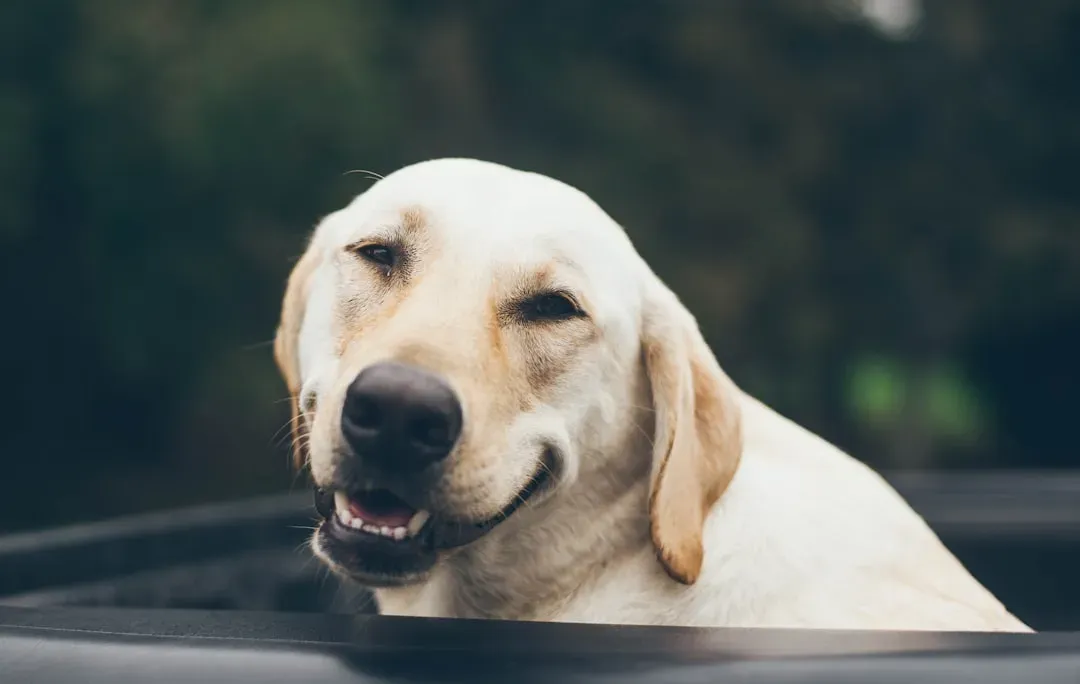
A dog might show an “appeasement grin,” also referred to as a “submissive grin” or “smile.” This is different to an aggressive display of teeth, and they may initially show this behavior when they are trying to diffuse social conflict. It can look almost endearing to the untrained eye, but it’s actually a sign that a dog is feeling pressured and is appeasing their way through it.
The teeth-baring that comes with a genuine appeasement grin is soft and non-threatening, often accompanied by squinting eyes and lowered ears. Dogs use it the way a polite person might force a smile at a party they desperately want to leave. The signs of anxiety in dogs are often subtle and can easily be misinterpreted unless the full context is understood. Context is everything here – knowing your dog’s usual expression makes the difference between missing this signal and catching it.
#13. Their Appetite Shifts Without an Obvious Reason
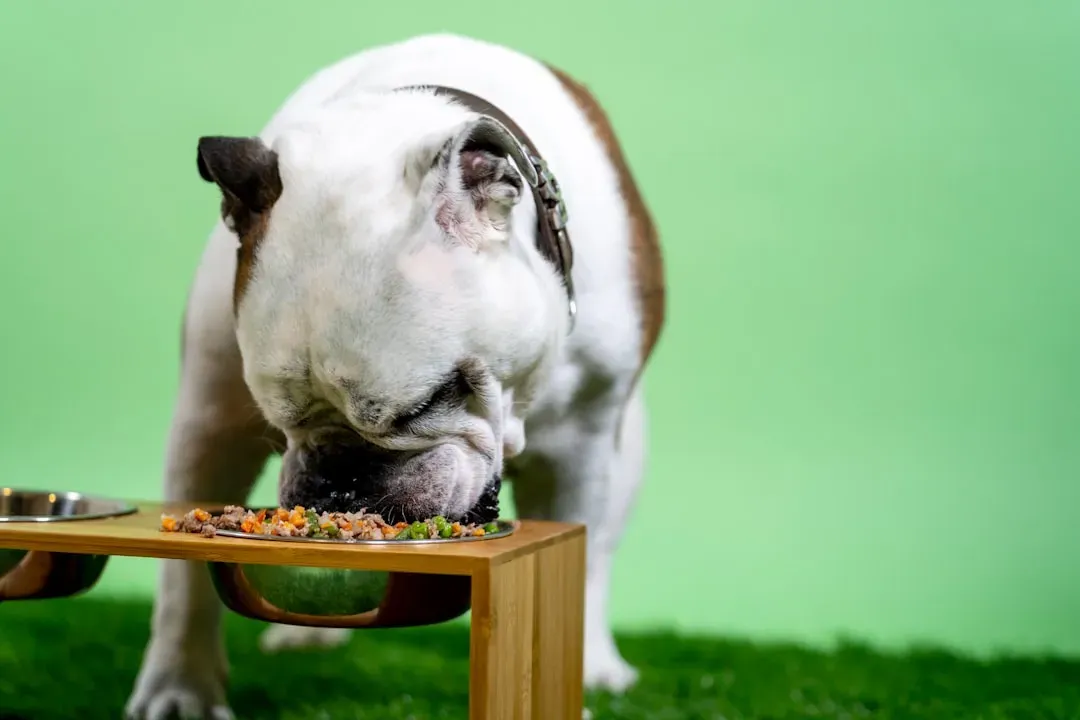
A common sign of chronic stress is reduced appetite or increased digestive problems. Dogs, even those who are overweight, will still eat regularly when they are healthy. If your dog is suddenly refusing food, it’s a sign of stress. The shift doesn’t have to be dramatic. Eating more slowly, showing less enthusiasm for their bowl, or consistently leaving a little behind can all count.
Pain can reduce a dog’s appetite, especially if it hurts to stand, move their neck, or chew. Some dogs drink less when they’re not feeling well. Keep an eye out for skipped meals, eating slower than usual, or sudden changes in weight. Dogs with dental pain often pick up kibble, then drop it. They want to eat but find chewing uncomfortable. A dog who’s quietly hurting will often go through the motions of mealtimes just to keep up appearances.
#14. They Seem “Fine” After a Stressful Event, But Aren’t Quite Themselves
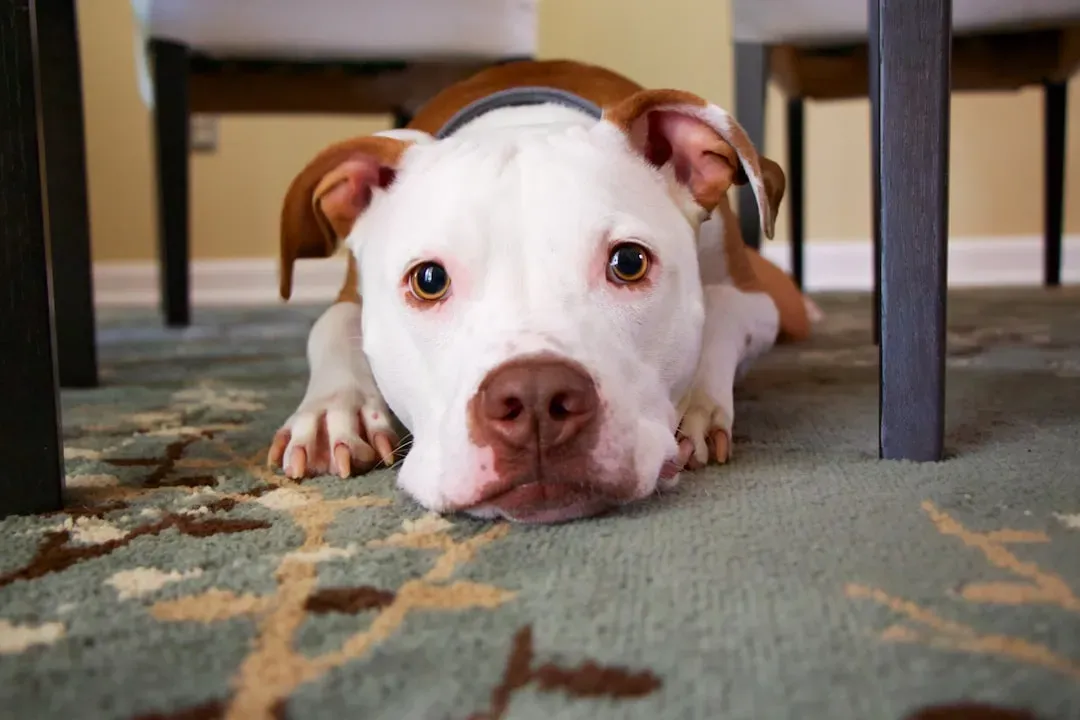
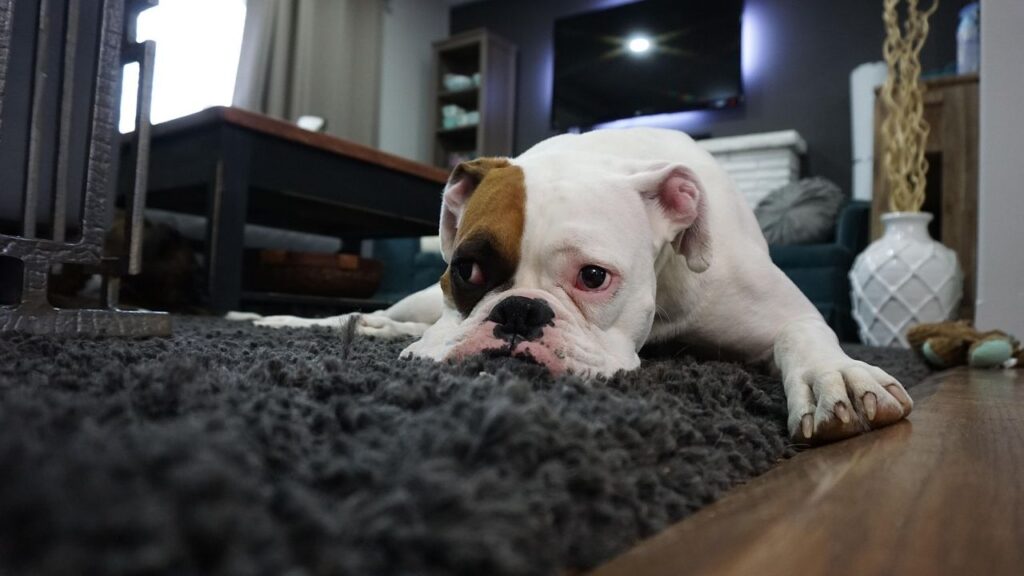
It is normal for a dog to experience some fear and anxiety when exposed to new things, as this is a natural response for survival. But when a dog takes a long time to recover after a stressful experience, or cannot recover at all, this indicates a problem. The dog who seems fine after a vet visit or a thunderstorm, but then sleeps too heavily, eats less, or stays unusually quiet for the rest of the day – that’s recovery time, not normalcy.
While some anxious dogs tremble or bark excessively, most display far subtler behaviors. Frequent yawning when they are not tired, lip-licking, avoiding eye contact, or showing the whites of their eyes are all worth noting. Others may slow down, freeze, hide, pace, or become unusually clingy. These quiet signals are often overlooked but can indicate that your dog is struggling to stay calm. Trusting your gut when your dog seems slightly “off” – even after the storm has passed – is one of the most valuable instincts you can develop as an owner.
What to Do When You Spot These Signs
The single most important thing you can do is learn your dog’s individual baseline. To differentiate stress signs from normal behavior, you must be familiar with your dog’s regular demeanor and pay attention to the context. When that baseline shifts – even slightly – take it seriously rather than waiting for something more dramatic to emerge.
Owners don’t need to diagnose problems at home, but they do need to notice when normal patterns start shifting. Watching sleep, attachment, play, walk length, posture, and willingness to move can reveal trouble before it becomes obvious. Keeping a clear timeline of changes can also help, especially when one small difference becomes several over a week.
If your dog becomes stressed often or in response to many triggers, see your veterinarian. After ensuring that your dog’s behavior does not have a physical basis, your veterinarian may refer you to a trainer or veterinary behaviorist for further assessment. Early action almost always leads to better outcomes – for both of you.
A Final Thought
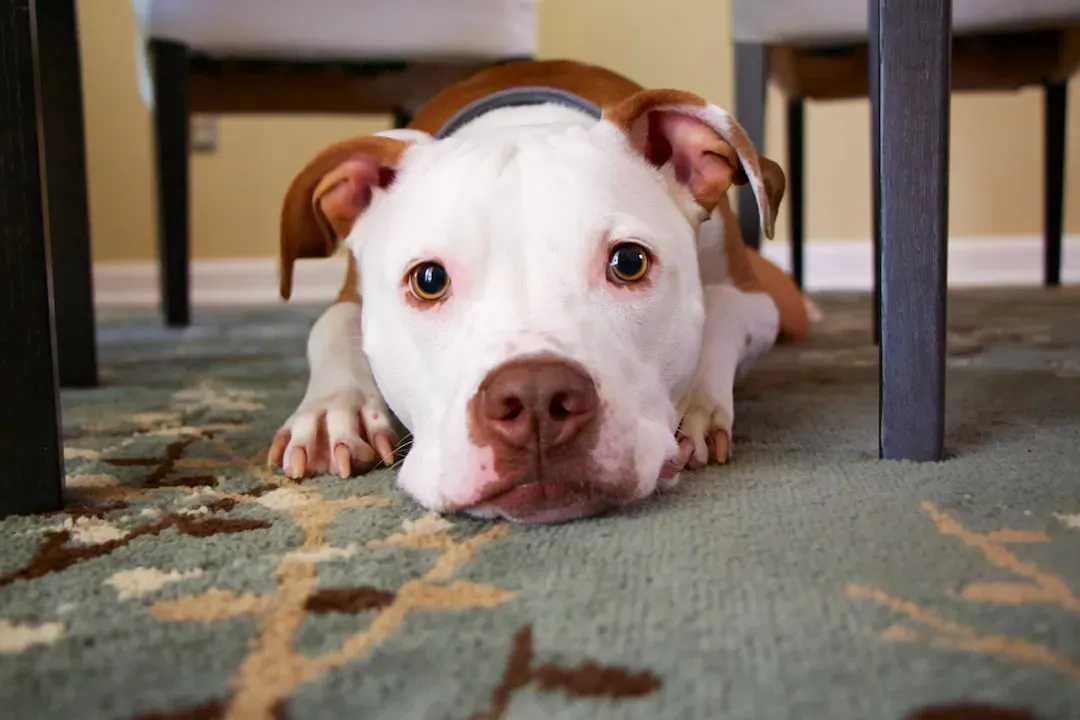
There’s something quietly profound about how hard dogs work not to be a burden. They’ve spent thousands of years reading our moods, adjusting their behavior, and doing their level best to keep the peace. Dogs may not communicate pain or distress in obvious ways, but they are always communicating. The more we learn to notice those signals, the better we can care for them – with understanding, patience, and timely support.
The signs in this article aren’t dramatic. That’s precisely the point. Paying attention to the small things – the half-yawn in the car, the barely perceptible lean away from your touch, the tail that wags just a little less – is one of the deepest forms of care you can offer a dog who trusts you completely and, out of that same trust, tries not to make a fuss.


