
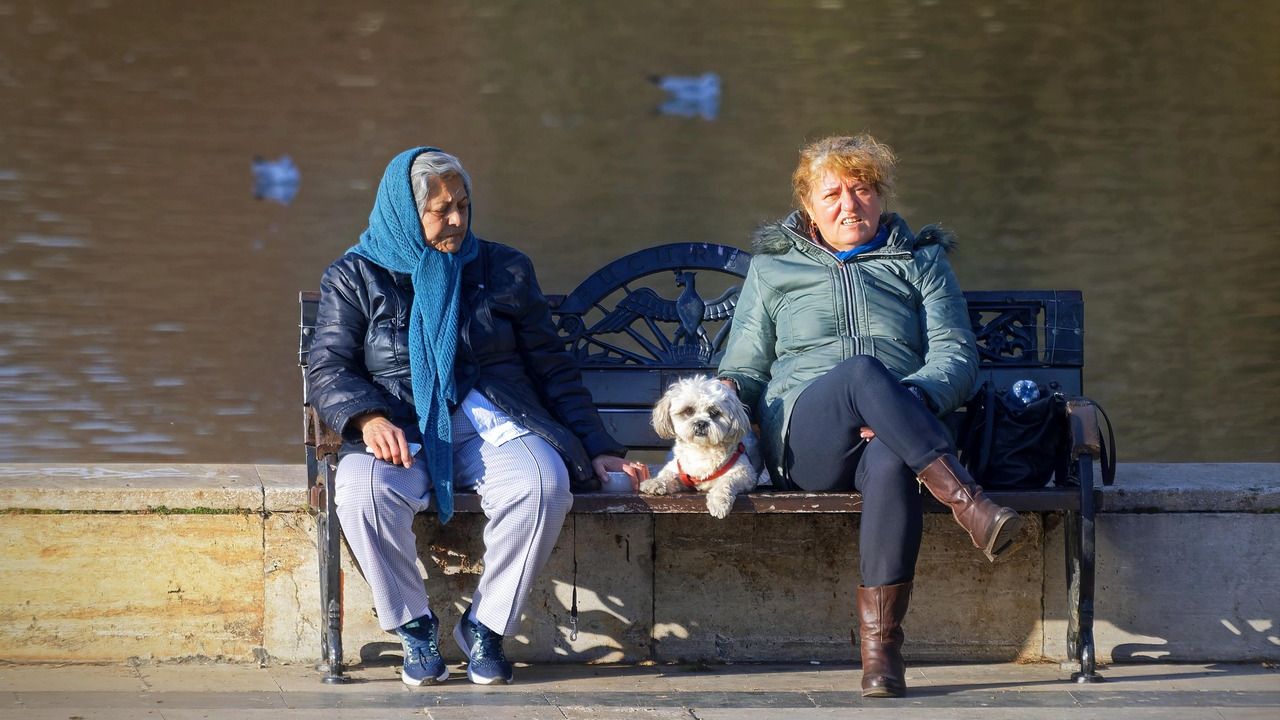
#1. The Bond Quietly Intensifies in Ways You Didn’t Predict
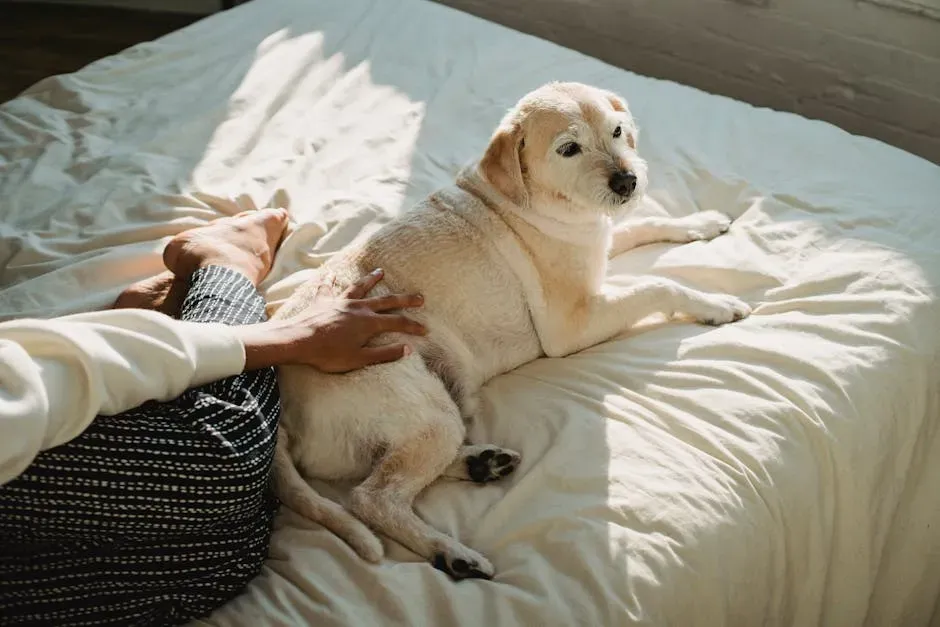
Most people assume that because a senior dog is less energetic, the connection somehow thins. The opposite tends to be true. Aging changes your dog, but it doesn’t diminish their love for you. In fact, it often strengthens the bond. As their physical energy decreases, their emotional connection with you can grow even stronger.
Senior dogs tend to value companionship and comfort more than ever, seeking out quiet moments to simply be near you. There’s an ease to this that younger dogs rarely offer. No agenda, no demand for play, just presence. You may find yourself sitting still in ways you never used to, simply because your dog has curled up beside you and you don’t want to move.
This shift is worth noticing for what it gives you, not just what it asks of you. The intensity of a senior dog’s attachment can feel like a weight, but it’s also one of the most uncomplicated forms of loyalty you’ll ever experience. Cherish it while it’s here.
#2. You Start Feeling a Grief You Can’t Fully Name
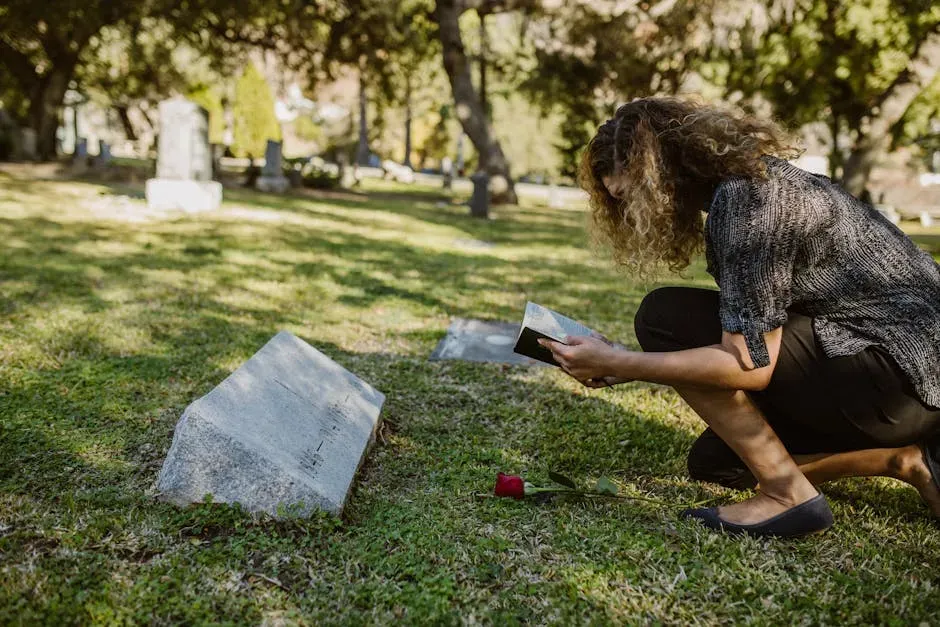
Watching your dog grow old can feel like living in two timelines at once: the daily one of medications, meals, walks, and small joys, alongside the longer awareness that this is a finite chapter, and that each ordinary day is also, quietly, a goodbye.
Owners with higher attachment often experience more anxiety, depressive symptoms, and anticipatory grief as their dogs age. This kind of grief is real and recognized, even if it’s hard to talk about in most social settings. You grieve while your dog is still alive. You grieve the version of them that used to sprint across the yard. You grieve the future you can already see coming.
Anticipatory grief isn’t a sign that something is wrong with you. If you feel like you love your dog more than ever and you’re more easily tipped into worry, that’s not a contradiction. It’s exactly what the research predicts. The love and the dread coexist, and acknowledging both is part of caring honestly for an aging dog.
#3. Your Dog Becomes More Emotionally Dependent on Your Presence
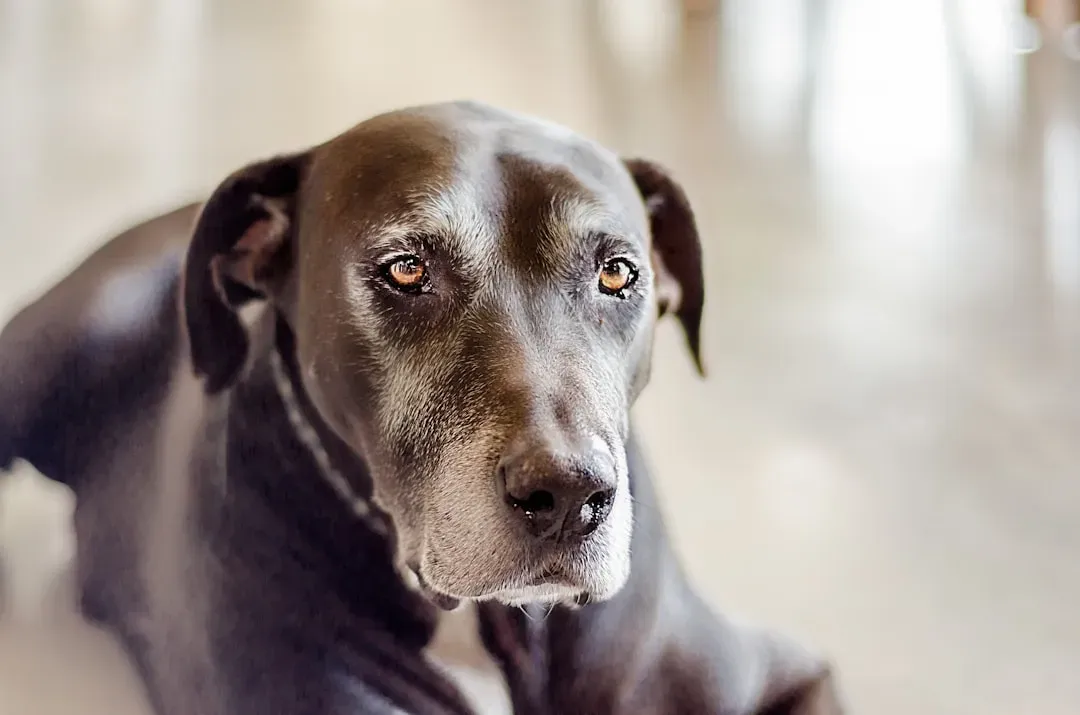
Increased anxiety is common in senior dogs, often secondary to mental or physical changes that leave them feeling like less-than-their-best-selves. The confident, independent dog that once napped contentedly in a separate room may now track your every movement, reluctant to let you out of sight for long.
Routines are very important for seniors because they have diminishing senses, making them more and more dependent on their owners. This dependency can catch you off guard. What once felt like your dog’s independence giving you freedom now reverses, and their need for your nearness becomes something you feel in your chest rather than your schedule.
Some older dogs even develop separation anxiety at night, when you’re asleep and not responsive to them. It’s worth meeting this need with patience rather than frustration. Your dog isn’t being difficult. They’re navigating a world that has become less predictable to them, and you are their anchor.
#4. Their Stress Is Higher Than It Appears on the Surface
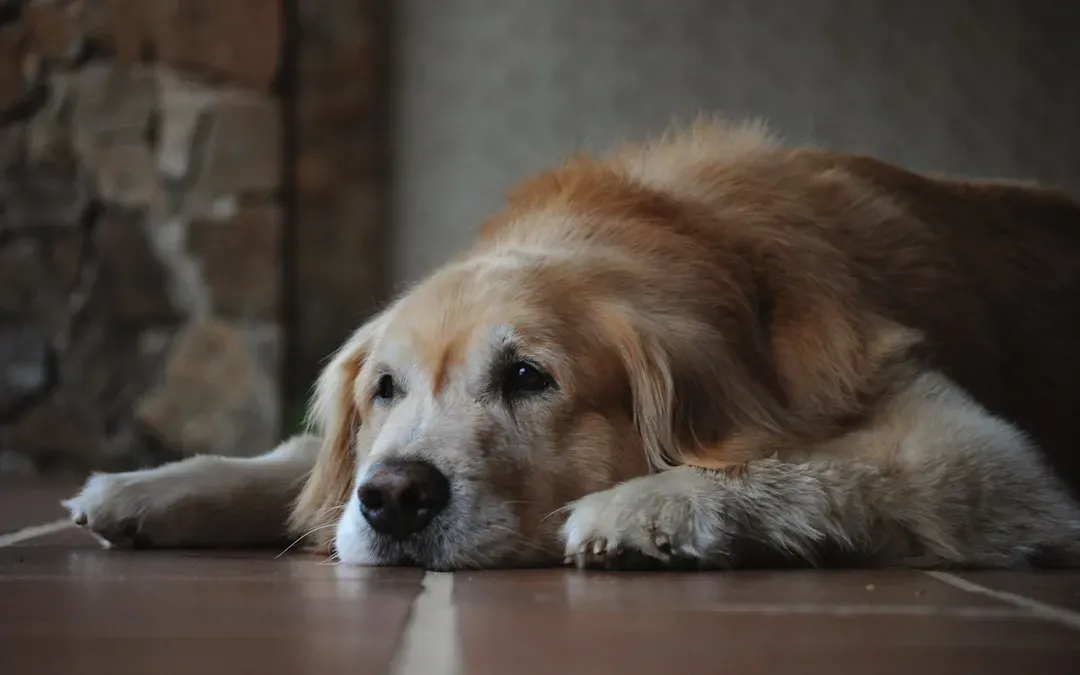
One of the most important things owners of senior dogs often don’t realize is that an outwardly calm, passive dog may be carrying significantly more internal stress than a younger, more reactive one. Research from the University of Padua revealed something striking about this gap between surface behavior and inner experience.
Analysis showed that older dogs seemed to seek out physical contact with their owners more at the beginning of stressful situations, but afterward they acted much more passively toward strangers and what was going on around them than younger adult dogs. The senior dogs did not seek out social interactions as much, nor did they tend to act in an apparently worried manner.
Although there was little difference in the observable behaviors of the senior and adult dogs, it turns out that older animals had significantly more cortisol in their system, indicating that they were under a higher degree of stress than their younger counterparts. In other words, the quiet dog may be the most stressed dog in the room. That understanding changes how you’ll want to read your senior dog’s silences.
#5. Their Curiosity Fades and You Mourn It More Than You Expected
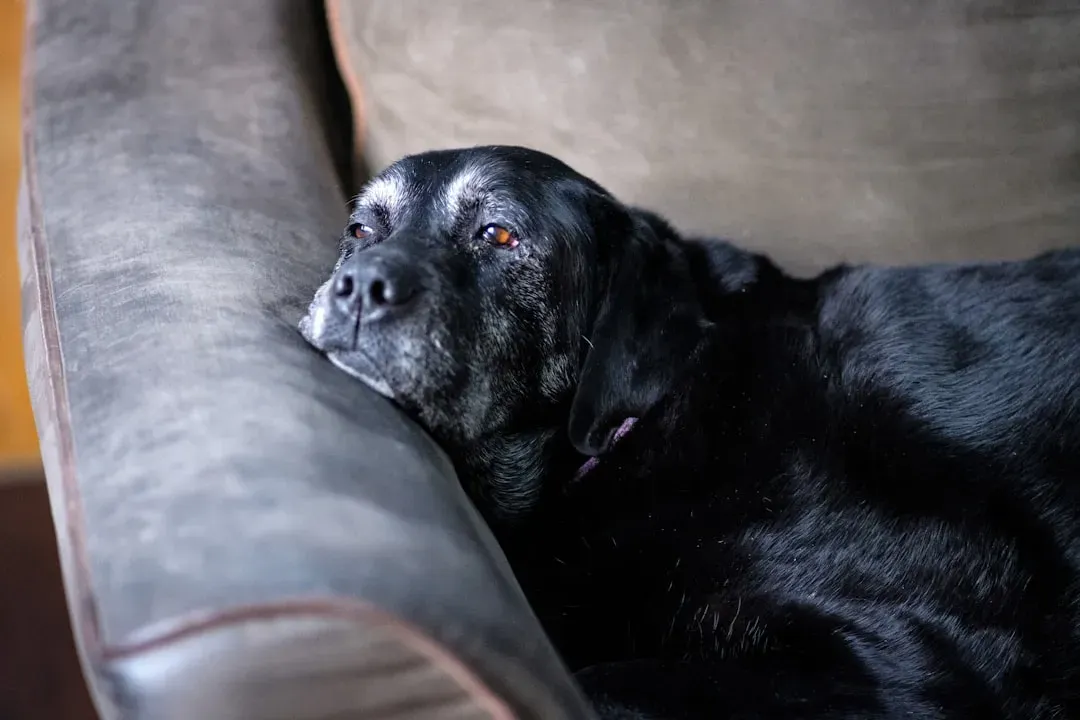
There’s a particular kind of sadness in watching a dog who once investigated every smell, every rustle in the bushes, and every passing stranger start to let the world go by without much interest. It feels personal, even when it isn’t. The novelty-seeking trait doesn’t change much in early life, but when dogs reach a certain age, their curiosity about novel objects and situations starts to decline.
Dogs that are active and curious when young will remain active and curious when they get old, but only compared to other dogs. A dog’s personality changes over time, and on average, every dog becomes less active and less curious as they age. That slow retreat from the world can sting. You find yourself missing a version of your dog who is still technically right in front of you.
Still, this shift opens a different kind of emotional space. The walks get shorter, yes. They become less about covering ground and more about savoring each stop. Your pace adjusts to theirs, and in doing so, you often discover a quieter version of joy you’d been moving too fast to notice before.
#6. You Become a Caregiver, and It Changes You Both
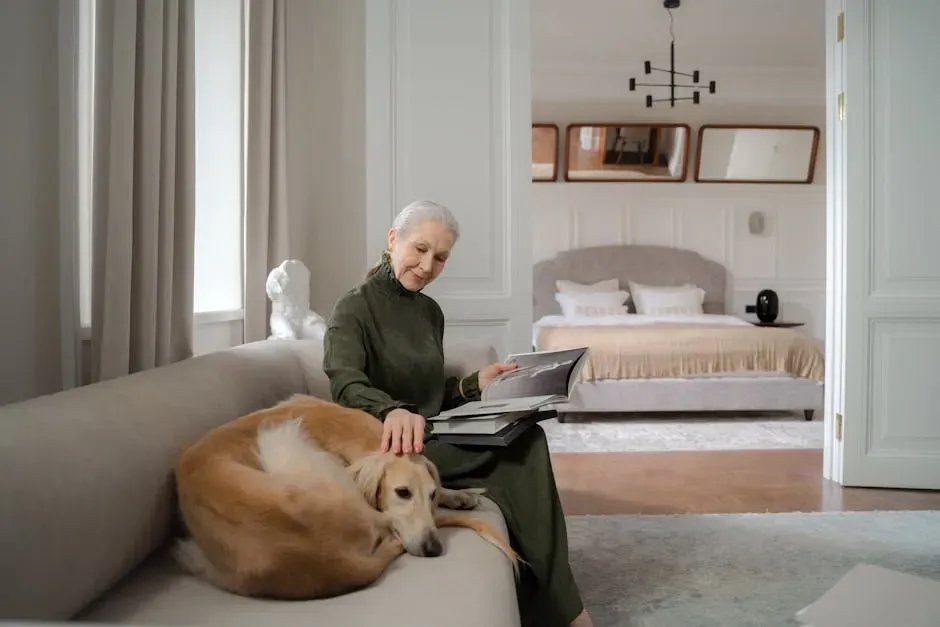
Caring for a senior dog is immensely rewarding, yet it can also be quite challenging. On good days, you feel joyous, but on difficult days, fear strikes, and the thought “Is this the beginning of the end?” often arises. This can be quite the emotional roller coaster.
Caring for an older dog brings its own rewards. In the daily routine of care, a deep bond based on trust and mutual respect forms. Helping your dog navigate a world that has become harder for them to manage, adjusting their food, supporting their movement, watching their moods, creates a rhythm of attentiveness that reshapes how you experience time together.
Senior dogs teach us about resilience, adaptability, and living in the present. That’s not a small thing. Many owners describe this caregiving phase as unexpectedly meaningful, something they wouldn’t trade even knowing how heavy it sometimes feels. The tenderness it draws out of you is real and lasting.
#7. Anxiety Replaces Playfulness, and You Learn to Meet Them There
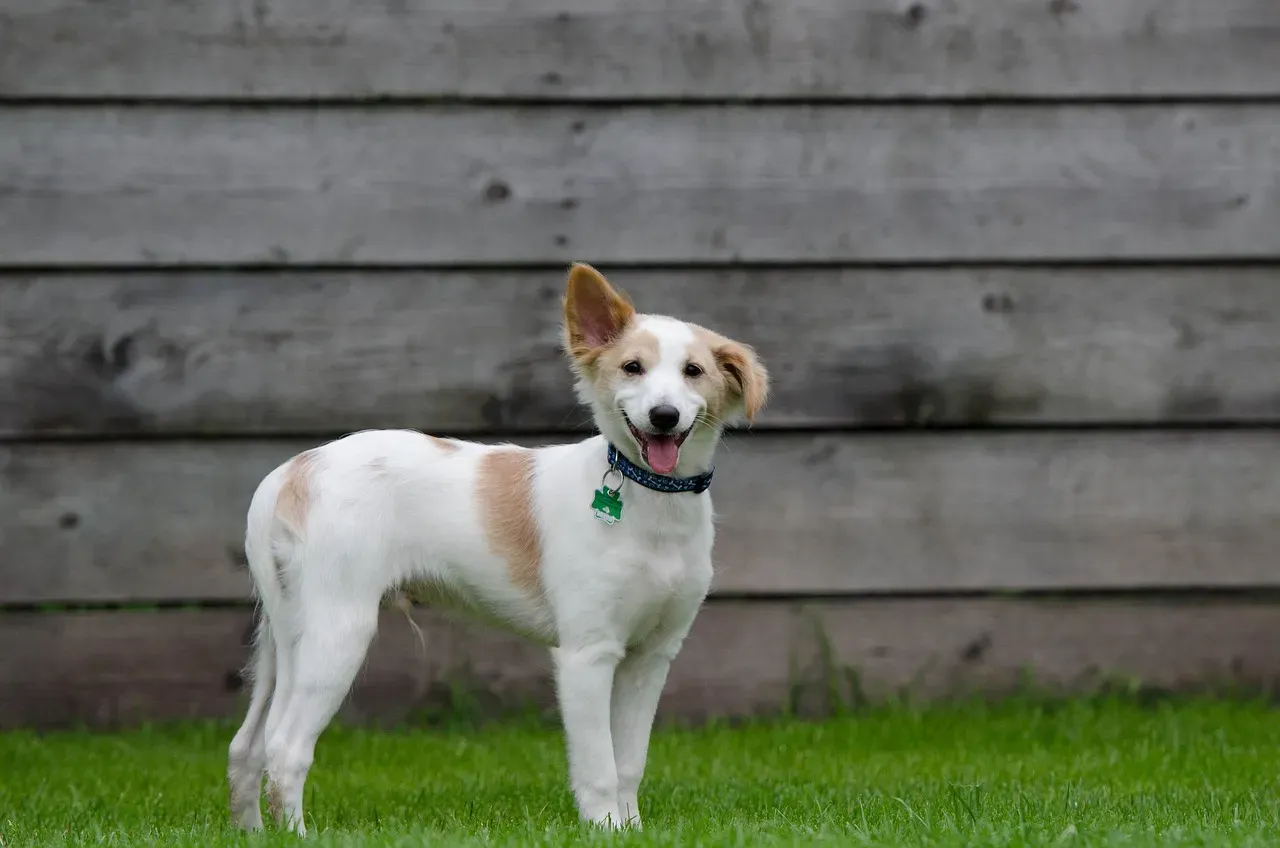
Dogs show they’re anxious by becoming irritable and sensitive, getting spooked by unfamiliar people and pets, becoming less tolerant of being touched or restrained, following you around more, and wanting increased physical contact. If your once easygoing dog seems rattled by things that never bothered them before, age-related anxiety is a likely explanation worth exploring with your vet.
Research shows that older dogs take longer to regulate after stimulation because the stress-response system changes with age. A dog who struggles to settle in new places isn’t misbehaving. They’re experiencing a normal part of aging. This reframe matters. Frustration directed at an anxious senior dog does real harm to the relationship. Understanding that their nervous system is genuinely changing allows you to respond with something closer to care.
Creating predictable environments, maintaining consistent routines, and offering calm reassurance rather than correction helps your senior dog feel safe. Ease their anxiety by being mindful of their needs, providing gentle reassurance and designated safe spaces where they can retreat if feeling overwhelmed.
#8. Cognitive Changes Quietly Shift Your Relationship’s Dynamic
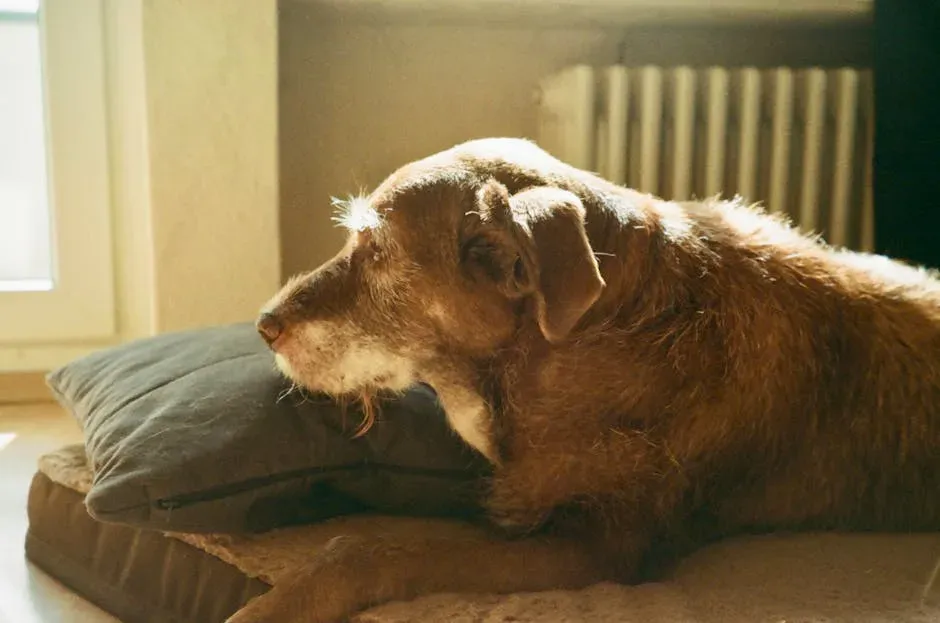
As dogs age, they often suffer a decline in functioning. Their memory, their ability to learn, their awareness, and their senses of sight and hearing can all deteriorate. Aging can also change their social relationships with you and other pets in your home. When a dog that once recognized your footsteps from across the house starts looking confused when you enter a room, it lands differently than any physical change.
Canine cognitive dysfunction (CCD), also known as cognitive dysfunction syndrome (CDS), is similar to dementia in people. Dogs with age-related cognitive decline can show changes in sleep-wake cycles, house-soiling, pacing or nighttime restlessness, and seeming to “forget” familiar people or cues. Watching a dog forget what they clearly once knew is quietly devastating.
What carries you through is the understanding that your dog’s confusion doesn’t erase their attachment to you. Even in significant cognitive decline, most dogs still orient toward their owners. You remain their reference point, even when everything else around them feels uncertain.
#9. You Find Yourself Loving Them Differently, and More Consciously
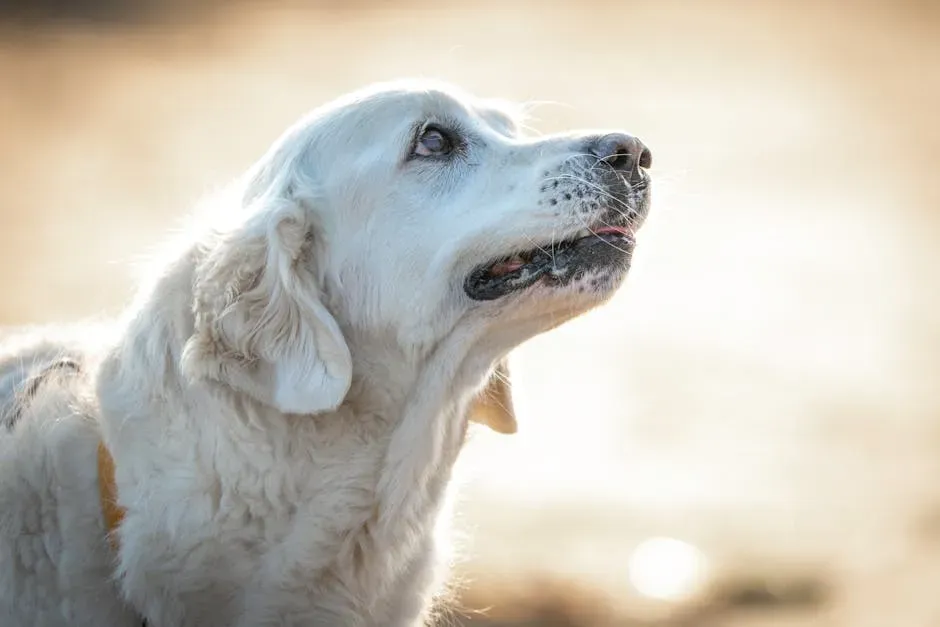
When a dog is young and healthy, love is easy and effortless. You don’t have to think about it much. It just flows. When they age, love becomes a choice you make again and again, sometimes several times in a single afternoon. Aging may bring new challenges, but it also offers an opportunity to deepen the bond you share with your dog.
Bonding is more than just spending time with your dog. It is learning exactly what their body needs, and providing the opportunity for them to age gracefully and feel their best. That kind of intentional, attentive love is different from the love you felt when they were bounding through the park. It’s slower, more deliberate, and in many ways more honest.
Owners frequently report that senior dog care changed them as people, made them more patient, more present, more aware of what actually matters. There’s a quiet magic in sharing your life with an aging dog. They’ve seen you through countless moments, good days, hard days, and everything in between. That history is something you carry together in a way no younger dog can replicate.
#10. Every Ordinary Moment Starts to Feel Worth Remembering
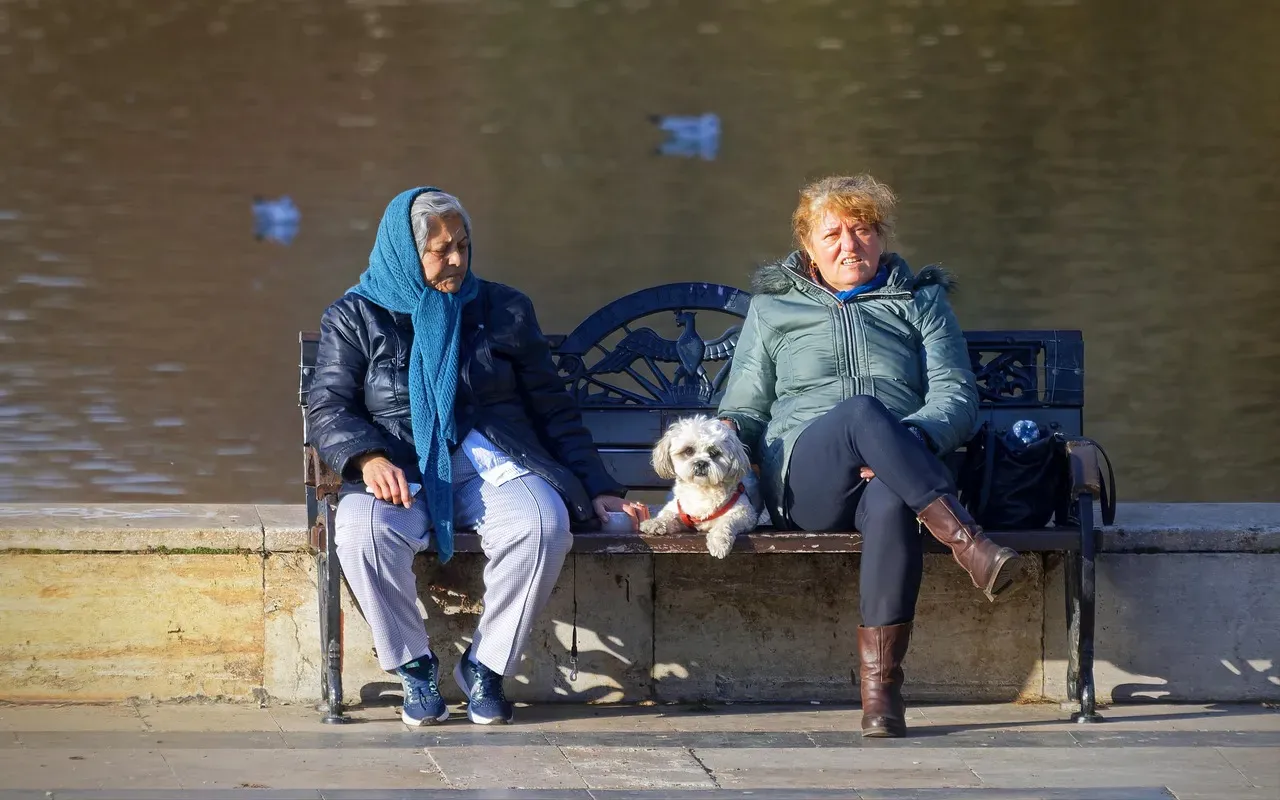
At some point in the senior years, something shifts in how you experience the everyday. The morning routine. The slow walk around the same block you’ve circled a hundred times. The way they sigh and settle. Moments of quiet connection, like a head resting gently against your knee or a slow, contented sigh, are precious memories we cherish.
Your dog’s golden years may look different from their younger days, but they’re no less special. This stage of life is a chance to create golden moments that you’ll treasure forever. By adapting to their changing needs and embracing the slower pace, you’ll discover a new depth to the love you share. That’s not something that happens automatically. It requires you to show up with presence and intention.
The emotional memory being built in these final years tends to outlast everything else. Long after your dog is gone, it’s rarely the dramatic moments people return to. It’s the weight of a head on a lap. The way they looked up at you from the floor on a quiet Tuesday. The simple fact of being chosen, again and again, by a creature whose whole world you were.
Conclusion: What Growing Old Together Actually Teaches You
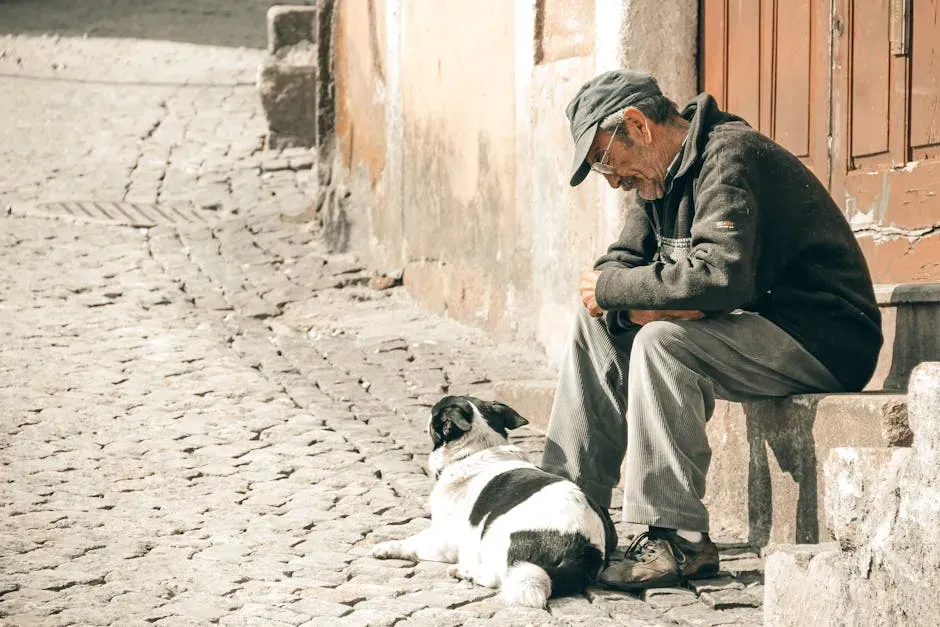
There’s no clean way to navigate the emotional landscape of loving an aging dog. It’s layered, contradictory, and wildly underrepresented in everyday conversation. You can feel deep gratitude and quiet grief in the same moment, total peace in one afternoon and suffocating anxiety the next. All of it is valid.
What this journey consistently offers, though, is a masterclass in unconditional presence. From the playful energy of puppyhood to the calm wisdom of their senior years, every stage brings its own unique moments. The senior stage just happens to be the one that asks the most of you, and gives back in a currency that’s harder to measure but impossible to forget.
The dogs who grow old beside us don’t diminish as they slow down. They distill. Everything extraneous falls away and what remains is pure and clear: a creature who has shared your life, trusted your hands, and chosen your company across years that neither of you fully understood until they were almost gone. That is not a small thing. In fact, it might be one of the most significant emotional experiences a person can have. Treat it accordingly.


