
#1: The Akita – Japan’s Eternal Faithful
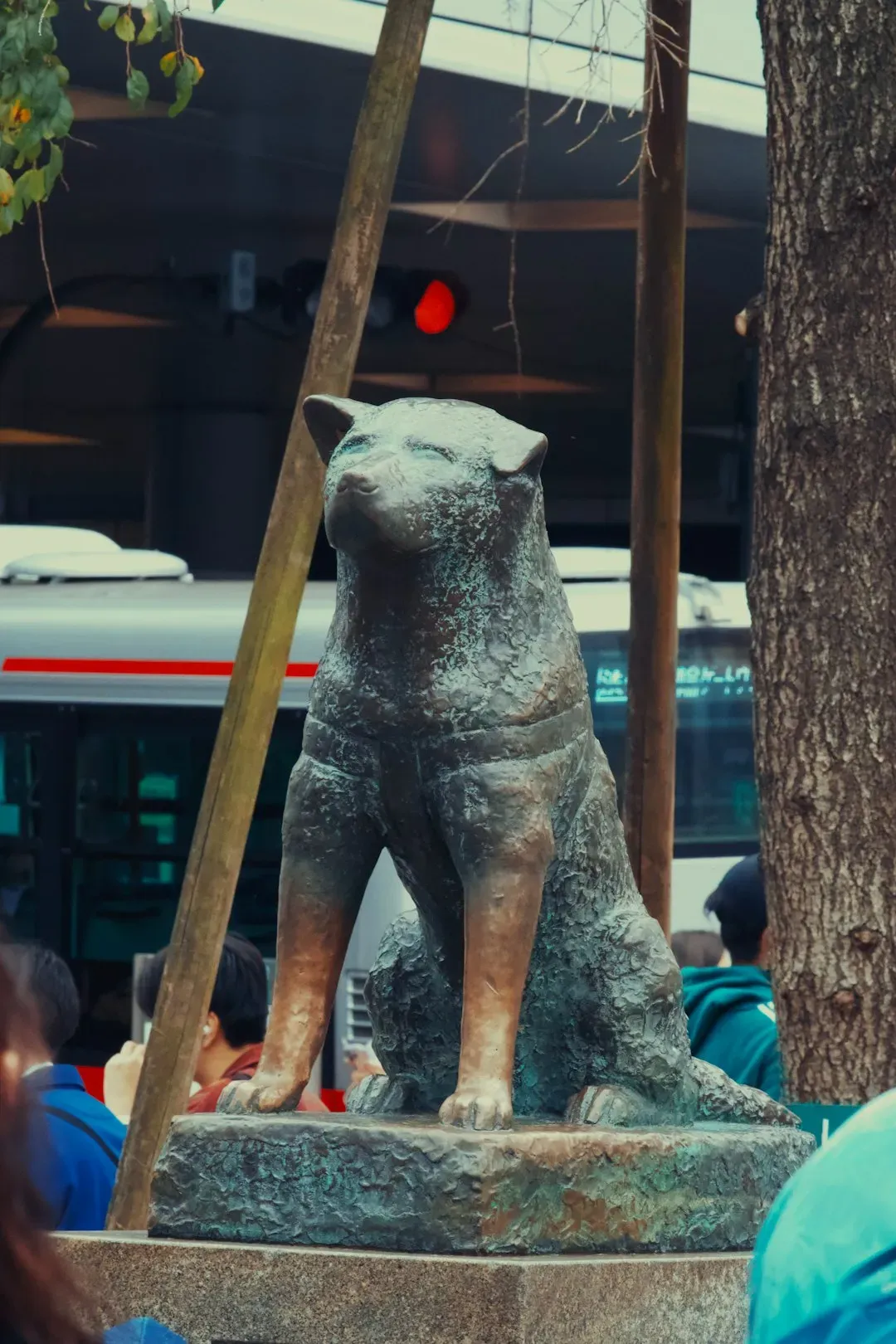
If you’ve ever heard of Hachiko, you already know what an Akita is capable of. Hachiko was an Akita, a large Japanese breed, who had been adopted by a professor in Japan in 1924 when the breed was nearly extinct. Hachiko went to the Shibuya train station each day when Professor Ueno left for work and returned in the afternoon to wait for his arrival. One day in 1925, the professor did not come back. He had suffered a cerebral hemorrhage at work and died.
What happened next became legend. For over nine years, Hachiko waited at Shibuya Station in Japan for the return of his owner, Eizaburo Ueno, who had died while at work. When Hachiko died at the age of 11, he was finally reunited with Eizaburo, when his ashes were interred next to him. The Akita’s loyalty isn’t casual affection. The Akita is widely regarded as the most loyal dog breed due to its unwavering devotion to its owner. Demonstrating grief at the absence or loss of their person is almost hardwired into the breed. The professor suffered a heart attack while away and Hachiko continued to keep vigil at the station and returned every day at 3:00 p.m. for a full decade after his master’s death.
#2: The German Shepherd – The Guardian Who Never Clocks Out
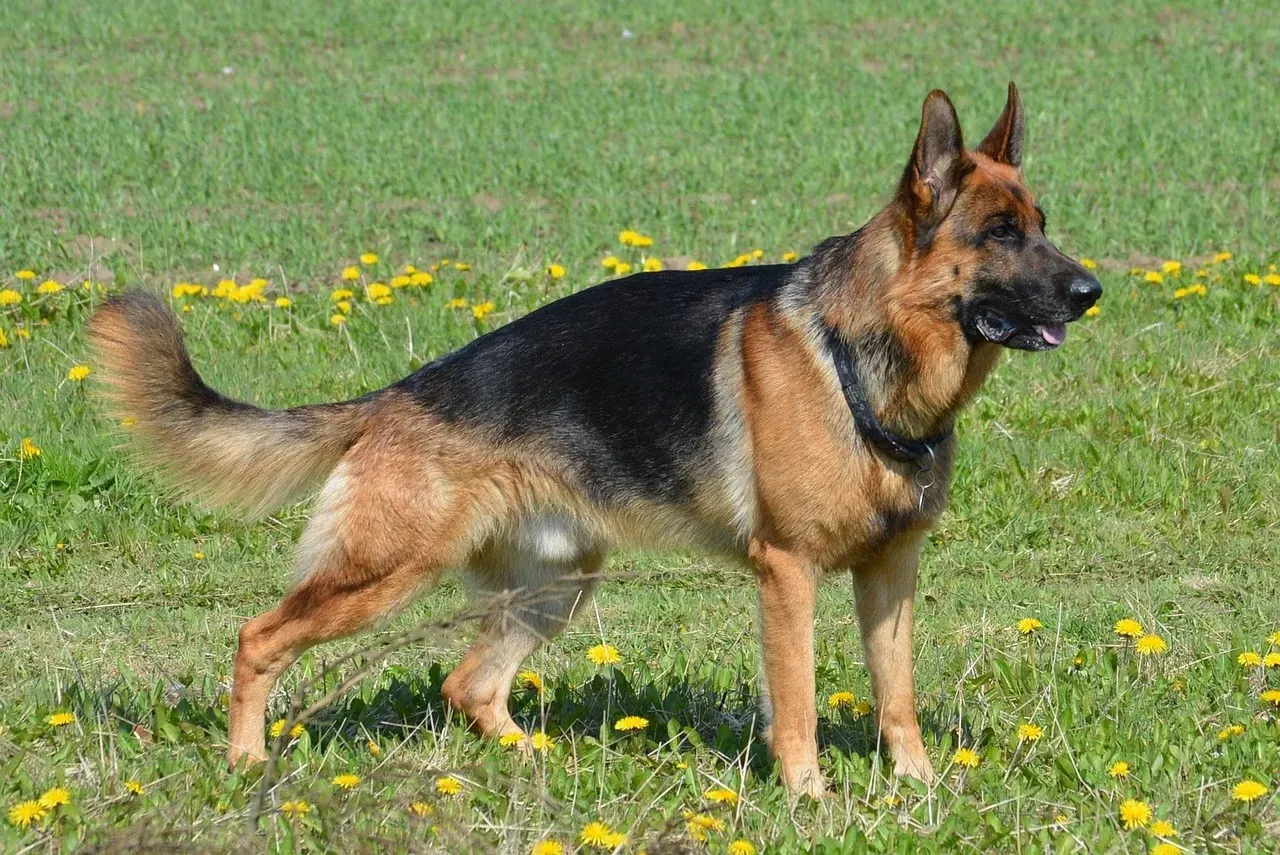
German Shepherds are the kind of dogs that take their commitments seriously. Intelligent and protective, German Shepherds have strong loyalty, especially in working roles like police or service dogs. That bond extends far beyond a working relationship. In June 2014, Constable Dave Ross, a Canadian general duty officer and police dog handler, lost his life in the line of duty. His service dog, a German Shepherd named Danny, stood alongside him during his time on the force. Throughout Ross’ funeral, the loyal canine whimpered next to his owner’s casket.
Then there’s the story of Capitan, the German Shepherd from Argentina whose grief took a remarkable form. Miguel’s family took the dog in, but soon after the funeral, the pooch disappeared. For months, no one knew where Capitan went until a groundskeeper where Miguel was buried found the dog lying on his human’s grave. The family was shocked given the distance between their home and the cemetery, let alone Capitan’s ability to find it. For the next twelve years, Capitan spent his life in and around the cemetery where the caretakers would offer him food and water. According to the groundskeepers, every evening at 6pm sharp, Capitan would lay on his human’s grave for the rest of the night, and he would do so until his death in 2018.
#3: The Skye Terrier – Small Dog, Immovable Heart
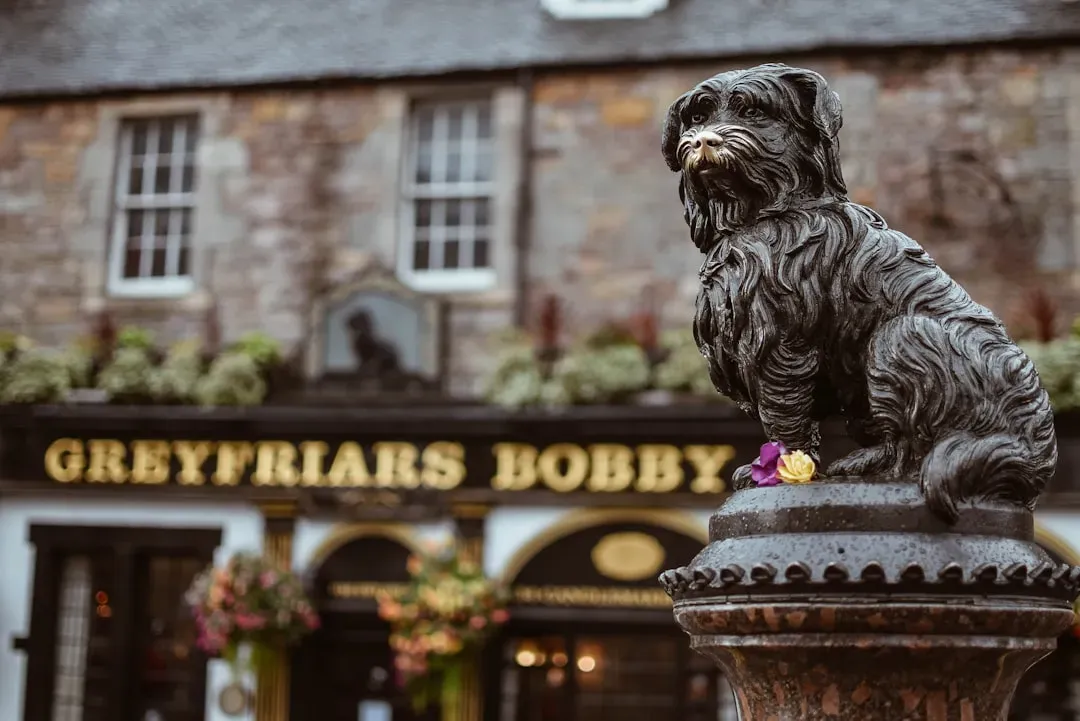
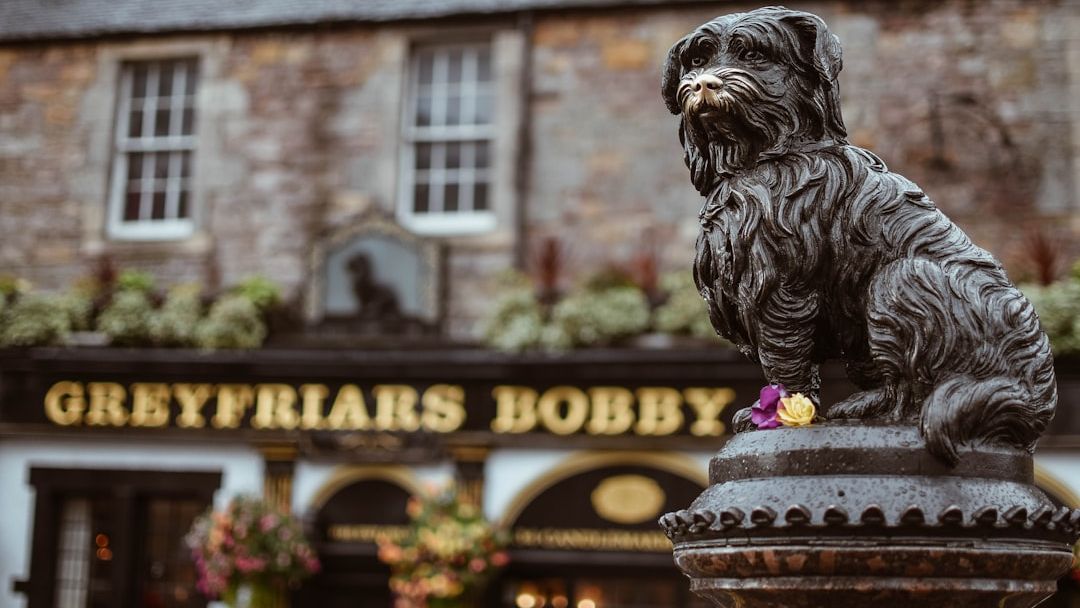
The Skye Terrier is one of the rarest breeds in the world today, and yet its name carries the weight of one of the most enduring loyalty stories ever told. Greyfriars Bobby, perhaps the most famous dog in Scottish history, is often described as a Skye Terrier. The small dog reportedly kept vigil at his owner’s grave in Edinburgh’s Greyfriars Kirkyard for fourteen years after the man’s death in 1858, and has been the subject of books, films, and a bronze statue that still stands near the kirkyard. Bobby, a long-haired Skye Terrier, belonged to John Gray, an Edinburgh policeman. Gray and Bobby were best friends until the officer passed away from tuberculosis in 1858. When Bobby’s master was buried in Greyfriars Cemetery, the dog accompanied his friend and lived for the following 14 years in the cemetery, next to his owner’s grave.
It’s worth noting that historians debate the precise details of Bobby’s story, with some suggesting aspects may have been embellished over time. Most folk know the tale of Greyfriars Bobby, the faithful dog and his vigil by his master’s grave. There is certainly a core of truth, but both sentiment and commerce have altered the story. Regardless of the historical nuances, the Skye Terrier’s temperament makes the story feel entirely plausible. The Skye Terrier’s temperament is defined by one overwhelming characteristic: loyalty. This is a dog that bonds with profound intensity to its family and regards that bond as the organizing principle of its life. Owners of Skyes consistently describe a dog that is never far from them, that tracks their movements through the house, that is visibly distressed when separated, and that reserves its warmest behavior entirely for the people it has accepted as its own.
#4: The Border Collie – The Sentinel Who Stays
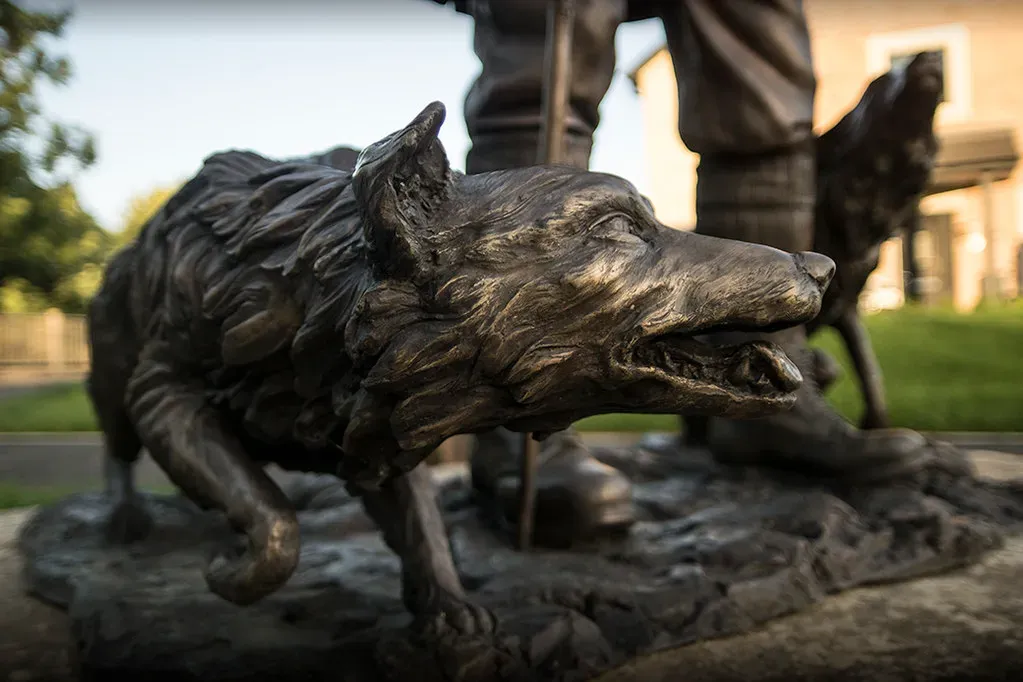
Border Collies are famous for their intellect, but what gets less attention is the depth of their attachment to a single person. Border Collies are extremely loyal and hardworking, good for active owners. That intelligence, combined with an intense emotional bond, creates a dog that genuinely cannot imagine a world without its person. The story of Ruswarp, a Border Collie from Wales, illustrates this with heartbreaking clarity. Ruswarp was a 14-year-old Border Collie who spent his days going on hikes and traveling the mountainside of Burnley, Wales with his human dad, Graham Nuttall. In January of 1990, neighbors noticed that Graham hadn’t returned from one of his hikes. A search party swept the area for a week in search of Nuttall and his pup to no avail. Eleven weeks later, another hiker, David Clarke, found Nuttall’s body near a mountain stream.
What was more surprising was that Ruswarp had stood guard over his human’s body through the winter chill. Unfortunately, poor Ruswarp didn’t survive long after and died shortly following the funeral of his human. He had guarded his person through months of harsh Welsh winter, refusing to leave even when there was nothing left to protect but memory. Through rain and snow, this Border Collie proved his devotion, and in 2009, a bronze statue at Garsdale Station was put up in his honor. That statue is a quiet reminder that loyalty, at its most extreme, looks a lot like refusing to give up.
#5: The Labrador Retriever – Steady Presence in the Deepest Grief
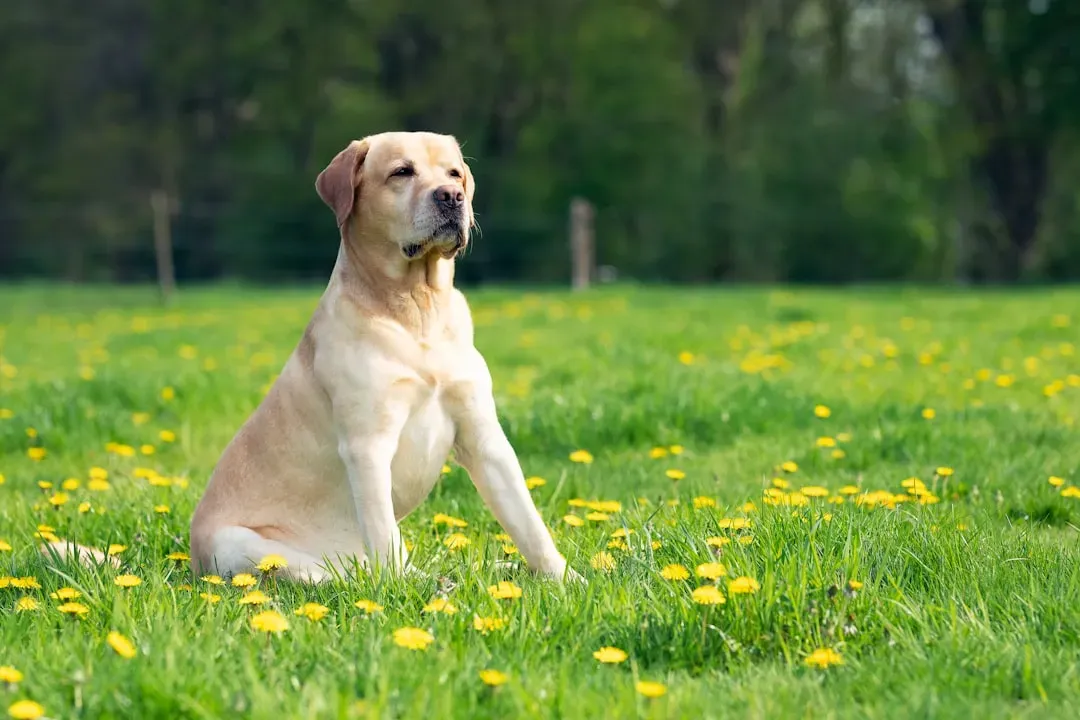
Labradors aren’t typically the breed people associate with dramatic stories of vigil-keeping, and that’s almost the point. Their loyalty expresses differently: close, constant, and emotionally attuned. Labrador Retrievers are excellent dog breeds known for their affectionate personalities, even with small children. Labs are loyal but more sociable with strangers, which means their grief, when it comes, is worn openly rather than through solitary vigil. It’s not unusual for dogs to grieve the loss of a person they’ve bonded with. While dogs might not understand the full extent of human absence, dogs do understand the feeling of missing a human or dog who’s no longer a part of their daily lives.
What Labradors do in grief often mirrors what they do in life: they stay close to the people who remain, offering comfort with their bodies and their calm. Surviving dogs were often more affectionate with their owners and became clingy after a loss, and Labradors, with their natural emotional sensitivity, tend to amplify this response. Loyalty extends beyond death as some grieving dogs reject new caretakers, regardless of their kindness or good intentions. This isn’t stubbornness but devotion in its purest form. For a Lab, every person in the household becomes a little more precious after a loss, every routine a little more sacred, because routine was always how they understood love.
#6: The Golden Retriever – Love That Doesn’t Know When to Stop
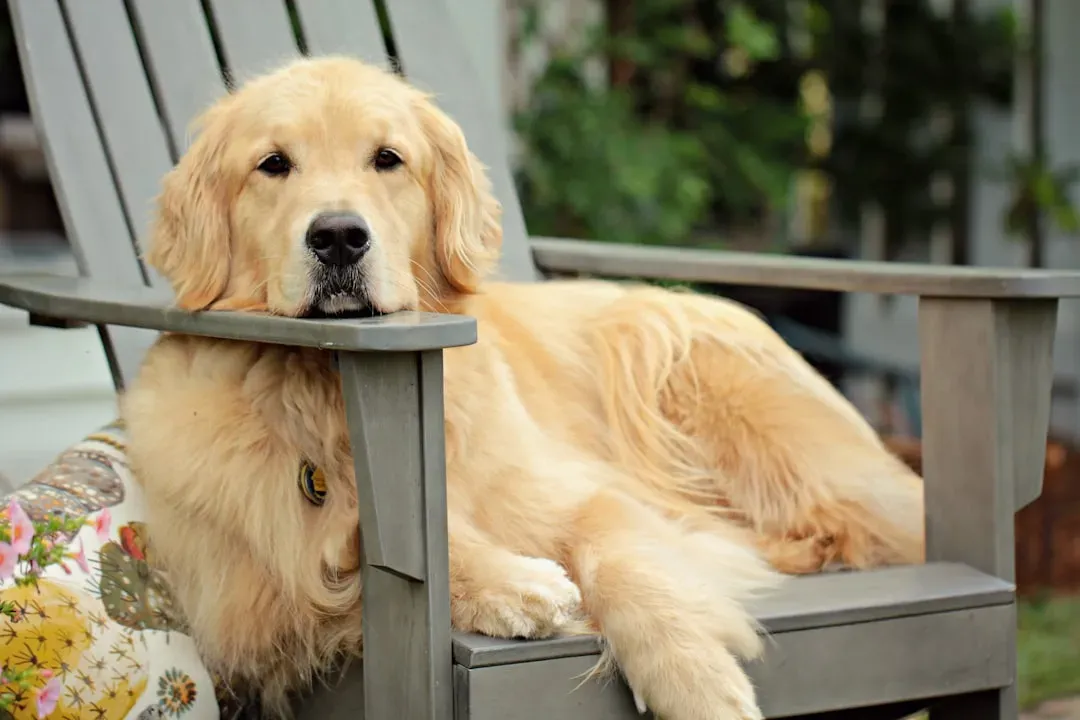
Golden Retrievers are often described as the most openly affectionate of all dog breeds, and their capacity for grief runs just as deep as their capacity for joy. Golden Retrievers are reliably loyal, but their loyalty expresses as sociability and strong human focus rather than exclusivity. Goldens form strong bonds with family members, seek proximity, follow people around the home, and respond to commands and cues, which are classic signs of attachment in dogs. When the person they follow is suddenly gone, that need for proximity doesn’t simply disappear. A landmark study published in the Journal of Veterinary Science in 2021 explored the behaviors of dogs following the death of a human or animal companion. The study included 150 dogs who had experienced the death of their primary caregiver. The scientists found that a significant number of dogs displayed grief-like behaviors, such as reduced appetite, increased lethargy, and seeking comfort from other family members.
Golden Retrievers, more than many breeds, have a way of turning their grief outward, seeking and offering comfort simultaneously. Some dogs even exhibited signs of depression, including withdrawal from social interactions and a lack of interest in previously enjoyed activities. In a Golden, that withdrawal is particularly stark because their natural state is engagement. When a member of that family unit is gone, there is a huge void in the dog’s life and they may need help in dealing with loss. Watching a Golden Retriever grieve is, in its own way, one of the most honest depictions of mourning you’ll ever witness. They don’t hide it, and they don’t stop feeling it quickly.
#7: The Italian Mixed Breed (Fido) – The Everyday Dog With an Extraordinary Heart
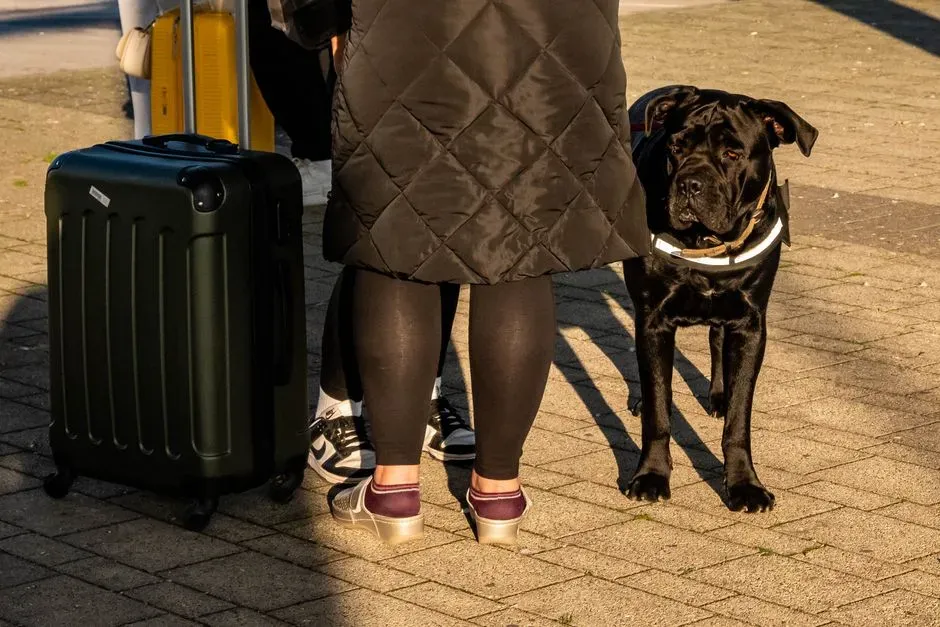
Not all remarkable loyalty belongs to pedigree. Fido, a mixed breed dog rescued by an Italian worker named Carlo Soriani during World War II, became one of the most famous symbols of canine devotion in European history. In 1941, amid World War II, a brick kiln worker Carlo Soriani found an injured dog by the roadside. Carlo cared for the dog and eventually adopted him, naming him Fido, translating to “faithful” in Latin. Once he recovered, Fido would accompany his human every day to the bus station at Luco di Mugello and would wait there until Carlo returned from work. This continued for two years until a bomb destroyed the factory where Soriani worked. Soriani didn’t survive the blast, but Fido kept waiting.
For the next 14 years, until Fido died, he returned to the bus station every day hoping to find his human dad. A year after the dog passed away, the town erected a monument to honour his loyalty and placed it in the city square. In 1957, Time magazine also wrote an article about Fido. While Fido was a mixed breed rather than a named pure breed, his story is included here because it speaks to something beyond breed: the depth of the human-dog bond that any dog, given time and genuine love, is capable of forming. It reminds us that mourning is a natural instinct and that despite the differences between our pets and ourselves, we should respect and recognise the primal need to mourn. Fido’s inscription says it perfectly: “To Fido, example of loyalty.”
A Final Thought
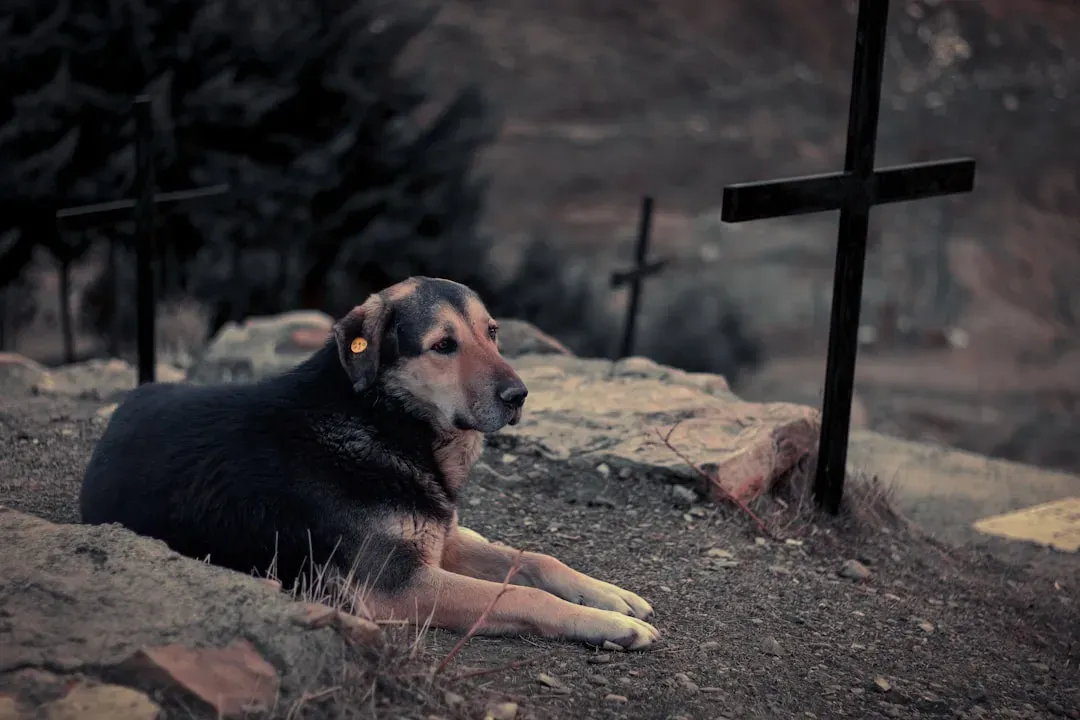
These seven breeds, and the real dogs that represent them, say something important not just about animals but about the nature of attachment itself. Like humans, dogs go through a grieving period. While there isn’t one specific approach to help, being sensitive to a dog’s needs can go a long way. Science is still working to understand the full complexity of what dogs feel when they lose someone. If we are measuring changes in behavior after the loss of either a human or a fellow animal, there is some evidence to suggest that we see these mourning-like behaviors.
What I find most moving about these stories isn’t the spectacle of a dog sitting at a grave or waiting at a train station. It’s the quiet truth underneath: that these animals formed a bond so complete it had no off switch. We may not understand whether dogs actually know when we’ve passed away, but their love, dedication and commitment to us carries on long after we’re gone. Loyalty, when it’s this deep, isn’t a character trait. It’s a form of love that simply refuses to be taught otherwise. Some dogs, it seems, never got the message that love is supposed to end.


