
What Your Dog’s Sleeping Position Reveals About How Much They Trust You
#1: The Belly-Up Position – The Ultimate Declaration of Trust
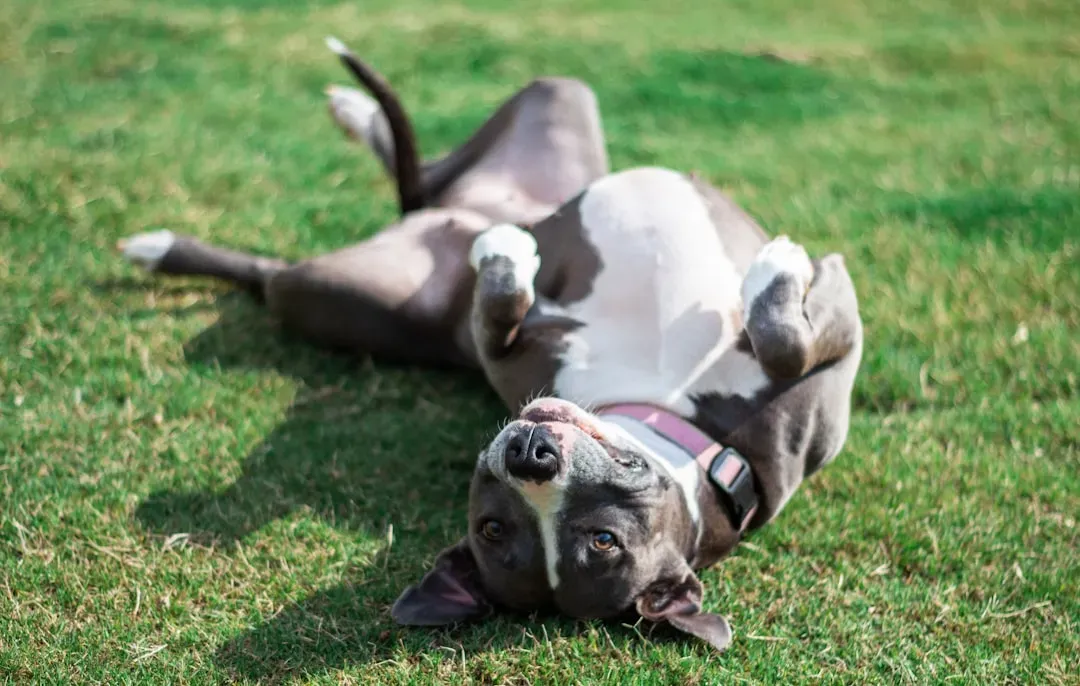
Of all the sleeping positions a dog can adopt, this one carries the most weight. If you stumble upon your dog sleeping on their back with their paws in the air, this is a sign of absolute trust. It also means that your dog is completely relaxed and feeling very comfortable with their surroundings since they’re revealing their belly to the world. That exposed stomach isn’t just adorable. It’s genuinely vulnerable.
Because this is such a vulnerable position to be in, when dogs sleep on their back with their paws in the air, it means that they fully trust you and their environment. Their belly and vital organs are completely exposed, which means they have to feel really secure to fall asleep this way. If your dog does this regularly around you, take it as a sincere compliment.
A dog exposing their stomach while sleeping displays profound trust and comfort. This posture also helps cool the body. Not all belly-up positions indicate relaxation, and if a dog flips over suddenly or appears tense, the stretch might be an attempt to relieve discomfort. Context always matters, so observe the full picture before drawing conclusions.
#2: The Cuddle Position – When They Choose You Over Personal Space
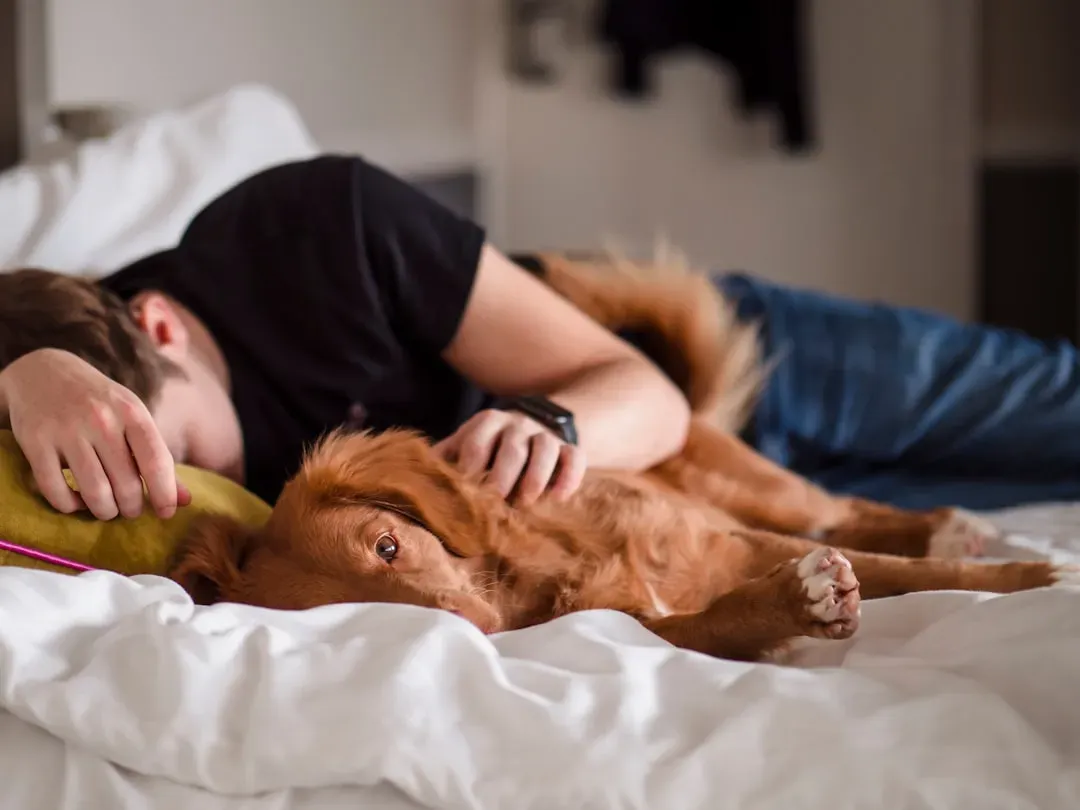
One of the most beloved dog sleeping positions is what’s known as “the cuddler.” This is when your dog prefers to sleep on top of you or another dog. According to pet experts, this position is a clear sign of bonding and a desire to get as close to you as possible. It’s not just warmth they’re after. It’s connection.
When a pup chooses to snooze on their owner, they may be trying to show affection and provide extra comfort and security too. It shows a strong bond and a deep level of trust between the owner and their dog. There’s something almost poetic about the fact that your dog’s version of safety is simply your presence.
When dogs engage in this kind of physical closeness during sleep, it can trigger the release of oxytocin, a hormone closely linked to bonding and relaxation. This surge of oxytocin fosters a profound sense of trust and affection between the dog and their owner. The science, in its own quiet way, confirms what your heart already suspects.
#3: The Back-to-Back Position – Trust With a Side of Instinct
When your dog sleeps back to back with you, it’s not a bad thing – it’s actually a strong sign of trust and comfort, similar to dogs that like to sleep on top of their owners. Some owners miss this one entirely, mistaking it for indifference. It’s actually the opposite.
Dogs sleep back to back with a person or another animal when they feel the safest with them. It’s their way of showing trust and affection. This position also says that the dog wants to bond closely with you. If your dog is sleeping back to back with you, just know that they feel protected and loved. The back-to-back arrangement is ancient behavior rooted deep in pack instincts.
When a dog decides to sleep back-to-back with their owner, it shows that they trust that their human has their back, both figuratively and literally. They desire to feel close to their person and show affection, but also feel safer knowing that there’s a set of eyes and ears facing a direction theirs aren’t. It’s closeness and teamwork at the same time.
#4: The Curled-Up Ball – Reading the Fine Line Between Comfort and Caution
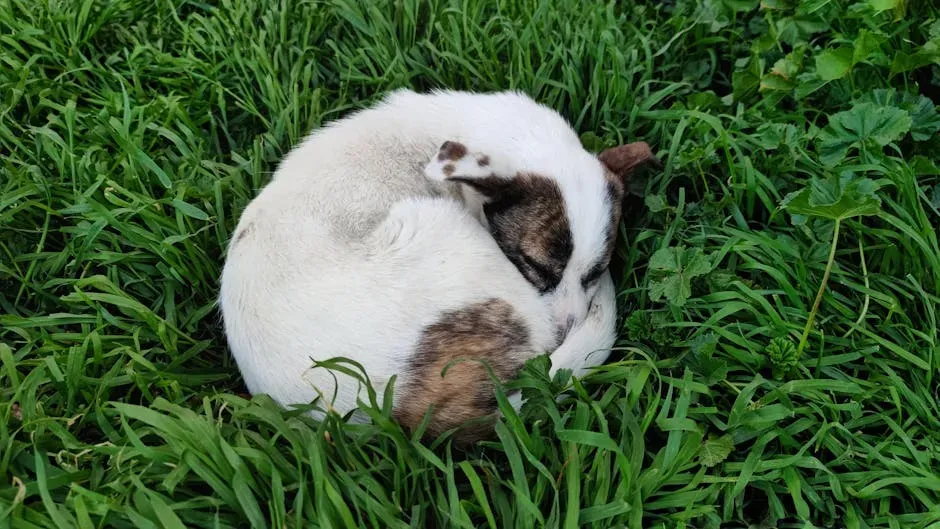
Dogs sleep curled up in a ball with their legs held close to their body. At times, their nose can even touch their back legs. The tail also curls over the body, making a tight little circle. This sleeping position is seen in dogs who are protecting themselves from their surroundings, and is common in stray dogs and dogs who are new to their surroundings. It’s worth noting where your dog curls up and whether the behavior changes over time.
This dog sleeping position is seen in dogs who are protecting themselves from their surroundings. Or it may just be a sign that your dog wants to snuggle up and keep warm. The honest truth is that context does a lot of work here. A dog who always sleeps this way in a cold room is likely just cozy. A dog who suddenly retreats into this position after a change in the home environment may be telling you something worth noticing.
Relaxed, open positions often show a dog feels secure and self-assured in their surroundings. Protective or closed positions reveal a more cautious nature that responds closely to environmental changes. Observing these shifts helps you understand how comfortable or wary your dog feels in different moments. Paying attention to the shift, not just the position itself, is where the real insight lives.
#5: The Side Sleeper and What Relaxed Means in Dog Terms

The side sleeper position, where your dog lies on their side with outstretched legs, indicates a deep, restful sleep. In dogs, this is also the most relaxed of all sleep poses. When you see your dog sprawled sideways with their legs going in every direction, they’re not just tired. They’re at peace.
In this position, dogs lie on their side with their legs extended. Dogs feel very safe and comfortable in this position as their vital organs are exposed, which means this position signals that the dog is safe, relaxed, and easygoing. It takes a certain level of confidence in one’s surroundings to sleep so openly. A dog doesn’t do that in a space, or around a person, they don’t fully trust.
Noticing your dog’s sleeping positions opens a window into their emotional and physical wellbeing. Every shift and stretch tells a story about how secure, relaxed, or alert they feel in your home. By paying attention to these details, you learn to support them more intuitively and help them rest with greater ease. Their sleeping style is part of their personality, and understanding it deepens the bond you share. That’s a worthwhile observation no matter what position your dog prefers.
Conclusion: What Sleeping Positions Really Tell Us About Our Dogs
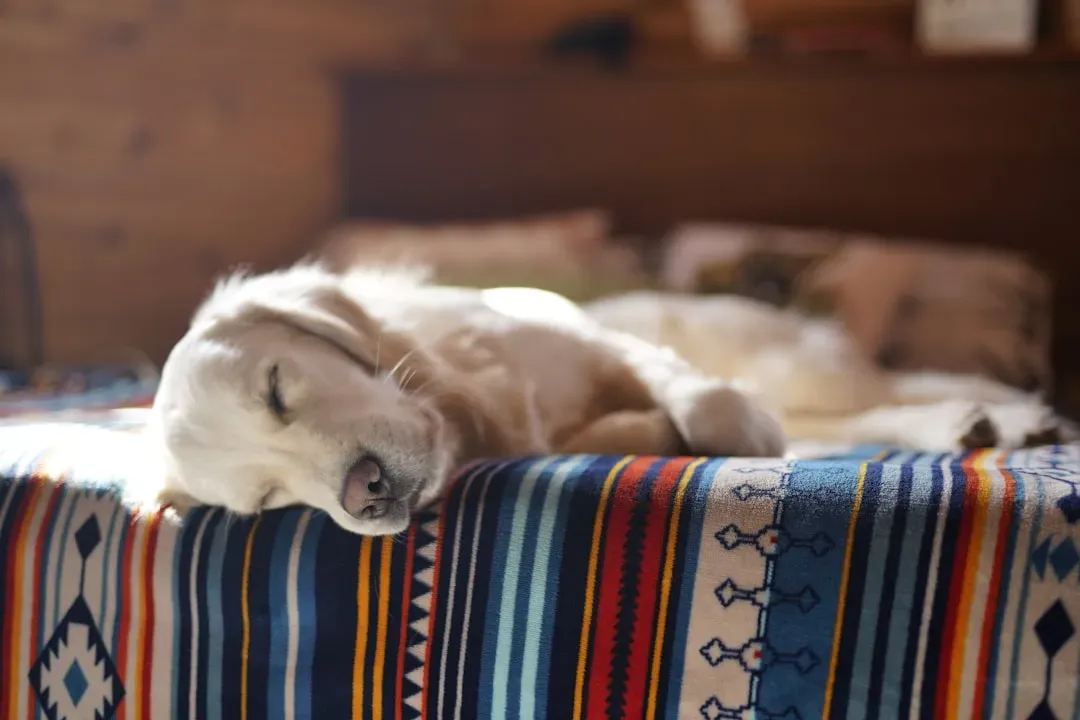
Here’s what I genuinely believe after looking at all of this: your dog’s sleeping position isn’t just a quirky detail. It’s one of the most unfiltered signals of how safe, seen, and loved they feel when they’re with you. Learning how to interpret these sleep positions allows you to understand your pet with a new kind of clarity. Every posture carries meaning, and every shift can help you better support the dog who trusts you enough to sleep by your side.
Dogs don’t have the ability to tell us in words whether they feel secure. They can’t describe the quality of their bond with us or explain that they’d choose us in a room full of strangers. Understanding your dog’s sleeping positions is more than just a quirky interest. It’s a window into their world, revealing their comfort, health, and emotional state. By observing these habits, you deepen your knowledge of their needs and well-being.
What your dog shows you at rest is arguably more honest than anything they show you when they’re wide awake. Trust, in a dog’s world, is expressed quietly. In a belly turned upward. In a back pressed gently against yours at midnight. In the simple, unguarded act of closing their eyes beside you. That’s not nothing. That’s everything.