
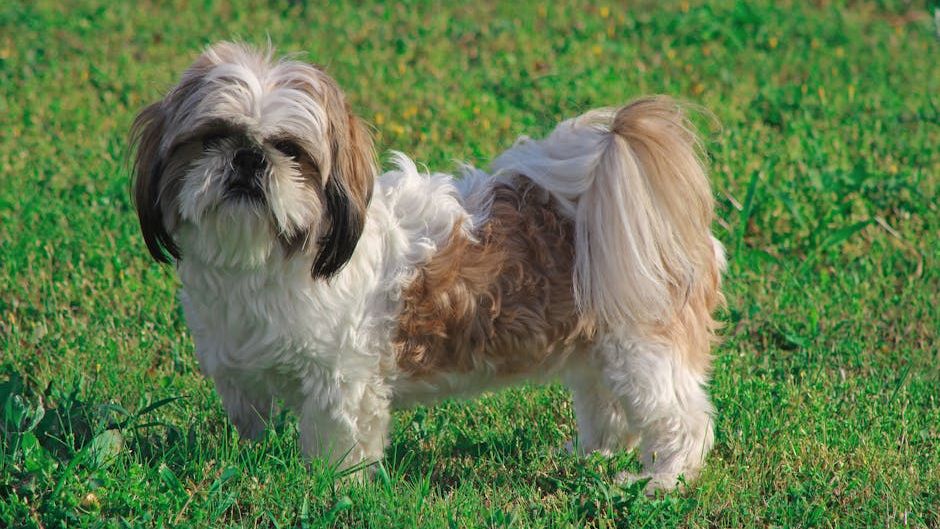
#1. Cavalier King Charles Spaniel
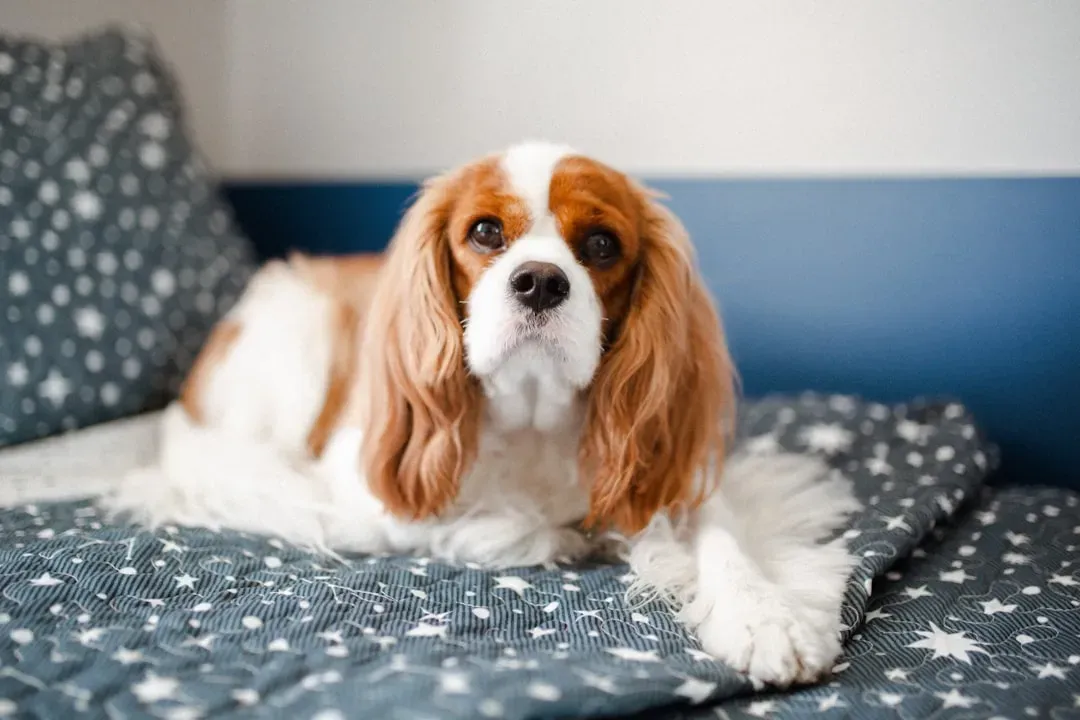
Cavaliers are gentle, calm, and deeply people-oriented, making them excellent senior companions. They require moderate exercise, around thirty to forty minutes daily, and are small enough to manage physically. Their adaptability is one of their most underrated qualities. They’re adept at adapting to active or more sedentary lifestyles.
Known for their affectionate and gentle temperament, Cavalier King Charles Spaniels are small and adaptable, making them ideal for seniors. They require moderate exercise and enjoy cuddling, making them great companions for older adults seeking warmth and companionship. The bond that forms between a Cavalier and its owner tends to be deeply intuitive, with the dog often sensing mood shifts and offering comfort without being prompted. Cavaliers don’t require excessive grooming and are happiest when spending time with people.
#2. Golden Retriever
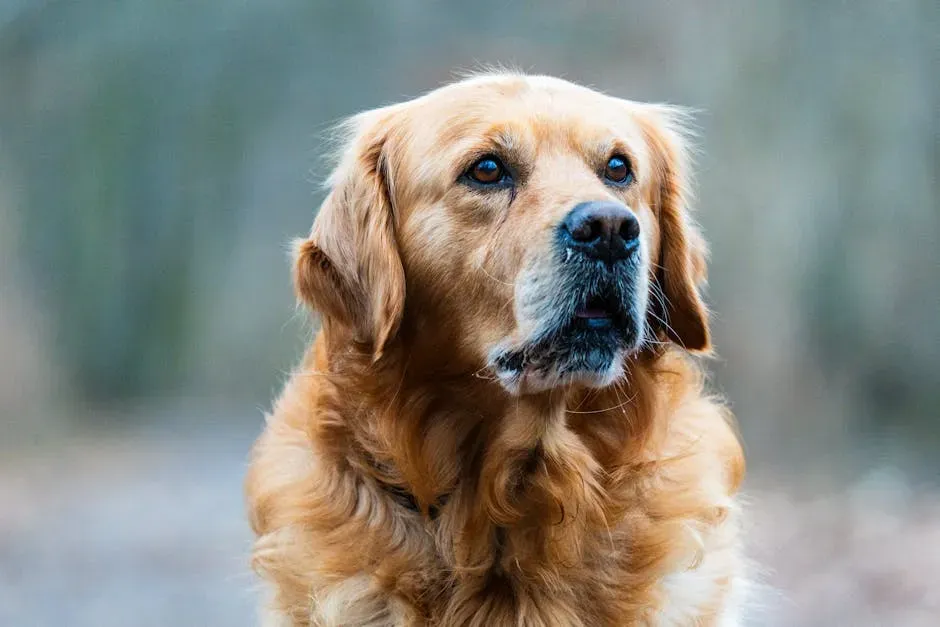
The Golden Retriever stands out as a truly comforting presence for older adults, known for their gentle spirit and easygoing temperament. Their social intelligence is exceptional, which is exactly why they remain one of the most popular therapy and emotional support dogs in the world. Golden Retrievers are well known for being emotional support dogs for owners with anxiety and stress.
Known for their steady temperaments and loyalty, Goldens thrive on companionship. They do best with space and regular walks, but reward their owners with endless affection. For seniors who can manage a medium-sized dog and enjoy daily outdoor movement, a Golden Retriever provides a consistent motivation to stay active. Golden Retrievers love physical activity, so it’s essential to make sure they have a chance to burn off any extra energy. Doing so will also help them calm down while they are inside, so take your golden for a long walk, throw a ball around, or let her swim in a local pond.
#3. Miniature or Toy Poodle

Poodles are widely recognized for their exceptional intelligence and trainability. According to dog behavior experts, they rank among the smartest dog breeds globally and can quickly learn complex commands. This intelligence works both ways: the mental engagement of teaching a Poodle new tricks is itself a cognitive workout that benefits the owner just as much as the dog. Their intelligence makes them easy to train, which is a huge bonus for older owners. The Poodle is low-shedding and hypoallergenic, addressing concerns many seniors have about allergies and constant vacuuming.
Miniature and Toy Poodles are particularly well-suited for seniors who want a smaller, more manageable size. They carry themselves with a kind of cheerful alertness that keeps the home feeling lively without becoming chaotic. Poodles are among the best dogs for seniors because their above-average intelligence makes them very easy to train. They also have a gentle nature, are very laid back, and can become attached to multiple people, making them an excellent choice for couples. They are perfectly happy to lay on the couch, but they still need a daily walk.
#4. Bichon Frise
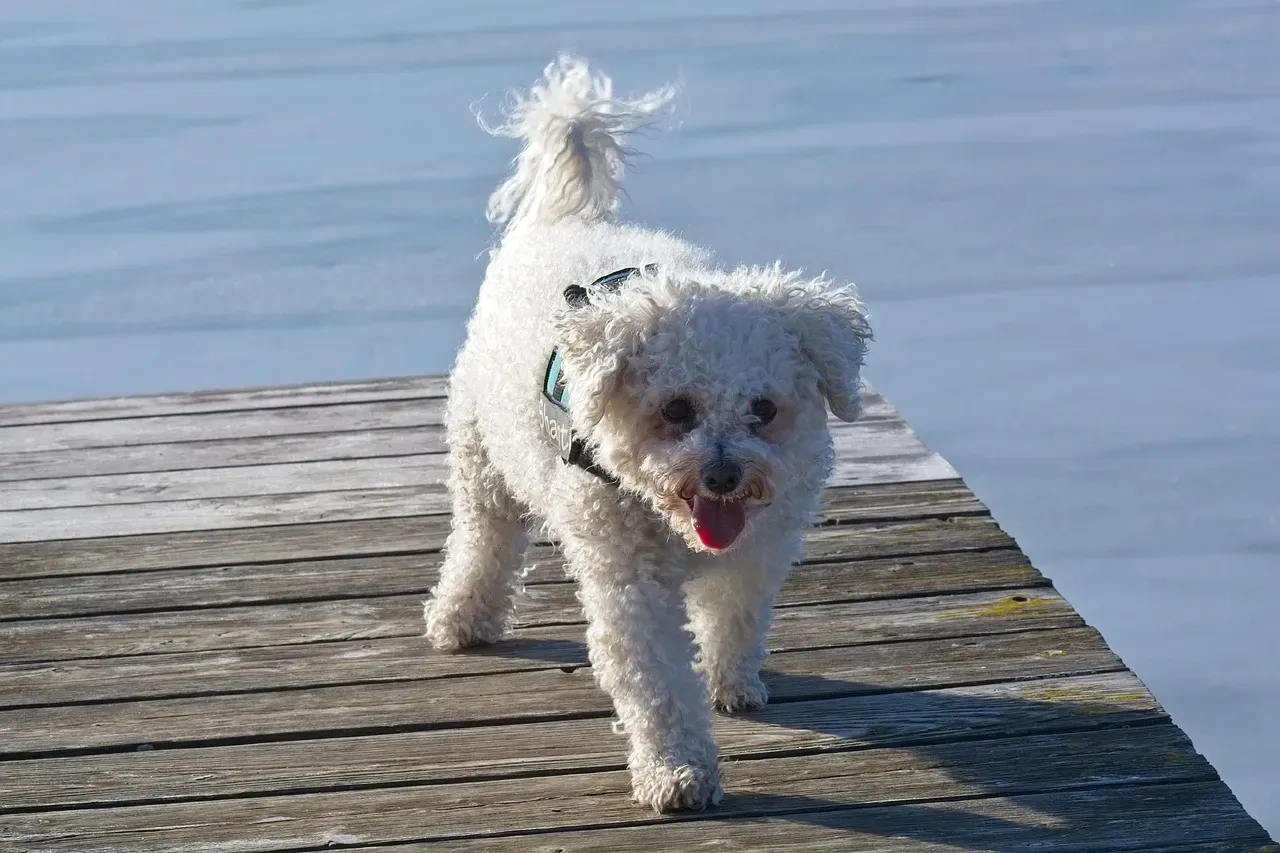
Bichon Frises are remarkable for their hypoallergenic white fluffy coats, which make them ideal for seniors with mild allergies or those who prefer a clean living environment. Unlike many dog breeds, these charming little dogs shed minimally, which means less cleaning and more cuddle time. Their small size combined with a gentle temperament makes them perfect for indoor living and limited mobility situations.
The Bichon Frise is hypoallergenic, which makes them an excellent choice for seniors with allergies. They’re adaptable to their owner’s energy levels and just as happy with gentle play as they are with quiet companionship. What makes them especially valuable for mental engagement is their social energy. What truly sets Bichon Frises apart is their incredibly people-oriented nature, meaning they actively encourage interaction, playfulness, and routine – three things that matter enormously for cognitive health.
#5. Shih Tzu
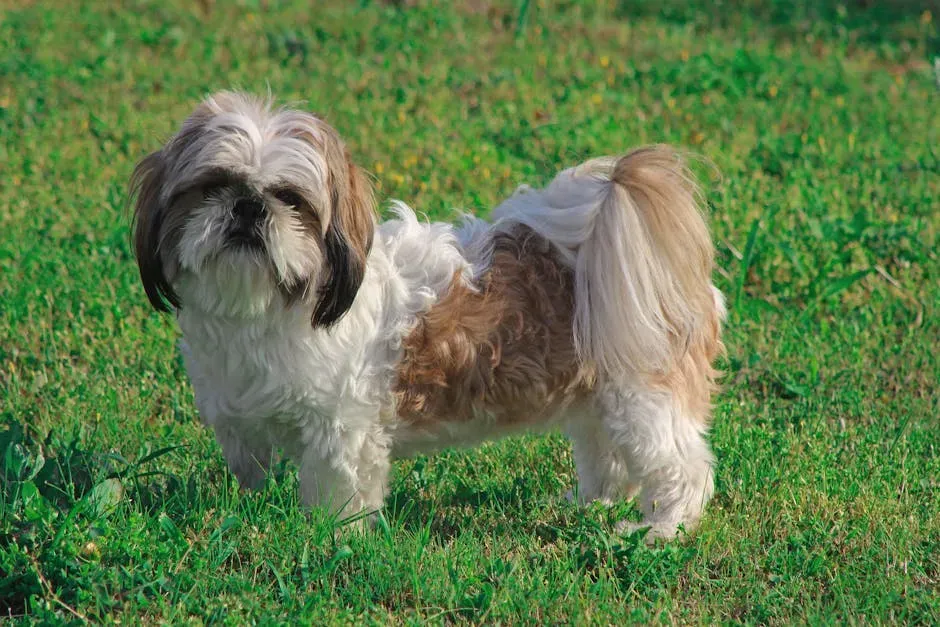
The Shih Tzu is an affectionate dog who enjoys spending time with their pet parent, whether it’s cuddling or accompanying them throughout the house. These small dogs were bred to be companions, and they take that job seriously. They have an uncanny ability to sense when you need comfort and will gladly provide it.
The Shih Tzu is up for a daily walk if its pet parent is, and this lapdog is more than happy to enjoy down time for the rest of the day. Their long coats do require regular grooming, which some seniors find therapeutic. That last point is worth pausing on. The repetitive, calming act of grooming a Shih Tzu can itself become a meditative ritual, one that reduces cortisol and brings a quiet sense of purpose to the day. They’re friendly with visitors too, making them wonderful companions when grandchildren stop by.
#6. Pembroke Welsh Corgi
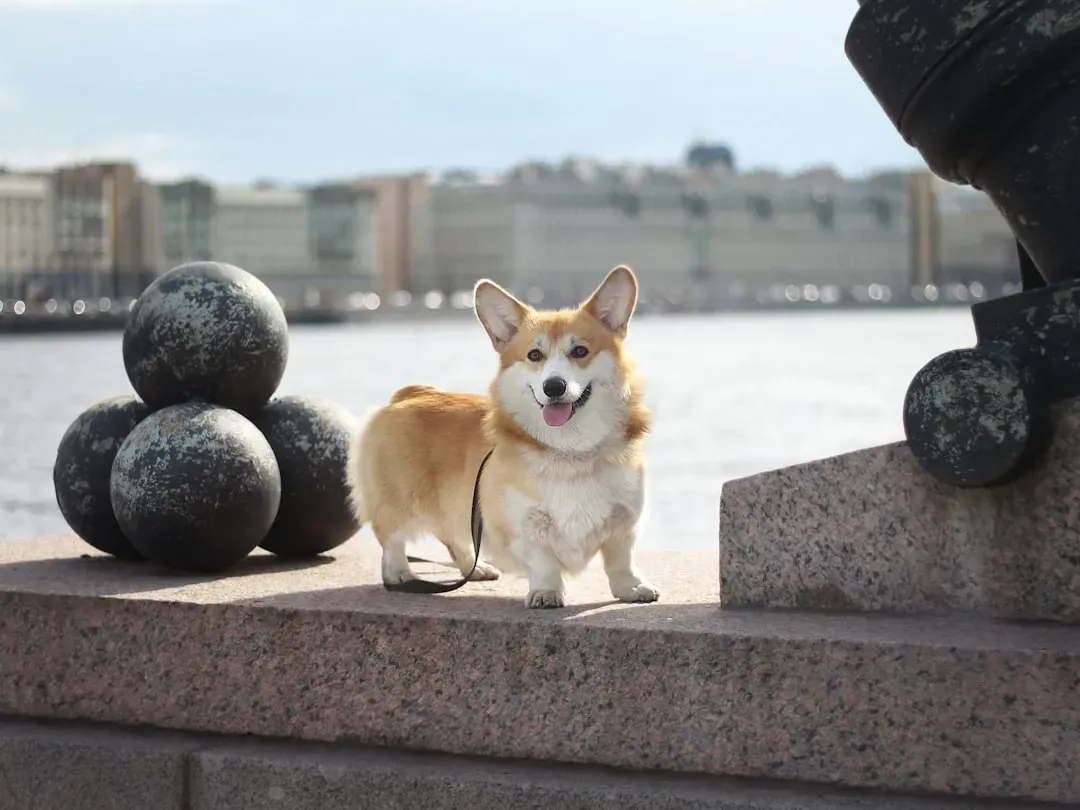
You can identify Pembroke Welsh Corgis by their short legs, low-set body, and pointy ears. They are intelligent and easy to train, making them good companions for seniors. However, they are herding dogs by nature, so you must ensure your Corgi gets adequate exercise – and that can be accomplished by taking daily walks, which is healthy for you and your pet!
The Pembroke Welsh Corgi is perfect for active seniors as they need several short walks a day, are simple to groom, and are very protective. For seniors who still enjoy a moderate level of activity, these dogs offer the perfect partnership. Corgis also have a playful streak that adds genuine spark to daily life. Corgis are easy to train and love daily walks and exercise, and their playfulness translates well to being great around other people. That social spillover – where a dog’s energy draws people closer – is one of the less-discussed ways dogs improve mental sharpness in older adults.
#7. Maltese
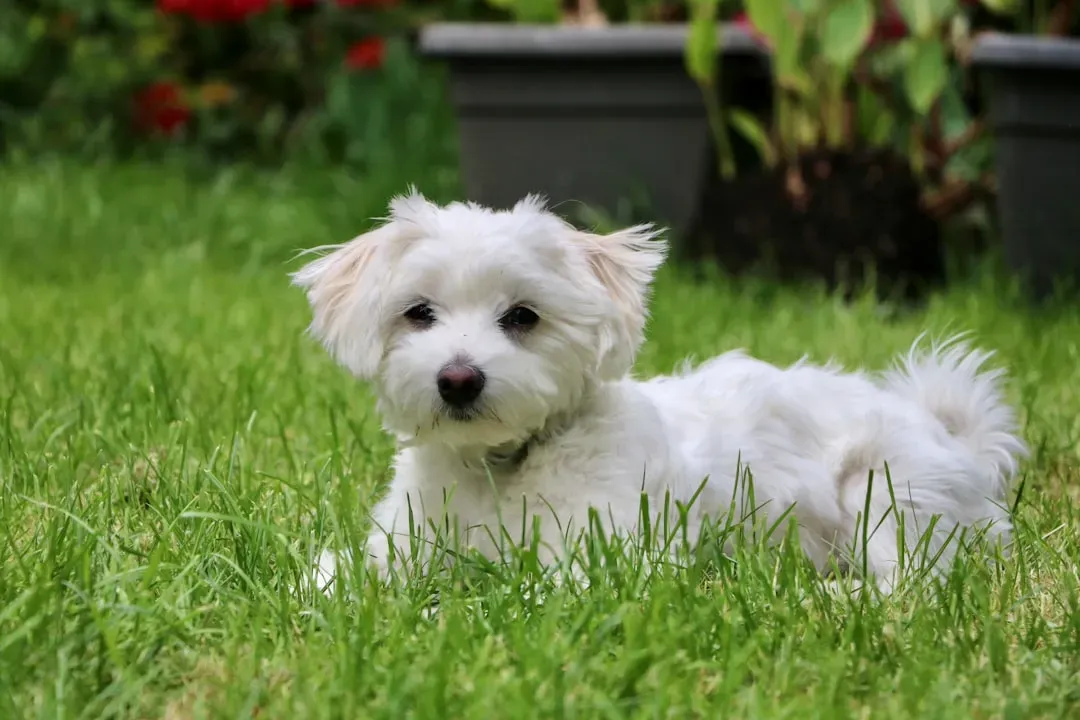
Maltese may be tiny but they are also one of the most empathetic pets and are often used as therapy dogs, needing very little outdoor exercise. Their small size makes them easy to handle, and their gentle nature makes them incredibly comforting to be around. The Maltese dog carries an easygoing sweetness that makes it comforting to have around the home, with a calm presence that suits seniors who want a dog that adds warmth without creating stress.
Daily brushing of their long, silky coats can actually become a relaxing routine that deepens the bond between dog and owner. Seniors who live alone often find that the structured, sensory experience of grooming a Maltese anchors their mornings in a meaningful way. Maltese are gentle, portable, and make a great lapdog, which means they fit naturally into almost any living situation, from a small apartment to a retirement community.
#8. Labrador Retriever
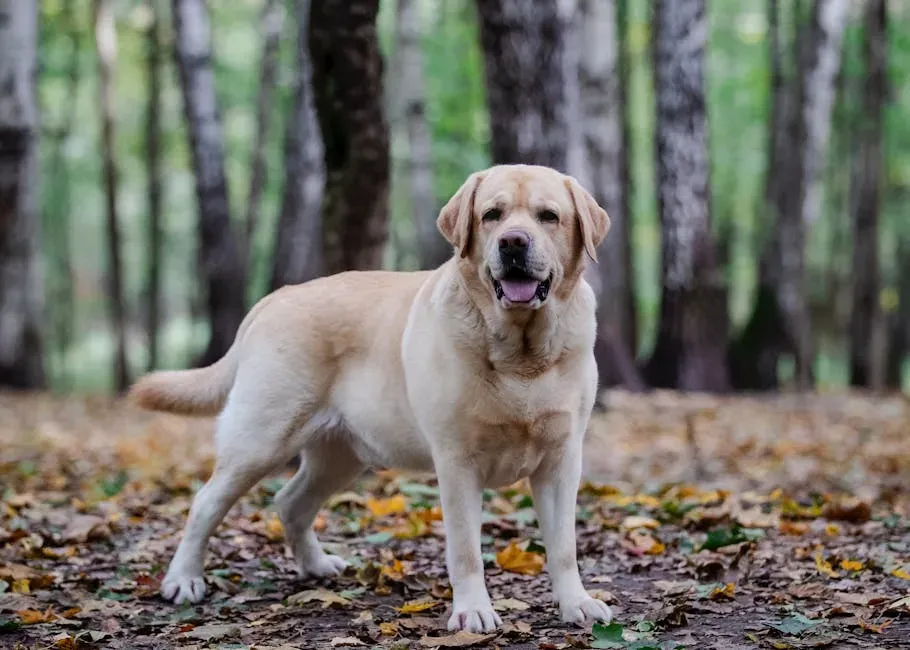
Labrador Retrievers are renowned for their incredible social intelligence and remarkable ability to learn commands quickly. Their friendly demeanor combined with high trainability makes them perfect companions for seniors seeking a dog that can provide both emotional comfort and practical support. Unlike some high-maintenance breeds, Labradors have a balanced energy level that can adapt to their owner’s lifestyle.
One of the most remarkable qualities of Labrador Retrievers is their potential as service dogs. For seniors who may have specific health challenges, a trained Lab can step into a supportive role that goes well beyond companionship. Labs are friendly, social dogs who love activity and attention. For owners who enjoy being outdoors, they make excellent partners. Their enthusiasm for movement naturally keeps seniors more active, which in turn supports both cardiovascular and cognitive health over the long term.
#9. Pug
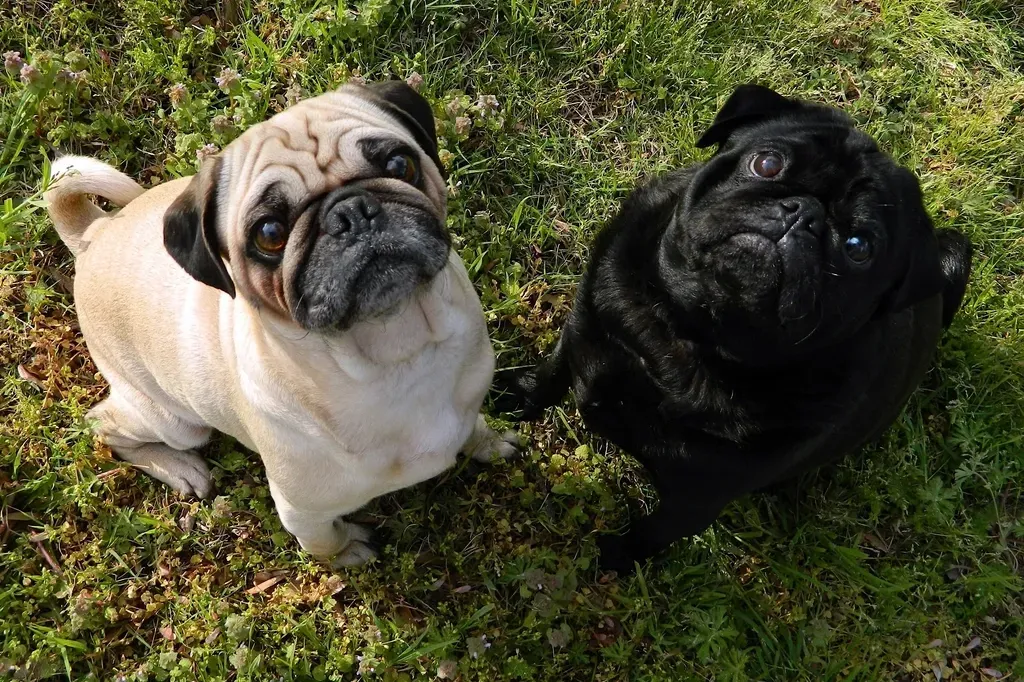
Studies show that older adults who spend time with dogs experience reduced loneliness and improved mental functioning. Pugs, with their gentle humor and warm nature, bring laughter, comfort, and a sense of purpose into everyday life, making them ideal companions for retirees and older adults. Few breeds are better at generating genuine smiles. Pugs are the perfect blend of even temperament and playful spirit. They’re low-maintenance, require minimal grooming, and are perfectly content with whatever love and attention their owners can provide.
Pugs are one of the best companion dogs for seniors because they were originally bred to be lap dogs. This short-coated breed weighs less than twenty pounds, so you should still be able to carry them. Pugs are a low-energy breed that will love spending time snuggling with you on the couch. It’s worth noting that pugs are a brachycephalic breed, meaning their flat faces can make them sensitive to heat and overexertion. Pugs are prone to obesity and should be taken on a short walk at least once a day before the weather gets too hot. As they are brachycephalic, it is important not to overexert them or let them become overweight.
#10. Beagle
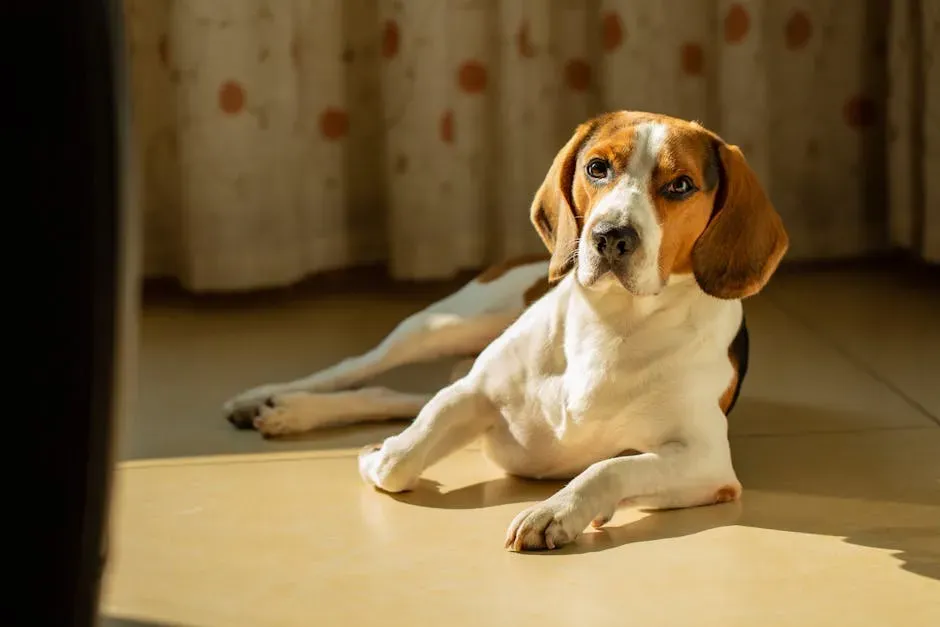
Seniors with yards might opt for a Beagle. The loyal, loving dogs enjoy spending time with people and are gentle with children, which makes playtime extra fun when grandkids come to visit. The cheerful dogs were bred as hunting hounds, so be ready for some braying. Their nose-driven curiosity is endlessly entertaining and keeps both the dog and the owner mentally stimulated during walks and outdoor exploration.
Beagles thrive on routine and social contact, two things that are deeply beneficial for seniors maintaining cognitive structure. Seniors who walk their dogs often meet neighbors, talk to fellow dog owners, or participate in pet-friendly community events. This added social engagement reduces cognitive decline and enhances mental sharpness. A Beagle, with its friendly and outgoing personality, is a natural icebreaker that turns a quiet morning walk into a social event almost every time.
The Bigger Picture: Why Getting This Right Matters
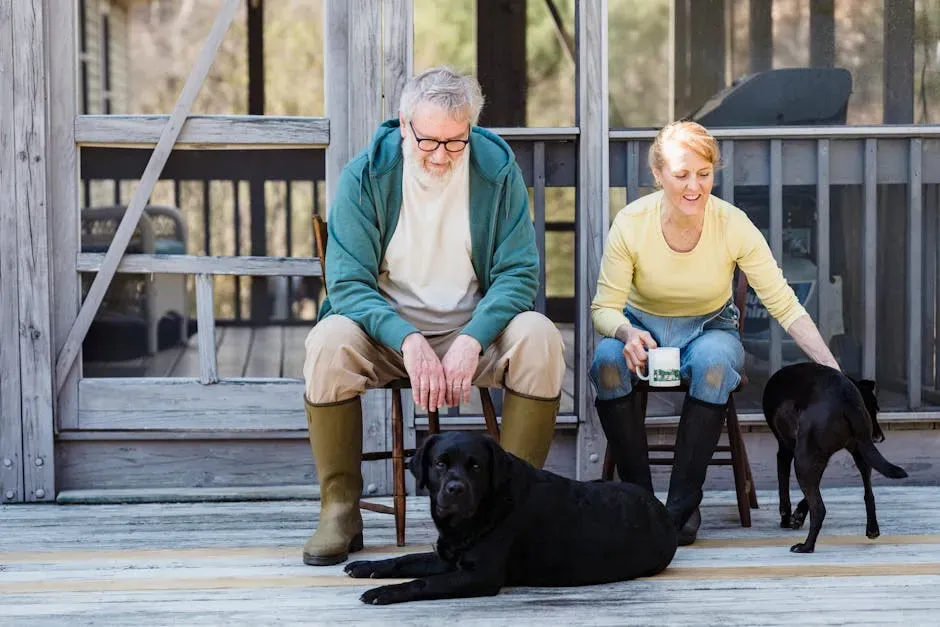
Choosing the right dog isn’t just a lifestyle decision for a senior. It’s potentially a health decision. Numerous studies have found that spending time with dogs decreases stress and lowers blood pressure, helps older adults maintain physical function, and improves cognitive function and brain health. Canine companions can decrease depression and loneliness in homebound older adults and boost mental health in seniors by providing a sense of purpose.
Senior dog owners walk an average of twenty-two more minutes per day, or about two thousand seven hundred and sixty more steps, compared to seniors who do not own dogs. Seniors who own pets are roughly a third less likely to report feeling lonely than their non-pet-owning peers. Those numbers aren’t abstract. More steps mean stronger muscles, better balance, and a heart that works more efficiently. Less loneliness means a mind that stays sharper, longer.
It’s essential to choose a breed that matches the person’s energy level, living space, and lifestyle. A thoughtful choice means less stress and more quality time to enjoy the deep, healing bond between human and dog. While puppies may be tempting, seniors often benefit more from adopting adult or senior dogs. These dogs are typically house-trained, calmer, and easier to manage.
The evidence is clear, and in my opinion, it deserves to be taken seriously rather than dismissed as feel-good sentimentality. We spend billions every year chasing cognitive health through supplements, puzzles, and prescriptions, yet one of the most consistently supported tools available is a warm, loyal dog that simply needs a walk and a kind hand. Any of the ten breeds above can fill that role beautifully. The only real question is which one fits the life you’re actually living right now.


