
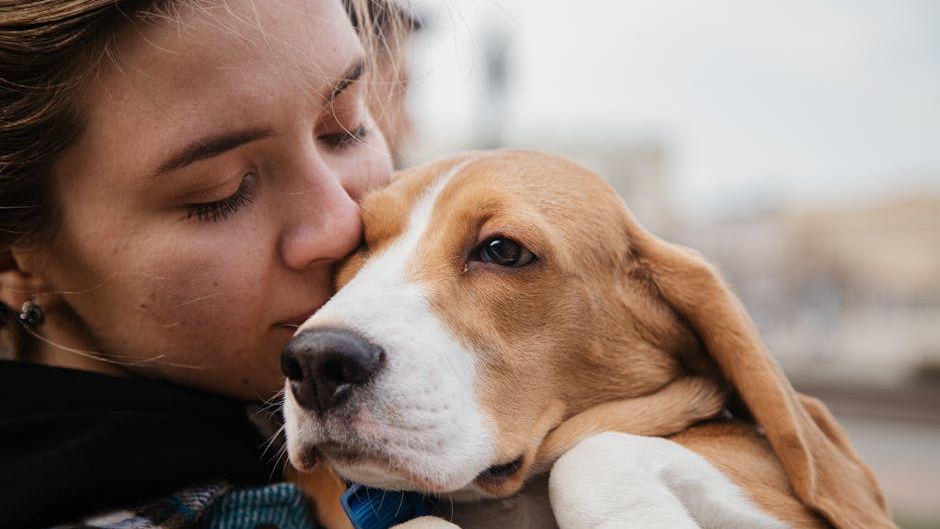
#1 The Emotional Intelligence of Dogs Is More Advanced Than Most People Assume
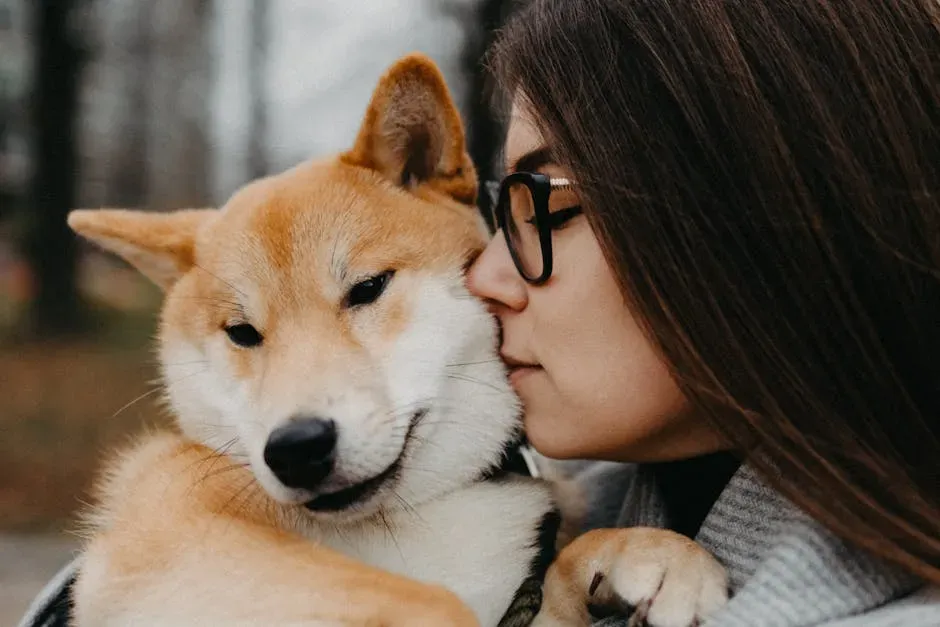
Dogs and humans have shared a close bond for thousands of years, with dogs often being called “man’s best friend,” and this deep relationship has led dogs to become incredibly attuned to human emotions, reading body language, facial expressions, and even tone of voice. That attunement didn’t happen by accident. It was shaped across millennia of living side by side, and it runs deep.
Research has found that dogs respond to human faces expressing basic emotions like anger, fear, happiness, sadness, surprise, and disgust with measurable changes in their gaze and heart rate. While some studies suggest dogs focus more on bodily expressions of emotion, other research has shown that dogs process human facial expressions in ways that parallel how humans do.
Dogs have evolved alongside humans for thousands of years, which has shaped their emotional intelligence. They rely on humans for care and survival, making them highly attentive to human behavior, and they observe subtle cues like posture, movement, and gestures. That kind of attention to detail means that when your behavior shifts, your dog is almost certainly among the first to notice.
A dog will try whatever they can to make up for being rejected or unloved if they feel that way, and they can interpret facial expressions and vocal clues to understand how you are feeling towards them. This isn’t guesswork on the dog’s part. It’s a deeply wired survival skill that happens to also make them remarkably empathetic companions.
#2 Dogs Can Actually Smell When Something Has Changed in You
Dogs have evolved to read verbal and visual cues from their owners, and research has shown that with their acute sense of smell, they can even detect the odor of stress in human sweat. Researchers have now found that not only can dogs smell stress, represented by higher levels of the hormone cortisol, but they also react to it emotionally. That distinction matters enormously. It means a dog isn’t just observing a change in your behavior from the outside. In a very real sense, they can smell it happening inside you.
A study published in Scientific Reports found that the scent of human stress can influence dogs’ behavior, potentially making them more cautious and less likely to take risks, even when it comes to something as simple as approaching a food bowl. The implications are striking. Your internal emotional state isn’t private, at least not from your dog.
Research has reported that the long-term cortisol levels of pet dogs mirror those of their owners, and this finding was unrelated to exertion or exercise, suggesting the cortisol levels were a product of psychological rather than physical stress. In other words, a dog living in a chronically tense or emotionally unpredictable household doesn’t just observe the tension. Over time, they carry it too.
These reactions likely have deep evolutionary roots. As one of our closest companions, dogs have co-evolved alongside humans for thousands of years, and detecting stress or fear in others within a social group, sometimes called emotional contagion, is thought to be beneficial, especially if it signals a possible threat in the environment. Your dog isn’t being dramatic when they seem affected by your mood. They’re responding to something ancient and real.
#3 What Dogs Experience When Human Behavior Suddenly Changes

The idea of dogs feeling rejected may seem far-fetched to some, but behavioral observations and scientific research suggest otherwise. Dogs form strong emotional bonds with their human companions, and any disruption in these bonds can lead to feelings of jealousy or hurt feelings akin to rejection. When a new pet is introduced into the household, a dog might feel less attention is being paid to them. Similarly, if their human companions suddenly start spending less time with them, dogs might interpret this as rejection.
Signs that a dog might be feeling rejected include changes in behavior such as withdrawal or aggression, changes in eating habits, and altered interaction with humans and other pets. These aren’t random behavioral glitches. They are communication. A dog that goes quiet, stops greeting you at the door, or begins eating inconsistently is telling you something worth paying attention to.
If a dog is feeling rejected, they may start shaking and cowering because they do not know what they did wrong to get to this point. They will blame themselves and become depressed because of it. That detail is worth sitting with. Dogs don’t have the cognitive framework to understand that you’re stressed from work or dealing with something personal. From their perspective, the withdrawal is about them.
If your tone changes, your dog may respond by becoming alert, cautious, or affectionate, depending on the situation. The response varies by individual dog and by the severity of the behavioral change they’re detecting. But the underlying sensitivity is consistent across breeds, ages, and temperaments.
#4 The Attachment Bond Between Dogs and Their Owners Has Real Psychological Stakes

Dogs show behaviors that are functionally similar to human infants in the Strange Situation Test, seeking the proximity of the owner and showing a stress response during separation. The proximity of the owner serves as a secure base for the dog for exploring the environment and a safe haven in threatening situations, similar to the way a parent’s proximity functions for infants. This parallel is not casual. It reflects a deep structural similarity in how dogs process their bond with their primary caregiver.
Research has provided evidence for a human analogue “safe haven” effect of the owner in potentially dangerous situations. Similarly to parents of infants, owners can provide a buffer against stress in dogs, which can even reduce the effect of a subsequent threatening encounter later when the owner is not present. The owner’s emotional availability, or lack of it, has measurable effects on the dog’s nervous system.
The advice to ignore a dog when she is expressing anxiety and wants to be close may lead to the development of an avoidant attachment style. She may learn that you aren’t reliable and cannot provide comfort and safety when she needs you the most. The same applies when you ignore your dog upon reunion. Consistency isn’t just a training principle. It’s the foundation of psychological safety for a dog.
Research suggests that owners’ attachment avoidance may facilitate the development of separation-related disorders in dogs. Avoidant owners are likely less responsive to the dog’s needs and do not provide a secure base for the dog when needed. As a result, dogs form an insecure attachment and may develop these disorders. The connection between human emotional availability and canine psychological well-being is far more direct than most owners realize.
#5 How to Repair the Bond and What Dogs Actually Need From You

The dog-owner relationship is reflected in the dog’s emotional reactions, and a close emotional bond with the owner appears to decrease the arousal levels of dogs. That finding offers a hopeful and practical implication: the repair of a disrupted bond is possible, and it starts with intentional emotional presence.
Understanding the emotional life of dogs can significantly enhance the human-dog bond. While dogs might indeed experience complex feelings such as rejection, as responsible pet owners we can take steps to minimize these feelings and ensure our dogs feel loved and secure. In doing so, we not only contribute to their well-being but also deepen the connection we share with our loyal companions.
Regular walks, playtime, and cuddling help reinforce the bond. Maintaining a steady tone and clear commands helps the dog better understand you, and praise encourages the dog to stay emotionally connected and responsive. Small and consistent gestures carry more weight than occasional grand gestures. Dogs are creatures of pattern, and patterns are what restore trust.
Positive reinforcement training builds trust and reduces anxiety. For dogs, indoor enrichment activities such as puzzle feeders or scent games can prevent stress-related behavior. Rebuilding security in a dog that has felt rejected isn’t always an overnight process, but it is almost always achievable with patience and consistency.
Conclusion
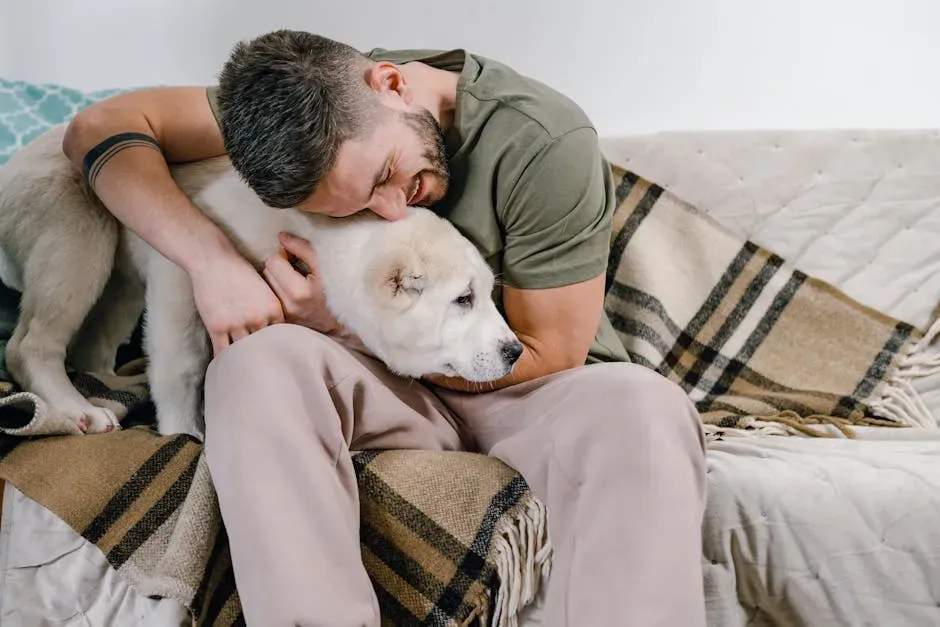
The science on this is clear enough that it deserves to change how we think about our dogs. They are not simply responding to commands or waiting for meals. They are emotionally tracking us, picking up on chemical changes in our bodies, reading our posture and tone, and drawing conclusions about whether they are safe and loved. That’s an enormous level of investment in the relationship, and it comes with an equally significant vulnerability.
When humans suddenly become colder, more distracted, or emotionally inconsistent, dogs don’t just shrug it off. They internalize it. They question themselves. They change. The research is humbling precisely because the burden of emotional clarity falls so heavily on the human side of this partnership. Your dog isn’t asking for perfection. They’re asking for presence, and they notice, deeply and measurably, when it disappears.
Perhaps the most meaningful takeaway is this: the same attentiveness your dog shows you every single day is exactly what they’re quietly hoping you’ll return. That’s not guilt-tripping. That’s just the honest reality of what it means to be someone’s whole world.


