
#1 Avoid: The Belgian Malinois – A Working Dog That Doesn’t Clock Out
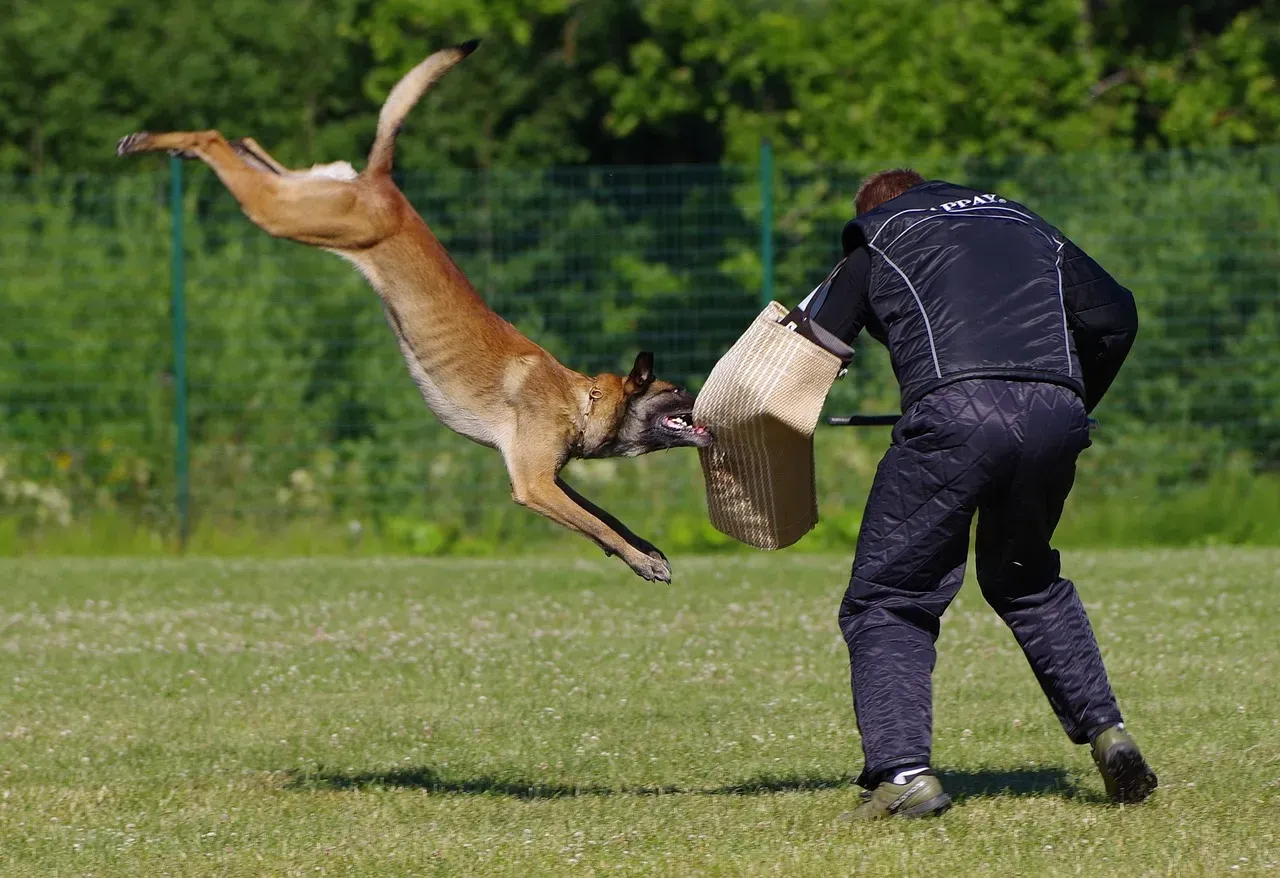
The Belgian Malinois is one of the few dog breeds that experts broadly advise most dog owners to avoid. A magnificent dog with incredible intelligence, strength, and working intensity, the Belgian Malinois is quite frankly too much dog for the average person. If your 30s involve long hours at the office, a busy social calendar, or even the occasional spontaneous weekend trip, this breed will not forgive your absence.
Belgian Malinois demand at least two hours of rigorous daily exercise and mental challenges like obedience or agility to prevent boredom-fueled destruction such as chewing or escaping. Their strong prey drive can lead to chasing small animals or reactivity, while protectiveness may cause wariness or aggression toward strangers without extensive socialization. This is a breed built for elite military and police work, and it will remind you of that every single day you fail to meet its expectations.
#2 Avoid: The Siberian Husky – Gorgeous, Stubborn, and Relentlessly Vocal
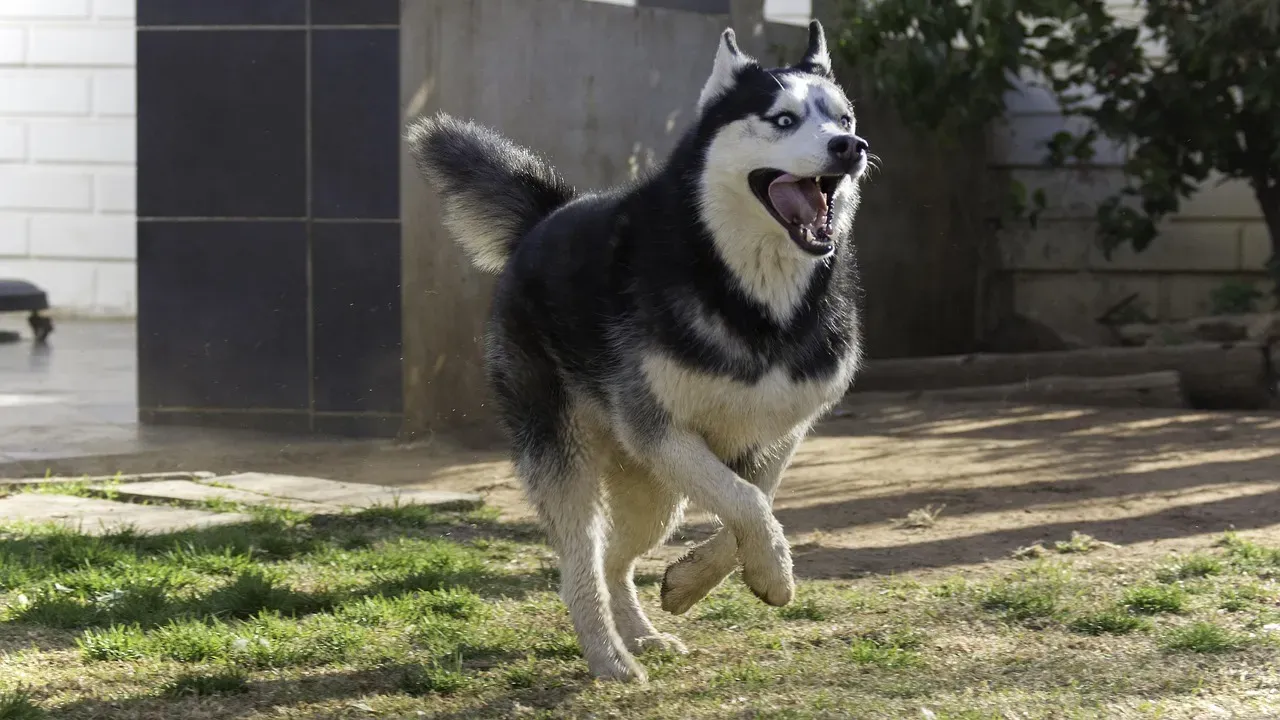
Huskies were originally bred to pull sleds across icy tundras, which means they are high-energy dogs with a thick double coat and a deep need for stimulation and space. These dogs are escape artists of the next level. If you rent an apartment or live without a securely fenced yard, the Husky’s legendary talent for breaking out becomes your problem every single morning.
Huskies are known for being vocal, including howling, which can be a real challenge for owners in noise-sensitive living situations. Training can be difficult due to their independent streak, requiring patience and consistency. For someone in their 30s who’s already stretched thin, managing a dog that routinely ignores your commands and serenades your neighbors at 2 a.m. is a particular kind of exhausting that no amount of dog love fully prepares you for.
#3 Avoid: The Border Collie – Brilliant, But It Needs a Job
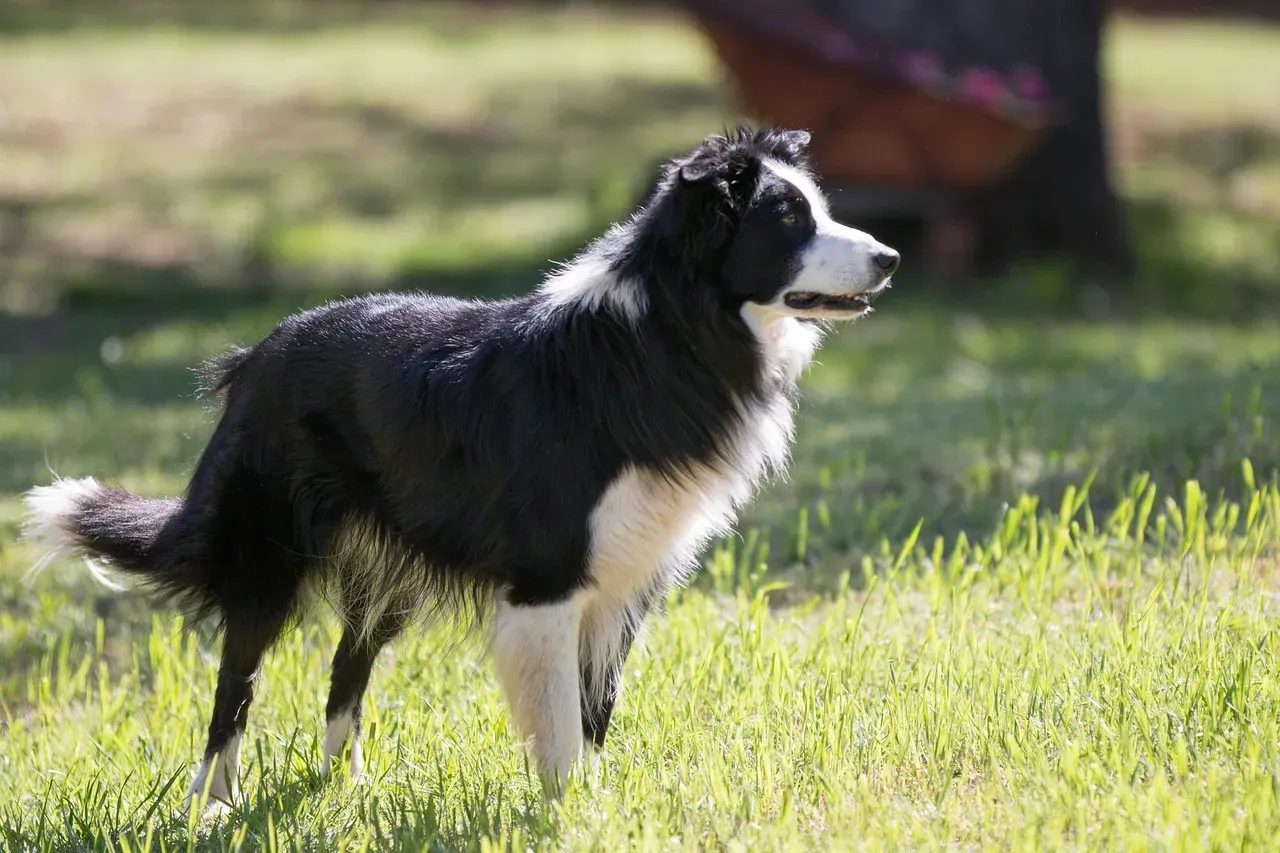
Picture a dog with the IQ of a child prodigy, the athleticism of an Olympic sprinter, and the work ethic of a caffeinated overachiever, and you have the Border Collie. Border Collies are classic working dogs, originally bred for herding livestock, especially sheep, and are known for their incredible intelligence, stamina, and strong herding instincts. That intelligence, without an appropriate outlet, turns inward in ways that are genuinely destructive.
Without the mental and physical stimulation of outdoor space to run and explore, hyper-intelligent Border Collies can become bored and their mental health can suffer. If you lead an active lifestyle and can spend lots of time with your Border Collie, this isn’t the worst breed for you. On the other hand, Border Collies can be a little skittish of new people, busy environments, and odd sounds, so city life in general may not be right for this breed. For most people in their 30s navigating urban or suburban life, that’s a significant warning.
#4 Avoid: The Chow Chow – Independent, Aloof, and Not Easily Won Over
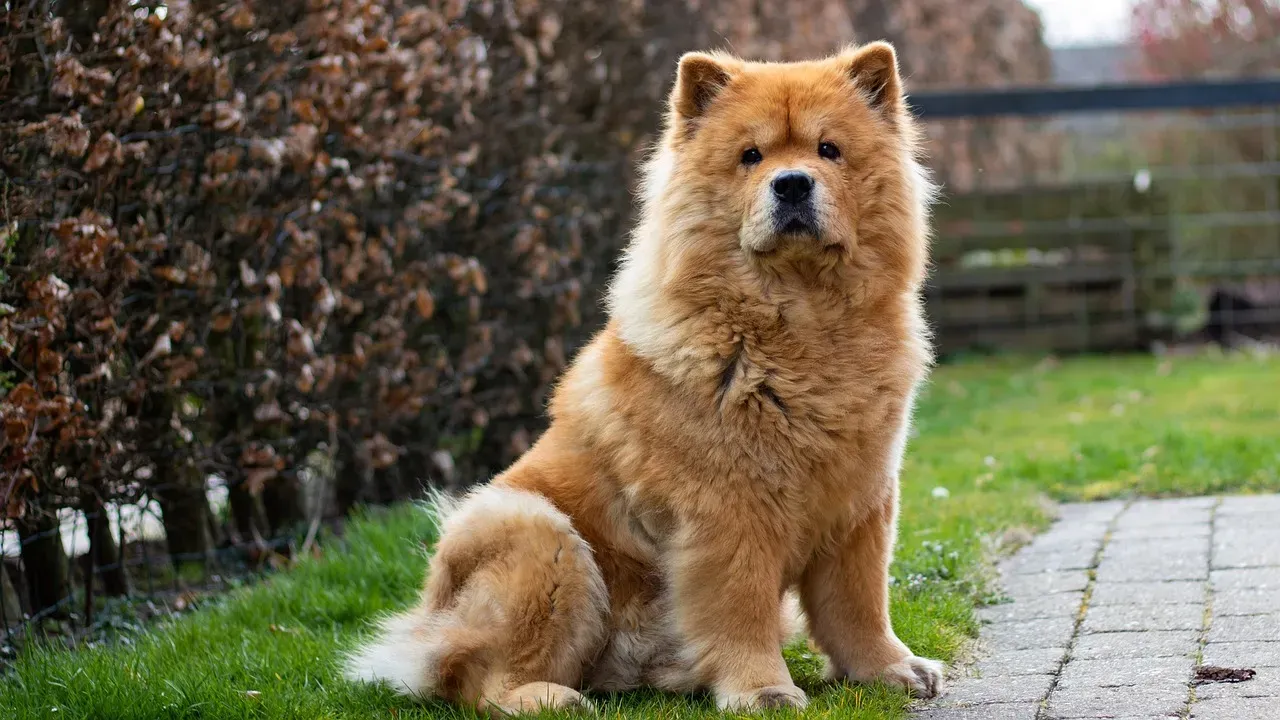
The Chow Chow may look like a huggable ball of fluff, but these independent dogs are not as lovey-dovey as they appear. Initially bred for guarding, hunting, and herding in China, they have a loyal nature and are fiercely protective of their owners. However, Chow Chows tend to be aloof with strangers and may behave aggressively toward unknown people and animals if not properly socialized from an early age.
Dominant by nature, Chow Chows often show aggression toward strangers or other dogs, necessitating early socialization and firm, positive leadership to avoid territorial behaviors. Aloof and less eager to please, training can be challenging, with stubbornness leading to selective obedience. Prone to health concerns including hip dysplasia and overheating, they thrive with experienced owners in secure spaces but may overwhelm novices or multi-pet families. If you’re someone who loves entertaining at home or has a growing social circle, a Chow Chow will not make that easy.
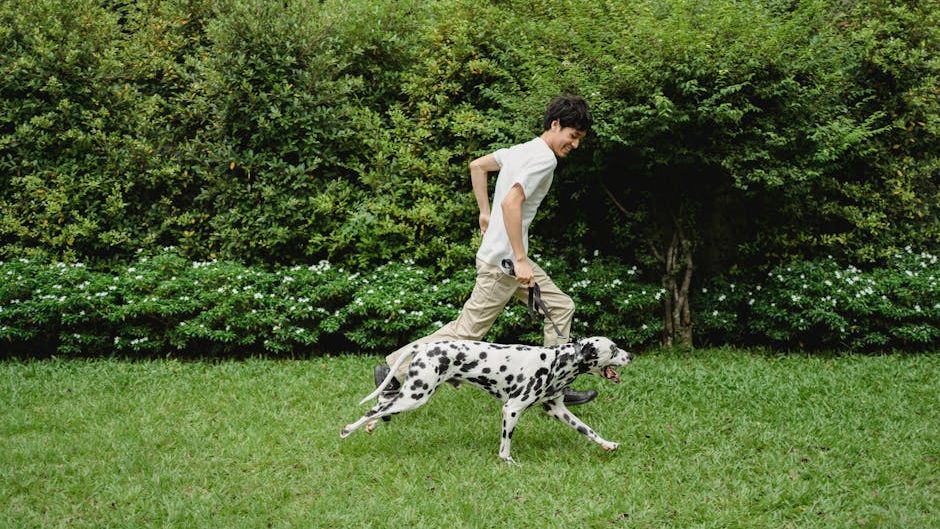
#5 Avoid: The Dalmatian – Far More Than a Movie Dog
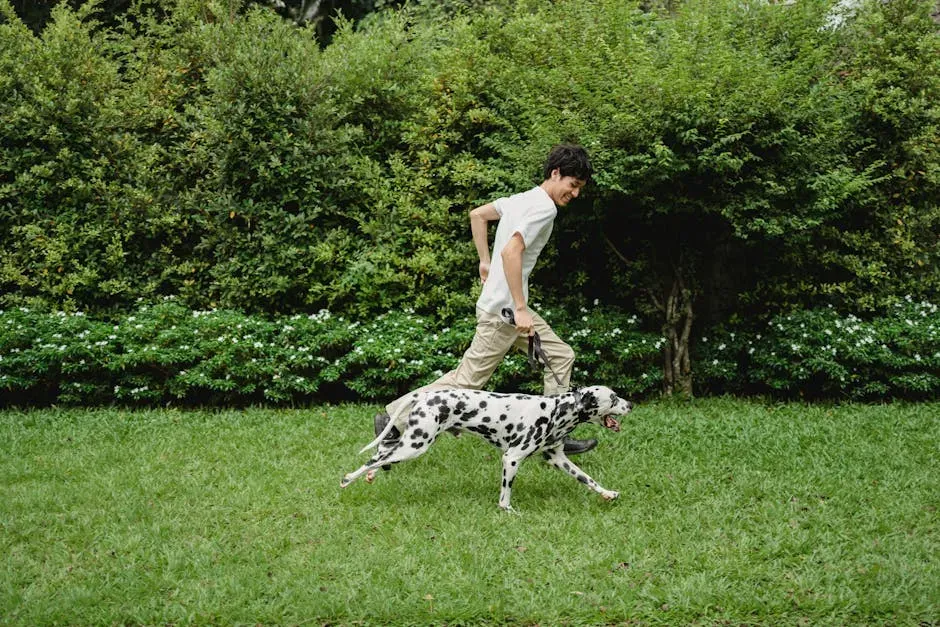
According to Purina’s research, Dalmatians were bred to run alongside horse-drawn carriages, which means they are true high-energy dogs. They need constant movement, structured activities, and real purpose. If you can’t give them these, they tend to be restless, disobedient, and sometimes may even show aggression. Most people, honestly, underestimate just how demanding this breed actually is in daily life.
Originally bred to run alongside fast horse carriages all day, these athletic animals require phenomenal amounts of daily running to remain calm. A bored Dalmatian routinely destroys furniture and digs massive holes out of sheer frustration. This energetic breed also suffers from unique genetic urinary tract issues that demand highly specialized diets and constant fresh water access. The spotted coat is iconic. The reality of ownership, for most 30-somethings, is significantly less cinematic.
#6 Avoid: The Australian Cattle Dog – An Energizer Bunny With Herding Instincts
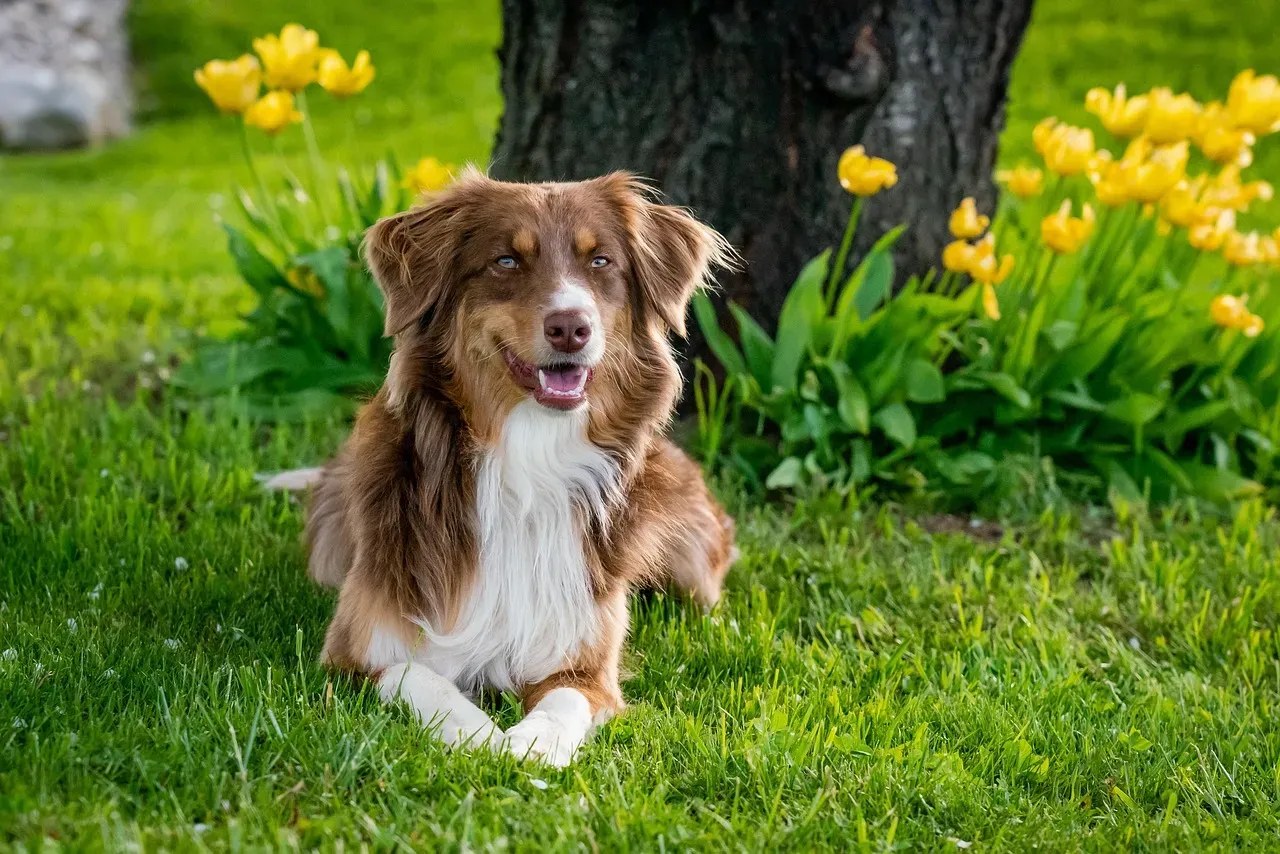
A high-maintenance, high-energy breed, the Australian Cattle Dog is more like an Energizer Bunny than a family pet. Working dogs bred to herd and manage cattle and sheep, the Australian Cattle Dog is a fearless and physically impressive breed. For the average dog owner, keeping this kind of breed active enough in an apartment is an enormous task.
Australian Cattle Dogs are tough, intelligent herding dogs with endless energy. Without enough activity, they may nip, herd children, chase moving objects, or create their own “jobs” around the house. For someone in their 30s who’s just getting serious about dog ownership, this breed will constantly test your commitment, your patience, and your furniture. The bond they form is real and lasting, but you have to earn it through serious daily effort.
#7 Avoid: The Alaskan Malamute – Powerful, Vocal, and Built for the Wild
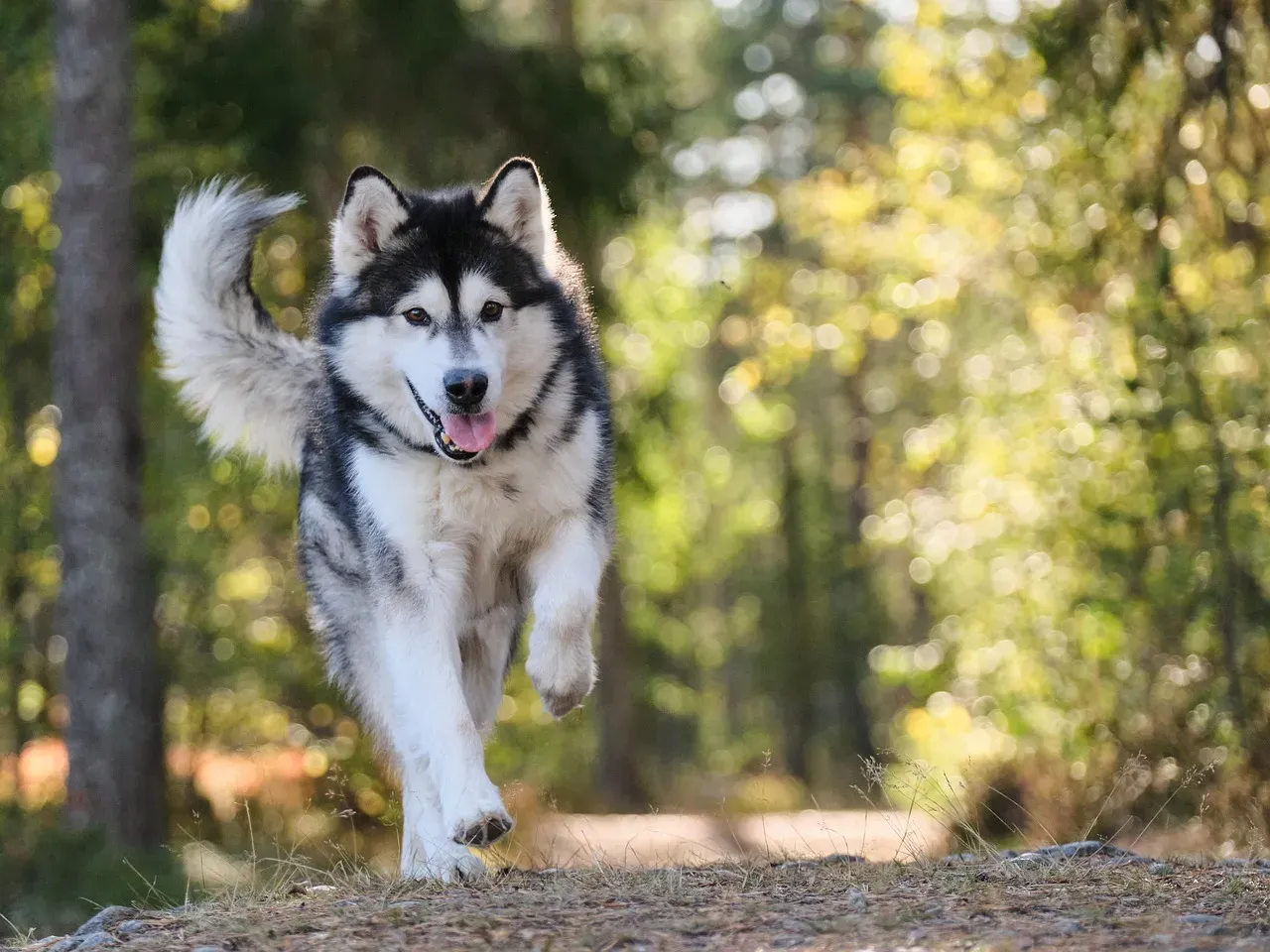
Alaskan Malamutes are powerful dogs with a love for adventure and the outdoors. Apartments can be restrictive for their active nature, and regular, intense exercise is necessary to keep them content. They thrive in environments where they can roam. Combine that raw physicality with a deeply stubborn personality, and you’ve got a dog that genuinely requires an experienced hand.
Alaskan Malamutes are powerful, independent dogs bred for hauling heavy freight as sled dogs. They possess incredible strength and stamina, requiring ample exercise to prevent boredom and destructive behavior. Malamutes have a strong prey drive and a desire to roam, making them a challenge to keep contained. For a first-time or moderately experienced owner in their 30s, this breed is a long, demanding, sometimes humbling commitment that not everyone is ready for.
#8 Should Adopt: The French Bulldog – City Life’s Perfect Companion
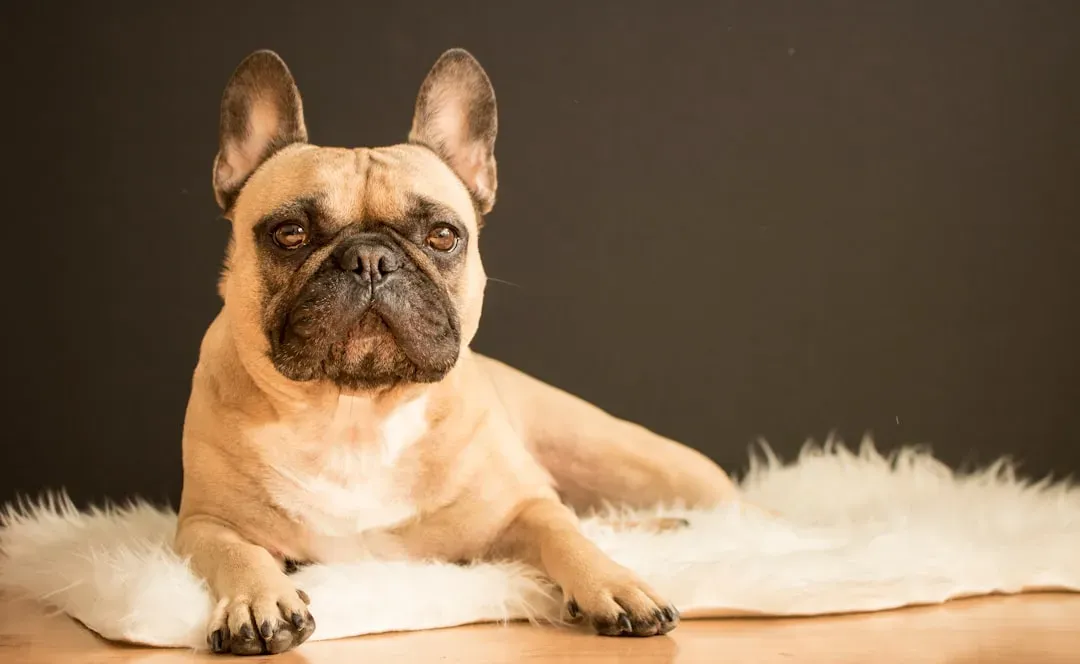
For the fourth year in a row, the French Bulldog is the number one most popular dog in the United States, and that level of sustained enthusiasm is not accidental. Compact, muscular, and with a charming bat-eared expression, French Bulldogs fit well into city apartments and lead a more sedentary lifestyle, which is often ideal for urban living. They are the rare breed that seems genuinely happy in whatever space you call home.
French Bulldogs provide playful behavior with minimal exercise requirements, which simplifies daily maintenance for households with busy schedules. They prefer to spend time near people and choose to stay indoors rather than engage in heavy outdoor activities. Their affectionate personality helps first-time owners feel emotional attachment without requiring difficult training tasks. For someone navigating career building, social demands, and the general busy-ness of their 30s, the Frenchie meets you exactly where you are.
#9 Should Adopt: The Cavalier King Charles Spaniel – Gentle, Adaptable, and Loyal
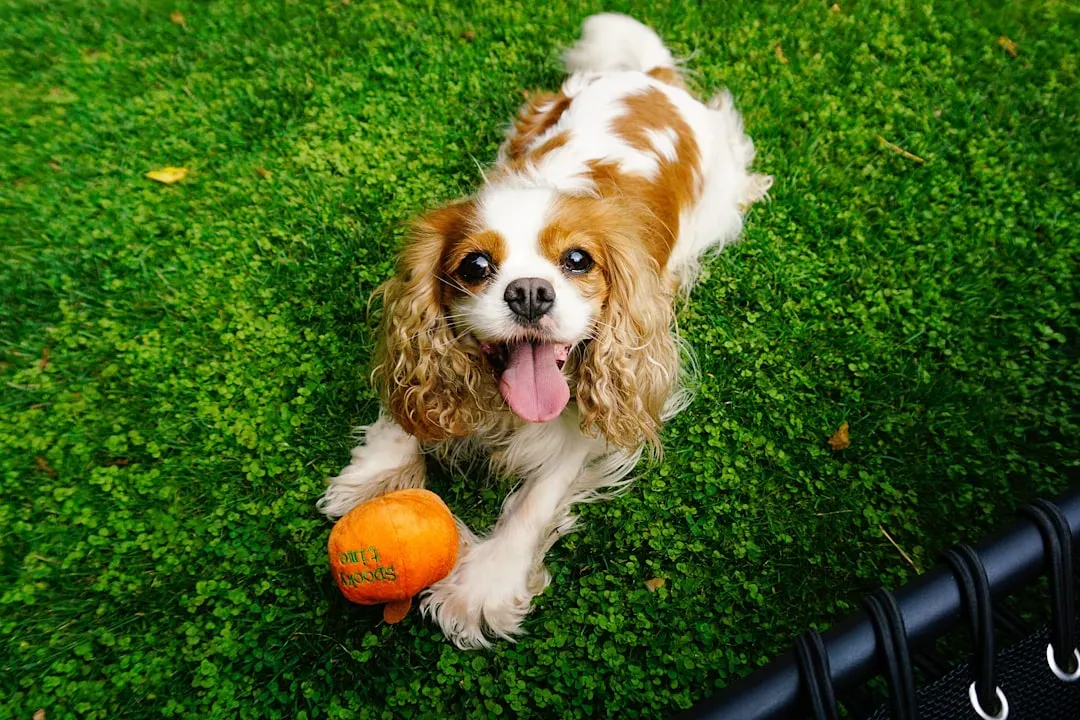
The Cavalier King Charles Spaniel was bred to be a comforting, non-aggressive, and gentle pet. Many of these happy dogs consider everyone to be a friend. Their even temper, loving expression, and feathery coat makes them very appealing. They’re trainable and adapt well to their owner’s preferences, whether it’s an active, outdoorsy lifestyle or a laid-back snuggle on the couch.
This adaptable pup willingly fits right into anyone’s lifestyle. Cavaliers can be both a cuddle buddy one day and an adventurous companion the next; they just follow their pet parent’s lead. That flexibility is genuinely rare in the dog world, and for someone in their 30s whose weekends look different every week, it’s almost priceless. You won’t need to carve out hours of daily exercise, but you will need to spend a significant portion of your time with them, as they are genetically prone to heart disease, so maintaining a healthy lifestyle and regular vet visits may help offset the risk of early onset.
#10 Should Adopt: The Golden Retriever – Reliable, Warm, and Built for Connection

First-time dog owners find Golden Retrievers to be ideal because these dogs display friendliness and high intelligence. The breed develops deep relationships with all family members while demonstrating good learning ability from the puppy stage. Golden Retrievers spend their day engaging in outdoor activities and playing games while meeting new people. They show excellent patience with children, which makes them suitable pets for families with active lifestyles.
If you’re settled down and have kids at home, Goldies make easygoing and fun-loving pets for the little ones as well. They love to please their families and engage in playtime with them. These energetic dogs are highly trainable and thrive on regular exercise and outdoor activities. The trade-off is commitment. A Golden needs your time and your energy. In return, it gives you a level of warmth and loyalty that genuinely makes the effort feel worthwhile.
#11 Should Adopt: The Pembroke Welsh Corgi – Big Dog Energy in a Compact Package
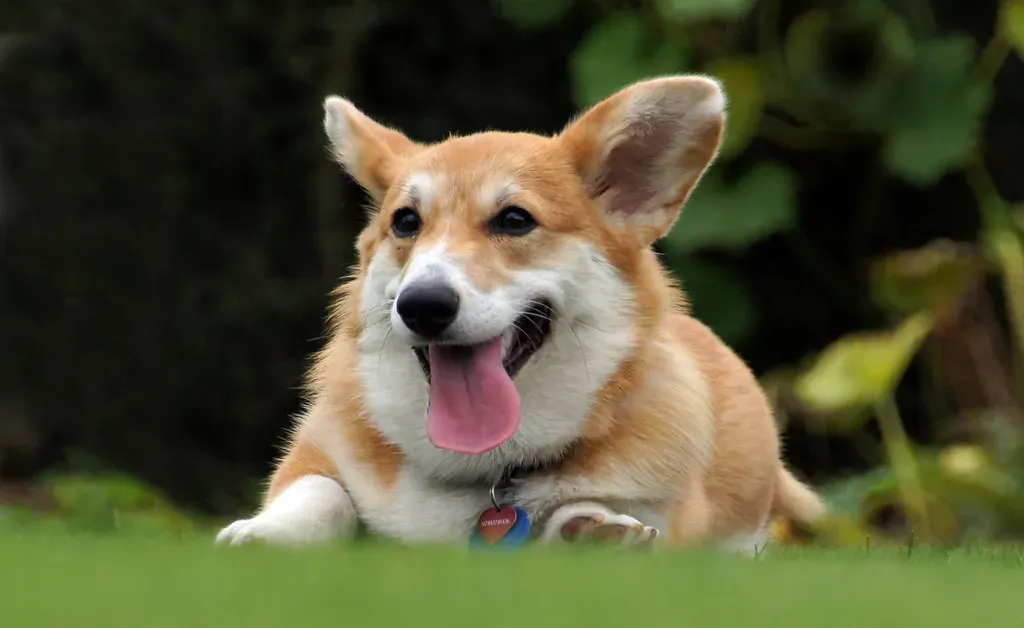
Pembroke Welsh Corgis offer gentle and devoted companionship to people in their 30s. With their compact size and adaptable personality, they’ll help you make the best out of urban living. Even as smaller dogs, there’s no questioning this breed’s surplus of energy and upbeat nature. Their size makes them easier to manage in apartments and smaller homes, while their personality means they never feel like a dog you’re just tolerating.
The sociable Corgi wants to be included in every occasion, and its animated and fun-loving personality makes this dog shine. Corgis are protective, devoted to their families, and make excellent watchdogs. This energetic breed is prone to barking when left alone too long or if they don’t receive sufficient exercise. So while they’re a great fit for active 30-somethings, they do need your presence and engagement, not just your proximity. Give them a job, a walk, and some attention, and they’ll reward you generously.
#12 Should Adopt: The Labrador Retriever – The Dependable All-Rounder
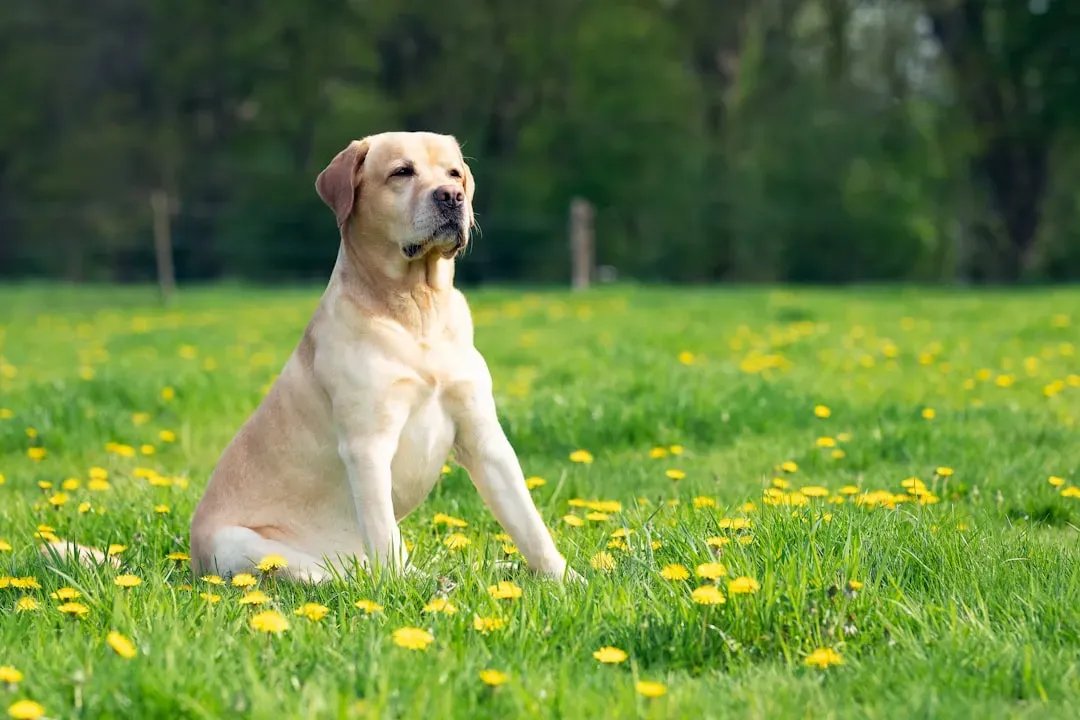
Labrador Retrievers are a very popular dog breed because of how even-tempered, friendly, and outgoing they are. They love their owners and make wonderful companions. Labs are easily trained and can serve as service dogs. They’re also larger dogs that are very energetic and need plenty of exercise. That last detail matters. A Lab without sufficient daily movement becomes a different, much more chaotic dog.
The Labrador Retriever is one of the simplest dog breeds to handle because of its faithful nature and friendly disposition. Families with Labrador Retrievers soon discover that their dogs form deep bonds with all family members while easily adjusting to life with both children and other pets. The Labrador Retriever needs exercise because it helps prevent destructive behavior that emerges from boredom and surplus energy. For someone in their 30s who genuinely wants an active, joyful daily companion rather than a status symbol or a living room decoration, the Lab remains one of the most honest, uncomplicated choices available.
The Verdict: Match Your Life, Not Your Fantasy
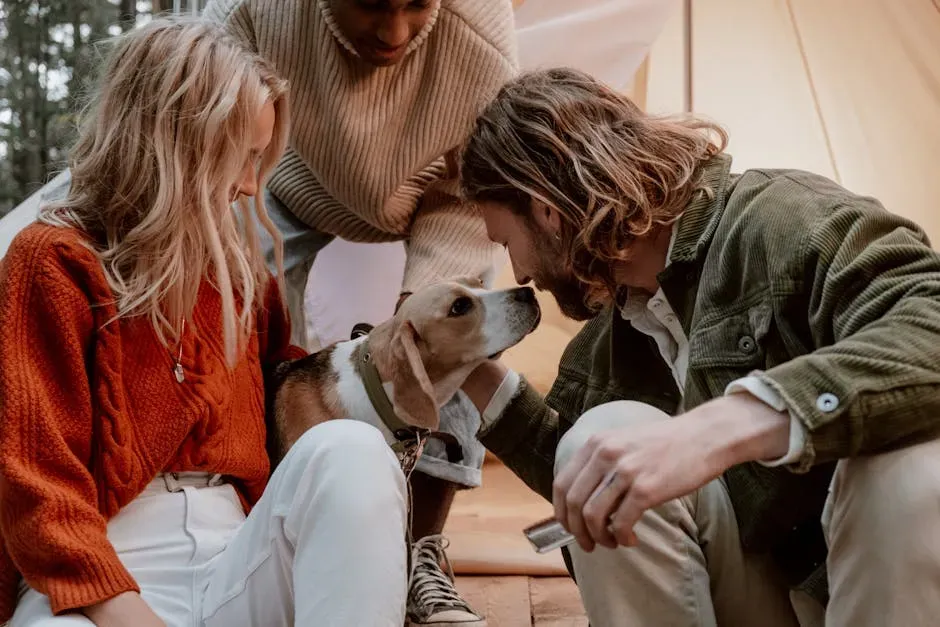
Here’s what nobody tells you when you fall in love with a dog breed online: the fantasy version of dog ownership is always breed-agnostic. The work, the mess, the early mornings, the vet bills, the behavioral quirks – those are breed-specific. Very breed-specific.
Your 30s are dynamic. They’re exciting and draining and full of transition in ways that are genuinely hard to predict. The right dog for this decade of your life is one that fits the life you actually have, not the idealized, perfectly organized version of it you’re aspiring toward. A pup will become your companion, and you should do thorough research on a breed to ensure that it will align with you and your lifestyle.
Loving dogs is never the question. The real question is whether you’re willing to be honest about your capacity, your schedule, and your living situation before you bring one home. The breeds on the “avoid” list in this article aren’t bad dogs. They’re dogs who deserve owners who can truly meet them where they are. And the five recommendations? They’re not perfect either. Every dog is an individual. Every relationship takes work. But some matches are just genuinely better suited to where you are right now, and knowing the difference might be the most responsible act of dog love you ever perform.


