#1. Golden Retriever
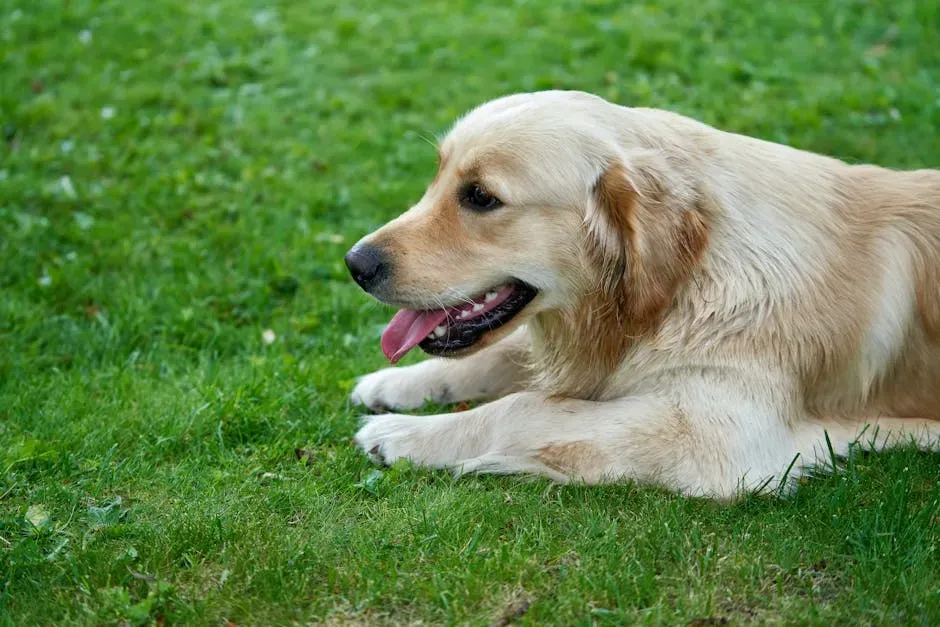
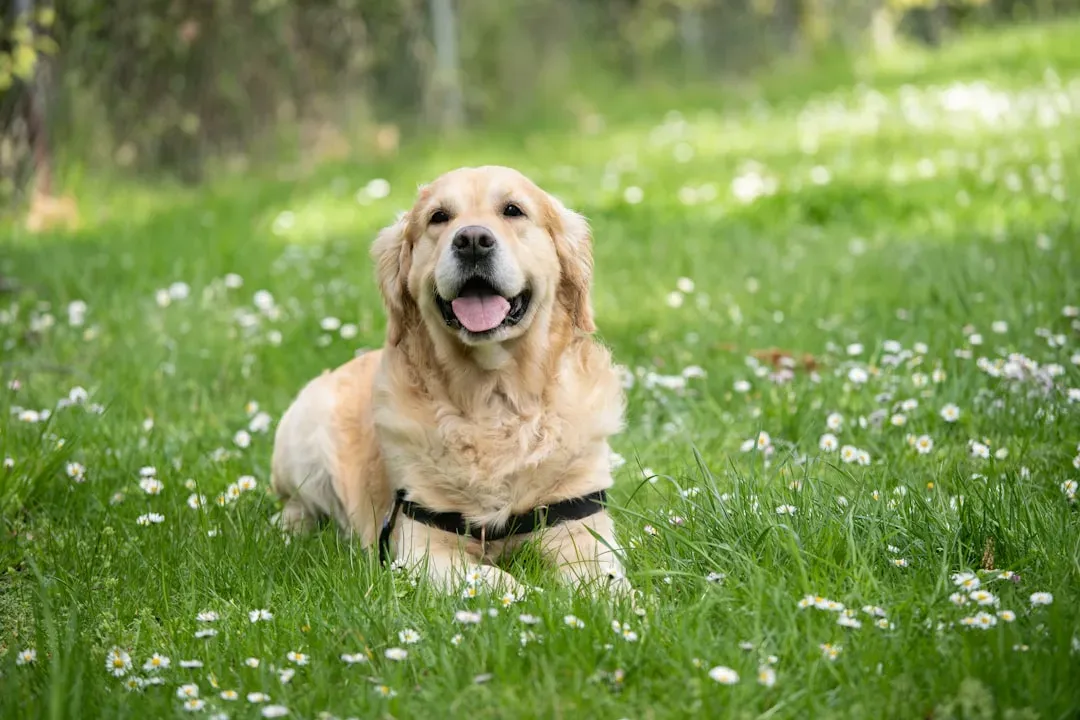
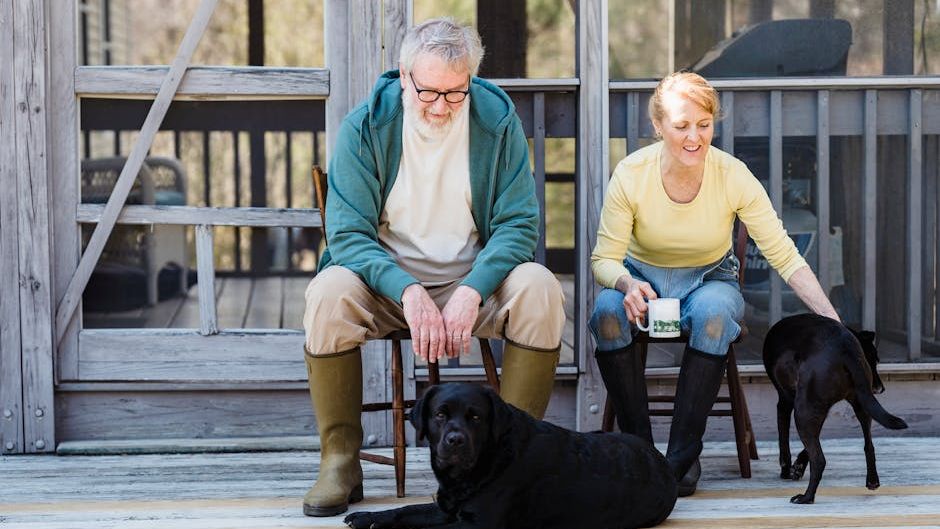
There’s a reason the Golden Retriever keeps showing up on every list of dogs for older adults. The Golden Retriever is widely considered one of the best dog breeds for seniors. Their personality is friendly and cheerful, and they’re excellent at providing companionship and reducing stress. Highly trainable, these dogs are great playmates and eager to please.
Physical inactivity is one of the major causes of chronic illness and early aging, but a Golden Retriever won’t let that happen. This cheerful, loyal companion is the perfect match for the golden years because regular exercise and outdoor movement not only help maintain a healthy weight but also strengthen your heart, muscles, and bones. That daily push to get outside, throw a ball, or walk through the neighborhood has a compound effect on mood that’s hard to overstate.
#2. Cavalier King Charles Spaniel

Known for their sweet nature and affectionate personality, Cavalier King Charles Spaniels are perfect lap dogs. They thrive on companionship and love being close to their owners. Their size is small and manageable, usually under 20 pounds, and they’re best suited for seniors who enjoy cuddles and light activity.
Cavalier King Charles Spaniels are regal little pups with a dignified but friendly personality, and are one of the best dogs for seniors and easygoing owners. While they enjoy some short daily walks and play sessions, they won’t cause major ripples in their elderly owners’ relaxed lifestyle. These portable pups love to settle in the lap of their loving pet owners, and despite not being hyperactive, they are sociable and outgoing.
#3. Poodle (Toy or Miniature)
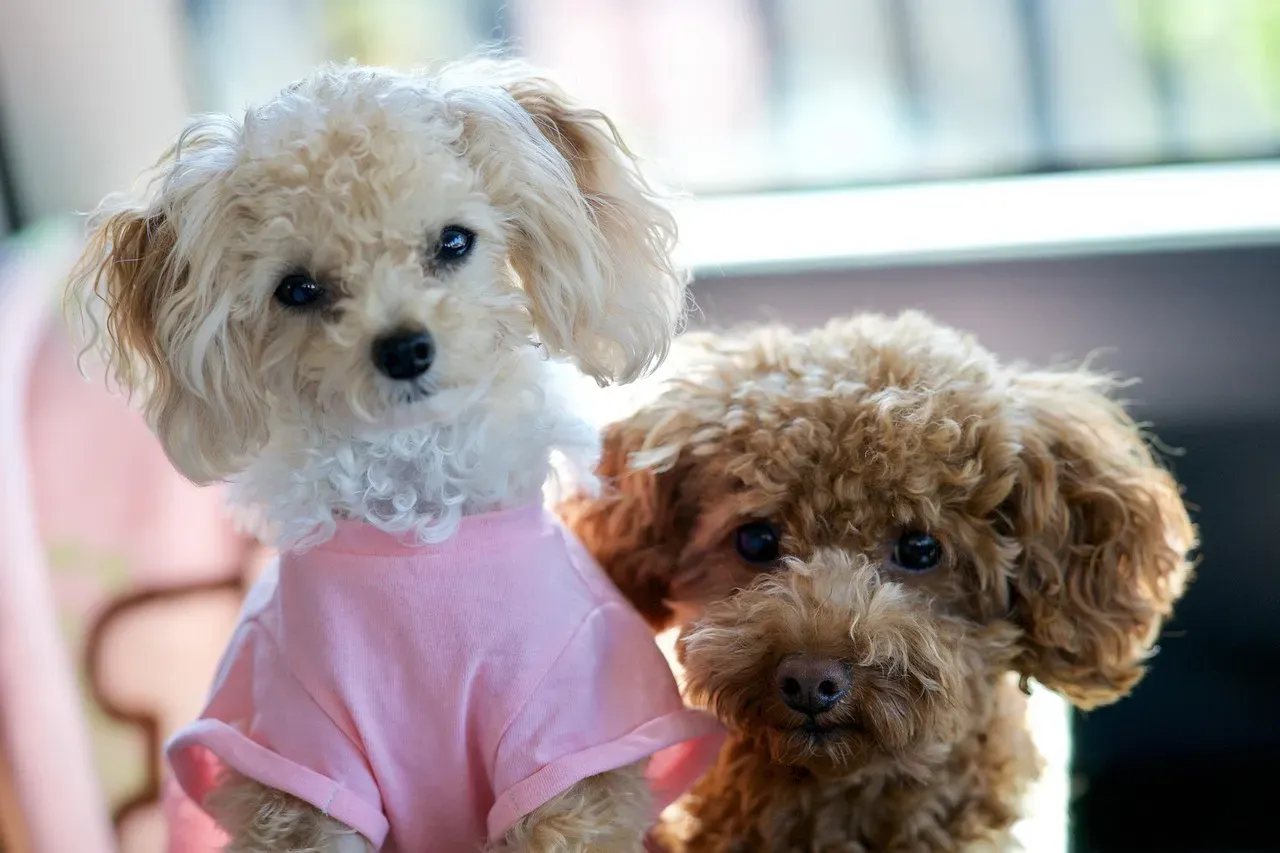
Poodles are not only elegant but also incredibly intelligent. Available in toy, miniature, and standard sizes, they adapt well to different living spaces. Their hypoallergenic coat makes them a great choice for allergy-prone seniors. That last detail matters more than most people realize, since respiratory discomfort can otherwise make pet ownership feel like a trade-off rather than a gift.
Both the miniature and toy varieties of Poodles are hypoallergenic, which means they are less likely to trigger allergic reactions. Poodles are also known for their intelligence and trainability. The small to medium size of miniature and toy poodles makes them easy to carry, and since their curly coats require regular trimming, it may be beneficial to look into professional grooming services. The grooming routine itself, far from being a burden, often becomes a pleasant social outing for retirees.
#4. Bichon Frise
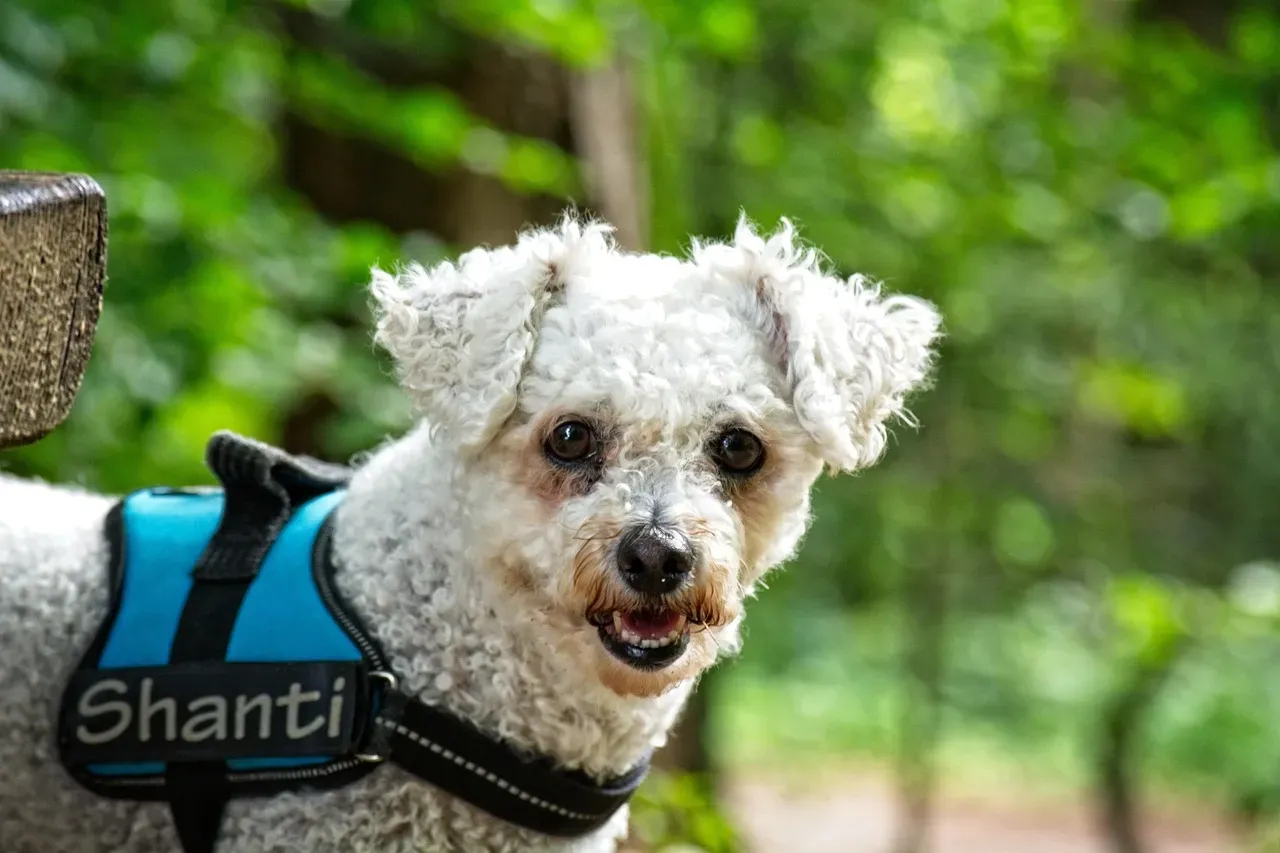
With their cheerful disposition, playful nature, and hypoallergenic coat, the Bichon Frise is an excellent choice for seniors. This breed is friendly, social, and loves to cuddle, providing essential companionship and emotional support. Bichons also require regular grooming, which can add structure to a senior’s routine and enhance bonding.
A Bichon Frise stands out with moderate exercise needs, a hypoallergenic coat, minimal grooming requirements, adaptability to apartment life, and a calm, funny, affectionate nature. The quintessential lap dog, the Bichon Frise is friendly with everyone, doesn’t shed a lot, and is trainable. For retirees in smaller homes or apartments, this dog fits into life like it was always meant to be there.
#5. Shih Tzu
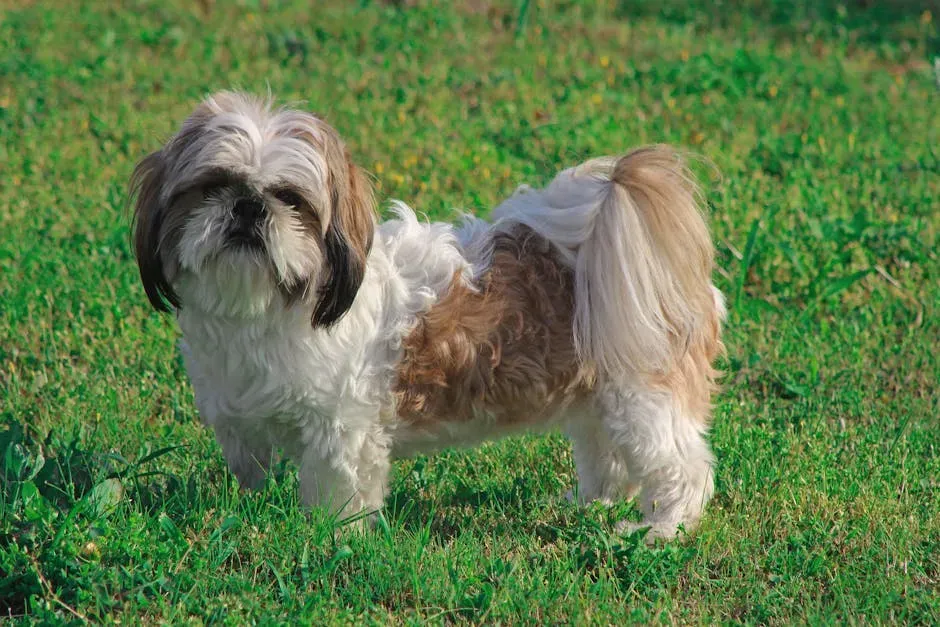
Shih Tzus are small, calm, and devoted companions. They were bred to be lap dogs, making them ideal for retirees looking for a loyal shadow. These dogs are friendly, calm, and adapt well to indoor living, and their moderate energy level means they enjoy walks but don’t require extensive physical activity.
The Shih Tzu’s temperament is almost designed for retirement life. They want to be near you. They’re not demanding attention loudly; they simply gravitate toward warmth and closeness in a way that feels mutual rather than one-sided. Pets also help establish a daily routine. Feeding, grooming, and caring for an animal creates structure in a senior’s day, which can counteract the sense of aimlessness that sometimes accompanies retirement. A structured day reduces anxiety and contributes to a sense of responsibility and accomplishment.
#6. Labrador Retriever
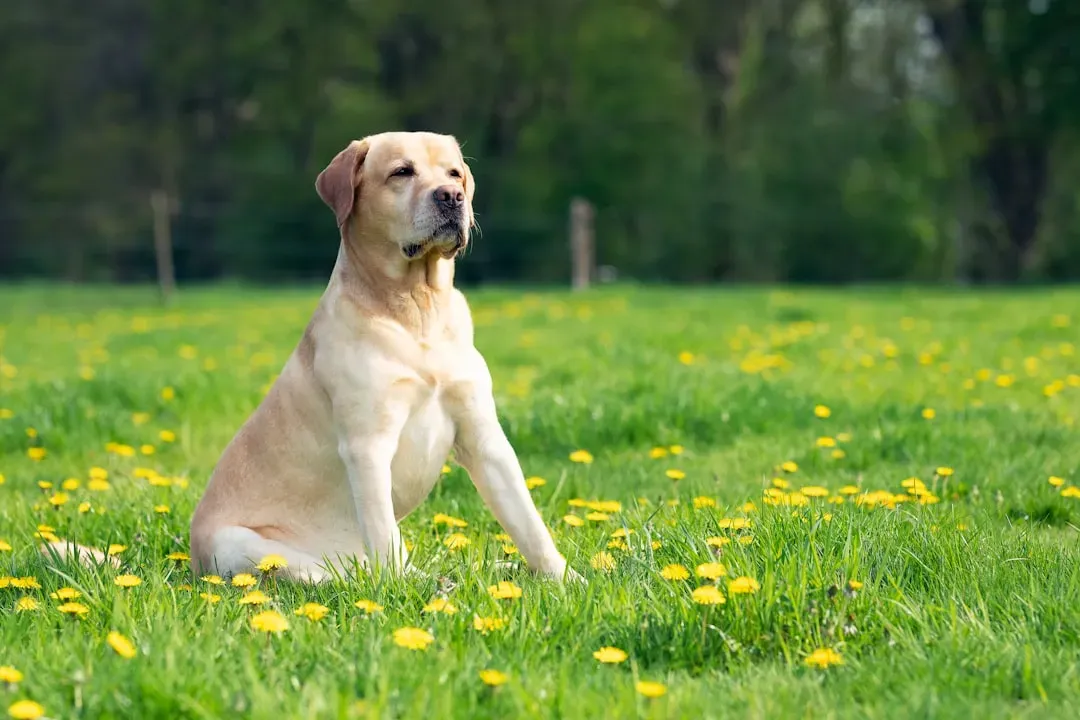
Labrador Retrievers are considered among the most loyal dog breeds. They are highly attentive to their owners and are bright at sensing human emotions, making them an excellent choice as emotional support dogs for anxiety. They have a social radar that feels almost intuitive, picking up on low moods in a way that’s genuinely comforting.
For retirees who want a reason to stay active, Labradors are a great match. Their loving and loyal personalities encourage daily walks and outdoor play. Although larger, they are gentle and family-oriented. Labrador retrievers are one of the most popular dog breeds in America, and with good reason. They adapt well to training as service dogs and are among the best dog breeds for anxiety sufferers.
#7. Pug
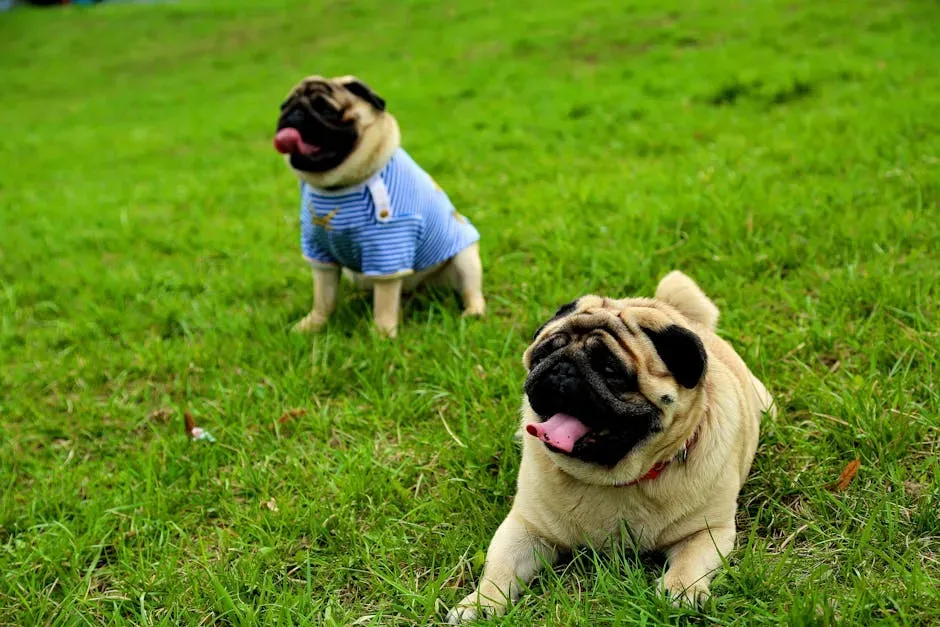
Pugs are ideal for seniors thanks to their low energy levels, affectionate nature, and charming personality. They are often called the clowns of dogdom, known for their playful spirit. While they do shed and tend to snore, their grooming needs are minimal.
Pugs, with their gentle humor and warm nature, bring laughter, comfort, and a sense of purpose into everyday life, making them ideal companions for retirees and older adults. Pugs are the perfect blend of even temperament and playful spirit. They’re low-maintenance, require minimal grooming, and are perfectly content with whatever love and attention their owners can provide. That contentment is contagious, and it’s precisely what makes them so quietly therapeutic.
#8. Maltese
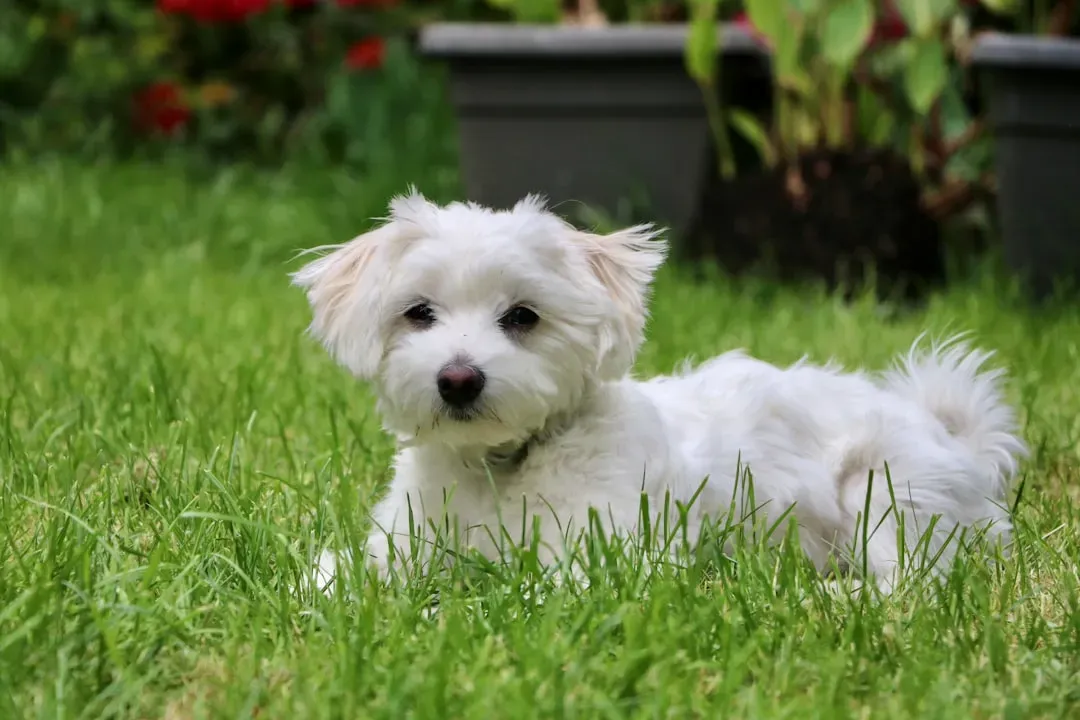
Weighing in at just four to seven pounds, the tiny Maltese is widely regarded as the quintessential lap dog. Bright, gentle, and playful, these dogs get along well with other pets and are extremely attentive to their owners’ moods. In fact, they are frequently used as therapy dogs, and while they don’t need a lot of outdoor exercise, they do like going for short walks.
Maltese are affectionate, quiet, and manageable for seniors, requiring minimal physical effort to manage. Their long lifespan is an important planning consideration for seniors, and adult adoption reduces uncertainty. Primary health concerns are cardiac and dental, both manageable with regular veterinary visits. The emotional attunement of this breed to its owner is something people often only understand once they’ve lived with one.
#9. Greyhound
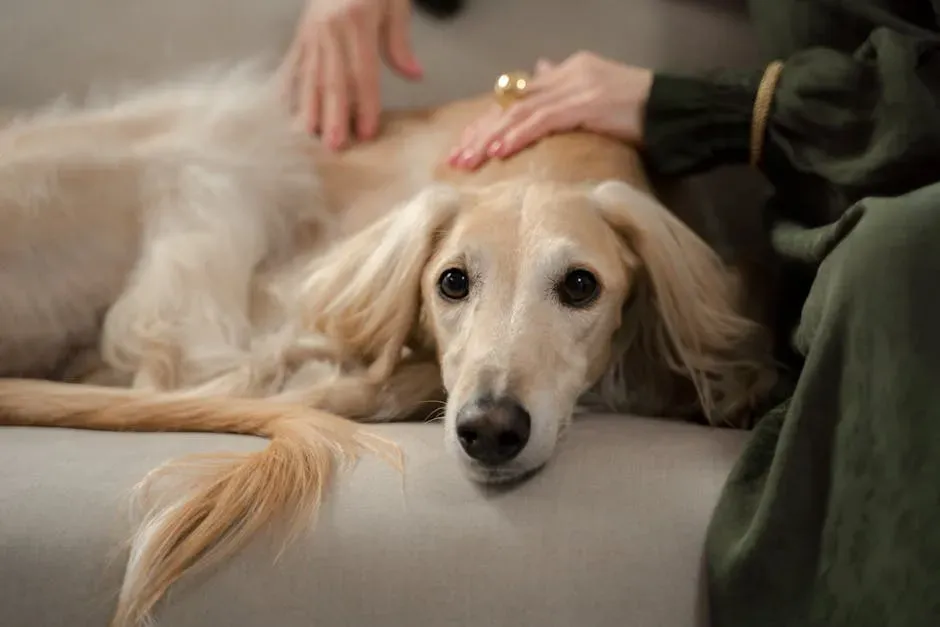
Most people picture a Greyhound blurring past the finish line and assume this breed has no place in a quiet retirement home. The reality is almost the opposite. Surprisingly, Greyhounds are among the most low-maintenance large breeds. Known as “couch potatoes,” they enjoy lounging indoors but appreciate a daily walk. Their calm nature makes them wonderful for retirees seeking a peaceful companion.
Rescued racing Greyhounds are calm, quiet, and easy to manage. They’re sprinters but not joggers: as long as they get a chance to run all-out for a short time, they are generally happy to loaf around and take it easy for the rest of the day. They are friendly and gentle. Their smooth, short coat doesn’t require extensive grooming and stays clean with some quick combing and occasional bathing.
#10. Pembroke Welsh Corgi
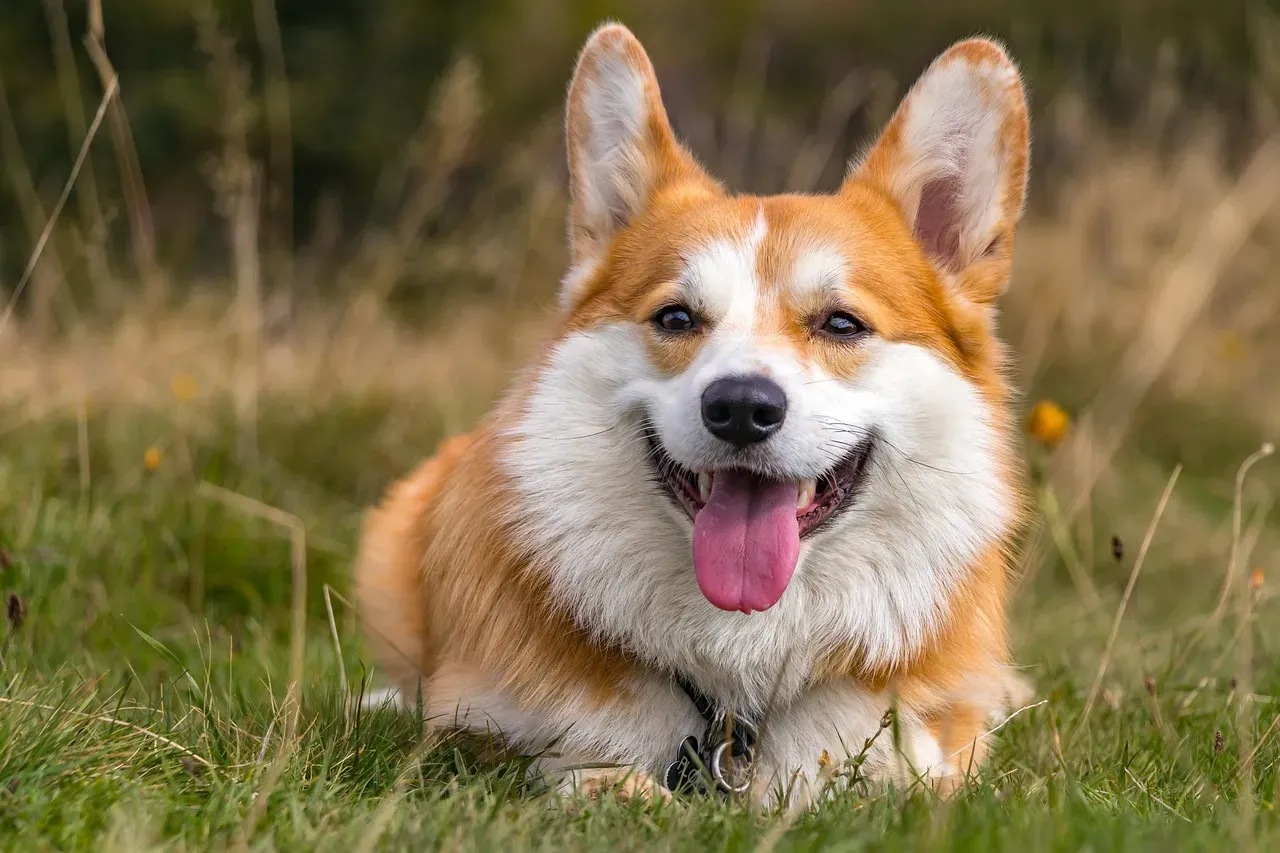
Intelligent and lively, Pembroke Welsh Corgis are high-energy dogs that live for human attention and are big on pleasing their owners. They are famously known as the favorite pets of Queen Elizabeth II, with squat bodies and short legs, typically weighing between 25 and 30 pounds. That combination of bright personality and manageable size makes them surprisingly practical for retirees.
This fluffy dog is known for its herding background and loves to please its owners, with a watchful nature that makes them an amazing companion for aging owners. These loving dogs love owners who take time to play with them, which is also great for the mental and physical health of elderly people. Corgis are friendly and loyal, known for their intelligence and medium size, making them manageable for most seniors. They do require some exercise to stay healthy, but they are generally adaptable to their owner’s activity level.
#11. Miniature Schnauzer
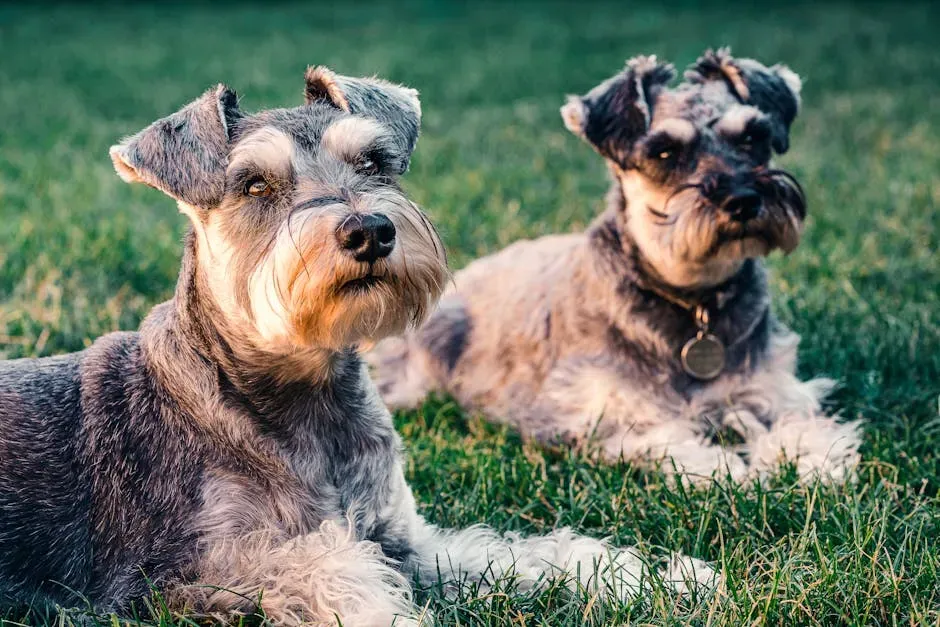
For older adults who want a dog with a little spark, the Miniature Schnauzer offers personality in a compact, manageable size. They’re known to be alert, easily trained, and extremely loyal. Their short coat sheds minimally, although they do require regular grooming to maintain their iconic bearded look. Miniature Schnauzers are great companions for those who enjoy a little more interaction and mental stimulation, as these dogs thrive with tasks and games. Compared to high-energy breeds, they strike a great balance between enthusiasm and manageability.
Schnauzers are intelligent, loyal, and protective dogs suitable for a variety of owners, including seniors. They require regular grooming and moderate exercise, but are well-behaved and respond well to positive training. Their alert nature also makes them excellent guard dogs, especially for seniors who live alone. That added sense of security is a quiet but genuine benefit for those in single-person households.
#12. Cocker Spaniel
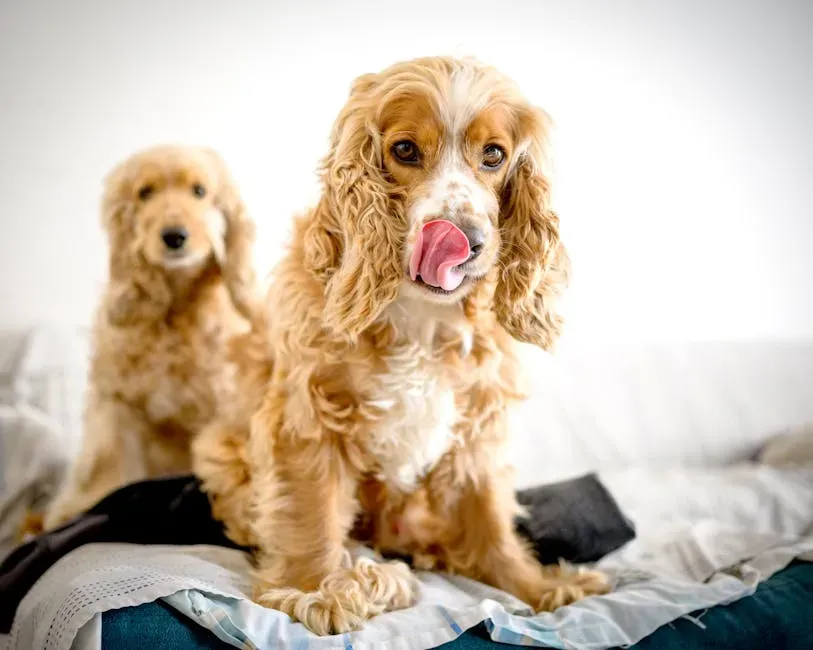
Cocker Spaniels are gentle, affectionate, and obedient dogs with a sweet disposition. They adapt well to new environments and are not prone to excessive barking. A Cocker Spaniel is a great breed for seniors who enjoy having a slightly larger dog with an affectionate presence. Their friendly demeanor and eagerness to please make them well suited to older adults who want a loyal and trainable companion. Though they require regular brushing and grooming, many older people enjoy the routine of grooming as part of the bonding process.
The Cocker Spaniel is a highly-rated small dog for seniors. They weigh twice the size of some smaller dogs but are easy to control. They are always ready to please, which makes them very adaptable to training, and while they don’t have a lot of energy, they still love adequate space to play. Their gentle consistency makes them a deeply stabilizing presence in daily life, which is exactly what retirement mental wellness often calls for.
Why These Breeds Do More Than You Expect
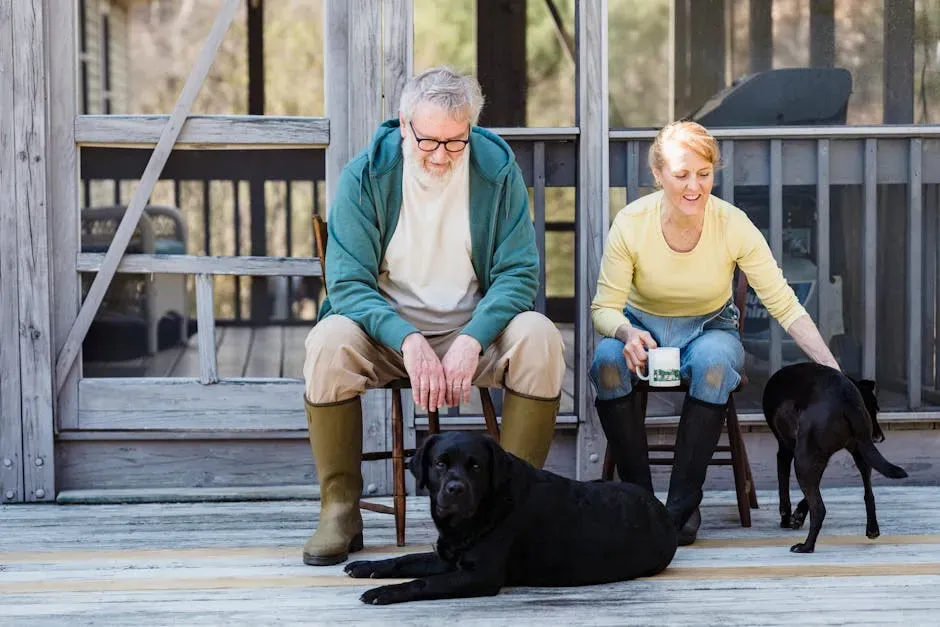
Research shows that petting a dog can increase the production of serotonin and dopamine, neurotransmitters that contribute to feelings of happiness and well-being. This emotional boost can have profound effects on a person’s overall health. Dogs offer older humans an opportunity to nurture and feel needed, to provide a purpose and structure for daily life, to enhance feelings of security, and to give and receive affection.
Senior dog owners walk an average of 22 more minutes per day compared to seniors who do not own dogs. Seniors who own pets are also significantly less likely to report feeling lonely than their non-pet-owning peers. Dogs can even increase a person’s social circle by getting them to the dog park, veterinarian’s office, and pet store, where other like-minded individuals can be found. The benefits stack quietly, day by day.
Conclusion: The Quiet Revolution Happening in Retirement Homes