

#1. They Understand What Real Loyalty Actually Looks Like
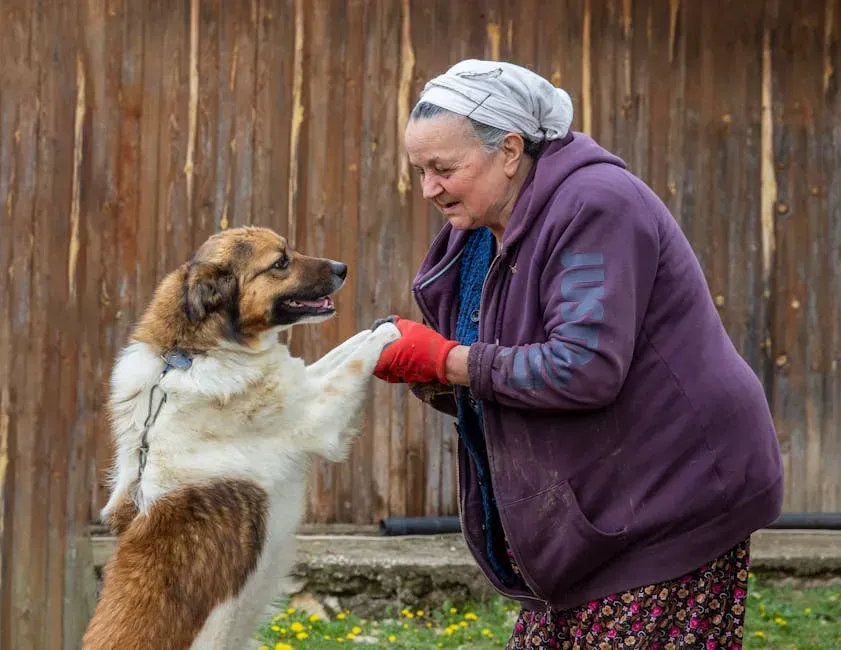
Most people talk about loyalty the way they talk about good intentions: in theory, it sounds admirable. In practice, it often bends under pressure. People who choose their dog’s company over crowded rooms have already had a masterclass in what loyalty without condition looks like, because they live with it every single day.
Domestic dogs have retained a pack mentality, viewing their human families as their pack. They look to their owners for guidance, protection, and leadership, and this intrinsic need to be part of a social group drives dogs to be loyal and attentive to their human companions. That kind of consistency is contagious. Over time, the person on the receiving end of it begins to internalize what unwavering commitment actually feels like, and starts modeling it in their own relationships with people.
Dogs, known for their unwavering loyalty, demonstrate what it means to stand by someone through thick and thin. This loyalty can inspire us to foster deeper relationships with others, encouraging us to be reliable and supportive companions in our own right. The person who stays home with their dog isn’t retreating from loyalty. They’re studying it up close.
#2. They Have a Higher Than Average Capacity for Empathy

Choosing a dog’s company requires a particular attentiveness that casual socializing rarely demands. You have to read body language. You have to notice the small signals, a tucked tail, a restless pace, a sudden quiet, and respond without words. That daily practice builds something real.
Research findings suggest that attachment to dogs and concerns for empathy have a significant effect on human quality of life, and studies highlight the importance of attachment and empathy towards dogs in enhancing the quality of life of both humans and dogs. This isn’t coincidental. People who communicate well with their pets, provide care, and foster a harmonious environment may bring the same traits into their human interactions. The emotional intelligence, patience, and empathy cultivated through pet ownership carry over.
Caring for an animal nurtures empathy and mindfulness. Feeding a dog or grooming them becomes a form of emotional connection. You start living more in the present moment, focusing less on loneliness and more on love. Over time, this consistent emotional engagement strengthens mental resilience. That’s not a small thing. That’s the foundation of deep, functional relationships with anyone.
#3. They’re Genuinely Conscientious, Not Just Outwardly Responsible

Conscientiousness is one of those traits that gets mentioned in job interviews and then promptly forgotten. Staying home with a dog is, among other things, an act of genuine conscientiousness. The dog needs feeding, exercise, attention, and routine, regardless of how you feel that day. You show up anyway. There’s no calling in sick.
Research has shown that dog people tend to be measurably more conscientious than those who prefer cats. Conscientiousness is a tendency to show self-discipline, to complete tasks, and aim for achievement, reflecting a preference for planned rather than spontaneous behavior. People who choose their dog’s company consistently aren’t avoiding responsibility. They’re practicing a very specific form of it, one that asks nothing in return.
Living with a dog helps people build a healthy daily routine. Dogs need walks, food, playtime, and care every day. Because of this, owners become more active and organized in their lives. That daily structure isn’t accidental. It’s a reflection of an internal compass that points toward reliability above personal convenience.
#4. They’ve Made Peace With Solitude Without Becoming Isolated
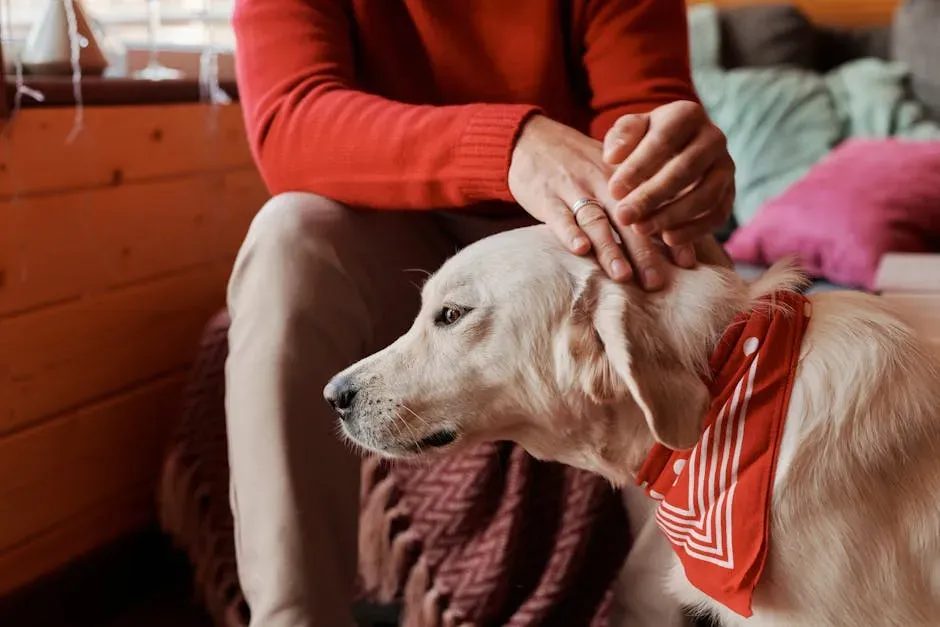
There’s a meaningful difference between being alone and being lonely. The person who happily spends an evening at home with their dog has typically figured this out. They’ve learned that silence isn’t something to fill with noise, and that stillness doesn’t have to mean disconnection.
Dog ownership has been associated with reduced loneliness in people living alone during periods of prolonged isolation, which may be suggestive of higher levels of resilience in this population of pet owners. The keyword there is resilience. People who find genuine contentment in quiet home evenings with their dog aren’t isolating. They’re choosing quality over volume, presence over performance.
Research findings reveal that the human-dog bond functions as a stable emotional anchor, promoting non-judgmental connection and emotional security. Participants in studies reported experiencing greater emotional expression, enhanced social engagement, and improved psychological balance. That stability, cultivated in quiet evenings at home, tends to make these people far more grounded than those who rely on constant social stimulation to feel okay.
#5. Their Relationships Are Built on Depth, Not Performance
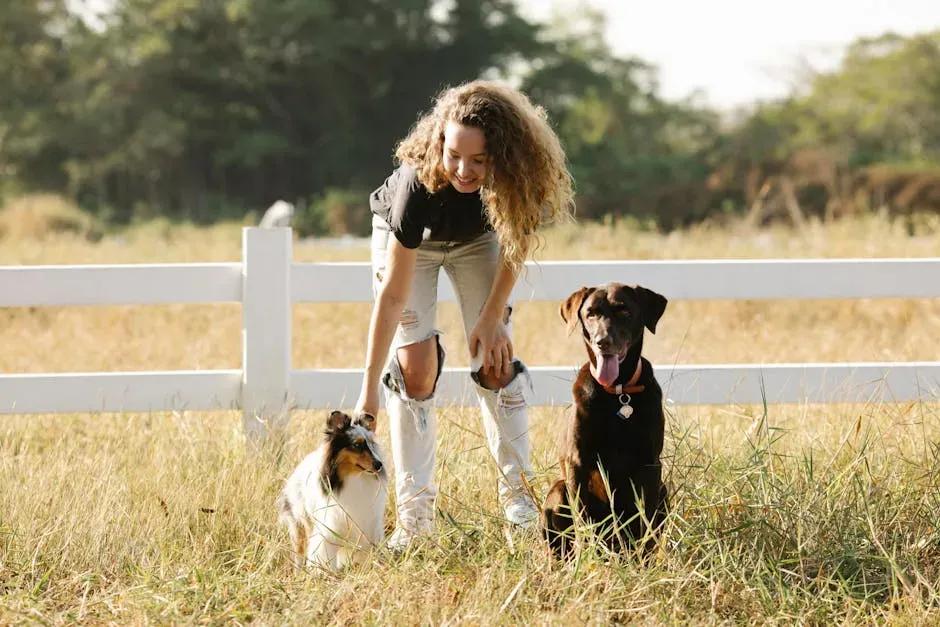
There’s a social exhaustion that comes from relationships built on impression management. Many people spend enormous energy performing a version of themselves in public, adjusting the presentation depending on who’s watching. The person who prefers staying home with their dog has generally lost patience for that kind of exchange.
Attributes of dogs that led to positive mental wellbeing effects included the concept of the dog being loyal, non-judgmental and showing empathy and unconditional love. When you spend significant time in a relationship where there is zero judgment, zero pretense, and zero social posturing, your tolerance for shallow human interaction understandably drops. That’s not a flaw. It’s calibration.
A good relationship with a dog may reflect positively on an individual’s human relationships. While it’s tempting to see strong dog-human bonds as compensation for poor human interaction, research suggests otherwise. Individuals who have strong, satisfying connections with their dogs are also more likely to have fulfilling relationships with people. Rather than being substitutes, these bonds appear to be complementary. The preference for home isn’t running away from people. It’s running toward something real.
#6. They Demonstrate Loyalty Through Action, Not Words

Loyalty declared in conversation is cheap. Loyalty shown through consistent, quiet action is rare. People who choose their dog’s company night after night have internalized a very specific truth: showing up is the thing. Not announcing that you’ll show up. Not promising. Just doing it.
Dogs often gravitate toward the person who reliably meets their daily needs, the person who consistently walks them, feeds them, trains them, or plays with them. Over time, routine and predictability build trust and familiarity, which naturally deepens the relationship. The person who builds that kind of trust with an animal is practicing the exact same muscle that deep human loyalty requires. They’re not romantic about it. They just do the next right thing, every single day.
Loyalty is really just a part of a dog’s instinctive behavior, and you can bring it out by providing daily care, playing games, offering mental enrichment, and filling their lives with enjoyable things. Because of how they view their relationship with us, dogs will trust us to provide for them. When we fulfill that duty, it creates a sense of belonging for them and their loyalty develops. The owner who embraces that responsibility becomes, almost inevitably, a person shaped by it.
#7. They Experience Connection Through Presence, Not Productivity

Modern social culture has quietly turned connection into a kind of performance output. The best conversations, the sharpest takes, the most entertaining evening. People who prefer their dog’s company have largely opted out of this. They’ve discovered that simply being present, without producing anything in particular, is its own form of profound connection.
Dogs promote positive emotions and improve their owners’ wellbeing in meaningful ways. Owners reported increased happiness, mindful presence, gratefulness, and confidence from their interaction with their dogs. Mindful presence is not something most people can manufacture through social scheduling. It tends to develop in quiet moments, when the only audience is a dog who doesn’t care about your productivity metrics.
Many psychologists suggest that a healthy attachment to a pet can actually enhance a person’s capacity for empathy and social engagement with other humans. By experiencing the unconditional positive regard that a dog provides, individuals may develop a more secure sense of self, which eventually allows them to navigate the complexities of human social hierarchies with greater confidence. The person who has that secure sense of self is genuinely more present everywhere, not just at home.
#8. They Hold a Form of Emotional Resilience That Protects Everyone Around Them

Resilience isn’t about being unmoved. It’s about being able to absorb difficulty without shattering, and then still show up. People who have made their dog a central source of daily comfort have built something that functions like an emotional buffer, a reliable return point on the hard days.
Research examining dog ownership through adoption found that it may serve as both a protective and empowering factor against feelings of loneliness, while also fostering emotional resilience and a renewed sense of purpose in everyday life. That resilience doesn’t stay at home. It travels. The people who carry it tend to be more stable in crises, more patient in conflict, and more capable of being a steady presence for others when things get difficult.
The bond between humans and animals is not just emotional but biological. Numerous studies show that interacting with pets increases oxytocin, often called the “love hormone,” which enhances feelings of trust and bonding while reducing cortisol, the stress hormone. Regular interactions with a pet can lower blood pressure, calm anxiety, and even improve heart health. Someone who is physiologically calmer and emotionally steadier isn’t just better for their dog. They’re better for every relationship they’re part of.
Conclusion
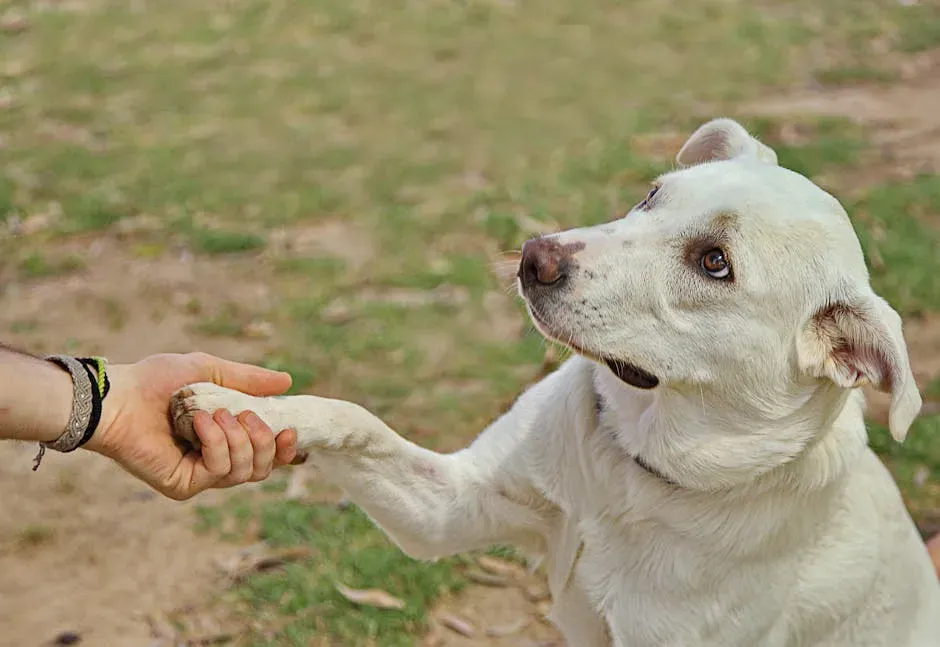
There’s a temptation in our loudly social world to read the person who declines the party in favor of their dog as someone who needs convincing, someone who should be encouraged to get out more. That reading, honestly, misses the point. The choice to stay home isn’t always a retreat. Sometimes it’s a declaration.
People who prioritize their dog’s company over obligatory socializing tend to be people who have already decided what loyalty means, what presence costs, and what genuine connection feels like. They’ve learned these things from an animal that never once negotiated the terms. The rare form of loyalty this article is about isn’t dramatic or loudly announced. It shows up in the quiet act of choosing depth over performance, again and again, on an ordinary evening, with a dog who already knew.


