
Dogs often greet long lost companions with an intensity that stops people in their tracks. The tail that never quite stops wagging, the immediate lean into a familiar lap, the soft whine that sounds like recognition. These moments raise a quiet question about what exactly lingers in a dog’s mind across time and distance.
Your Distinct Scent
A dog’s nose holds onto individual smells with remarkable precision. Even after several years the particular mix of soap, fabric softener, and natural skin oils that make up your scent can trigger an immediate response. Studies of canine olfaction show that dogs can distinguish between thousands of different odors, and personal scent ranks high among the most memorable.
Handlers who work with search and rescue dogs report that animals identify their original person from a single worn article of clothing years later. The reunion often begins with deep sniffing followed by a settled calm that only appears with truly familiar smells. This olfactory memory serves as a steady anchor when everything else has changed.
The Sound of Your Voice
Voice recognition stays sharp long after visual details fade. A dog may perk up at the first syllable of a name spoken in the old cadence, even when the speaker stands out of sight. Pitch, rhythm, and the slight variations that come with emotion all register as unique markers.
Recordings of past owners played for shelter dogs sometimes produce the same attentive head tilt seen during actual visits. The auditory memory appears especially strong for phrases tied to daily life, such as the way a person once called the dog inside at dusk. These sounds carry emotional weight that simple words alone cannot explain.
Daily Routines and Schedules
Internal clocks in dogs track feeding times, walk patterns, and even the hour when the front door usually opens. Years later the same sequence of sounds, like keys in a lock followed by footsteps, can prompt the old excited pacing near the entryway. The body remembers the rhythm even when the environment has shifted.
Rescue organizations note that dogs adopted as puppies sometimes revert to earlier house training habits when returned to a similar daily structure. The memory of when meals arrived or when attention was given creates a template that feels safe and predictable. This sense of schedule offers comfort during transitions.
Favorite Games and Toys
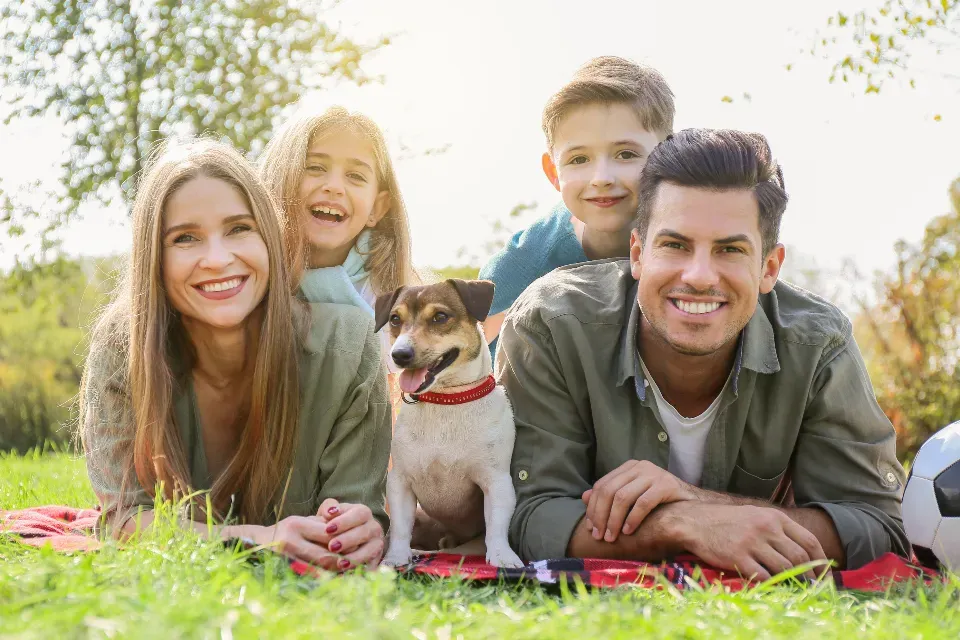
Play styles leave lasting impressions. A dog that once chased a particular squeaky ball may still show interest in similar toys long after the original one disappeared. The motion of a thrown stick or the invitation to tug can spark the same playful posture seen years earlier.
Trainers observe that certain fetch patterns or hide and seek routines reappear without prompting during reunions. The muscle memory of the game combines with the emotional reward of shared fun. These activities become shorthand for the bond itself.
Interactions With Family Members
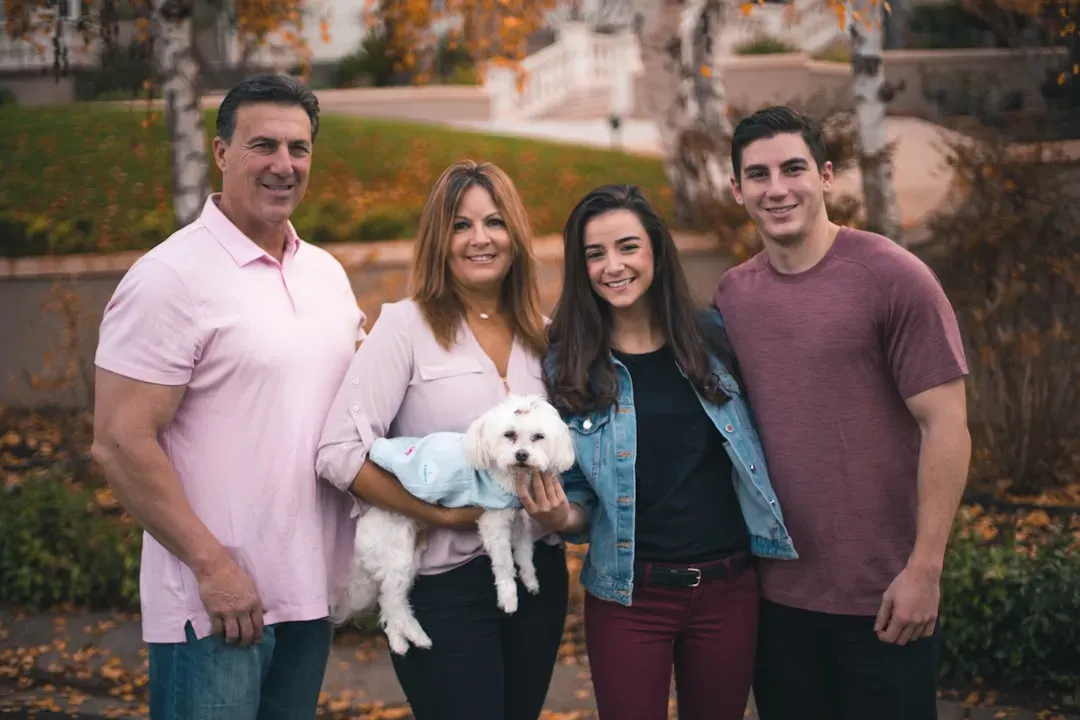
Dogs track how people relate to one another. They notice who receives the warmest greetings or who shares quiet evenings on the couch. This social map remains intact even when household members have aged or moved.
Reunions sometimes include the dog checking each familiar person in turn, as if confirming the old group dynamic still holds. The memory extends to small details like who offers the best ear scratches or who shares food from the table. These relational cues help the dog place itself within the circle again.
Particular Walks and Outdoor Spots
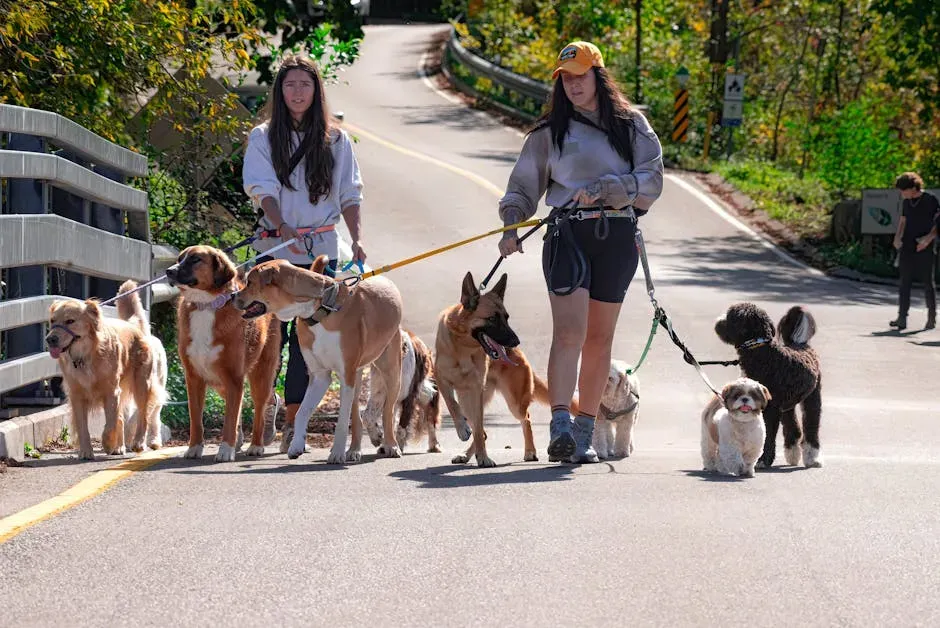
Routes around the neighborhood or favorite parks register as mental landmarks. A dog may pull toward the old path or pause at a specific tree where squirrels once appeared. The sequence of turns and smells along the way forms a reliable mental trail.
Owners who move and later return to the area report that dogs head straight for remembered corners without guidance. The outdoor memory blends physical landmarks with the anticipation of what usually happens at each stop. This spatial recall adds another layer to the sense of home.
Your Emotional States
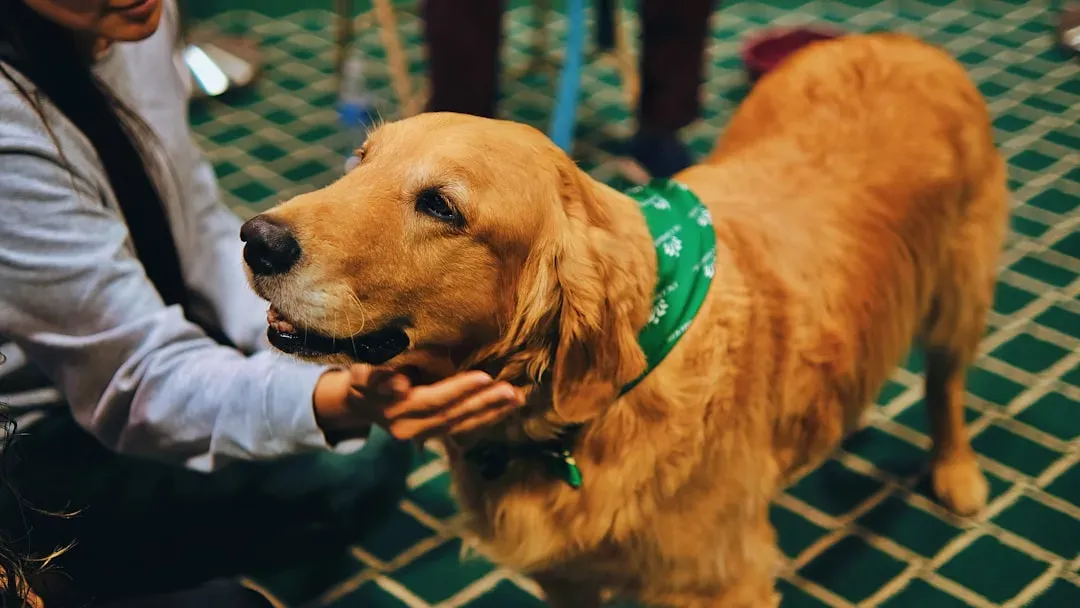
Dogs read subtle shifts in mood through body language and tone. They remember which expressions or postures once led to comfort or play. A quiet presence during past stressful moments can translate into similar supportive behavior years later.
People describe dogs that settle beside them during difficult conversations in the same way they did long ago. The memory of emotional patterns helps the dog respond appropriately without new training. This sensitivity strengthens the feeling of being truly known.
Training Commands and Signals
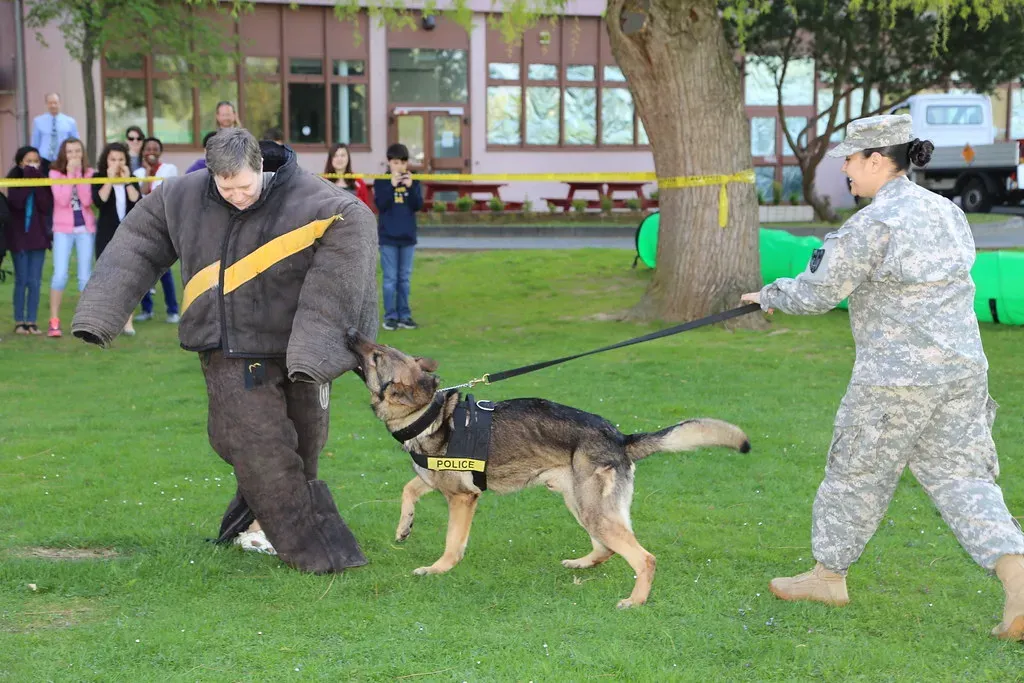
Hand signals and verbal cues stay accessible even after long gaps. A simple sit or stay command given in the original style often produces the old response without hesitation. The association between cue and action forms a durable link.
Professional trainers see this retention in dogs that return to work after retirement or long breaks. The muscle memory pairs with the positive feelings attached to successful sessions. These learned behaviors become part of the shared history.
The Feel of Your Touch
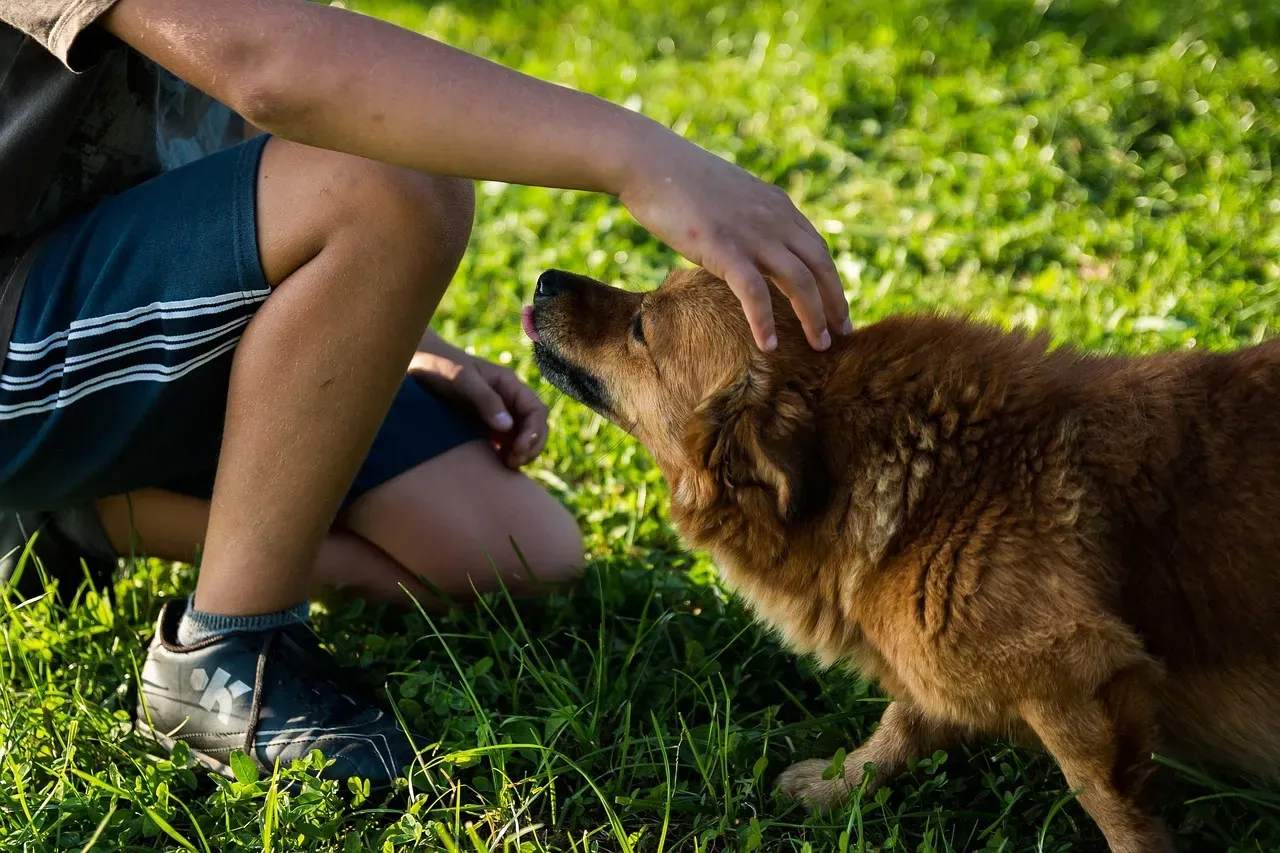
Petting styles and the pressure of a hand on the shoulder create tactile memories. Dogs often lean into familiar strokes or present the same spot that once received attention. The combination of touch and the accompanying calm breathing registers deeply.
During extended separations the absence of that specific contact can show in restless behavior that settles only when the pattern resumes. The memory of safe, affectionate handling provides reassurance that words alone cannot match. This physical connection reinforces trust across time.
Shared Experiences and Trips
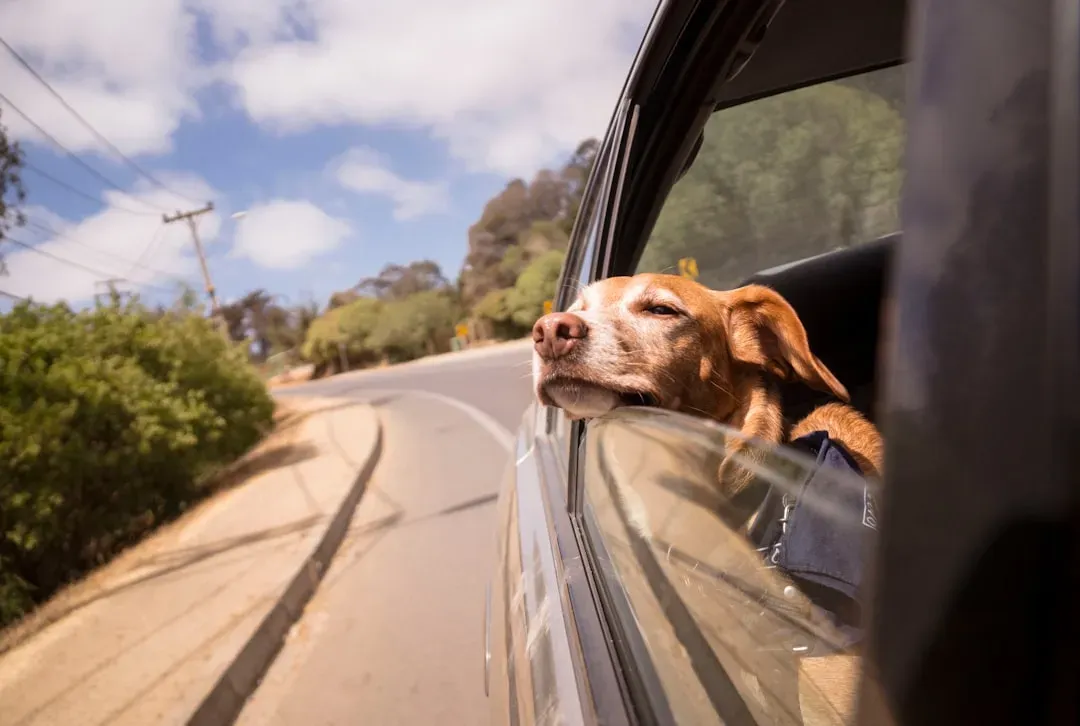
Car rides, visits to the vet, or special outings leave impressions that surface later. The dog may show excitement or hesitation based on past outcomes tied to those events. The overall feeling of the experience lingers more than isolated details.
Owners notice dogs that relax in vehicles only after recognizing the route or the person behind the wheel. These episodic memories blend location, people, and outcome into a single impression. They add richness to the story the dog carries forward.
The Overall Sense of Security and Love
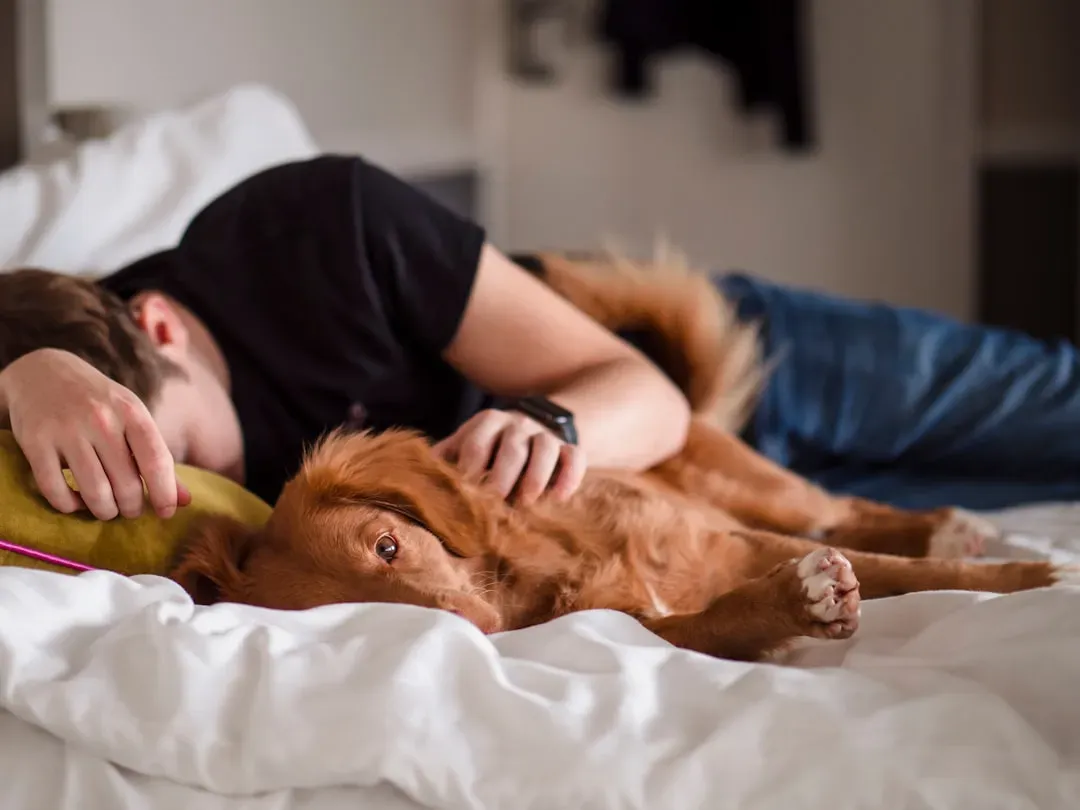
Beyond individual details, dogs retain a general feeling of safety tied to certain people. This broader memory influences how quickly they settle and how much they seek closeness upon reunion. The cumulative effect of consistent care creates a lasting sense of belonging.
Even when specific cues fade, the underlying trust often remains visible in relaxed posture and willing eye contact. This emotional core appears strongest in dogs that experienced steady affection over time. It forms the foundation that makes all other memories meaningful.
Dogs carry these threads of memory quietly, revealing them most clearly in moments of reunion. The bond they preserve reminds us that presence matters more than perfect recall. Cherish the time you have, because the dog already does.


