
Psychology Says Dogs Experience a Form of Emotional Numbness After Repeated Trauma That Mirrors Human PTSD
The Overlap Between Canine and Human Trauma Responses
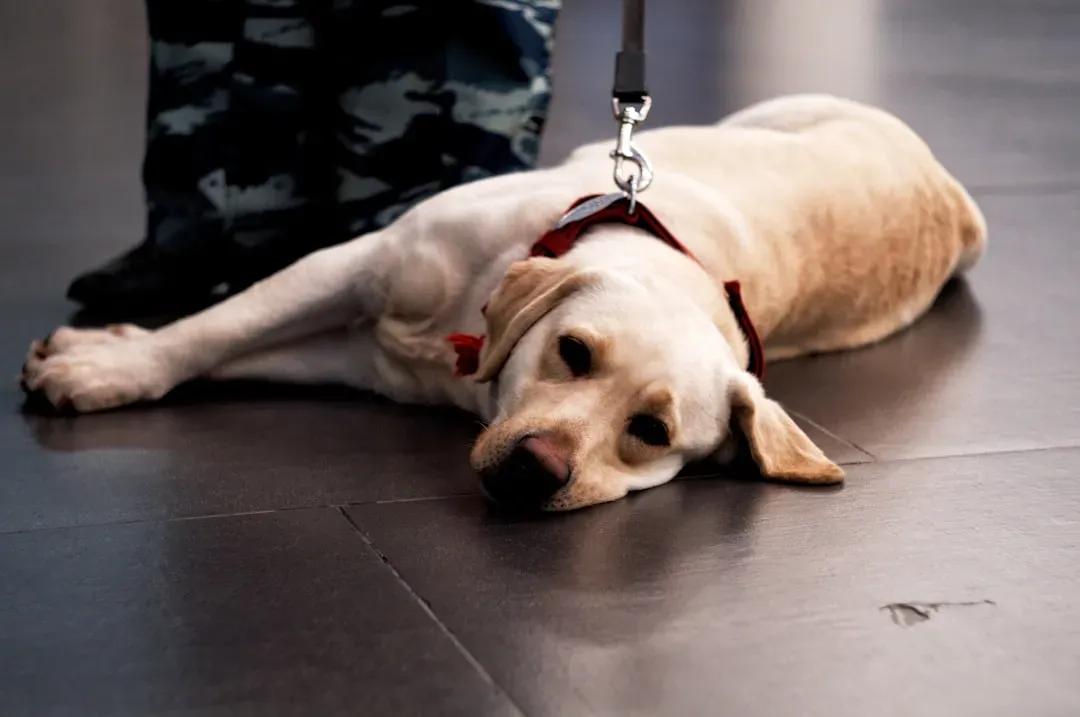
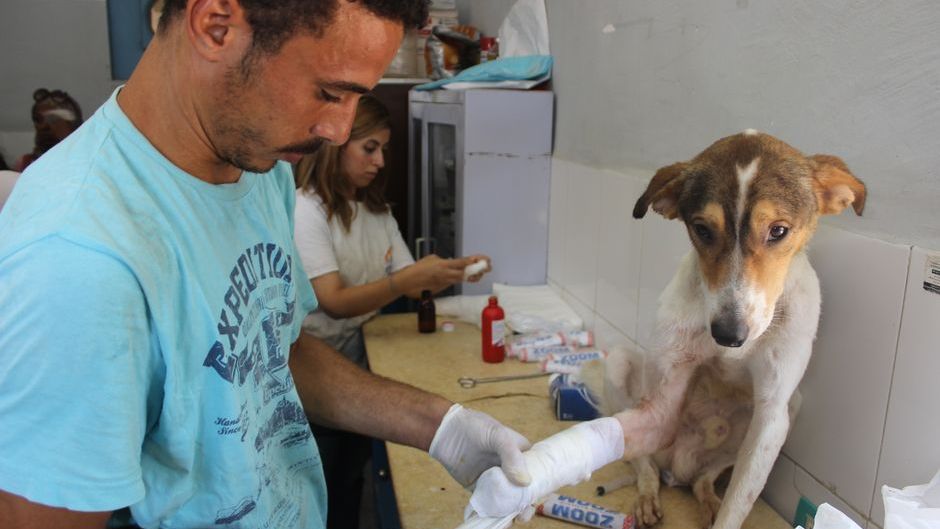
Researchers have documented how dogs exposed to repeated stressors show lasting changes in behavior that echo core features of posttraumatic stress. These include heightened vigilance in some moments and a marked reduction in engagement during others. Studies of military working dogs and those rescued from abusive situations reveal patterns of avoidance and diminished interest in previously enjoyed activities.
The parallel holds because both species share similar stress response systems shaped by evolution. When threats keep coming without relief, the nervous system adapts by dialing down emotional reactivity as a protective measure. This adaptation helps explain why some dogs appear emotionally flat after prolonged hardship rather than constantly reactive.
How Repeated Trauma Shapes a Dog’s Daily Life

Everyday routines can become minefields for a dog carrying trauma. A once playful pet might stop chasing toys or seeking affection, choosing instead to rest in isolated spots. Owners report that these dogs often respond to familiar people with only minimal tail wags or none at all, creating a sense that the spark has dimmed.
Over time the pattern solidifies. The animal learns that showing enthusiasm sometimes leads to unpredictable outcomes, so it conserves energy by staying neutral. This shift protects the dog in the short term but leaves it less connected to its surroundings and caregivers.
Signs That Point to Emotional Withdrawal

Watch for a dog that no longer greets family members at the door or investigates new smells with the same curiosity. Appetite may stay steady while play drive drops sharply, and sleep patterns can turn restless or overly prolonged. These changes often appear gradually after multiple upsetting events rather than after one incident.
Another clue comes from how the dog handles mild surprises. Instead of a quick recovery, it might remain subdued for hours afterward. Such responses suggest the animal is operating with a narrower emotional range, conserving resources after repeated strain.
Brain and Nervous System Adaptations at Work
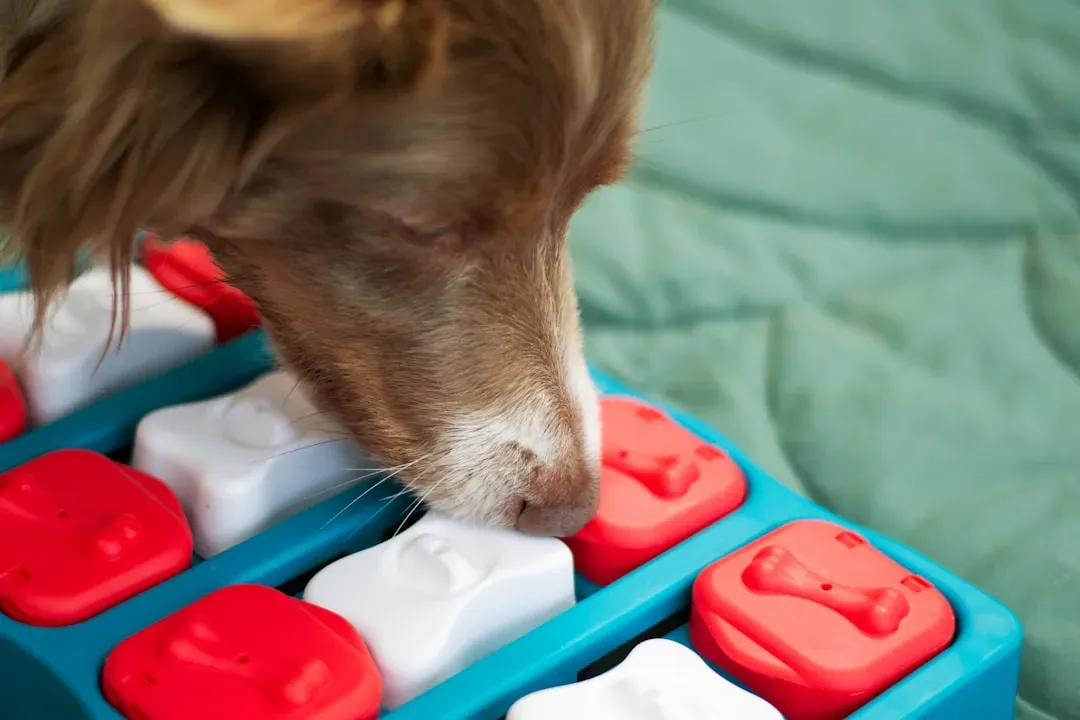
Neuroimaging and behavioral research indicate that chronic stress alters how dogs process rewards and threats. Areas tied to motivation and pleasure show reduced activity, much like findings in human trauma survivors. The result is a state where positive stimuli simply register less strongly.
At the same time, the system stays primed for danger. This combination creates the numbness effect: the dog is not constantly panicked, yet it also struggles to access the full range of feelings that once made life engaging. The adaptation serves survival but limits quality of life until conditions improve.
Insights from Shelter Dogs and Working Canines
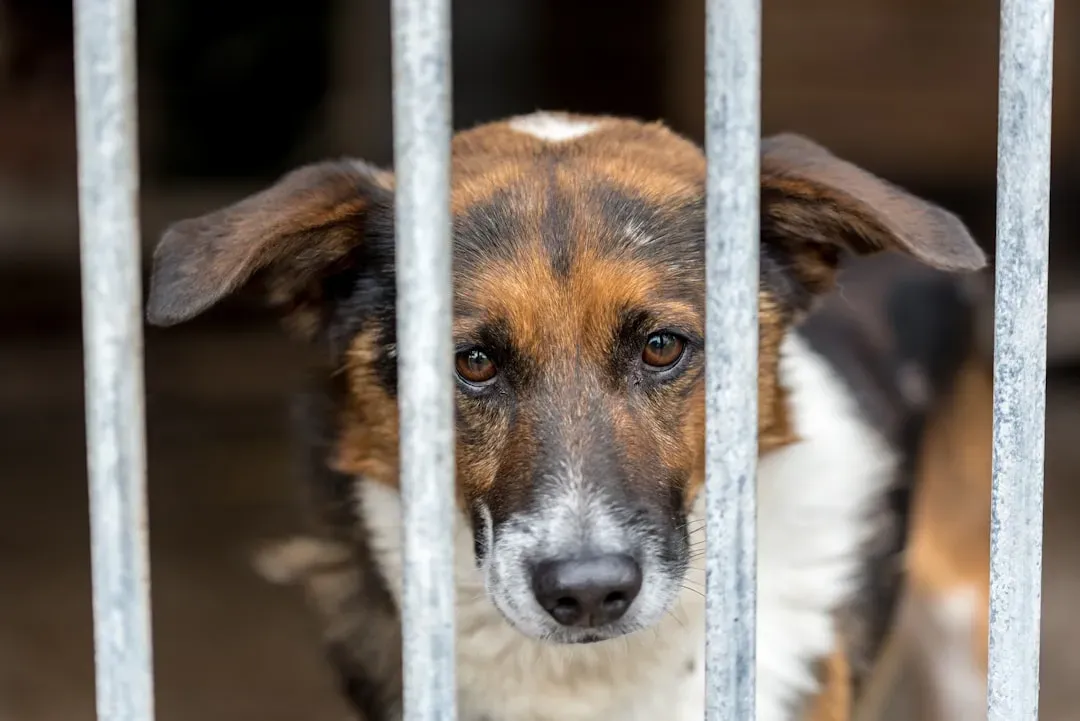
Observations of dogs in high-stress environments provide clear examples. Shelter residents with histories of multiple placements often display lower social initiative compared with dogs that had stable homes. Military canines returning from deployments show similar profiles, including reduced responsiveness to handlers they once bonded with closely.
These cases highlight how cumulative exposure matters more than any single event. Dogs that endure repeated separations, loud noises, or inconsistent care develop the most pronounced withdrawal. The consistency across settings strengthens the case that the response is a genuine trauma adaptation rather than simple shyness.
Pathways Toward Reconnection and Healing
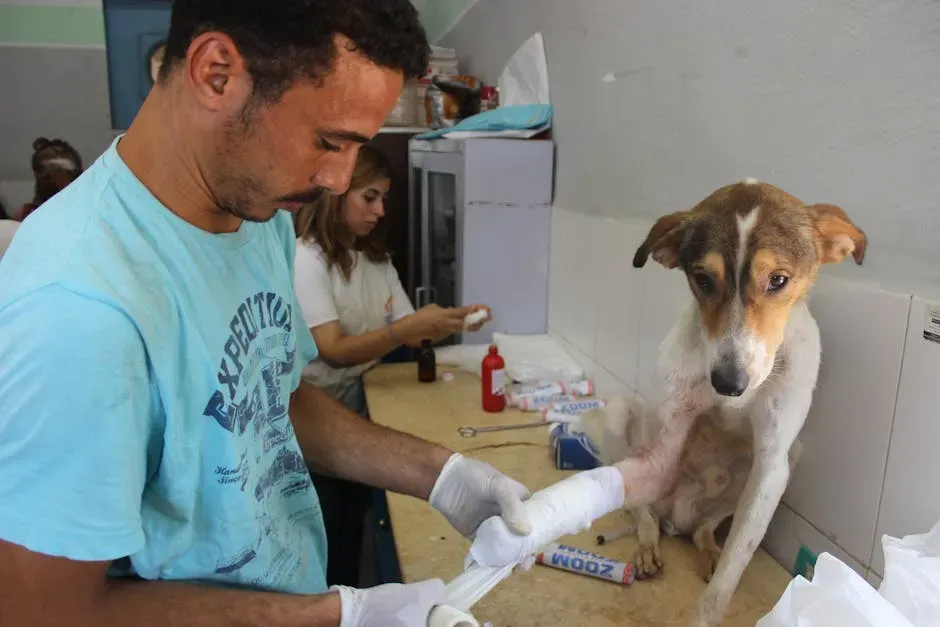
Many dogs regain some emotional range when placed in predictable, low-pressure homes. Gentle, consistent interactions paired with choice-based training help rebuild trust without overwhelming the animal. Progress often shows first in small moments, such as a voluntary approach for a treat or a brief tail wag during calm play.
Patience proves essential because the numbness developed as a defense. Rushing affection or forcing social situations can reinforce the shutdown. Instead, allowing the dog to set the pace gradually widens its comfort zone and restores access to positive feelings over weeks or months.
Broader Lessons for Living With Traumatized Dogs

Recognizing this form of emotional numbing changes how people approach care. It shifts focus from fixing behavior to creating safety that lets natural resilience return. Owners who adjust expectations and celebrate tiny steps often see steadier improvement than those who push for quick results.
The parallel with human experiences also reminds us that recovery is possible but rarely linear. Dogs, like people, carry the imprint of what happened yet can still form new bonds when given time and understanding. That shared capacity for healing offers quiet hope for both species.
The more we learn about these responses, the clearer it becomes that dogs deserve the same thoughtful support we extend to trauma survivors of any kind. Small, steady kindness can reopen doors that trauma once closed.