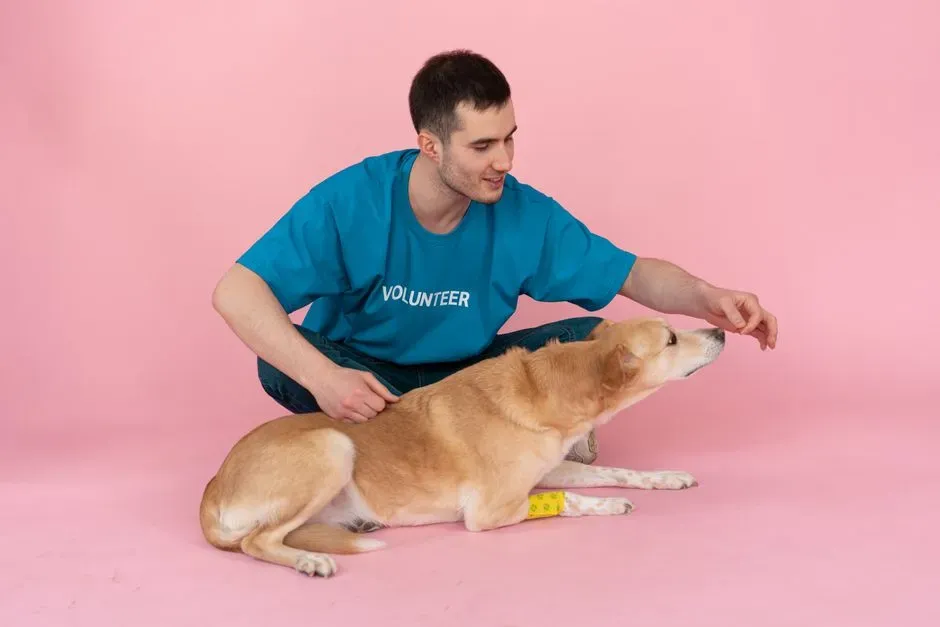
Many adults in their mid fifties and beyond notice a shift in daily rhythms, with more time on their hands and questions about what keeps life vibrant. Studies tracking thousands of people in this age group point to one companion that consistently shows up in the data as a factor linked to longer, healthier years ahead. **
Increased Physical Activity Through Walking
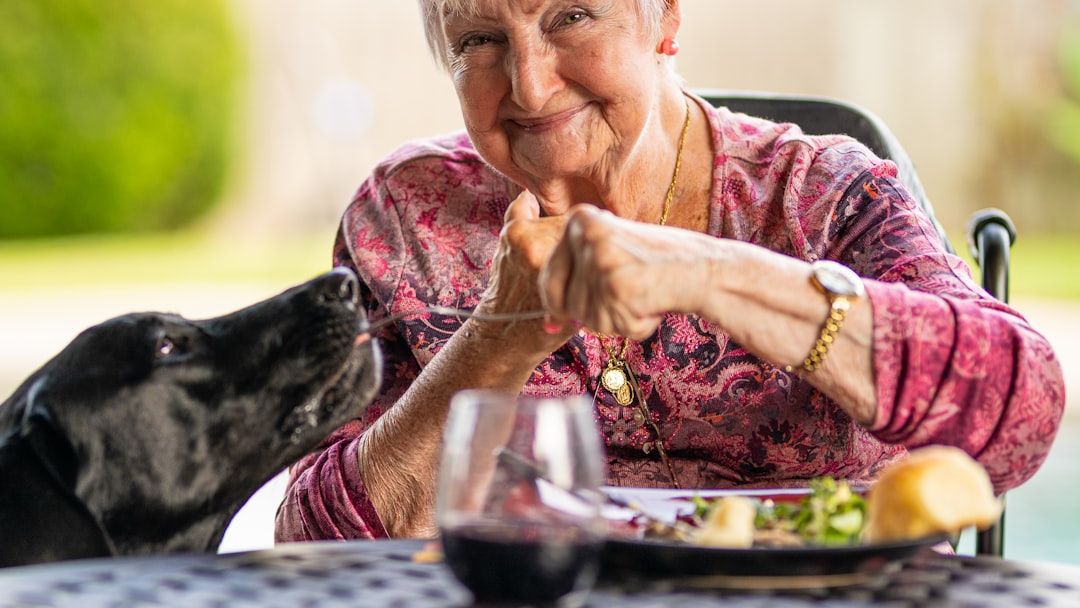
Increased Physical Activity Through Walking (Image Credits: Unsplash)** Dog ownership often leads to more consistent movement because the animal needs regular outings. Research shows dog owners tend to walk an extra hour each week compared with non owners, and they meet activity guidelines at higher rates.[1] This added exercise supports heart health and muscle strength as the body ages. Over time the habit builds endurance without feeling like a chore. **
Improved Cardiovascular Outcomes
Improved Cardiovascular Outcomes (Image Credits: Flickr)** Large population studies link dog ownership to lower risks of heart related issues. One analysis of millions of adults found reduced chances of cardiovascular events and death, with stronger effects for those living alone.[2] Dog owners also show better survival rates after heart attacks or strokes in several reviews. The combination of movement and calmer stress responses appears to play a role. **
Reduced Feelings of Loneliness
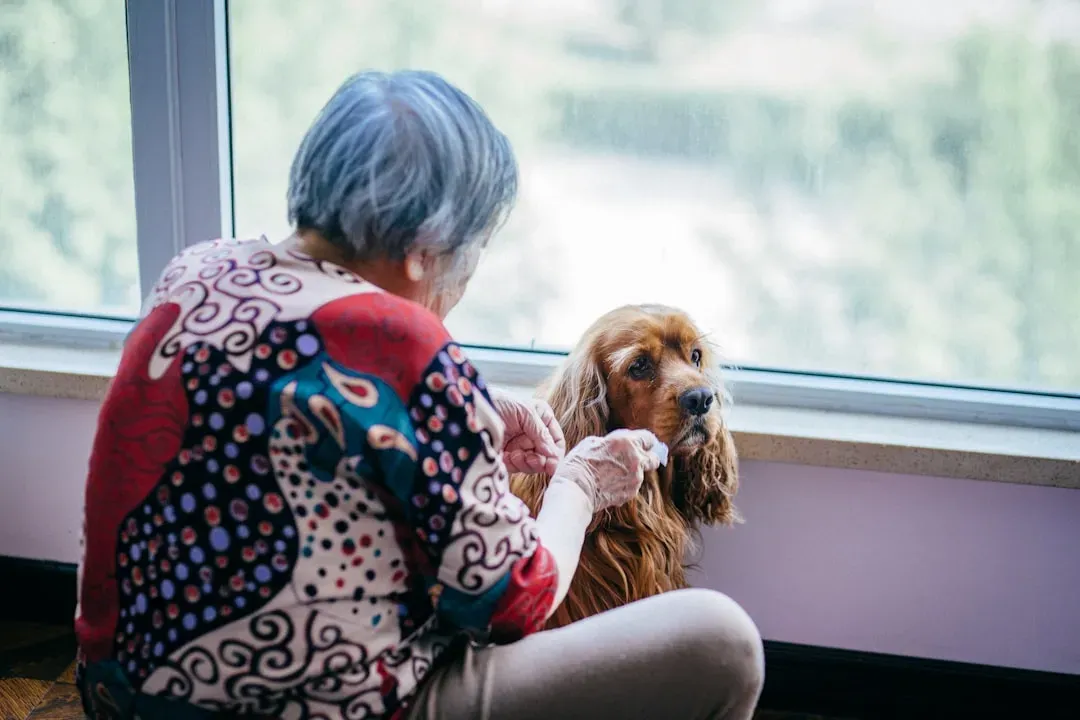
Reduced Feelings of Loneliness (Image Credits: Unsplash)** A dog provides steady companionship that fills quiet moments in later decades. Surveys of adults over fifty reveal that pets often deliver a sense of connection and purpose that helps ease isolation.[3] This emotional buffer matters because loneliness ties to higher health risks overall. The daily interactions with a dog create small but repeated moments of warmth and routine. **
Enhanced Cognitive Function
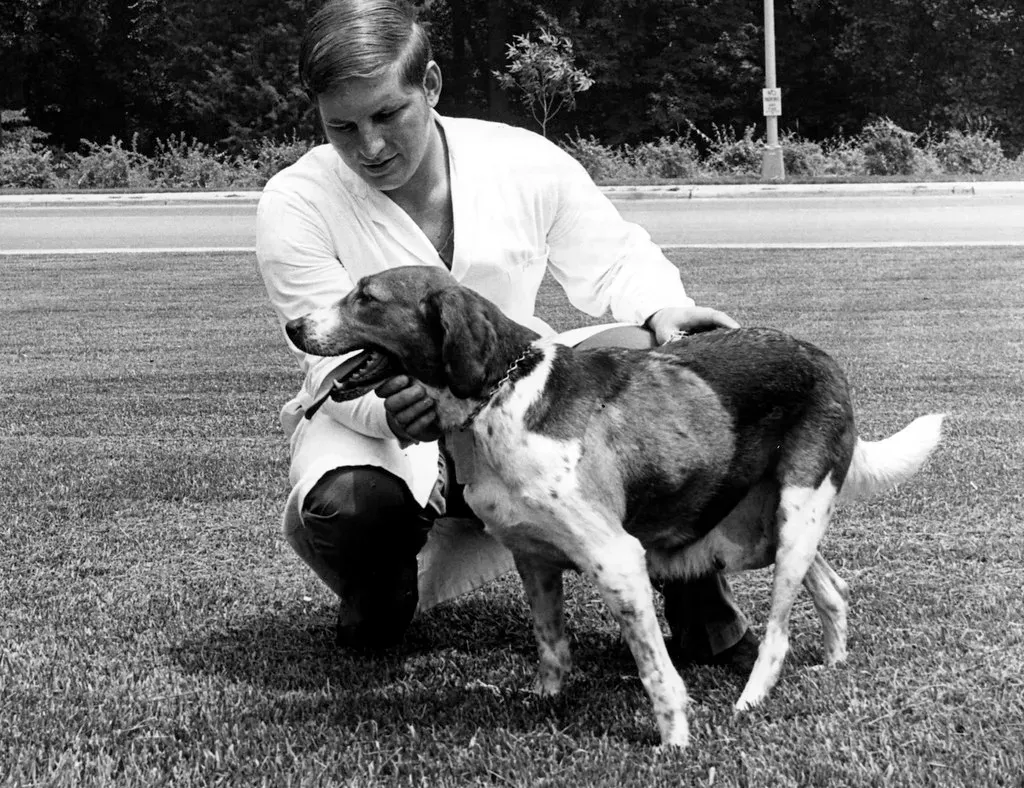
Enhanced Cognitive Function (By Shixart1985, CC BY 2.0)** Longitudinal data indicate pet owners, especially dog owners, experience slower declines in memory and thinking skills. One study tracked changes over years and noted less deterioration in recall and executive function among owners.[4] Some findings even suggest measurable differences in brain aging metrics. The mental stimulation from training, playing, and caring for a dog likely contributes alongside the physical side. **
Greater Sense of Purpose and Routine
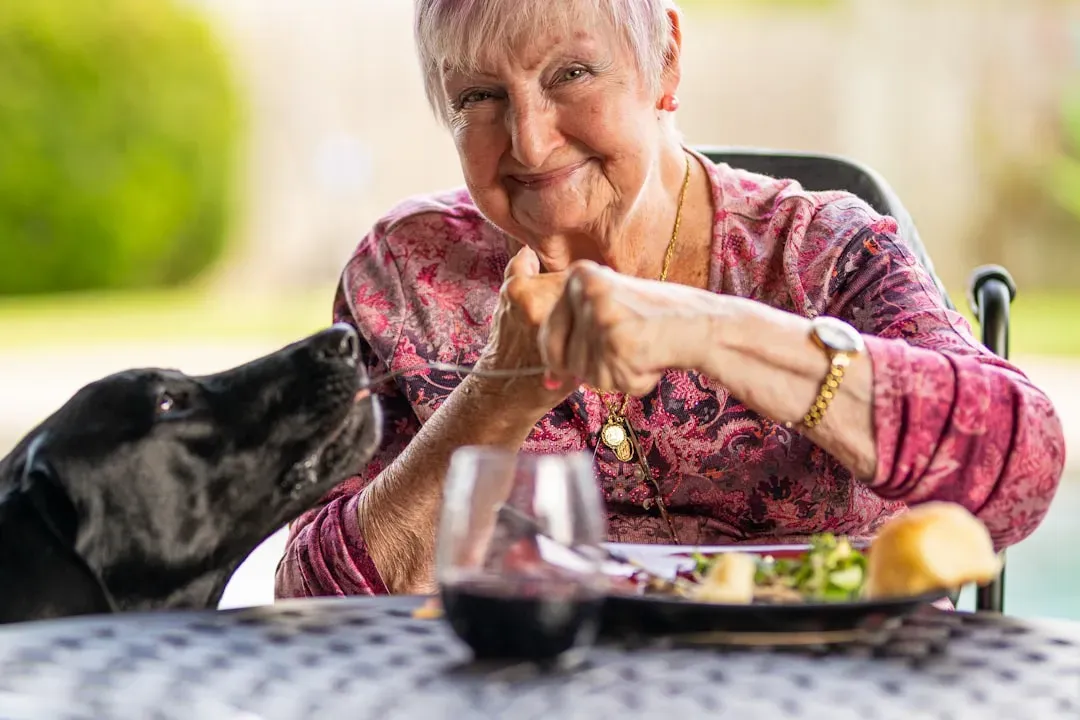
Greater Sense of Purpose and Routine (Image Credits: Unsplash)** Caring for another living being brings structure to days that might otherwise drift. Older adults frequently report that pets give them reasons to get up, plan meals, and stay engaged.[3] This responsibility fosters a quiet accountability that supports overall well being. It turns ordinary tasks into meaningful ones without added pressure. **
Better Recovery from Health Setbacks
Better Recovery from Health Setbacks (Image Credits: Pexels)** Evidence from heart and stroke survivors highlights faster or stronger rebounds when a dog is part of the household. Those living alone show particularly notable advantages in follow up periods.[2] The presence of a dog encourages gentle activity and emotional steadiness during vulnerable times. These elements combine to support resilience when challenges arise. **
Evidence from Large Scale Studies
Evidence from Large Scale Studies (Image Credits: Unsplash)** Meta analyses and nationwide cohorts consistently report lower overall mortality among dog owners. One review found roughly a twenty four percent reduction in death risk over a decade.[5] Swedish registry data covering millions reinforced lower cardiovascular mortality as well. While individual results vary, the pattern holds across different populations and time frames. In the end the research paints a clear picture that adding a dog after fifty five can weave together movement, connection, and daily meaning in ways that support a longer horizon. The choice feels less like a leap and more like a steady step toward the years still ahead.