
Labrador Retriever
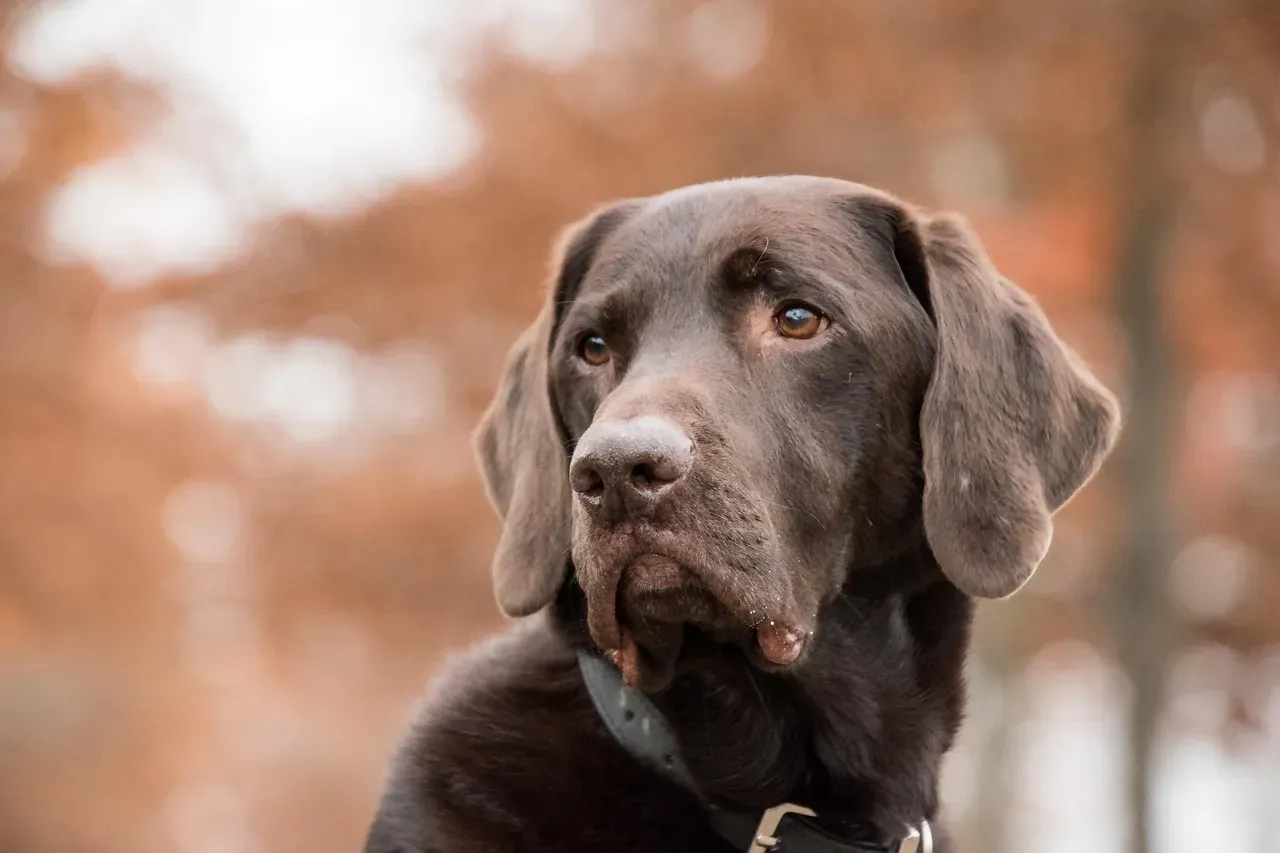
Labrador Retrievers thrive on human interaction and often struggle when left by themselves for long stretches. Their eager to please nature turns into anxiety when the family leaves, leading to pacing, whining, or destructive chewing around doors and windows. These dogs were bred to work closely with people, so isolation feels like a break in their purpose.
Owners frequently report that Labs need mental stimulation and company to stay balanced. Short absences can be managed with puzzle toys, yet full workdays often require extra training or a companion pet. The breed’s high energy only amplifies the issue when no one is around to channel it.
Golden Retriever
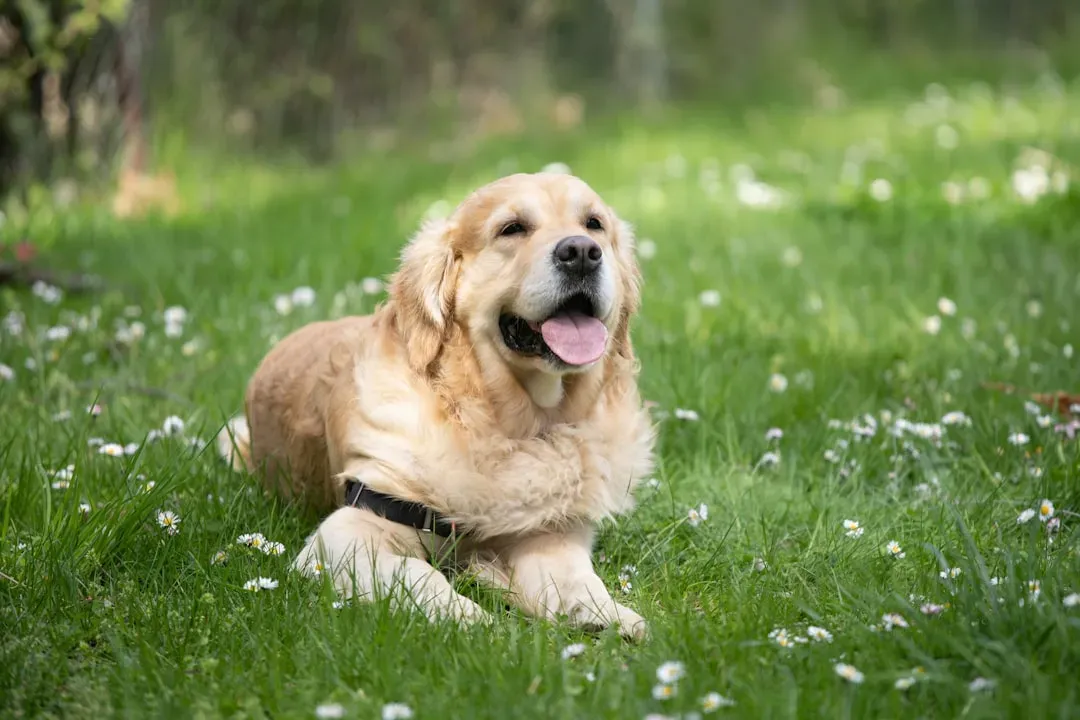
Golden Retrievers form deep attachments and tend to show clear signs of distress during separations. They may bark excessively or develop habits like digging at carpets when the house feels empty. Their friendly disposition makes them crave the presence of their people more than most other breeds.
Because they were developed as hunting companions, Goldens expect regular interaction throughout the day. Leaving one alone without preparation can lead to stress related behaviors that affect both the dog and the home. Consistent routines and gradual alone time training help, though the underlying need for connection remains strong.
German Shepherd
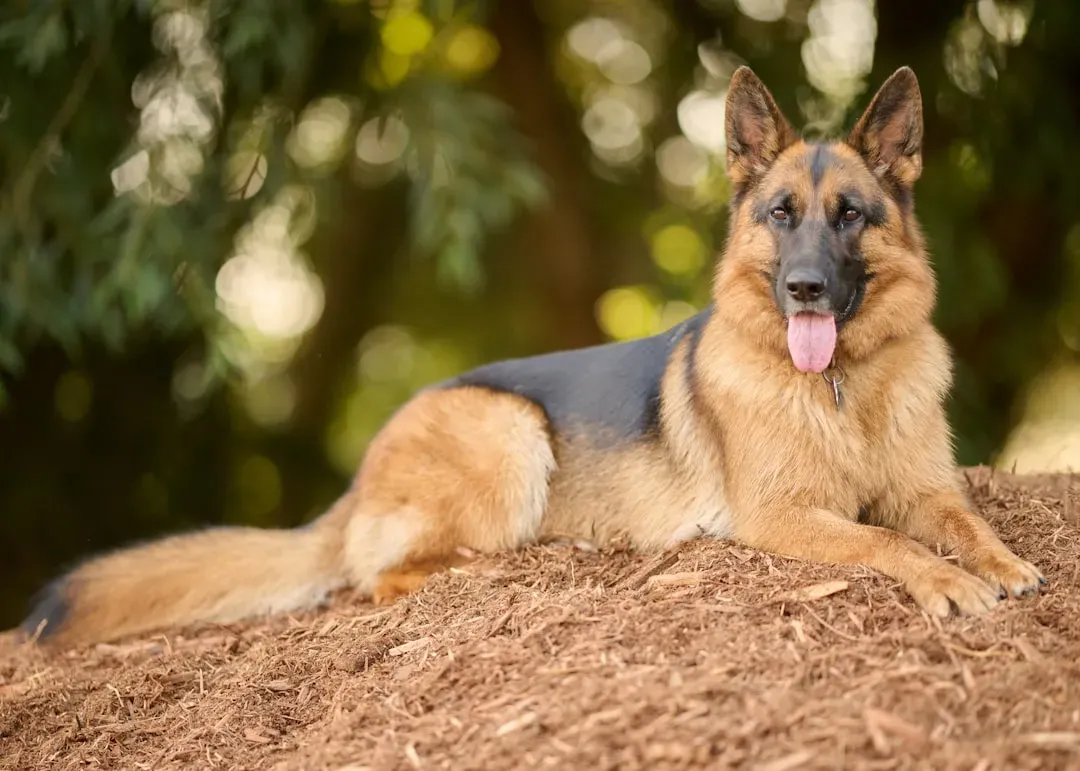
German Shepherds are loyal protectors that often become unsettled when their family is absent. They may guard the house too intensely or develop separation related vocalization that neighbors notice quickly. Their intelligence means they notice patterns and can anticipate departures, heightening their response.
These dogs were bred for working roles that kept them near handlers, so solitude runs against their instincts. Many owners find that exercise before leaving helps, yet the breed still benefits from company or professional daycare options. Without it, anxiety can build over repeated absences.
Border Collie
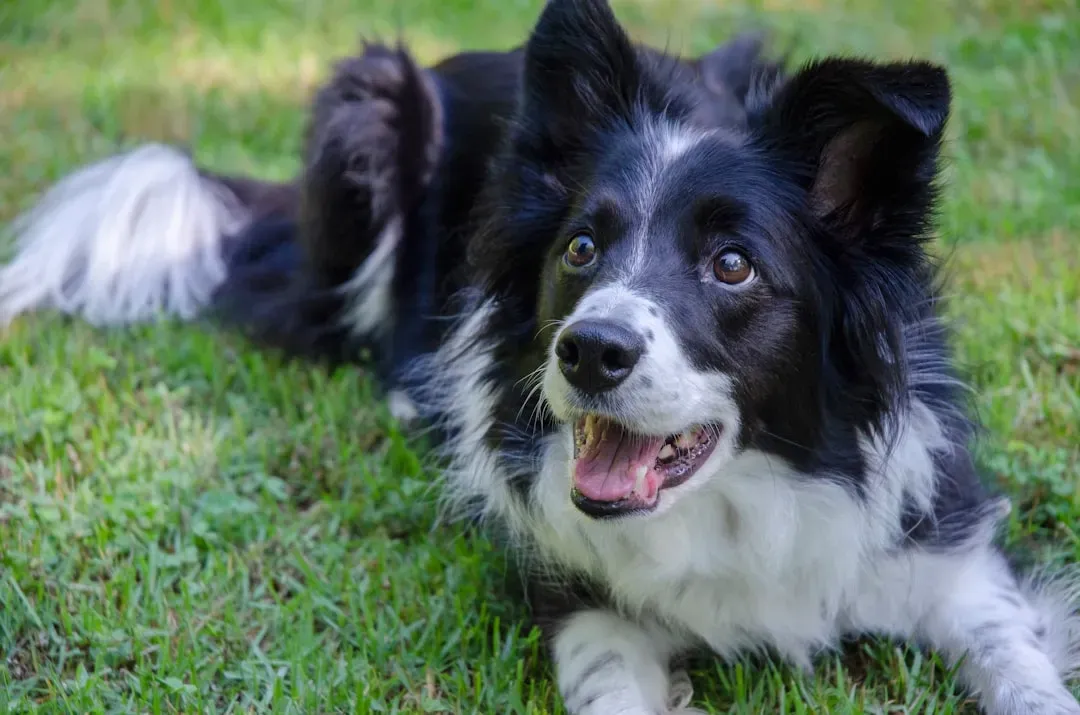
Border Collies possess intense focus and energy that makes being alone particularly difficult. They often redirect their herding drive into unwanted behaviors like chasing shadows or chewing furniture when no one provides direction. Their sharp minds need engagement that an empty house cannot supply.
Bred for constant work with shepherds, these dogs view isolation as a loss of purpose. Short periods alone are possible with training, but longer stretches frequently result in frustration that shows up in destructive ways. Mental tasks and a second pet sometimes ease the pressure.
Australian Shepherd
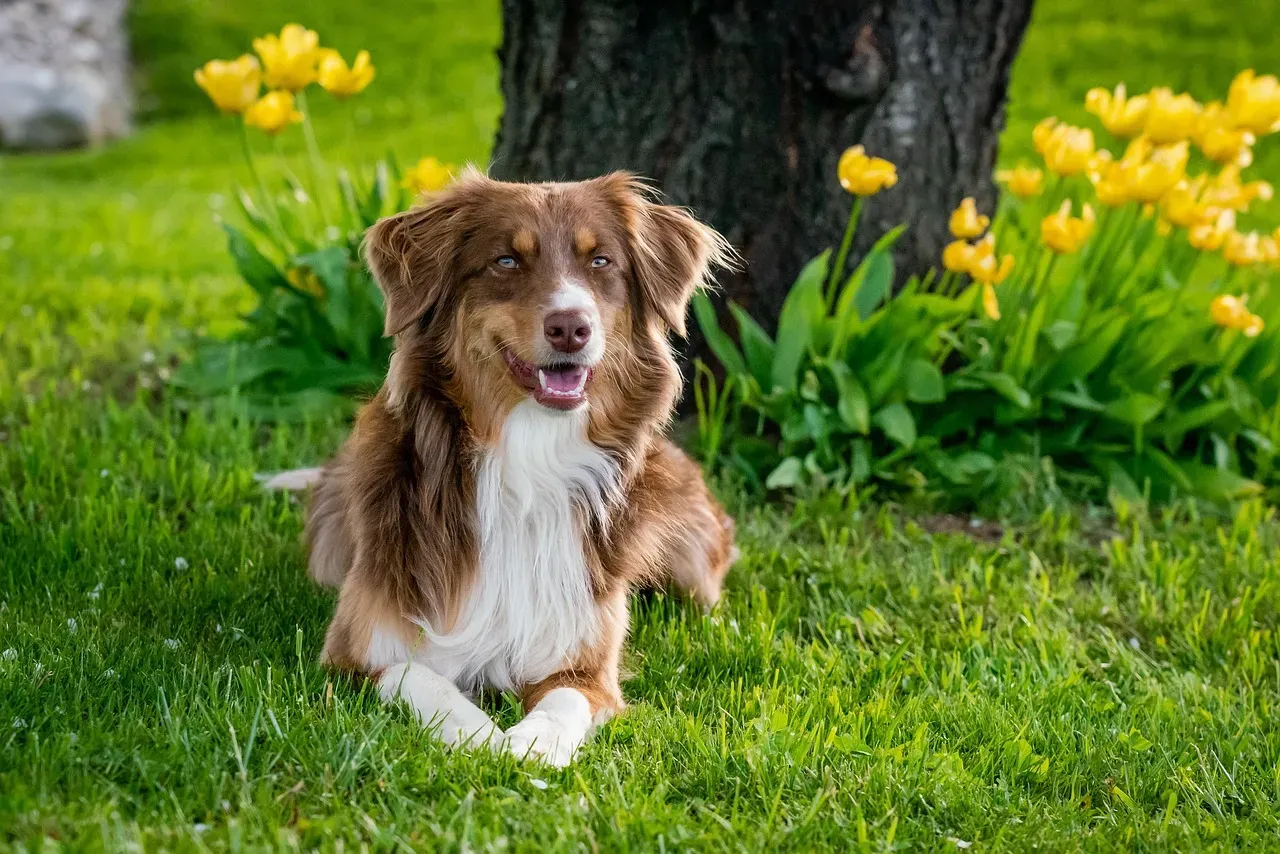
Australian Shepherds bond closely with their households and react strongly to being left behind. They may follow family members from room to room before departures and then settle into restless patterns once alone. Their herding background reinforces a preference for group activity over solo time.
These dogs often display stress through excessive shedding or attempts to escape enclosures. Owners who work long hours sometimes pair them with another dog to reduce the sense of abandonment. Even then, the breed responds best to structured alone time practice started early.
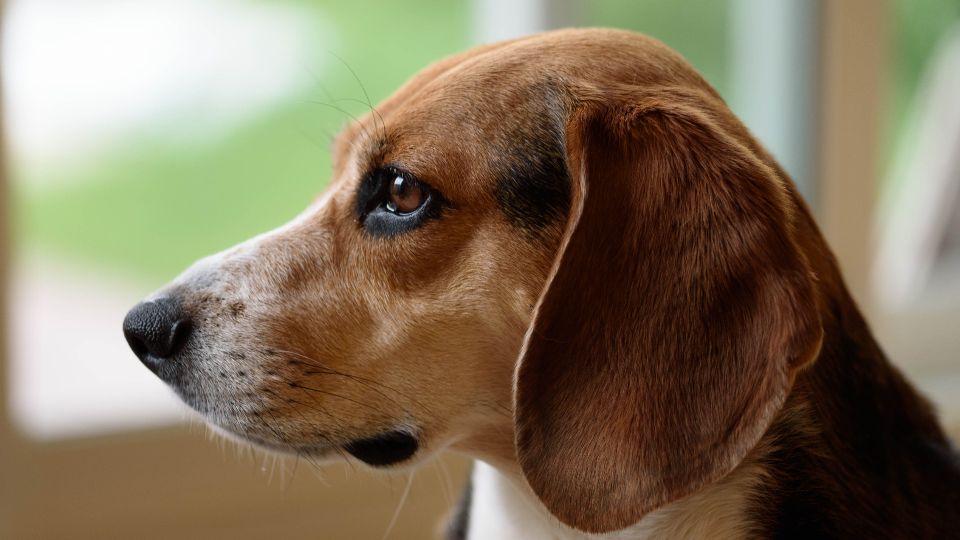
Beagle
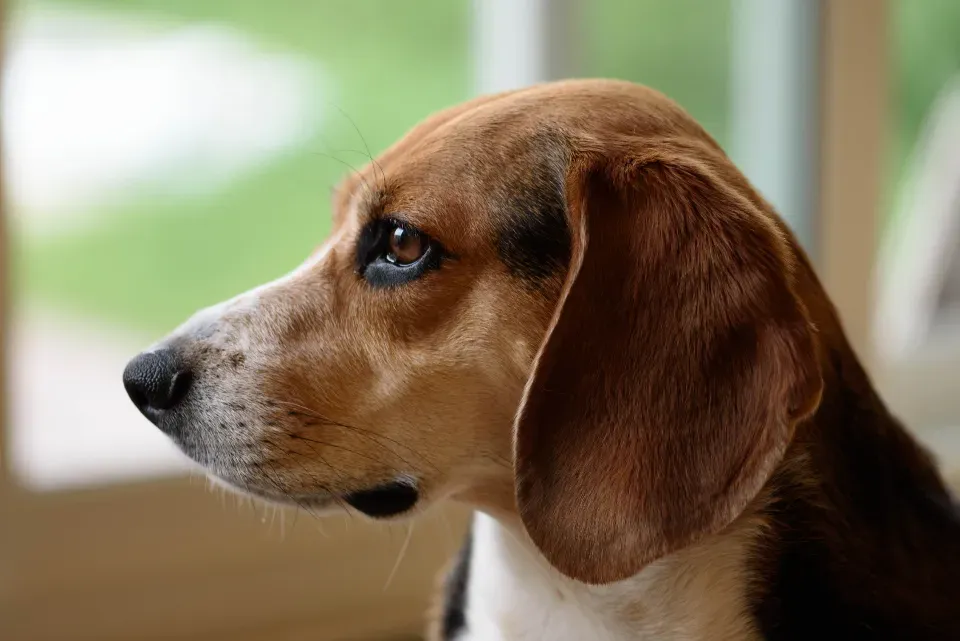
Beagles were bred to hunt in packs, so they carry a built in expectation of company that makes solitude uncomfortable. When left alone they may howl in ways that carry far or turn to counter surfing for comfort. Their scent driven nature keeps them alert to every sound outside, amplifying feelings of isolation.
Many Beagle owners notice that the breed tolerates short absences better than full days. Puzzle feeders and background noise can help, yet the underlying pack mentality often surfaces during extended periods without people. A second dog sometimes provides the missing social element.
Cavalier King Charles Spaniel
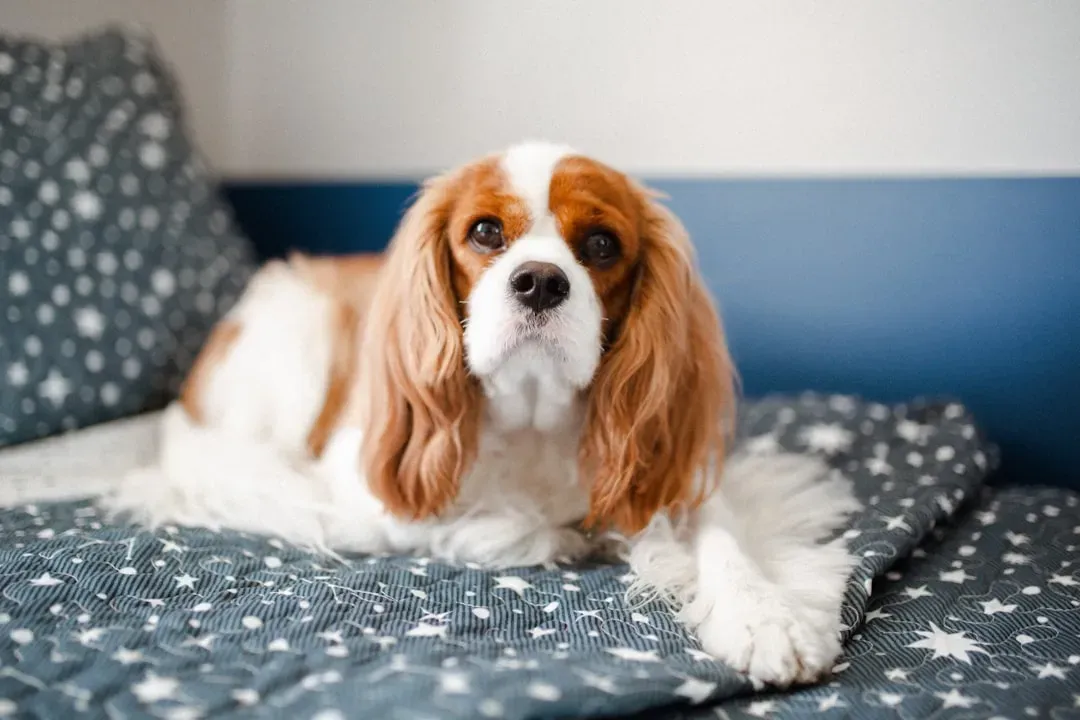
Cavalier King Charles Spaniels form affectionate attachments that leave them vulnerable to separation stress. They may sit by the door for hours or develop habits like excessive licking when the house empties. Their small size does not reduce the emotional intensity of their need for closeness.
These dogs were companions first and foremost, so time alone feels especially unnatural. Gentle training and familiar scents from clothing can ease transitions, though the breed still prefers shared spaces over independent living. Many owners adjust schedules to limit long absences.
Jack Russell Terrier
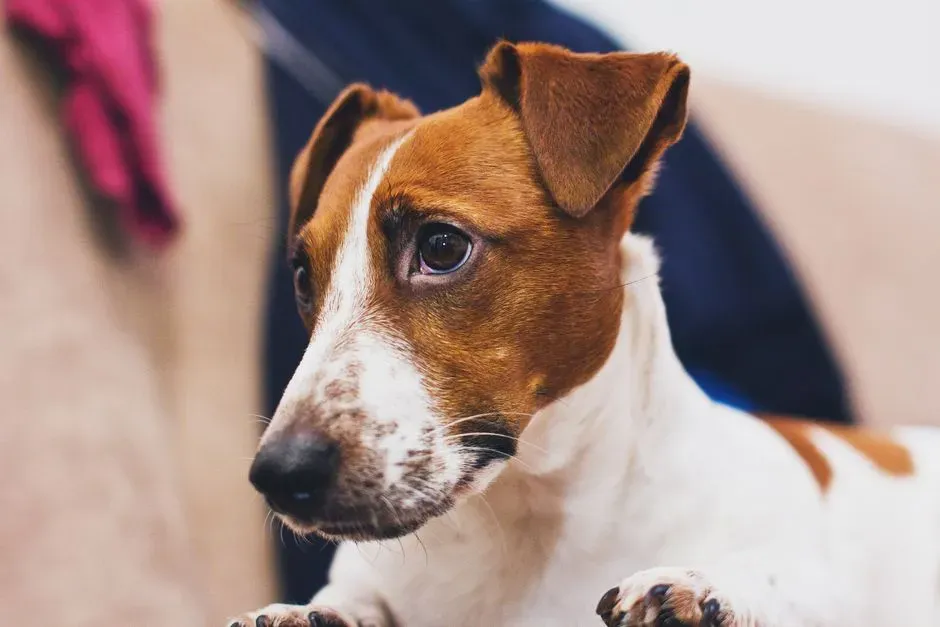
Jack Russell Terriers bring high energy and determination that can turn destructive without supervision. They may dig at doors or furniture when left alone, channeling their hunting drive into escape attempts. Their bold personality does not translate well to quiet solitude.
Bred for independent work in the field, these terriers still expect human direction at home. Short absences work with proper outlets, yet longer stretches often lead to frustration that affects training progress. A secure space and mental games provide some relief.
Poodle
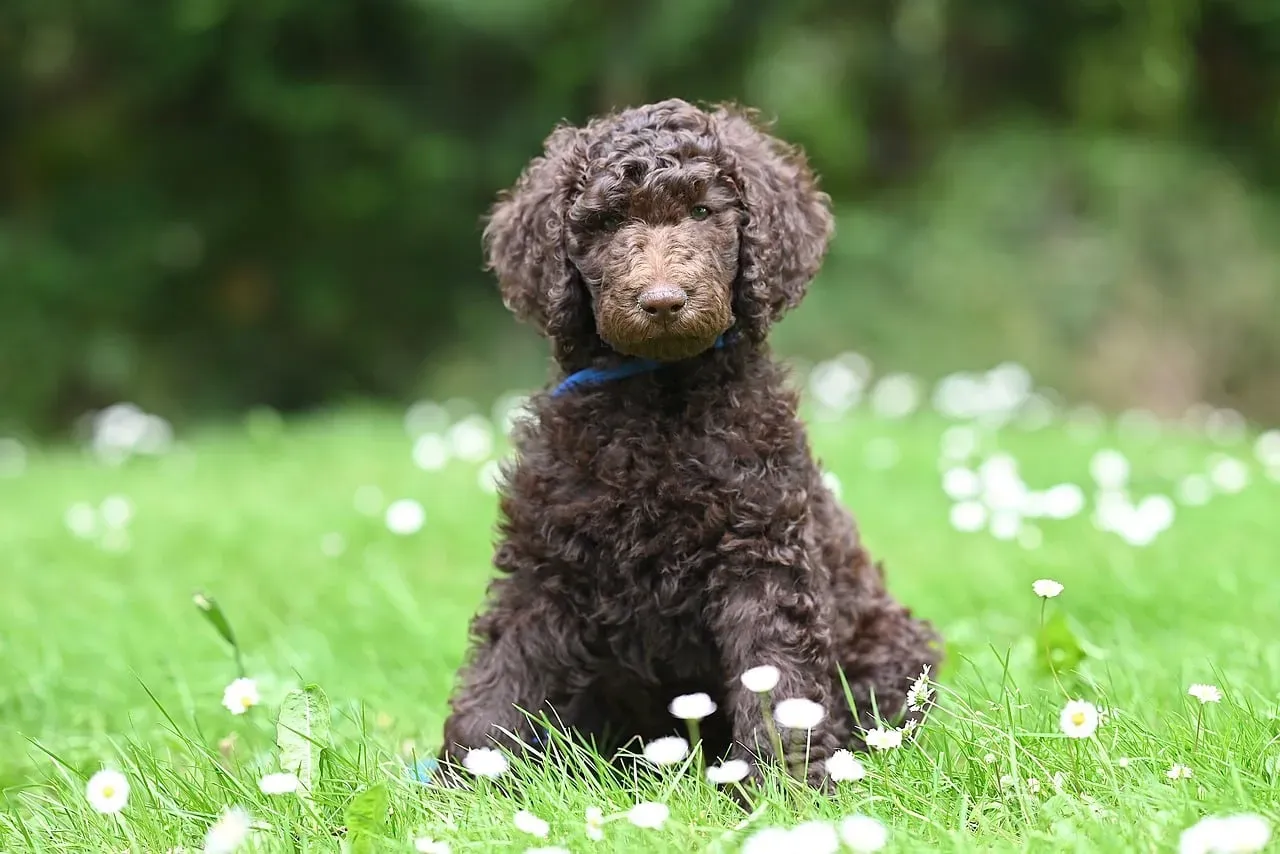
Poodles combine intelligence with a strong desire for human partnership, making extended alone time challenging. They may vocalize or pace when routines change, showing clear signs that the absence feels wrong. Their trainable nature helps with preparation, but the underlying preference for company persists.
Whether standard or miniature, the breed was developed alongside people in various roles. Owners often find that leaving a radio on or using camera monitoring reduces anxiety. Still, Poodles generally thrive best in households where someone is present most of the day.
Boxer
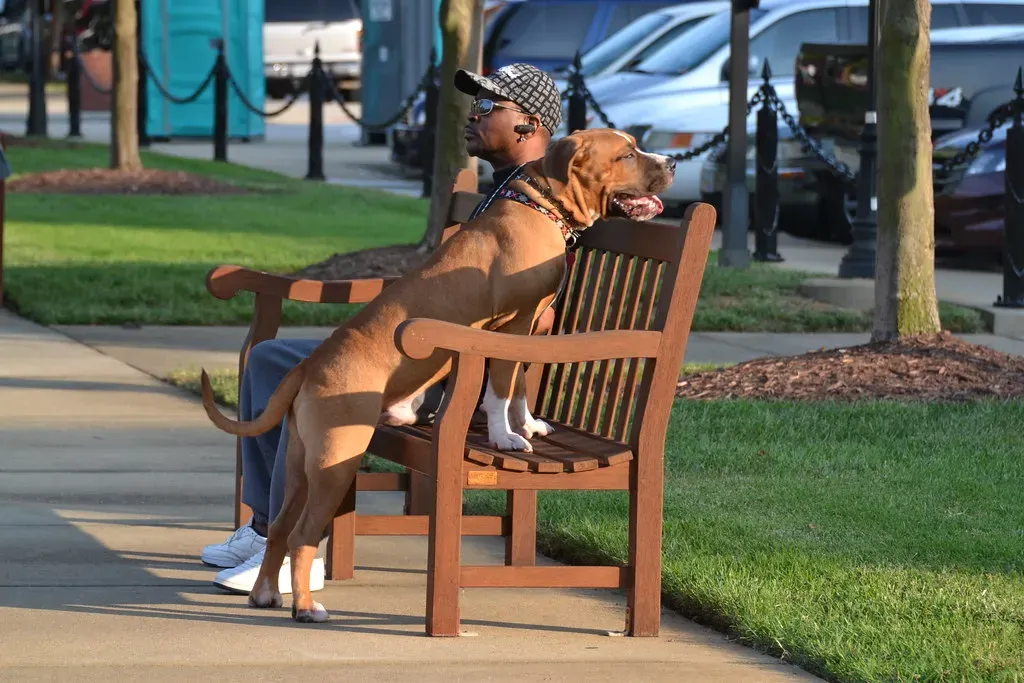
Boxers are playful and people oriented, so they frequently struggle when the house is empty. They may chew on belongings or bark at every noise as a way to fill the silence. Their muscular build and energy level make any destructive outlet more noticeable.
These dogs were bred as working companions and retain that expectation of interaction. Gradual desensitization to departures helps some individuals, yet the breed still benefits from company or structured activities during the day. Without it, stress behaviors can become habitual.
Basenji
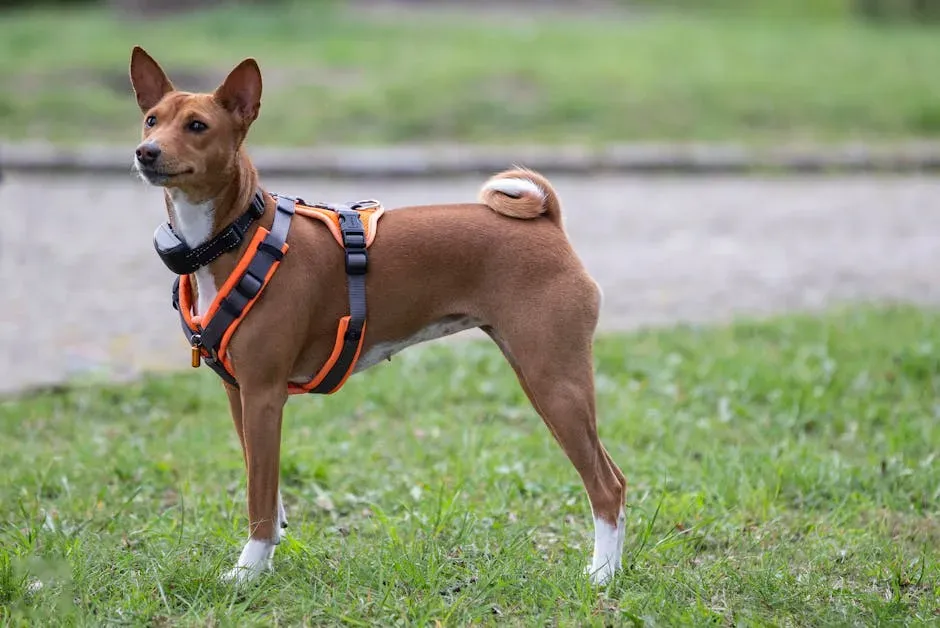
Basenjis carry an independent streak rooted in their African hunting heritage that allows them to handle solitude comfortably. They often entertain themselves with quiet exploration rather than seeking constant attention. Their cat like grooming habits and reserved nature support time spent alone without distress.
These dogs rarely form the intense bonds that trigger separation issues in other breeds. Owners appreciate that a Basenji can rest or play independently while the household is away. The breed still enjoys company when people return, yet it does not demand it throughout the day.
Chow Chow
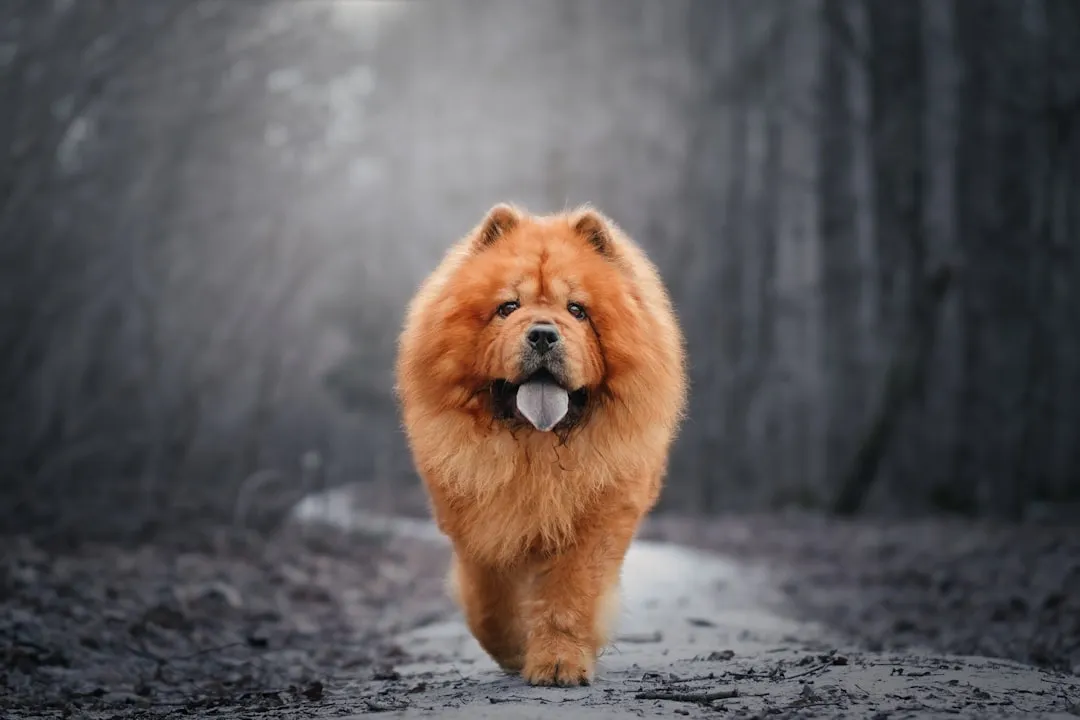
Chow Chows maintain a dignified distance that makes them well suited to periods of solitude. They were historically used as guard dogs and retain a self sufficient temperament. Many spend alone time resting or observing their surroundings without signs of anxiety.
Their thick coats and aloof personality mean they do not crave physical closeness the way some breeds do. Owners find that Chows accept routines that include time apart, provided basic needs are met. The breed’s independent nature reduces the likelihood of destructive behaviors during absences.
Afghan Hound
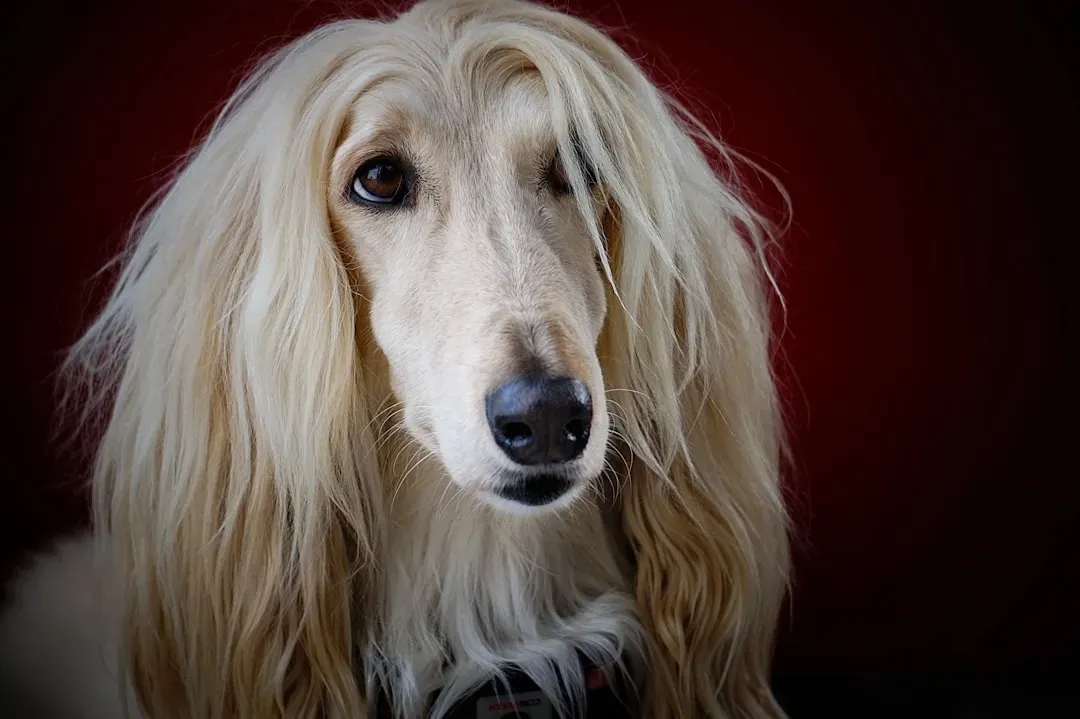
Afghan Hounds possess a calm, aristocratic demeanor that translates into comfort with being alone. Their history as independent hunters prepared them for stretches without direct human oversight. These dogs often occupy themselves with quiet observation rather than seeking interaction.
Their long coats and graceful presence give them an air of self containment. Owners report that Afghans rarely show distress when left for reasonable periods. The breed’s low need for constant engagement makes it a practical choice for busier schedules.
Akita
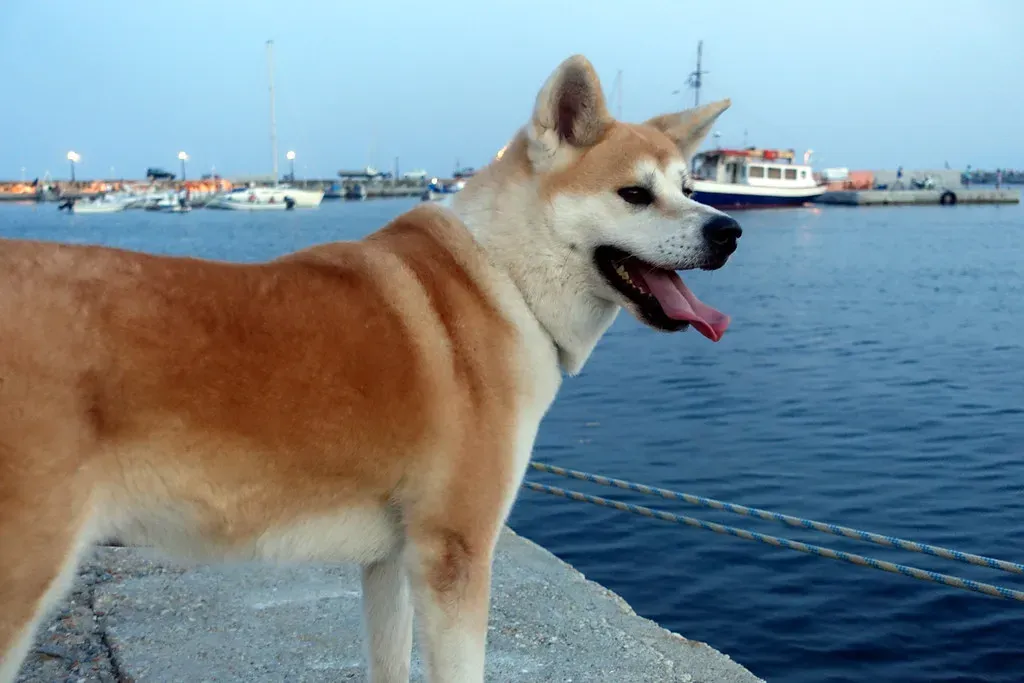
Akitas carry a protective and independent spirit that allows them to manage time alone without issue. Bred as hunters and guardians in Japan, they developed a self reliant outlook. Many Akitas rest or patrol their space calmly during absences.
Their strong bond with family does not require constant presence to remain stable. Owners note that Akitas accept solitude as part of their role, provided they have a secure environment. The breed’s reserved nature supports longer periods without people nearby.
Shiba Inu
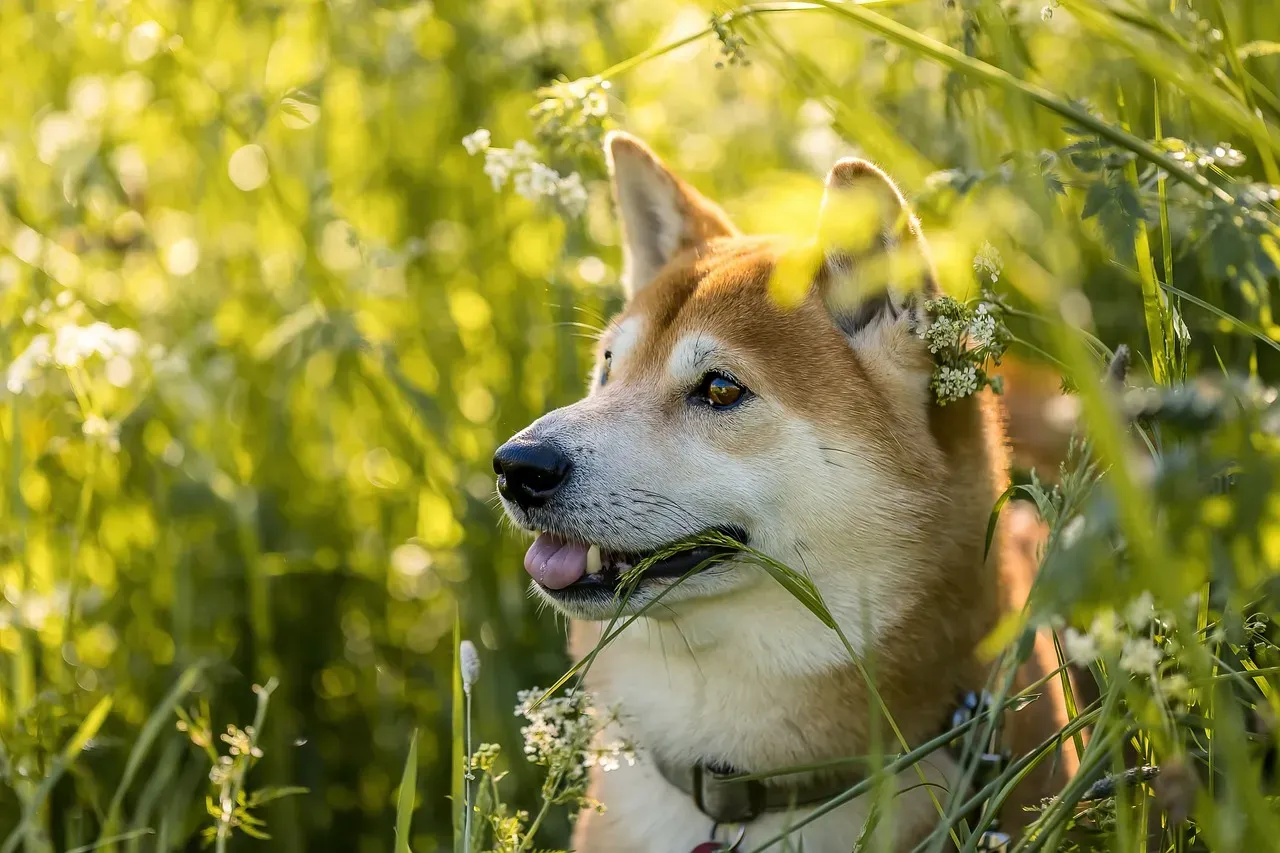
Shiba Inus display a cat like independence that makes solitude feel natural rather than stressful. Their alert and clean habits mean they often occupy themselves without needing supervision. These dogs were developed to work somewhat autonomously in mountainous terrain.
Owners frequently describe Shibas as content to nap or explore a safe area while the household is out. The breed’s strong personality includes a preference for personal space, which aligns well with time apart. They welcome interaction upon return but do not demand it constantly.
The right match between lifestyle and breed temperament saves everyone unnecessary stress. Choosing a dog whose natural tendencies align with your schedule creates smoother days for both of you.


