
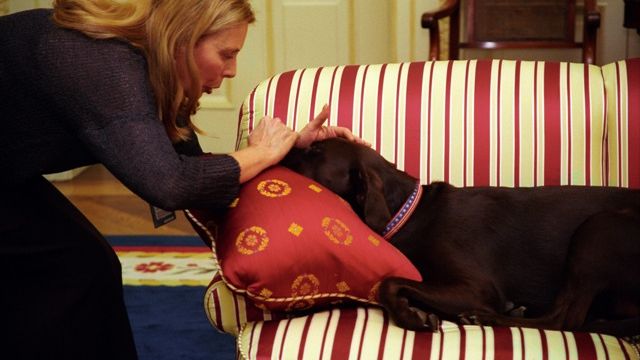
Owners of senior dogs often sense something shifting in their companions long before any dramatic signs appear. These changes tend to unfold in small, understated ways that invite closer attention rather than alarm.
The behaviors feel personal and individual, shaped by each dog’s history and personality. Paying attention to them can open a window into what the animal might be experiencing during those final chapters.
Retreating to Quiet Corners of the Home
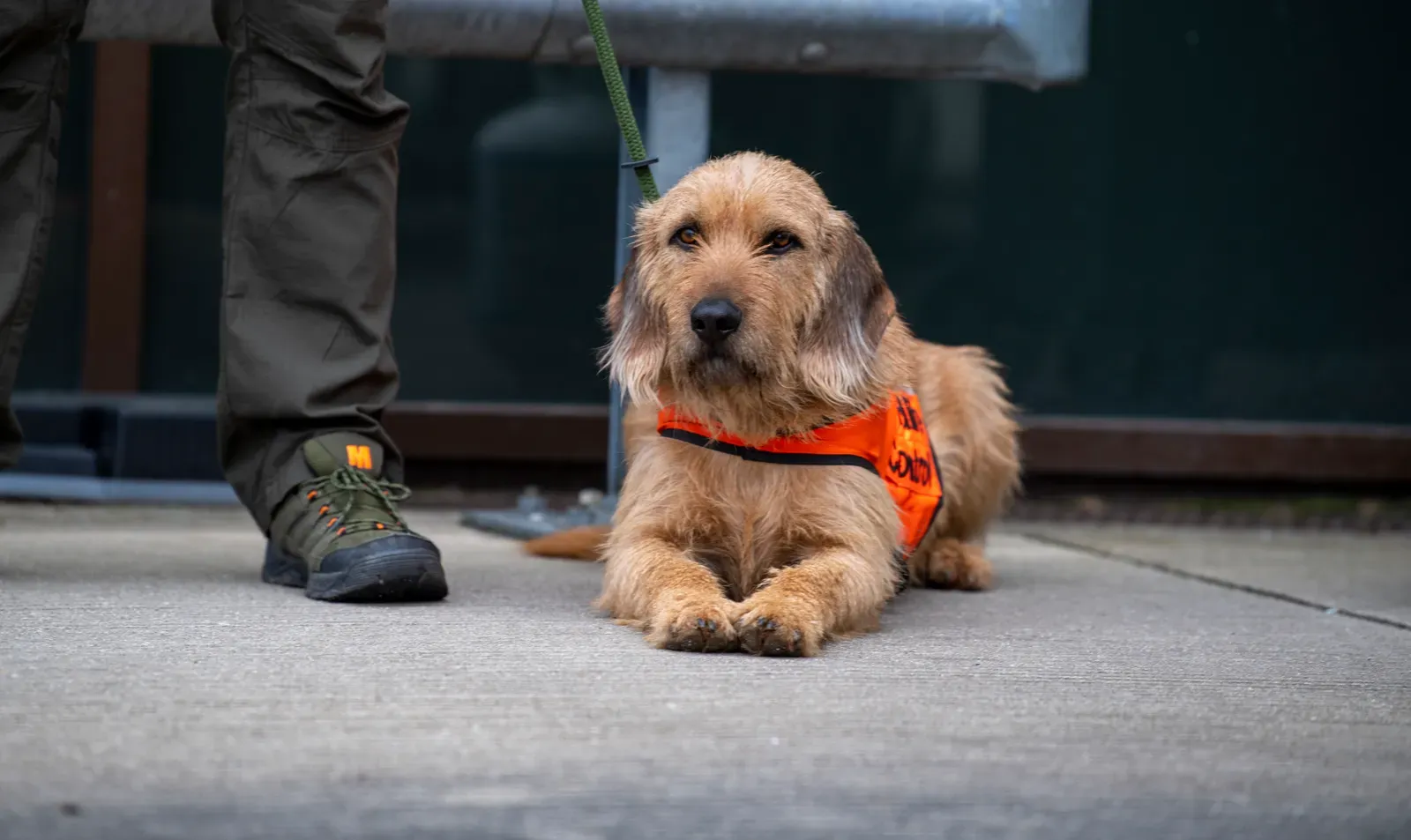
Many older dogs begin choosing out of the way spots like the space behind a couch or under a bed. They settle there for longer stretches without making a fuss about it.
This preference for seclusion often appears gradually. It gives them a sense of safety while they rest undisturbed by household activity.
Sleeping Through More of the Day
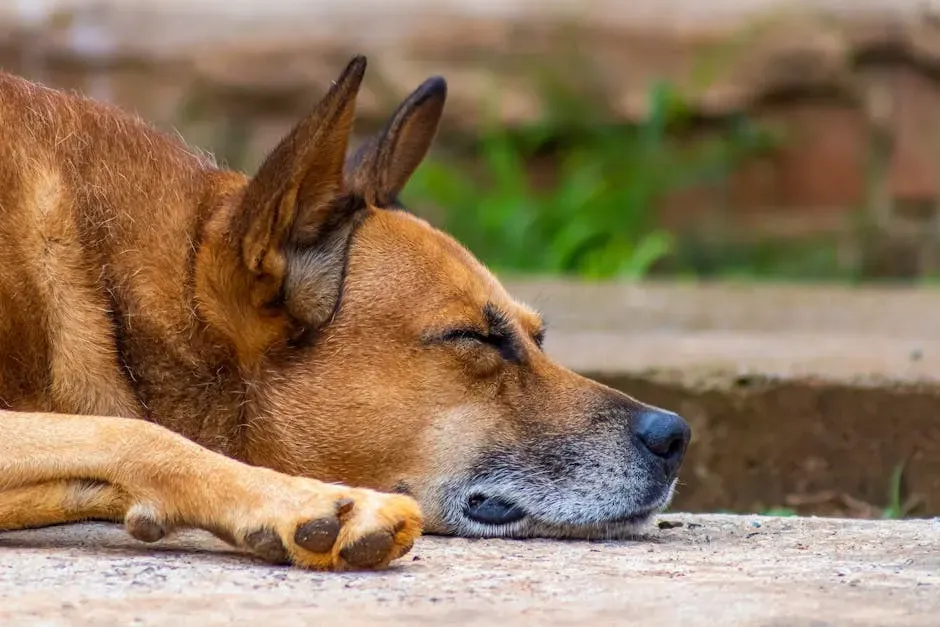
Senior dogs frequently extend their naps into deeper, longer periods that stretch across afternoon hours. They wake less often to check on sounds or movements around them.
The quality of rest changes too. Their breathing settles into a steady rhythm that suggests genuine relaxation rather than light dozing.
Eating Smaller Portions Without Complaint
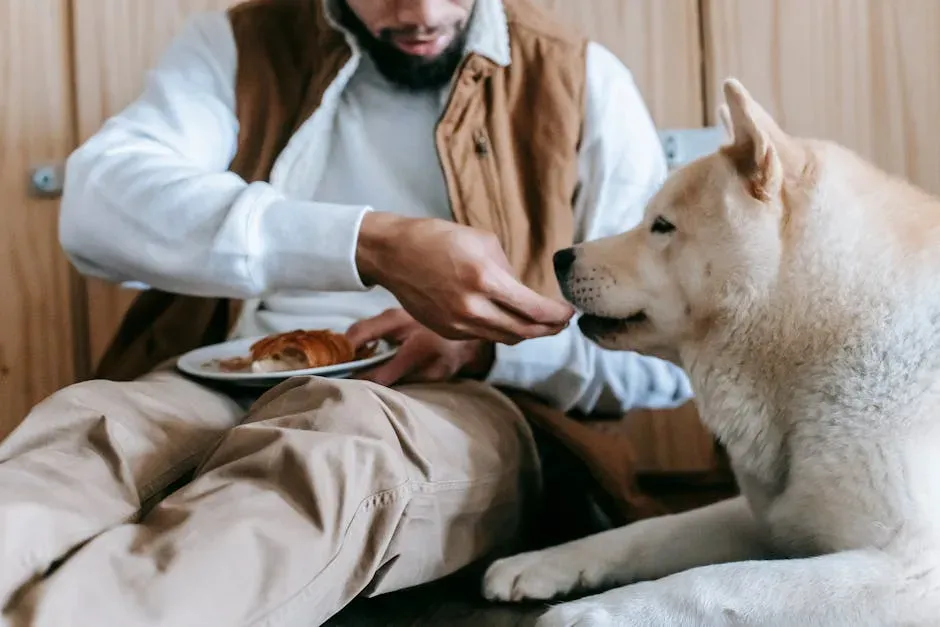
Interest in meals can taper off in gentle stages. A dog might finish only half of what used to disappear in minutes yet show no distress over the remainder.
They may still accept a favorite treat now and then. The overall pattern points to a natural slowing rather than sudden refusal.
Moving with Careful, Measured Steps
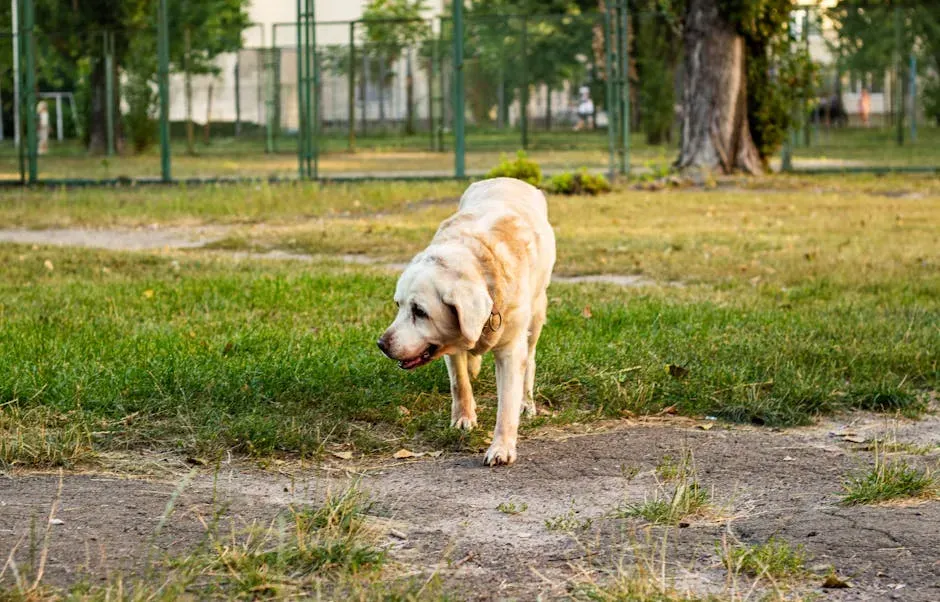
Older dogs sometimes shorten their strides and pause more often between rooms. Each movement looks deliberate and unhurried.
This slower pace helps them conserve energy. It also reduces the chance of stumbling on familiar surfaces they once crossed without thought.
Turning Away from Household Noise
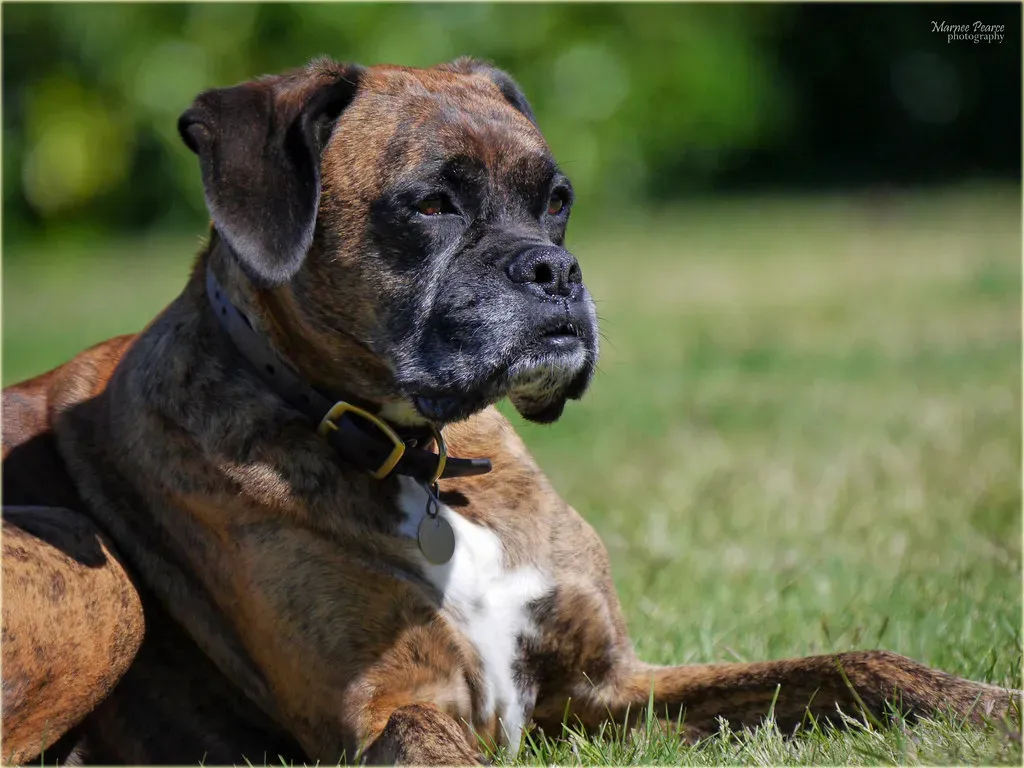
Loud conversations or television sounds start to draw less reaction. The dog might simply shift position or close its eyes instead of investigating.
The response feels measured rather than fearful. It reflects a growing preference for calm surroundings over stimulation.
Staring Softly at Nothing in Particular
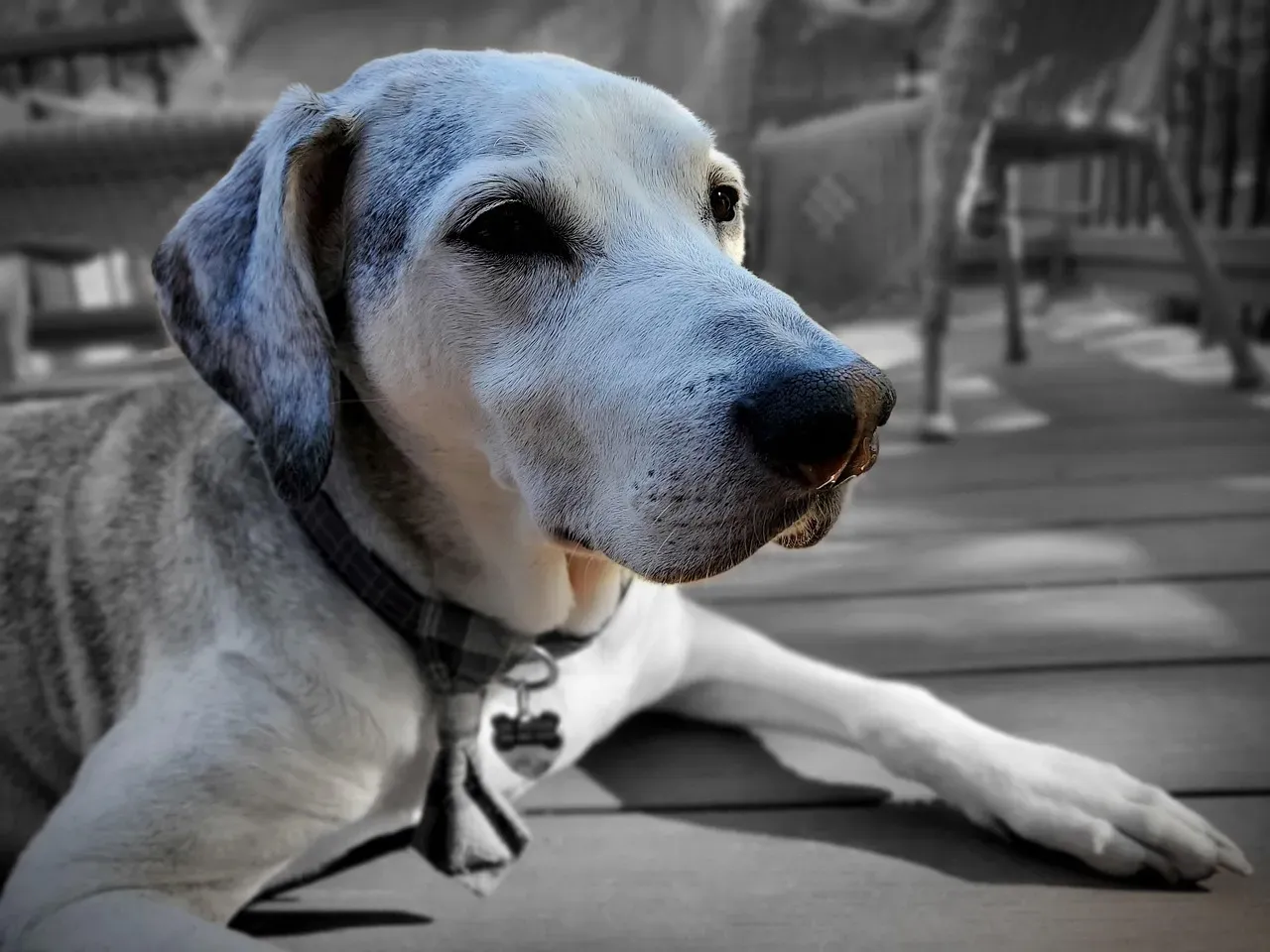
Many senior dogs spend quiet minutes looking toward a wall or out a window with a steady gaze. Their expression stays relaxed rather than alert.
These moments come and go without any obvious trigger. They add a contemplative quality to the dog’s daily rhythm.
Accepting Gentle Contact on Their Own Terms
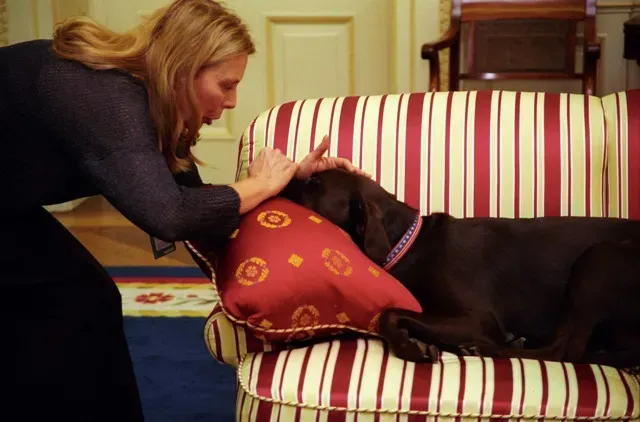
Some dogs lean into a light touch on the head or shoulder when offered. They do not seek it out constantly but respond with quiet appreciation.
The interaction stays brief and undemanding. It provides comfort without requiring much effort from either side.
Leaving Toys Untouched in Their Usual Spots
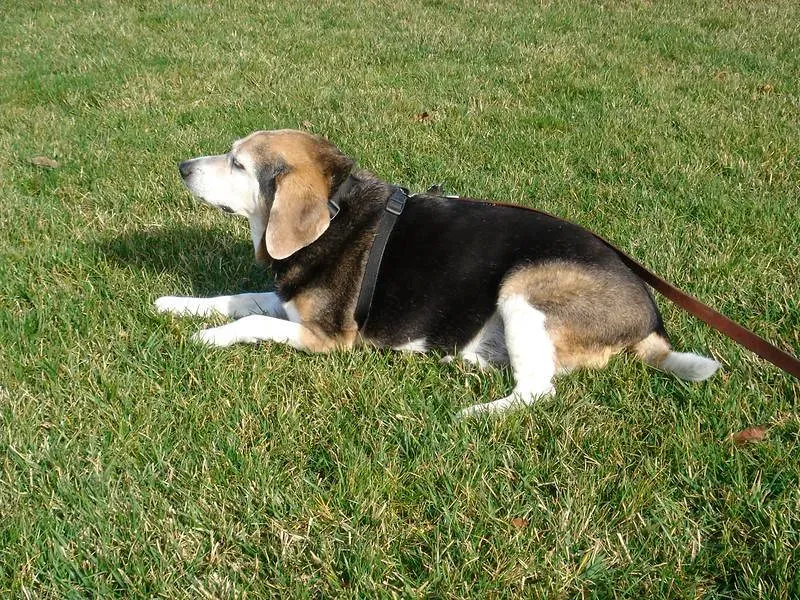
Favorite balls or squeakers remain where they were left the day before. The dog walks past them without the usual nudge or sniff.
This lack of engagement happens consistently over several days. It signals a shift in priorities toward rest instead of play.
Breathing in Shallow, Even Patterns
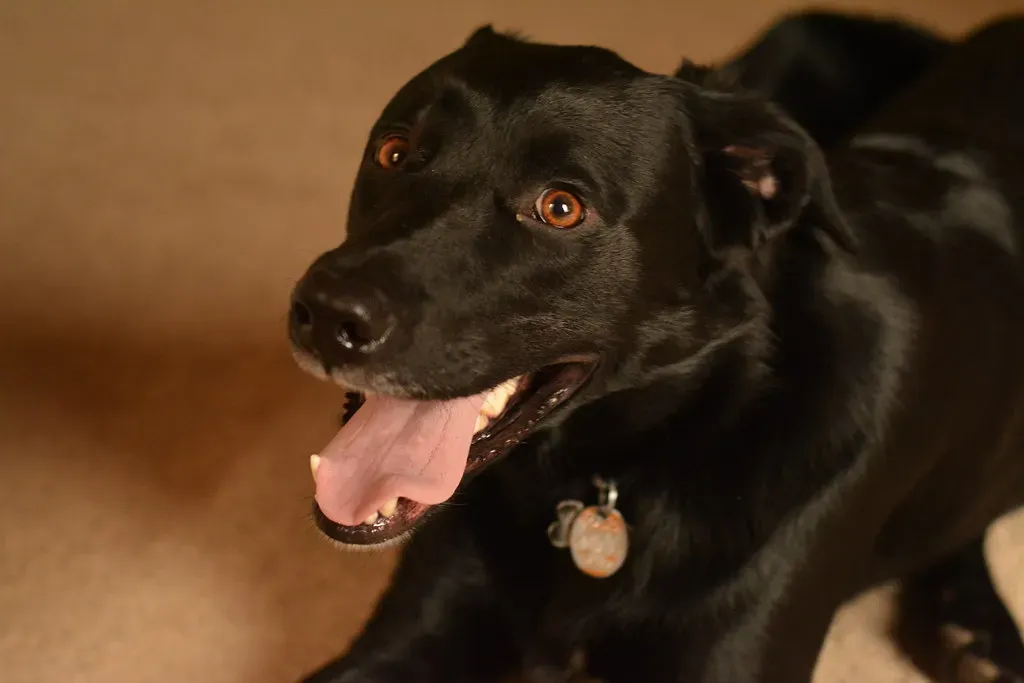
Respiration can become softer and more regular during rest periods. The chest rises and falls with little variation or effort.
Owners sometimes notice this change while the dog lies nearby. It contributes to an overall impression of peaceful stillness.
Ignoring Commands They Once Followed
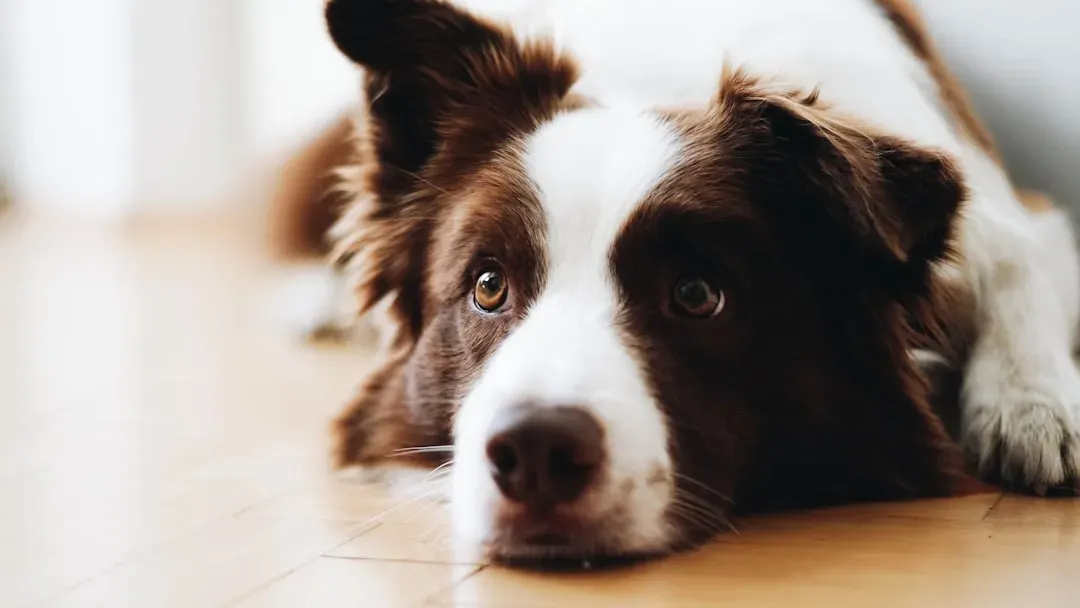
Simple requests like coming to the door receive slower or absent responses. The dog does not appear defiant, only less connected to the request.
The change feels internal rather than willful. It aligns with a broader withdrawal from everyday routines.
Staying Close to Familiar Scents
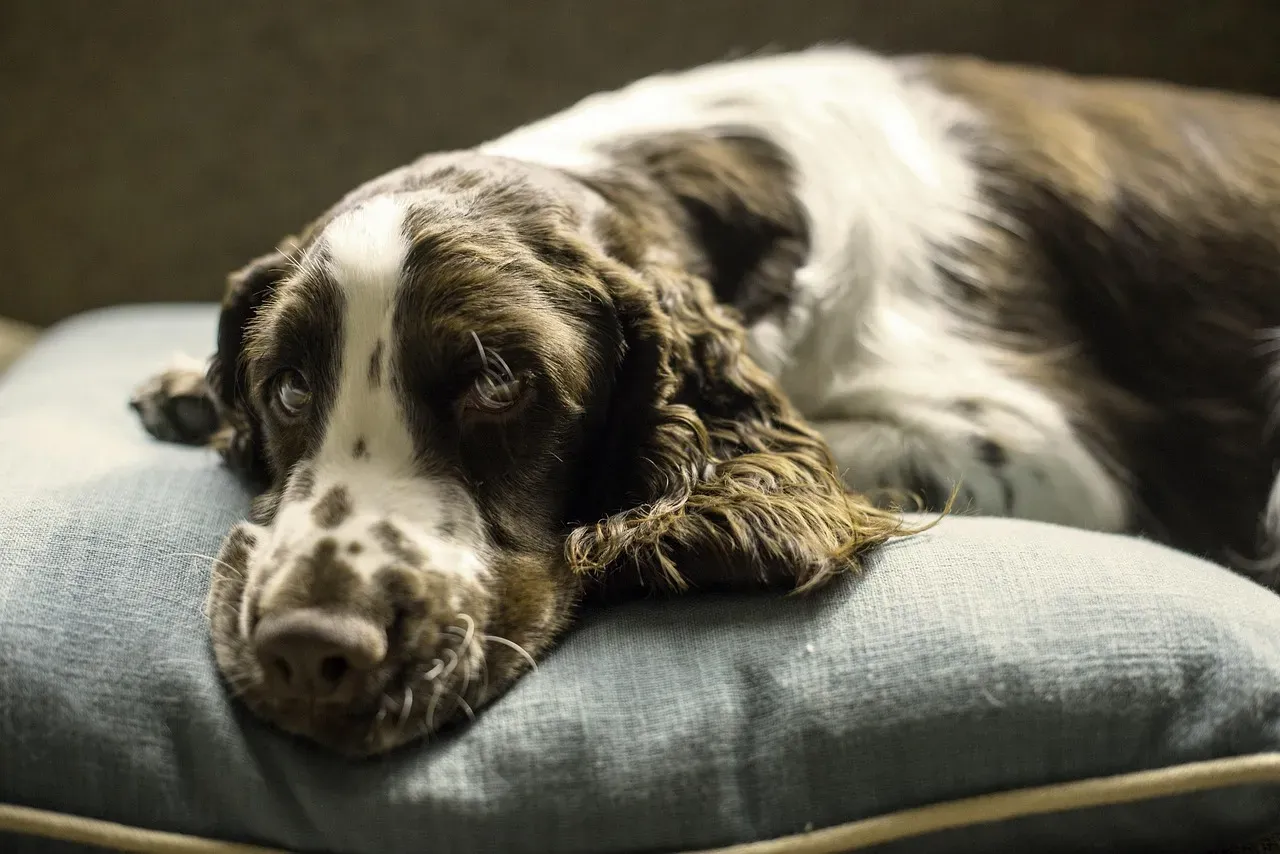
Many dogs linger near their own bedding or a favorite blanket. They rest their heads on these items for extended periods.
The behavior offers quiet reassurance through smell. It requires no active movement yet provides steady comfort.
Adjusting Their Posture with Small Shifts
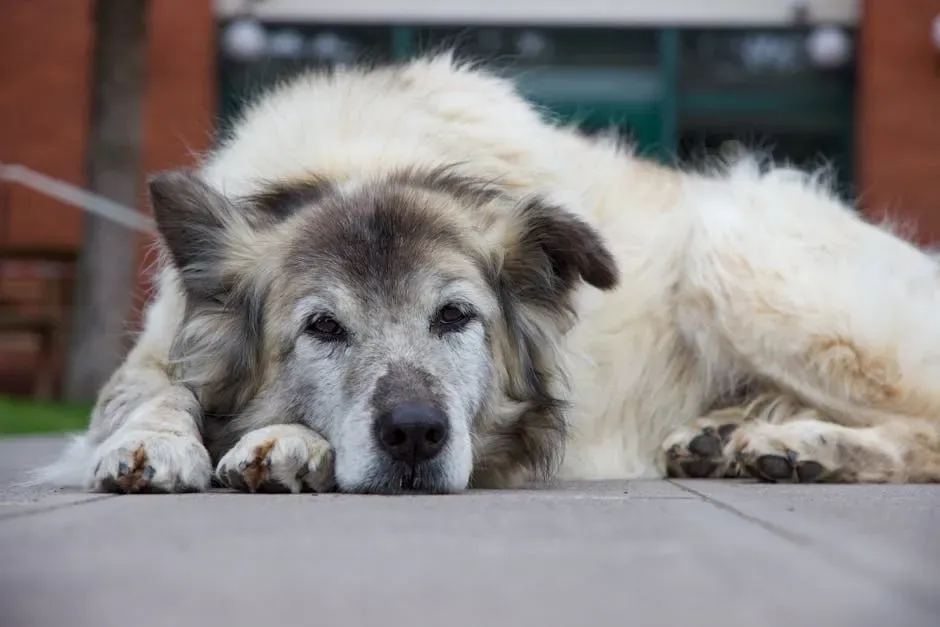
Older dogs often rearrange their legs or bodies in tiny increments while lying down. Each adjustment looks thoughtful and unhurried.
These micro movements help them find a more comfortable position. They happen without the restlessness seen in younger animals.
Responding Less to Distant Sounds
Footsteps in another room or a car passing outside draw minimal ear movement. The dog stays settled where it is.
The reduced alertness feels consistent across different times of day. It reflects a deeper focus on internal rest.
Carrying Themselves with Quiet Calm
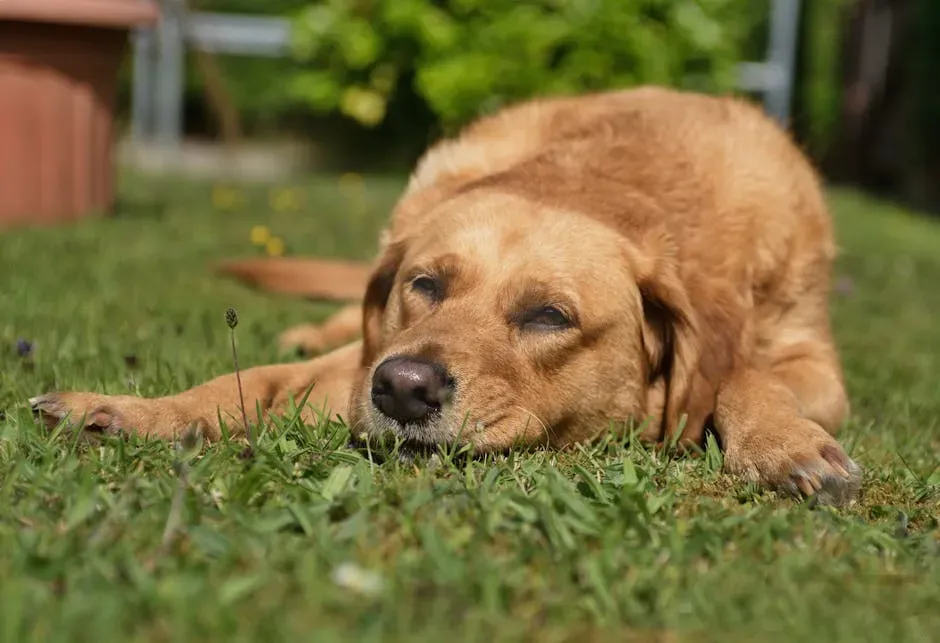
A general sense of acceptance shows in the way the dog carries its head and tail. Tension seems to ease from the body over time.
This demeanor appears most clearly during calm moments at home. It suggests the animal has reached a place of quiet equilibrium.
Embracing the Final Season with Grace
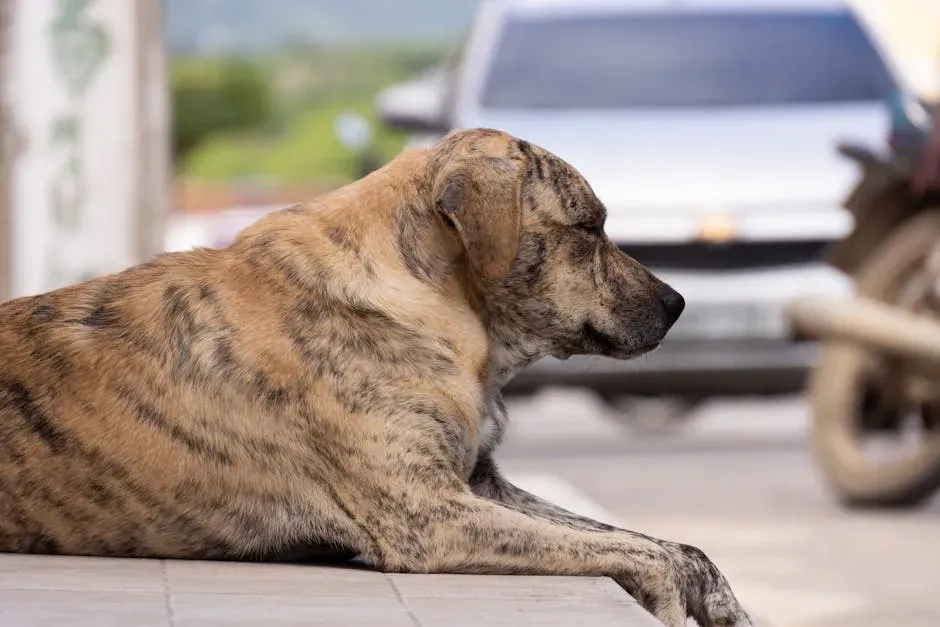
Watching these quiet signals unfold reminds owners that every dog writes its own ending. The process often unfolds with more dignity than drama.
Staying present through the small changes can deepen the bond rather than diminish it. Many people find that honoring this stage brings its own form of peace.


