
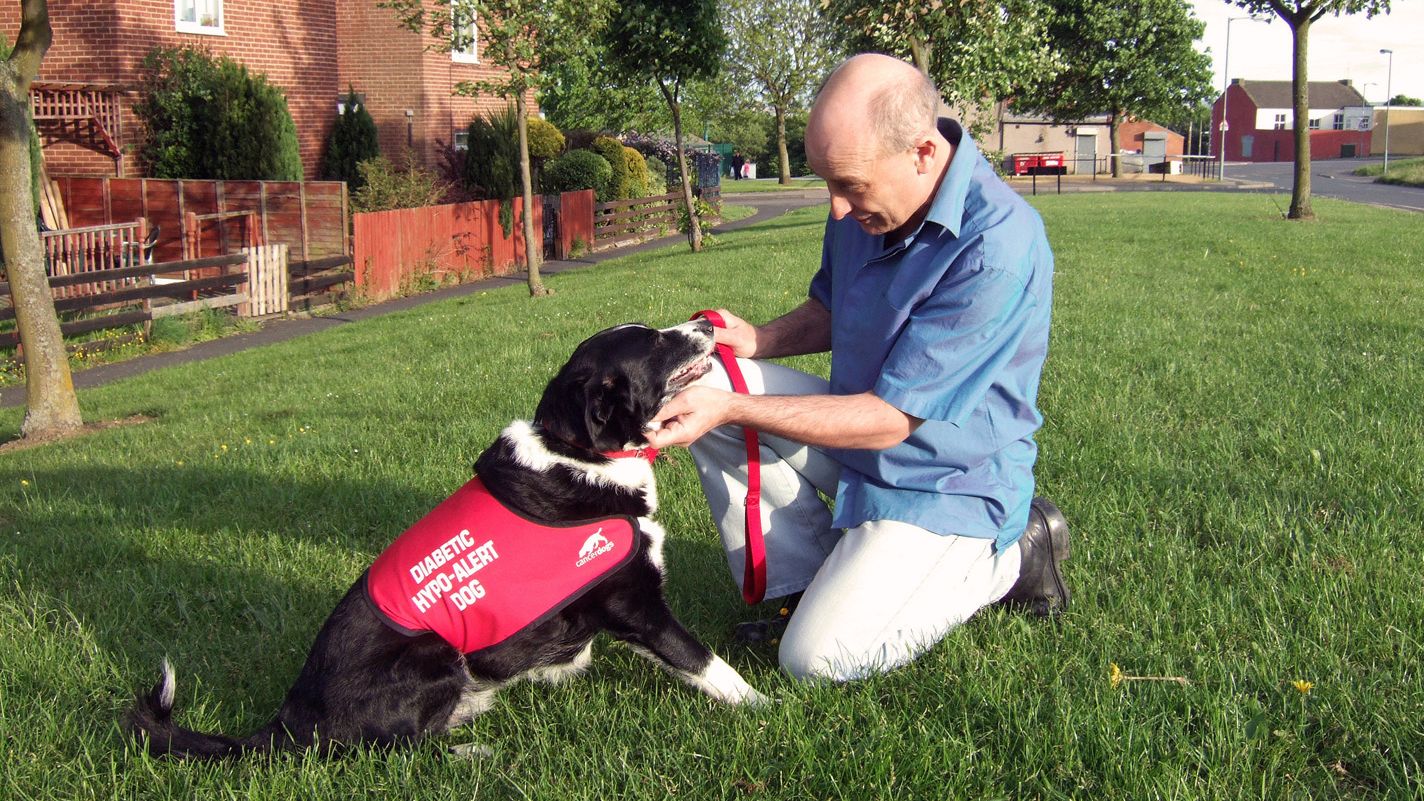
Dogs have an extraordinary sense of smell that picks up on tiny chemical shifts in the human body long before most people notice anything wrong. For those over 50, when certain health conditions start to appear more often, a pet’s unusual behavior can sometimes serve as an early signal worth paying attention to.
Trainers and researchers have documented how dogs respond to specific scent changes tied to illness. The following five issues stand out because they produce odors or physiological shifts that many dogs seem particularly attuned to.
Cancer
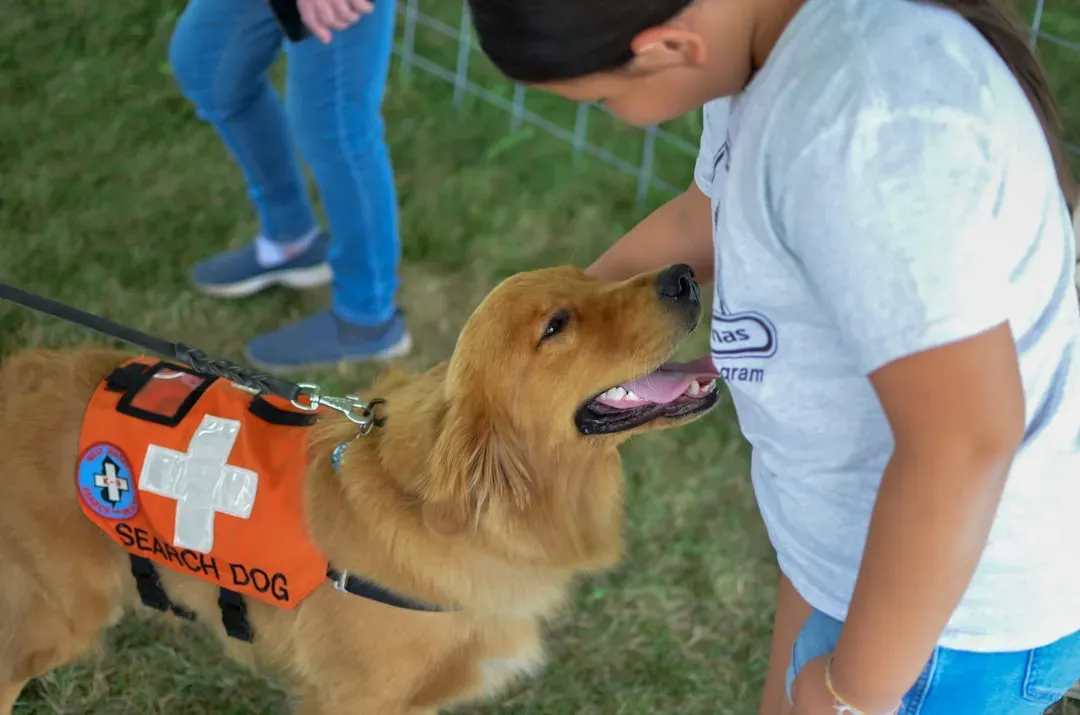
Dogs can detect certain cancers through volatile organic compounds released by tumors. Studies have shown trained dogs identifying lung, breast, and prostate cancers with notable accuracy in controlled settings. Owners sometimes report their pets sniffing or pawing at specific body areas repeatedly before any diagnosis.
These reactions often appear as persistent attention to one spot or changes in how the dog interacts during daily routines. The ability stems from a dog’s nose containing up to 300 million scent receptors compared to a human’s roughly 6 million. Early observation of such patterns has prompted some people to schedule medical checks sooner than they otherwise might.
Diabetes
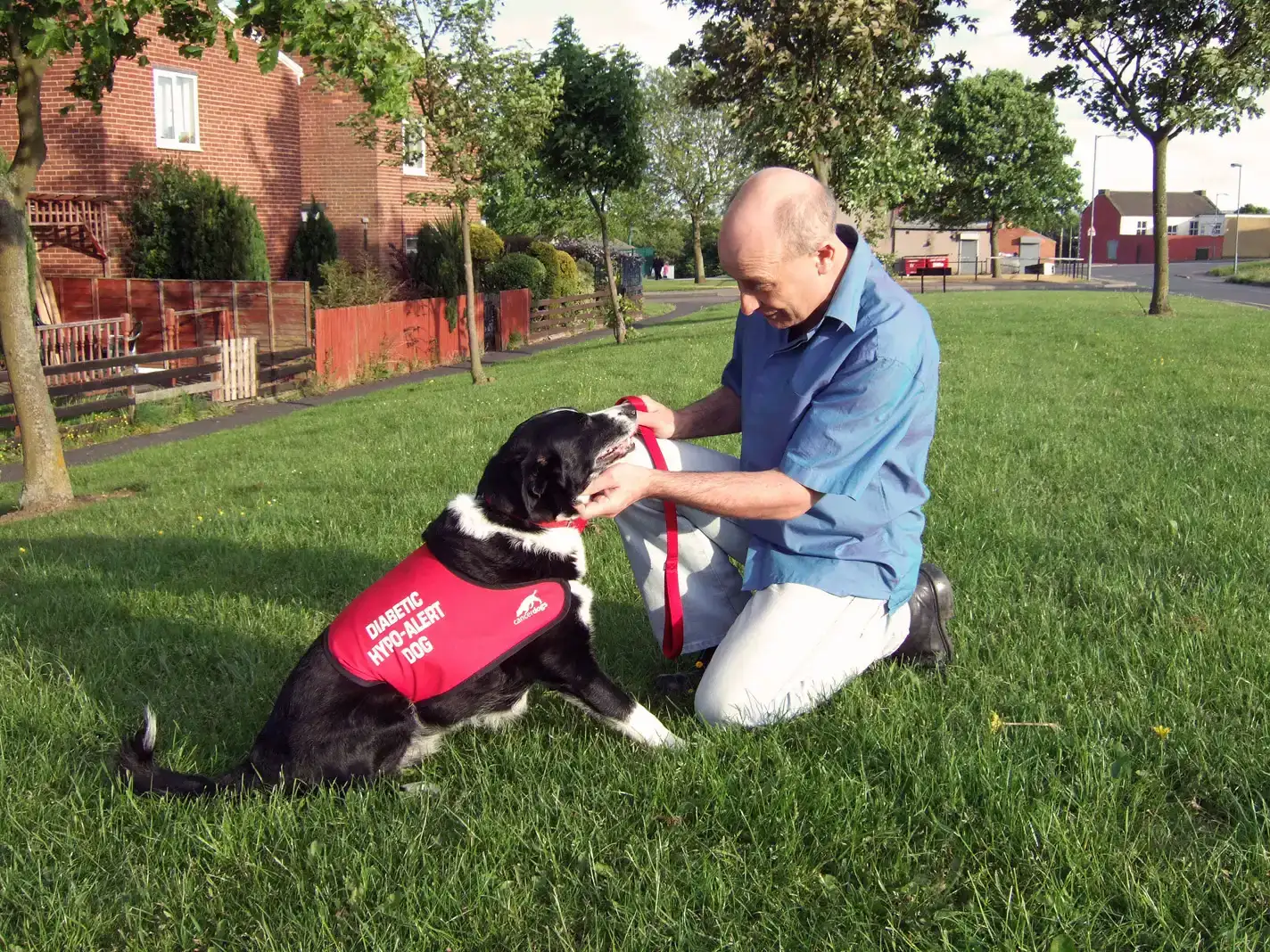
Fluctuations in blood sugar create distinct scent markers that alert dogs to low or high glucose levels. Medical alert dogs are routinely trained for this purpose and can notify owners through nudging, barking, or fetching supplies. People over 50 who develop type 2 diabetes may notice their pet becoming more attentive during times when levels dip unexpectedly.
The dog’s response often happens minutes before symptoms like shakiness or confusion set in for the person. This early warning gives time to check readings or consume something to stabilize. Many families describe the bond strengthening because the animal learns individual scent profiles over months of living together.
Parkinson’s Disease

Research has explored how dogs identify the unique odor associated with Parkinson’s disease even in its earliest stages. The condition alters skin secretions in ways that produce a characteristic smell some dogs consistently recognize. Owners have shared stories of pets showing unusual interest in a person’s hands or face well before tremors or stiffness become obvious.
Trained detection dogs have demonstrated success rates above chance in distinguishing samples from those with and without the disease. For someone over 50, this kind of subtle cue from a pet can encourage earlier neurological evaluation. The connection highlights how animals live in a sensory world that overlaps only partially with human perception.
Seizure Disorders
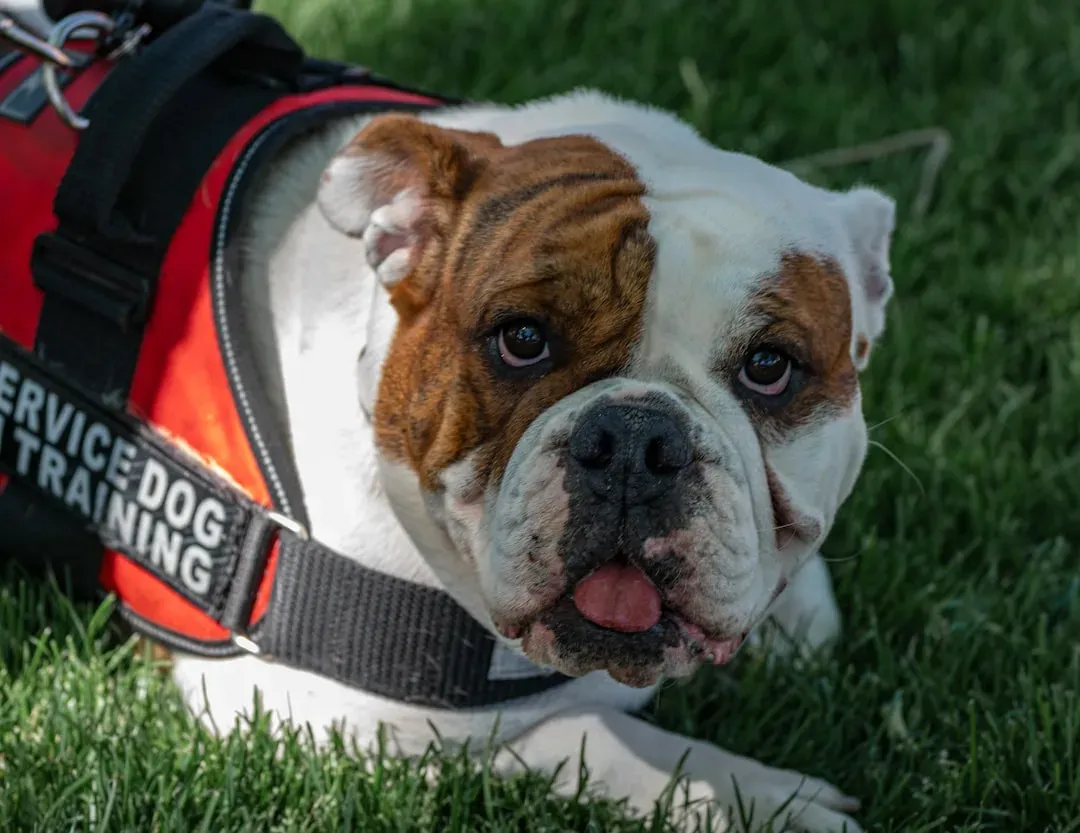
Some dogs sense an impending seizure through scent or behavioral changes that occur in the minutes beforehand. They may pace, whine, or position themselves protectively near the person. This pre-ictal awareness has been observed both in untrained family pets and in dogs specifically trained as seizure response animals.
The mechanism likely involves detecting shifts in hormones or other compounds released before the event. Over 50, when new onset epilepsy can sometimes appear alongside other conditions, these warnings provide a practical safety net. Families often adjust routines once they learn to read the dog’s signals reliably.
Migraines
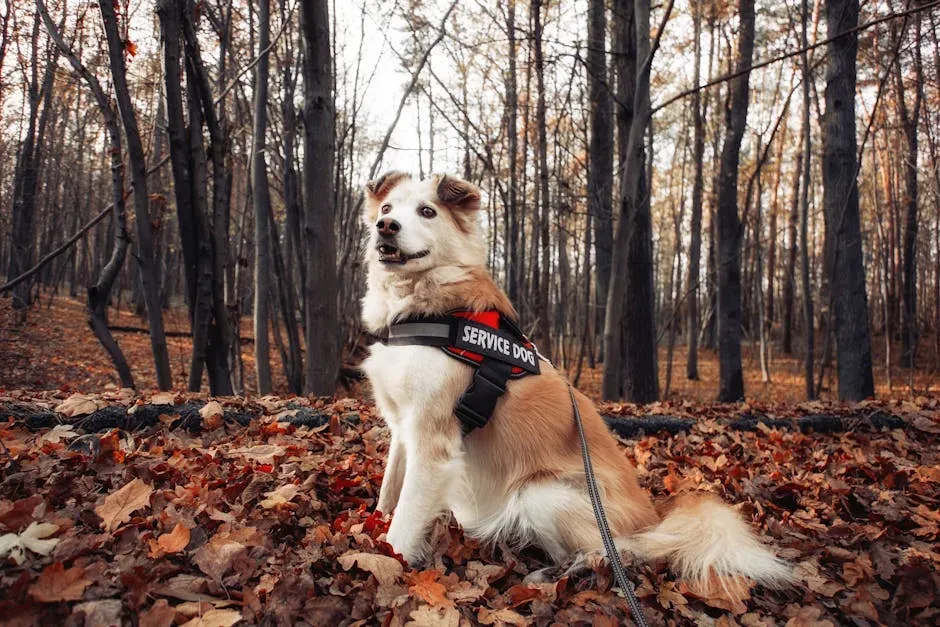
Dogs sometimes react to the chemical changes that precede a migraine attack. Owners report pets becoming clingy or restless hours before head pain begins. The sensitivity appears linked to alterations in body odor or even subtle shifts in breathing patterns that accompany the prodrome phase.
While not every dog shows this response, those that do often develop consistent habits tied to their person’s specific triggers. For adults over 50 who experience more frequent or intense headaches, noticing the pattern can help with preventive steps like hydration or rest. It adds another layer to how pets participate in daily health awareness.
Paying closer attention to a dog’s everyday behavior can reveal patterns that complement regular medical care. The connection between human and animal remains one of the more practical reminders that health signals exist beyond what we consciously track.


