
The Emotional Weight of Leaving Familiar Ground
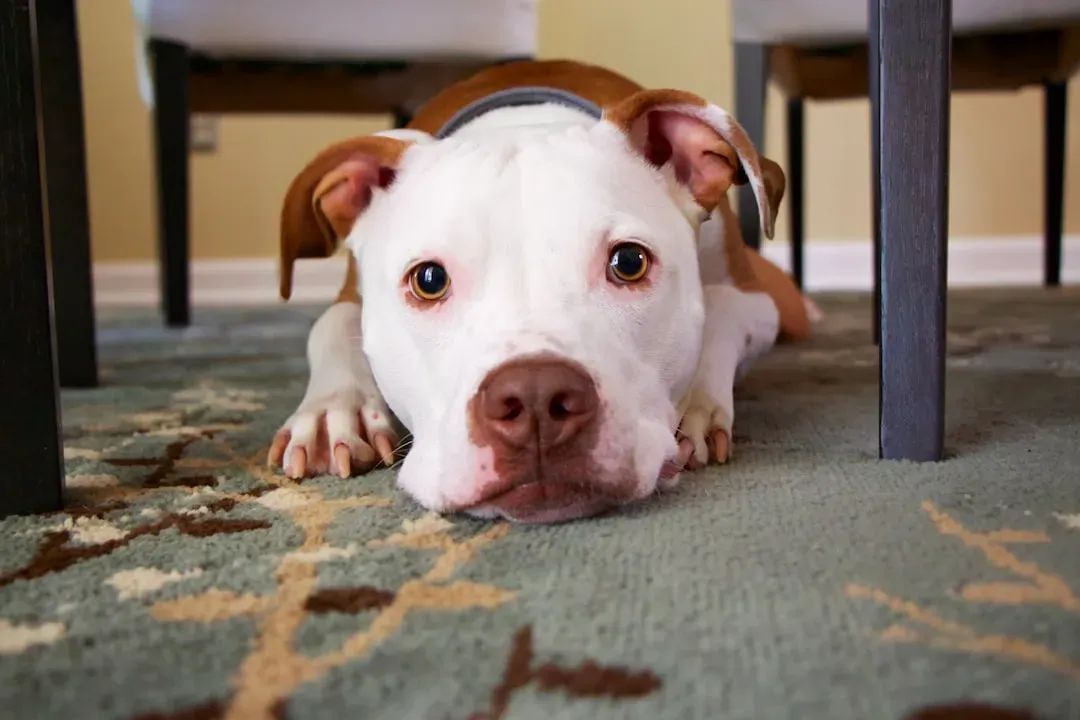
Dogs form attachments much like young children do, relying on predictable routines and familiar faces for a sense of security. When those anchors disappear through rehoming, the sudden change can trigger a protective withdrawal that shows up in subtle ways at first. Research on canine behavior highlights how disruption affects their stress responses and willingness to engage openly with new people.
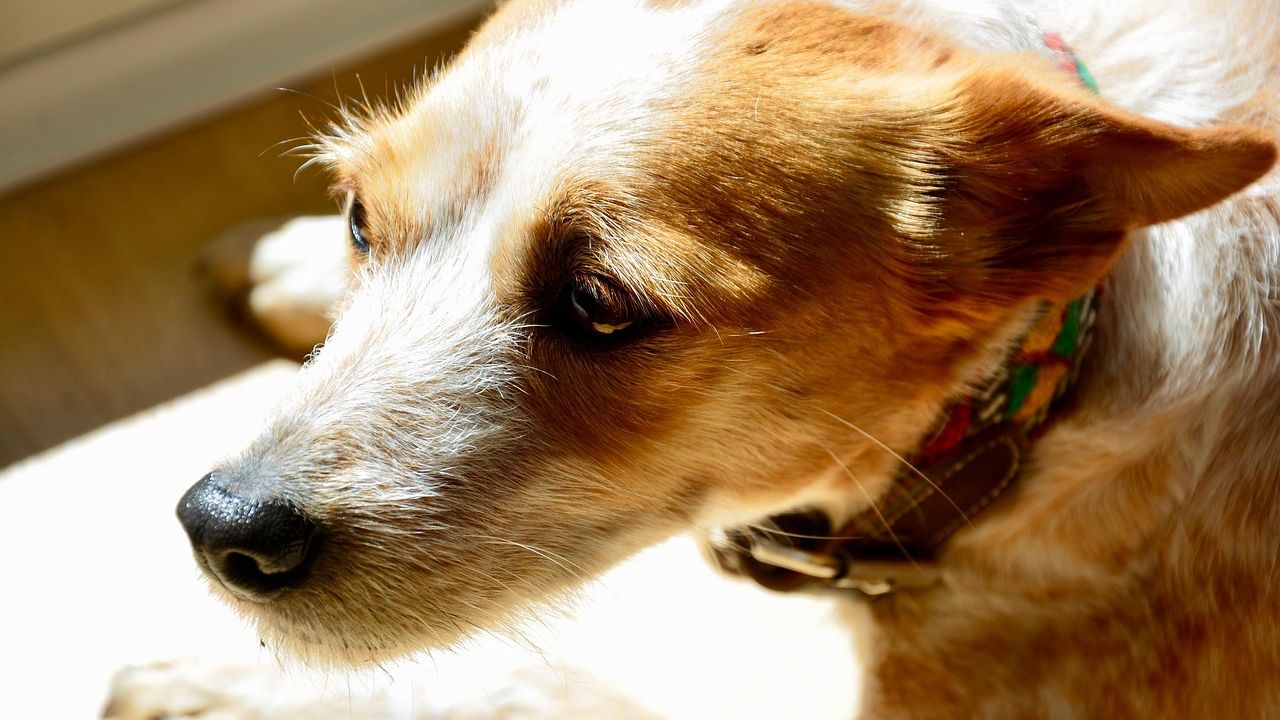
Owners frequently notice a dog that once bounded toward strangers now hesitates or scans the room for exits. This reaction stems from the brain’s way of guarding against further loss rather than any deliberate stubbornness. Over time the pattern can deepen if the new environment does not quickly restore that lost predictability.
How Attachment Patterns Shift in New Homes
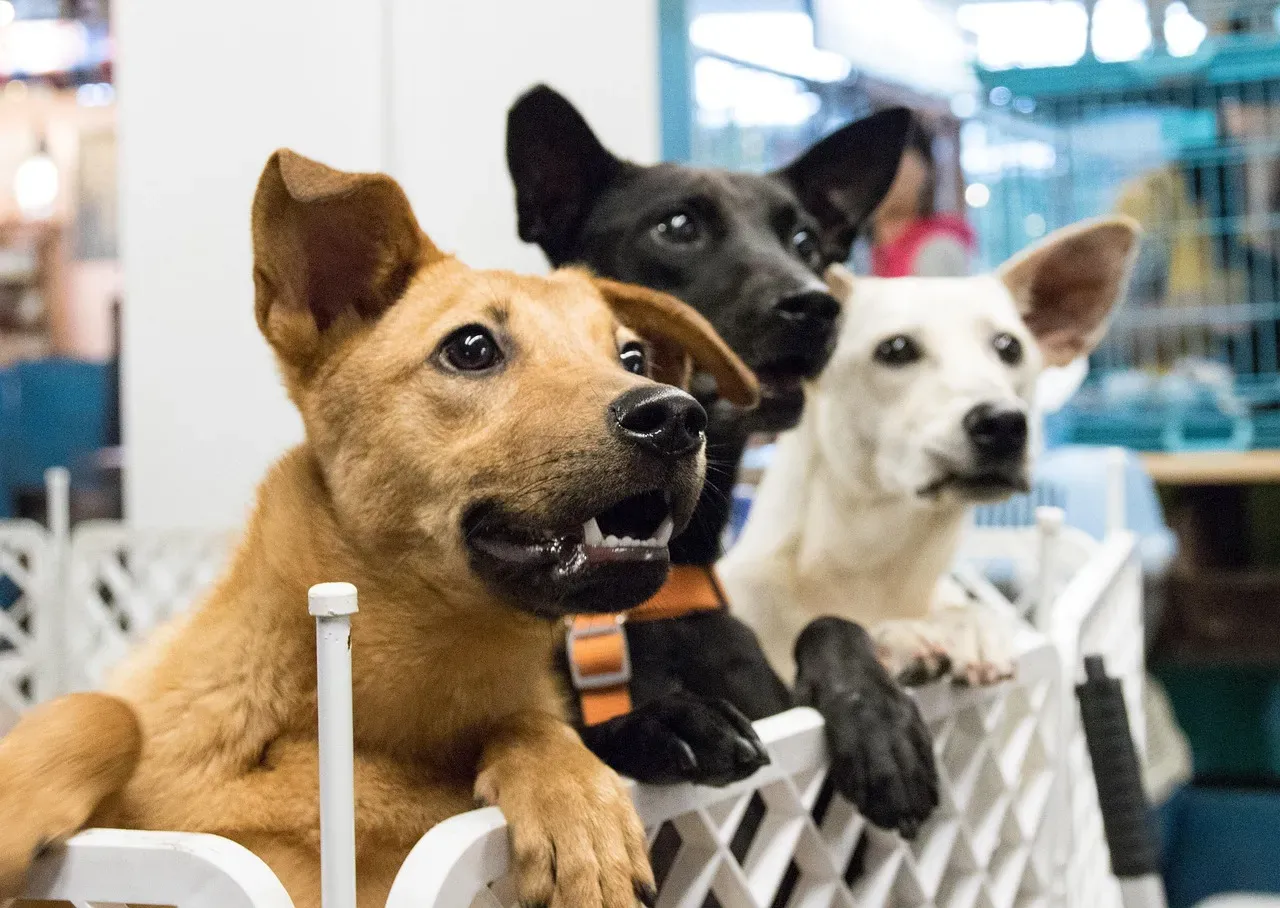
Attachment theory applied to dogs reveals that repeated moves can tilt a pet toward more anxious or avoidant styles of relating. A dog might stay close physically yet remain emotionally guarded, testing whether the current caregiver will stay consistent. These shifts appear in everyday moments such as reluctance to accept treats from certain hands or hesitation during play.
Studies tracking shelter dogs after adoption show that while many form bonds, the quality of those bonds can differ from dogs raised in one stable home. The difference often traces back to how the animal learned to cope with uncertainty during earlier transitions. Patience becomes essential because forcing closeness can reinforce the very wariness it aims to ease.
Recognizing the Quiet Signals of Eroded Trust
Trust issues rarely announce themselves with dramatic outbursts. Instead they surface through small choices like choosing a corner of the room over a lap or freezing when a door opens unexpectedly. These behaviors reflect an internal calculation that the world may not remain safe for long.
Some dogs develop heightened sensitivity to changes in tone or schedule, interpreting minor shifts as potential threats. Others withdraw affection entirely until they gather enough evidence that affection will not lead to another goodbye. Spotting these signs early allows owners to respond with steady reassurance rather than frustration.
The Slow Work of Rebuilding Security
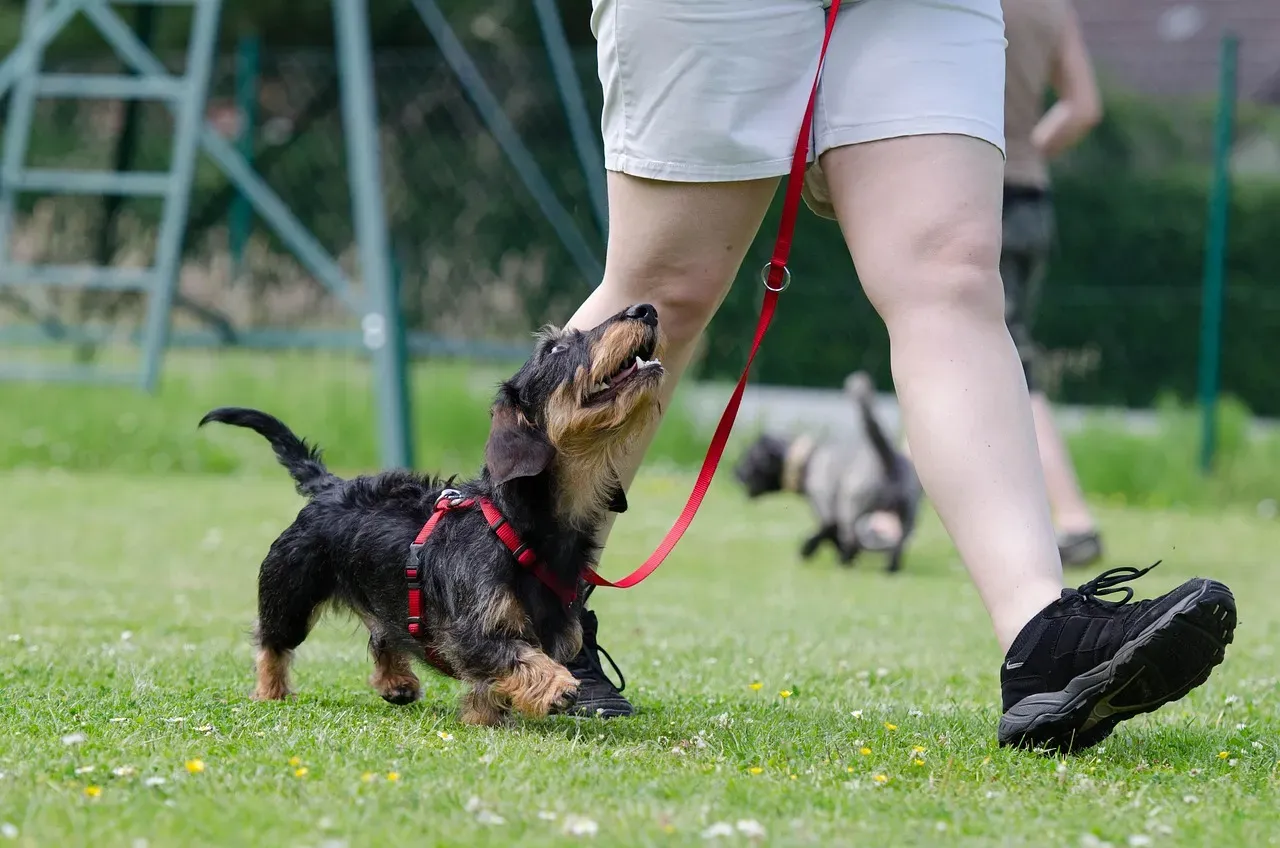
Repairing trust requires daily repetition of reliable actions more than grand gestures. Feeding at the same times, using the same gentle voice, and keeping departures and returns low key all send the message that this home differs from the last. Small rituals accumulate into a new foundation over months rather than days.
Consistency matters because the dog’s nervous system needs repeated proof that the pattern will hold. Interruptions such as sudden schedule changes or inconsistent rules can reset progress and extend the timeline. Owners who treat every interaction as an opportunity to demonstrate steadiness see steadier gains in relaxed behavior.
Why Recovery Often Spans Months or Longer
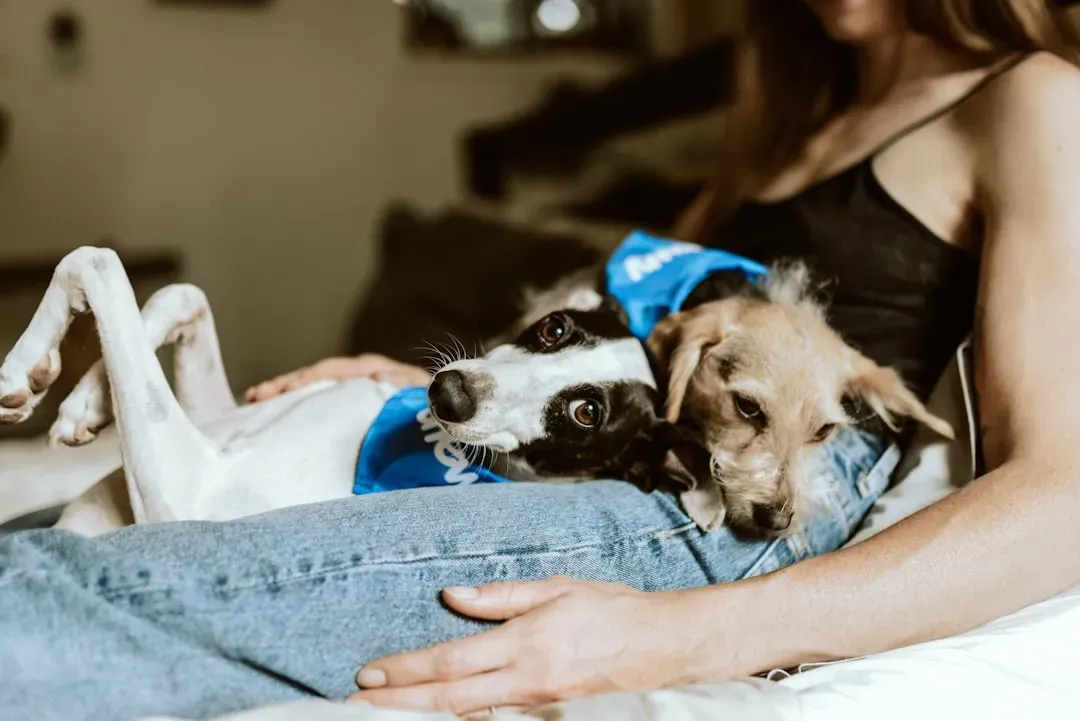
Individual dogs vary widely in how quickly they integrate past experiences with present safety. Factors like age at rehoming, number of prior moves, and the quality of the new relationship all influence the pace. Some settle into calm within a few months while others carry guarded habits for several years.
The process resembles learning a new language after years of speaking another. Neural pathways tied to caution do not vanish overnight even when the environment improves. Owners who accept this variable timeline avoid the disappointment that can lead to further instability for the dog.
Practical Approaches That Support Steady Progress
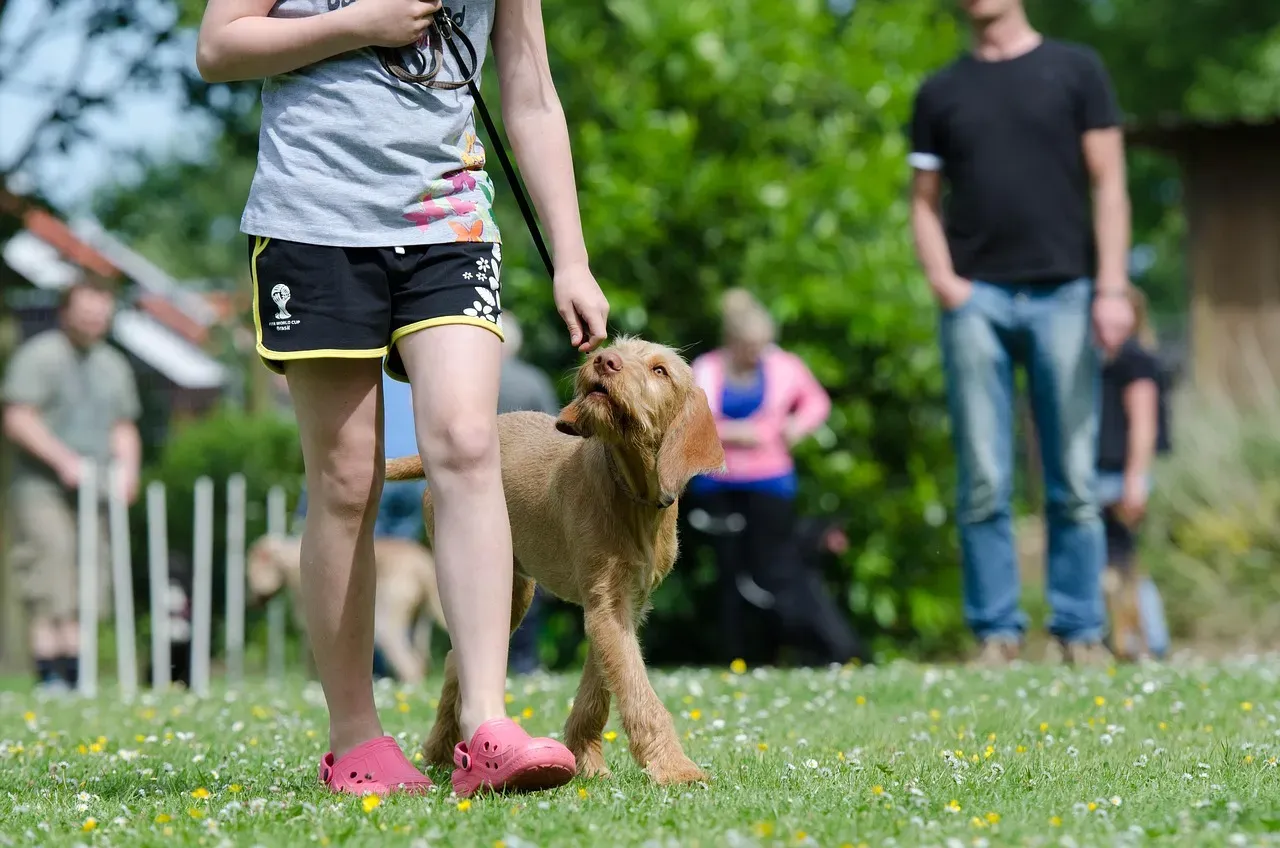
Structured routines combined with positive reinforcement help dogs associate the new home with reliable rewards. Short training sessions focused on simple cues build confidence through predictable success. Providing safe spaces where the dog can retreat without pressure also respects the need for control during adjustment.
Gradual introductions to new people and places prevent overwhelm while still expanding the dog’s world. Tracking small improvements such as longer eye contact or voluntary approaches offers encouragement during slower periods. These steps work best when applied with calm persistence rather than urgency.
Looking Ahead With Realistic Hope

Many rehomed dogs ultimately form deep and lasting bonds once consistency becomes the norm. The journey demands more patience than most expect yet rewards that effort with a companion who feels truly secure. Owners who commit to the long view often discover that the dog they waited for becomes the one who trusts most completely.
In the end the real measure of success lies not in speed but in the quiet confidence that emerges when a dog no longer needs to guard against loss. That outcome remains possible for nearly every dog given enough steady care. The choice to provide it rests with those willing to stay the course.


