
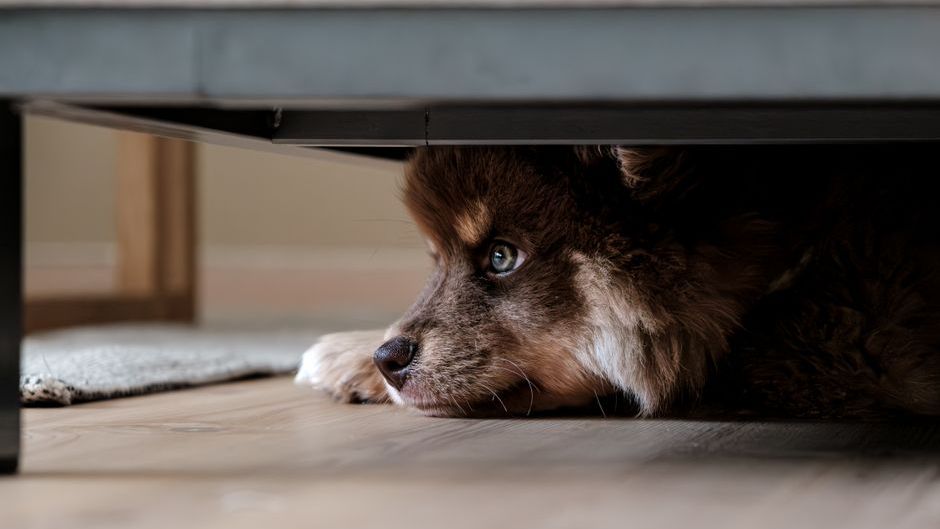
Aggressive Reactions to New People or Situations

Research tracking dog owners over several weeks found that frequent aggressive displays in dogs often went hand in hand with higher loneliness scores among their humans. When a dog growls or snaps more than usual at visitors or during walks, it can reflect the stress an owner carries from limited social contact. Owners dealing with isolation may unintentionally pass along tension through inconsistent handling or reduced positive outings.
Over time this cycle can make the dog more reactive, which in turn keeps the owner from seeking out company that might otherwise help. The link appears in multiple reviews of behavioral data, showing aggression as one marker worth paying attention to rather than dismissing as random. Addressing it early sometimes opens the door to better routines that benefit both sides.
Heightened Fear or Anxiety Around Everyday Sounds
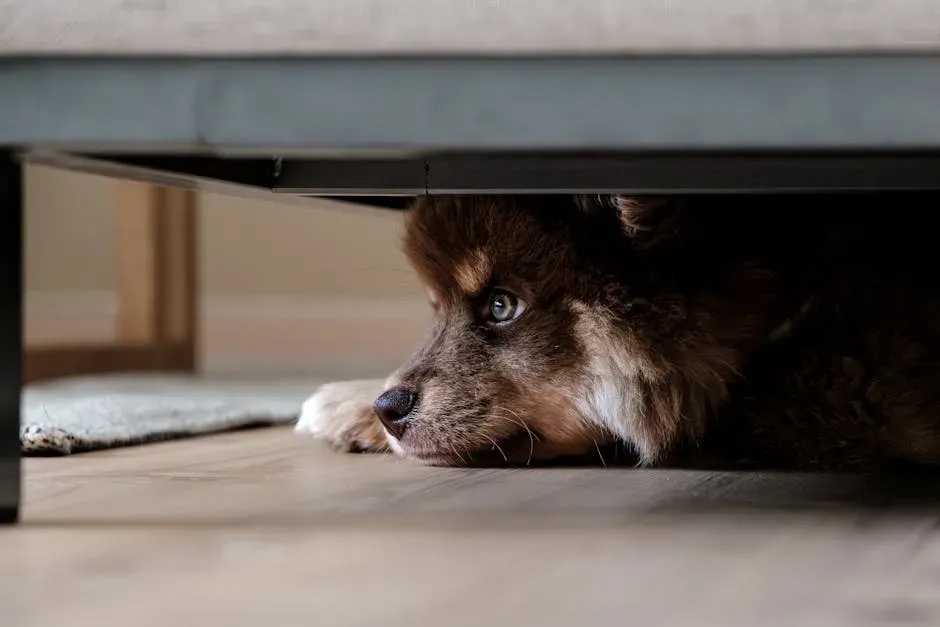
Dogs that startle easily at thunder, doorbells, or even household noises show up more often in households where owners report feeling cut off. Fearful behavior correlates with poorer mental health measures in owners, including loneliness, according to cohort studies that followed daily interactions. A dog mirroring an owner’s quiet withdrawal can amplify small worries into bigger avoidance patterns.
Owners who spend more time alone may skip the gradual exposure training that builds confidence, leaving the dog more sensitive. This creates a feedback loop where both end up staying home more. Noticing these spikes can serve as an early signal to check in on personal connections as well as training plans.
Constant Pulling or Ignoring Commands on Walks
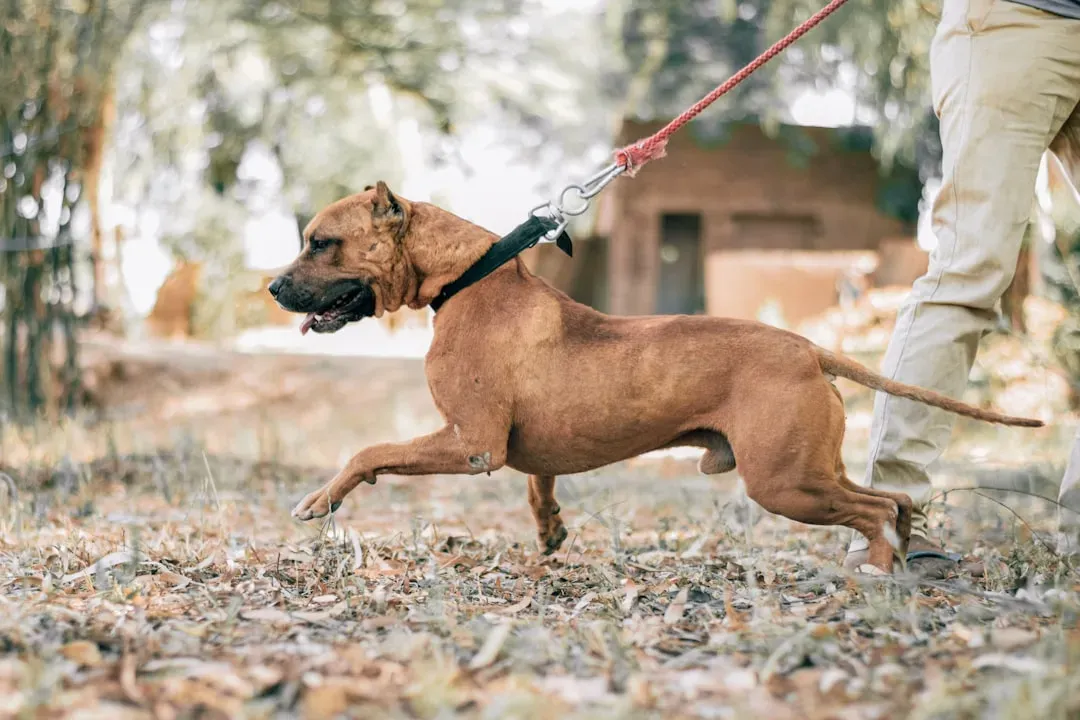
Lack of control during walks, such as strong pulling or poor recall, ties directly into reports of lower owner well being in several large surveys. When an owner feels isolated, motivation for consistent practice drops, and the dog learns that boundaries are flexible. The result shows up as frustration on both ends during what should be a shared activity.
Studies note that these control issues appear alongside other signs of strain, suggesting the behavior reflects more than just training gaps. Regular, calm walks can become a small anchor, yet loneliness sometimes makes even that effort feel overwhelming. Spotting the pattern invites a closer look at daily structure and support networks.
Destructive Chewing or Digging When Left Alone
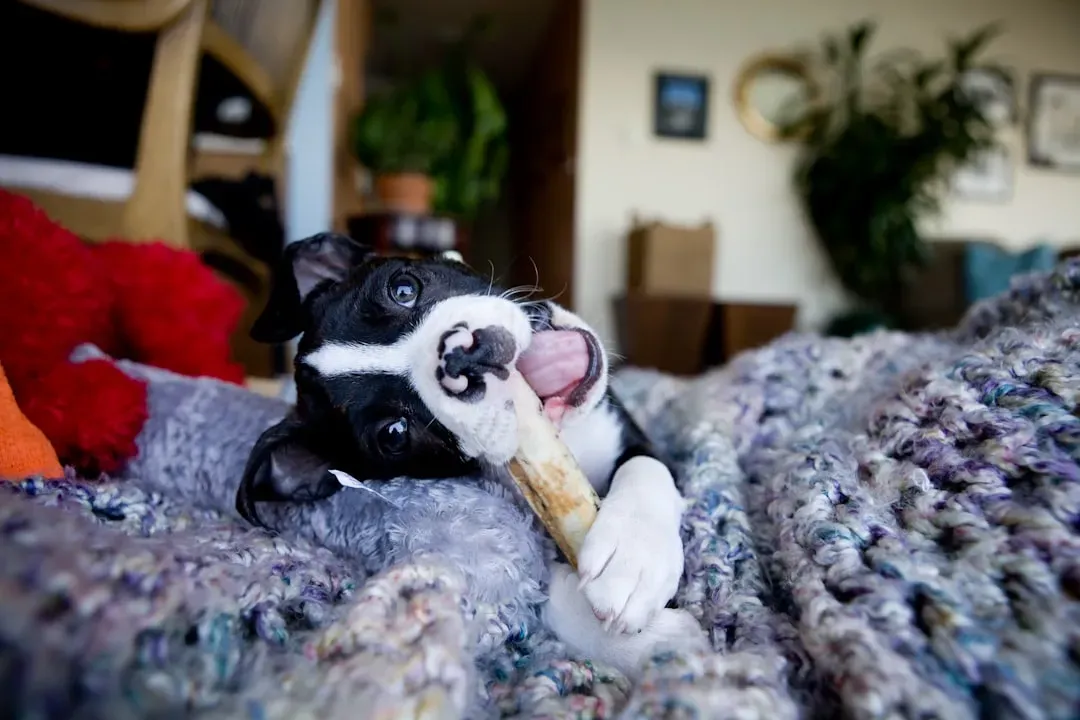
Many owners notice furniture or shoes damaged after short absences, and data links such separation related destruction to broader owner mental health challenges. Dogs left with unstructured time may act out more when their person already carries unspoken emotional weight. The behavior often signals unmet needs that mirror the owner’s own limited outlets for connection.
Researchers observe that these incidents rise when care routines slip, which can happen during periods of withdrawal. Rather than viewing it solely as a dog problem, it sometimes points to the need for shared activities that rebuild rhythm. Small adjustments like puzzle toys or scheduled play can ease the immediate issue while highlighting larger patterns.
Excessive Barking at Neighbors or Passing Traffic
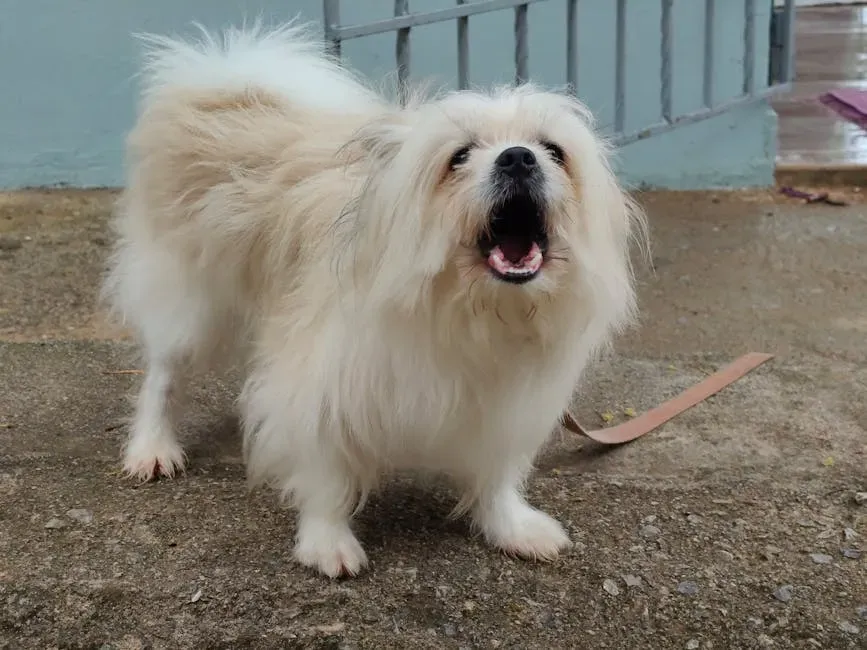
Persistent vocal alerts that seem outsized for the trigger appear more frequently when owners report feeling disconnected from their community. Barking can stem from boredom or anxiety that builds in quieter households. Longitudinal tracking shows this trait clustering with other indicators of owner strain, including loneliness measures.
The noise itself may further limit social invitations, tightening the circle. Owners who recognize the pattern often find that increasing supervised interactions outside helps both the dog settle and their own sense of engagement grow. It becomes a practical cue rather than just an annoyance to manage.
Clingy Following or Reluctance to Settle Independently
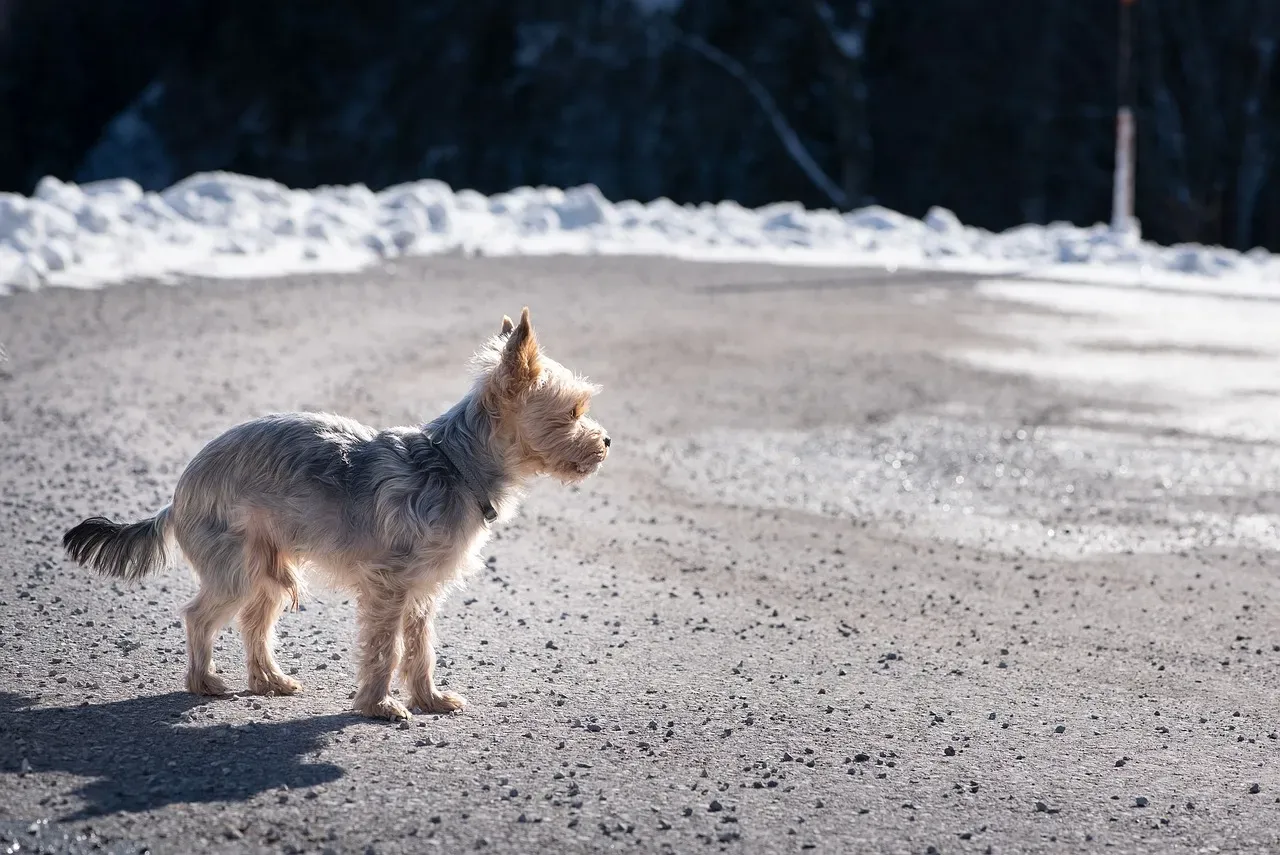
Some dogs shadow their person room to room and struggle to relax on their own, a habit that studies connect to households experiencing emotional distance. When an owner spends extended periods without outside contact, the dog can develop heightened dependence as a response. This closeness feels comforting at first yet can limit both parties from branching out.
Data from well being assessments reveal that such attachment behaviors coincide with reports of isolation more than random chance would suggest. Gentle independence training paired with the owner’s own social steps tends to ease the intensity. Paying attention here offers a window into mutual needs for balance.
Signs of Neglected Health or Coat Condition

Dull coats, skipped grooming, or minor health nags that go unaddressed show up alongside poorer owner outcomes in behavioral reviews. Loneliness can quietly reduce the energy available for consistent care routines, and dogs reflect that through visible changes. The physical markers serve as tangible reminders that daily attention has slipped.
Owners who notice these shifts often trace them back to broader life patterns rather than isolated oversights. Reestablishing simple care habits frequently coincides with renewed personal momentum. The dog’s appearance becomes an honest mirror worth heeding.
Withdrawal From Play or Reduced Interest in Toys

When a once playful dog loses enthusiasm for games or favorite items, it sometimes aligns with owner reports of feeling alone. Reduced engagement can stem from the dog’s own stress picked up through the household atmosphere. Research on dog related factors shows these motivational dips correlating with mental health measures that include loneliness.
Reintroducing short, low pressure sessions often helps restart the cycle in a positive direction. The change in energy levels acts as another observable signal that invites reflection on shared routines. Small consistent efforts here tend to ripple outward for both dog and person.
The patterns emerging from these studies remind us that dogs do not exist in a vacuum. Their behaviors can quietly flag when human connections need tending, turning everyday observations into opportunities for mutual improvement rather than isolated fixes. Paying attention this way keeps the relationship grounded in reality instead of assumption.


