
Many owners assume their dog will shake off the absence of a beloved person within days or weeks. The reality painted by behavioral research tells a quieter, more drawn out story.
Strong attachments form over years of shared routines, and when those bonds break, dogs show patterns that echo loss in ways that surprise even experienced caregivers.
Recognizing the Everyday Shifts in Routine

Dogs often reduce their interest in food after losing a primary human companion. They might pick at meals they once devoured or skip them entirely for stretches of time. Activity levels drop too, with walks becoming shorter or met with less enthusiasm than before.
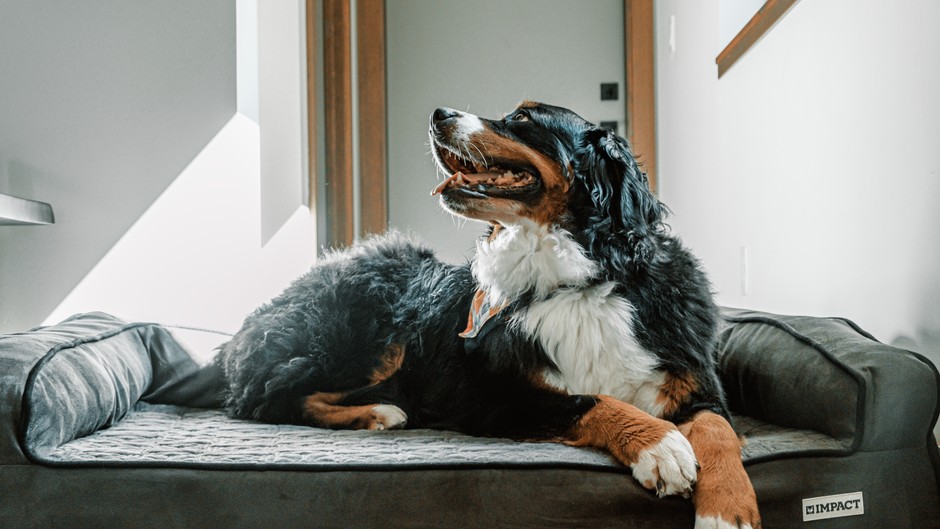
Play sessions that used to fill the afternoon now happen less often or not at all. Owners notice the dog lingering near the person’s usual chair or doorway, as if waiting for a familiar presence to return. These small changes add up quickly in daily life.
Changes in Sleep and Energy Patterns

Some dogs sleep far more than usual, curling up for hours in quiet corners of the home. Others experience the opposite, pacing at night or waking frequently as if unsettled by the new silence. Energy that once carried them through long days seems to fade into a slower rhythm.
Lethargy can make even favorite toys lose their appeal. The dog may follow remaining family members more closely, seeking contact that replaces the missing bond. These adjustments reflect how deeply the loss disrupts their sense of normal.
Increased Vocalization and Seeking Comfort

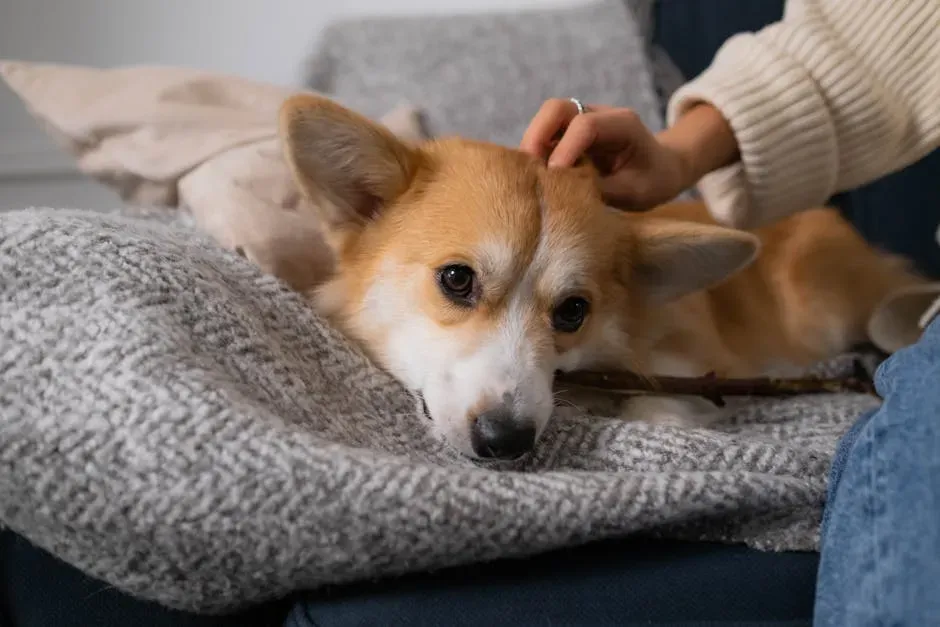
Whining or soft howling sometimes appears in the weeks after the loss, especially at times when the person would have been home. Attention seeking rises as the dog presses closer to whoever remains in the household. They may nudge hands for petting or rest their head on laps more persistently than before.
This behavior serves as a way to fill the gap left by the absent bond. It can feel comforting to the owner yet also signals ongoing adjustment. Over time the intensity often eases, though the underlying need for connection stays noticeable.
How Long These Behaviors Can Stretch

Research on companion dogs shows that noticeable shifts in behavior frequently continue for two to six months in a large portion of cases. A smaller group experiences changes that stretch beyond half a year. The length depends on the strength of the original relationship and the dog’s individual temperament.
Unlike quick rebounds people sometimes expect, the process unfolds gradually. Daily patterns slowly reemerge as new routines take hold. Patience becomes essential because forcing a faster return to normal rarely helps.
What Influences the Depth of Response
The closeness of the bond plays a major role in how intensely a dog reacts. Dogs who shared meals, sleep spaces, or daily care with the person tend to show more pronounced adjustments. Age and prior experiences with change also shape the response.
Household stability after the loss matters too. Consistent feeding times, walks, and affection from remaining people provide anchors that ease the transition. Without those supports the period of mourning can feel more pronounced.
Distinguishing Canine Responses From Human Grief

Dogs do not process absence through the same cognitive layers that humans use. Their reactions center more on disrupted routines and missing sensory cues than on abstract understanding of death. Still, the behavioral outcomes overlap enough to warrant attention.
They do not dwell on memories in the way people do, yet the emotional impact registers through changes in appetite, activity, and social seeking. This difference means support looks practical rather than conversational. Simple consistency often proves more effective than attempts to explain the situation.
Practical Steps That Help Dogs Adjust
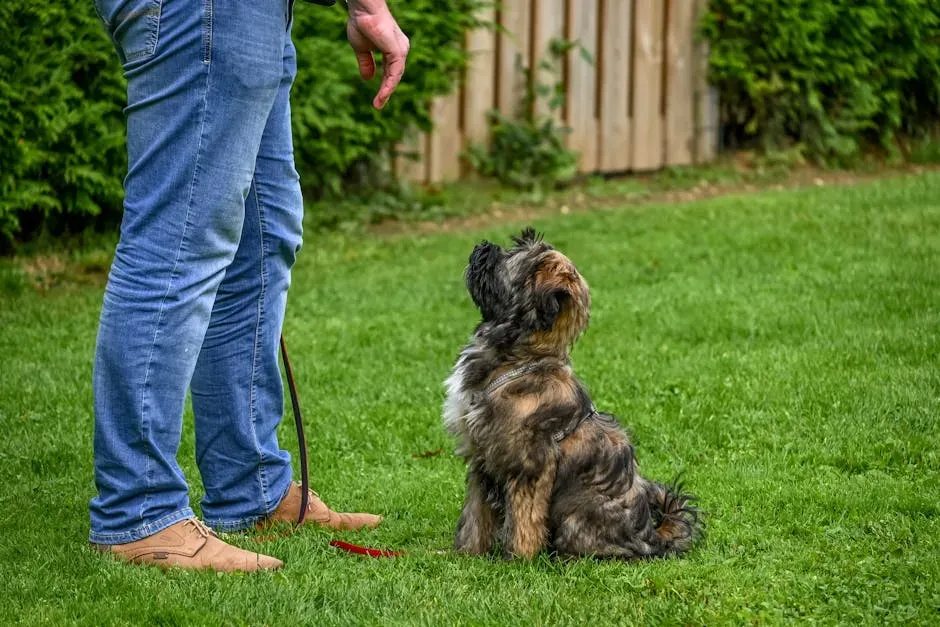
Maintaining familiar schedules offers the most immediate relief. Extra short walks or gentle play can gently reintroduce movement without pressure. New toys or puzzle feeders sometimes spark interest when old favorites fall flat.
Allowing the dog to sniff or see the person’s belongings can provide closure in some cases. Veterinary checkups rule out medical reasons for appetite loss or lethargy. Over months these steady efforts usually bring the dog back toward their baseline energy.
Owners who recognize these extended timelines tend to offer steadier support without expecting instant recovery. The quiet persistence of a dog’s bond reminds us that love crosses species lines in ways that linger. Taking the time to meet them where they are turns a difficult period into one of gradual healing.


