
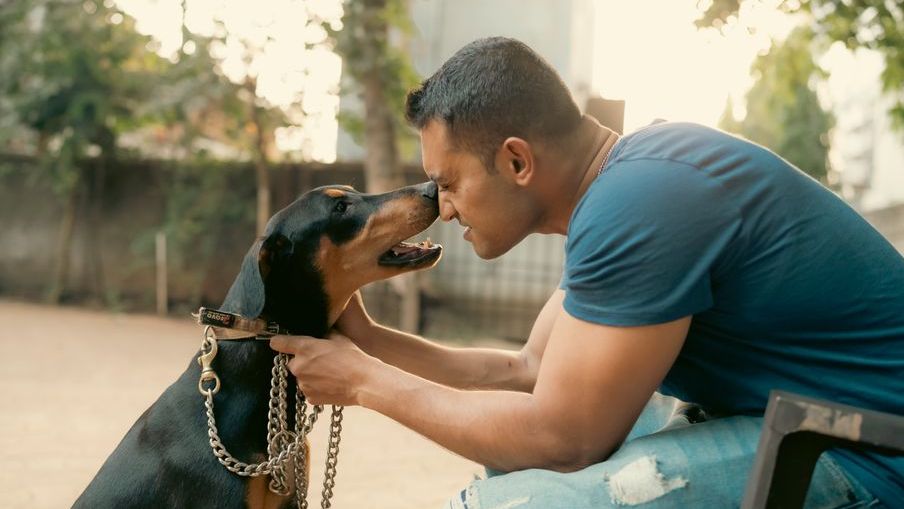
Pressing Their Body Against Your Leg or Side
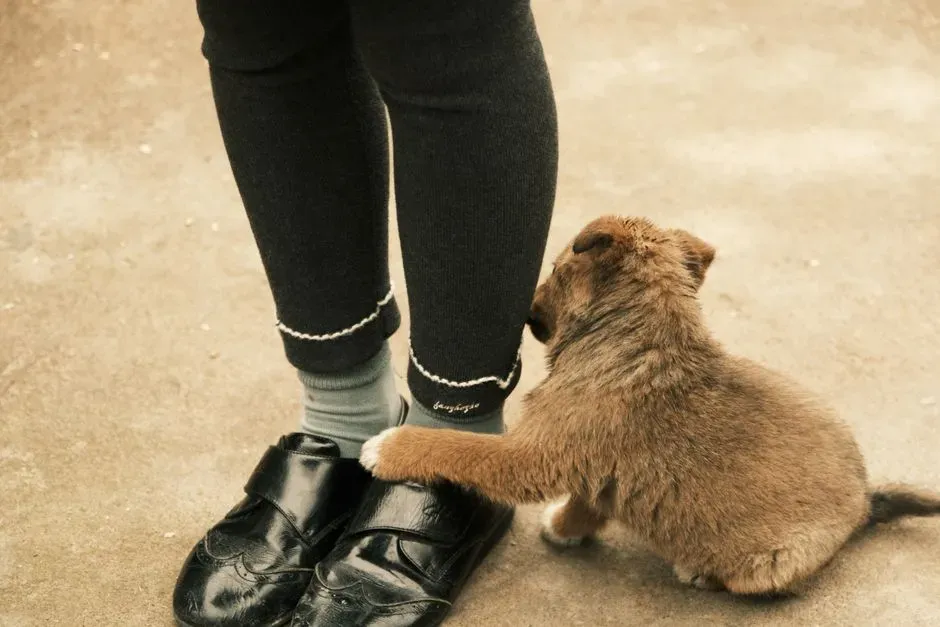
Dogs sometimes position themselves so their weight rests lightly against you when they sense a shift in your mood. This contact offers steady warmth without demanding much in return. Owners often interpret it as a request for pets, yet the timing tends to align with moments of quiet withdrawal.
The pressure stays consistent rather than playful or insistent. It creates a physical anchor that can ease the sense of isolation. Over time these moments add up to a quiet form of presence that requires no words.
Holding Steady Eye Contact From Across the Room
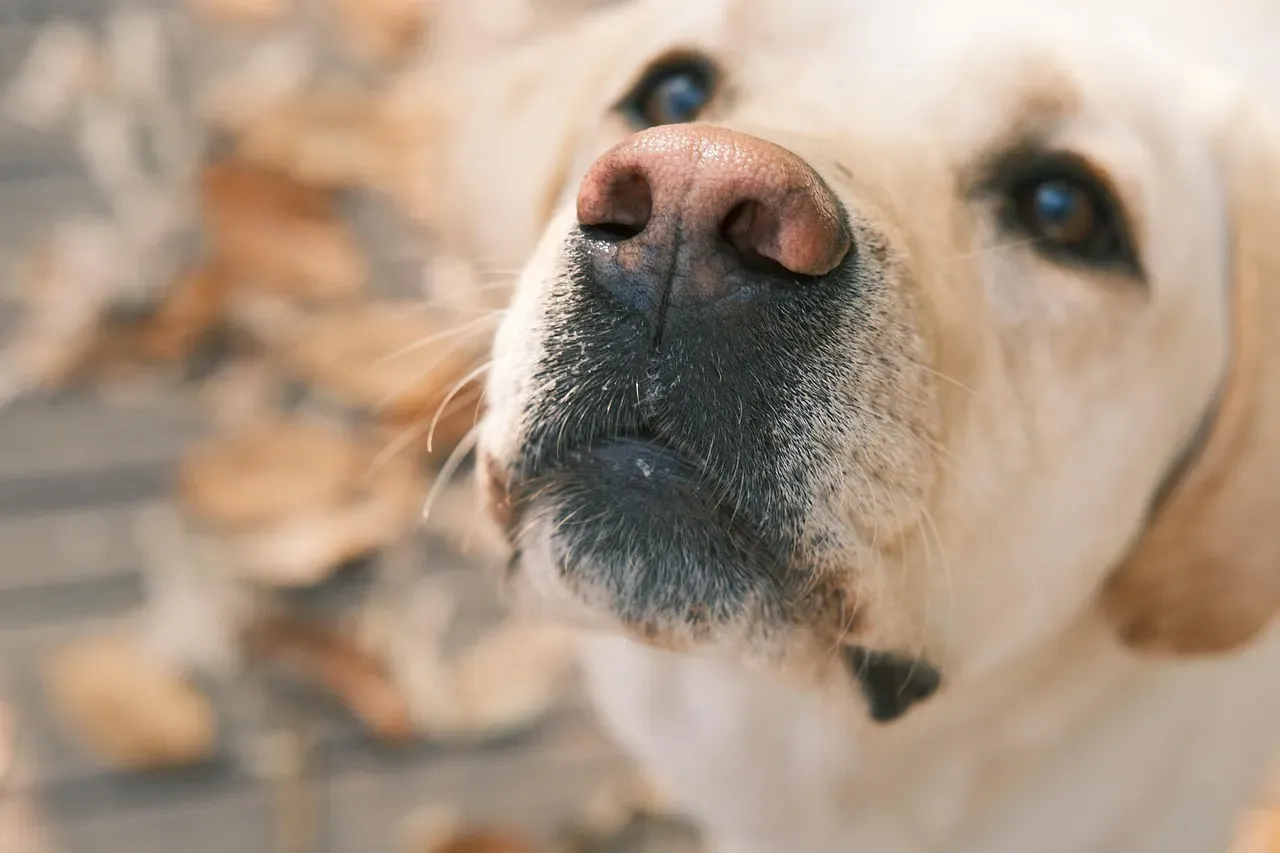
A dog may pause what they are doing and simply watch you with a calm, unblinking gaze. The look lacks the usual spark that signals playtime or food. Instead it lingers just long enough to feel noticed without pressure to respond.
This behavior often occurs when you sit still for extended periods. It serves as a gentle reminder that someone remains aware of your state. Many owners overlook it because the action appears passive at first glance.
Bringing a Toy and Leaving It Nearby
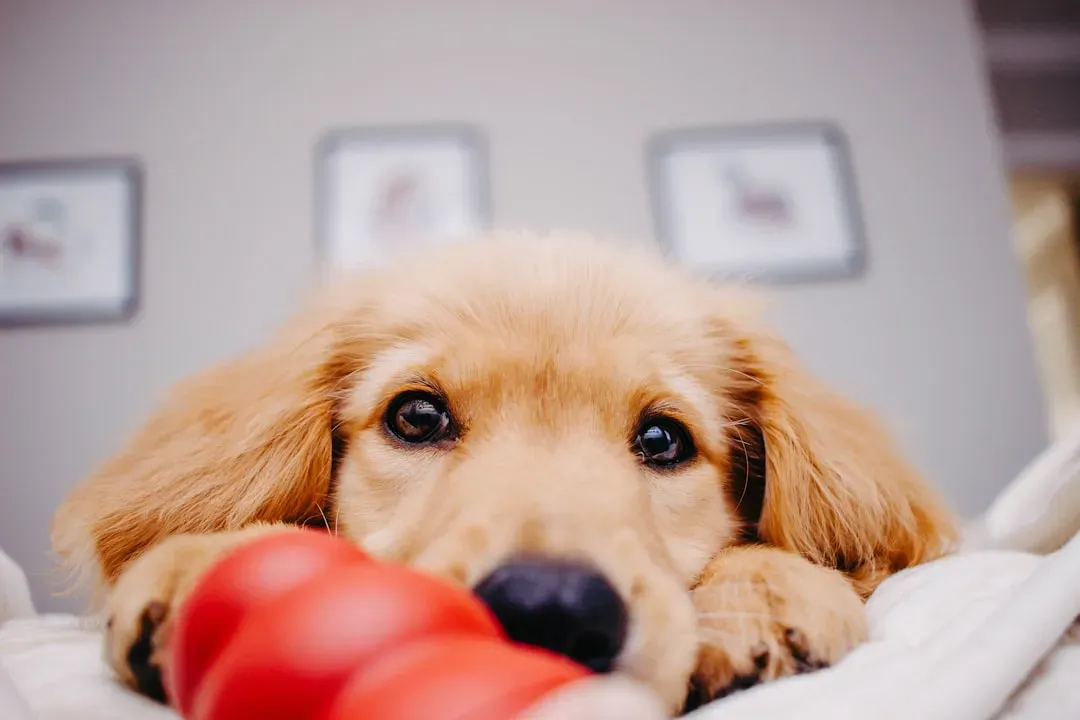
Instead of dropping a toy directly in your lap, some dogs place it a short distance away and then settle close by. The gesture invites interaction on your terms rather than pushing for immediate engagement. The choice of toy sometimes matches one you have used together during better days.
They may repeat the action on different occasions without growing frustrated. The pattern suggests an attempt to spark a small positive shift. Owners frequently miss the intention because the delivery feels understated.
Following You Between Rooms at a Distance

Your dog trails behind as you move through the house yet maintains a respectful space. They do not crowd or bark for attention. The movement simply keeps them within sight of your location.
This shadowing happens more often on days when your energy feels lower. It provides a sense of companionship without requiring conversation or touch. The habit blends into daily life so easily that it escapes notice.
Releasing a Soft Sigh or Quiet Whine While Resting Near You
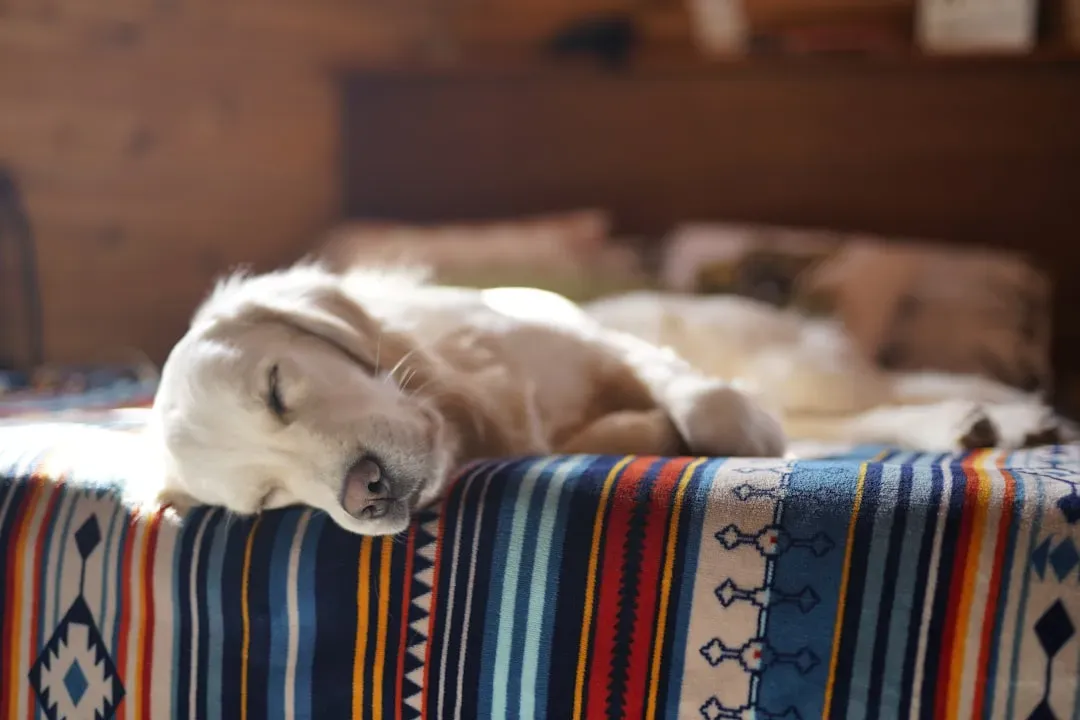
A low sound escapes when the dog settles beside your chair or bed. The noise carries no urgency or demand. It arrives at intervals that coincide with your own periods of stillness.
The vocalization seems to mirror a shared quiet rather than express discomfort. Owners sometimes dismiss it as ordinary settling behavior. Repeated over weeks, however, the timing stands out as deliberate.
Offering a Gentle Lick to the Back of Your Hand
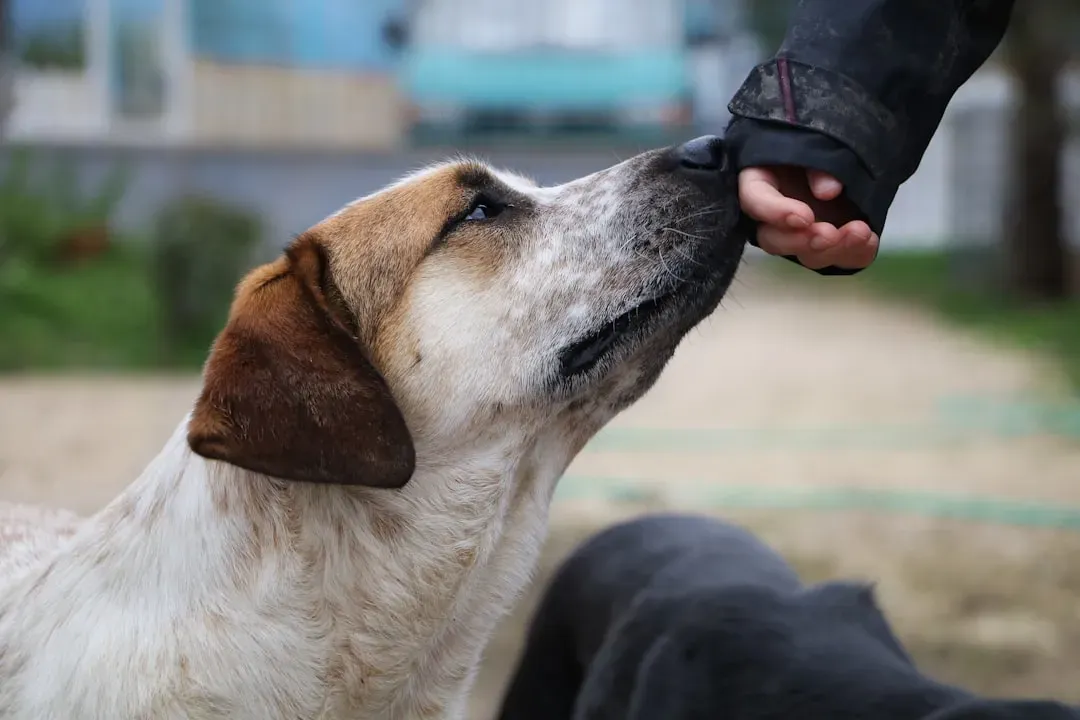
A single, brief lick touches skin that rests on an armrest or knee. The contact feels exploratory rather than excited. It occurs without the usual tail wag that accompanies more energetic greetings.
The action repeats only when you remain in one spot for a while. It functions as a light check in rather than a request for play. Many people register the lick but fail to connect it to their emotional state.
Positioning Themselves Between You and the Rest of the House

The dog chooses a spot that creates a small buffer between you and doorways or hallways. Their body faces outward while staying close enough to reach with a hand. The placement shifts if you change locations within the room.
This arrangement appears on days when outside noise or activity feels overwhelming. It creates a contained space without any obvious guarding posture. The subtlety keeps the behavior from drawing direct attention.
Initiating Low Energy Play Like a Slow Nose Nudge
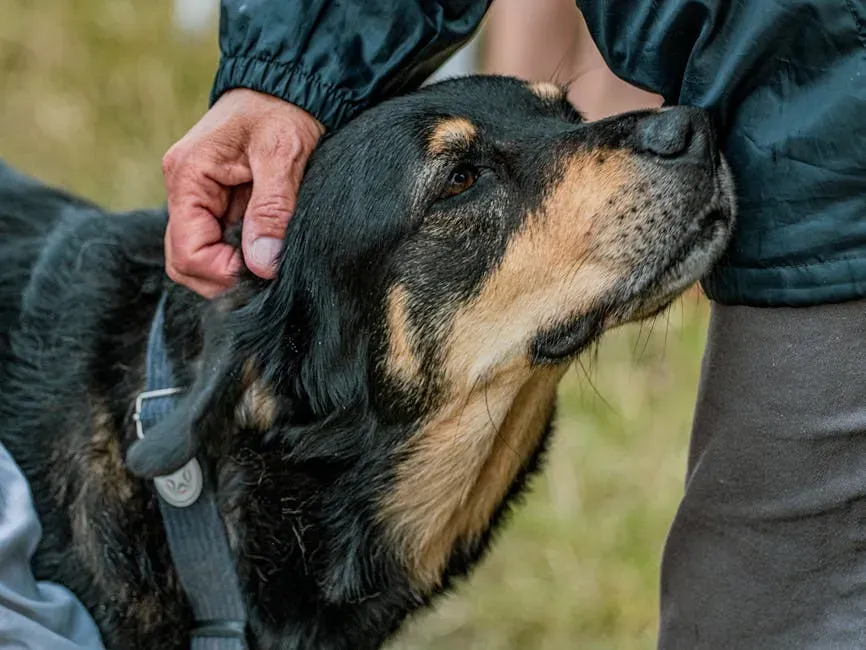
A soft push with the nose against your hand or leg occurs without the usual bounce or bark. The dog waits for any small response before repeating the motion. The pace stays measured and undemanding.
These nudges surface during stretches of inactivity rather than at typical play hours. They offer an opening to engage at whatever level feels possible. Owners often view them as random rather than timed to emotional dips.
Sleeping With Their Back Pressed Against Your Side

At night or during afternoon rests the dog curls so their spine touches your body. The contact remains light yet constant through changes in position. Breathing patterns sometimes slow to match a calmer rhythm.
The choice of side often favors the one facing away from the main room activity. It provides warmth and a sense of shared rest without requiring wakefulness. The habit becomes familiar enough that its emotional timing goes unnoticed for long periods.
The bond between a person and their dog runs deeper than daily routines suggest. These understated actions reflect an ongoing awareness that strengthens over time. Noticing them can shift how both of you move through difficult stretches together.


