
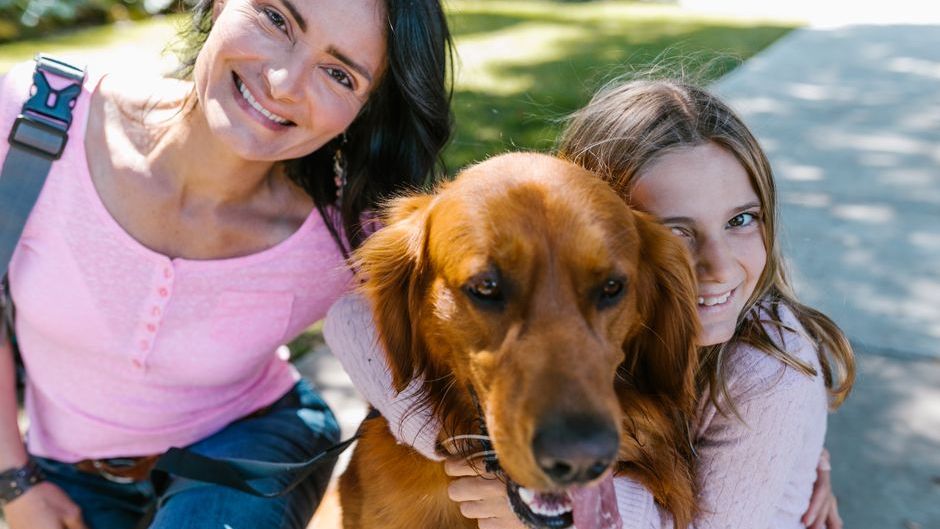
Pet owners often share stories of their dogs acting unusually clingy or distant around one person in the household, only for that individual to move out or step away from daily life soon after. These moments spark curiosity about how much dogs truly grasp about the shifting dynamics around them.
Their keen observation of subtle signals might explain why some pets seem to anticipate departures long before anyone packs a bag.
The Science Behind Canine Intuition
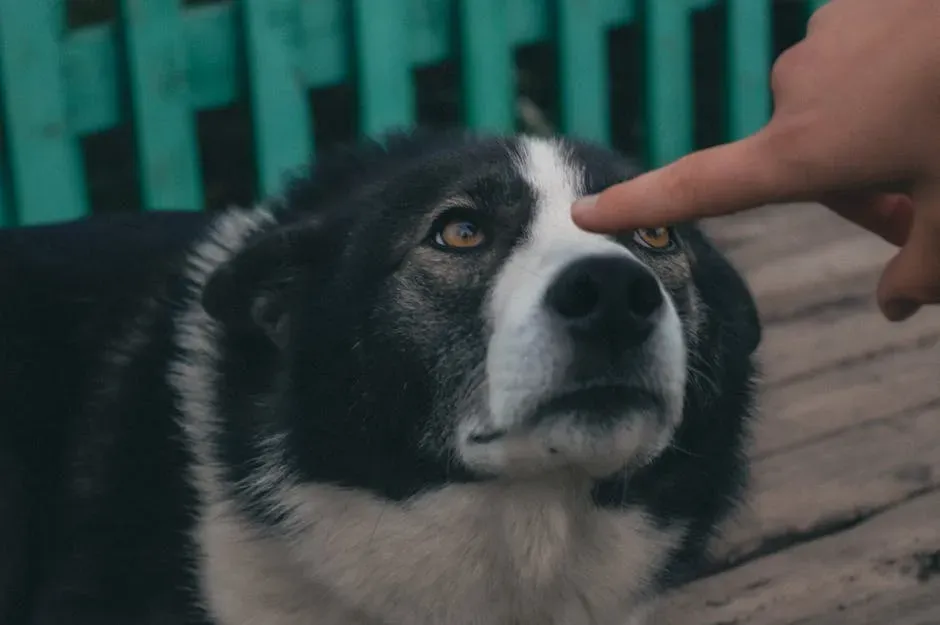
Dogs excel at reading human body language and vocal tones in ways that go beyond simple training. Research into their cognitive abilities shows they track patterns in how people move and interact over time. This sensitivity allows them to notice when someone’s presence starts to feel less consistent.
Studies on attachment reveal that dogs form strong bonds similar to those seen in young children. They respond to the emotional climate in a home with surprising accuracy. When routines begin to fray, their behavior often shifts in response.
How Dogs Pick Up on Emotional Shifts

A family member who grows more withdrawn or stressed may emit changes in scent and posture that dogs detect easily. These cues build up gradually, giving pets an early window into upcoming disruptions. Owners frequently report dogs shadowing certain people more closely during tense periods.
Over time this awareness helps dogs adjust their own interactions. They might seek extra reassurance from the person they sense is pulling back. Such responses highlight their role as quiet observers of household moods.
Changes in Daily Routines That Alert Your Pet
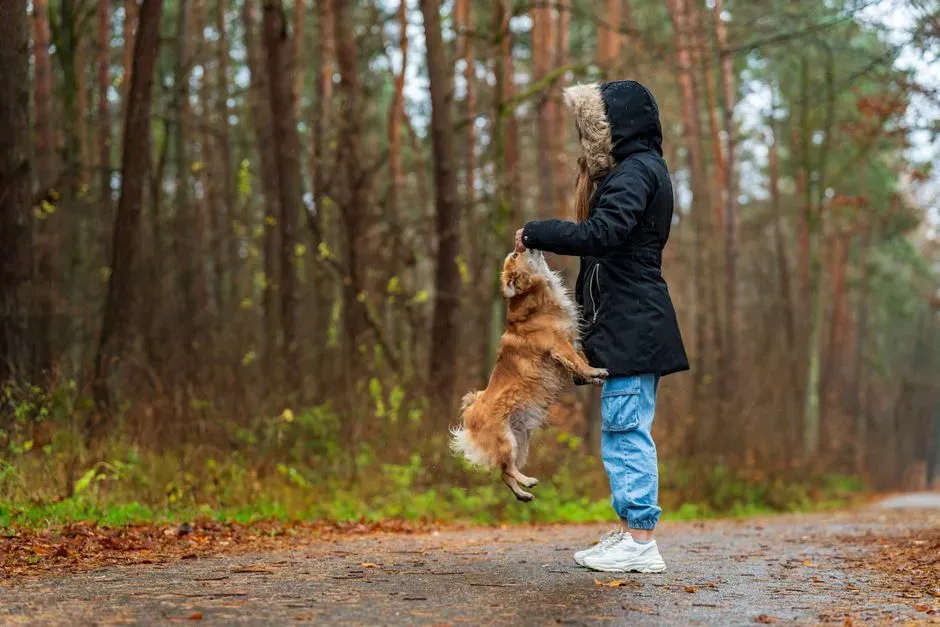
Altered schedules, like fewer walks or shortened play sessions with one individual, stand out to dogs who thrive on predictability. They notice when a family member starts leaving earlier or returning later without explanation. These small inconsistencies accumulate into a larger picture for the animal.
Pets often mirror the energy around them by becoming restless or unusually quiet. This reaction stems from their need for stability within the group. The result is a dog that appears to prepare for change in its own quiet manner.
Attachment Bonds and Their Influence
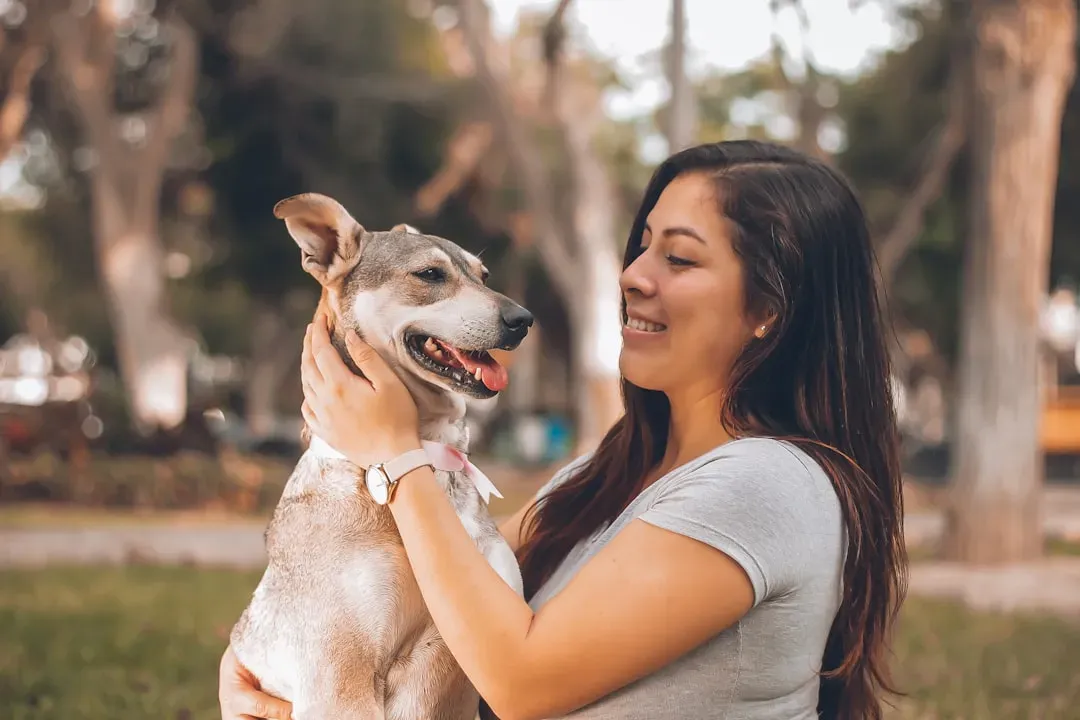
Strong connections between dogs and specific people make departures feel more significant to the animal. When one bond weakens through reduced attention, the dog may redirect its focus elsewhere in the home. This selective attachment shapes how they process potential losses.
Psychology research on interspecies relationships points to dogs as highly attuned to the quality of their human ties. They invest emotionally in consistent caregivers. Any drift in that consistency registers as meaningful to them.
Behavioral Signs That May Indicate Awareness

Watch for increased following, sudden avoidance, or changes in greeting rituals directed at one household member. These actions can surface weeks before any announced move or separation. Dogs express their observations through actions rather than words.
Some pets grow protective or extra affectionate toward the individual they seem to single out. Others withdraw and spend more time near the door or windows. Both patterns reflect an attempt to navigate an uncertain future.
Supporting Dogs Through Family Transitions
Gradual introductions to new routines help ease the impact when someone prepares to leave. Maintaining familiar scents and schedules provides comfort during the adjustment. Owners who recognize these needs often see smoother shifts for everyone involved.
Extra playtime and calm reassurance from remaining family members reinforce the dog’s sense of security. Professional trainers sometimes suggest structured activities to rebuild confidence. Thoughtful preparation makes a noticeable difference in how pets handle the change.
What This Means for Our Relationships with Pets

The idea that dogs anticipate family shifts encourages people to treat their departures with more care and transparency. It reminds us that these animals live alongside us as sensitive companions rather than background fixtures. Paying attention to their responses can strengthen the overall household dynamic.
In the end, this sensitivity deepens the mutual respect between humans and dogs. It invites us to consider how our choices ripple outward to those who cannot speak but still feel the weight of them. A little more mindfulness goes a long way in honoring that quiet connection.


