
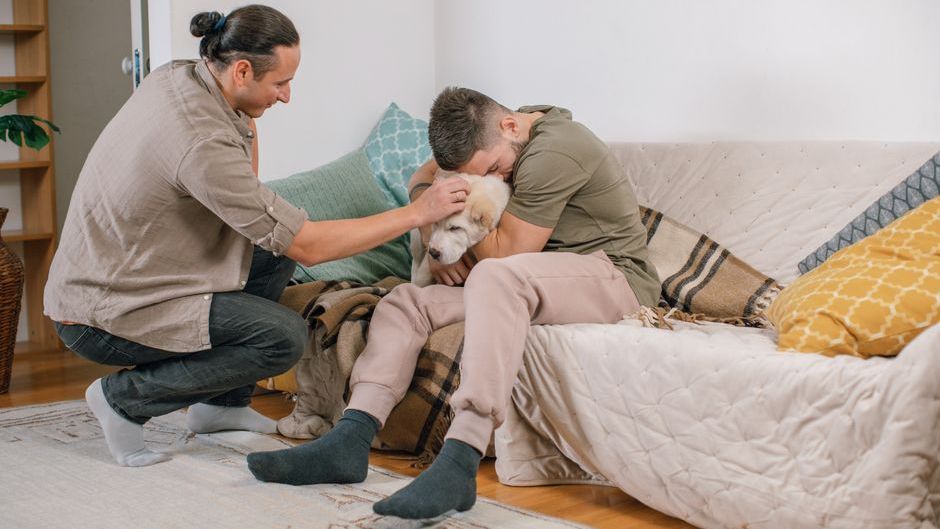
Dogs communicate in quiet ways that often go unnoticed until something feels off. One particular shift in how they interact with the world around them can signal deeper trouble, leaving owners wondering what it truly means for their companion.
Spotting this change early opens the door to understanding and support, though it always calls for professional eyes on the situation.
Recognizing the Subtle Shift
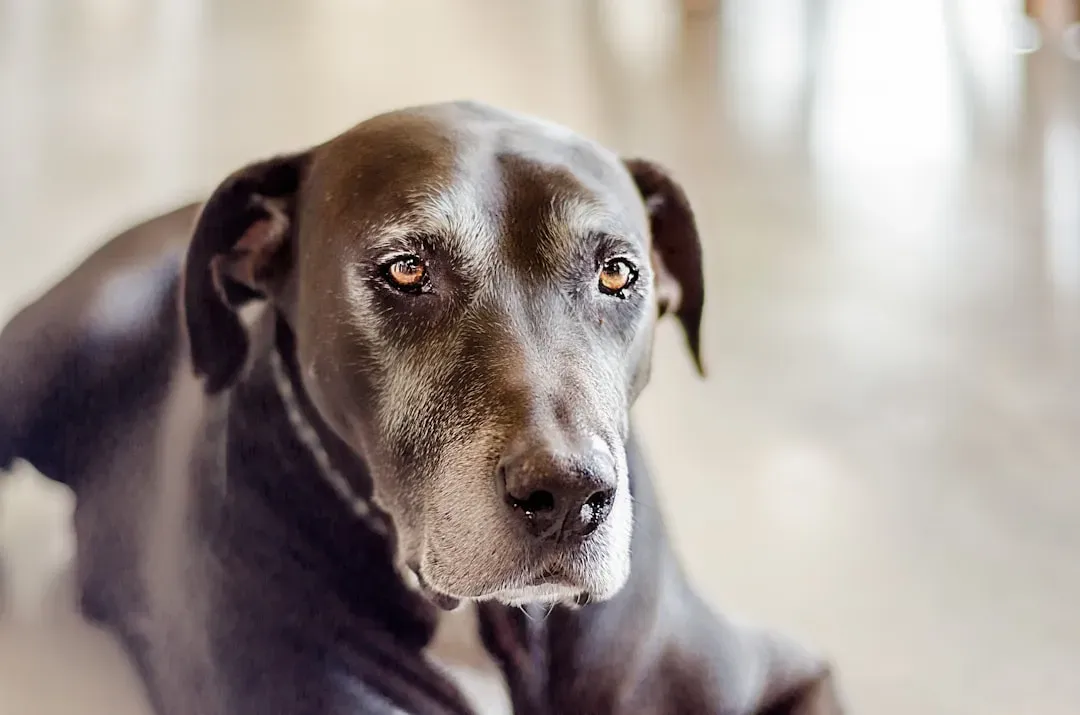
Many dogs nearing a serious decline start pulling away from the people and routines they once cherished. They might stop greeting you at the door or turn away from a favorite toy that used to spark instant excitement. This withdrawal often appears gradually at first, making it easy to dismiss as simple tiredness or age.
Over time the pattern becomes clearer as the dog seeks out quiet corners or avoids eye contact during moments that used to bring connection. Owners frequently describe it as their pet seeming present in body but distant in spirit. Paying close attention to these moments helps separate normal rest from something more concerning.
Why This Change Stands Out

Unlike temporary mood dips after a stressful vet visit, this particular behavior tends to persist and deepen without obvious external triggers. It reflects how dogs process discomfort or fading energy by conserving what little they have left for basic survival. Veterinary observations note that such disengagement often pairs with physical slowing but can appear even before major mobility issues surface.
The consistency of the withdrawal sets it apart from everyday variations in energy. A dog that once followed you from room to room now stays put, even when called with enthusiasm. This steady retreat carries weight because it touches the core of the bond many share with their pets.
How It Differs From Everyday Behavior
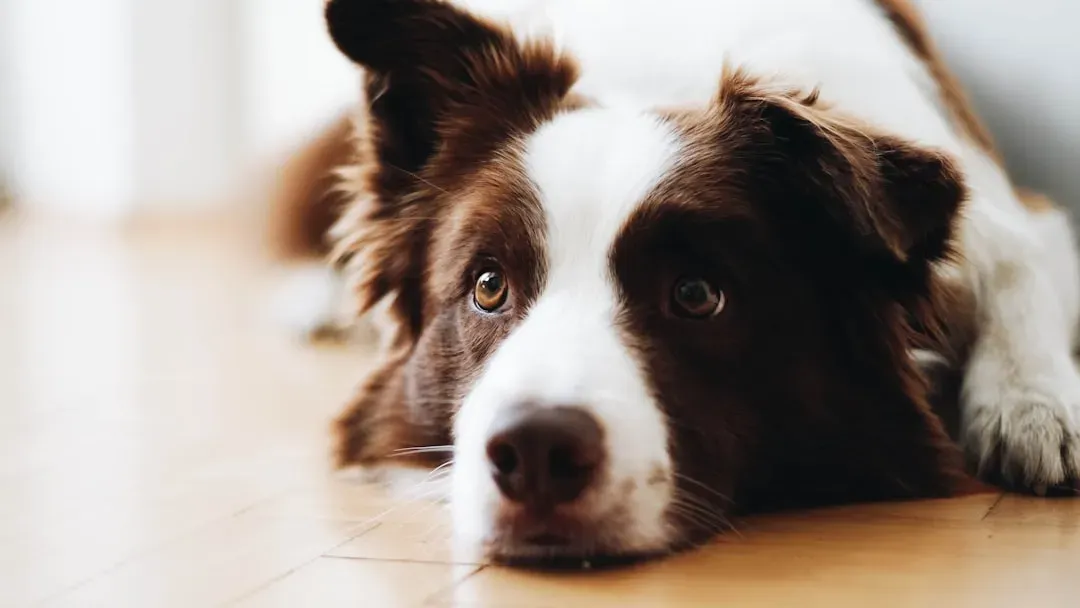
Healthy dogs show fluctuations in interest based on weather, recent activity, or minor aches. The concerning version lacks those rebounds and instead settles into a new baseline of detachment. It shows up across different settings, whether at home or during attempts to engage outdoors.
Families often notice the dog no longer responds to familiar sounds like the treat jar or the leash jingle. This lack of reaction builds over days rather than hours, creating a noticeable contrast to the lively companion they knew. Distinguishing the two requires tracking patterns over a short period rather than reacting to a single off day.
Possible Underlying Reasons
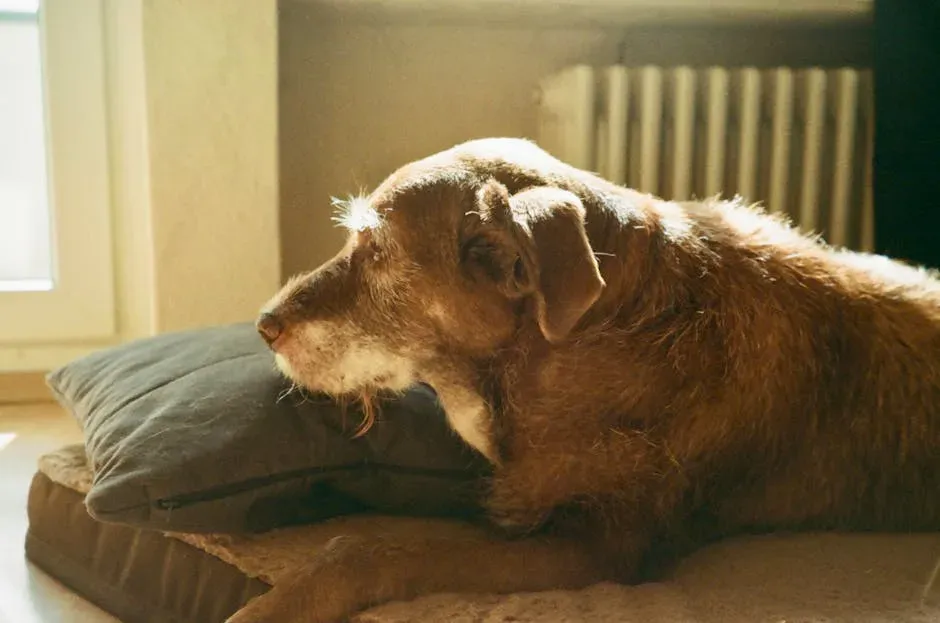
Pain from arthritis or internal issues can drive a dog to conserve energy by minimizing interaction. Cognitive changes in older dogs may also contribute, leaving them less responsive to their surroundings. In either case the behavior serves as a protective mechanism rather than a deliberate choice.
Illness affecting appetite or comfort levels frequently feeds into this cycle, making engagement feel overwhelming. Vets emphasize ruling out treatable conditions first because many dogs regain some spark once pain or nausea receives attention. The change rarely stands alone without other quiet clues emerging alongside it.
Supporting Your Dog Through the Change
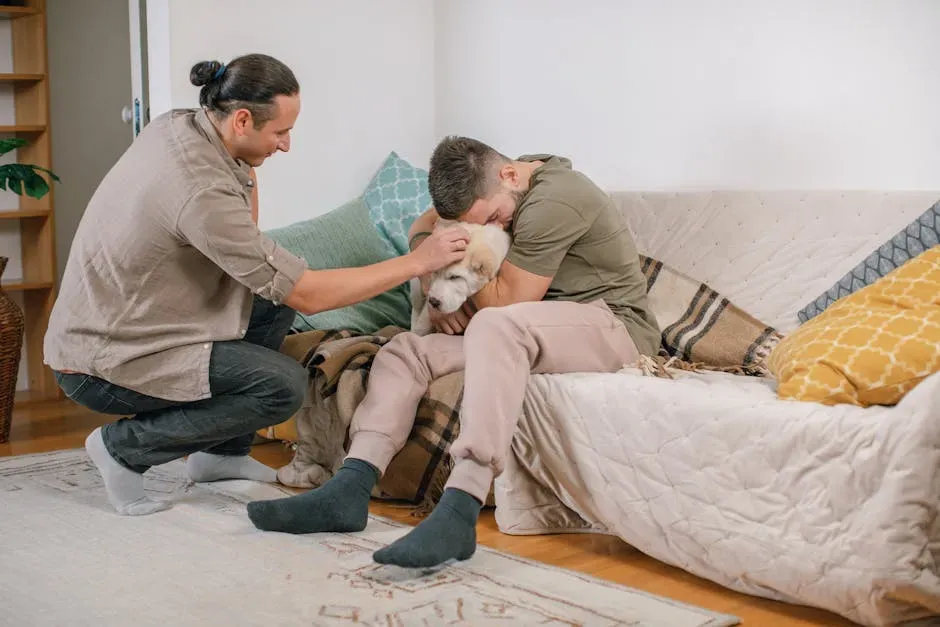
Creating a calm space with easy access to water and soft bedding can ease some of the isolation without forcing interaction. Gentle presence nearby, without demands for play or walks, often provides quiet reassurance. Short, low pressure moments of connection like soft talking or light petting respect their current limits.
Adjusting expectations helps both dog and owner navigate the shift with less frustration. Monitoring food intake and comfort levels remains essential during this time. Small adaptations in daily rhythm can make the environment feel safer while professional guidance shapes next steps.
When Professional Help Becomes Essential
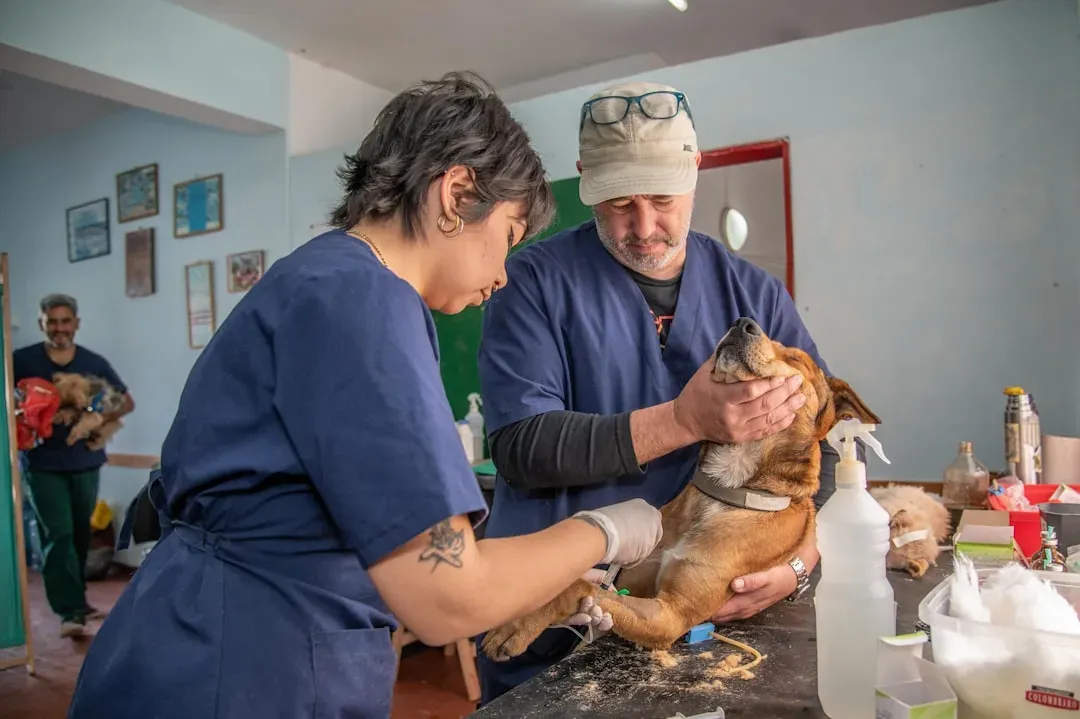
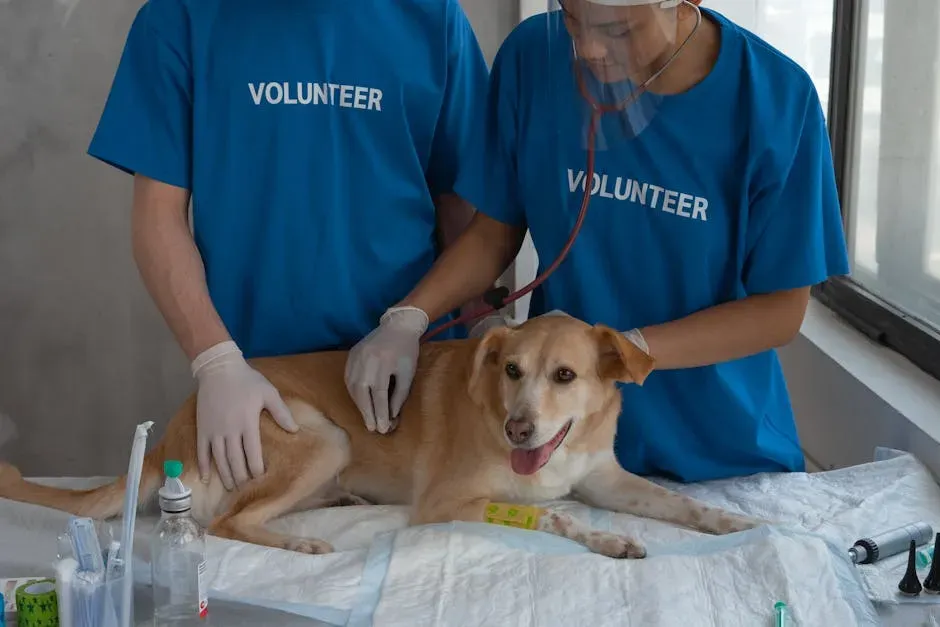
A sudden or steady increase in withdrawal warrants a vet visit to check for hidden pain or illness. Bloodwork and exams often reveal issues that respond well to medication or adjustments in care. Delaying can allow discomfort to build without relief.
Many owners find that early intervention brings measurable improvement in engagement, even if full recovery is not possible. The conversation with a veterinarian also covers quality of life considerations tailored to the individual dog. Acting on the observation protects against unnecessary suffering.
Balancing Hope With Realism
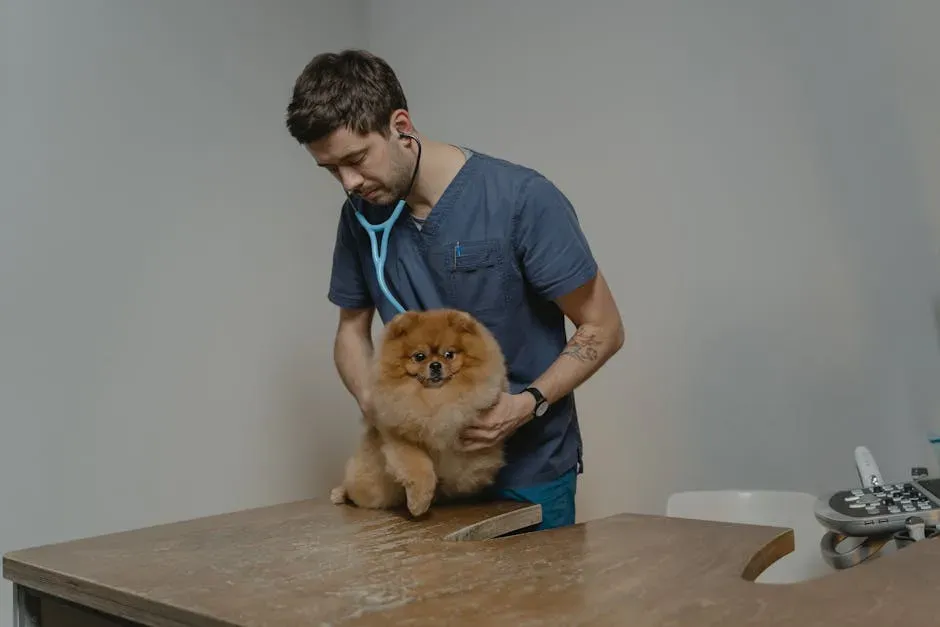
Some dogs show this behavior during treatable phases of illness and return to their usual selves after care. Others signal a longer term transition where comfort becomes the priority. Distinguishing between the two relies on veterinary assessment rather than guesswork at home.
Keeping a simple log of daily interactions and appetite provides useful details for appointments. This measured approach avoids both false alarm and missed opportunities for relief. The focus stays on what the dog needs in the present moment.
Reflecting on the Bond
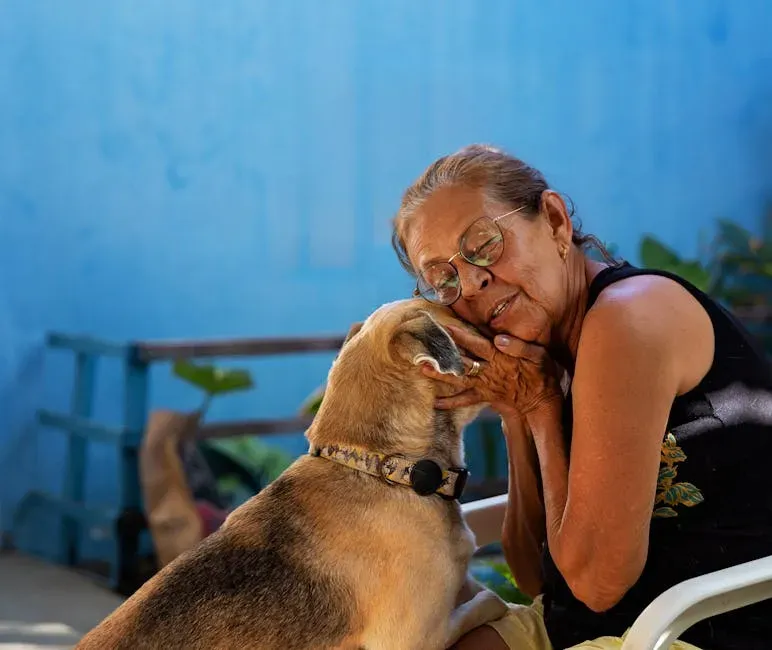
Watching a dog pull inward invites reflection on the years of shared routines and quiet companionship. It highlights how much they give through presence alone, even as energy fades. Many owners discover new ways to connect that honor the dog’s changing needs.
The experience often deepens appreciation for the time remaining, whatever its length. Small gestures of care take on added meaning during these periods. The relationship evolves rather than ends abruptly with the first sign of change.
Moving Forward With Compassion
Every dog follows its own timeline, and this behavior serves as one indicator among several that deserve attention. Compassionate responses center the animal’s comfort above all else. Owners who stay observant and responsive often find peace in having acted thoughtfully.
Resources from veterinary behaviorists or hospice care specialists can offer additional guidance when needed. The goal remains supporting dignity and ease through whatever comes next. This single shift, when noticed and addressed, opens space for meaningful care in the final chapters.


