

Stories of dogs waiting faithfully by graves or refusing to leave a familiar spot have long captured attention. Yet one quieter detail often stands out in accounts of profound loss: the surviving dog turns away from food entirely.
This response raises questions about how deeply dogs form attachments and what happens inside them when those bonds break. Evidence from owner reports and behavioral studies points to real changes rather than simple pickiness.
The Heartbreaking Signs of Canine Loss

Dogs that lose a primary caregiver frequently show shifts in daily habits. Appetite drops rank among the most common observations, with some animals skipping meals for days or longer. Owners describe pets that once raced to their bowls now sniffing food and walking away.
Other changes often appear alongside the refusal to eat. Increased sleeping, reduced play, and extra clinginess to remaining family members paint a picture of withdrawal. These patterns emerge across different breeds and ages, suggesting a shared response to disruption rather than isolated quirks.
Attachment Theory and Dog Human Bonds
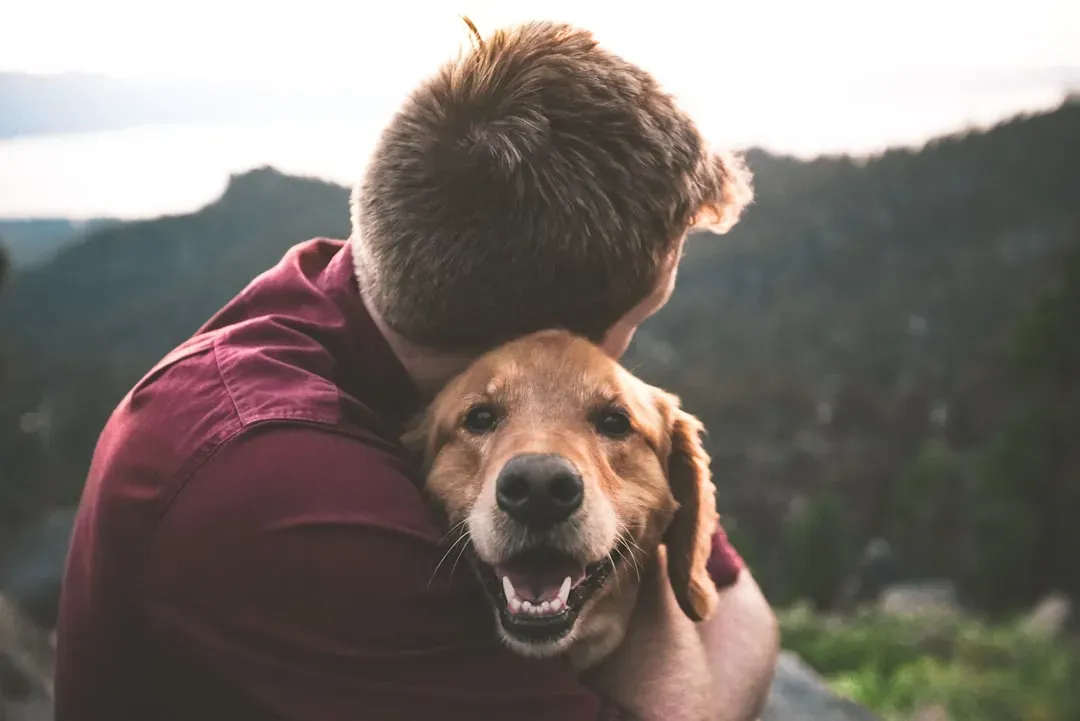
Dogs form secure attachments to their main people in ways that mirror early human relationships. The owner provides safety, routine, and emotional regulation. When that figure vanishes, the dog experiences a sudden absence of those anchors.
Research on separation and loss indicates that strong bonds amplify stress responses. Dogs view their humans as central to their social world, often more so than other animals in the household. This depth helps explain why the death of an owner can trigger more intense adjustments than other changes in the environment.
Physiological Effects of Emotional Stress

Grief like states activate the stress system in dogs just as they do in people. Elevated cortisol can suppress appetite by altering how the brain registers hunger signals. The body shifts resources away from digestion toward a heightened state of alertness or withdrawal.
Lower levels of oxytocin, the bonding hormone, may also play a part. Without the usual rewards tied to familiar interactions, food loses some of its appeal. The result is not deliberate fasting but a temporary dampening of the drive to eat.
Insights from Studies on Pet Bereavement

Surveys of owners whose dogs lost a companion reveal consistent patterns. Roughly one third report decreased appetite in the survivor, while a smaller share note complete refusal of food for a time. Similar behaviors surface in cases involving the loss of a human caregiver.
One large Italian study found that most surviving dogs displayed multiple grief related changes lasting weeks to months. Reduced activity and increased attention seeking often accompanied the eating shifts. These findings come from owner observations rather than direct brain scans, yet they align across independent reports.
The Role of Routine and Familiarity

Mealtimes form part of a larger structure that dogs rely on for predictability. An owner’s absence removes cues that once triggered hunger and anticipation. The dog may associate the bowl with the missing person and therefore avoid it.
Changes in the household atmosphere add another layer. New caregivers or altered schedules can heighten uncertainty. In such conditions, eating becomes secondary to monitoring the environment for signs of stability.
Helping Dogs Through Periods of Mourning

Veterinarians recommend ruling out medical causes first when appetite vanishes. Once health issues are cleared, gentle encouragement helps. Offering favorite foods in quiet settings or hand feeding for short periods can bridge the gap until normal interest returns.
Maintaining as much of the old routine as possible supports recovery. Extra walks, calm companionship, and consistent mealtimes signal that daily life continues. Most dogs gradually resume eating within days or weeks, though individual timelines vary.
The Enduring Mystery of Animal Loyalty
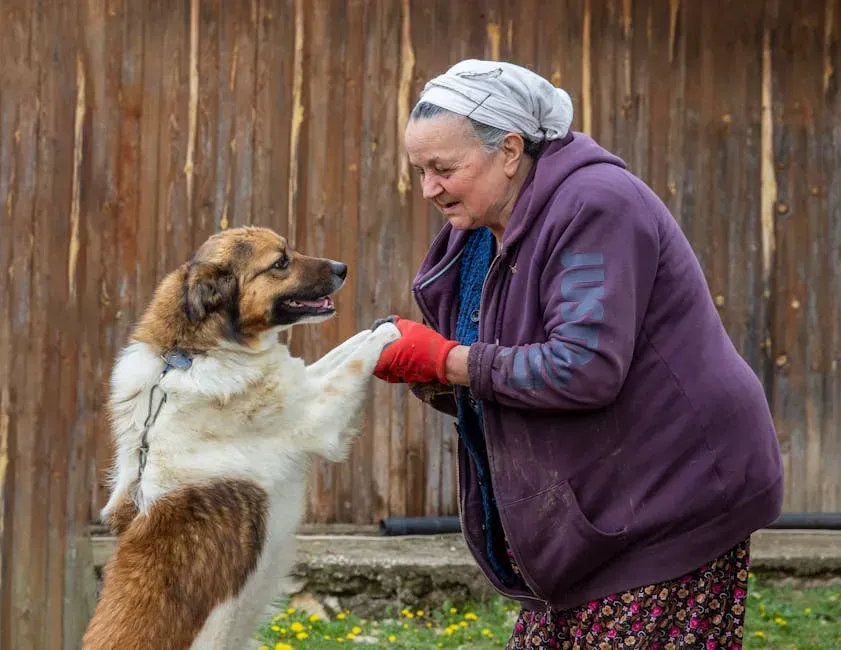
These responses highlight a loyalty that extends beyond simple habit. Dogs invest emotionally in their people, and the cost of that investment shows when the relationship ends. The refusal to eat serves as one visible marker of that depth.
While science continues to map the exact mechanisms, the pattern itself invites reflection. It suggests that the connection between dog and owner carries real weight for both sides. Honoring that bond means recognizing when a dog needs time and steady presence to find its way back to ordinary rhythms.


