
Everyday Observations of Dog Greetings

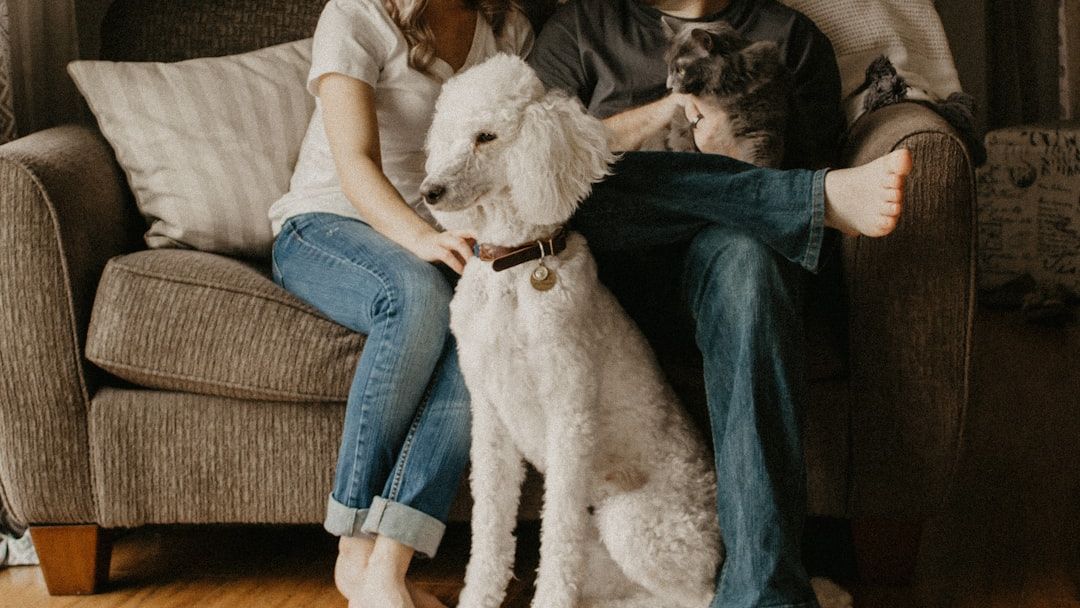
Dogs tend to approach the first person they see with a mix of tail wags, soft eyes, and sometimes a quick lean against the leg. These small actions repeat across many households and create a familiar rhythm that owners come to expect. Over time the pattern stands out because it rarely shifts without a clear change in routine or environment.
Some dogs reserve their most enthusiastic welcome for the person who feeds them regularly. Others gravitate toward whoever spends the most quiet time on the floor with them. These preferences emerge naturally from daily interactions rather than from any single dramatic event.
How Dogs Build a Sense of Safety
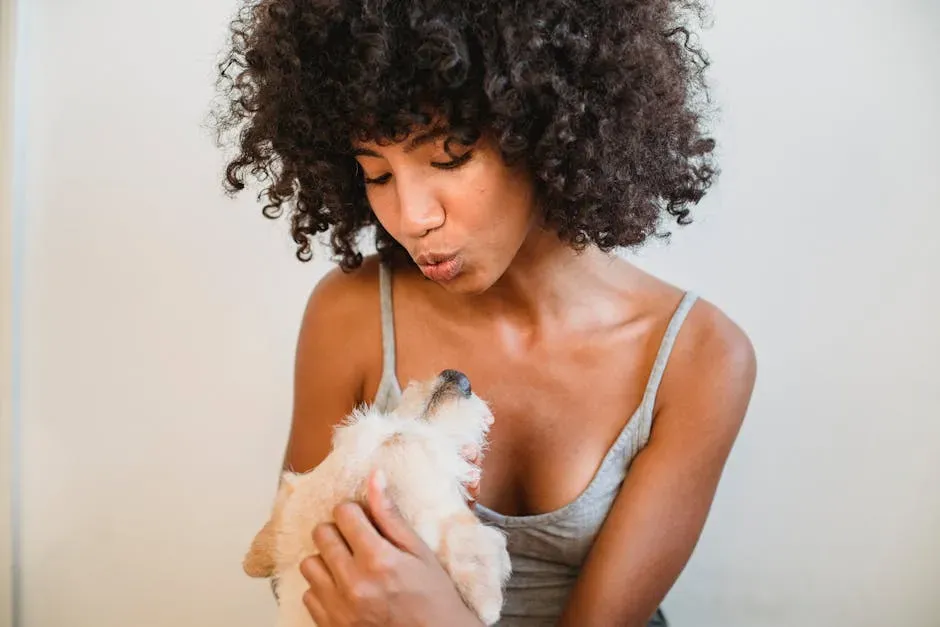
Canines learn early which household members provide steady routines and calm responses during unexpected noises or visitors. That consistency helps them associate certain people with reliable protection from everyday uncertainties. The bond forms through repeated small moments rather than grand gestures.
When a dog chooses one person first, it often reflects who has been present during both calm evenings and busier mornings. The choice signals comfort with that individual’s presence and voice. Owners frequently notice the greeting changes if that person’s schedule shifts for several weeks.
Trust Signals Beyond Simple Affection
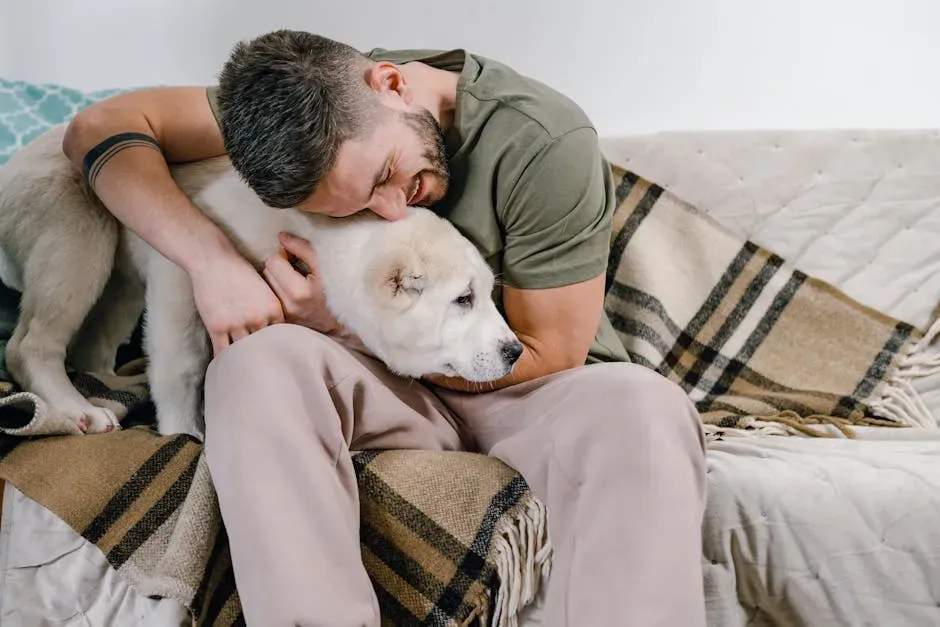
A quick approach followed by sitting close or offering a toy can indicate more than excitement. It suggests the dog views that person as a steady point in the household structure. Such behavior appears across different breeds and ages when the relationship includes regular shared activities.
Body language like relaxed ears and a loose tail during the greeting adds another layer. These cues combine with the order of approach to paint a fuller picture of preference. The overall message points to comfort rather than fear or uncertainty around the rest of the group.
Household Dynamics That Shape Choices
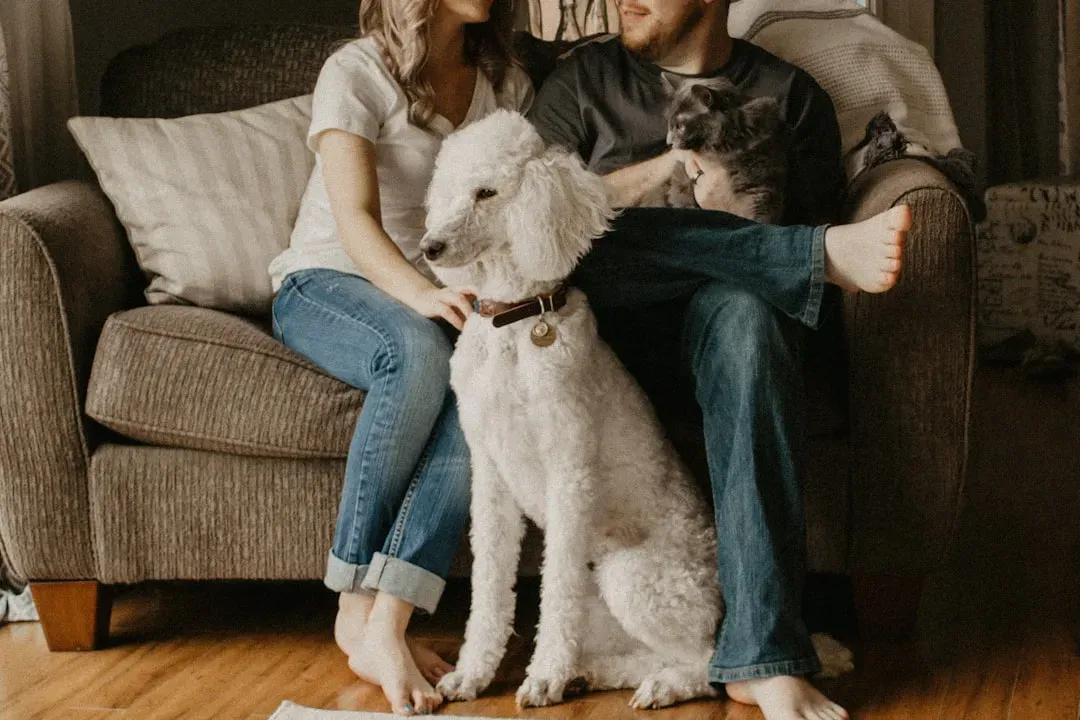
In homes with multiple adults or children, dogs often distribute attention unevenly based on who handles walks or play sessions. The first greeting tends to go to the individual who manages the most predictable parts of the day. This distribution helps the dog maintain a clear sense of order.
Changes in work schedules or new family members can temporarily alter the pattern. Dogs usually adjust once new routines settle into place. The initial choice often returns once stability returns to the daily flow.
Common Misinterpretations Owners Encounter
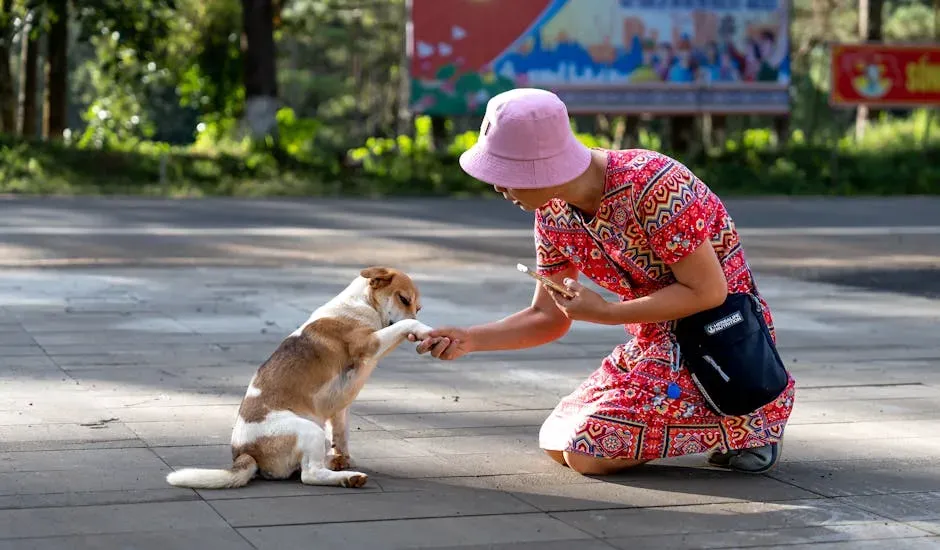
Some people assume the greeting order reflects favoritism in a human sense, yet dogs respond more to consistency than to personality traits alone. A quiet member of the household may receive the first approach simply because their presence feels predictable. The distinction matters when trying to understand the behavior.
Another frequent mix up involves equating the greeting with overall loyalty. In reality the choice often highlights who the dog sees as a source of security during transitions like arrivals and departures. Both aspects can exist together without one canceling the other.
Simple Steps to Strengthen Everyday Bonds
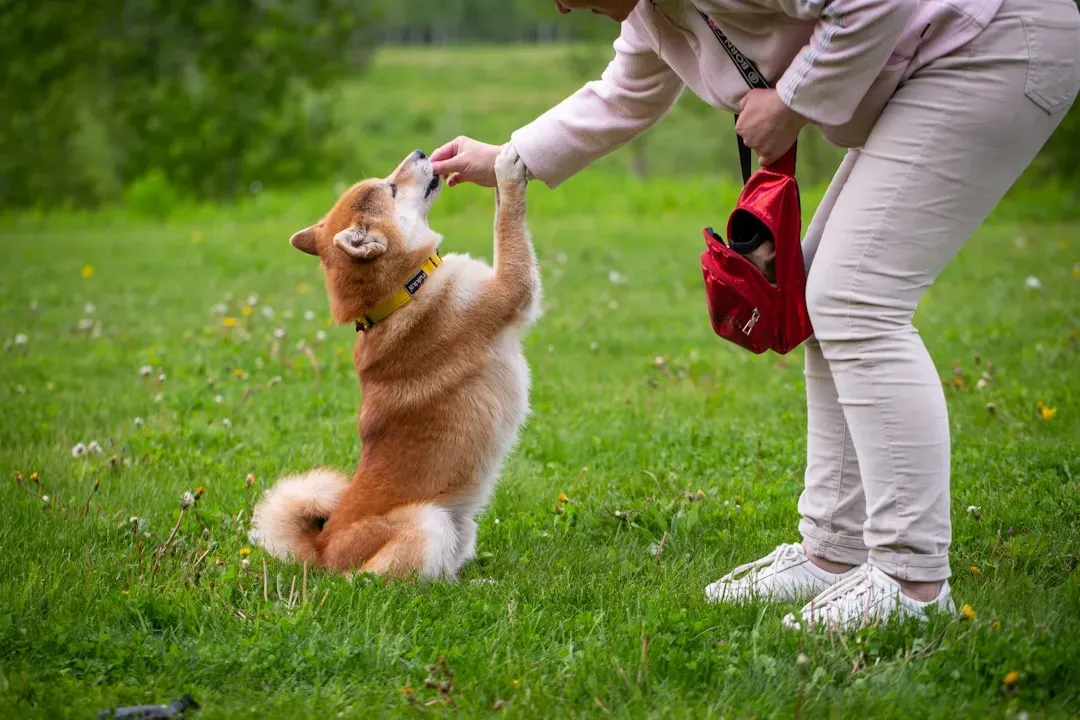
Short, regular interactions such as brief training games or calm petting sessions help reinforce positive associations. These moments do not require extra time, only steady presence during the dog’s active periods. Over weeks the effect shows in more relaxed greetings overall.
Paying attention to the dog’s signals during arrivals allows owners to notice small shifts early. Adjusting routines gently when needed keeps the relationship balanced. Many households find that awareness alone improves the quality of daily interactions.
Putting the Greeting Pattern Into Perspective
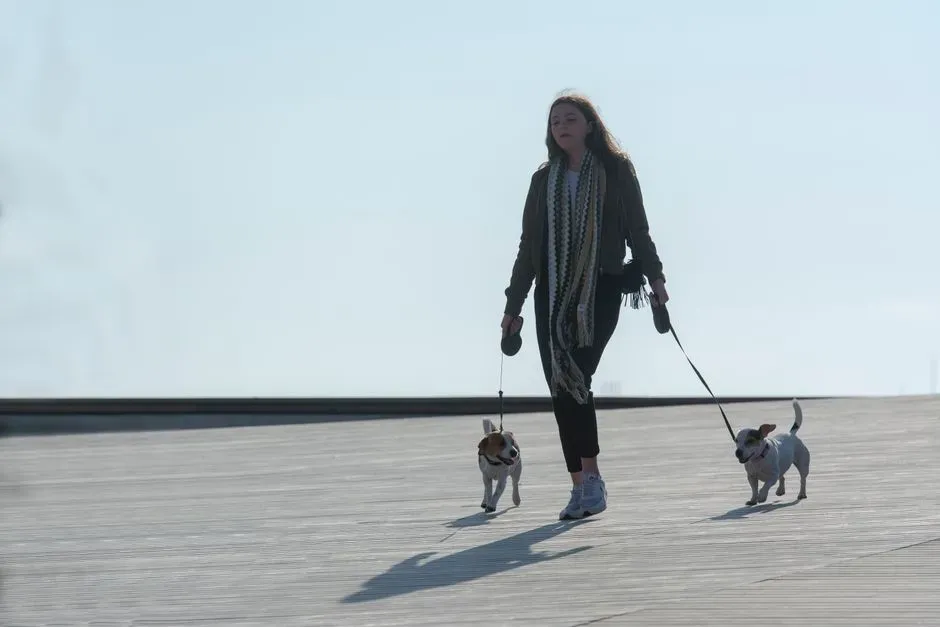
The first person a dog approaches carries meaning rooted in routine and reliability rather than dramatic declarations of protection. That choice reflects accumulated experiences inside the home. Owners who watch without overinterpreting often gain a clearer sense of their pet’s comfort levels.
Ultimately the behavior reminds us that dogs navigate their world through patterns we create together. Respecting those patterns without forcing change tends to support steadier relationships for everyone involved. The real value lies in noticing and responding with quiet consistency.


