
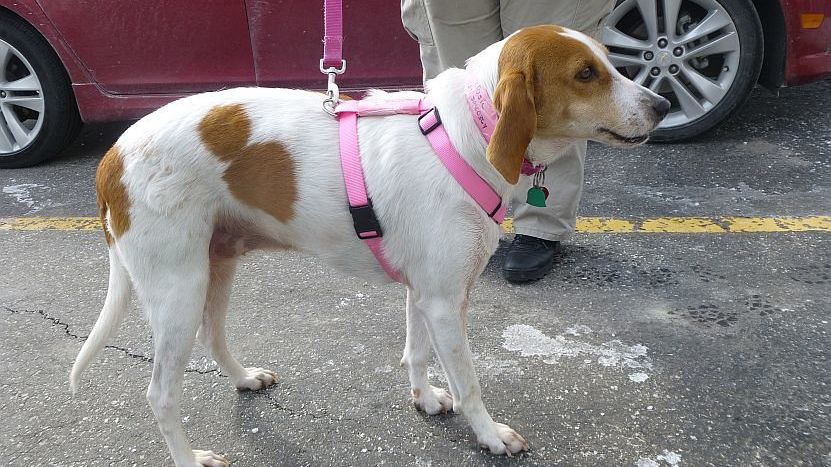
Dogs rarely announce discomfort the way people do. Instead they rely on small shifts in routine that can slip past even attentive owners. Spotting these early often makes the difference between quick relief and a longer struggle.
More Frequent Yawning Without Tiredness
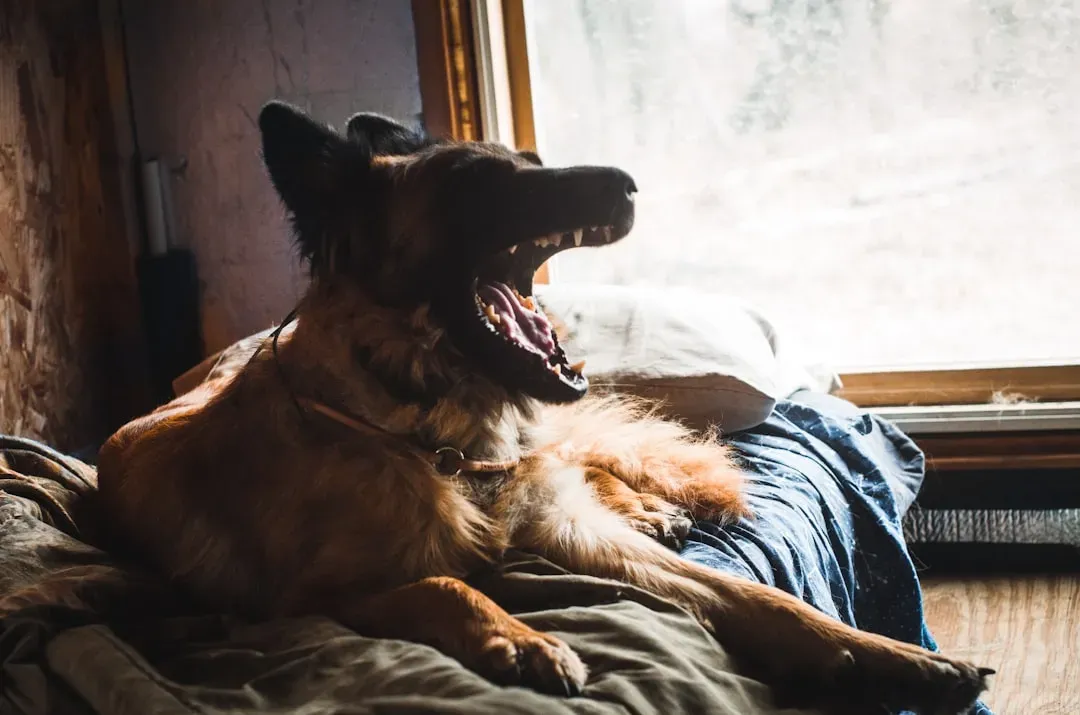
Dogs sometimes yawn when they feel stressed or uncomfortable. This habit shows up during quiet moments at home rather than after a long walk. Owners might brush it off as a quirky personality trait.
Watch for clusters of yawns when nothing obvious has changed in the environment. The behavior can pair with a tense jaw or quick glances around the room. Noticing the pattern helps connect it to possible soreness instead of simple boredom.
Subtle Shifts in Tail Carriage
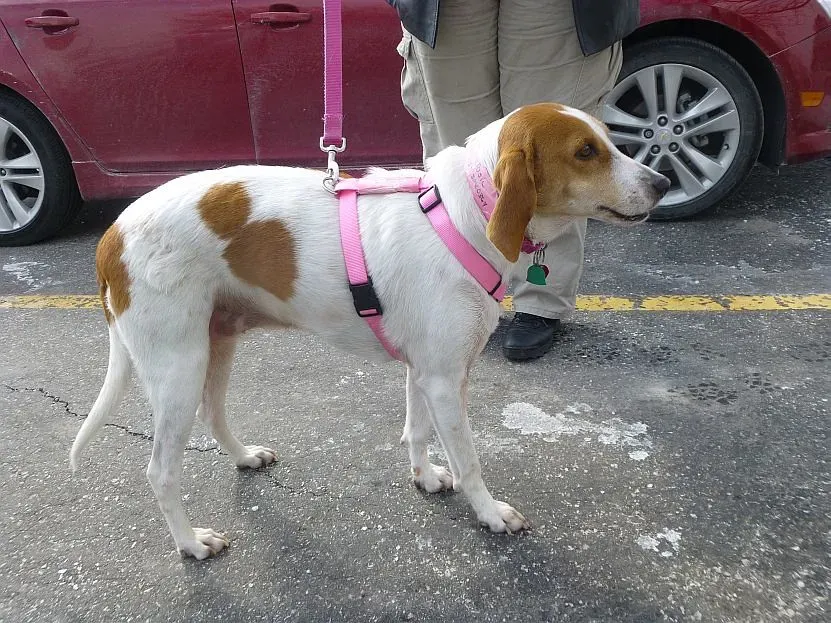
A tail that hangs lower than usual or tucks slightly can signal unease. The change appears most clearly when the dog moves from a relaxed state to standing. Many people miss it because the tail still wags occasionally.
Compare the position across different times of day. A consistently lower tail during gentle activity often points to discomfort in the back or hips. Tracking these moments builds a clearer picture over a week or two.
Reluctance to Use Stairs or Furniture
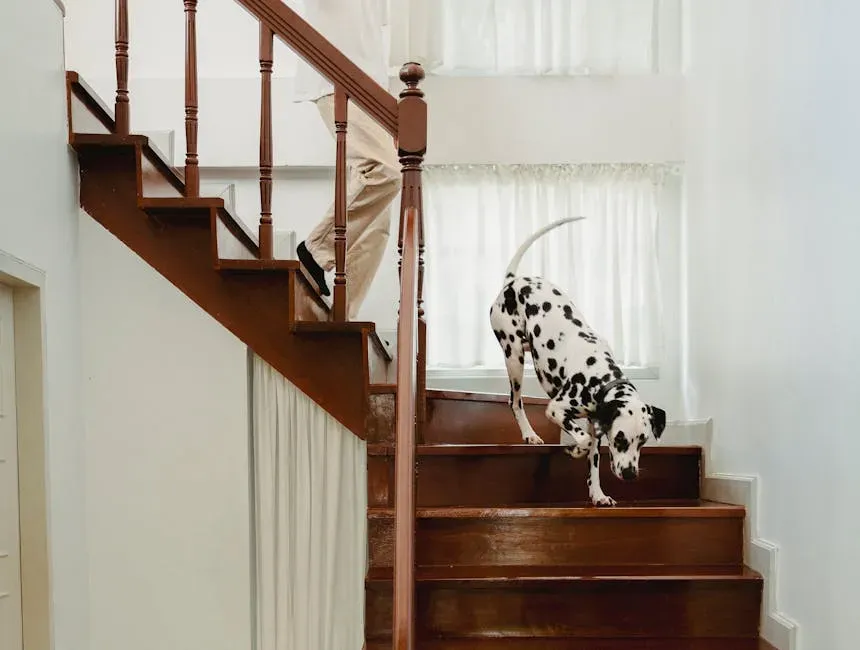
Some dogs begin pausing before steps or avoid hopping onto the couch without obvious limping. They may circle once or twice before deciding against the movement. The hesitation grows gradually rather than appearing overnight.
Owners sometimes assume the dog has simply lost interest in certain spots. In reality the pause often protects a sore joint or muscle. Offering a ramp or lifting assistance can reveal whether the issue improves quickly.
Longer Naps That Seem Like Normal Aging
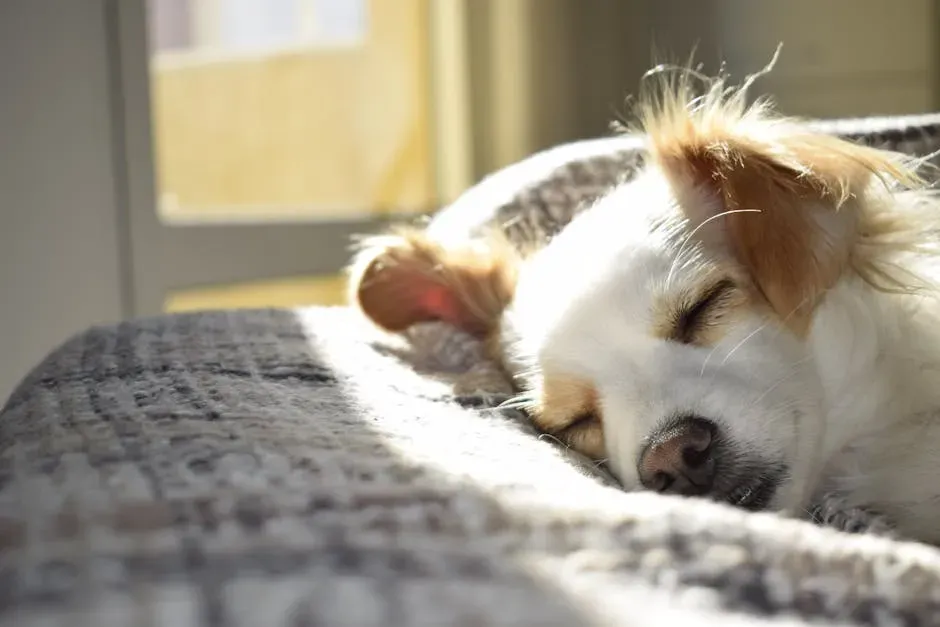
Extra sleep during the day stands out as the sign most often mistaken for ordinary senior slowdown. The dog still greets family at the door yet settles into longer rest periods afterward. Appetite and interest in short walks remain steady at first.
Compare total daily activity to records from a few months earlier. A noticeable drop without other age related changes deserves attention. Early checks often uncover treatable conditions before they limit mobility further.
Quiet Panting in Cool Conditions
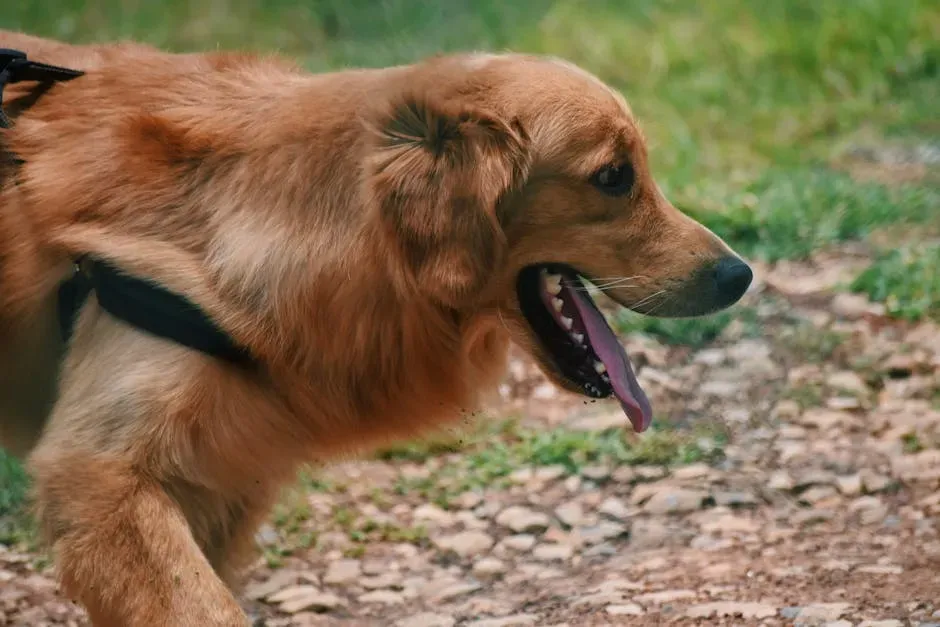
Panting that continues after the dog has rested indoors can indicate discomfort. The breathing stays shallow and steady rather than heavy from heat or exercise. It may appear during calm evenings when temperature is comfortable.
Track whether the panting stops once the dog finds a favorite spot. Persistent episodes without obvious triggers point toward internal soreness. Noting the timing helps separate it from normal temperature regulation.
Light Flinching During Routine Touch
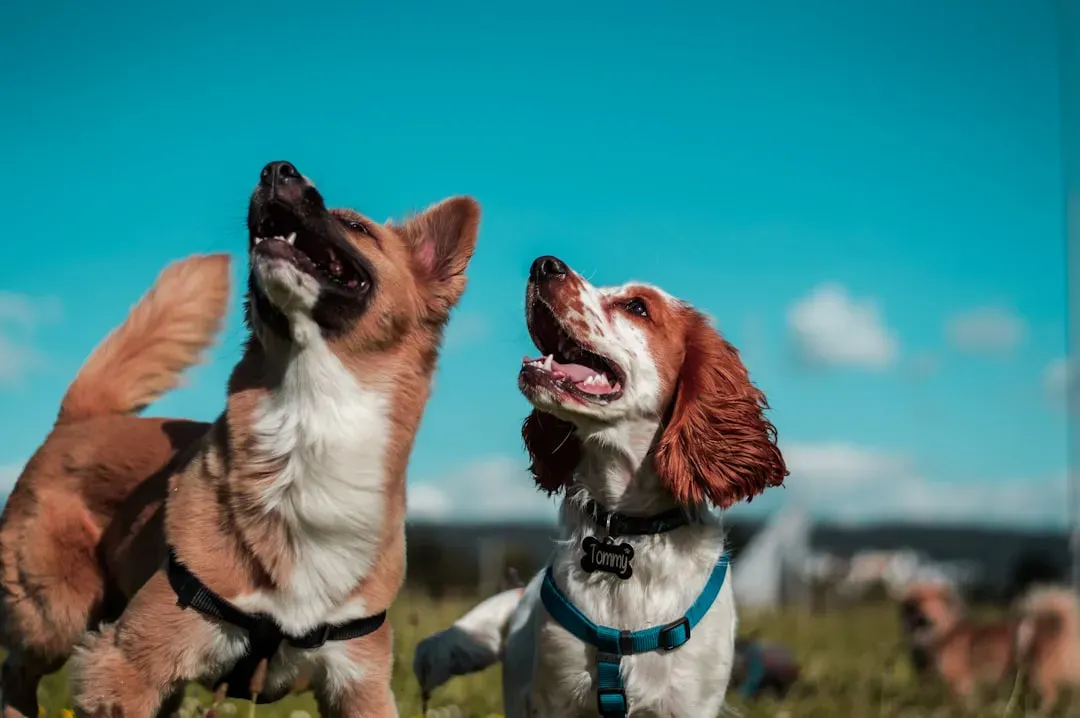
A quick muscle twitch when a certain area is brushed or petted often goes unnoticed. The reaction stays mild and the dog returns to normal within seconds. Owners may think the dog simply does not like that spot anymore.
Repeat gentle contact in the same area over several days. Consistent flinching in one region suggests localized pain rather than general mood. Adjusting grooming or petting habits around that spot can confirm the observation.
Soft Whining During Position Changes
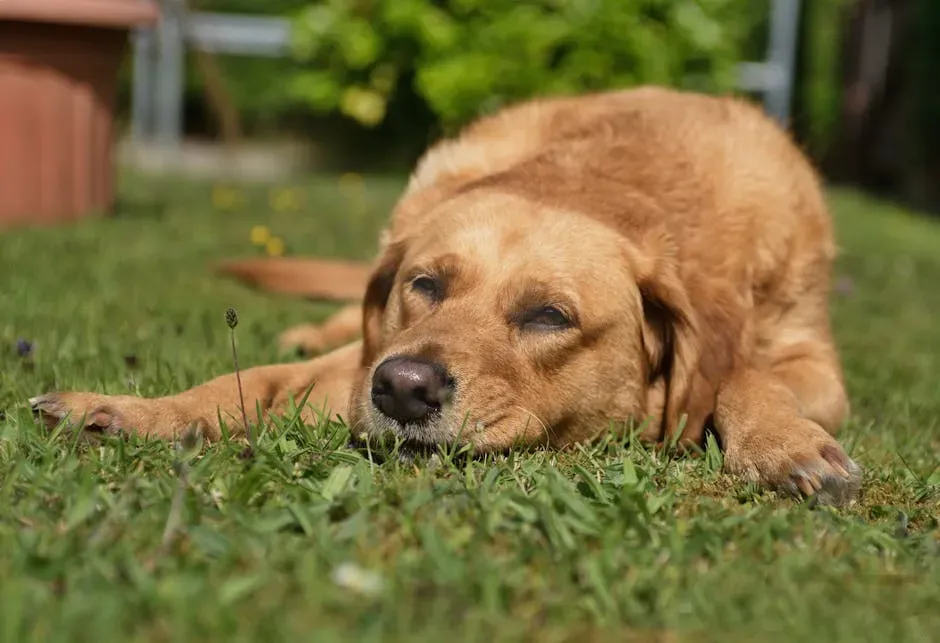
Low volume sounds when rising from a nap or shifting on the floor can indicate strain. The whine stays brief and the dog quiets again right away. Many households treat it as background noise during daily routines.
Listen during transitions like standing after meals or moving from carpet to tile. Recording a few instances helps identify whether the sound links to specific movements. Addressing the pattern early often prevents bigger mobility issues later.
Paying attention to these quiet signals keeps dogs comfortable longer. Regular veterinary visits turn small observations into useful information. The result is more good days for both dog and owner.


