
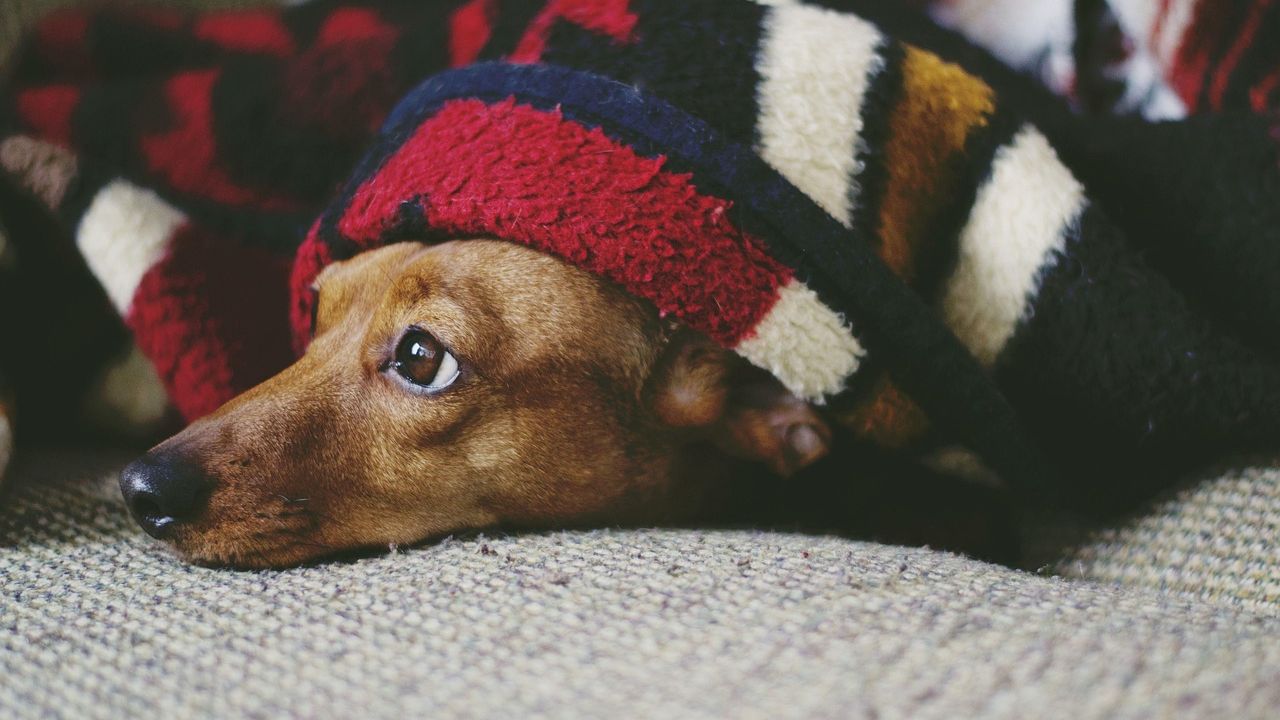
You have probably seen it happen on a quiet evening. Your dog curls up, tucks its nose beneath a paw or pulls a blanket over its face, and drifts off without a sound. The sight feels familiar yet slightly mysterious, as if the dog is following an old, private ritual.
Animal behavior experts often link this habit to deep seated needs that trace back to how dogs evolved. Rather than a random quirk, the gesture can reveal what makes a dog feel truly at ease in its surroundings.
Understanding the Denning Instinct in Dogs
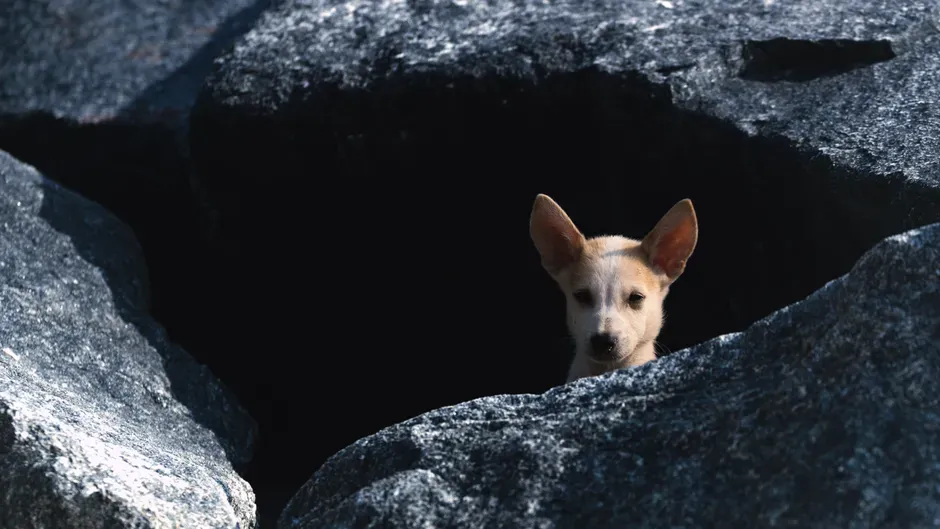
Dogs descend from wolves that raised their young in sheltered dens. That ancient preference for enclosed spaces still shows up today when a dog chooses to hide its face during rest. The action creates a small, protected pocket that mimics the safety of a burrow.
Many dogs repeat the motion even when they have plenty of room to stretch out. It suggests the behavior is more about comfort than necessity. Owners often notice the pattern strengthens during cooler months or after a busy day.
How Warmth Plays a Key Role
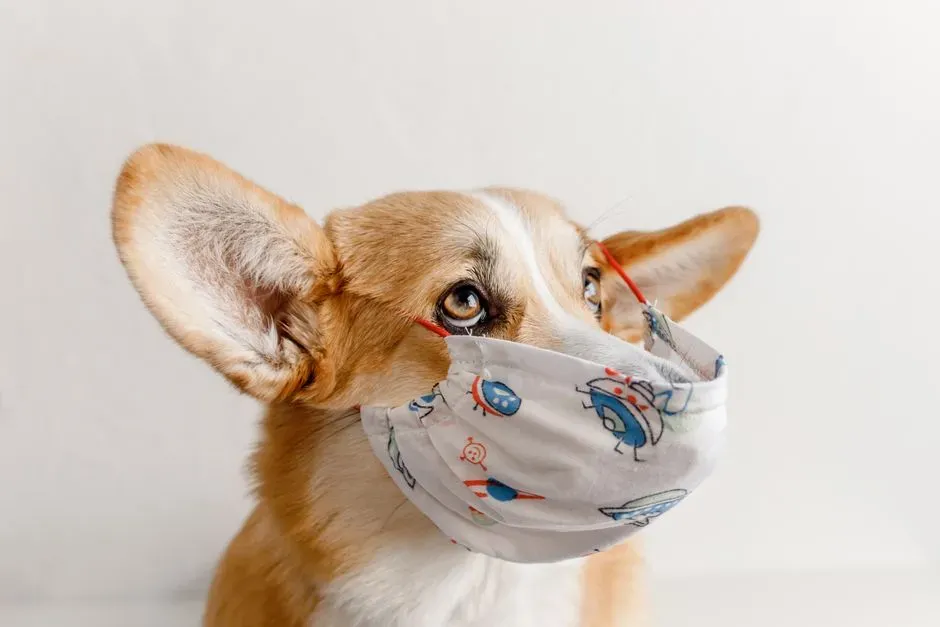
Covering the face helps trap a pocket of body heat around the nose and eyes. This simple adjustment can make a noticeable difference on chilly floors or in air conditioned rooms. Dogs with shorter coats tend to rely on this trick more often than their long haired counterparts.
The warmth also soothes sensitive facial skin and keeps the area around the muzzle from drying out overnight. Some dogs combine the face covering with a tight ball shape that further conserves heat. The result is a deeper, more settled sleep that lasts longer into the morning.
The Need for a Sense of Safety
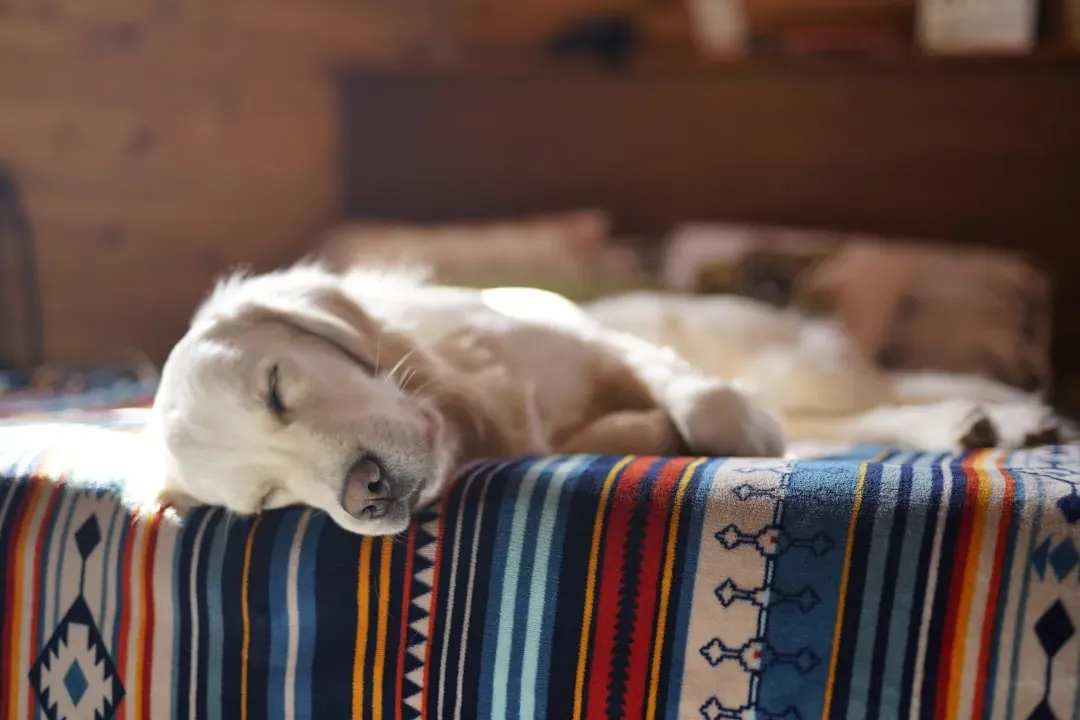
A covered face reduces visual stimulation from lights or movement in the room. This lowered input helps the dog relax its guard and enter a calmer state of rest. In multi pet households the habit can appear more frequently when other animals are nearby.
The gesture also blocks sudden sounds from reaching the ears as directly. Dogs that startle easily during the day sometimes adopt this sleeping style as a way to feel less exposed. Over time the routine becomes a reliable signal that it is time to unwind.
Familiar Scents and Comfort Objects
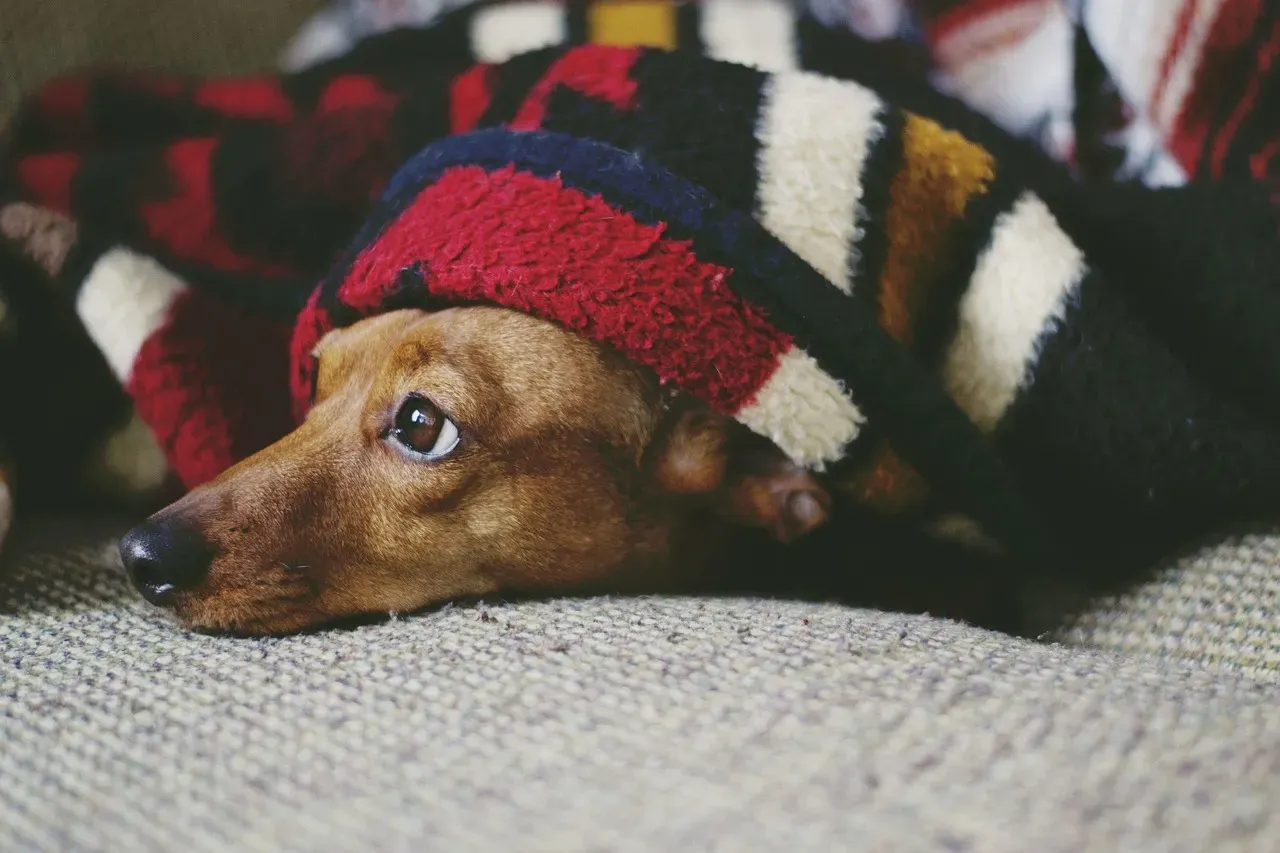
When a dog presses its face into a favorite blanket or its own paw, it stays close to familiar smells. Those scents carry reassuring information about territory and family members. The closeness can lower stress hormones and promote steadier breathing during sleep.
Many dogs choose the same spot or item night after night. The repetition turns the action into a personal cue that everything is in order. Changing the bedding or moving the sleeping area sometimes interrupts the pattern until the dog readjusts.
Breed Differences and Individual Personalities

Smaller breeds and those with northern ancestry often cover their faces more readily. Their compact size and thick coats make the enclosed position feel especially natural. Larger working breeds may do the same when they feel particularly tired or unsettled.
Yet personality matters as much as genetics. A confident dog might only cover its face on especially cold nights, while a more anxious one uses the habit daily. Watching how often and under what conditions the behavior appears gives owners useful clues about their pet.
Observing Other Sleeping Habits
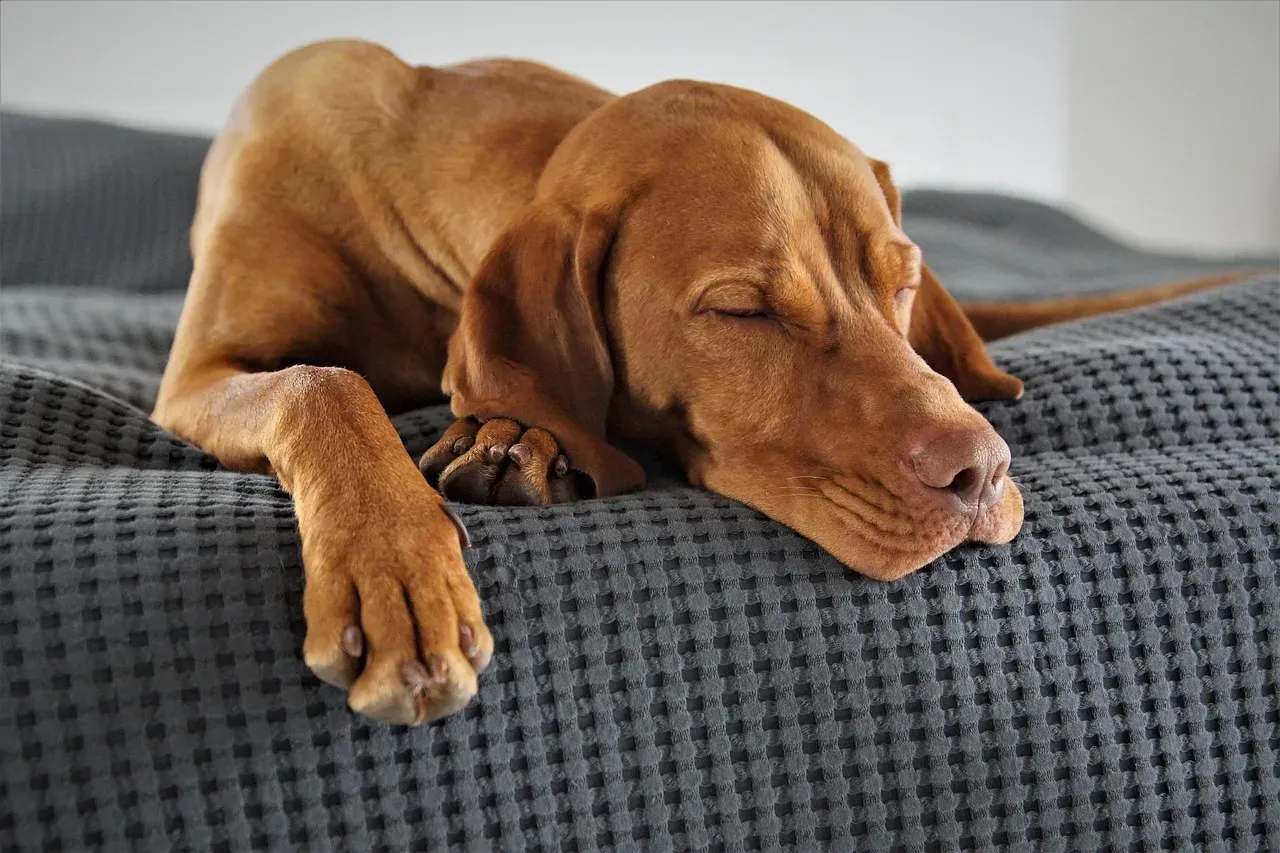
Face covering rarely happens in isolation. Dogs that tuck their noses away also tend to choose soft surfaces and curl their bodies tightly. These combined signals point to a strong preference for security over open space.
Changes in the pattern can reflect shifts in the household. A dog that suddenly starts covering its face more often may be reacting to new noises, visitors, or even seasonal temperature swings. Keeping a simple note of when the habit increases helps track what feels reassuring to the animal.
Supporting Your Dog’s Natural Preferences
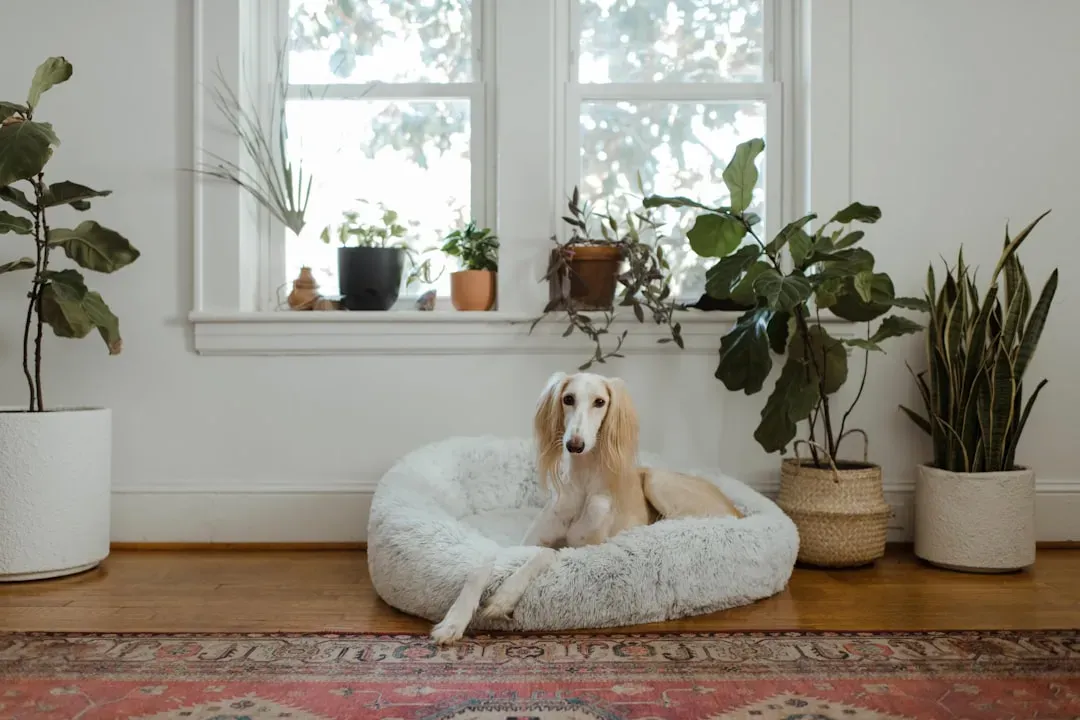
Providing soft blankets or a covered crate corner lets dogs follow their instincts without struggle. The small adjustment often leads to longer, more restful sleep for everyone in the home. Owners who notice the behavior can feel confident they are meeting a genuine need rather than encouraging a bad habit.
In the end, respecting these quiet signals builds a stronger daily rhythm between dog and person. A face tucked under a paw at bedtime is simply one more way dogs show what they value most: a little warmth, a sense of safety, and the comfort of what they already know.


