

Enhanced Hearing Abilities in Dogs
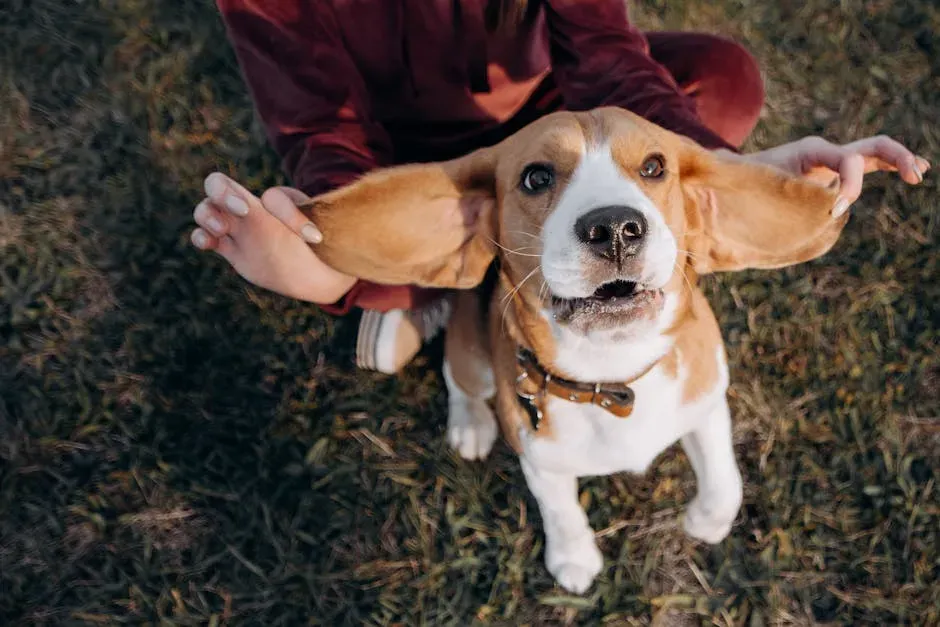
Dogs pick up frequencies well beyond the range most people can detect. Their ears capture high pitched sounds from electronics or distant wildlife that simply do not register for us. This difference in auditory range often explains sudden focus on what looks like nothing at all.
Small movements inside walls or subtle vibrations from outside can draw them in too. A dog might track a mouse or insect that stays hidden from view. Over time owners learn these moments reflect normal sensory strengths rather than random staring.
The Role of Smell in Their Perception
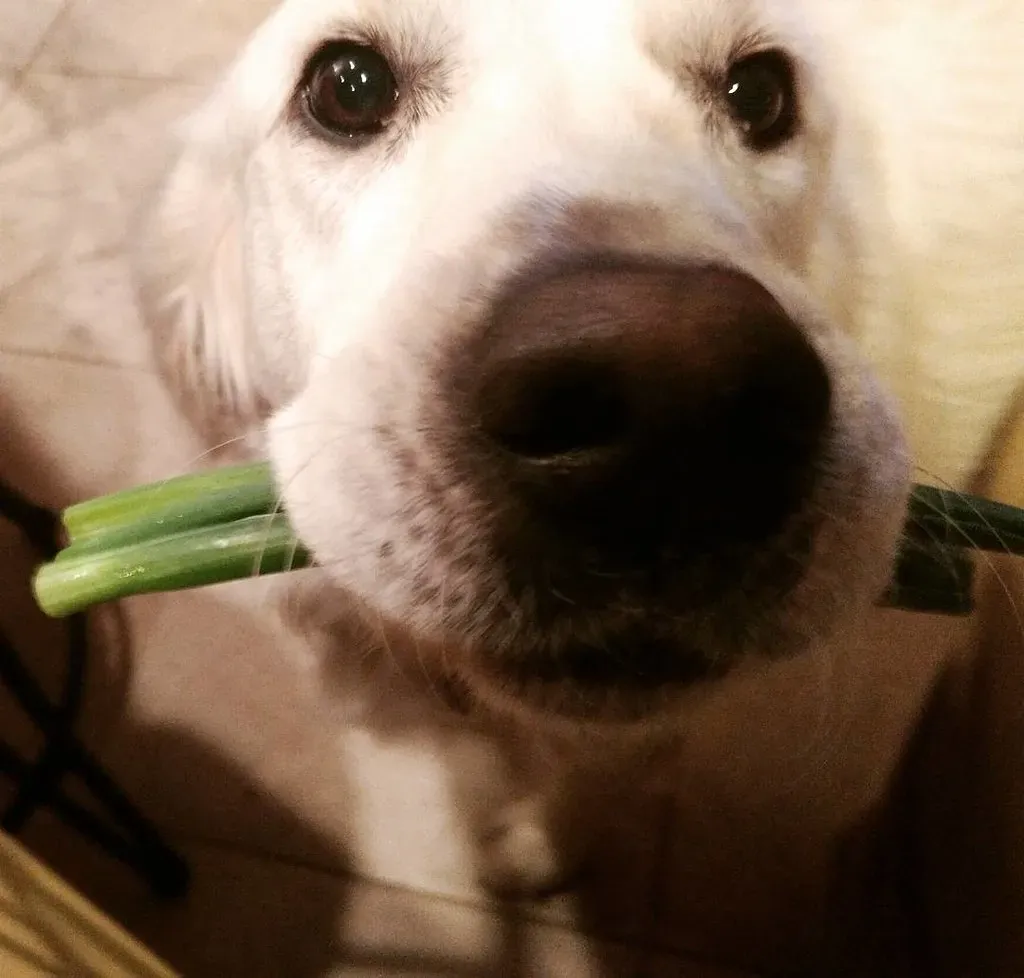
A dog’s nose holds far more scent receptors than a human one, allowing them to read layers of odor invisible to us. Traces left by previous pets, food crumbs, or even changes in air quality can linger on surfaces. Wall staring sometimes follows these faint trails that tell a story only they can follow.
Seasonal shifts or household cleaners might also create new scent profiles worth investigating. The behavior serves as a reminder of how much information travels through smell alone. Watching closely reveals patterns tied to specific times or rooms in the house.
Potential Neurological Conditions
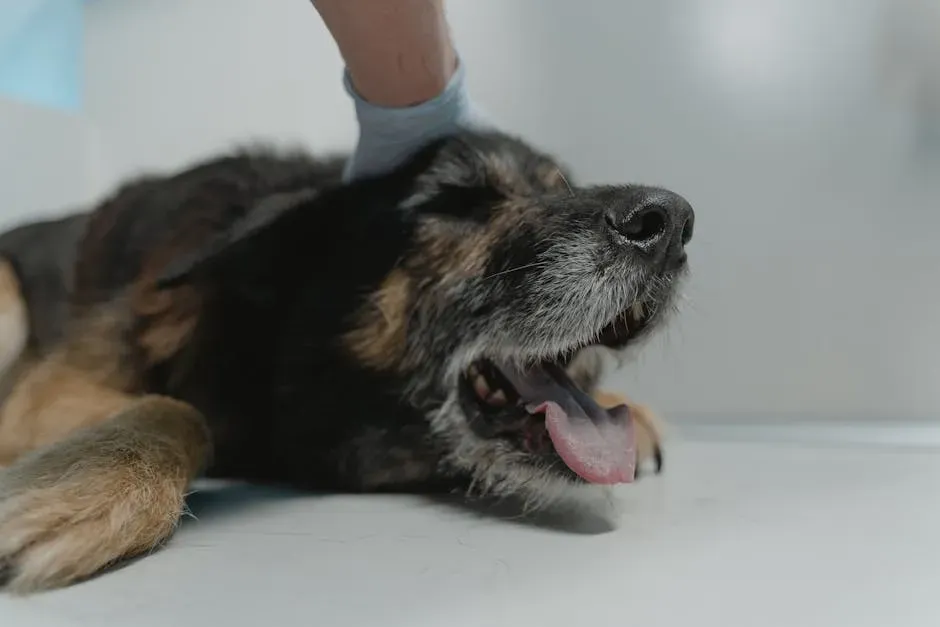
Veterinary neurologists note that staring can signal focal seizures or other brain activity changes. These episodes may last only seconds and leave the dog appearing confused afterward. Early recognition helps owners seek care before symptoms progress.
Conditions like vestibular disease affect balance and spatial awareness, sometimes causing fixed gazes. Regular checkups catch these issues when they first appear. Bloodwork and imaging often clarify whether the staring stems from something treatable.
Signs of Cognitive Changes in Older Dogs

Senior dogs sometimes develop canine cognitive dysfunction that alters how they process their surroundings. Disorientation shows up as staring at walls or pacing familiar spaces. Nighttime restlessness often accompanies these daytime moments.
Diet adjustments and mental stimulation can ease some symptoms for a while. Owners track changes in sleep or interaction to share with their vet. The shift feels gradual yet noticeable once patterns emerge over weeks or months.
Environmental Triggers That Might Go Unnoticed

Reflections from windows or lights can catch a dog’s eye in ways humans overlook. Drafts moving curtains or shadows from passing cars create motion worth watching. These everyday elements turn ordinary rooms into sources of interest.
New furniture or rearranged items might also prompt investigation through scent or sight. Keeping a simple log of when the staring happens helps connect it to specific triggers. Many cases resolve once the source becomes clear through observation.
Steps to Investigate the Behavior

Start by ruling out obvious medical concerns with a full veterinary exam. Note the duration, time of day, and any other body language that appears alongside the stare. Video clips shared with the clinic often speed up the assessment process.
Environmental checks come next, such as scanning for pests or testing for unusual sounds. Enrichment activities like puzzle toys redirect attention when the staring seems habitual. Consistent routines support overall well being during this exploration.
Embracing the Mystery of Canine Senses
Living with a dog means accepting that their world holds details we will never fully share. That wall staring moment becomes less puzzling once viewed as an extension of their natural gifts. It invites patience rather than immediate alarm in most situations.
Owners who stay observant build stronger bonds through these small windows into another perspective. The experience underscores how much remains hidden even in familiar spaces. Ultimately it deepens appreciation for the quiet ways pets navigate life alongside us.


