
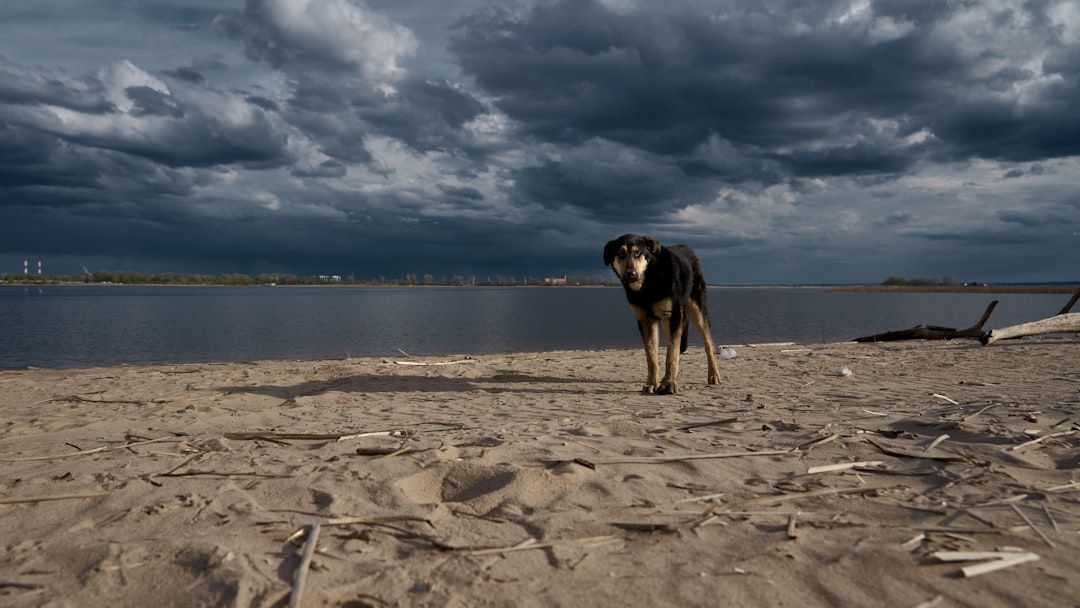
Dogs have long been known for their sharp senses, picking up on shifts in the environment long before humans notice anything unusual. Their behavior often changes in subtle ways when pressure drops or distant thunder rumbles, leaving many owners wondering what exactly their pets detect.
These reactions might hold clues that go beyond simple folklore. Exploring them could reveal patterns worth closer scientific attention.
Restless Pacing Through Rooms
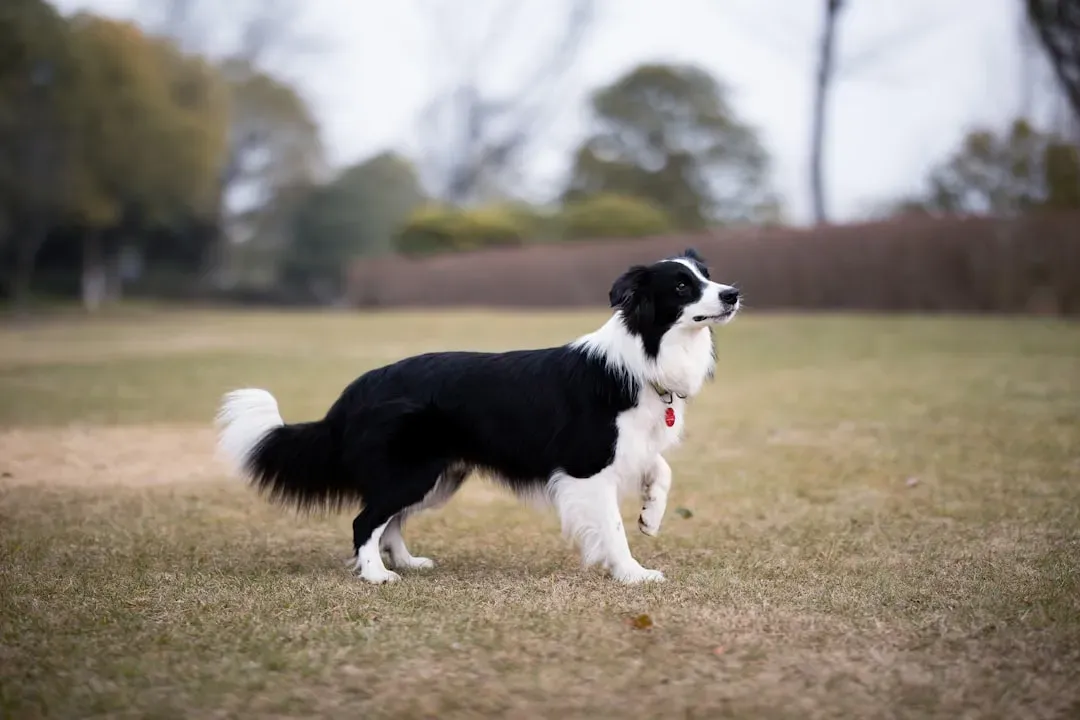
Many dogs begin circling from one room to another when a storm approaches. They move without settling, as if searching for the right spot to ride out whatever is coming. This activity often starts hours ahead of any visible signs in the sky.
Owners report the pacing intensifies as barometric pressure falls. The dog may check windows or doors repeatedly during these loops. Such movement stands out because it differs from normal play or exercise routines.
Persistent Whining or Low Growls
A dog might start vocalizing in soft whines or occasional growls even when nothing obvious disturbs the household. These sounds tend to come in bursts rather than constant noise. They often coincide with the first distant rumbles that humans cannot yet hear.
The vocalizations usually ease once the storm passes or the dog finds a secure corner. Some breeds seem more prone to this than others. The pattern suggests sensitivity to low frequency sounds traveling ahead of the weather front.
Seeking Out Small Enclosed Spaces
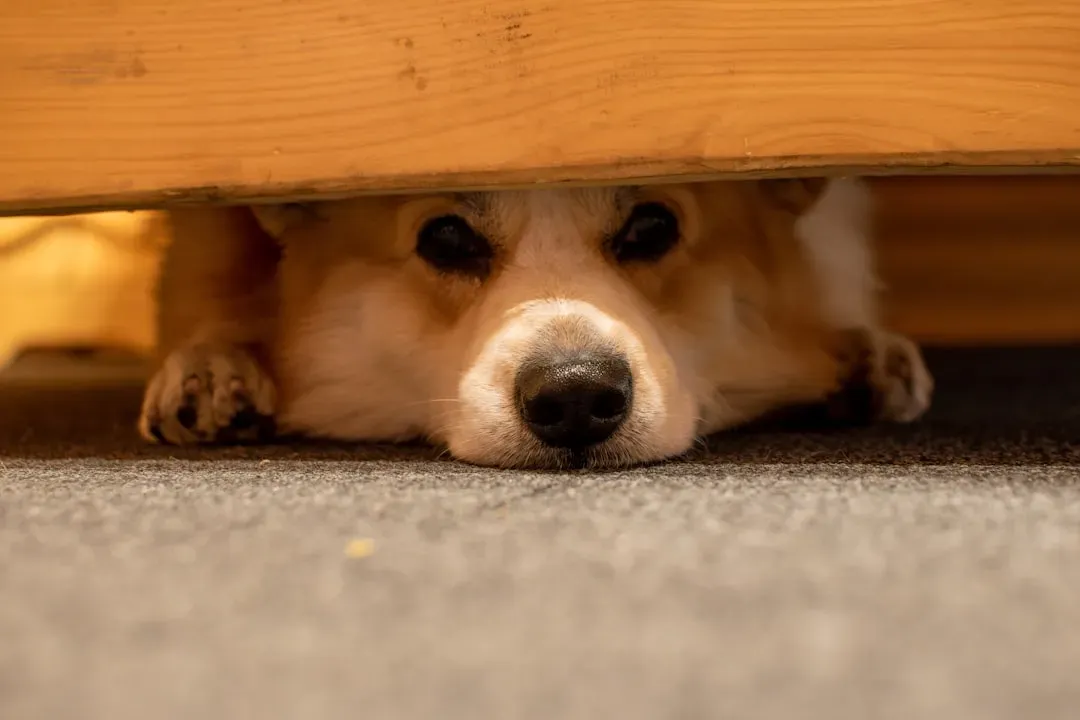
Dogs frequently retreat under beds, into closets, or behind furniture as conditions shift. They choose spots that feel protected from the outside world. This hiding behavior can appear well before rain begins to fall.
The choice of location often repeats across different storms for the same dog. It reflects an instinct to create a personal shelter. Watching these preferences might help identify reliable early indicators of atmospheric change.
Staying Close to Their Owner

Some dogs shadow their people more than usual, following from room to room without the usual independence. They press against legs or sit nearby for extended periods. This attachment increases as the air grows heavier.
The behavior provides comfort to both the dog and the owner in many cases. It differs from everyday affection because it lacks the playful elements. Meteorologists could note how consistently this occurs across households.
Ears Twitching or Suddenly Alert
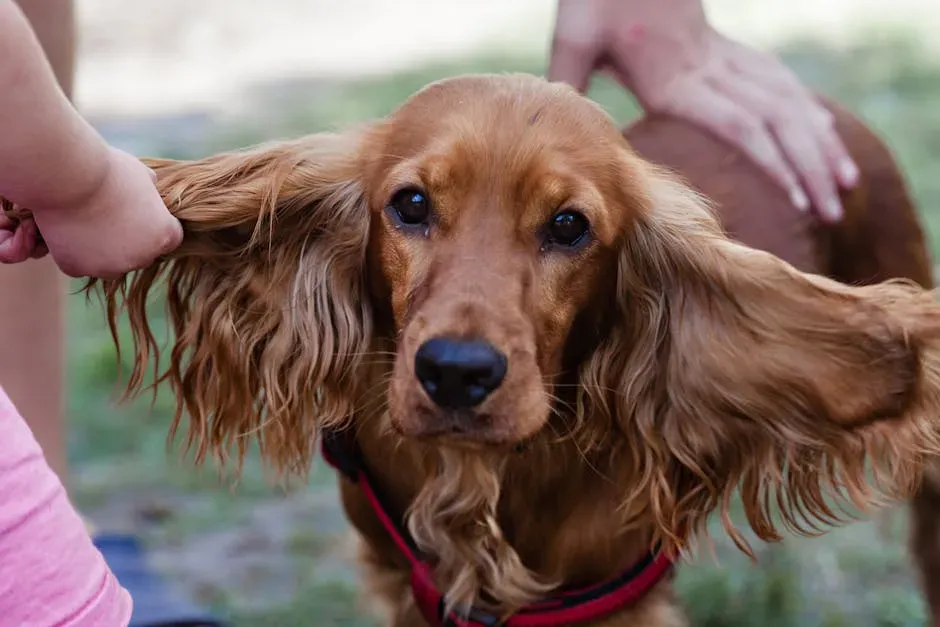
Ears that normally rest flat may perk up or flick rapidly without any visible trigger. The dog appears to listen intently to something far away. These movements often precede the first audible thunder by a noticeable margin.
The twitching can happen even indoors with windows closed. It points to detection of subtle vibrations or pressure changes. Recording these moments alongside weather data might uncover useful correlations.
Excessive Licking of Paws or Fur
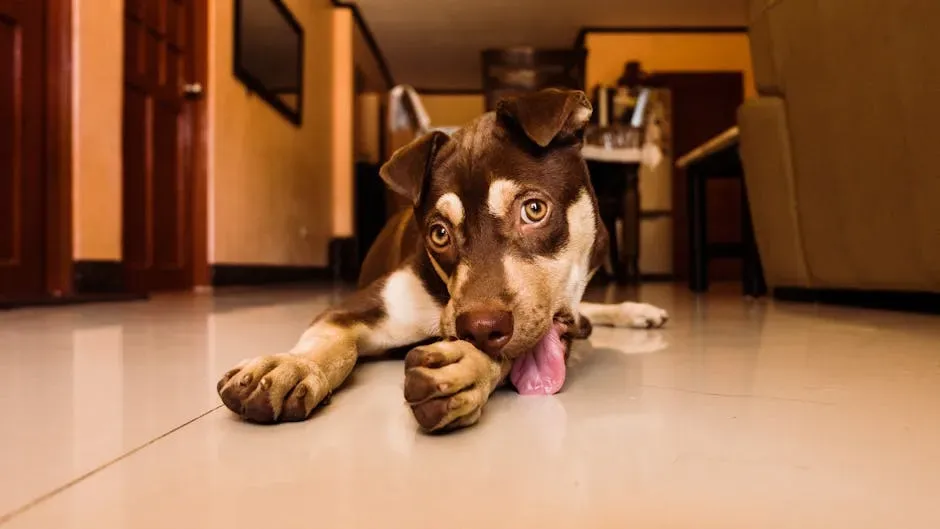
A dog may lick its paws or coat more than typical when a storm builds. The action seems calming yet repetitive. It usually stops once the weather stabilizes again.
This grooming spike stands apart from normal cleaning habits. It appears tied to rising anxiety levels rather than dirt or irritation. Patterns like this deserve attention for their potential link to environmental cues.
Loss of Interest in Food or Treats

Appetite can drop suddenly even for favorite snacks when pressure changes. The dog turns away from bowls that would normally empty quickly. This shift often reverses after the storm moves on.
Owners notice the timing aligns with other behavioral changes. It suggests the animal prioritizes alertness over eating. Such details add another layer to understanding pre storm responses.
Digging or Scratching at Floors
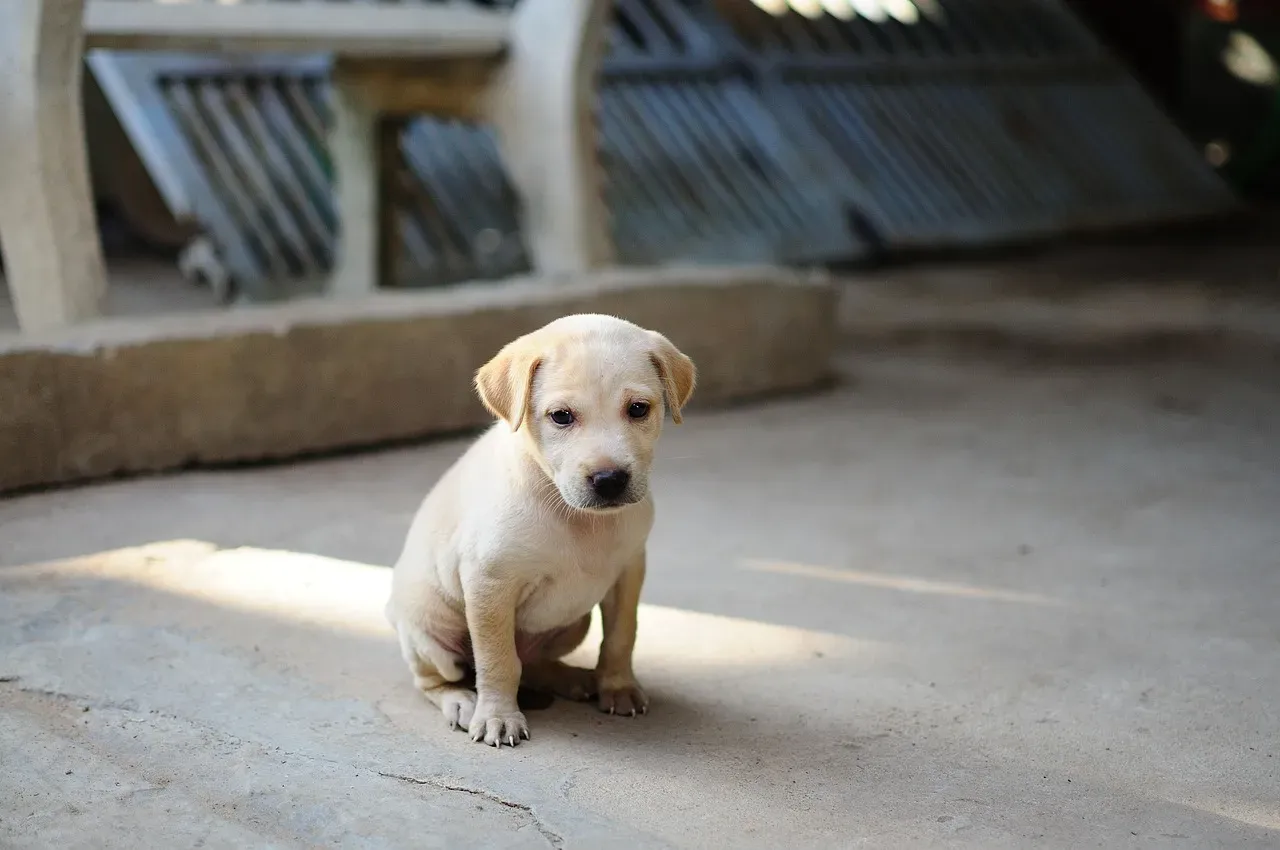
Some dogs scratch at carpets or dig at the ground near doors or windows. The motion looks purposeful rather than random play. It tends to occur in the hours leading up to heavy weather.
The activity may represent an attempt to create a burrow like space. It varies by individual but repeats in the same dogs. Tracking these actions could reveal consistent signals across different regions.
Unexplained Panting or Heavy Breathing
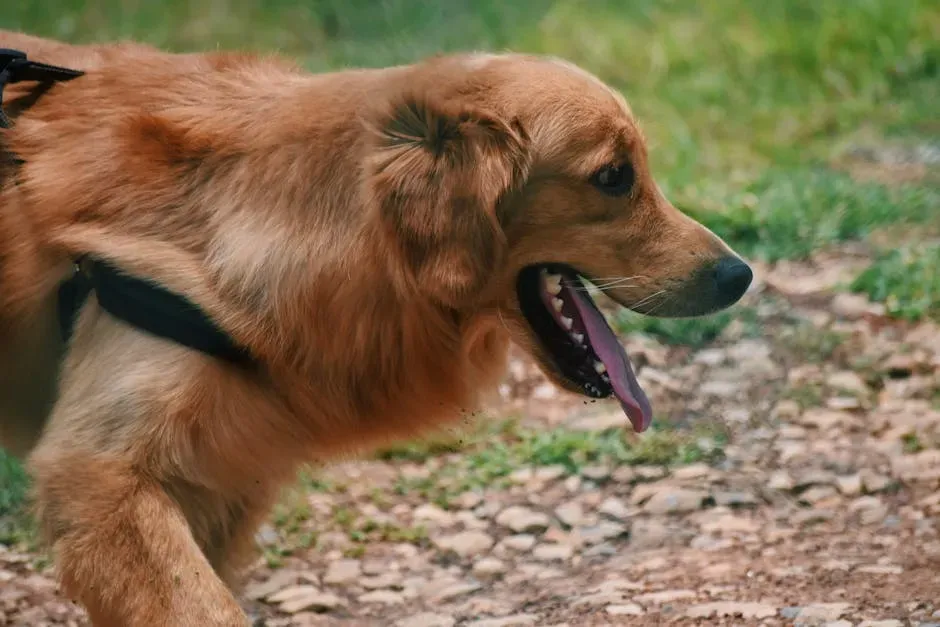
Panting without heat or exercise often signals rising tension before storms. The breathing quickens and then slows in cycles. It stands out because the dog shows no other signs of physical exertion.
This response appears linked to discomfort from pressure shifts. It usually fades once conditions settle. Observing it alongside other cues strengthens the case for deeper study.
Staring Fixedly at Windows or Doors
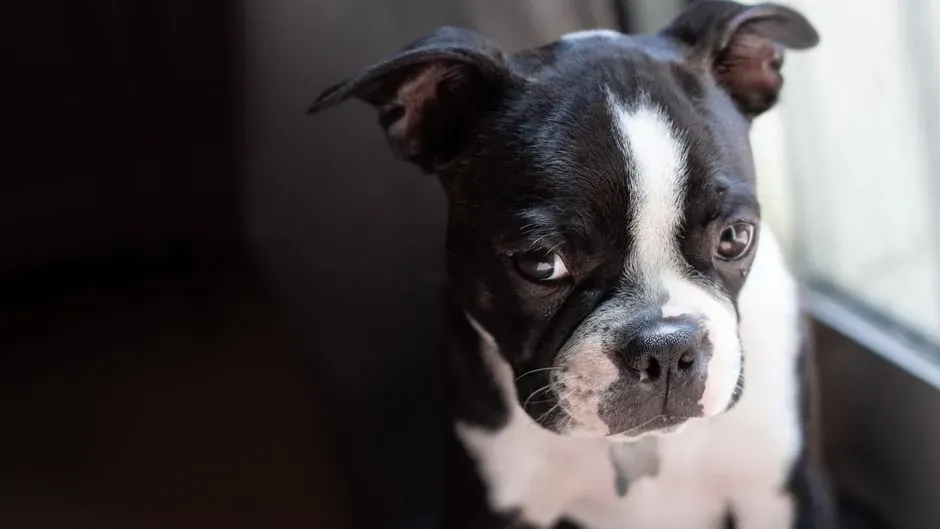
A dog may sit and gaze outward for long stretches when a front approaches. The stare lacks the usual curiosity of watching squirrels or passersby. It focuses instead on the horizon or sky.
The behavior can last several minutes at a time. It often pairs with other signs like ear movements. These quiet moments might offer simple visual markers for weather monitoring.
Seeking Extra Physical Contact or Cuddles

Many dogs press closer for pets or lean against family members more than usual. The contact seems to ease their unease. It becomes noticeable when other storm signs remain absent.
This need for reassurance varies by personality yet follows a clear timeline in affected dogs. It provides a direct way for owners to notice early changes. Exploring these interactions could bridge everyday observation with scientific interest.
Dogs already serve as sensitive companions in daily life. Paying closer attention to their storm related habits might open new avenues for understanding atmospheric shifts. Their responses deserve thoughtful examination rather than dismissal as mere quirks.


