
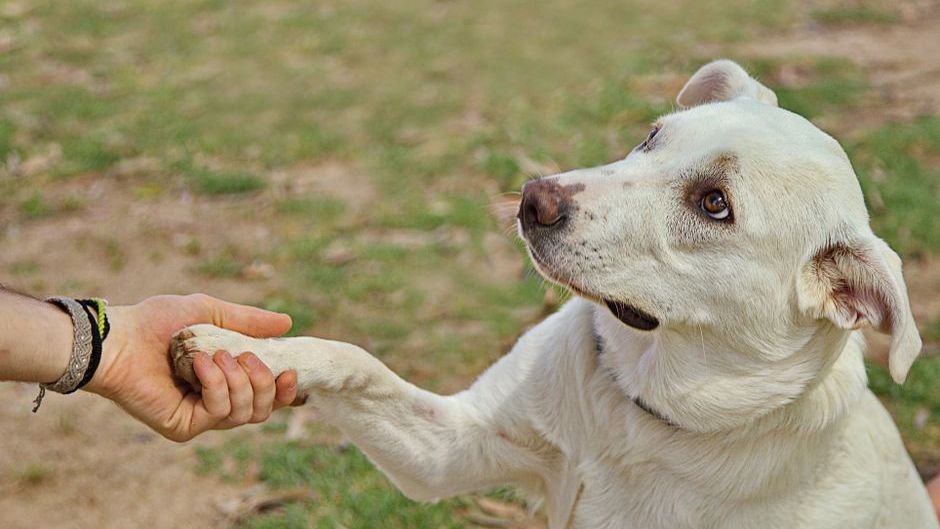
Most dog owners have felt that insistent tap on the leg or the gentle scrape of a paw across their knee. It happens at the most random moments, whether you are trying to work or simply relax on the couch. What if that gesture is not about control at all, but something far simpler and more heartfelt?
Recent insights from canine behavior studies point to pawing as a bid for closeness rather than an attempt to assert rank. This shift in understanding opens up new ways to respond to our pets and deepens the daily interactions we already share. The difference in interpretation can change everything about how a household feels.
The Everyday Language of a Paw
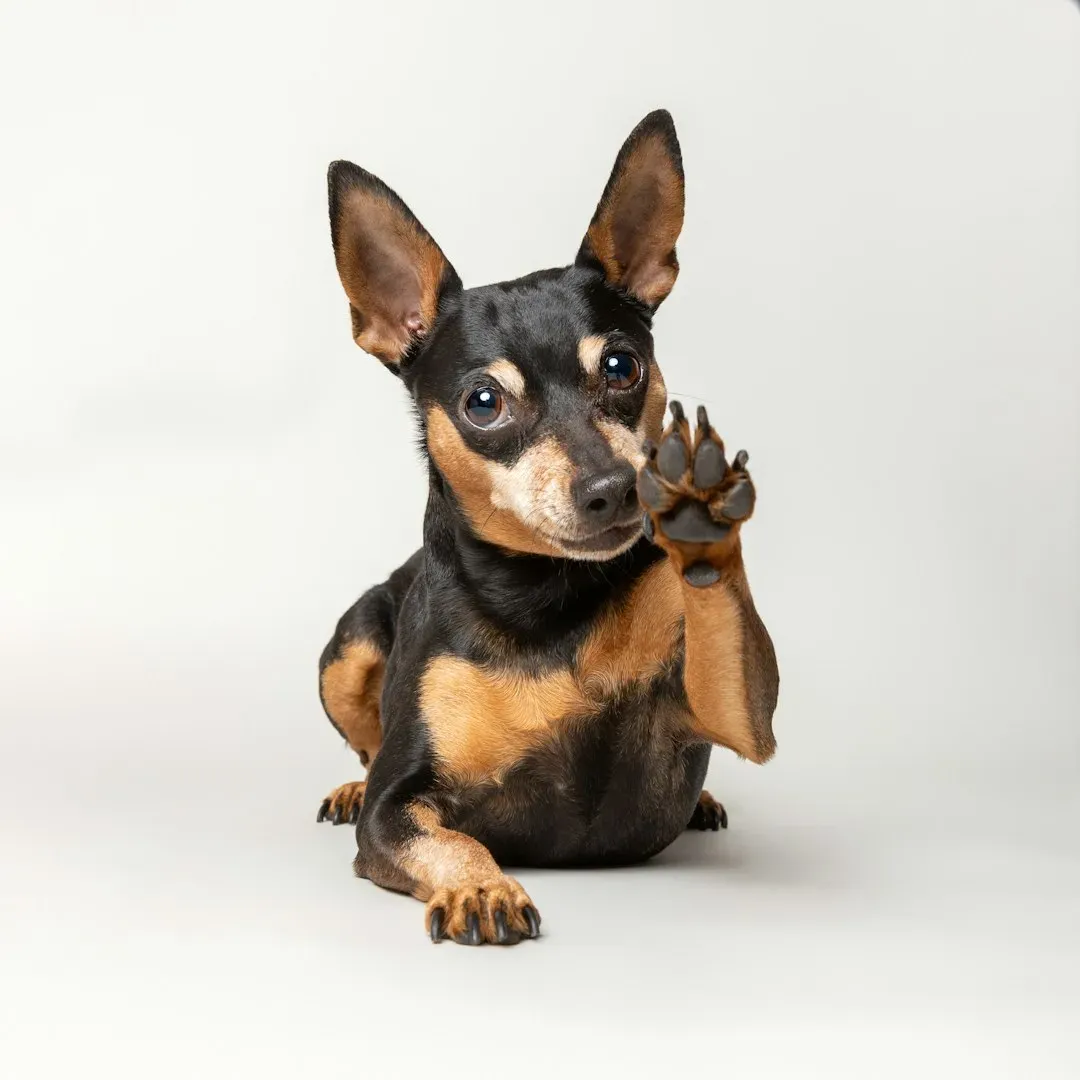
Dogs use their paws much like humans use hands, reaching out to bridge the space between themselves and the people they care about. A quick tap often follows eye contact or a soft whine, signaling a desire to join whatever activity is happening. Observers note that this motion appears most frequently when the dog has been left alone for a stretch or senses a shift in household energy.
Over time, the pattern becomes clear. The paw arrives not as a command but as an invitation to reconnect. It carries the same intent as a child tugging at a sleeve for attention, simple and direct.
Why Connection Matters More Than Control
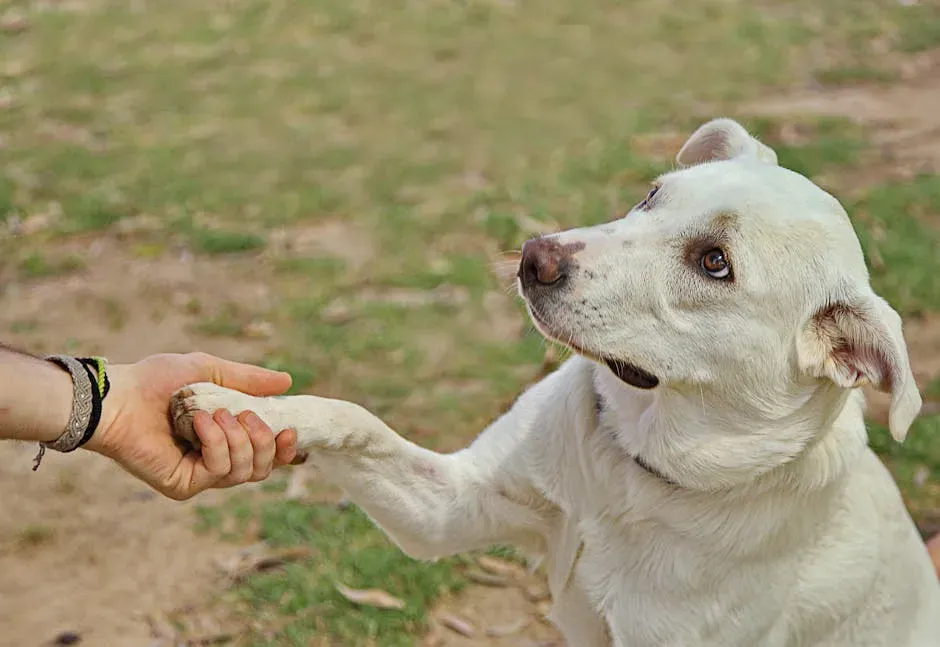
Traditional views once framed pawing as a dominance play, yet closer observation reveals it rarely escalates into pushy or aggressive sequences. Instead, the behavior tends to stop once the person offers a brief touch or word of acknowledgment. This quick resolution suggests the goal is reassurance rather than victory.
Many trainers now track how dogs adjust their pawing based on the human response. When met with warmth, the gesture repeats in friendly contexts. When ignored, it may fade or shift to another signal altogether, showing flexibility rather than insistence on status.
Breed Tendencies and Individual Quirks
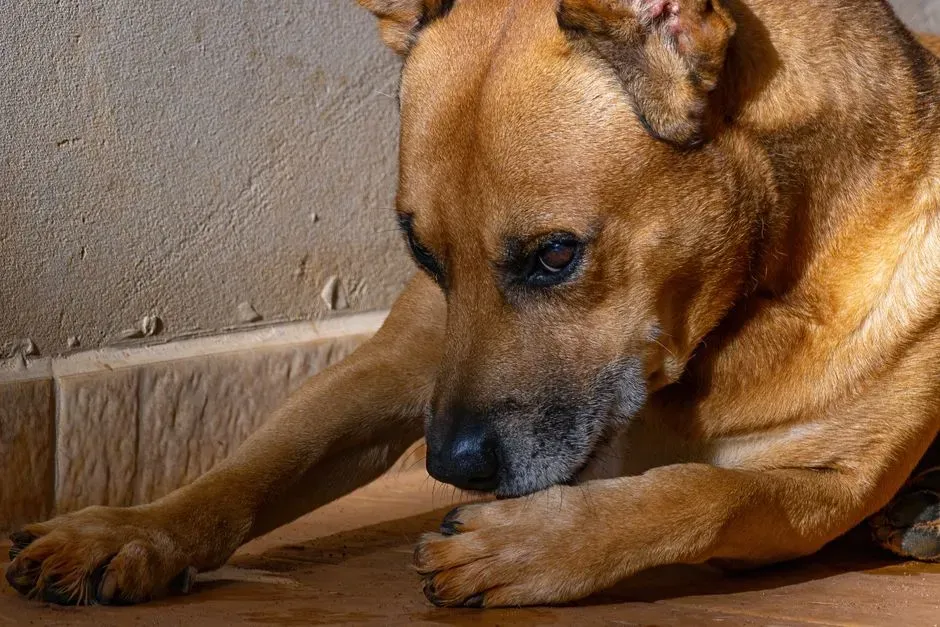
Some breeds lean into pawing more than others because of their working heritage or social drive. Retrievers and herding dogs often develop the habit early as part of their cooperative nature. Yet even within the same litter, one puppy may paw constantly while another prefers vocal cues or leaning.
Age and past experiences also shape the habit. Rescue dogs sometimes paw more after periods of uncertainty, using the motion to test whether affection remains available. The variation reminds owners that each dog carries its own history into every interaction.
Reading the Full Picture Around the Paw
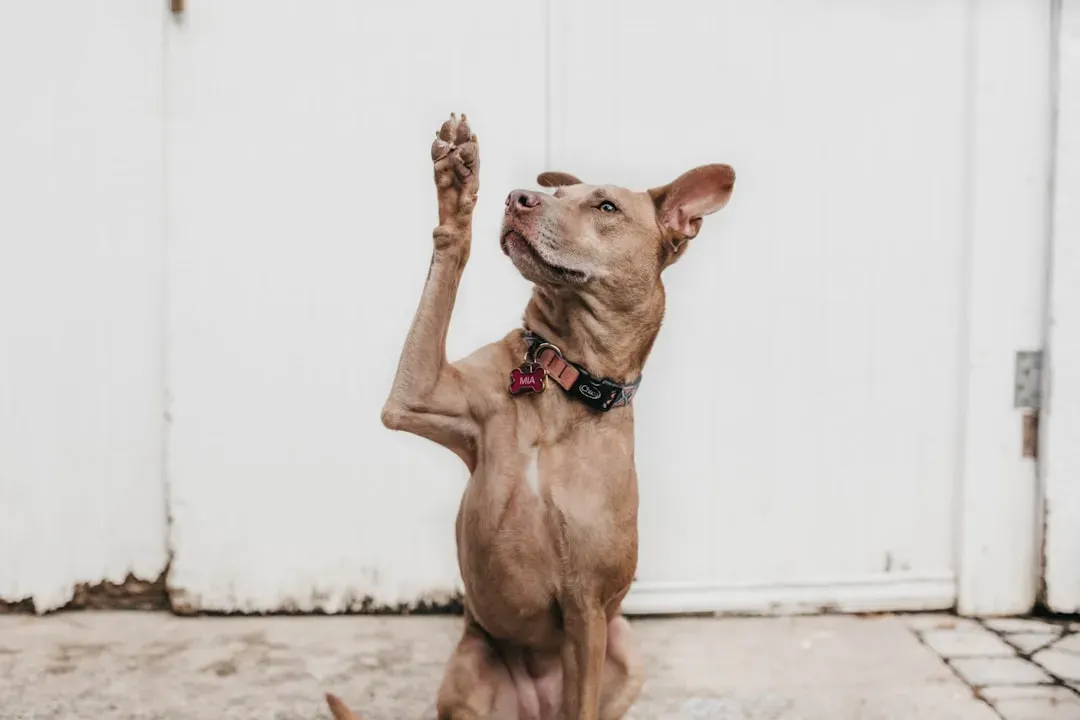
Context changes everything when interpreting a paw. A dog that paws during play looks relaxed, with loose body language and a wagging tail. The same motion during a thunderstorm may carry tension in the shoulders and ears pinned back, pointing to a need for comfort rather than play.
Owners who pause to notice these surrounding signals avoid misreading the moment. A single paw can mean several things depending on time of day, recent events, and the dog’s overall posture. Paying attention to the whole scene prevents unnecessary corrections.
Practical Ways to Answer the Request
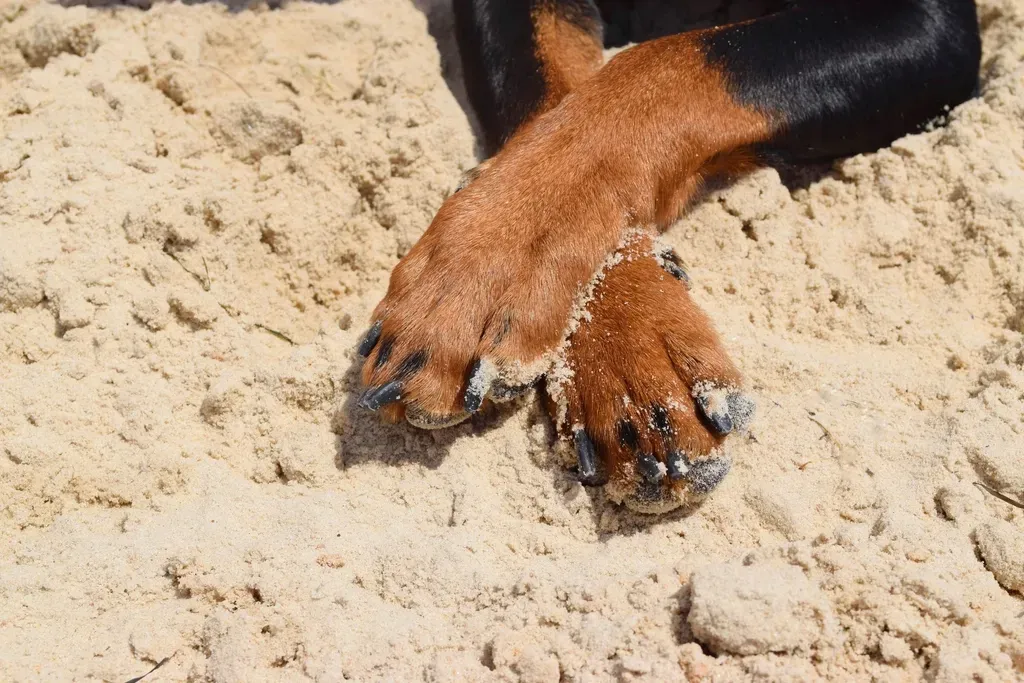
Responding to pawing with a short pet or calm word often satisfies the need without reinforcing excess. Some households set aside a few minutes each evening for focused interaction so the dog feels connected before the paw even appears. This proactive approach reduces random interruptions during focused tasks.
Consistency helps the dog learn which moments call for patience. When the paw arrives at an inconvenient time, a gentle redirect to a toy or mat keeps the bond intact while protecting boundaries. The key lies in meeting the underlying need without creating new habits.
Common Myths That Cloud the Signal
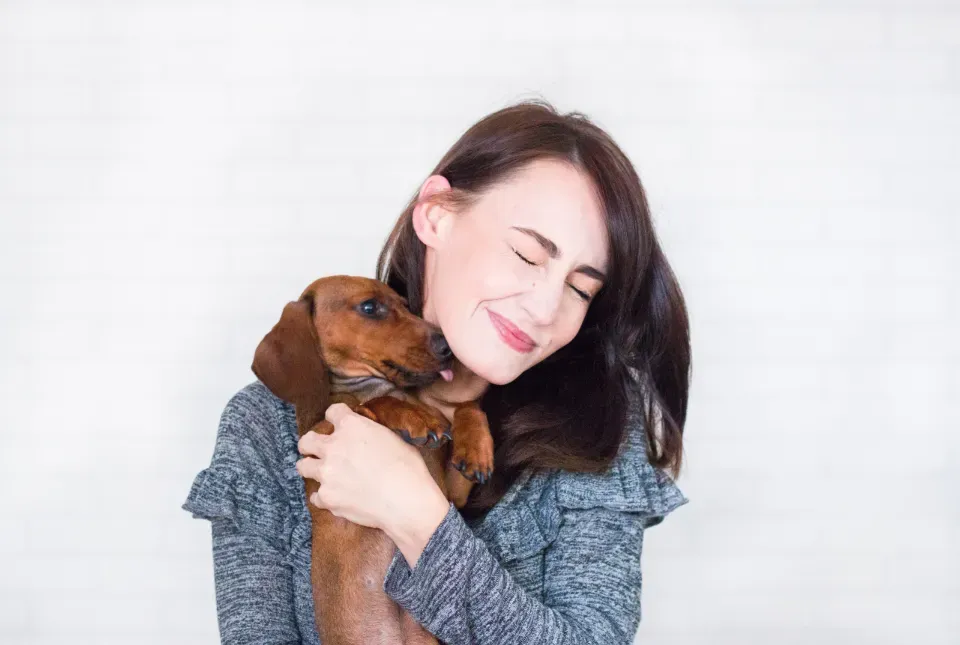
Many people still assume any physical contact from a dog equals a challenge for leadership. Yet repeated studies show that most household dogs seek proximity and affection far more often than they test rank. The myth persists because early training literature emphasized hierarchy over emotional needs.
Shifting away from that old framework allows owners to enjoy the paw as a positive sign of trust. Dogs that feel secure enough to reach out tend to show other relaxed behaviors throughout the day. The change in perspective often improves the entire relationship.
Choosing Connection Over Correction
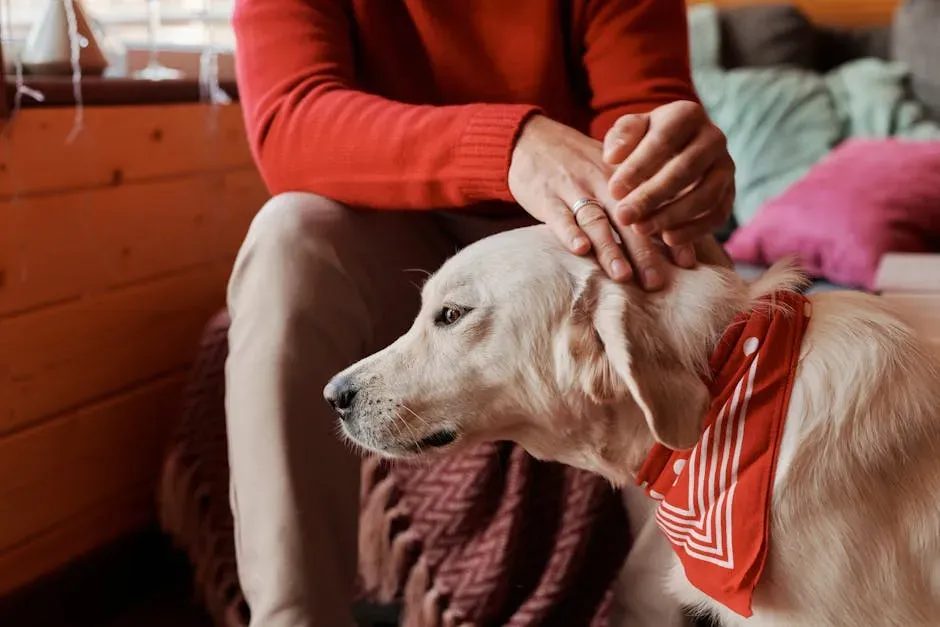
Viewing pawing as a request for closeness invites a gentler daily rhythm in any home with dogs. It encourages small adjustments that honor the animal’s social nature instead of treating every touch as a test of authority. Over months, these small shifts add up to calmer households and more confident pets.
In the end, the paw becomes one more thread in the fabric of companionship rather than a behavior to manage. Owners who lean into that understanding often discover their dogs offer the same steady presence in return. That quiet exchange feels like the real reward.


