
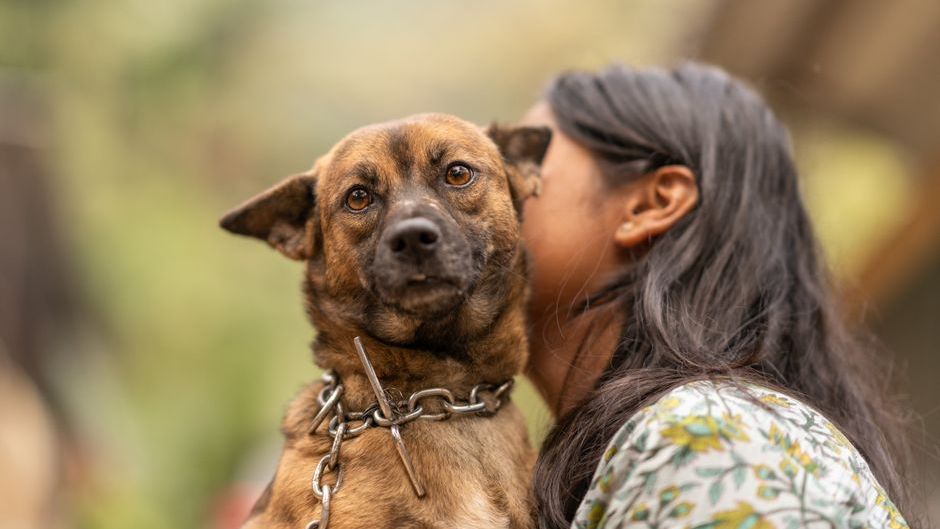
People who live with anxiety often worry that their inner restlessness might unsettle the dogs they love. Yet certain habits that come naturally during anxious times can end up creating a sense of security for the animal instead.
The connection runs deeper than many expect, turning everyday coping patterns into quiet sources of reassurance for a dog.
Sticking to a Steady Routine
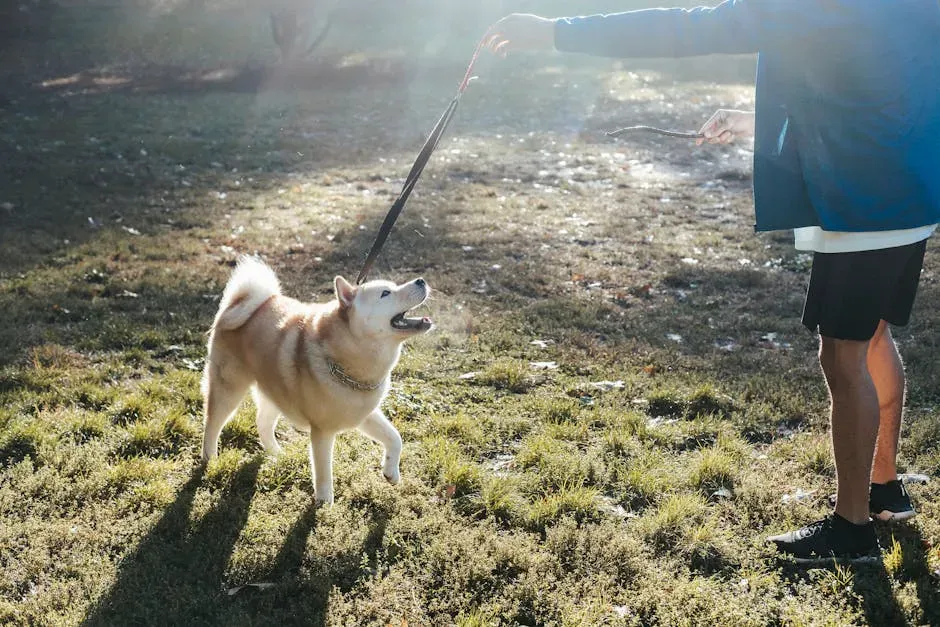
Dogs thrive when they know what comes next in their day. Anxious owners frequently build strict schedules around meals, walks, and rest to manage their own stress levels. This consistency gives the dog clear signals about when to expect activity or calm.
Over time the animal learns to relax into the pattern. Predictable timing reduces uncertainty that might otherwise trigger restlessness or pacing. The result is a household where both human and dog move through the hours with less friction.
Practicing Gentle and Rhythmic Touch
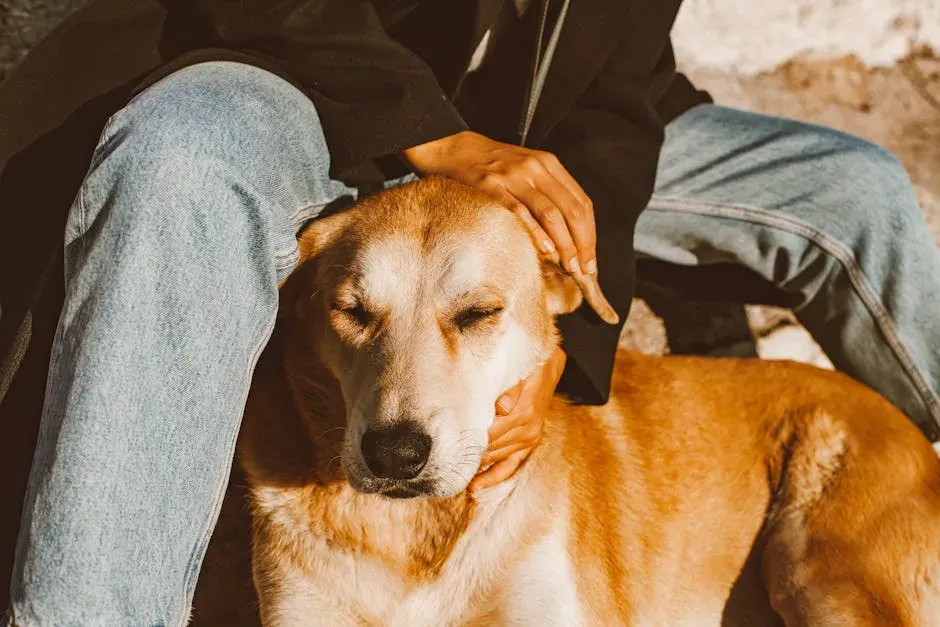
Many people with anxiety turn to slow stroking or repeated petting as a way to ground themselves. Dogs often respond positively to this steady, low pressure contact because it mimics the calming grooming behaviors they experience in packs. The rhythm helps lower heart rates on both sides of the interaction.
Unlike quick or erratic movements, these motions avoid startling the animal. The dog learns to associate the touch with safety rather than excitement or tension. Sessions that last just a few minutes can become mutual reset points during the day.
Creating Calm and Quiet Spaces
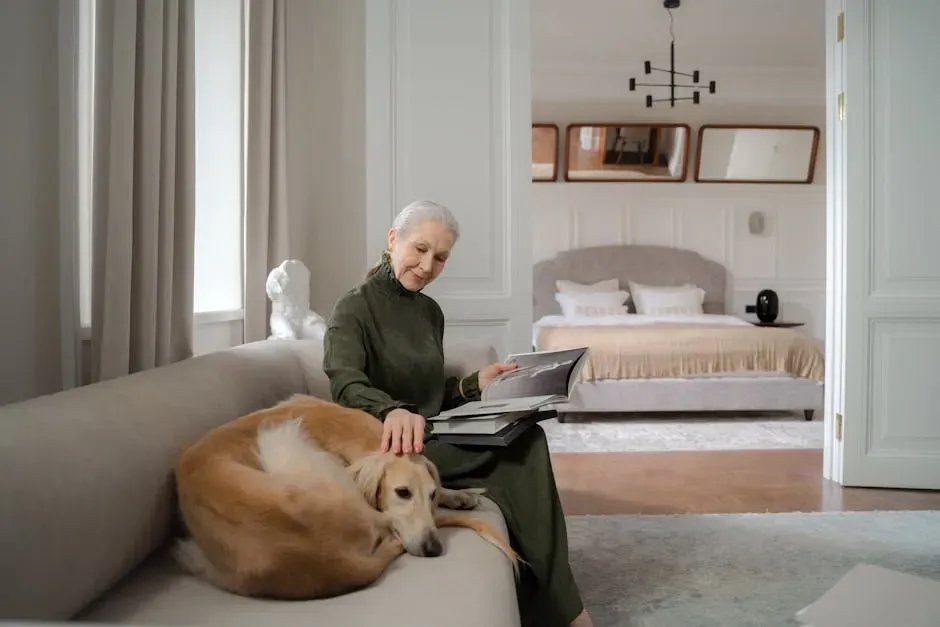
Anxiety sometimes leads people to dim lights, reduce noise, and keep environments uncluttered. Dogs appreciate these low stimulation zones because they limit sudden sounds or visual distractions that can heighten alertness. A designated quiet corner or room becomes a shared refuge.
The animal quickly recognizes the space as one where nothing alarming happens. Owners who naturally gravitate toward stillness end up modeling relaxed behavior that the dog mirrors. This setup supports longer periods of rest for everyone involved.
Taking Slow and Mindful Walks
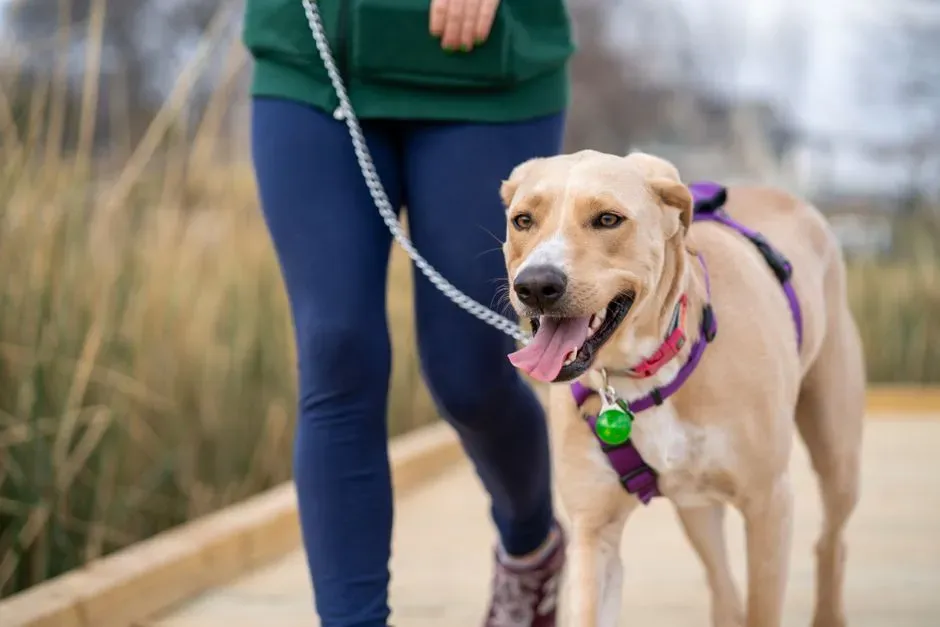
Short, unhurried outings replace high energy exercise when anxiety makes intense activity feel overwhelming. Dogs enjoy the chance to sniff and explore at their own pace without pressure to cover ground quickly. The measured tempo keeps the experience pleasant rather than demanding.
Owners who pause often to breathe or observe surroundings teach the dog that walks do not always require constant forward motion. This approach builds confidence in the animal during outdoor time. Both parties return home feeling steadier than when they left.
Offering Quiet Companionship
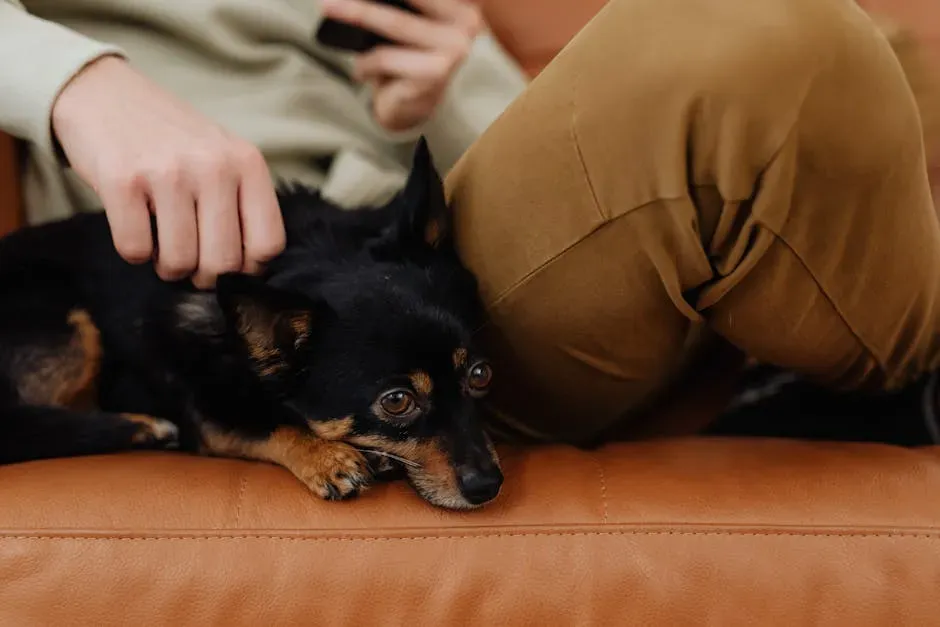
Sitting nearby without constant talking or touching comes easily to some anxious individuals. Dogs interpret this calm presence as a sign that all is well in their immediate world. The lack of forced interaction allows the animal to choose closeness on its own terms.
Over repeated instances the dog associates the owner with safety and nonthreatening company. This form of togetherness strengthens trust without adding stimulation. It creates a foundation where the dog feels secure even during periods of human stillness.
Using Soft and Soothing Voices
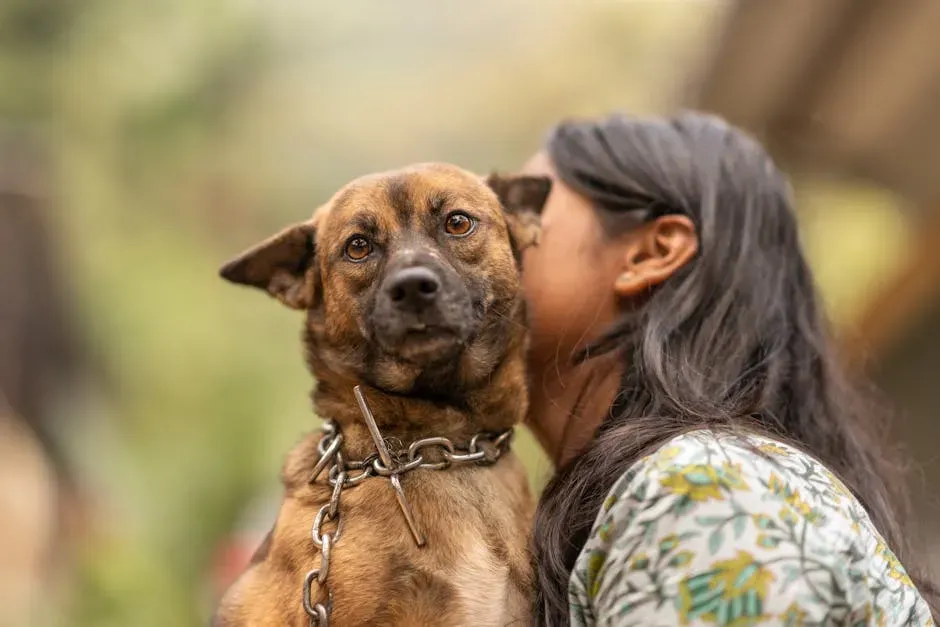
Lowered tones and measured speech patterns often emerge when someone manages anxiety through self talk or gentle self soothing. Dogs respond well to these quieter vocalizations because they avoid the sharp pitch changes that signal alarm. The sound becomes a steady background that signals normalcy.
Repetitive phrases or humming can further reinforce a sense of continuity for the animal. The dog learns to link the voice with predictable, nonthreatening moments. This habit turns everyday speech into an additional layer of reassurance during daily routines.
Sharing Moments of Stillness
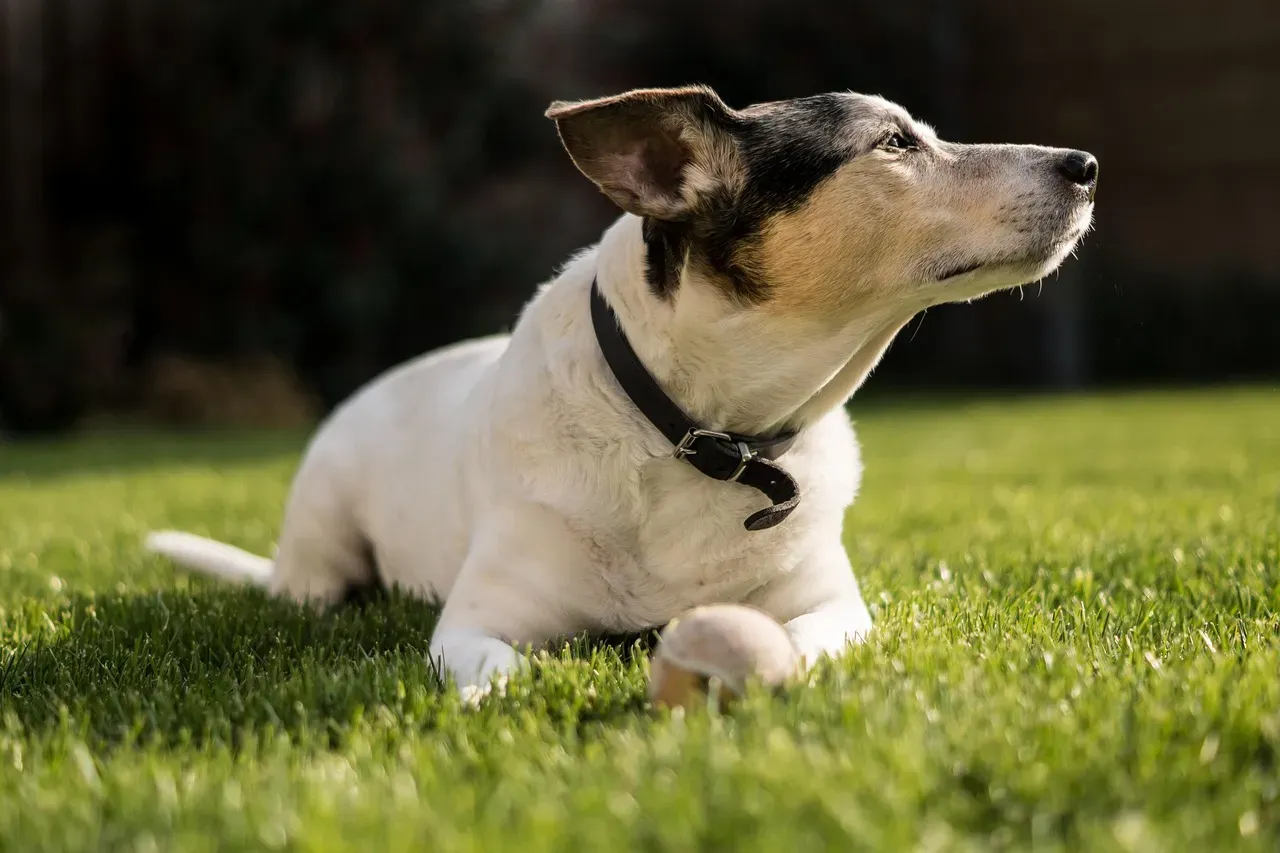
Pausing together without agenda happens naturally when anxiety prompts breaks from stimulation. Dogs value these intervals because they allow full relaxation without expectation of play or movement. The shared quiet teaches the animal that downtime is acceptable and safe.
Owners who embrace these pauses model a pace that matches the dog natural need for rest. The practice deepens the bond through simple coexistence rather than constant engagement. Both end up benefiting from the mutual permission to simply be.
These patterns show how anxiety driven habits can quietly support a dog sense of security. The relationship benefits when owners notice which of their own coping methods already align with what the animal needs most. Small shifts in awareness often deepen the comfort both sides experience over time.


