
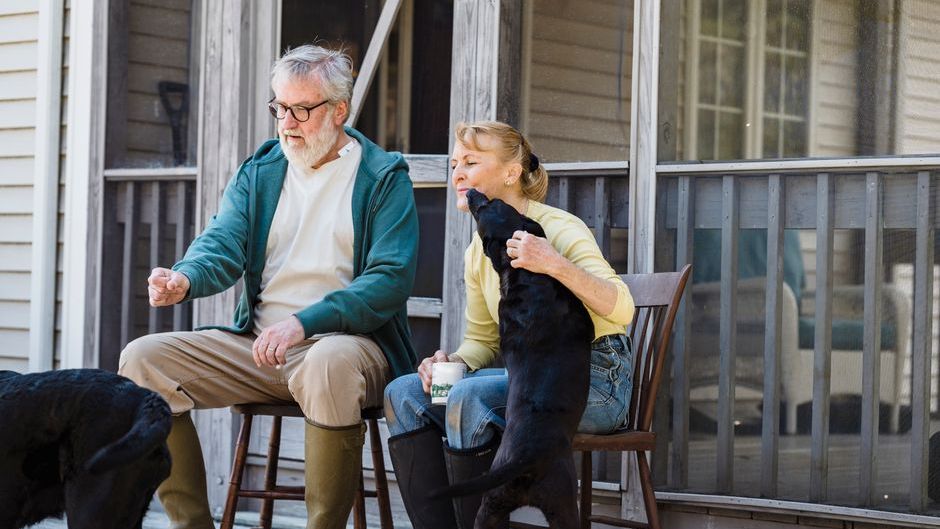
They Shadow Your Every Move
Dogs often become more attentive when their owner feels off. They trail behind from room to room, pausing whenever you stop. This close following stems from their ability to notice small shifts in your scent and movement patterns.
Over time the behavior feels almost protective. The dog may settle nearby even during short rests. Owners sometimes describe it as the pet checking in without making a fuss.
Intense Sniffing Focuses on Specific Spots
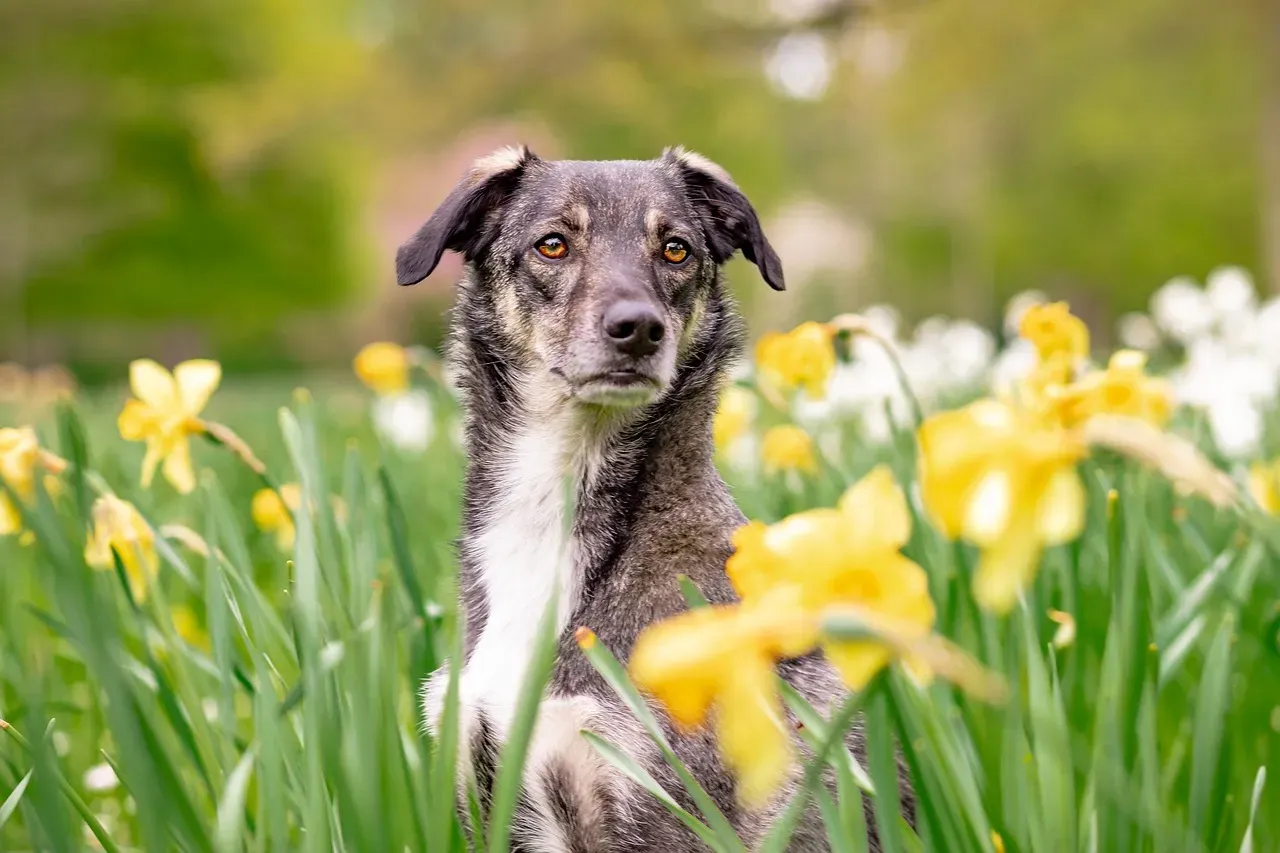
A dog might linger longer than usual around your hands, breath, or certain joints. The sniffing grows deliberate rather than casual. Changes in body chemistry give off new odors that draw their attention.
This targeted investigation happens quietly during everyday moments. It rarely involves aggression or fear. Instead it reads as simple curiosity mixed with concern.
Soft Whining or Gentle Vocalizations Increase
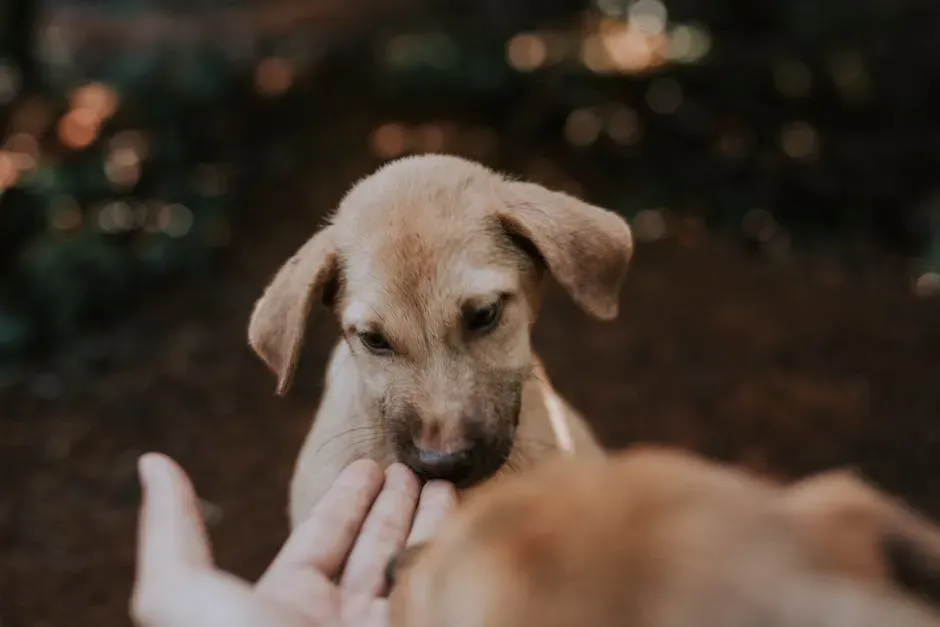
Low whines or sighs appear at times when you rest or move slowly. The sounds stay subdued rather than loud or demanding. They often coincide with moments when your energy dips.
The vocalizations serve as a gentle nudge rather than an alarm. Many owners notice the pattern repeats on days when symptoms feel stronger. It creates a quiet dialogue between pet and person.
They Offer Comfort Items Without Prompting
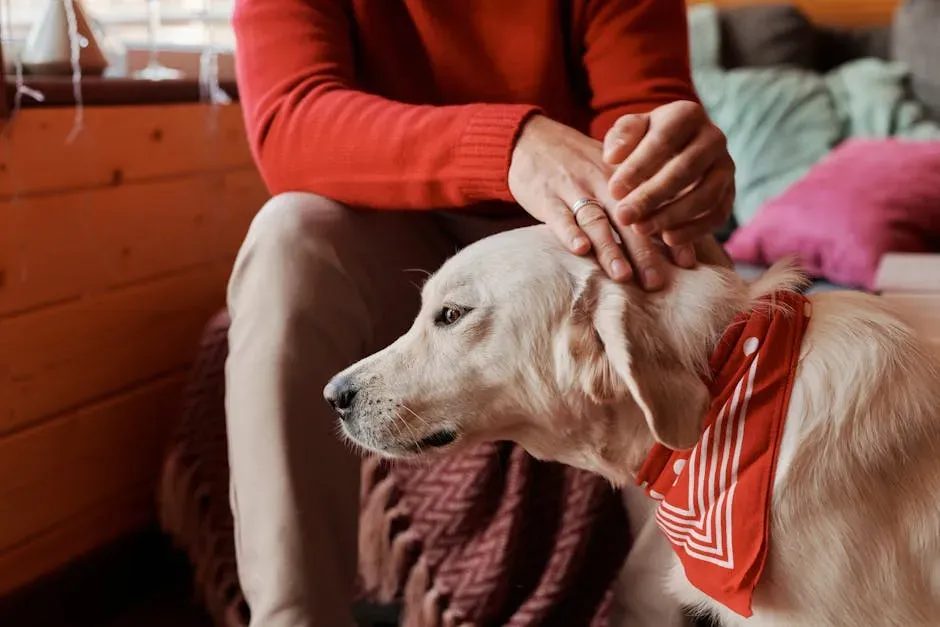
A favorite toy or blanket sometimes appears at your feet during low energy periods. The dog carries it over and leaves it nearby. This gesture reflects an attempt to provide familiar comfort.
The action repeats across different days rather than as a one time event. It shows the pet has connected your state with a need for calm. Such small offerings build a sense of partnership over time.
Play Sessions Shorten or Shift in Tone
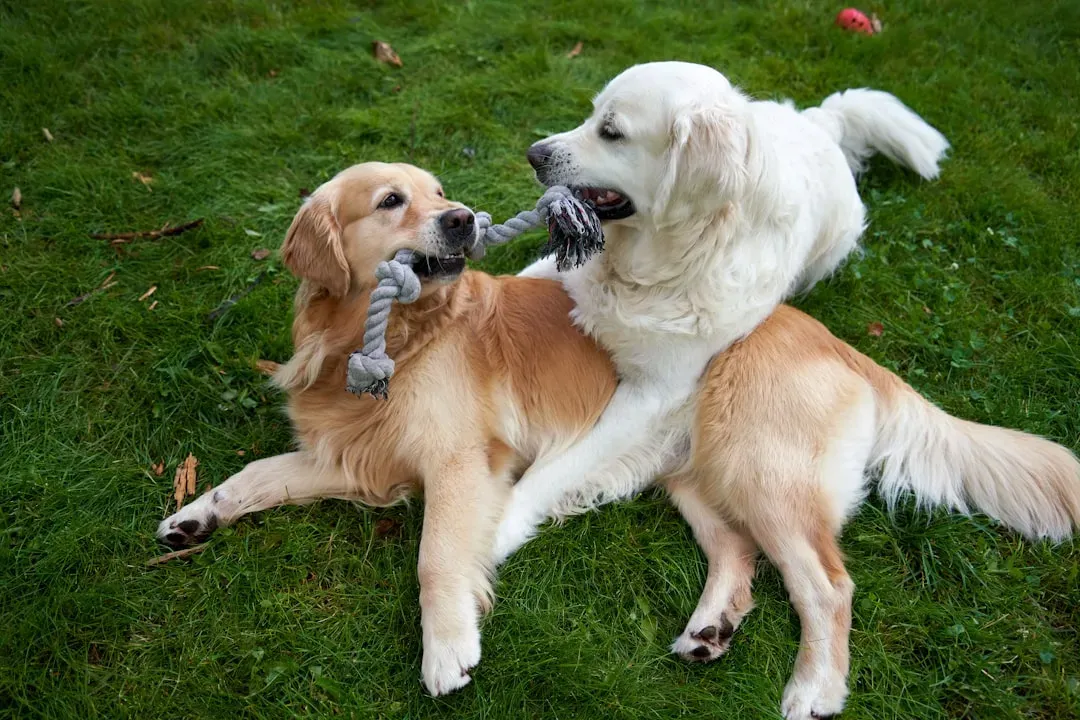
Enthusiasm for games drops when your movement slows. The dog may bring the ball once or twice then settle instead of pushing for more. This adjustment mirrors your own reduced pace.
Fetch or tug of war turns gentler rather than disappearing entirely. The pet still engages but watches your responses closely. The change feels thoughtful instead of random.
Extra Licking Targets Hands or Face
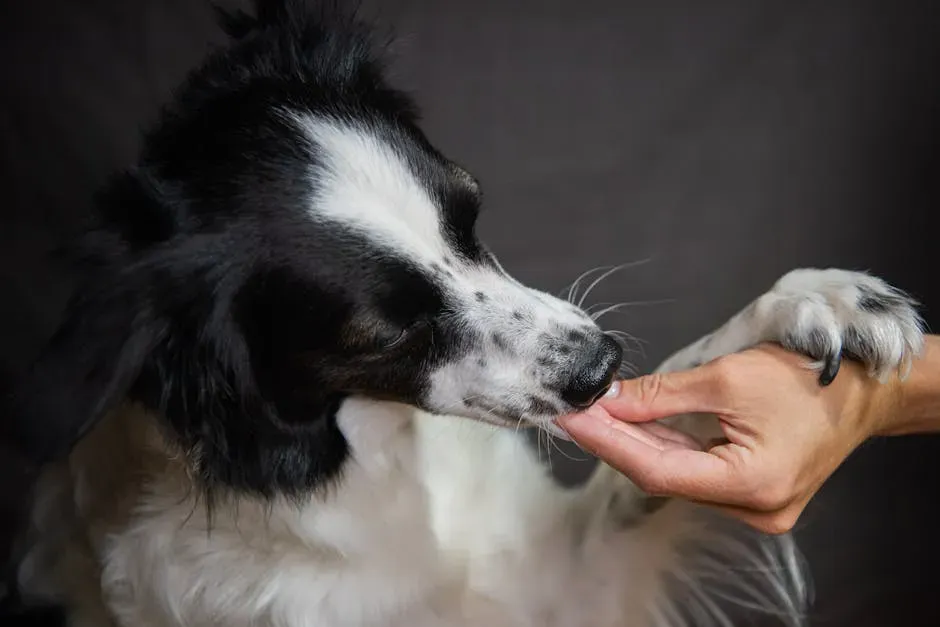
Licking increases around areas where scent changes are strongest. The behavior stays calm and repetitive rather than excited. It often occurs during quiet evening hours or after naps.
Owners report the licking feels soothing rather than bothersome. It may serve as both investigation and reassurance. The pattern tends to ease once daily routines return to normal.
Protective Alertness Rises Around Strangers
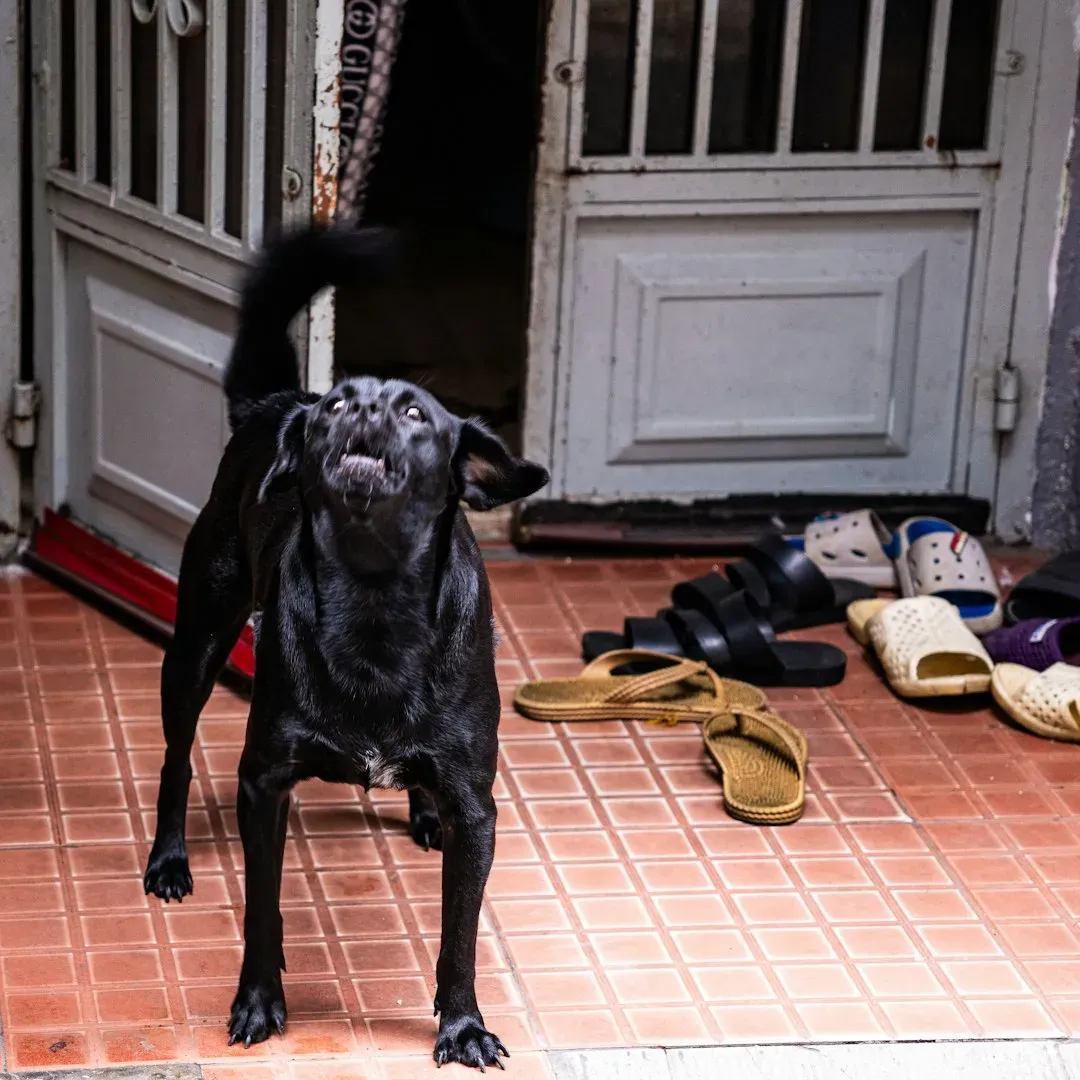
Barking or positioning between you and visitors happens more readily. The dog stays closer during appointments or family gatherings. Heightened watchfulness ties directly to sensing vulnerability.
This protectiveness rarely turns aggressive. It shows as steady presence and quick glances toward you. The shift reassures many owners that their companion remains tuned in to their well being.
The bond between an older adult and a dog runs deeper than simple companionship. Paying attention to these quiet signals can strengthen that connection and encourage earlier conversations with a doctor. In the end the real value lies in the mutual care that grows from noticing each other.


