
Dogs often pick up on shifts in their owner’s mood long before anyone else notices. Their steady presence during tough stretches has left a mark on many people who later shared how that connection mattered.
Stories surface again and again about certain breeds stepping in at critical moments. The details vary, yet the theme of quiet loyalty runs through them.
Labrador Retriever
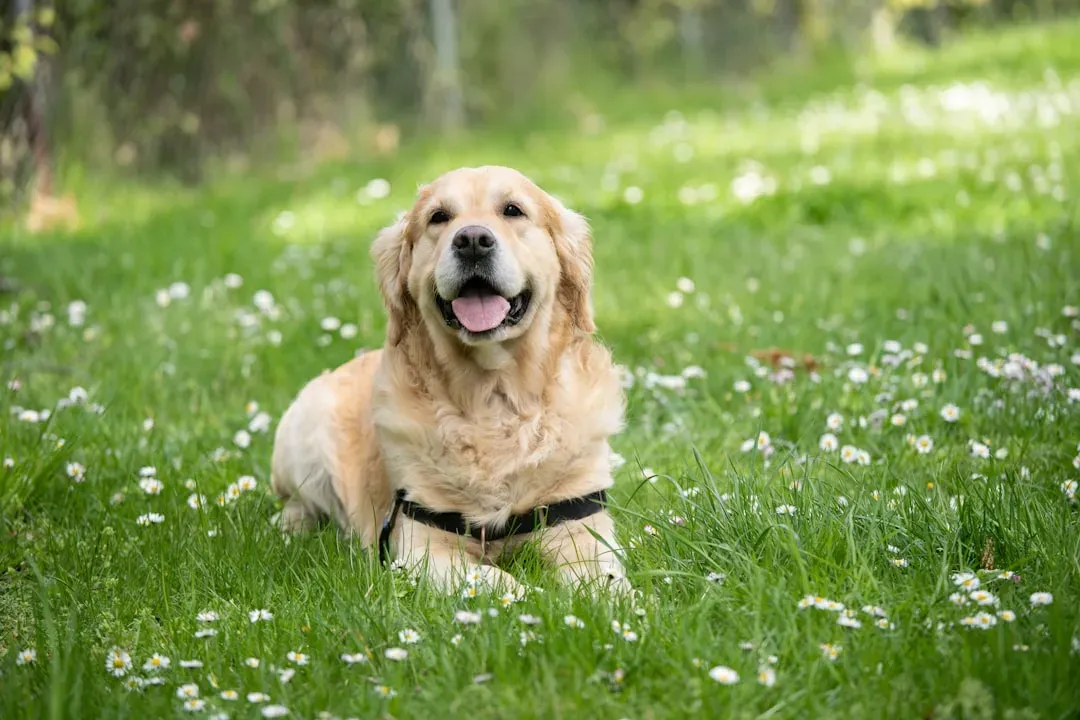
Labradors bring an easygoing energy that fits into daily routines without much fuss. They tend to stay close when someone pulls back from the world, offering a warm nudge or a patient sit that breaks the isolation.
Survivors have described how these dogs kept showing up with the same enthusiasm even on the hardest days. That consistency helped create small reasons to get out of bed or step outside for a walk. Over time the simple act of caring for the dog became a thread to hold onto.
Golden Retriever
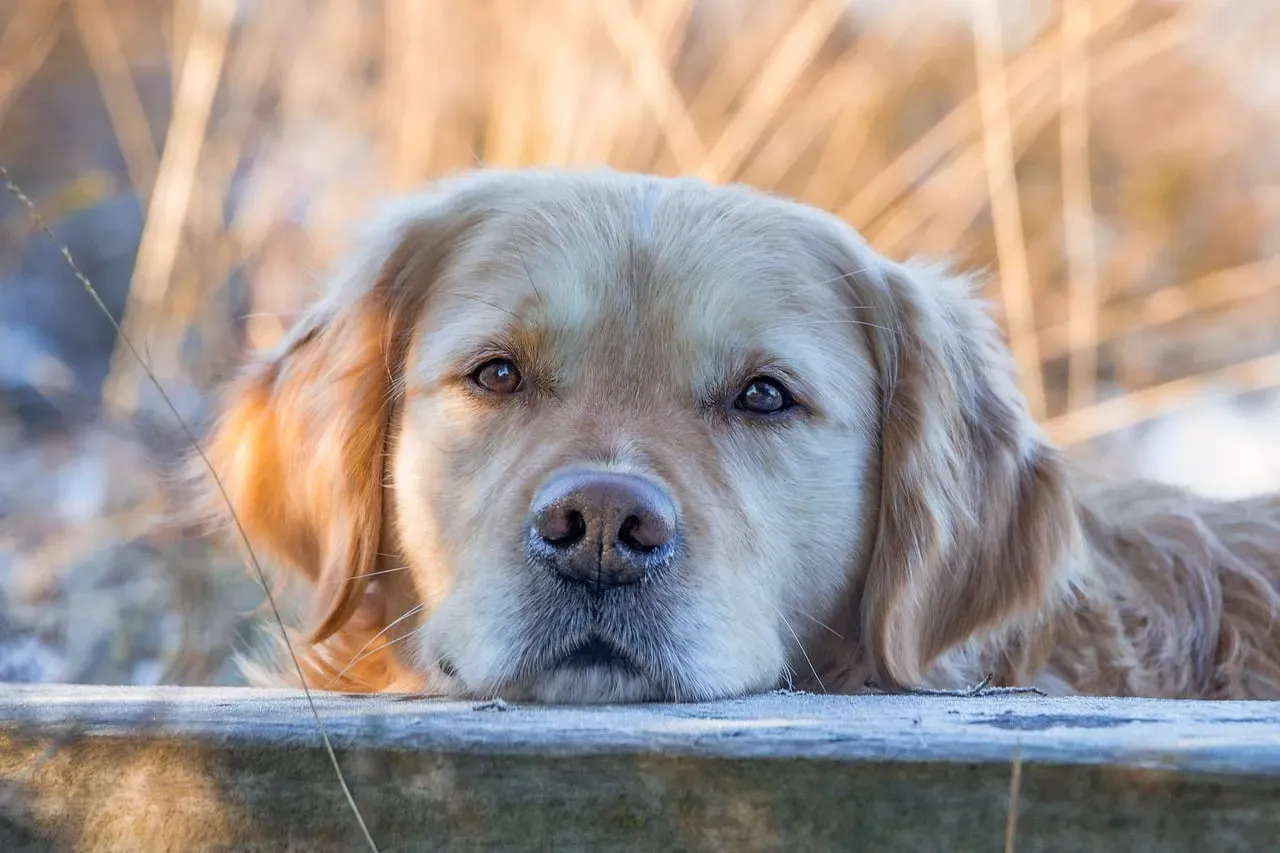
Goldens carry a gentle attentiveness that feels almost intuitive. They often mirror calm behavior when tension rises, settling nearby with a soft gaze that invites quiet company rather than demands.
People who have come through dark periods mention how the breed’s forgiving nature made it easier to accept help without feeling judged. Daily interactions like tossing a ball or sharing a couch turned into anchors. Those repeated moments added up to a sense of being needed.
German Shepherd
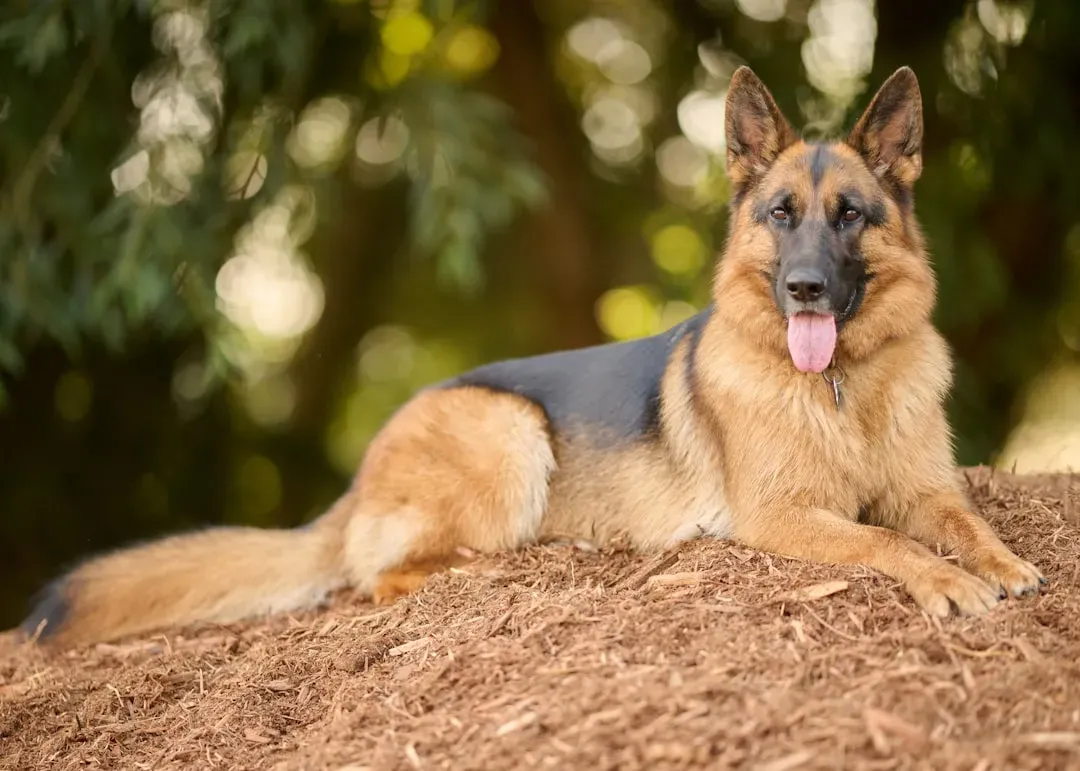
German Shepherds combine alertness with deep loyalty. They notice changes in routine or posture quickly and respond by staying near or offering a steady presence that feels protective without being overwhelming.
Accounts from survivors point to the breed’s focus as something that pulled attention outward. Training sessions or simple tasks like brushing became shared activities that filled empty hours. The dog’s readiness to work alongside its person created structure when everything else felt uncertain.
Beagle

Beagles bring a curious, nose-driven approach to life that can lighten heavy spaces. Their playful persistence often draws a reluctant smile or a short outing that shifts the day slightly.
Survivors recall how the breed’s vocal nature and love of scent work pulled them into the moment. Following the dog on a trail or even just listening to its happy sniffs offered distraction that grew into motivation. The small adventures added layers of normalcy.
Poodle
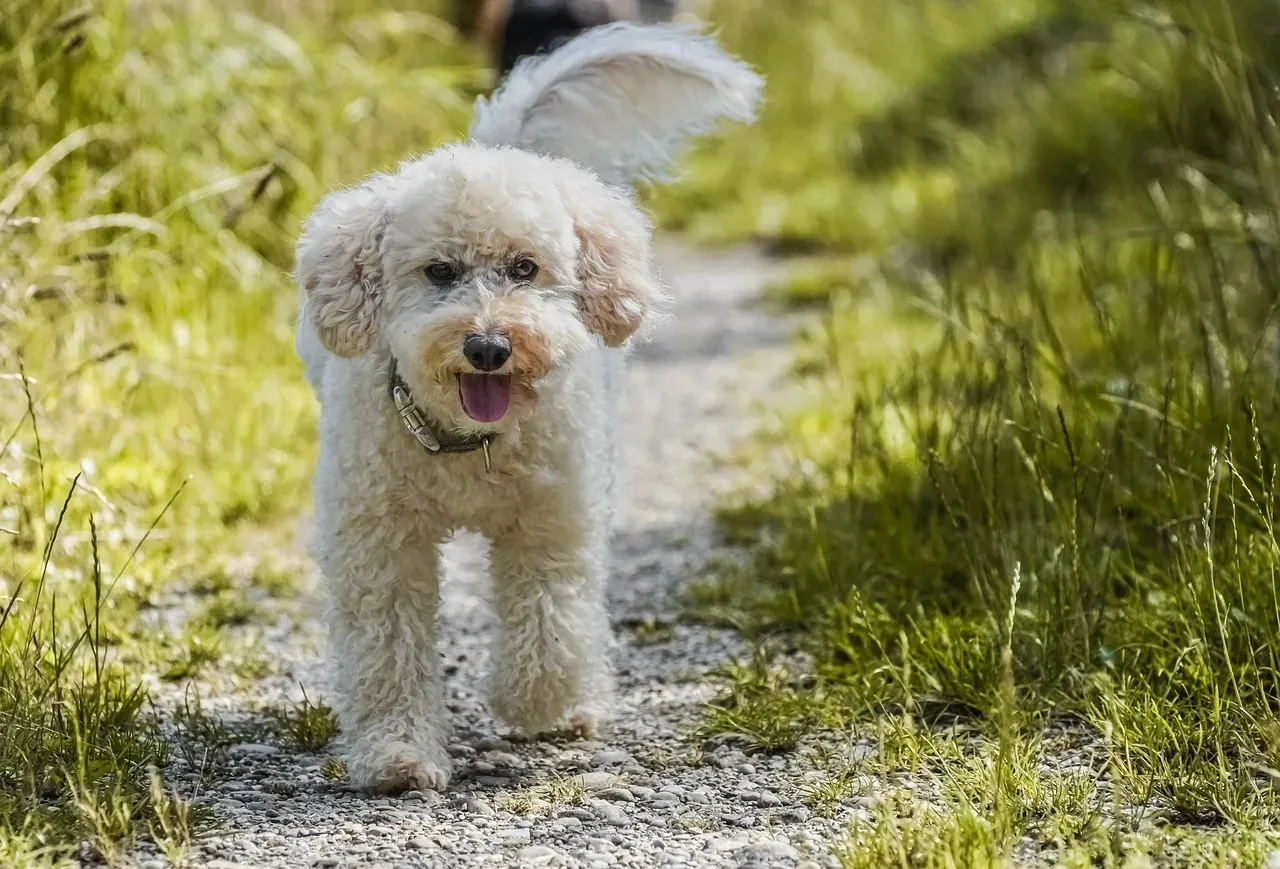
Poodles show intelligence paired with affection that adapts well to different living situations. They pick up on emotional cues and often adjust their energy to match what their person needs most at the time.
Stories highlight how grooming routines or puzzle games became shared rituals. The breed’s eagerness to learn new things gave owners a sense of progress on days when forward movement felt impossible. That partnership built quiet confidence over weeks and months.
Bulldog
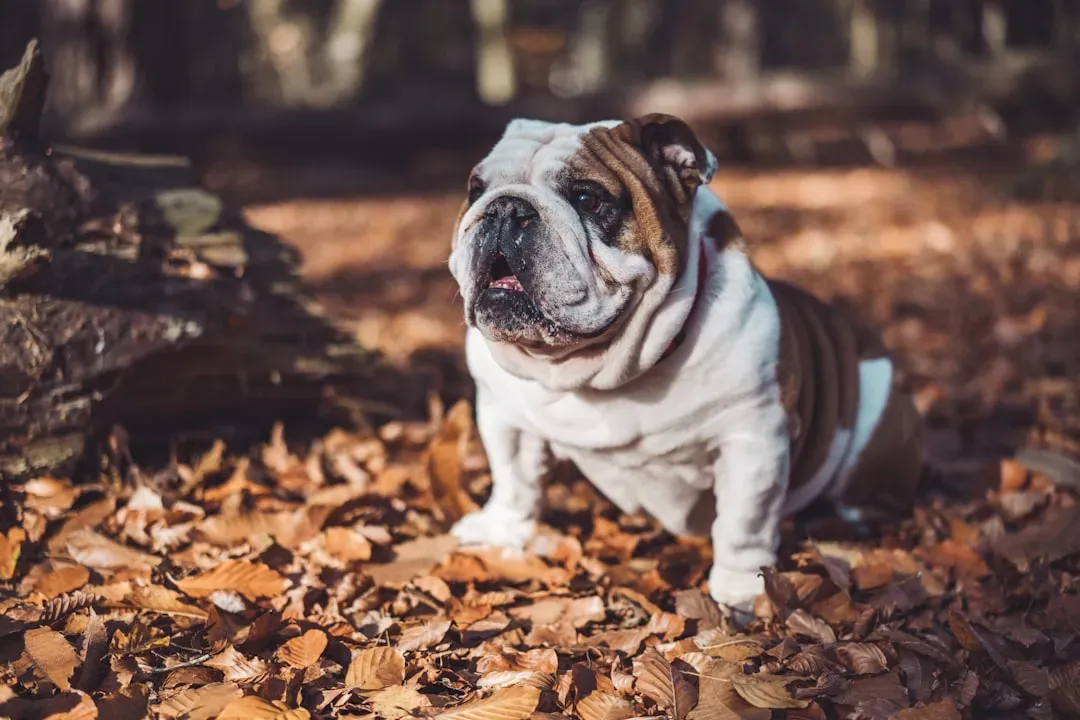
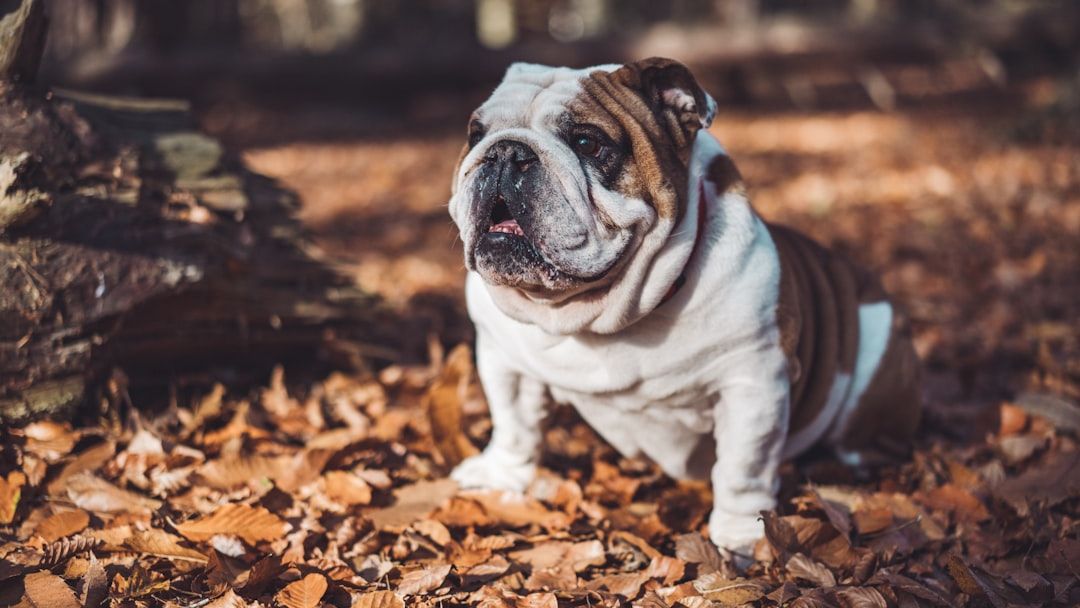
Bulldogs offer a calm, low-key companionship that does not require constant activity. Their steady breathing and relaxed posture can create a soothing backdrop during restless nights or long afternoons.
Survivors have noted the breed’s tolerance for closeness without pressure. Simply sitting together or sharing a quiet room became enough to ease the weight of the moment. The dog’s unhurried pace encouraged slowing down and staying present.
Boxer
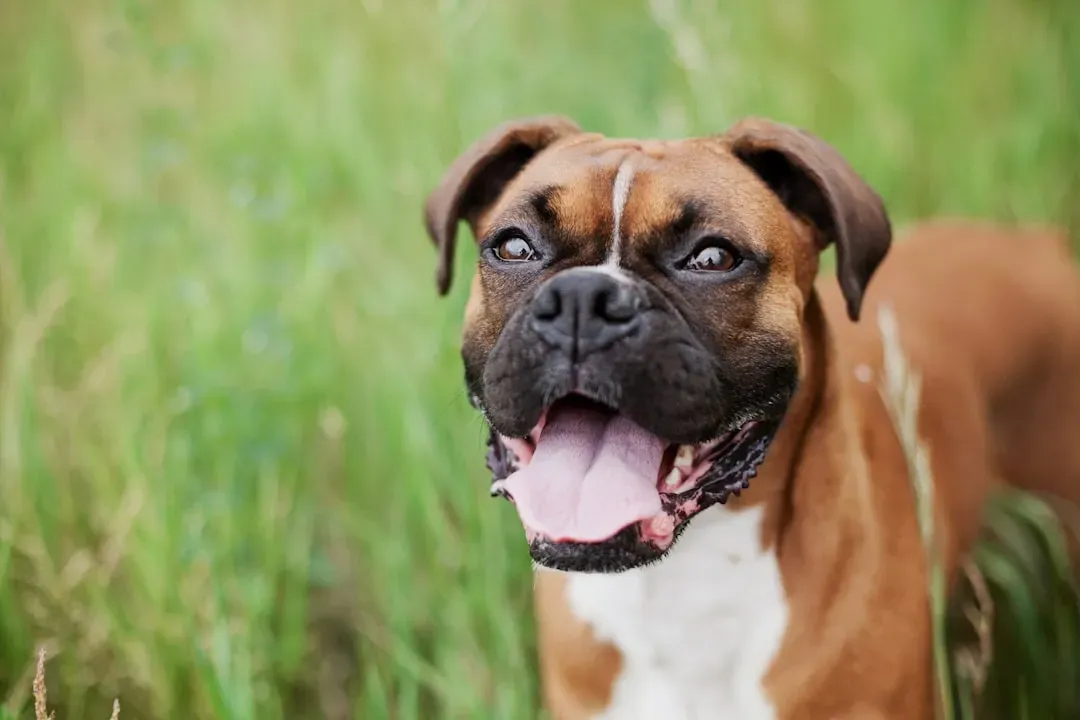
Boxers mix playfulness with protective instincts in a way that feels balanced. They often initiate gentle contact or silly antics that interrupt spiraling thoughts and bring attention back to the here and now.
People who credit their dogs describe how the breed’s enthusiasm for life rubbed off during recovery. Short play sessions or even just watching the dog zoom around the yard provided bursts of lightness. Those moments helped rebuild a connection to joy.
Rottweiler

Rottweilers form strong bonds and show their attachment through quiet vigilance. They tend to position themselves nearby in a reassuring way that signals steady support without needing words.
Survivors mention how the breed’s calm strength helped create a feeling of safety. Daily care like feeding or short walks turned into reliable touchpoints. The dog’s loyalty reinforced a sense that someone was in it together.
Cavalier King Charles Spaniel
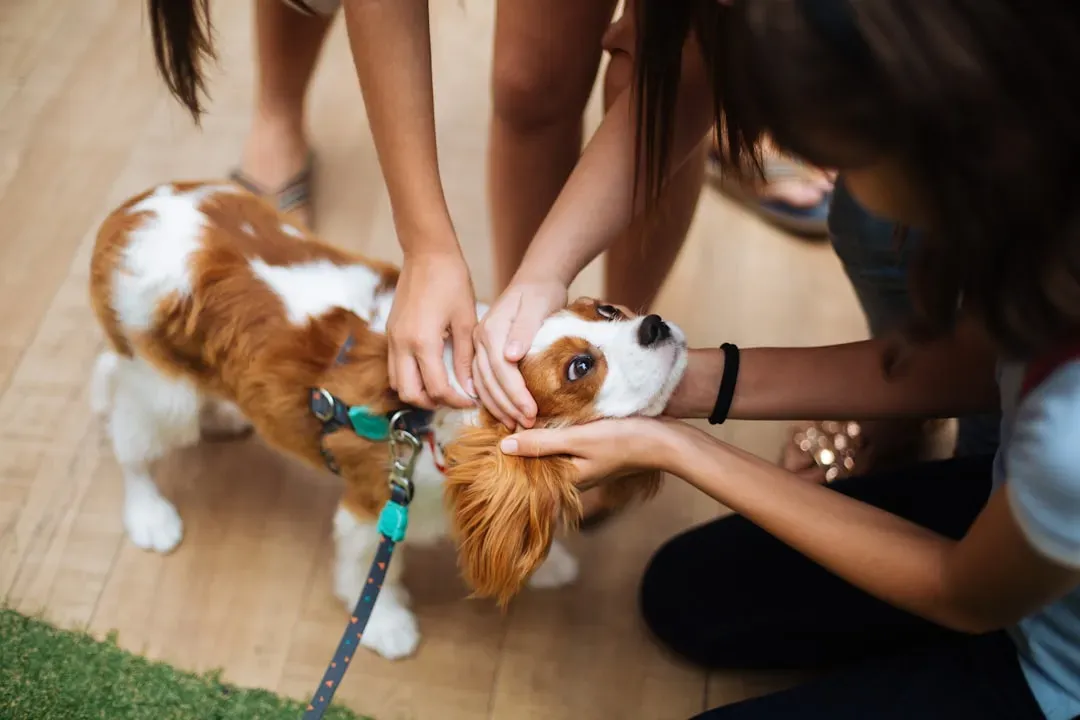
Cavaliers thrive on close companionship and often seek out laps or gentle petting sessions. Their affectionate nature can fill silence with warmth and remind someone they are not alone.
Accounts note how the breed’s small size makes them easy to keep near during difficult stretches. The simple act of holding or stroking the dog became a grounding practice. Over time those interactions supported gradual steps toward feeling steadier.
These breeds appear in survivor accounts because their traits align with what many people needed most during recovery. The details differ from one story to the next, yet the core remains the same steady presence that helped tip the balance.
Ultimately the real power lies in the relationship itself rather than any single breed. Choosing a dog that matches your life and energy can open the door to that kind of support when it matters most.


