
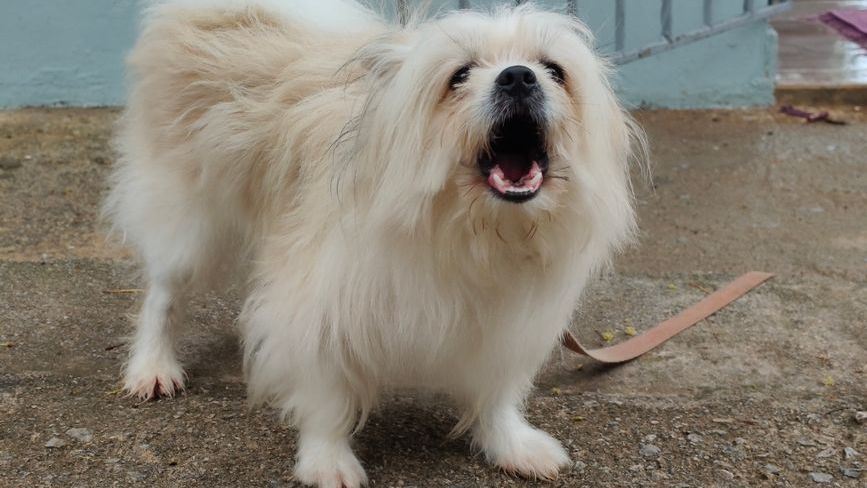
Most dog owners notice the little quirks their pets develop over time. Some of those habits look harmless at first glance, yet they often point to something deeper going on beneath the surface.
Recognizing the difference between normal playfulness and a signal for help can change how you respond to your dog each day. The behaviors below frequently get mistaken for mischief or personality traits when they actually reflect stress, discomfort, or unmet needs.
Excessive Paw Licking
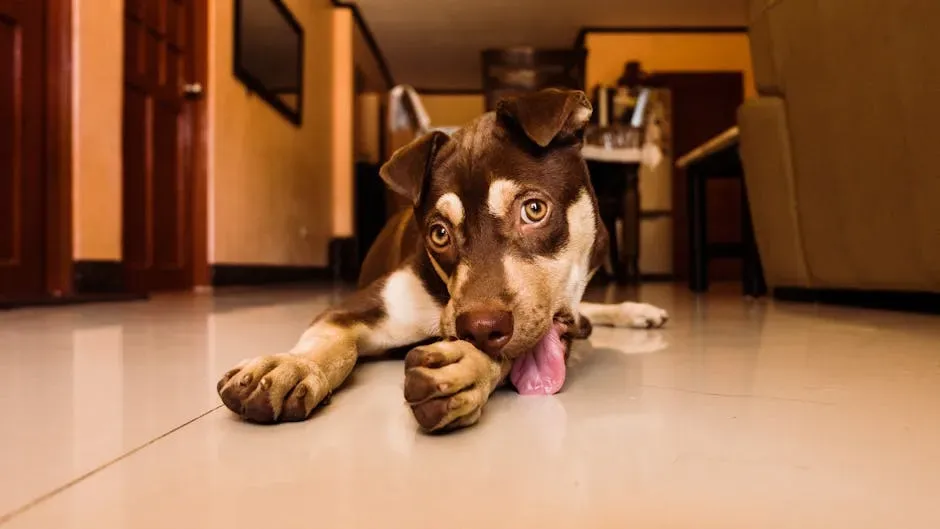
Dogs sometimes lick their paws after a walk through wet grass or after stepping on something sticky. When the licking becomes nonstop and focused on the same spots day after day, it often signals allergies, skin irritation, or even joint pain that the dog cannot express any other way.
Owners who watch closely notice the skin turning red or the fur thinning in those areas. A quick check with a veterinarian can rule out medical causes before the habit turns into a chronic wound that requires more involved treatment later.
Destructive Chewing When Left Alone
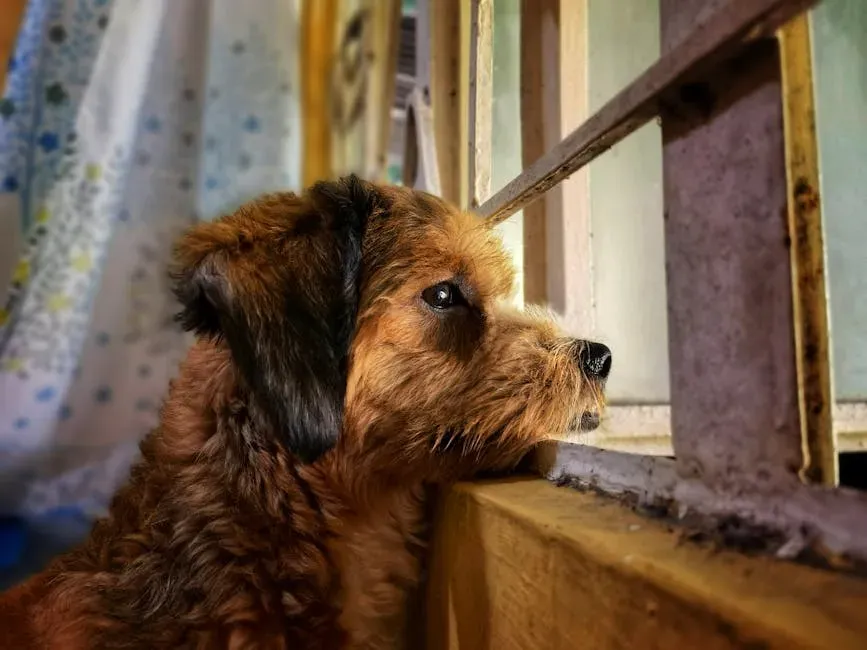
Chewing on furniture or shoes while the family is away looks like simple boredom to many people. In reality it frequently stems from separation anxiety that builds as soon as the door closes and the dog realizes it is truly alone.
The behavior tends to appear suddenly after a change in routine, such as a new work schedule or the loss of another pet in the home. Providing a safe chew toy helps in the short term, yet addressing the underlying anxiety through training or medication often brings longer lasting relief.
Constant Barking at Nothing Visible
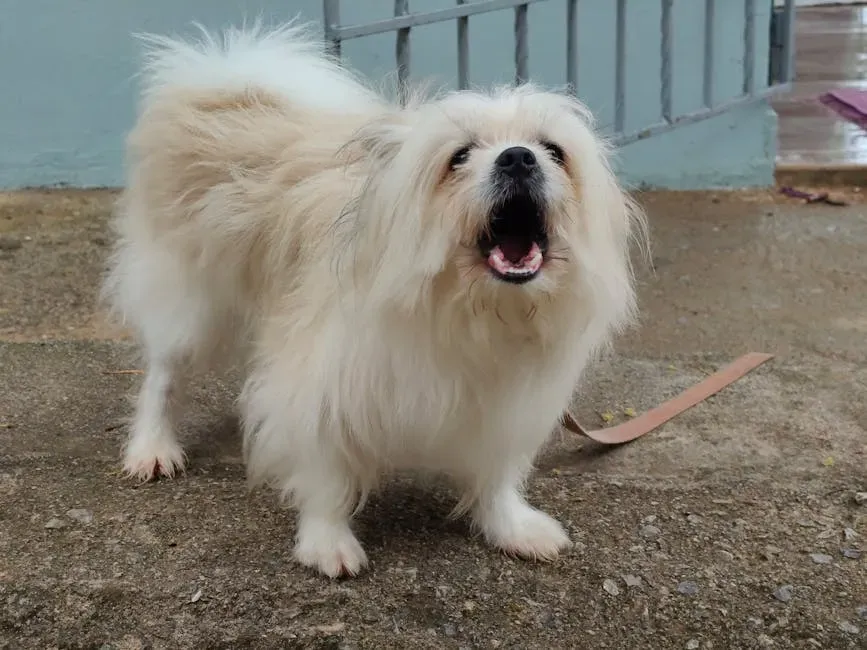
Barking serves as a normal warning system when a stranger approaches the yard. Persistent barking that continues long after any obvious trigger has passed can indicate hearing loss, vision changes, or cognitive decline in older dogs.
Younger dogs may bark the same way when they feel trapped or when household noise levels rise beyond their comfort zone. Tracking the times and locations of these episodes helps pinpoint whether the dog needs environmental adjustments or a medical evaluation.
Sudden Loss of Interest in Food

A healthy dog usually greets mealtime with enthusiasm. When a previously eager eater begins turning away from the bowl or eats only small amounts, the shift often reflects dental pain, digestive upset, or even emotional stress from recent household changes.
Offering the same food in a different location or warming it slightly sometimes restarts interest temporarily. Persistent refusal still warrants a veterinary visit because early detection of issues like pancreatitis or dental disease improves recovery chances significantly.
Hiding in Unusual Spots
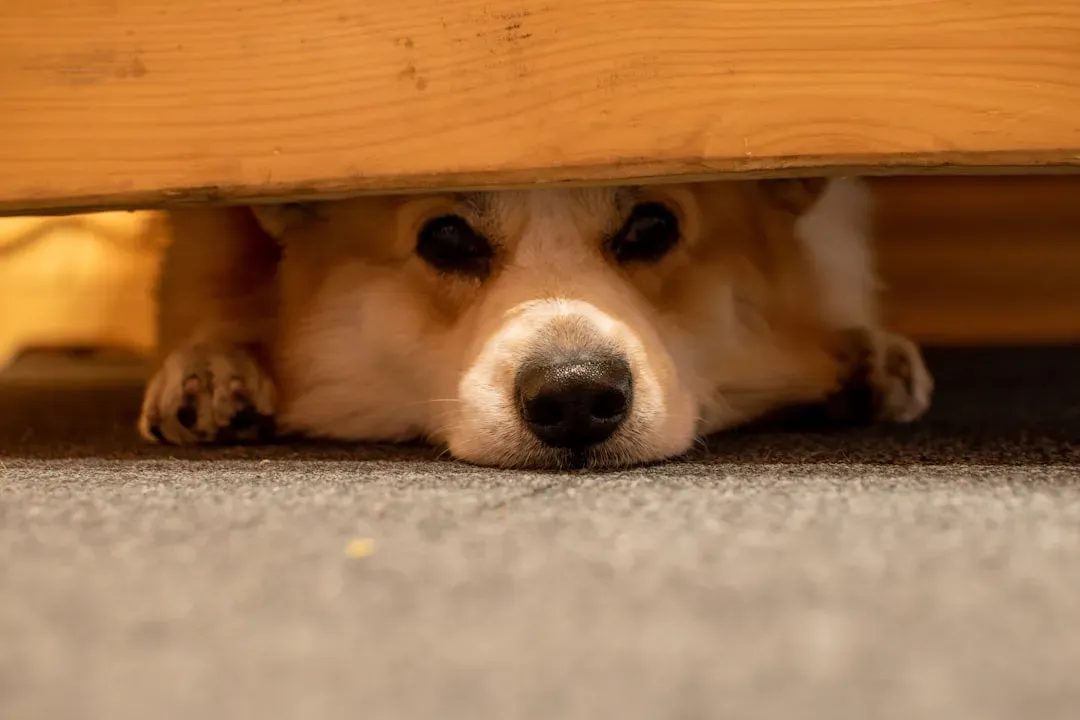
Most dogs choose a favorite corner or bed for naps. Retreating to closets, under furniture, or behind appliances for long stretches suggests the dog is trying to escape something that frightens or hurts it.
Thunderstorms, new visitors, or even subtle changes in lighting from new windows can trigger this response. Creating a quiet, accessible safe space with familiar bedding gives the dog an outlet while owners work to identify and reduce the source of discomfort.
Restless Pacing at Night

Occasional movement around the house after dark happens when a dog hears an unfamiliar sound outside. Repeated pacing that prevents both the dog and the household from sleeping often points to discomfort from arthritis or an unsettled stomach.
Older dogs in particular may pace because they can no longer settle comfortably on hard floors. A supportive orthopedic bed combined with a gentle evening routine frequently reduces the behavior and improves rest for everyone involved.
Unprovoked Growling at Family Members
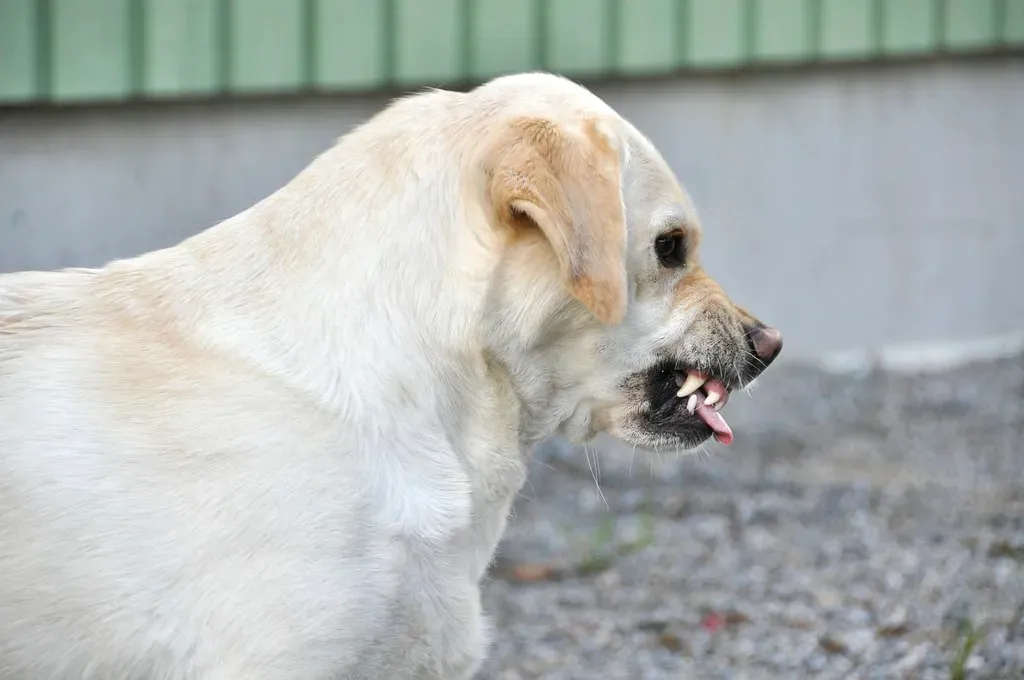
Growling usually serves as a clear warning when a dog feels threatened. When the sound appears without an obvious reason, such as during petting or near the food bowl, it can reflect pain in a specific area of the body that the dog associates with touch.
Resource guarding or fear from past experiences also produces this response. Professional trainers and veterinarians working together can determine whether the issue requires medical treatment, behavior modification, or both.
Accidents Inside After Years of Housetraining
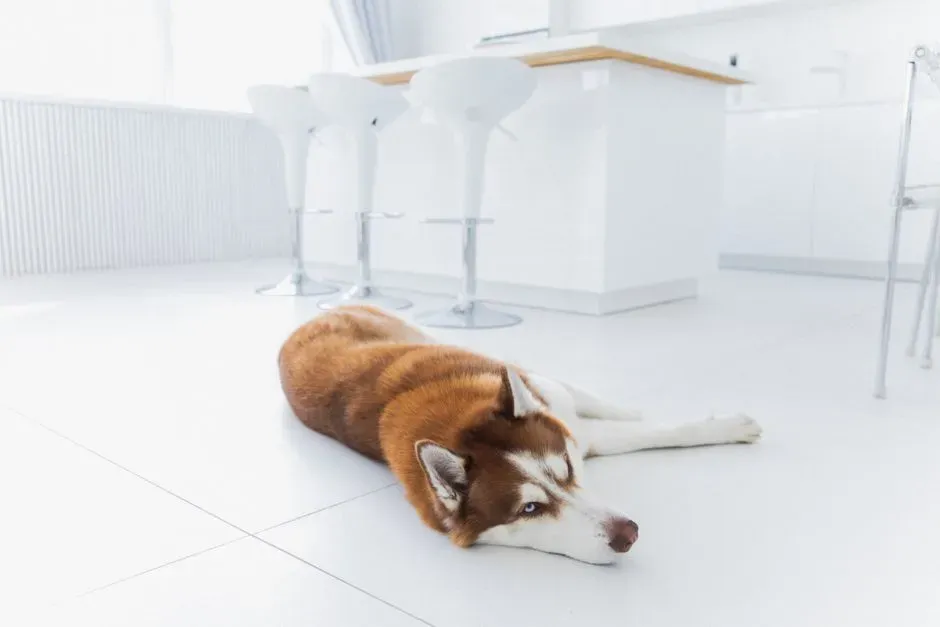
A dog that has reliably asked to go outside for years suddenly leaving messes indoors often surprises owners. Medical conditions such as urinary tract infections or cognitive changes in senior dogs frequently cause these setbacks.
Stress from travel, new pets, or rearranged furniture can also disrupt established habits. Ruling out health problems first allows owners to focus on retraining or environmental tweaks that restore the dog’s confidence and keep the home clean.
Paying attention to these signals strengthens the daily connection between dog and owner. Small adjustments in routine or a timely veterinary visit often restore comfort and prevent minor issues from growing into larger problems. The quiet language dogs use rewards those willing to listen.


