
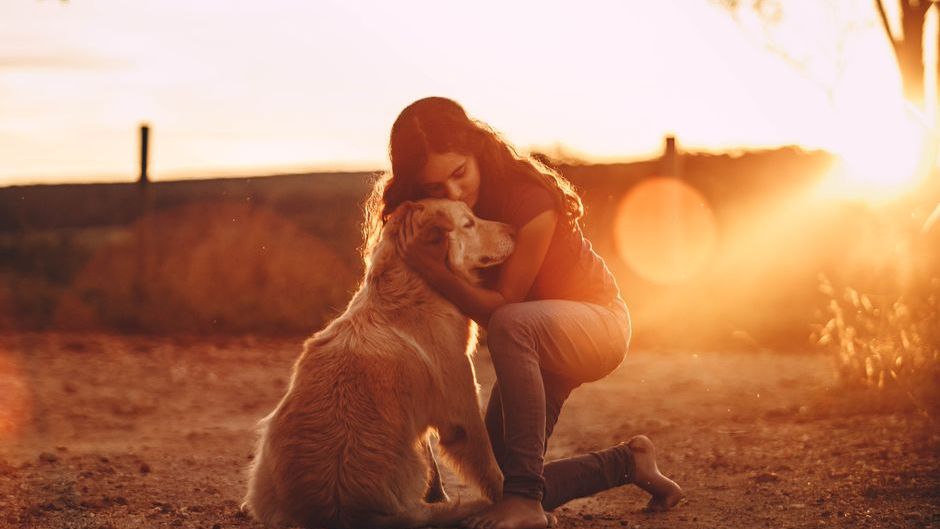
Imagine this: you’re at a family gathering, and someone shares that they cried more over their dog’s death than when a distant relative passed away. The room falls silent, eyes widen, and judgment hangs thick in the air. But is this reaction fair? Could it be that the bond between humans and their canine companions is so profound that its loss evokes a grief more intense than that for some human relationships?
The Unbreakable Bond Between Humans and Dogs
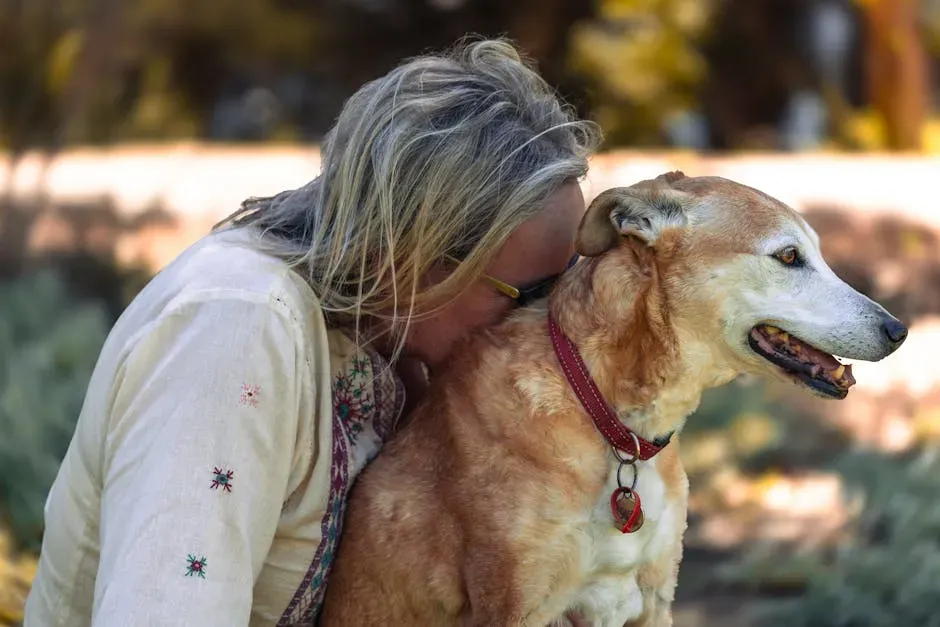
Dogs have been by our sides for thousands of years, evolving from wild wolves to beloved family members. This co-evolution has fostered a unique relationship built on mutual trust, companionship, and unconditional love. Unlike human relationships, which can be fraught with complexities and conditions, the bond with a dog is often straightforward and pure.
When a dog looks at its owner with those soulful eyes, it’s not just seeking food or a walk; it’s expressing a deep-seated connection. This unwavering loyalty and affection create a safe emotional space where owners can be their true selves without fear of judgment or betrayal.
Grieving a Pet: A Pain Like No Other

It’s a common misconception that mourning a pet is less significant than grieving a human. However, studies have shown that the loss of a pet can trigger grief as intense as, or even more intense than, that experienced after the death of a human loved one. This is because pets often play central roles in our daily lives, offering companionship, routine, and emotional support.
For many, a pet’s death disrupts daily routines and leaves a void that’s hard to fill. The absence of a wagging tail at the door or the comforting presence during tough times can make the loss feel overwhelming and deeply personal.
Society’s Misunderstanding of Pet Grief
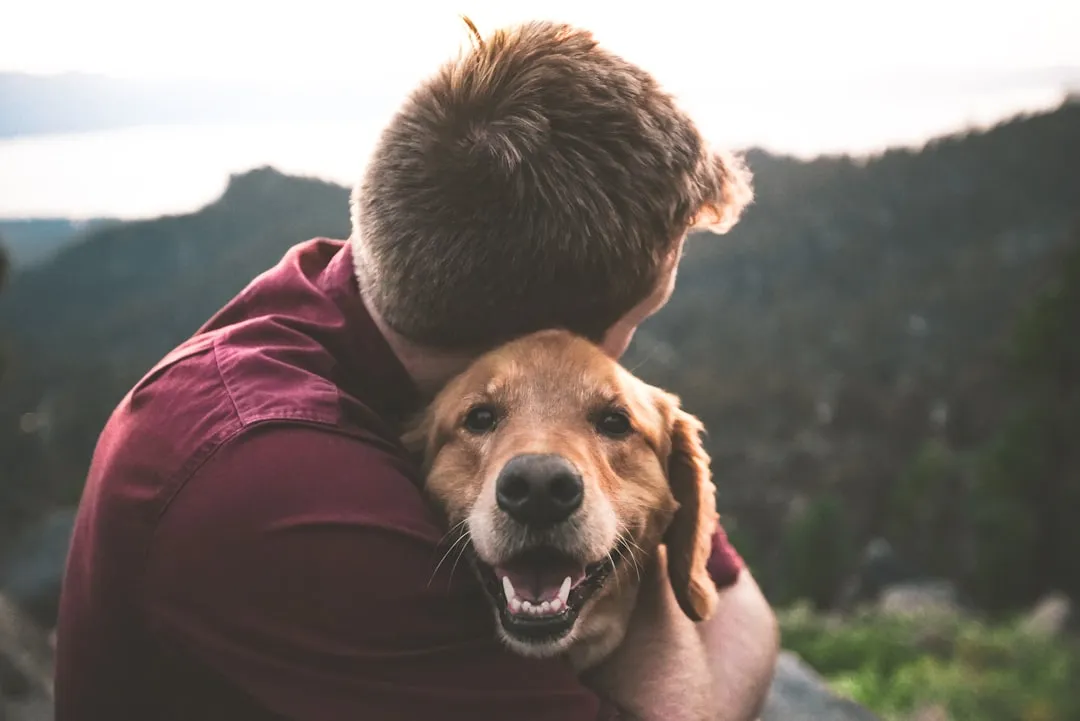
Despite the profound grief many feel after losing a pet, society often fails to recognize or validate this pain. Terms like “disenfranchised grief” describe losses that aren’t socially acknowledged, leaving individuals to mourn in isolation. This lack of recognition can exacerbate feelings of loneliness and misunderstanding.
Friends and family might unintentionally minimize the loss by suggesting, “It was just a dog,” or “You can get another one.” Such comments, though perhaps well-meaning, can deepen the mourner’s sense of isolation and invalidate their feelings.
The Science Behind the Tears
Neurologically, the bonds we form with our pets activate the same areas of the brain associated with human attachment. When we lose a pet, the brain processes this loss similarly to losing a human loved one. This explains why the grief can feel so intense and all-encompassing.
Moreover, the routines and daily interactions we share with our pets become ingrained in our lives. Their absence disrupts these patterns, leading to a tangible sense of loss that permeates various aspects of daily life.
Unconditional Love: A Rarity in Human Relationships
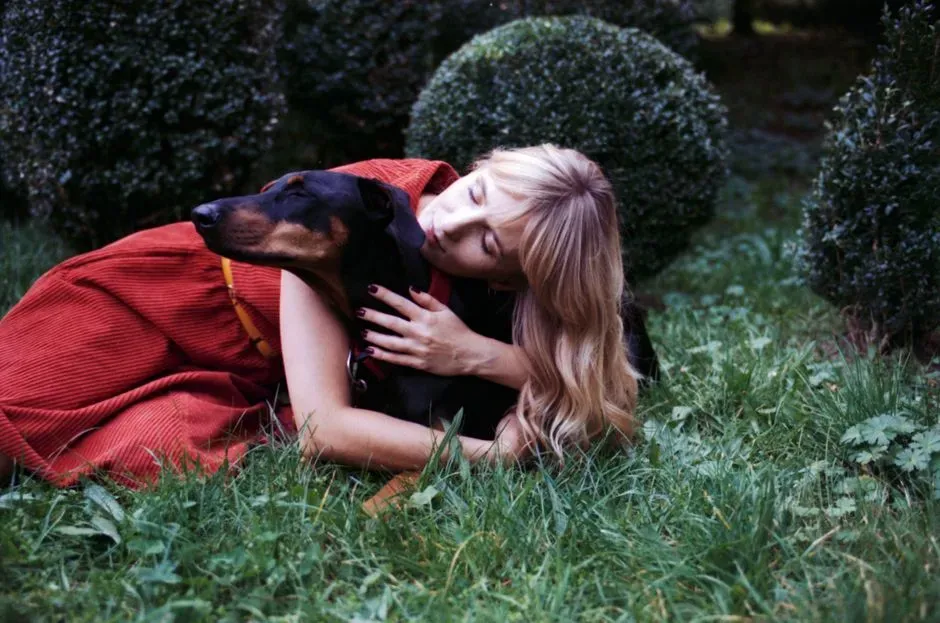
One of the most cherished aspects of the human-dog relationship is the unconditional love dogs offer. They don’t care about our flaws, mistakes, or bad days. Their love is constant, unwavering, and without judgment – a rarity in many human relationships.
This pure form of love creates a deep emotional bond. When it’s lost, the grief can be profound, not because the mourner is cold-hearted towards humans, but because they’ve lost a source of unconditional acceptance and love.
Embracing and Validating Pet Grief
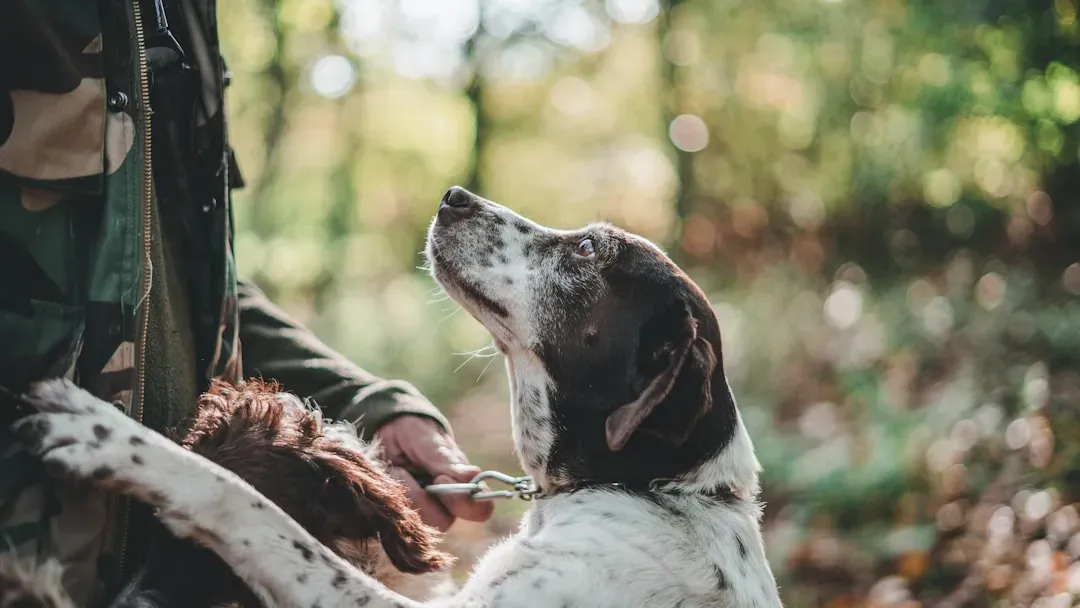
Recognizing and validating the grief associated with pet loss is crucial. Mourning a pet is a natural and legitimate process that deserves support and understanding. By acknowledging the depth of this grief, we can offer better support to those navigating the loss of their beloved companions.
Creating spaces for open conversations about pet loss, offering support groups, and simply listening without judgment can make a significant difference in the healing process for grieving pet owners.
Conclusion: A Love Beyond Comparison
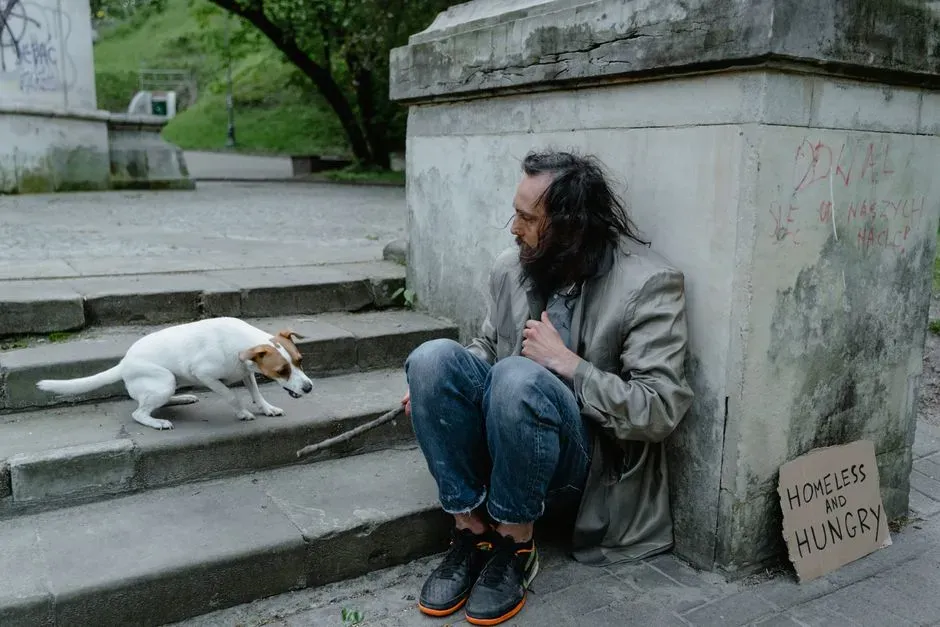
Grieving more for a dog than a distant relative doesn’t signify a lack of love for humans; it highlights the profound, unique bond shared with a loyal companion. This grief is a testament to the deep connections we can form with our pets – a love that’s pure, unconditional, and irreplaceable.
So, the next time someone shares their deep sorrow over a pet’s passing, remember: they’re not being cold-hearted. They’re mourning a love that was simple, profound, and beautifully pure. Isn’t that something we all yearn for?


